Medical Material Biocompatibility: Common Test Failures and How to Prevent Them
Medical material biocompatibility failures can delay approvals, increase testing costs, and create serious patient safety concerns.
When a device fails cytotoxicity, sensitization, irritation, or chemical characterization, the root cause is often preventable.
This guide explains common failure modes, why they happen, and how to reduce risk through smarter material control, process validation, and documentation discipline.
Why does medical material biocompatibility fail so often?
Medical material biocompatibility is not determined by raw material selection alone.
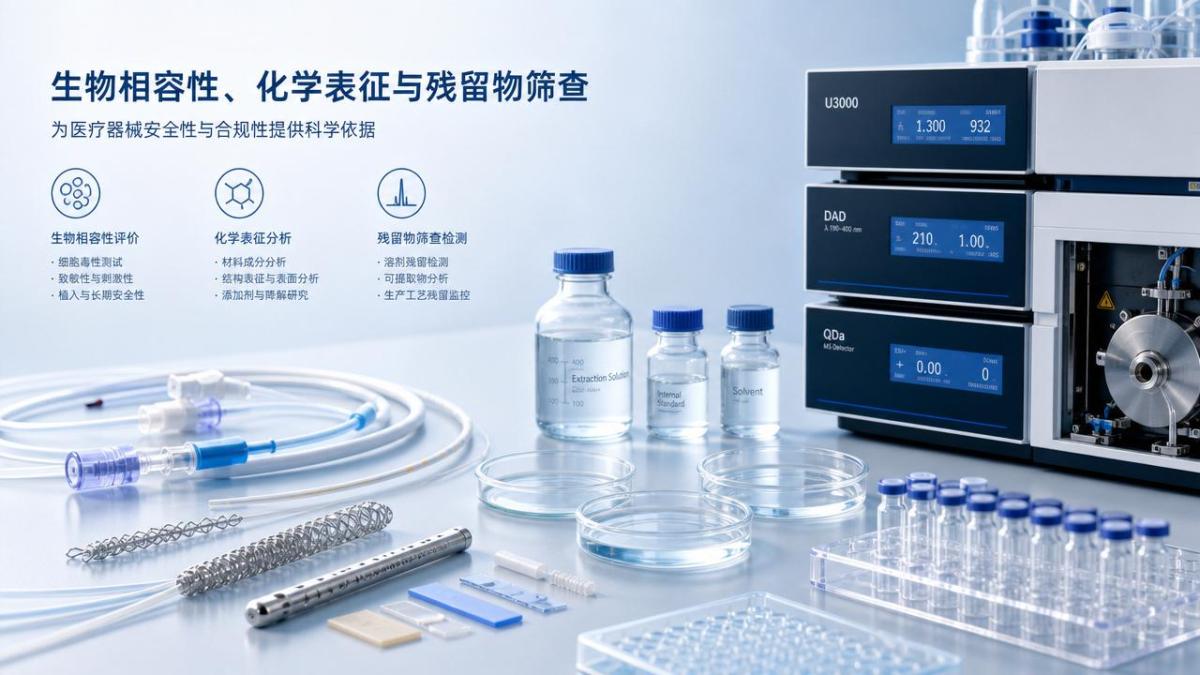
Failures usually come from the combined effect of formulation, manufacturing residues, packaging interactions, sterilization changes, and incomplete biological evaluation planning.
A polymer may look safe on paper, yet fail after additives, colorants, lubricants, or cleaning agents alter the extractables profile.
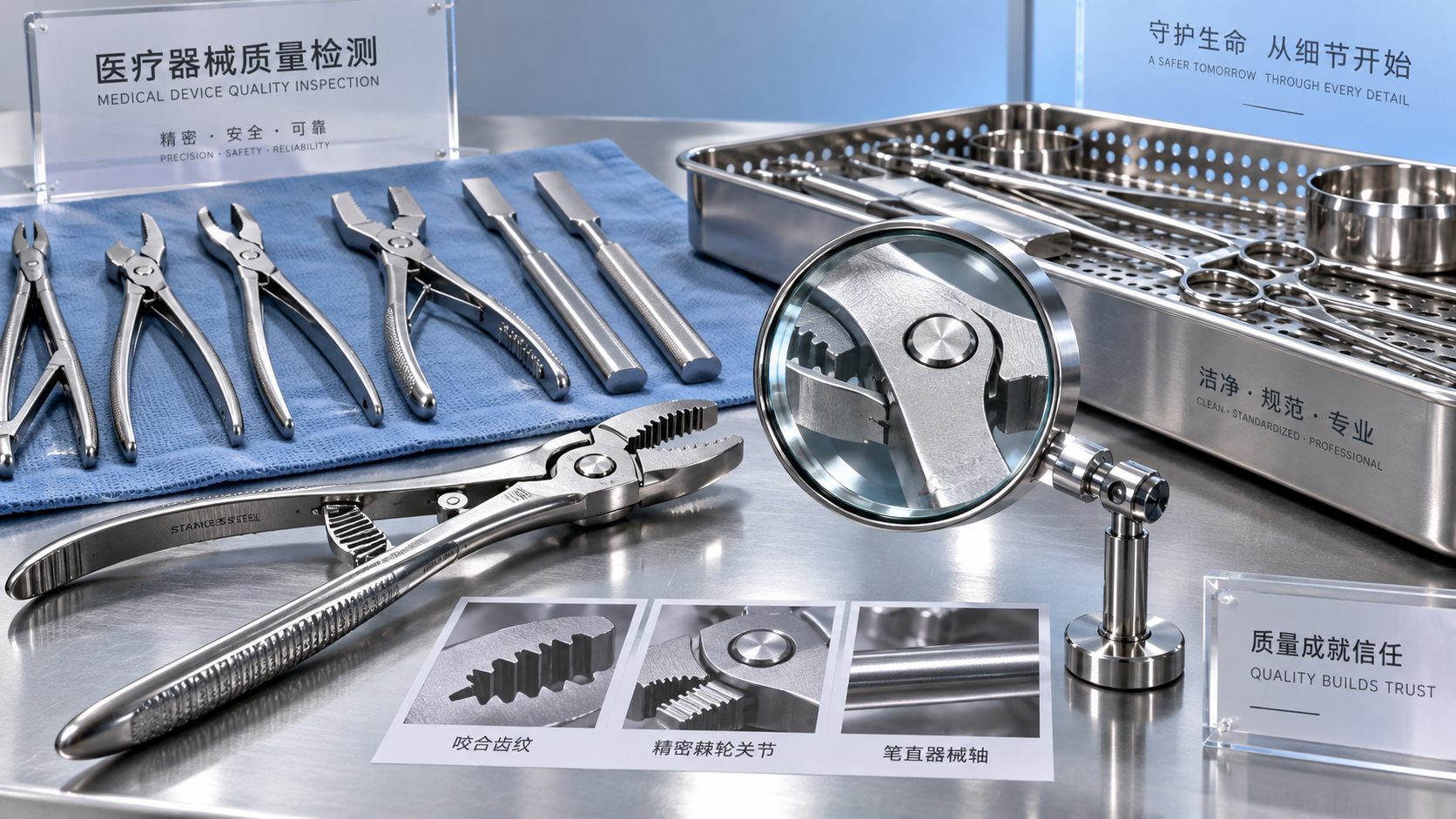
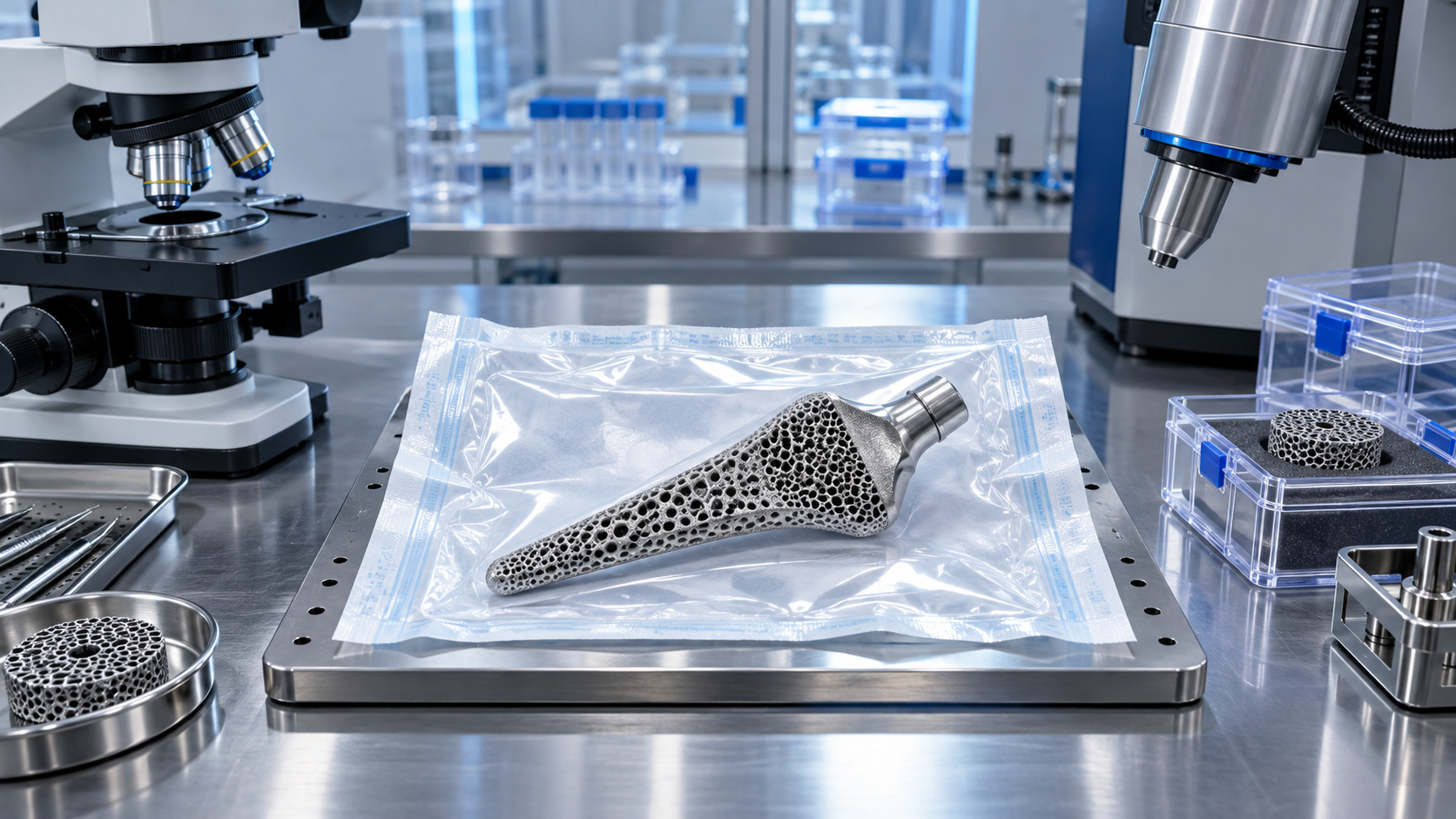
Metal implants may also fail when machining oils, passivation errors, or surface contamination remain after processing.
Another frequent issue is using supplier data without confirming the final finished device condition.
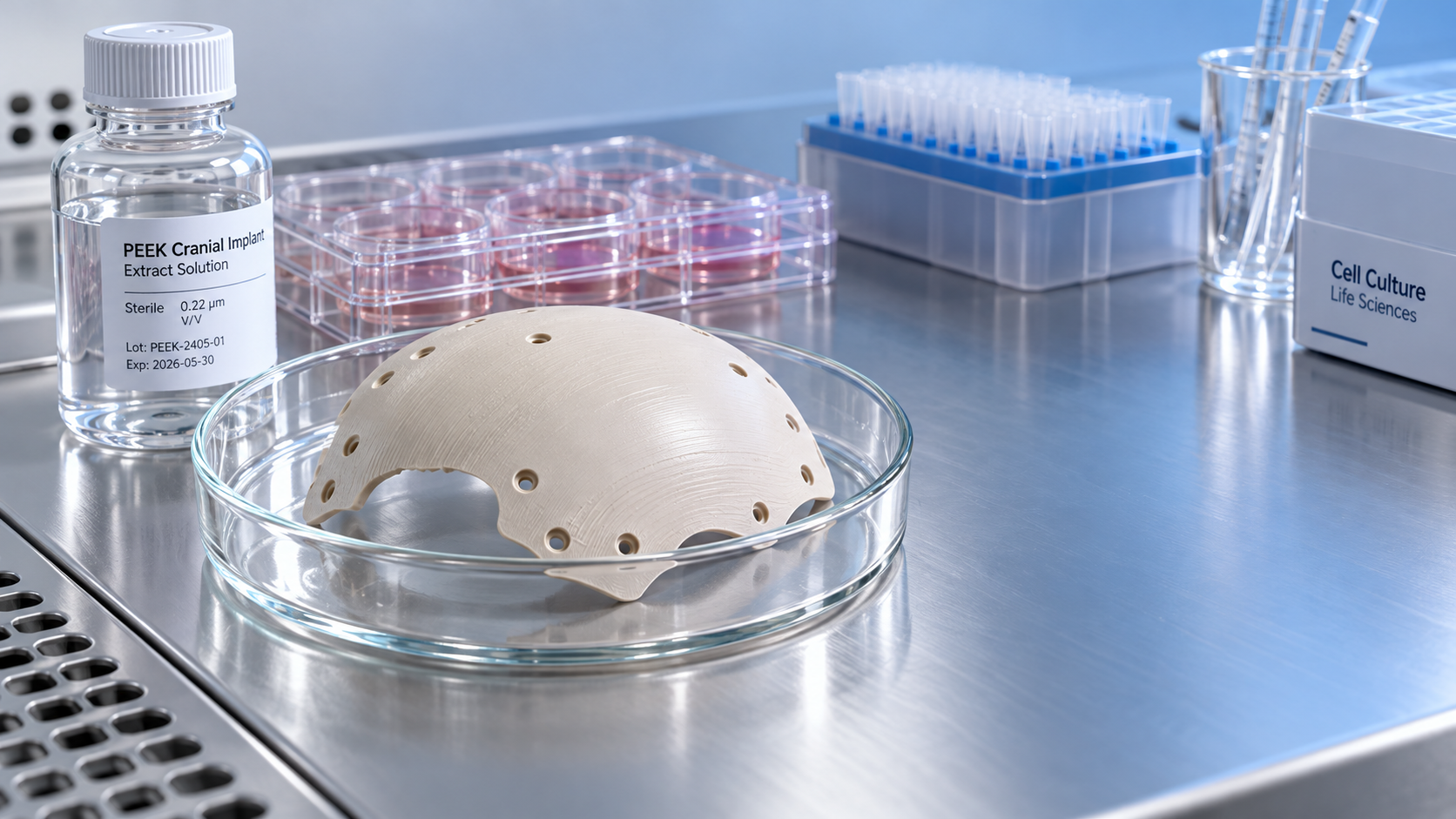
ISO 10993 testing evaluates the actual patient-contacting product, not an idealized version of the base material.
Poor test article selection can therefore invalidate an otherwise strong safety strategy.
Typical root causes include:
- Uncontrolled additives or processing aids
- Residual solvents, monomers, or detergents
- Sterilization-induced material degradation
- Incorrect extraction conditions
- Weak change control after design transfer
- Incomplete toxicological risk assessment
Which tests fail most often in medical material biocompatibility programs?
The most common failures involve cytotoxicity, sensitization, irritation, and chemical characterization.
Each test reveals different weaknesses in a medical material biocompatibility strategy.
1. Why does cytotoxicity fail?
Cytotoxicity often fails because leachable substances damage cultured cells during extract testing.
Common triggers include plasticizers, residual ethylene oxide, degradation byproducts, adhesives, inks, and surfactants.
It can also fail when extraction is overly aggressive for the device’s clinical exposure profile.
2. What causes sensitization concerns?
Sensitization issues usually involve low-level chemicals that can trigger immune reactions after repeated or prolonged contact.
Rubber accelerators, acrylates, preservatives, and trace contaminants are common contributors.
3. Why do irritation tests produce unexpected results?
Irritation failures can result from acidic or alkaline residues, particulates, oxidized surfaces, or harsh extract conditions.
For wound care, catheter, and minimally invasive device materials, even small residue shifts can matter.
4. Why is chemical characterization becoming a major barrier?
Regulators increasingly expect deep chemical characterization before or alongside biological testing.
Unknown compounds, poor analytical thresholds, and missing toxicological justification often create review delays.
This is especially relevant for long-term implants, cardiovascular devices, polymer catheters, and tissue-contacting dressings.
How can materials and processes be screened before formal testing?
Prevention starts long before the first ISO 10993 submission test.
A strong medical material biocompatibility plan uses risk-based screening at development, pilot, and production stages.
Practical prevention steps
- Map every patient-contacting material, coating, adhesive, ink, and processing aid.
- Review supplier disclosures for additives, residuals, and formulation changes.
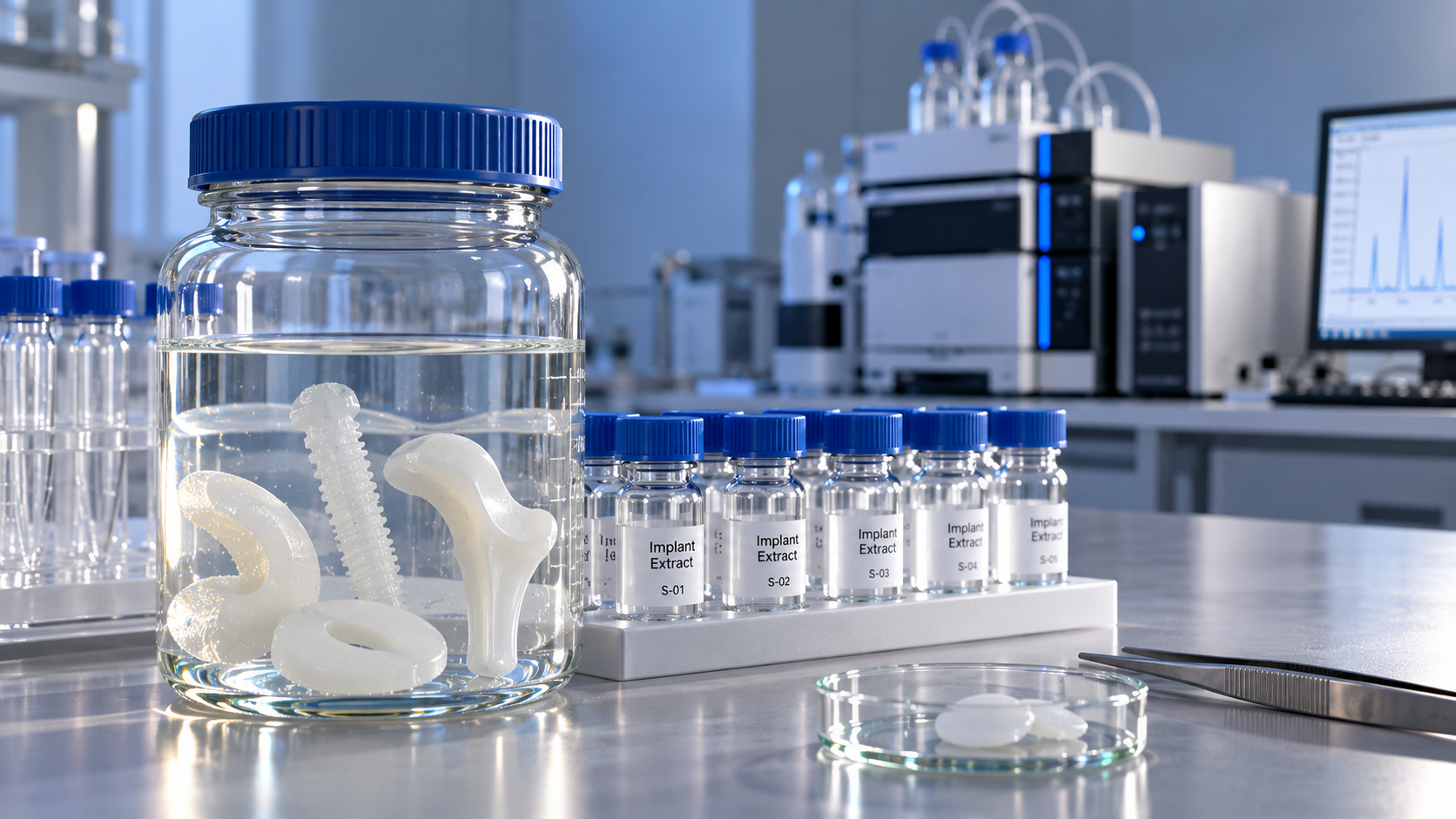
- Run early extractables screening on sterilized finished products.
- Check cleaning validation for detergents, lubricants, and particulates.
- Compare multiple sterilization methods for degradation risk.
- Assess packaging-material interaction during shelf-life studies.
These actions reduce retesting, shorten investigation cycles, and improve confidence in medical material biocompatibility outcomes.
High-risk process points to review
- Mold release agents in polymer processing
- Laser marking residues on instruments
- Surface treatment inconsistency on titanium or nitinol
- Incomplete EO aeration after sterilization
- Gamma or e-beam oxidation in sensitive polymers
How do different device categories change medical material biocompatibility risk?
Not all devices face the same medical material biocompatibility profile.
Risk depends on contact type, contact duration, implantation status, and tissue sensitivity.
Examples across advanced medical consumables
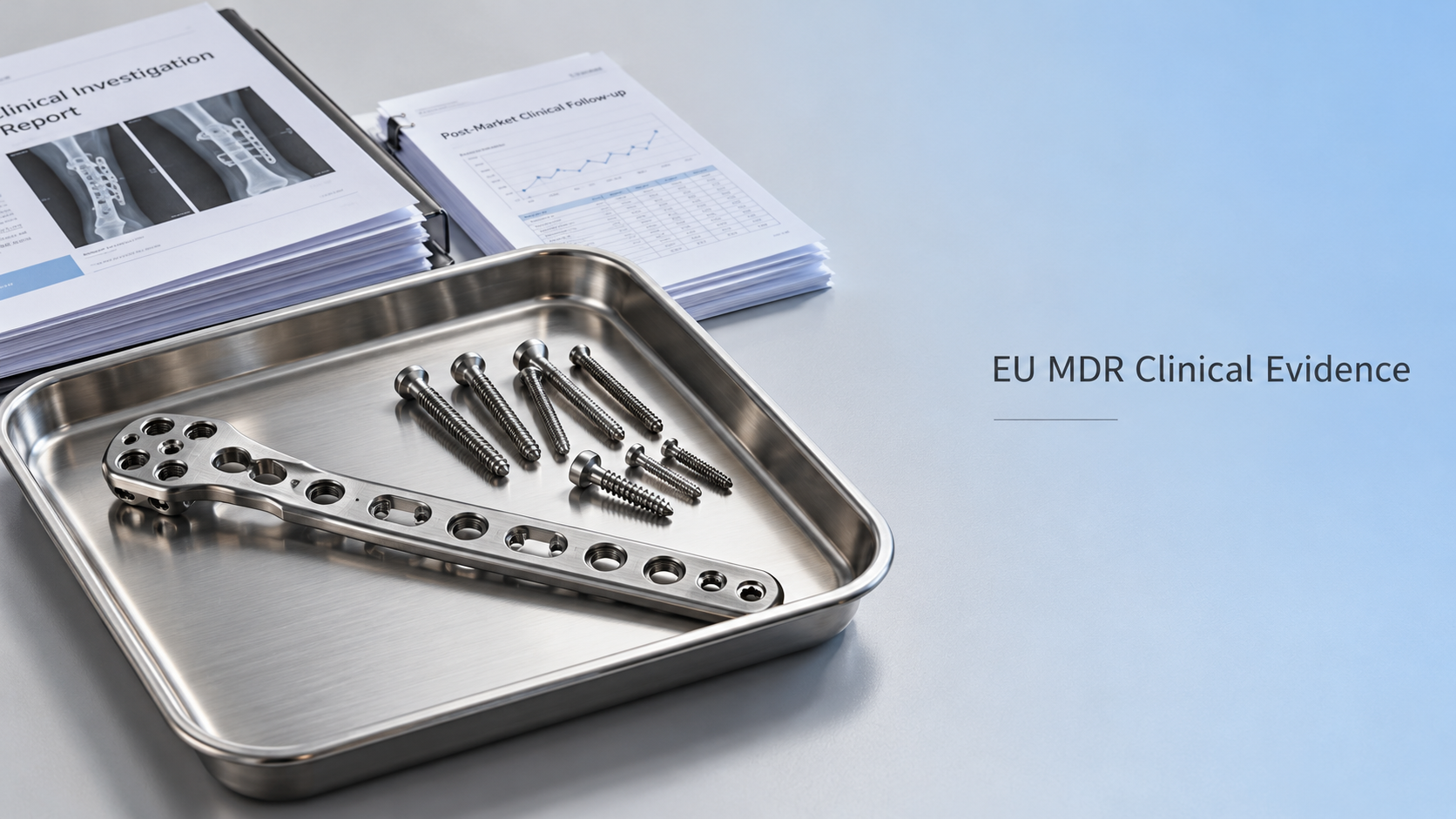
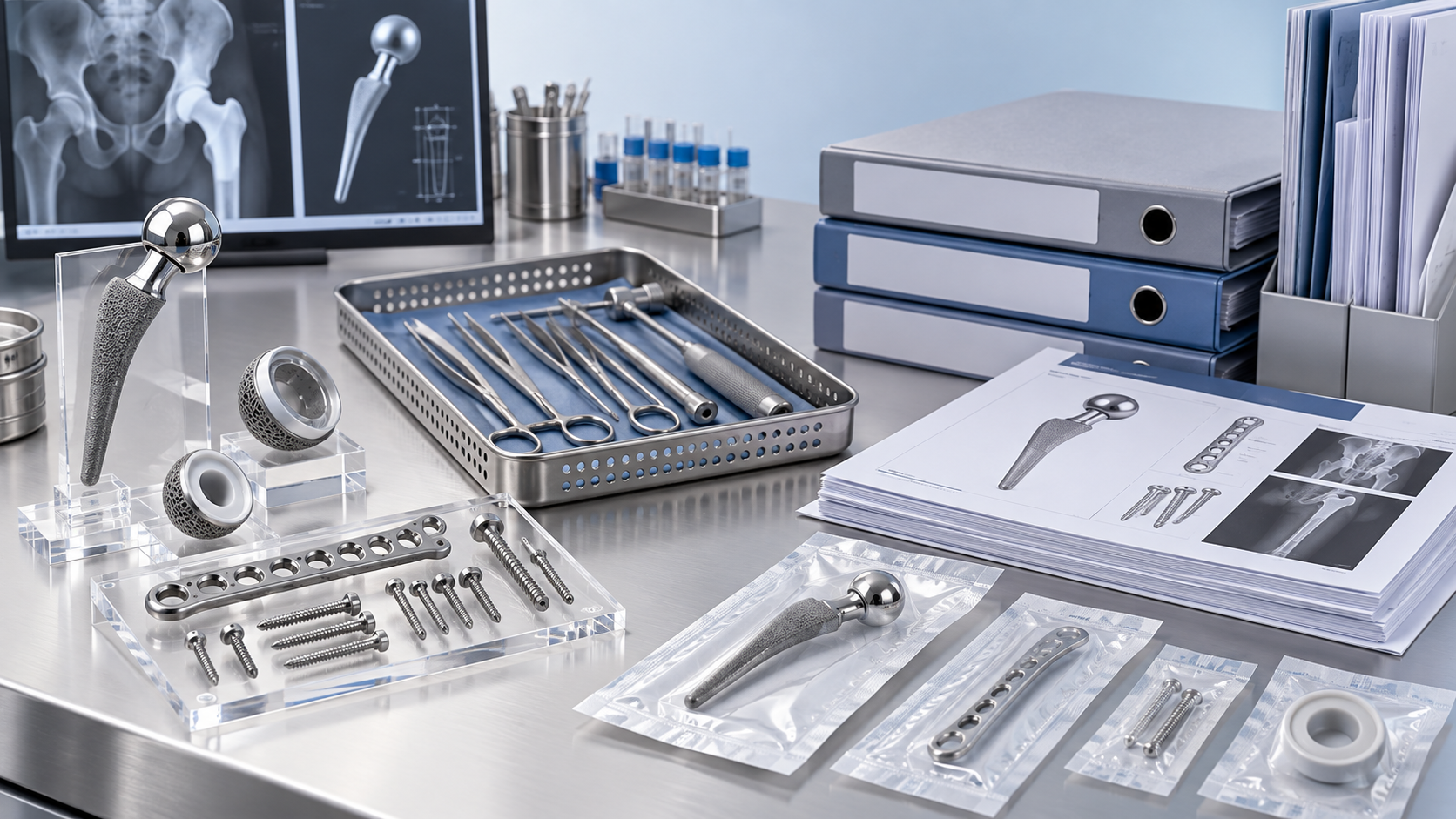
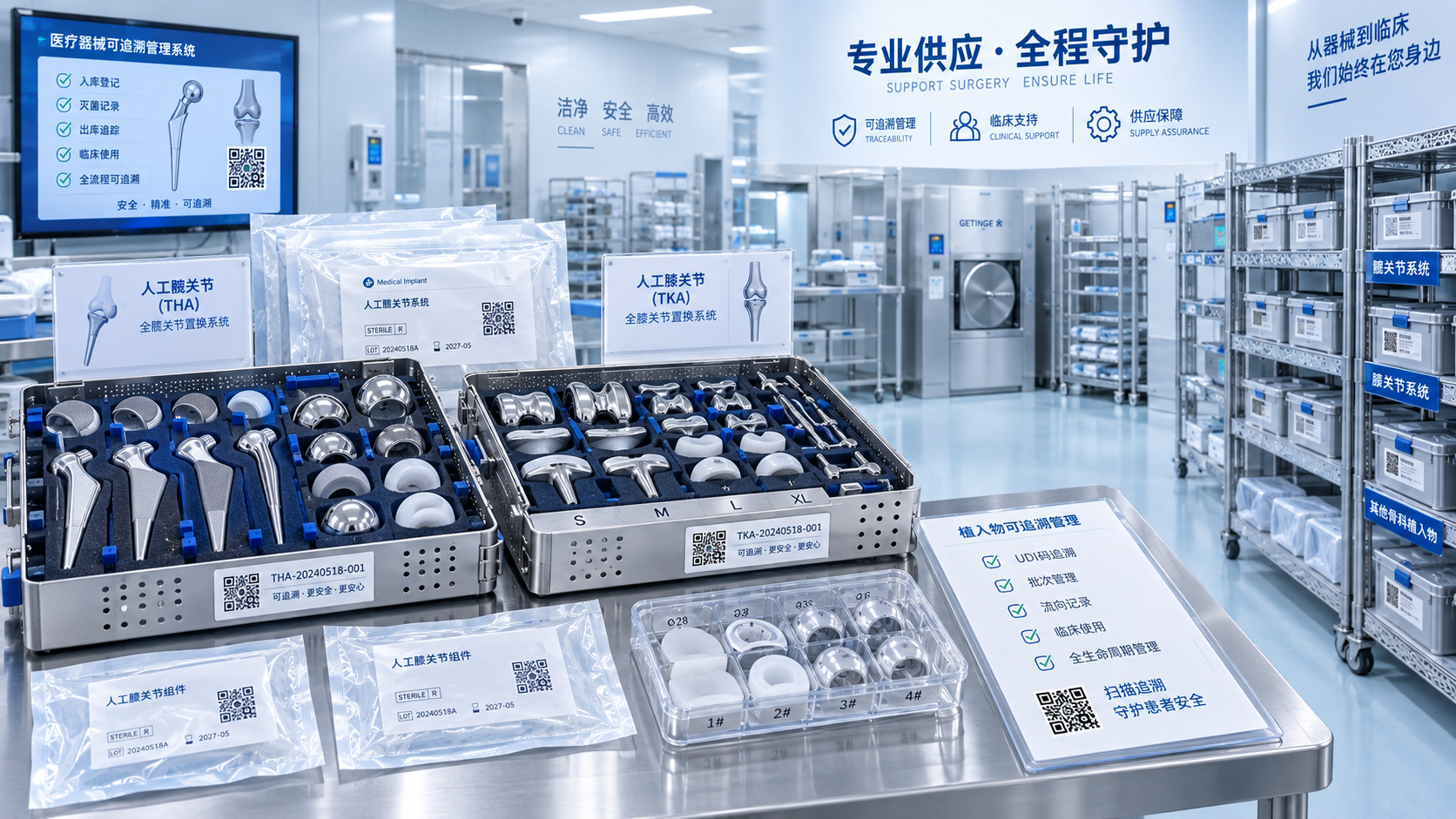
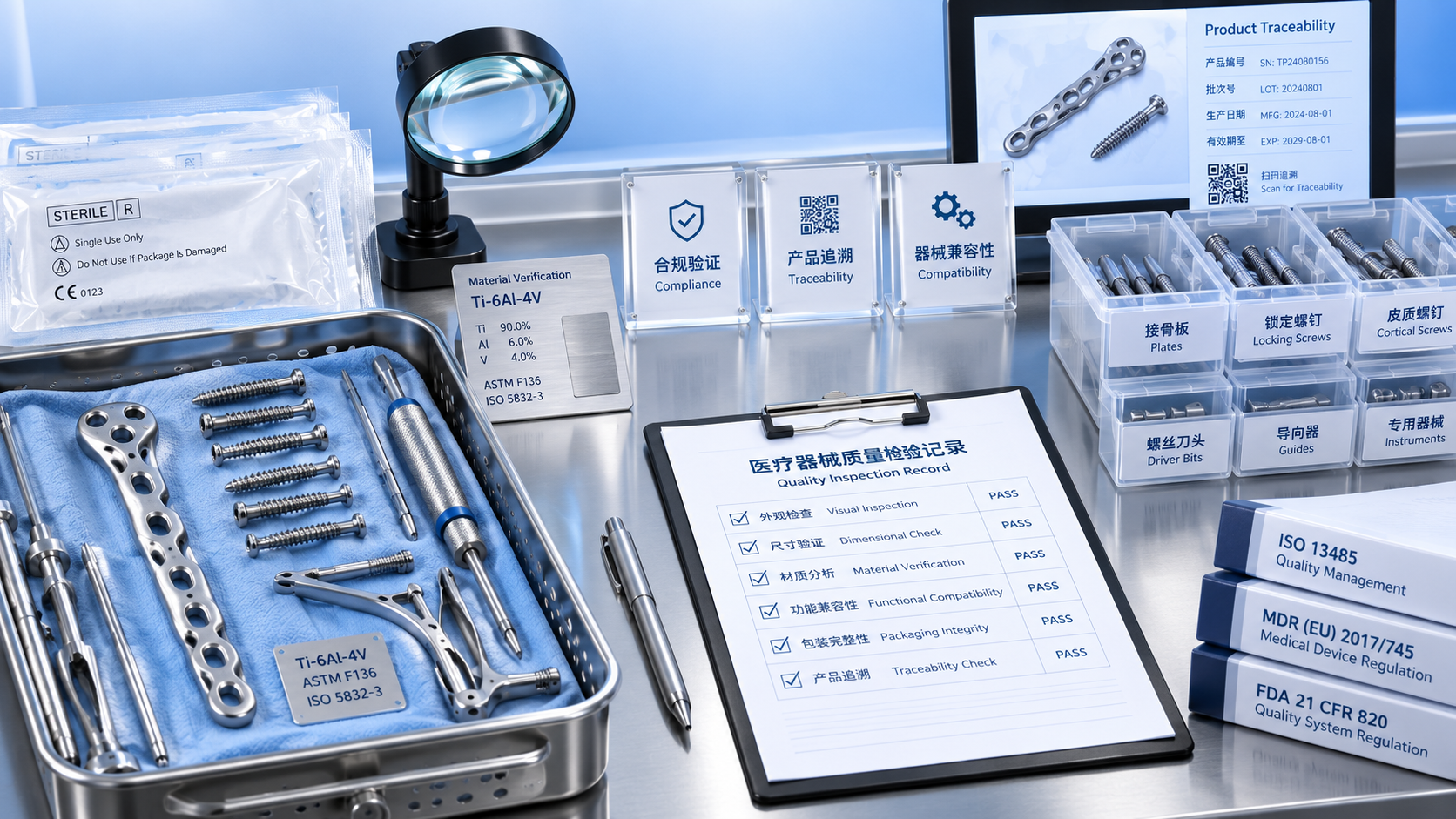
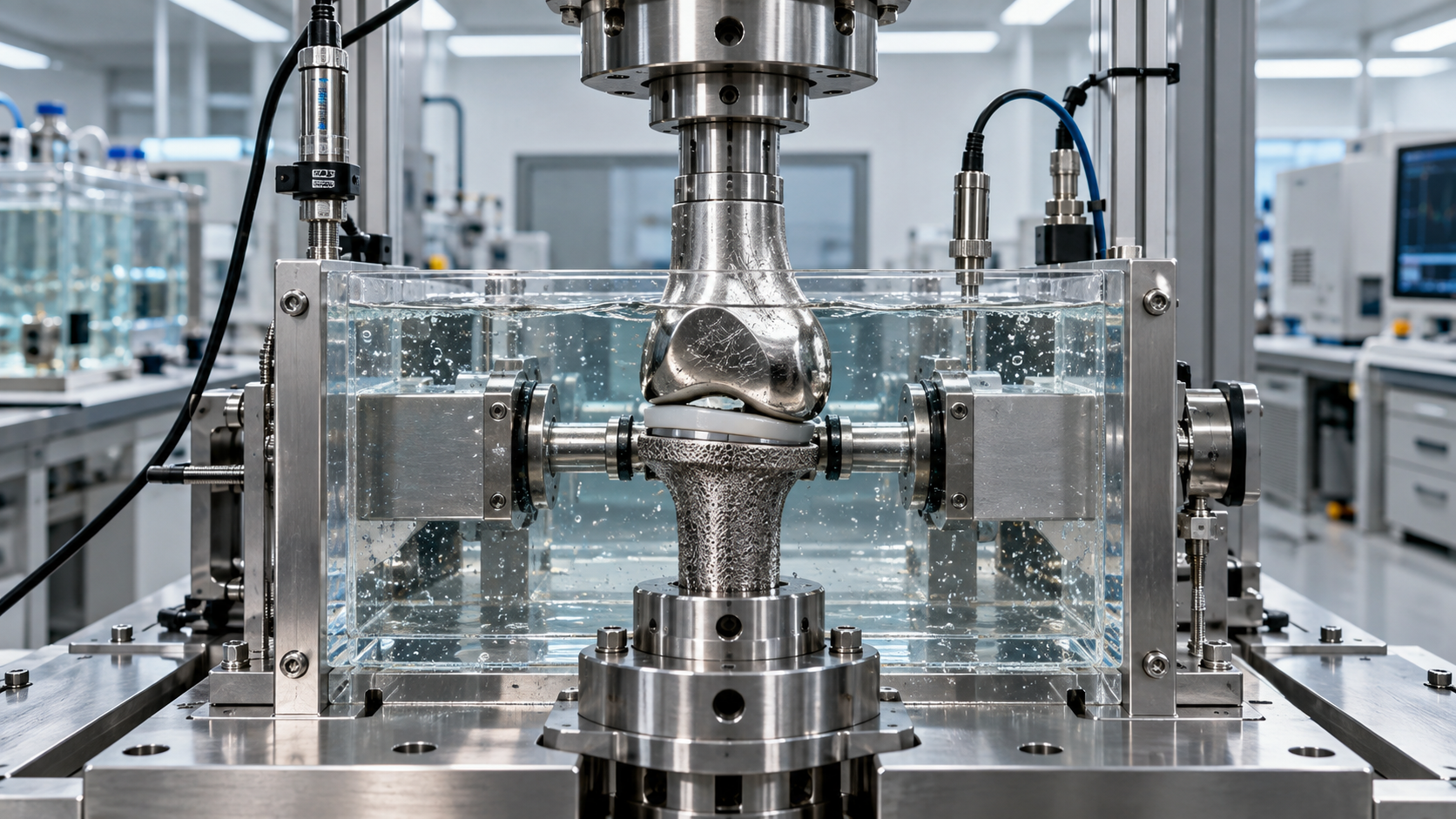
Orthopedic implants face long-term implantation exposure, wear debris concerns, corrosion risks, and surface chemistry sensitivity.
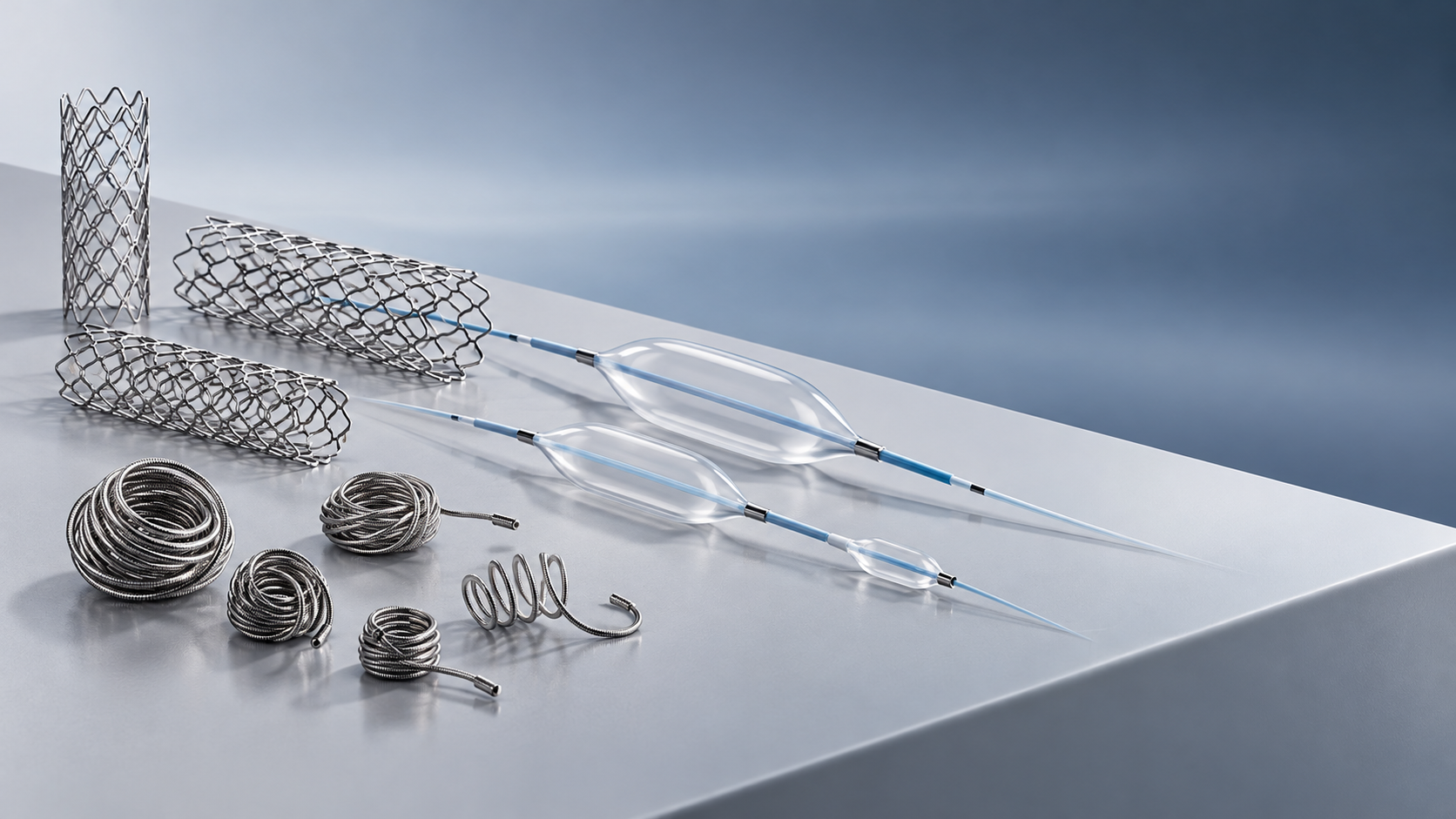
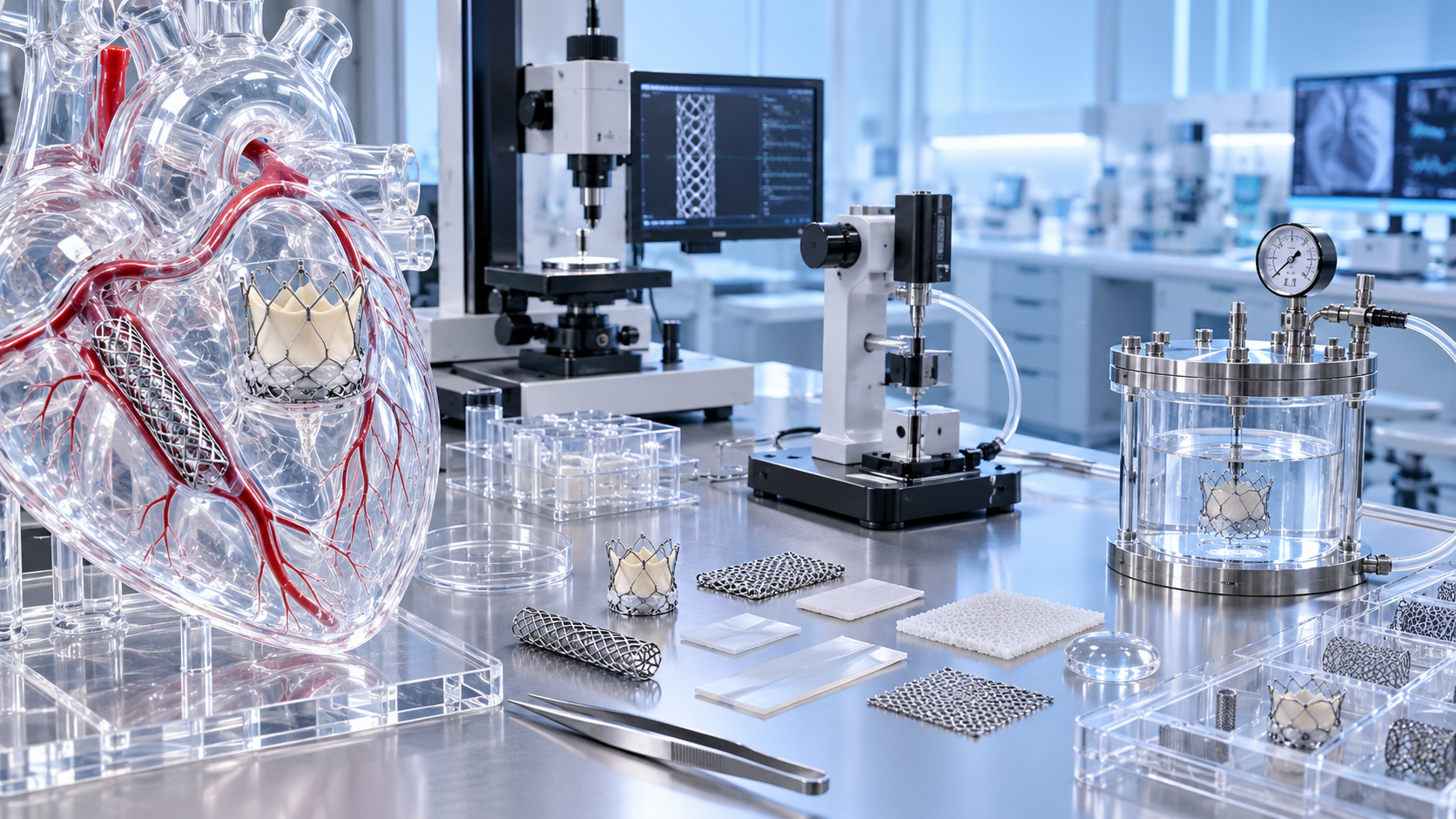
Cardiovascular interventional devices demand especially tight control over hemocompatibility, particulates, and leachables.
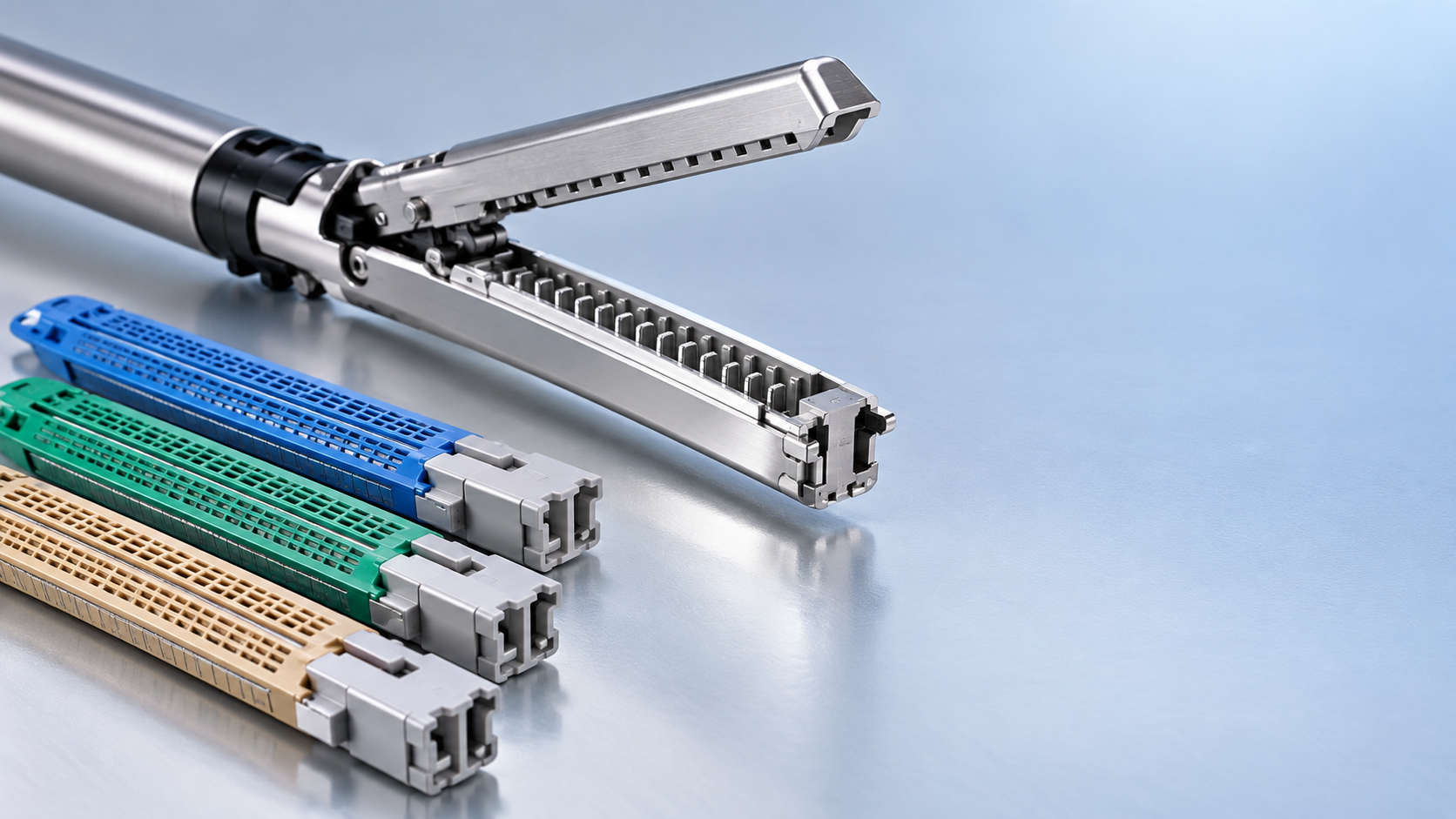
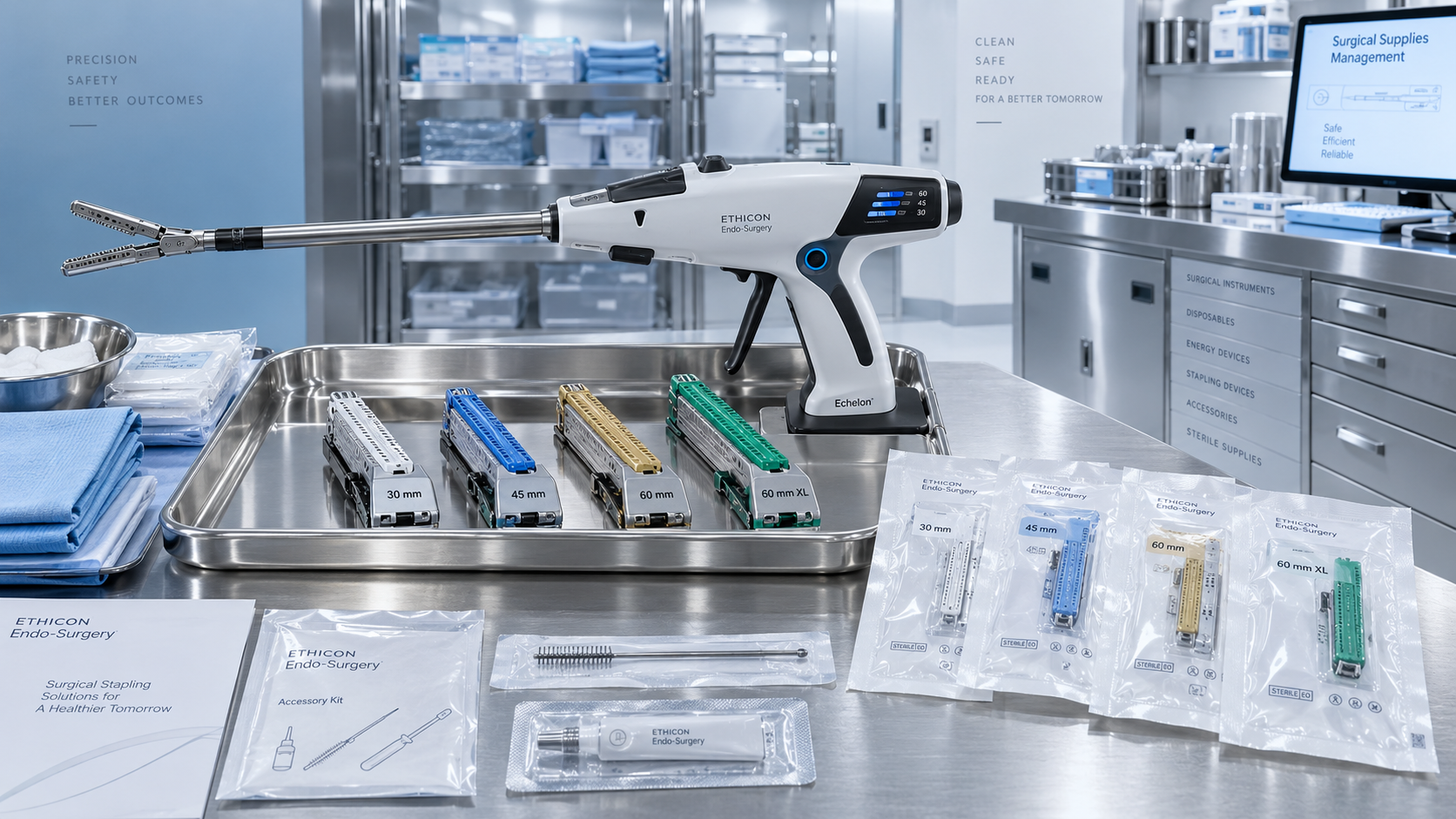
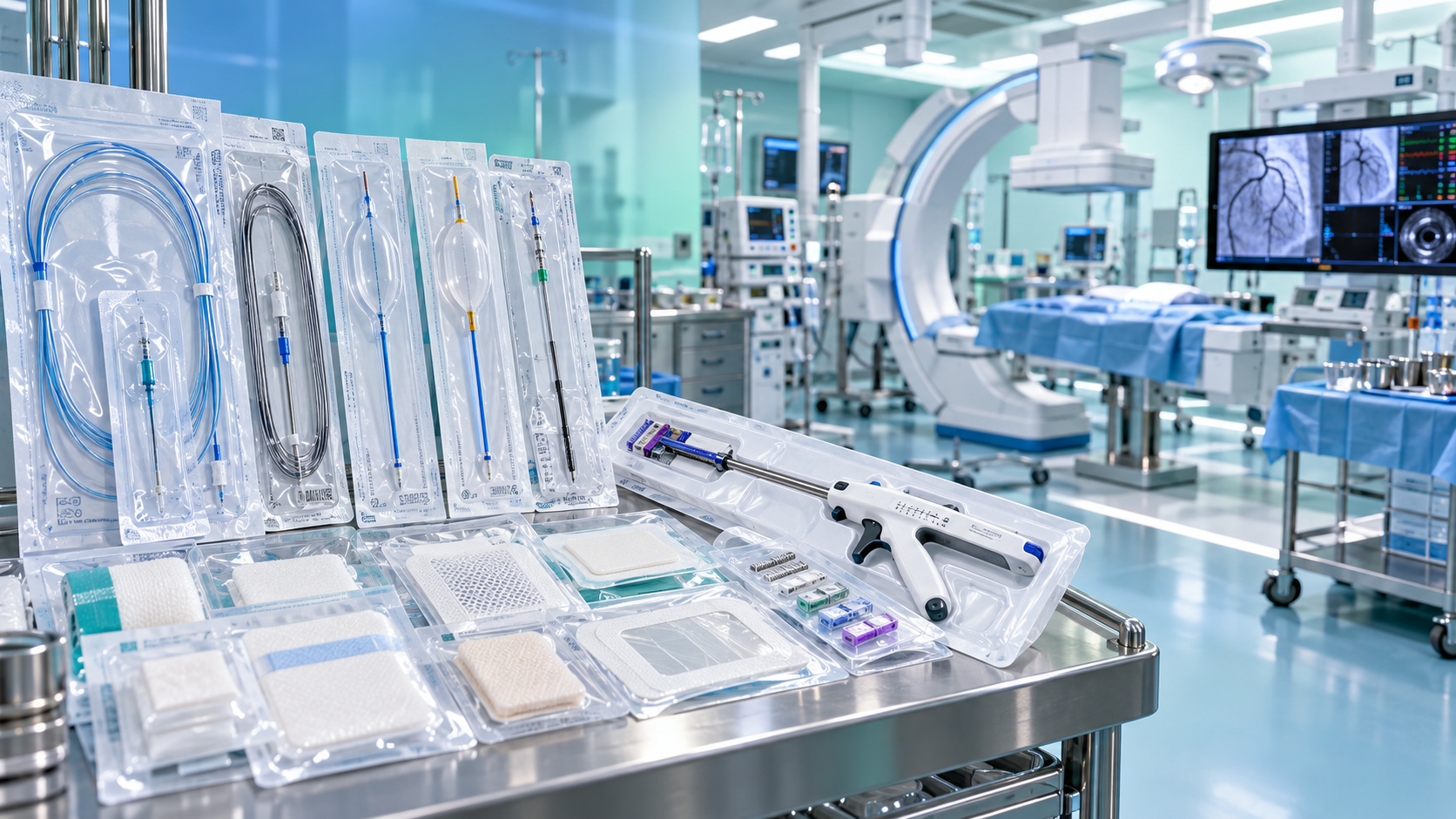
Minimally invasive staplers must manage metal cleanliness, coating stability, and sterilization residuals.
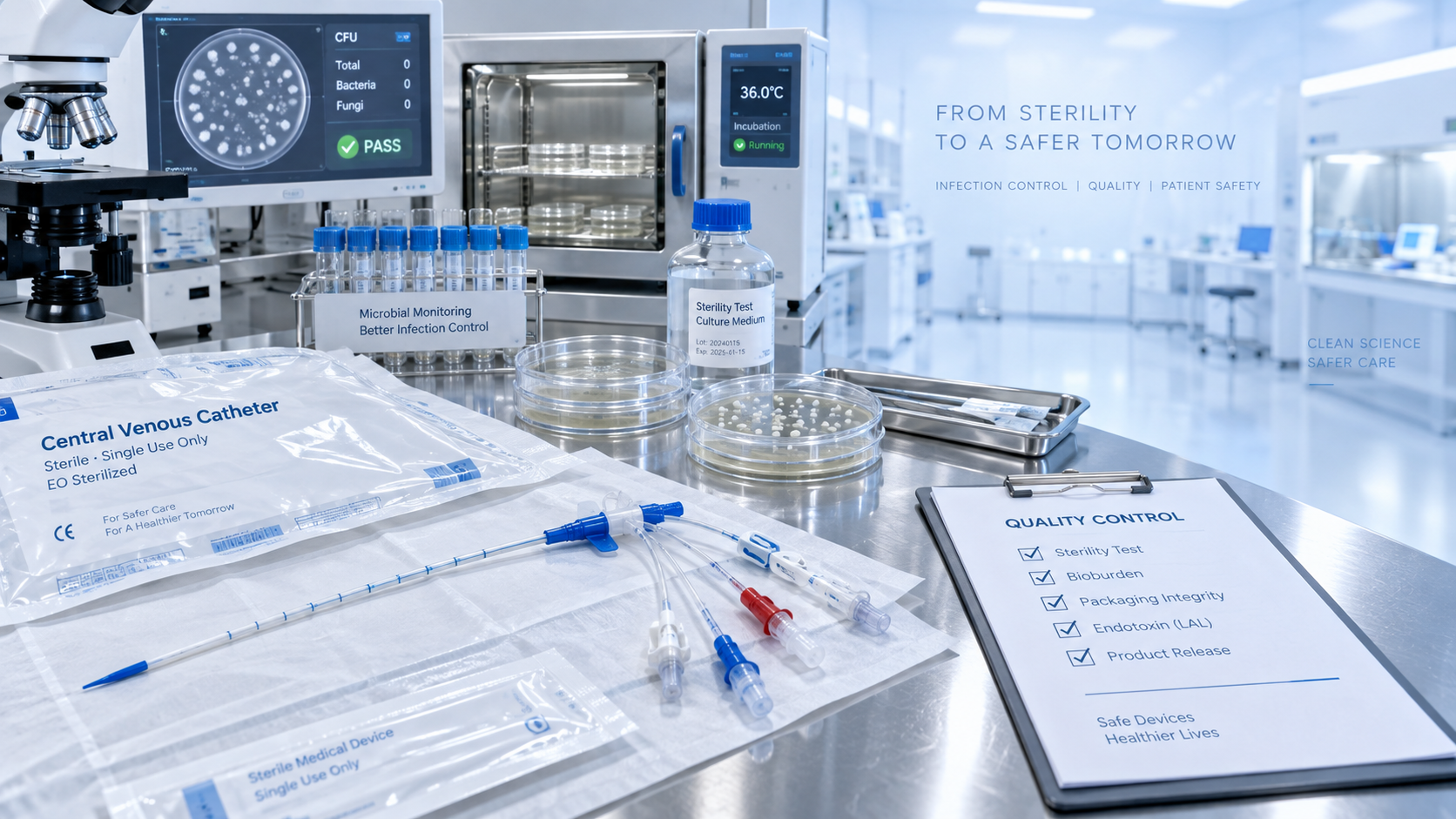
Medical polymer catheters need close review of flexibility additives, hydrophilic coatings, and thrombus-related surface behavior.
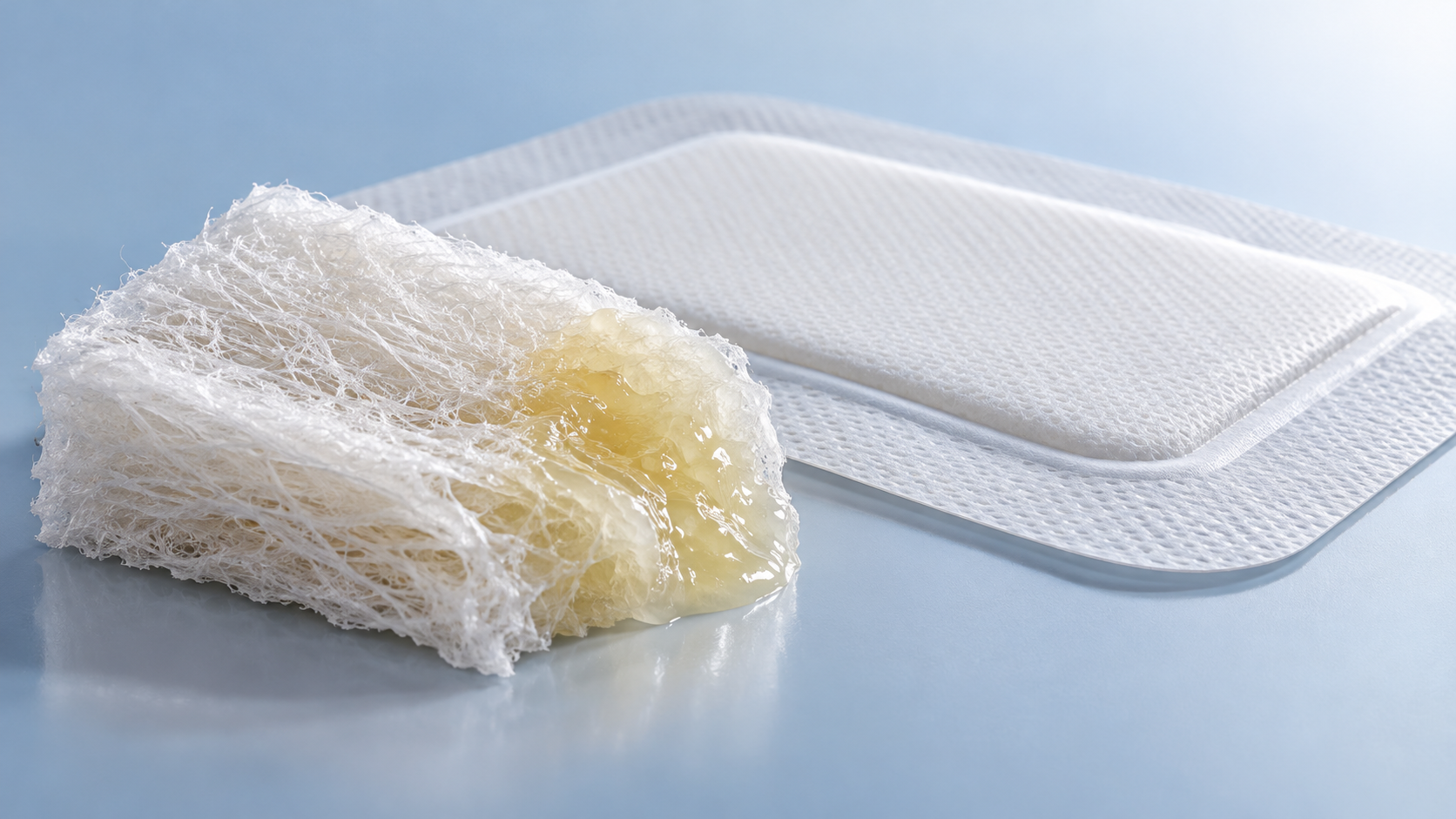
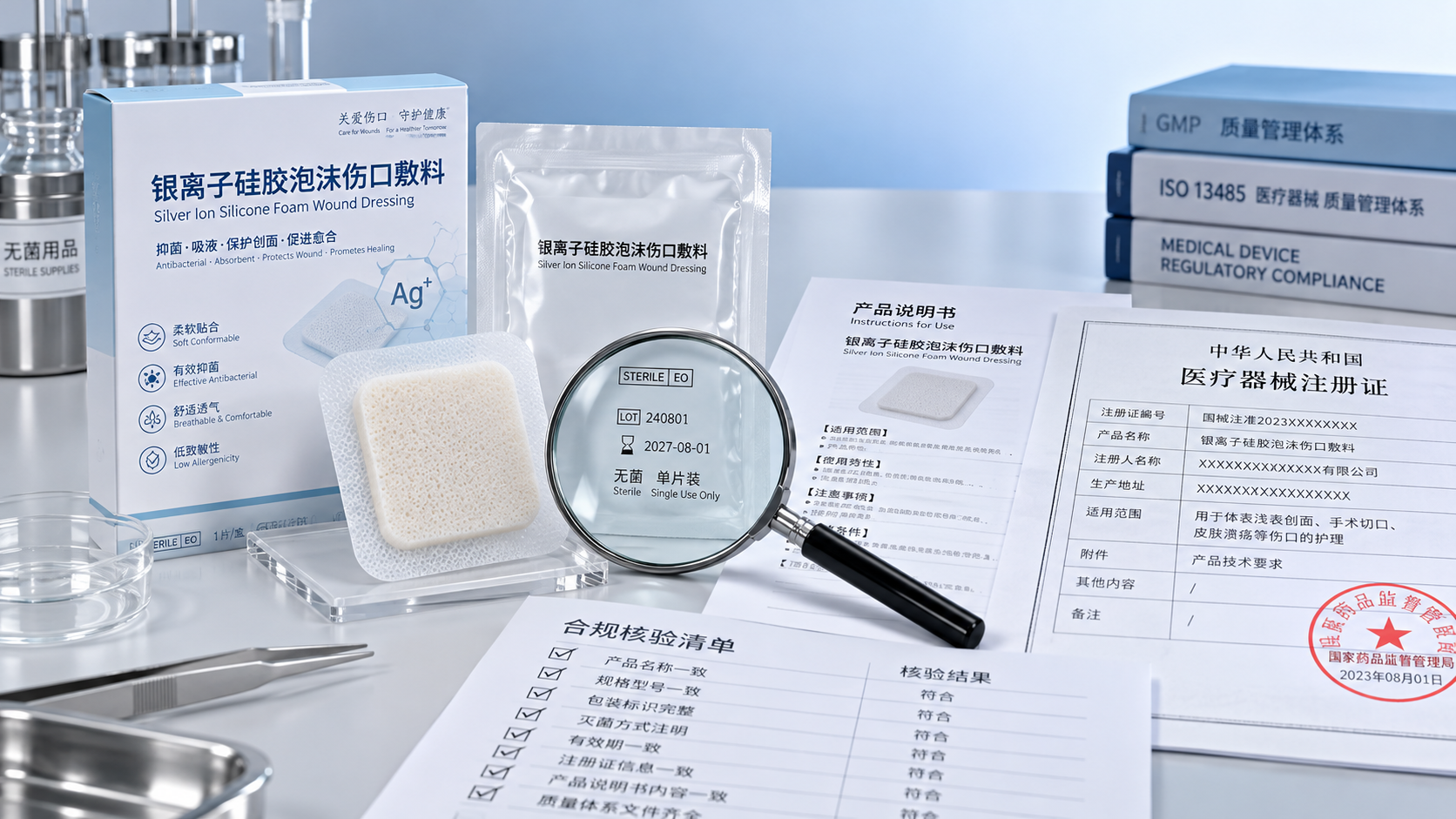
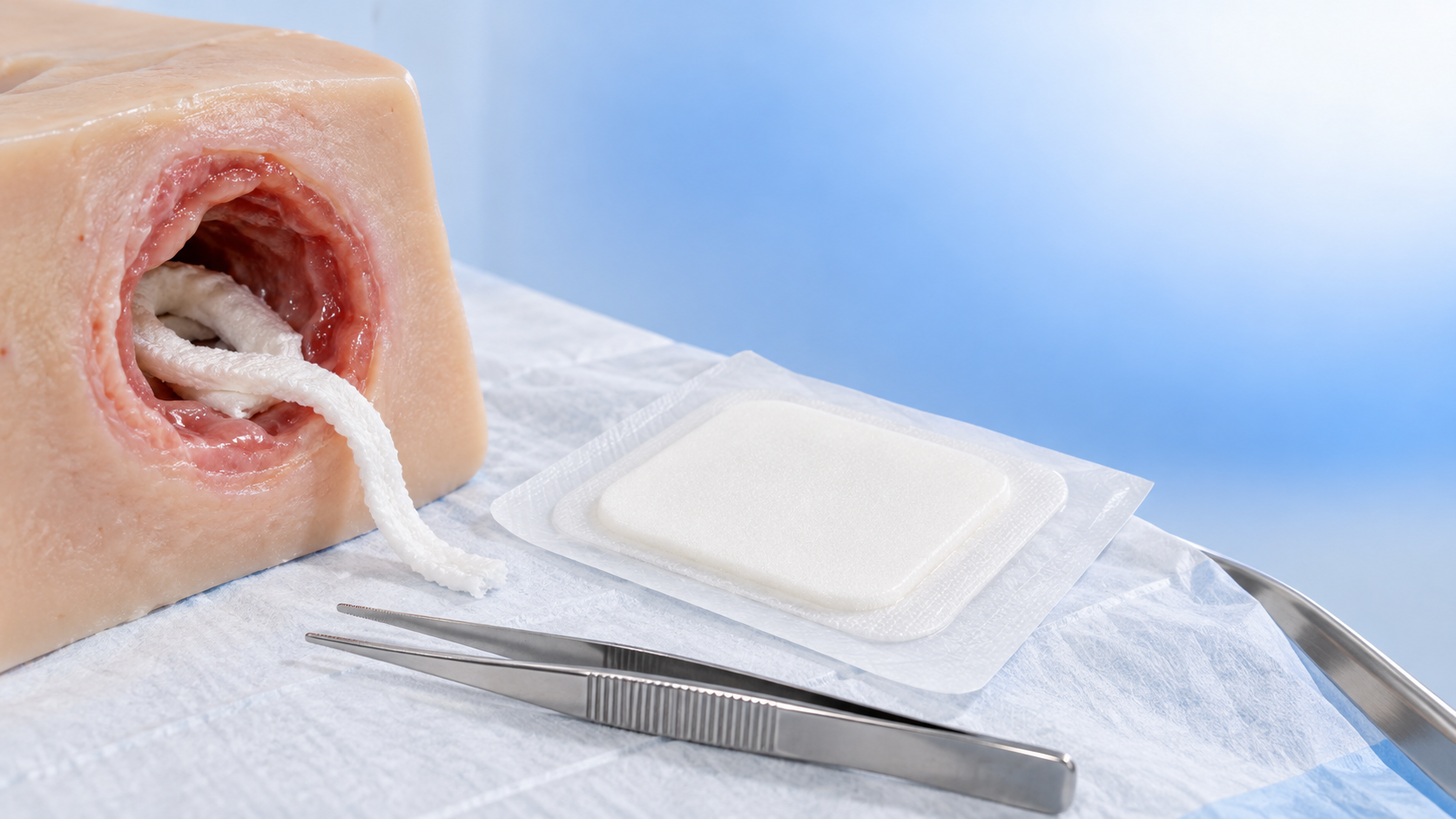
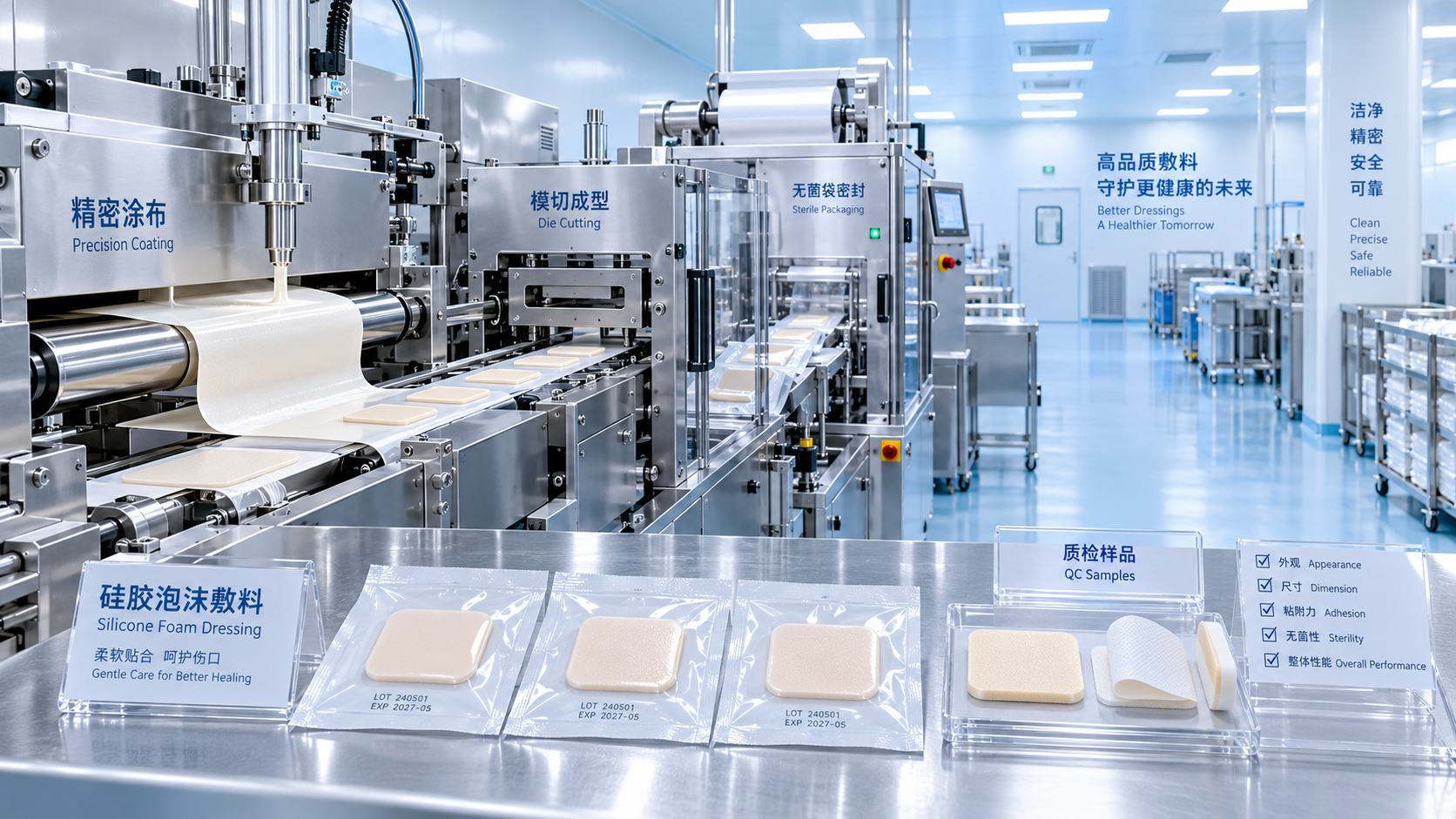
Advanced dressings require balanced moisture handling without irritation, sensitization, or cytotoxic release from active ingredients.
Because of these differences, one testing logic cannot fit every device family.
What documentation gaps usually trigger regulatory questions?
A device can pass laboratory tests and still face review problems.
Medical material biocompatibility reviews often stall because the written rationale is weak or inconsistent.
Common documentation failures
- Device description does not match tested samples
- Material changes are not linked to re-evaluation decisions
- Chemical characterization lacks toxicological interpretation
- Biological Evaluation Plan and Report are incomplete
- Supplier information is accepted without verification
- Shelf-life and sterilization states are not clearly justified
The best submissions connect materials, manufacturing, chemistry, biology, and clinical contact conditions into one traceable story.
That integrated approach is increasingly important under global Class III medical device expectations.
How can failed medical material biocompatibility tests be corrected without wasting time?
A failed result should not trigger random retesting.
The fastest path is a structured failure investigation.
Corrective workflow
- Confirm the tested lot, sterilization state, and packaging condition.
- Review extraction parameters against intended contact conditions.
- Check recent changes in raw materials, tooling, cleaners, or suppliers.
- Use analytical chemistry to identify likely toxic drivers.
- Perform toxicological risk assessment before repeating studies.
- Retest only after a documented corrective action is implemented.
This method saves cost and avoids generating conflicting data sets.
FAQ summary table
Medical material biocompatibility is strongest when development, analytical chemistry, toxicology, and regulatory planning work together from the start.
For implants, catheters, staplers, cardiovascular devices, and advanced wound care, prevention is far cheaper than repeated test failure.
The next practical step is to audit current materials, process residues, sterilization effects, and biocompatibility documentation against finished-device reality.
That review can uncover hidden gaps before they become expensive regulatory setbacks.
Get weekly intelligence in your inbox.
No noise. No sponsored content. Pure intelligence.
News Recommendations
 Oct 26, 2026Can a single approval cover life science product sales worldwide?Can a single approval cover life science product sales worldwide?
 Oct 25, 2026When is sensitization testing needed for medical device biocompatibility?When is sensitization testing needed for medical device biocompatibility?
 Oct 24, 2026How is biocompatibility tested for implantable polymer biomaterials?How is biocompatibility tested for implantable polymer biomaterials?
 Oct 23, 2026How to build reimbursement into an implant commercialization strategyHow to build reimbursement into an implant commercialization strategy
 Oct 22, 2026What clinical evidence do implants need for CE marking under EU MDR?What clinical evidence do implants need for CE marking under EU MDR?
 Oct 21, 2026How to choose disposable laparoscopic stapler reloads for thick tissueHow to choose disposable laparoscopic stapler reloads for thick tissue
 Oct 20, 2026How to assess medical polymer biocompatibility under ISO 10993How to assess medical polymer biocompatibility under ISO 10993
 Oct 19, 2026How do interventional device categories differ in clinical use?How do interventional device categories differ in clinical use?
 Oct 18, 2026When to choose alginate dressings for heavily exuding chronic woundsWhen to choose alginate dressings for heavily exuding chronic wounds
 Oct 17, 2026How is biocompatibility tested for custom medical-grade PEEK implants?How is biocompatibility tested for custom medical-grade PEEK implants?
 Oct 16, 2026How to check a wound healing materials supplier’s biocompatibility dataHow to check a wound healing materials supplier’s biocompatibility data
 Oct 15, 2026How to verify the FDA clearance status of silver wound dressingsHow to verify the FDA clearance status of silver wound dressings
 Oct 14, 2026How to register orthopedic implants and instruments in Latin AmericaHow to register orthopedic implants and instruments in Latin America
 Oct 13, 2026How to use a device market intelligence database to benchmark VBP pricesHow to use a device market intelligence database to benchmark VBP prices
 Oct 12, 2026When should stainless steel orthopedic instruments be replaced?When should stainless steel orthopedic instruments be replaced?
 Oct 11, 2026When are alginate dressings rope the right choice for cavity wounds?When are alginate dressings rope the right choice for cavity wounds?
 Oct 10, 2026When smart minimally invasive technology improves catheter accessWhen smart minimally invasive technology improves catheter access
 Oct 08, 2026Clinical evaluation requirements for cardiovascular implant devices in EuropeClinical evaluation requirements for cardiovascular implant devices in Europe
 Oct 07, 2026What to verify before appointing an artificial joint implants distributorWhat to verify before appointing an artificial joint implants distributor
 Oct 06, 2026How ISO 10993 guides biocompatibility testing for medical materialsHow ISO 10993 guides biocompatibility testing for medical materials
 Oct 05, 2026How to verify an orthopedic implants and instruments exporterHow to verify an orthopedic implants and instruments exporter
 Oct 04, 2026What drives surgical stapling devices price differences in hospital tenders?What drives surgical stapling devices price differences in hospital tenders?
 Oct 03, 2026How to assess a central venous catheter manufacturer's infection-control evidenceHow to assess a central venous catheter manufacturer's infection-control evidence
 Oct 02, 2026How to assess an advanced wound care factory’s quality systemHow to assess an advanced wound care factory’s quality system
 Oct 01, 2026What is driving global medical consumables demand in emerging markets?What is driving global medical consumables demand in emerging markets?
 Sep 30, 2026Implant Material Compliance Testing: Evidence Needed for Regulatory SubmissionImplant Material Compliance Testing: Evidence Needed for Regulatory Submission
 Sep 30, 2026From Corrosion to Fatigue: What Implant Materials Testing Should MeasureFrom Corrosion to Fatigue: What Implant Materials Testing Should Measure