Implantable Biomaterials Selection: Balancing Safety, Stability, and Cost
Selecting implantable biomaterials is no longer a narrow engineering task. It now affects clinical safety, regulatory timelines, manufacturing resilience, and long-term economic performance across the medical consumables value chain.
The decision sits at the intersection of biocompatibility, structural reliability, sterilization compatibility, machining precision, and reimbursement pressure. A weak material choice can increase revision risk, delay approvals, and erode commercial viability.
For sectors tracked by IMCS, from orthopedic implants to cardiovascular devices and advanced wound systems, the material question has become a strategic filter. The best option is rarely the strongest or cheapest alone.
Instead, effective selection requires a balanced view of safety, stability, manufacturability, and cost over the entire product lifecycle. This article outlines a practical framework for evaluating implantable biomaterials under today’s changing technical and policy conditions.
Why implantable biomaterials selection is becoming more complex
The landscape for implantable biomaterials is shifting quickly. Clinical expectations are rising, while device regulations are demanding stronger evidence for biological safety, durability, and real-world performance.
At the same time, hospitals and national procurement systems are pushing prices lower. This creates a difficult equation: improve outcomes, maintain compliance, and preserve margins without compromising material integrity.
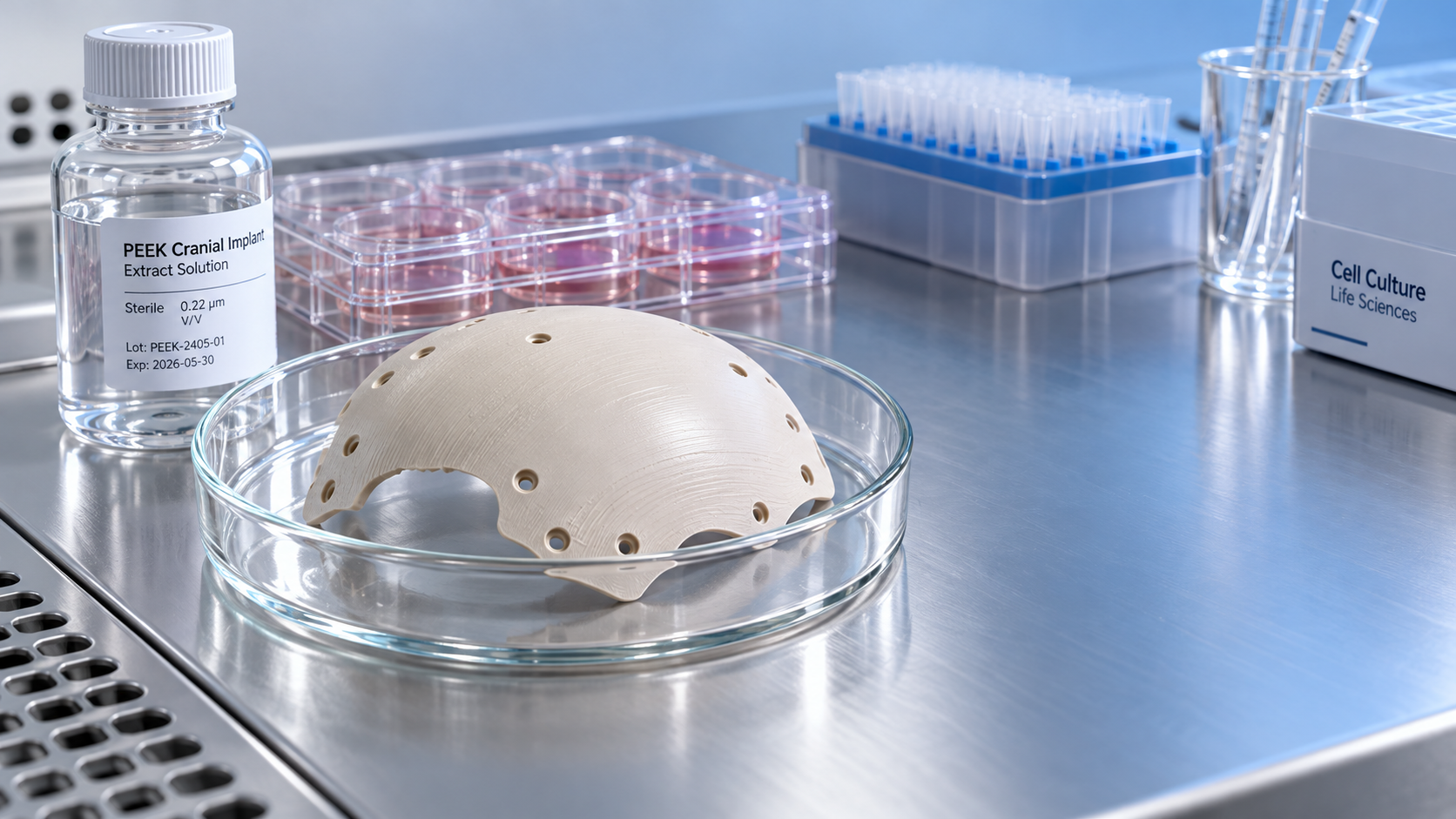
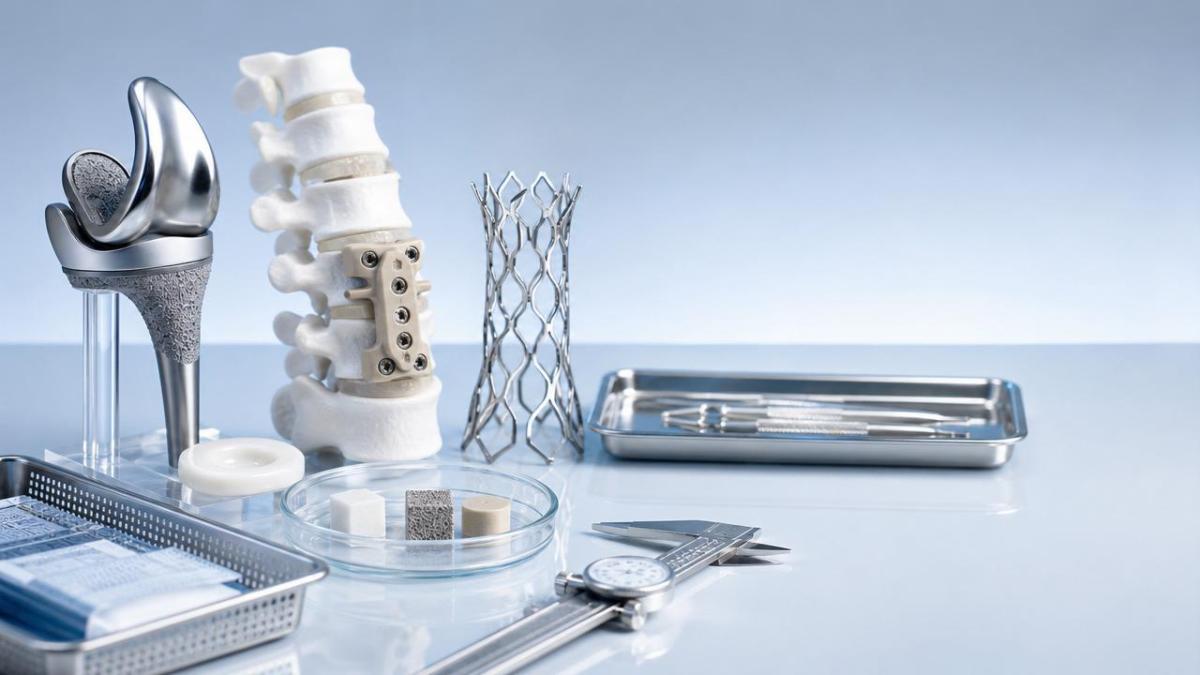
Material platforms are also diversifying. Titanium alloys, cobalt-chromium, PEEK, UHMWPE, nitinol, bioresorbable polymers, silicone, and hydrogel-based systems each solve different problems and introduce different risks.
For high-value devices, the wrong material can trigger issues far beyond performance. It may affect cleaning validation, particulate control, shelf life, MRI compatibility, and post-market surveillance burden.
Key trend signals visible across the industry
- Growing use of porous and surface-engineered structures for faster tissue integration.
- Rising preference for polymer-metal combinations in minimally invasive systems.
- Stricter emphasis on extractables, leachables, and degradation behavior.
- More demand for materials compatible with precision machining and additive manufacturing.
- Greater scrutiny of total cost under VBP and global cost-control frameworks.
The forces driving new material decisions
Several forces are reshaping how implantable biomaterials are assessed. None acts alone. Their interaction is what makes selection more strategic than before.
This is why implantable biomaterials can no longer be screened only by datasheets. Teams need evidence that extends from chemistry to production consistency and long-term patient contact.
How the shift affects design, production, and market access
The first impact appears in design strategy. Material choice now influences geometry freedom, surface treatment options, joining methods, and the ability to miniaturize without sacrificing structural confidence.
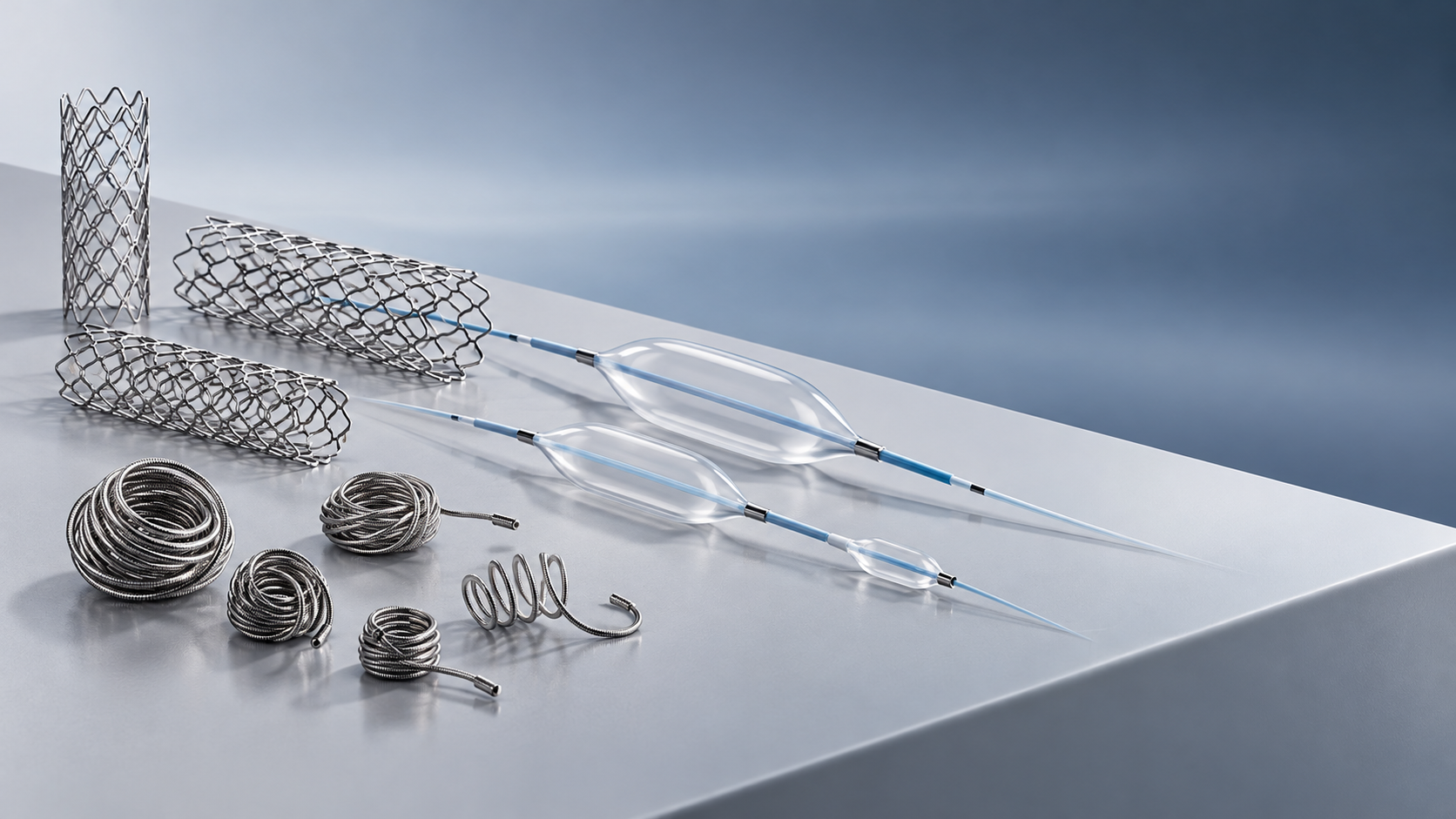
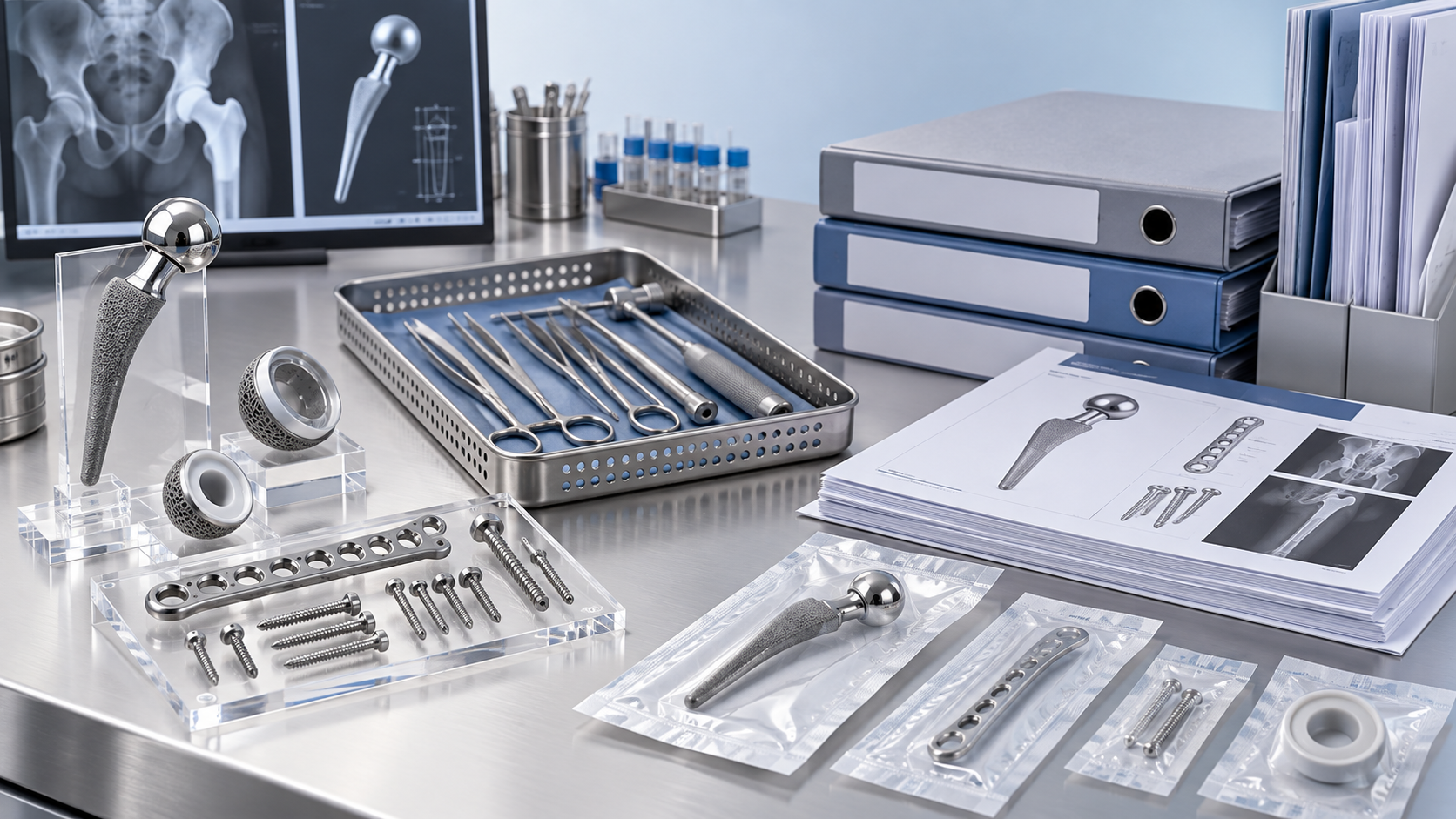
In orthopedic systems, for example, titanium and PEEK may address different fixation and imaging needs. In cardiovascular devices, nitinol and polymer coatings create another balance between flexibility and biological response.
The second impact is on manufacturing control. Some implantable biomaterials perform well clinically but create challenges in machining, molding, laser cutting, bonding, or sterilization repeatability.
The third impact is regulatory and commercial. A material with limited clinical history may demand more bench testing, more biological assessment, and stronger post-market evidence, increasing launch cost and slowing revenue realization.
Typical risk points by business stage
- Concept stage: overvaluing mechanical strength while ignoring tissue response and sterilization effects.
- Development stage: selecting materials without stable supplier quality or enough lot traceability.
- Validation stage: discovering coating delamination, wear debris, or extractable concerns too late.
- Commercial stage: facing margin erosion because total conversion cost was underestimated.
A practical framework for evaluating implantable biomaterials
A strong decision framework should compare implantable biomaterials across five dimensions. This prevents single-factor choices that look efficient early but become expensive later.
1. Biological safety and host response
Start with intended contact duration, tissue location, and interaction profile. Review cytotoxicity, sensitization, irritation, hemocompatibility, genotoxicity, and degradation pathways under ISO 10993 logic.
2. Mechanical and chemical stability
Assess fatigue life, creep, wear, corrosion, hydrolysis, and environmental stress behavior. Long-term stability matters more than short-term peak properties in most implanted applications.
3. Process compatibility
Check whether the material supports required tolerances, surface finish, bonding, coating adhesion, and sterilization methods. Performance on paper means little if processing variation is high.
4. Clinical and regulatory maturity
Prioritize materials with documented clinical use when timelines are tight. Novel implantable biomaterials may offer differentiation, but they often require stronger evidence packages.
5. Total lifecycle cost
Include scrap, tooling wear, sterilization yield, validation effort, complaint risk, and revision-related exposure. Low purchase price does not guarantee low program cost.
What deserves the closest attention in the next selection cycle
Several focus areas now deserve early review when screening implantable biomaterials. These points are especially relevant in high-risk Class III pathways and price-sensitive product lines.
- Surface behavior after sterilization, storage, and transportation stress.
- Supplier consistency for powders, resins, alloys, and coating inputs.
- Interaction between microstructure and tissue integration outcomes.
- Particulate generation during insertion, deployment, or articulation.
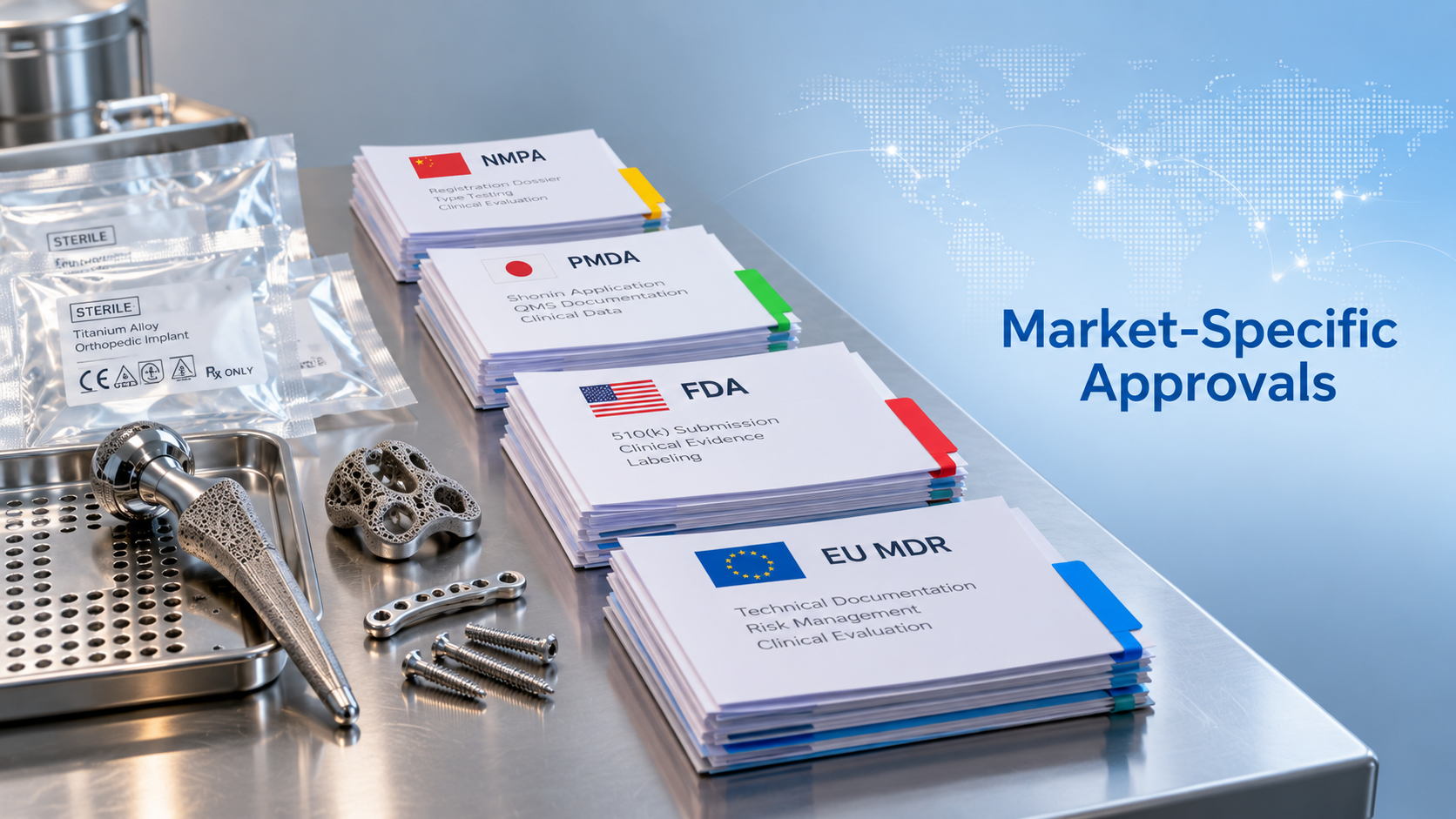
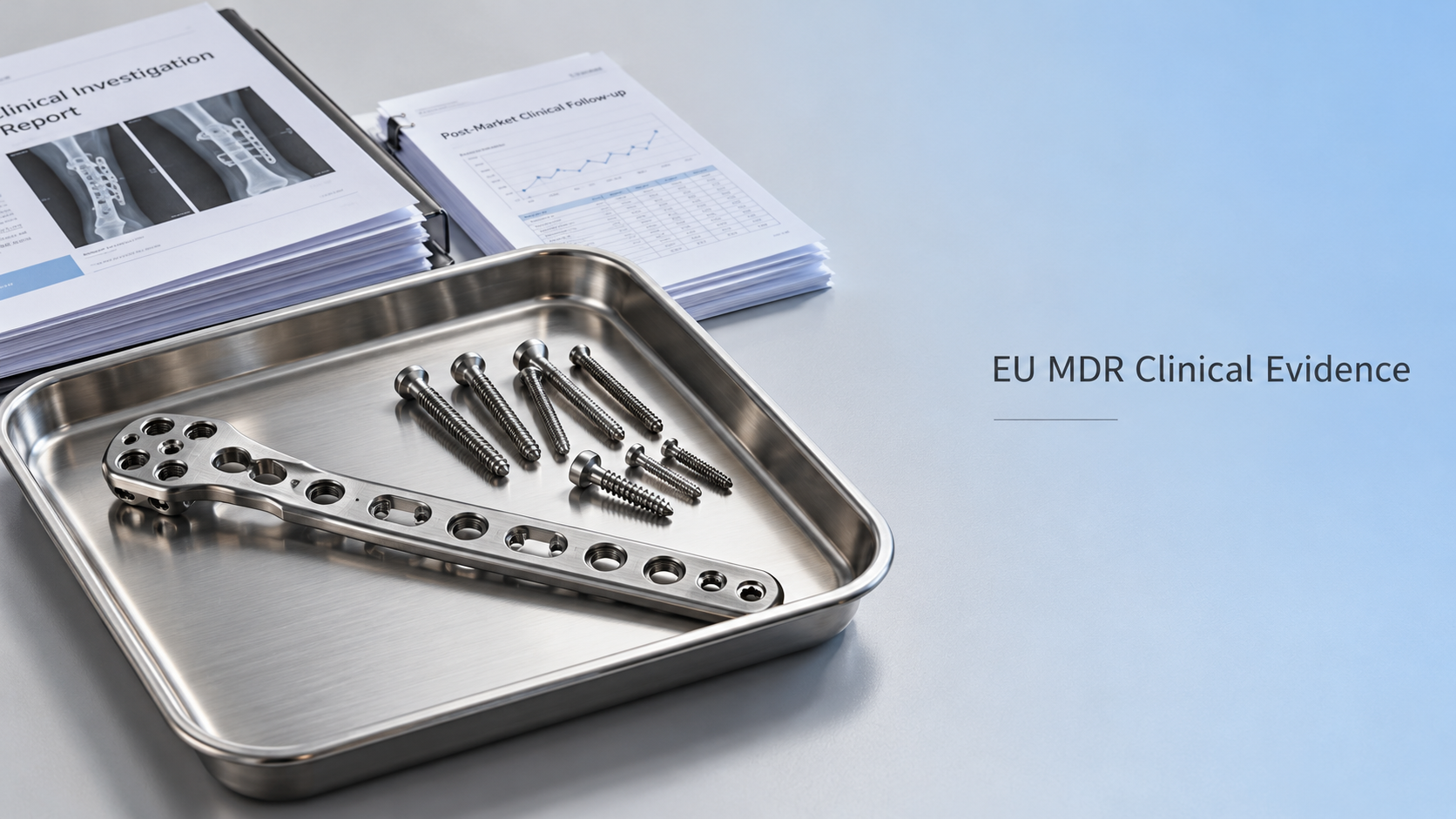
- Data portability for CE MDR, FDA, and other regional submissions.
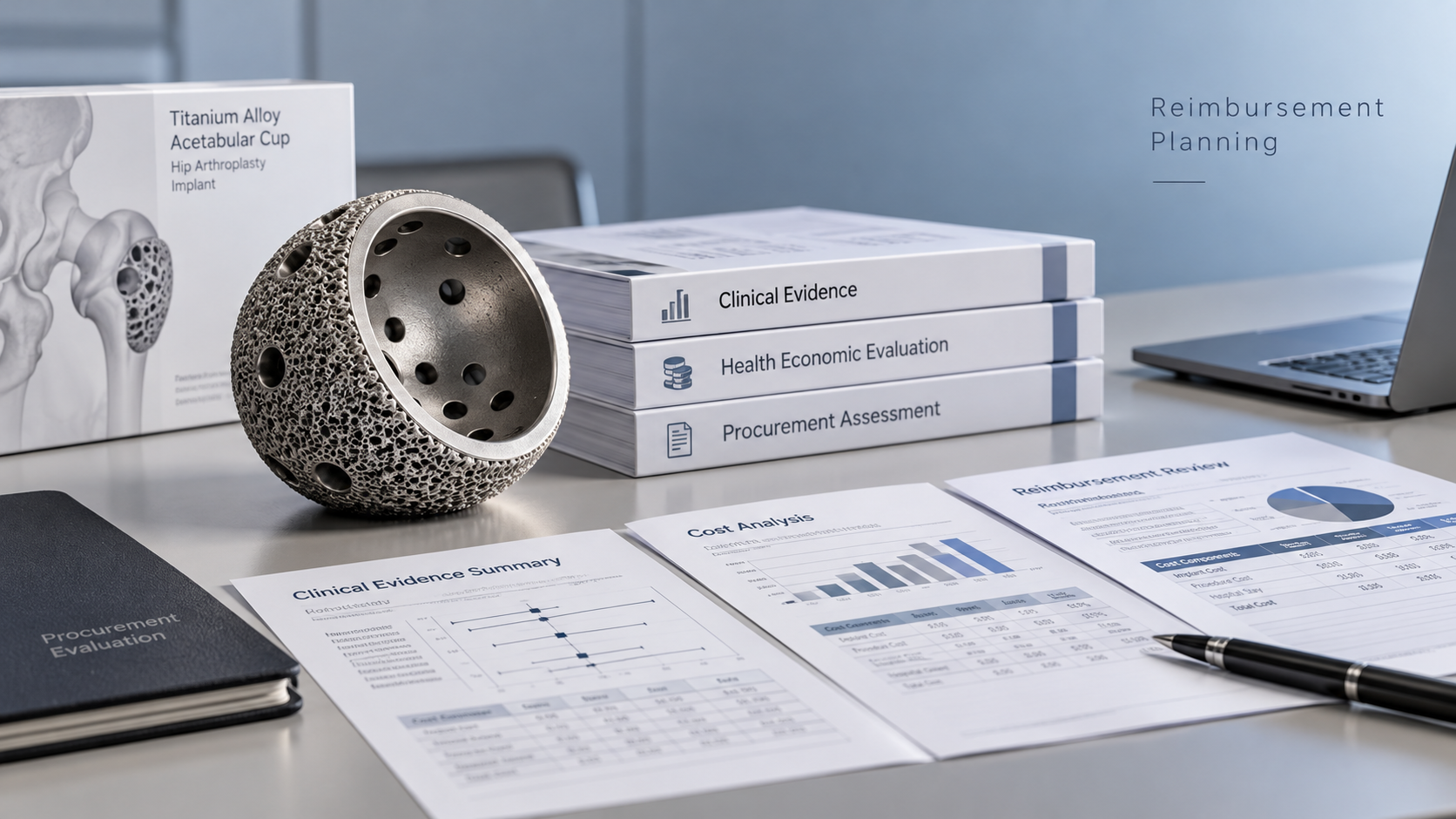
- Cost sensitivity under procurement negotiation and reimbursement compression.
The best-performing implantable biomaterials are often those supported by strong process discipline. Material science and quality systems must move together, not in sequence.
How to respond with better judgment, not just faster selection
A useful response begins with structured comparison. Build a shortlist that scores material options across safety, stability, process fit, evidence depth, and lifecycle economics.
It is also wise to separate “promising” from “deployable.” Some emerging implantable biomaterials look attractive in early studies, yet remain difficult to validate at industrial scale.
The strongest decisions are evidence-linked. They connect intended clinical benefit with manufacturable geometry, validated surfaces, stable suppliers, and realistic commercial thresholds.
For the next step, review current material portfolios against a five-factor scorecard. Recheck assumptions on biological safety, durability, process yield, and total cost before locking development paths.
In a market shaped by stricter regulation and tighter pricing, smarter selection of implantable biomaterials is not a support task. It is a core lever for sustainable clinical and business performance.
Get weekly intelligence in your inbox.
No noise. No sponsored content. Pure intelligence.
News Recommendations
 Oct 26, 2026Can a single approval cover life science product sales worldwide?Can a single approval cover life science product sales worldwide?
 Oct 25, 2026When is sensitization testing needed for medical device biocompatibility?When is sensitization testing needed for medical device biocompatibility?
 Oct 24, 2026How is biocompatibility tested for implantable polymer biomaterials?How is biocompatibility tested for implantable polymer biomaterials?
 Oct 23, 2026How to build reimbursement into an implant commercialization strategyHow to build reimbursement into an implant commercialization strategy
 Oct 22, 2026What clinical evidence do implants need for CE marking under EU MDR?What clinical evidence do implants need for CE marking under EU MDR?
 Oct 21, 2026How to choose disposable laparoscopic stapler reloads for thick tissueHow to choose disposable laparoscopic stapler reloads for thick tissue
 Oct 20, 2026How to assess medical polymer biocompatibility under ISO 10993How to assess medical polymer biocompatibility under ISO 10993
 Oct 19, 2026How do interventional device categories differ in clinical use?How do interventional device categories differ in clinical use?
 Oct 18, 2026When to choose alginate dressings for heavily exuding chronic woundsWhen to choose alginate dressings for heavily exuding chronic wounds
 Oct 17, 2026How is biocompatibility tested for custom medical-grade PEEK implants?How is biocompatibility tested for custom medical-grade PEEK implants?
 Oct 16, 2026How to check a wound healing materials supplier’s biocompatibility dataHow to check a wound healing materials supplier’s biocompatibility data
 Oct 15, 2026How to verify the FDA clearance status of silver wound dressingsHow to verify the FDA clearance status of silver wound dressings
 Oct 14, 2026How to register orthopedic implants and instruments in Latin AmericaHow to register orthopedic implants and instruments in Latin America
 Oct 13, 2026How to use a device market intelligence database to benchmark VBP pricesHow to use a device market intelligence database to benchmark VBP prices
 Oct 12, 2026When should stainless steel orthopedic instruments be replaced?When should stainless steel orthopedic instruments be replaced?
 Oct 11, 2026When are alginate dressings rope the right choice for cavity wounds?When are alginate dressings rope the right choice for cavity wounds?
 Oct 10, 2026When smart minimally invasive technology improves catheter accessWhen smart minimally invasive technology improves catheter access
 Oct 08, 2026Clinical evaluation requirements for cardiovascular implant devices in EuropeClinical evaluation requirements for cardiovascular implant devices in Europe
 Oct 07, 2026What to verify before appointing an artificial joint implants distributorWhat to verify before appointing an artificial joint implants distributor
 Oct 06, 2026How ISO 10993 guides biocompatibility testing for medical materialsHow ISO 10993 guides biocompatibility testing for medical materials
 Oct 05, 2026How to verify an orthopedic implants and instruments exporterHow to verify an orthopedic implants and instruments exporter
 Oct 04, 2026What drives surgical stapling devices price differences in hospital tenders?What drives surgical stapling devices price differences in hospital tenders?
 Oct 03, 2026How to assess a central venous catheter manufacturer's infection-control evidenceHow to assess a central venous catheter manufacturer's infection-control evidence
 Oct 02, 2026How to assess an advanced wound care factory’s quality systemHow to assess an advanced wound care factory’s quality system
 Oct 01, 2026What is driving global medical consumables demand in emerging markets?What is driving global medical consumables demand in emerging markets?
 Sep 30, 2026Implant Material Compliance Testing: Evidence Needed for Regulatory SubmissionImplant Material Compliance Testing: Evidence Needed for Regulatory Submission
 Sep 30, 2026From Corrosion to Fatigue: What Implant Materials Testing Should MeasureFrom Corrosion to Fatigue: What Implant Materials Testing Should Measure