How to Evaluate Biocompatible Materials Risk in 2026
In 2026, evaluating biocompatible materials risk requires more than basic compliance checks. For quality control and safety managers, the real challenge is connecting material selection, ISO 10993 testing, process consistency, clinical use scenarios, and evolving Class III regulatory expectations.
This guide explains what quality and safety teams actually need to assess, where hidden failure points appear, and how to build a practical risk evaluation framework that supports both market approval and long-term product safety.
What quality and safety managers are really asking in 2026

The core search intent behind biocompatible materials risk is not academic. Readers want a decision framework that helps them judge whether a material is truly safe in its final medical use.
For quality control and safety managers, the biggest concern is rarely a single test result. It is whether the full chain of evidence can withstand audit, submission review, and post-market scrutiny.
That means asking harder questions early. Is the selected material suitable for the intended tissue contact, duration, and route of exposure? Can manufacturing introduce new toxicological concerns? Will a passing lab report still fail under realistic clinical use?
In 2026, the answer often depends on how well teams integrate chemistry, processing, biological evaluation, supplier control, and real-world use conditions rather than treating biocompatibility as a one-time test package.
Why basic compliance is no longer enough for biocompatible materials
Many teams still approach biocompatible materials evaluation as a checklist. They confirm a resin grade, request supplier certificates, run standard ISO 10993 studies, and assume the risk is covered.
That approach is increasingly fragile. Regulators and notified bodies now look more closely at the final finished device, not just the raw material label or historical use claims.
A polymer marketed as medical grade may still create risk after compounding, sterilization, coloring, coating, bonding, printing, machining, or packaging. The same is true for metals, ceramics, adhesives, and bioresorbable systems.
Risk also changes with use context. A material that performs acceptably in short-term skin contact may not be acceptable for blood contact, implantation, neurovascular use, or long-term tissue integration.
For Class III devices and other high-value consumables, the question is no longer “Do we have test reports?” It is “Do we have a scientifically defensible biological risk story for this exact device configuration?”
The most common hidden risk sources teams miss
Hidden risk usually comes from the gap between material identity and actual device reality. Quality and safety managers should focus on that gap first.
One major source is process residue. Cleaning agents, mold release compounds, lubricants, machining oils, solvents, and detergent carryover can remain at low levels yet still alter biological response.
Another source is surface modification. Coatings, hydrophilic layers, drug carriers, plasma treatment, anodizing, passivation, and porous structures can completely change tissue interaction, extractables profile, and thrombogenic behavior.
Sterilization is another underestimated variable. Ethylene oxide residuals, radiation-induced degradation, oxidation, crosslinking, and packaging interactions may introduce new toxicological or performance risks after final release.
Supplier changes also matter. A nominally equivalent material from a second supplier may differ in additives, catalyst residues, molecular weight distribution, or impurity profile, even when the datasheet appears similar.
For implantable and interventional products, particulate generation and wear debris deserve special attention. Micron-level particles can trigger inflammation, embolic events, foreign body response, or long-term tissue reactions.
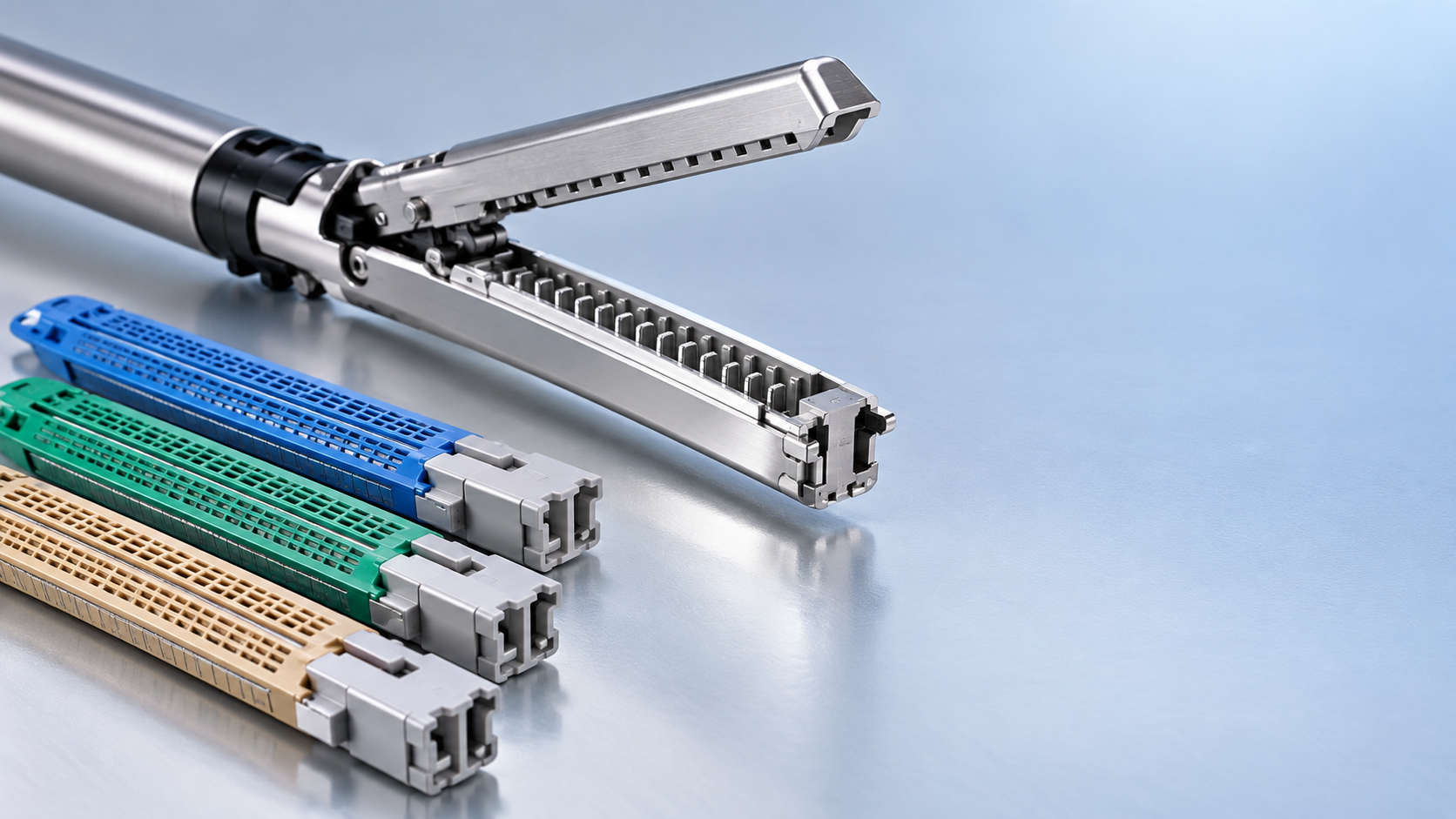
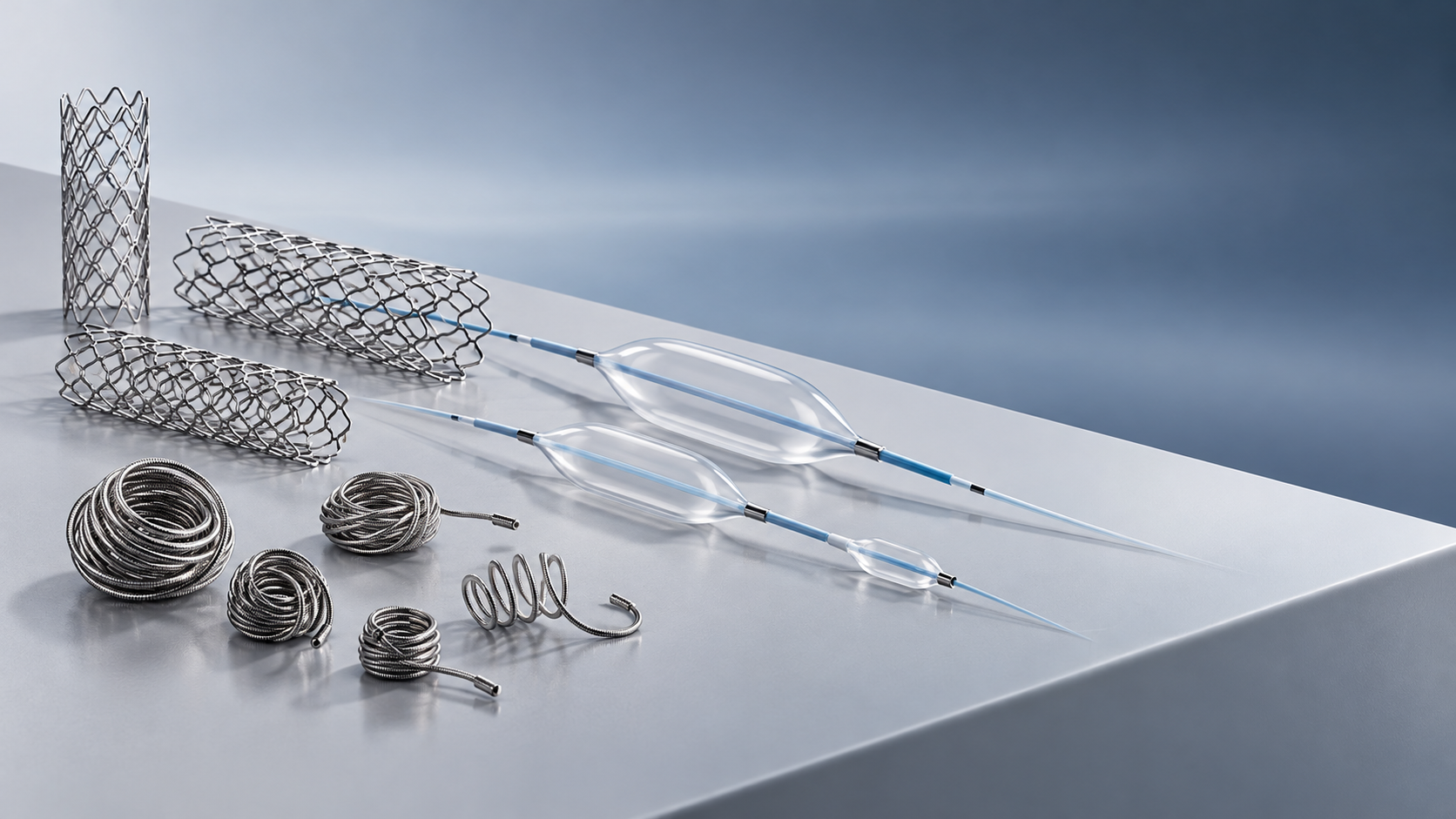
Finally, device geometry itself changes risk. A porous orthopedic implant, a microcatheter lumen, a cardiovascular stent coating, and a stapler staple line each create different biological interfaces that must be evaluated on their own terms.
A practical 2026 framework for evaluating biocompatible materials risk
The most useful approach is a staged evaluation model that starts before formal testing. This reduces wasted studies, shortens review cycles, and improves cross-functional decision quality.
Start with intended use definition. Document contact tissue, contact duration, route of administration, implant permanence, mechanical function, and any patient-specific or vulnerable population factors. Without this, risk classification becomes unreliable.
Next, map every material and every process input that reaches the patient. Include base materials, additives, colorants, coatings, adhesives, markers, lubricants, cleaning residues, packaging-contact components, and sterilization-related byproducts.
Then perform a material and process hazard screening. Focus on known toxicological endpoints, degradation mechanisms, leachables potential, particulate generation, sensitization concerns, and local versus systemic exposure pathways.
After that, align the evaluation with ISO 10993 principles, especially biological evaluation planning, chemical characterization, toxicological risk assessment, and endpoint justification based on device-specific exposure.
Testing should come after the risk model, not before it. In 2026, indiscriminate test panels create cost without necessarily improving decision quality. The best programs use targeted studies supported by chemistry and rationale.
Finally, connect preclinical findings with manufacturing controls and post-market surveillance. A biological risk file is stronger when it shows that identified hazards are actively controlled over the product lifecycle.
How ISO 10993 should be used strategically, not mechanically
ISO 10993 remains central, but teams should avoid using it as a box-ticking tool. The standard series supports a biological evaluation strategy, not a blind sequence of tests.
Chemical characterization has become especially important because it helps teams understand what can migrate from the final device and whether those compounds create toxicological concern under expected exposure levels.
This matters because two materials with the same commercial name may produce different extractables after molding, laser cutting, 3D printing, coating, or sterilization. Finished-device testing often reveals risks raw material data cannot predict.
Cytotoxicity, sensitization, irritation, systemic toxicity, hemocompatibility, implantation effects, genotoxicity, and degradation assessment still matter, but they should be selected and justified according to actual contact conditions and risk hypotheses.
For quality managers, the strategic lesson is simple. Better biological evaluation comes from stronger upstream definition and better analytical evidence, not from ordering more studies without a decision logic.
What changes in 2026 are raising the bar
Several trends are making biocompatible materials evaluation more demanding in 2026. One is stricter scrutiny of equivalence claims, especially for high-risk implants and cardiovascular or neurovascular products.
Another is growing attention to manufacturing variability. Regulators increasingly ask whether validated biological safety conclusions remain true after scale-up, supplier transfer, process optimization, or cost-reduction programs.
There is also more focus on combination risks. Drug-device interfaces, bioactive coatings, antimicrobial dressings, tissue-contact adhesives, and regenerative materials often require broader scientific justification than conventional inert materials.
Environmental and residual risk topics are also expanding. PFAS-related questions, nanomaterial behavior, degradation microplastics, and long-term extractable profiles are becoming more visible in technical and regulatory discussions.
For teams working under price pressure or procurement-driven markets, these changes create a dangerous temptation to reduce verification depth. In practice, that often increases approval delays and downstream quality cost.
How to judge whether a material is safe enough for the final device
Safety managers need a clear threshold question. Not “Is this material generally biocompatible?” but “Is this finished device, made by this process, sterilized this way, safe for this clinical exposure?”
To answer that, review evidence across five layers. First, raw material identity and history of use. Second, process-introduced changes. Third, finished-device chemistry. Fourth, biological endpoint relevance. Fifth, clinical exposure realism.
If one layer is weak, the overall conclusion becomes vulnerable. For example, strong supplier data cannot compensate for poor control of cleaning residues, and a passing cytotoxicity result cannot erase unresolved hemocompatibility concerns in blood-contact devices.
A good safety decision also considers margin. Products used in high-risk anatomy, prolonged implantation, or fragile patient populations should not rely on narrow toxicological comfort zones or incomplete degradation understanding.
In other words, acceptable biocompatible materials risk is not just about passing. It is about demonstrating enough evidence, enough control, and enough predictability for the real clinical environment.
Red flags that should trigger deeper review
Certain situations deserve immediate escalation. One is any formulation change, even if it appears minor. New pigments, stabilizers, fillers, or adhesives can alter extractables and tissue response unexpectedly.
Another red flag is process transfer between sites or contract manufacturers. Equipment, cleaning methods, environmental controls, and operator practices can change residue patterns and surface quality in ways routine release tests do not catch.
Unexpected complaint patterns also matter. Increased inflammation reports, catheter friction issues, coating delamination, poor wound healing, thrombosis signals, or implant loosening may indicate material-related biocompatibility gaps.
Look carefully at discrepancies between chemistry and biology. If analytical studies suggest leachable concerns but biological tests appear clean, the extraction design, detection limits, or endpoint relevance may need re-examination.
Finally, be cautious whenever teams rely heavily on “predicate material” language without proving process comparability and finished-device equivalence. That shortcut is often where major review challenges begin.
How quality and safety teams can reduce approval and post-market risk
The best risk reduction strategy is integration. Material experts, toxicologists, manufacturing engineers, clinical teams, and regulatory staff need to evaluate biocompatible materials risk as one connected system.
Build a living biological risk file rather than a static submission binder. Update it when suppliers change, complaints emerge, sterilization cycles shift, shelf-life data mature, or new clinical evidence becomes available.
Strengthen supplier qualification beyond certificates. Request formulation transparency where possible, impurity information, change notification commitments, and evidence of consistent medical manufacturing controls.
Use design reviews to challenge assumptions early. Ask what can degrade, what can migrate, what can shed, what can react, and what can change over time inside the body.
Where feasible, correlate laboratory findings with simulated use conditions. For catheters, evaluate flow and friction effects. For implants, consider wear and corrosion. For dressings, assess exudate interaction. For staplers, assess metal-tissue interface stability.
Most importantly, document rationale clearly. In 2026, strong biocompatibility programs do not only generate data. They show why the chosen evidence is sufficient, relevant, and controlled throughout the product lifecycle.
Final takeaway for evaluating biocompatible materials risk in 2026
Evaluating biocompatible materials risk in 2026 is no longer a narrow test exercise. It is a decision discipline that links material science, process reality, toxicology, intended use, and regulatory defensibility.
For quality control and safety managers, the most valuable shift is moving from passive compliance to active risk modeling. That means identifying hidden hazards before validation, before submission, and before they appear in patients.
The strongest programs ask whether a material is suitable in its final device form, under actual manufacturing and clinical conditions, over the full period of patient exposure. That is the standard that increasingly matters.
If your team can connect supplier controls, chemical characterization, ISO 10993 strategy, process consistency, and post-market learning into one evidence chain, you will reduce approval uncertainty and improve long-term product safety.
That is how biocompatible materials should be evaluated in 2026: not as labels, but as controlled biological systems within real medical devices.
Get weekly intelligence in your inbox.
No noise. No sponsored content. Pure intelligence.
News Recommendations
 Oct 26, 2026Can a single approval cover life science product sales worldwide?Can a single approval cover life science product sales worldwide?
 Oct 25, 2026When is sensitization testing needed for medical device biocompatibility?When is sensitization testing needed for medical device biocompatibility?
 Oct 24, 2026How is biocompatibility tested for implantable polymer biomaterials?How is biocompatibility tested for implantable polymer biomaterials?
 Oct 23, 2026How to build reimbursement into an implant commercialization strategyHow to build reimbursement into an implant commercialization strategy
 Oct 22, 2026What clinical evidence do implants need for CE marking under EU MDR?What clinical evidence do implants need for CE marking under EU MDR?
 Oct 21, 2026How to choose disposable laparoscopic stapler reloads for thick tissueHow to choose disposable laparoscopic stapler reloads for thick tissue
 Oct 20, 2026How to assess medical polymer biocompatibility under ISO 10993How to assess medical polymer biocompatibility under ISO 10993
 Oct 19, 2026How do interventional device categories differ in clinical use?How do interventional device categories differ in clinical use?
 Oct 18, 2026When to choose alginate dressings for heavily exuding chronic woundsWhen to choose alginate dressings for heavily exuding chronic wounds
 Oct 17, 2026How is biocompatibility tested for custom medical-grade PEEK implants?How is biocompatibility tested for custom medical-grade PEEK implants?
 Oct 16, 2026How to check a wound healing materials supplier’s biocompatibility dataHow to check a wound healing materials supplier’s biocompatibility data
 Oct 15, 2026How to verify the FDA clearance status of silver wound dressingsHow to verify the FDA clearance status of silver wound dressings
 Oct 14, 2026How to register orthopedic implants and instruments in Latin AmericaHow to register orthopedic implants and instruments in Latin America
 Oct 13, 2026How to use a device market intelligence database to benchmark VBP pricesHow to use a device market intelligence database to benchmark VBP prices
 Oct 12, 2026When should stainless steel orthopedic instruments be replaced?When should stainless steel orthopedic instruments be replaced?
 Oct 11, 2026When are alginate dressings rope the right choice for cavity wounds?When are alginate dressings rope the right choice for cavity wounds?
 Oct 10, 2026When smart minimally invasive technology improves catheter accessWhen smart minimally invasive technology improves catheter access
 Oct 08, 2026Clinical evaluation requirements for cardiovascular implant devices in EuropeClinical evaluation requirements for cardiovascular implant devices in Europe
 Oct 07, 2026What to verify before appointing an artificial joint implants distributorWhat to verify before appointing an artificial joint implants distributor
 Oct 06, 2026How ISO 10993 guides biocompatibility testing for medical materialsHow ISO 10993 guides biocompatibility testing for medical materials
 Oct 05, 2026How to verify an orthopedic implants and instruments exporterHow to verify an orthopedic implants and instruments exporter
 Oct 04, 2026What drives surgical stapling devices price differences in hospital tenders?What drives surgical stapling devices price differences in hospital tenders?
 Oct 03, 2026How to assess a central venous catheter manufacturer's infection-control evidenceHow to assess a central venous catheter manufacturer's infection-control evidence
 Oct 02, 2026How to assess an advanced wound care factory’s quality systemHow to assess an advanced wound care factory’s quality system
 Oct 01, 2026What is driving global medical consumables demand in emerging markets?What is driving global medical consumables demand in emerging markets?
 Sep 30, 2026Implant Material Compliance Testing: Evidence Needed for Regulatory SubmissionImplant Material Compliance Testing: Evidence Needed for Regulatory Submission
 Sep 30, 2026From Corrosion to Fatigue: What Implant Materials Testing Should MeasureFrom Corrosion to Fatigue: What Implant Materials Testing Should Measure