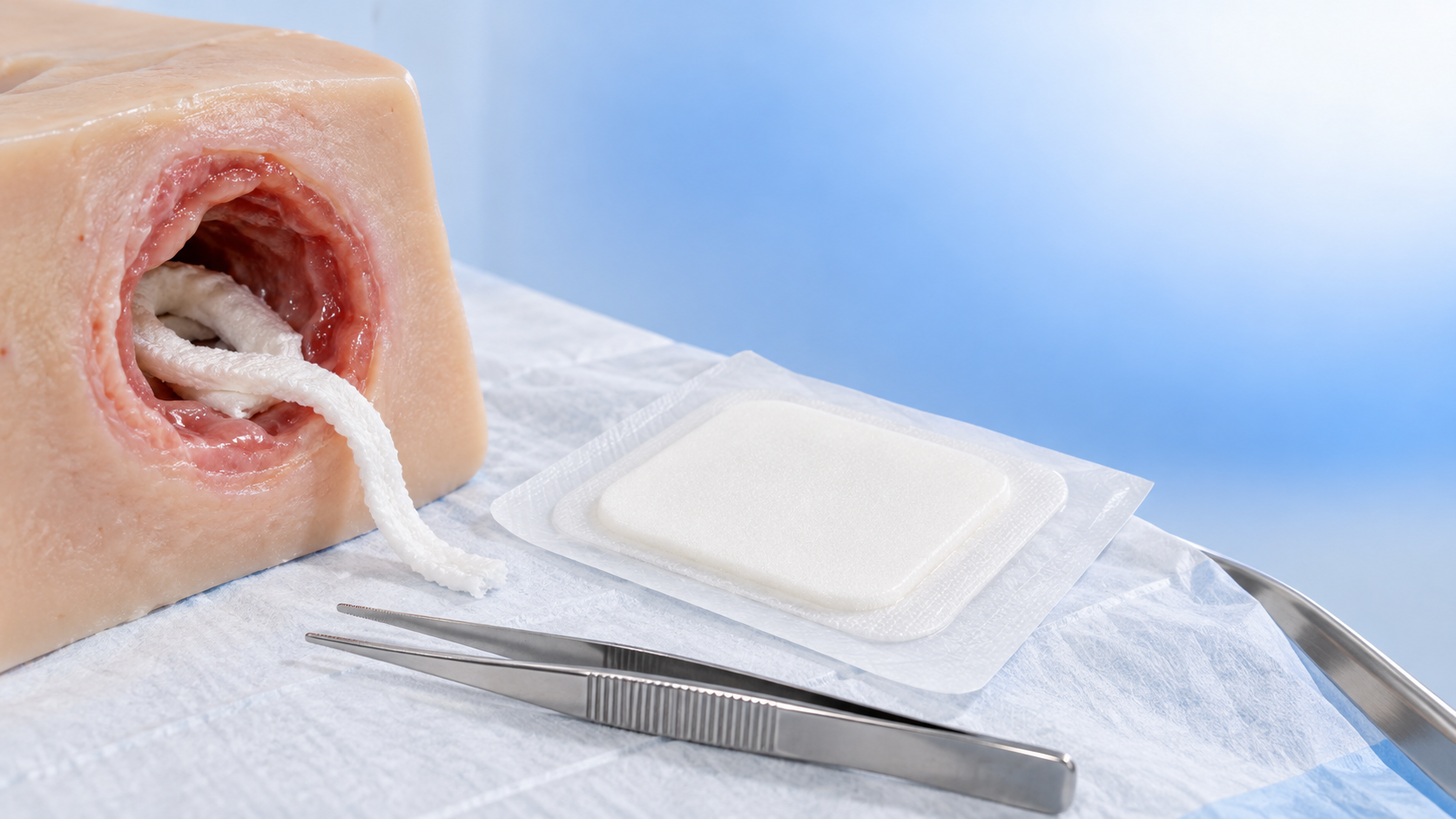
Medical Material Science: When Biocompatibility Data Is Not Enough
Medical material science enters a tougher evaluation scenario
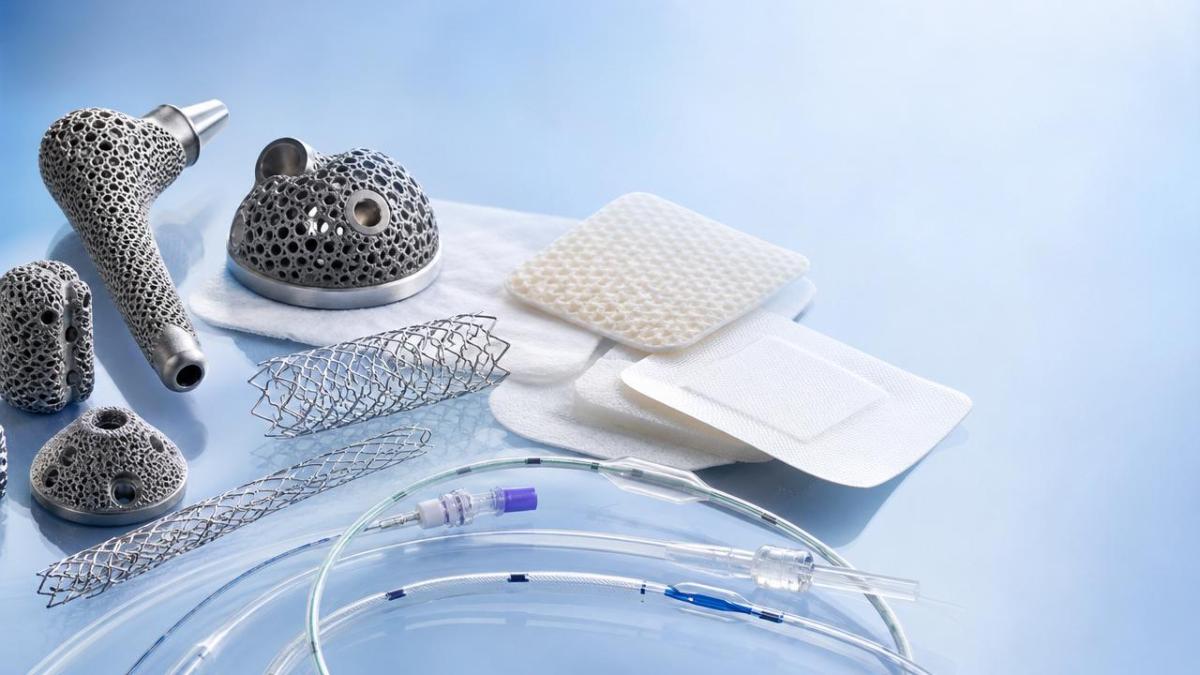
In medical material science, biocompatibility data is only the opening checkpoint, not the final proof of value.
An implant may pass ISO 10993 screens yet still fail under clinical stress, manufacturing drift, or reimbursement pressure.
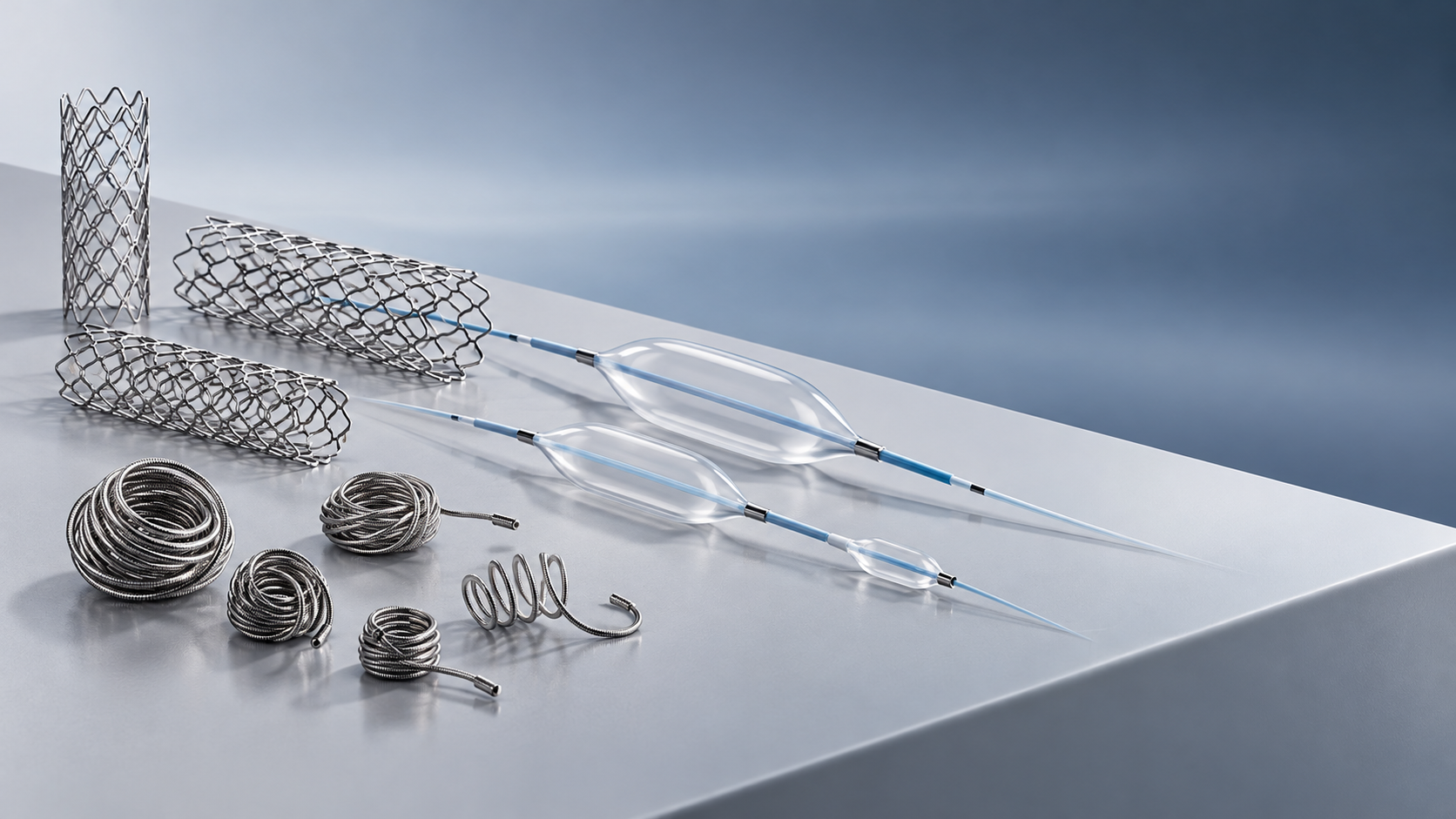
That gap matters across orthopedic implants, cardiovascular devices, staplers, polymer catheters, and advanced wound care.
For IMCS, the real question in medical material science is whether material behavior survives the full commercial pathway.
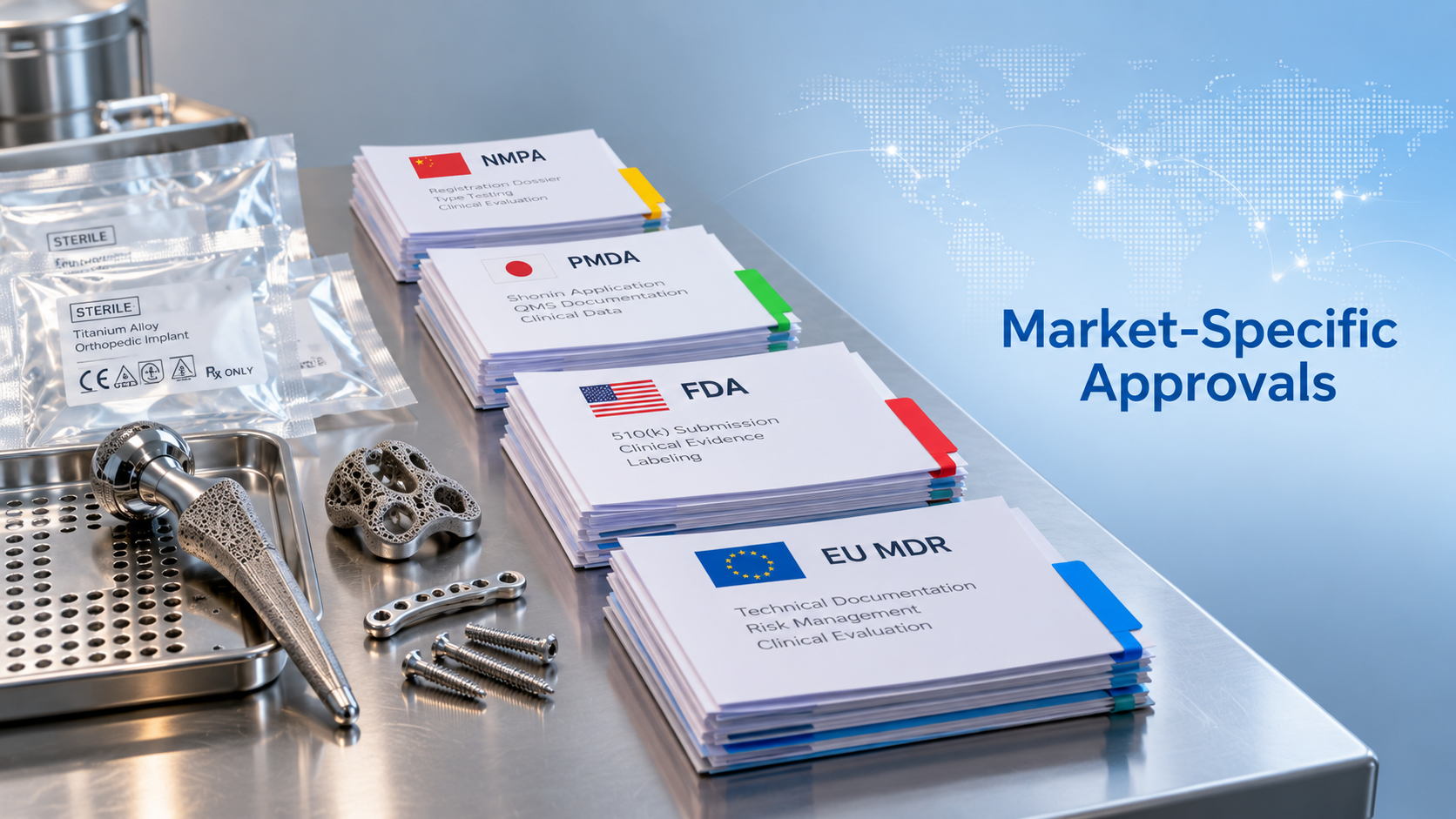
That pathway includes design transfer, precision machining, sterilization compatibility, clinical evidence, Class III regulation, and VBP economics.
When these layers are aligned, medical material science creates durable competitive value rather than temporary technical claims.
Why scenario-based judgment matters more than isolated test data
Different medical consumables face different failure modes, even when their biocompatibility reports look equally strong.
A porous titanium implant must support osseointegration for years, while a DES must manage endothelial healing and drug release timing.
A catheter coating may appear safe in vitro but lose lubricity after packaging, transport, or shelf-life aging.
This is why medical material science should be assessed in actual use scenarios, not only in laboratory snapshots.
Scenario-based evaluation reveals hidden interactions between materials, process capability, anatomy, and policy constraints.
It also improves investment, market entry, and portfolio decisions by separating durable technologies from fragile stories.
Scenario 1: Orthopedic reconstruction needs more than biocompatible titanium or PEEK
Long-term fixation is the key judgment point
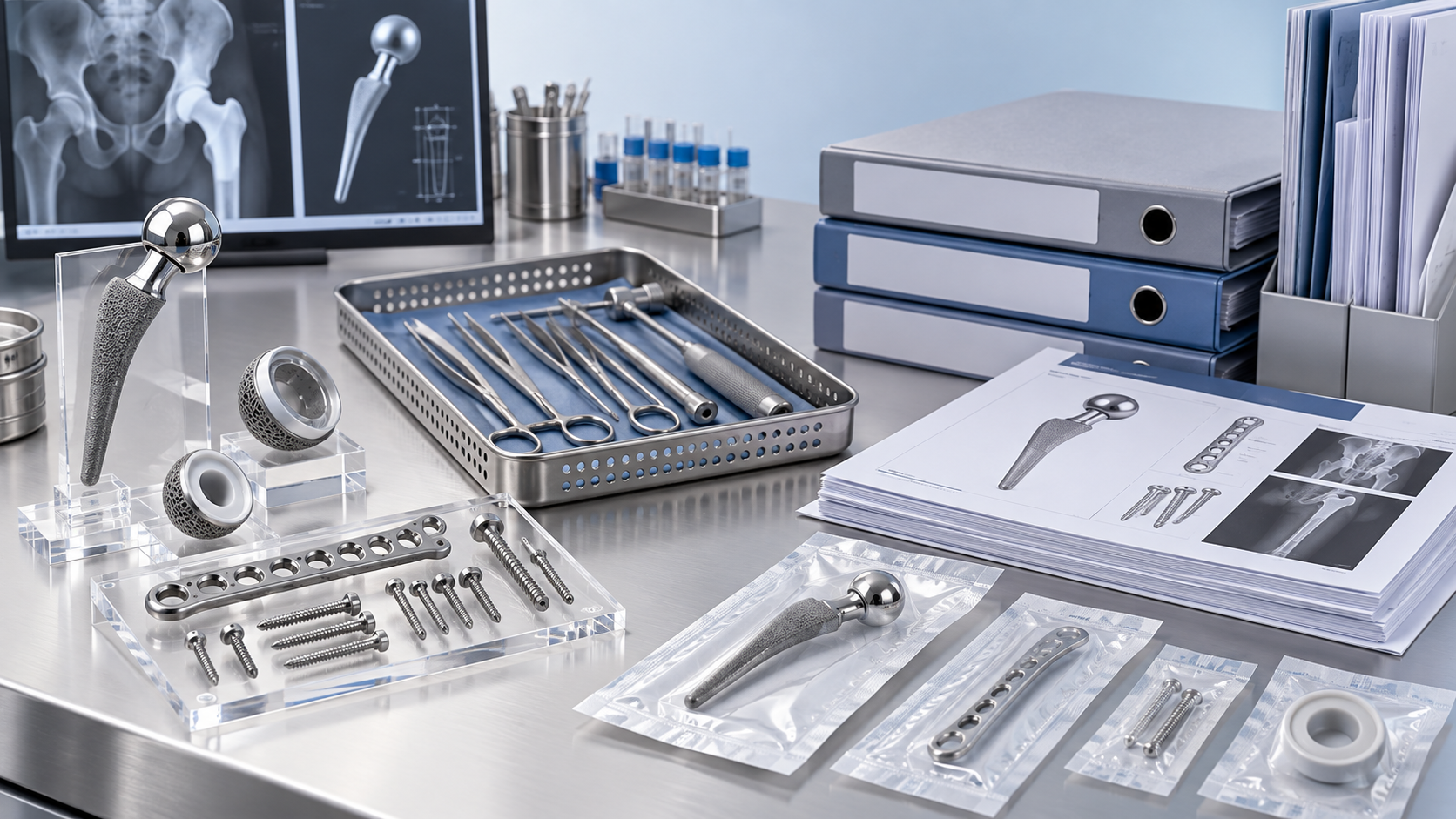
In orthopedic medical material science, initial biological safety means little if fixation weakens after repetitive loading.
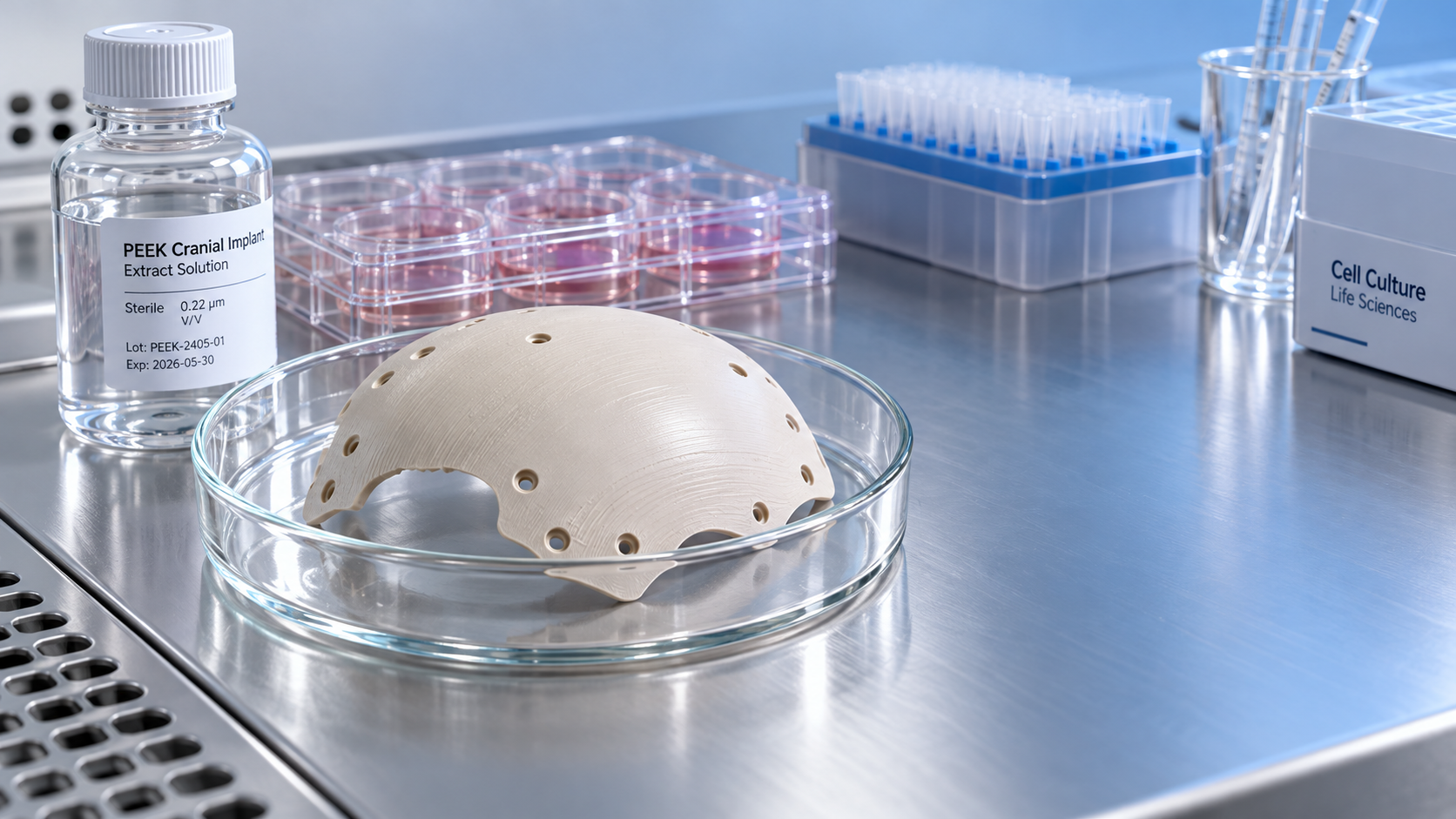
Porous structures, surface roughness, and elastic modulus matching directly affect bone ingrowth and stress transfer.
3D-printed trabecular designs can improve integration, but only when pore architecture remains consistent across batches.
Micron-level dimensional variation may change implant seating, wear behavior, and revision risk.
Regulatory and pricing pressure reshape material value
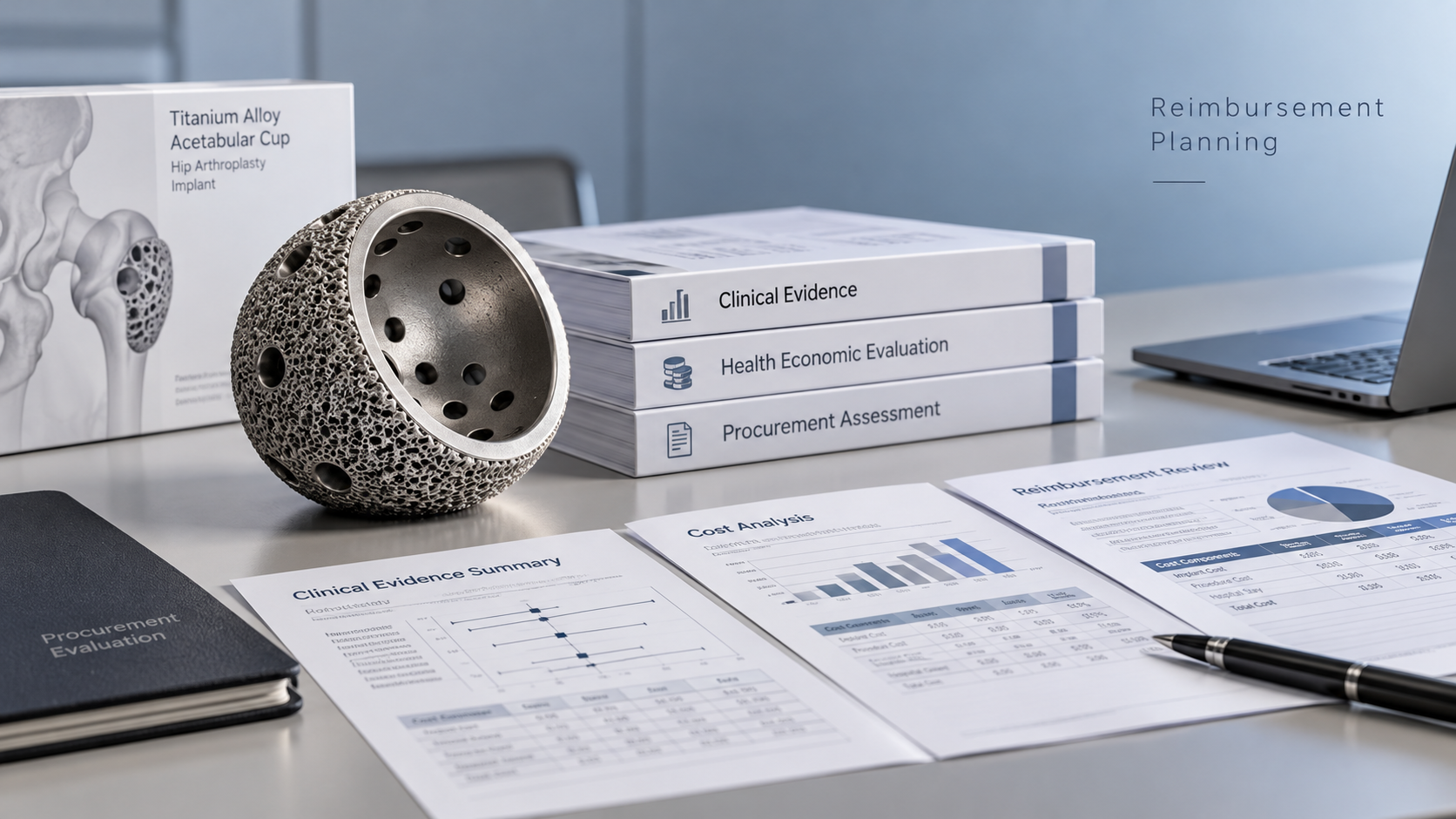
A premium spinal cage or joint component must show not just safety, but measurable clinical and economic superiority.
Under VBP-like pricing pressure, unsupported premium materials lose leverage quickly.
Medical material science therefore needs evidence linking material selection to revision reduction, healing speed, or surgical efficiency.
Scenario 2: Cardiovascular devices face the harshest compatibility-performance tradeoff
Blood contact turns every micro-defect into a strategic risk
In cardiovascular medical material science, hemocompatibility is only one layer of a far more complex challenge.
Stents, valves, and delivery systems must perform in dynamic, high-risk, anatomy-dependent environments.
Coating integrity, radial strength, fatigue resistance, and deployment precision all influence thrombosis and restenosis outcomes.
A material with excellent bench data may still underperform if crimping or expansion damages its surface behavior.
Clinical logic matters as much as test logic
For Class III products, regulatory scrutiny goes far beyond biological test completion.
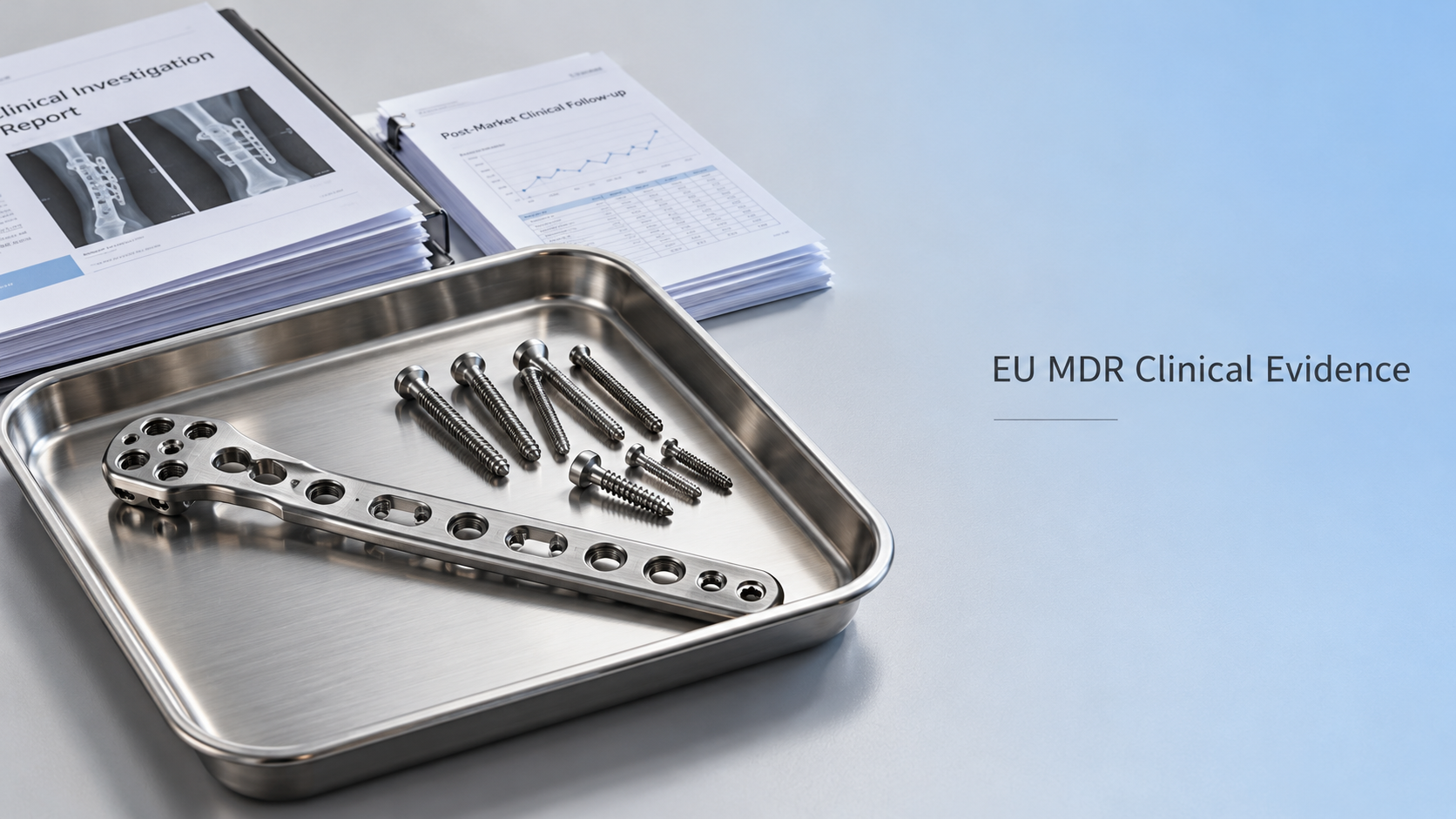
Clinical evaluation must show why a material-device combination improves patient outcomes in defined lesion or valve scenarios.
This is where advanced medical material science becomes a clinical strategy, not a raw material discussion.
Scenario 3: Minimally invasive staplers depend on material-process synchronization
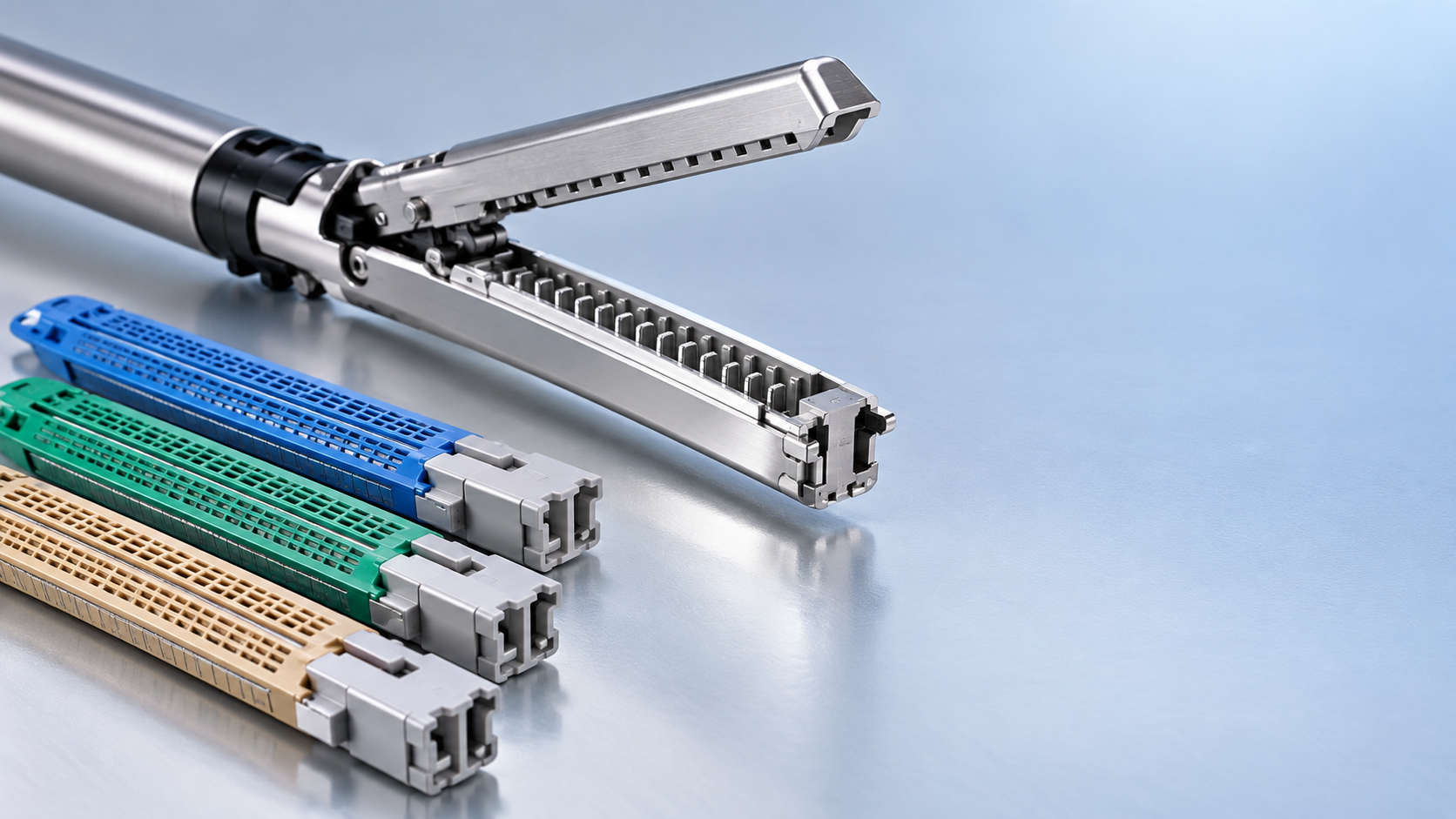
Staplers may look mechanically simple, but their material risk is tightly linked to process precision.
Titanium staples must deform predictably, close tissue securely, and avoid cutting, leakage, or ischemic compression.
In medical material science, alloy consistency alone is not enough without strict control of cartridge geometry and firing force.
Sterilization effects, packaging stability, and surgeon handling variation also shape actual performance.
This scenario rewards systems thinking, where material choice and device mechanics are validated together.
Scenario 4: Polymer catheter innovation succeeds only when surface behavior stays stable
Catheters show why medical material science must examine the full lifecycle of a product.
Hydrophilic coatings, shaft flexibility, kink resistance, and anti-thrombotic behavior must remain reliable during real use.
A polymer system can pass compatibility tests yet fail after repeated bending, friction, or fluid exposure.
The hidden issue is often interface durability between substrate, coating, and sterilization method.
For neurovascular and central venous applications, this interface often determines access success and adverse event risk.
Scenario 5: Advanced wound care requires biological safety plus healing environment control
Dressings and regenerative materials operate in a very different medical material science scenario.
Here, moisture balance, exudate management, antimicrobial action, and tissue adherence can outweigh simple compatibility claims.
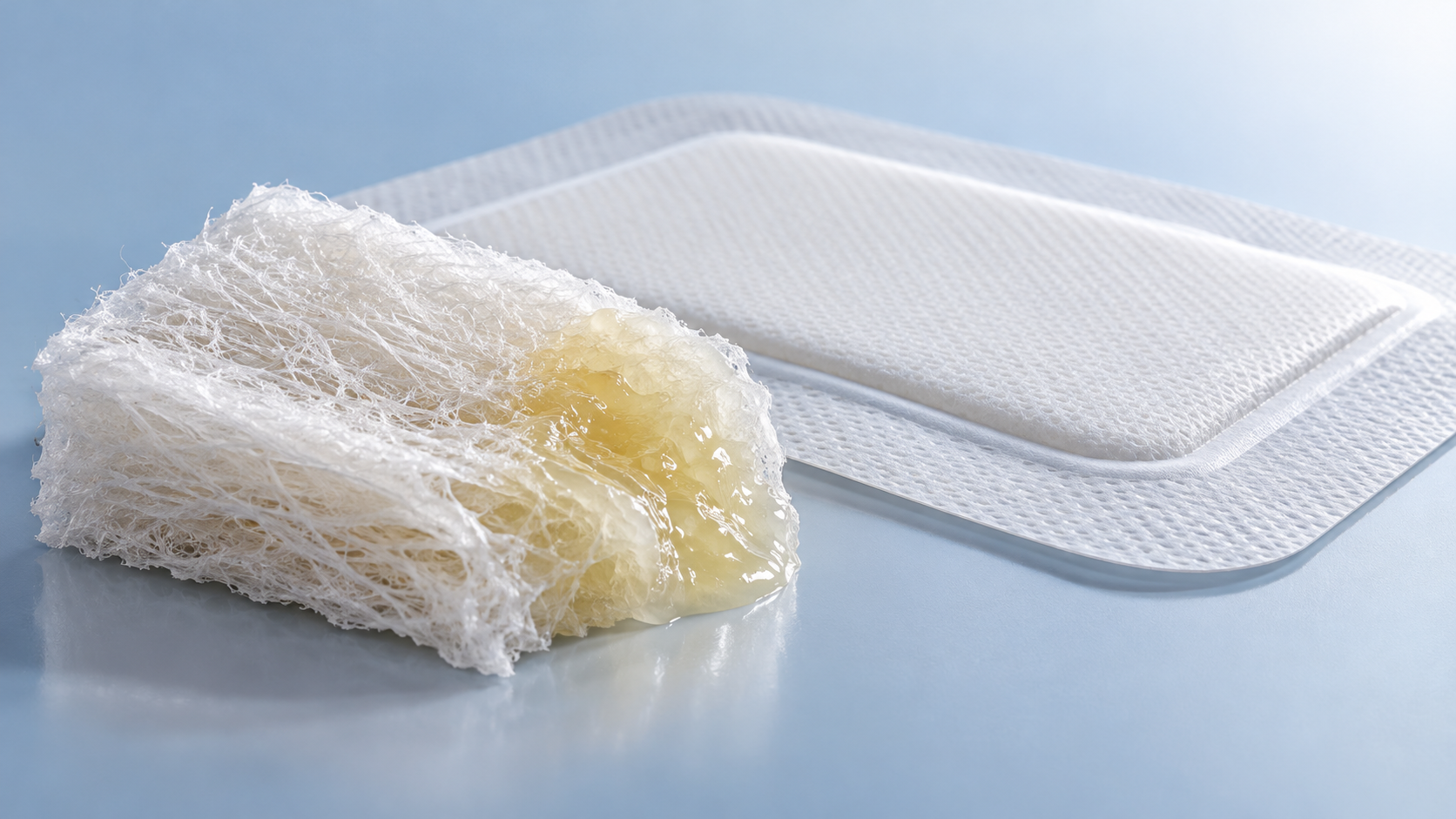
Silver-ion foams, alginates, silicones, and NPWT interfaces must support healing without creating new trauma during removal.
The strongest solutions demonstrate not only safe contact, but also measurable wound closure improvement in difficult cases.
How scenario demands differ across core medical consumables
Practical adaptation suggestions for stronger medical material science decisions
- Map every material to a real anatomical and procedural scenario before judging value.
- Test post-sterilization, post-aging, and post-processing behavior, not only virgin material performance.
- Link micron-level manufacturing capability to clinical risk, especially for Class III devices.
- Build evidence around outcome improvement, not around material novelty alone.
- Stress-test pricing resilience under VBP or cost-control scenarios early in the evaluation cycle.
- Use cross-functional review between toxicology, clinical, regulatory, and market intelligence teams.
Common misjudgments when biocompatibility data looks convincing
One common mistake is assuming pass/fail biological safety equals long-term device success.
Another is ignoring how machining marks, coating defects, or packaging choices alter in vivo performance.
Medical material science is also misread when clinical evidence is borrowed from non-equivalent predicates.
A further blind spot appears when premium materials lack economic survival under centralized purchasing pressure.
The strongest evaluations identify where biology, engineering, regulation, and pricing can break alignment.
Next-step action: evaluate medical material science as a stitched intelligence system
The future of medical material science belongs to solutions that connect safety, manufacturability, evidence, and policy fit.
That is the logic behind IMCS and its focus on implants, interventional consumables, surgical tools, polymers, and regenerative materials.
A better evaluation model asks five questions.
- Will the material keep performing after real processing and real use?
- Can precision manufacturing hold the intended functional window at scale?
- Does clinical evidence support the exact scenario being targeted?
- Can the regulatory pathway defend equivalence and risk control?
- Will the product remain competitive under reimbursement and VBP pressure?
When those answers align, medical material science becomes a strategic growth engine, not just a compliance checklist.
Get weekly intelligence in your inbox.
No noise. No sponsored content. Pure intelligence.
News Recommendations
 Oct 26, 2026Can a single approval cover life science product sales worldwide?Can a single approval cover life science product sales worldwide?
 Oct 25, 2026When is sensitization testing needed for medical device biocompatibility?When is sensitization testing needed for medical device biocompatibility?
 Oct 24, 2026How is biocompatibility tested for implantable polymer biomaterials?How is biocompatibility tested for implantable polymer biomaterials?
 Oct 23, 2026How to build reimbursement into an implant commercialization strategyHow to build reimbursement into an implant commercialization strategy
 Oct 22, 2026What clinical evidence do implants need for CE marking under EU MDR?What clinical evidence do implants need for CE marking under EU MDR?
 Oct 21, 2026How to choose disposable laparoscopic stapler reloads for thick tissueHow to choose disposable laparoscopic stapler reloads for thick tissue
 Oct 20, 2026How to assess medical polymer biocompatibility under ISO 10993How to assess medical polymer biocompatibility under ISO 10993
 Oct 19, 2026How do interventional device categories differ in clinical use?How do interventional device categories differ in clinical use?
 Oct 18, 2026When to choose alginate dressings for heavily exuding chronic woundsWhen to choose alginate dressings for heavily exuding chronic wounds
 Oct 17, 2026How is biocompatibility tested for custom medical-grade PEEK implants?How is biocompatibility tested for custom medical-grade PEEK implants?
 Oct 16, 2026How to check a wound healing materials supplier’s biocompatibility dataHow to check a wound healing materials supplier’s biocompatibility data
 Oct 15, 2026How to verify the FDA clearance status of silver wound dressingsHow to verify the FDA clearance status of silver wound dressings
 Oct 14, 2026How to register orthopedic implants and instruments in Latin AmericaHow to register orthopedic implants and instruments in Latin America
 Oct 13, 2026How to use a device market intelligence database to benchmark VBP pricesHow to use a device market intelligence database to benchmark VBP prices
 Oct 12, 2026When should stainless steel orthopedic instruments be replaced?When should stainless steel orthopedic instruments be replaced?
 Oct 11, 2026When are alginate dressings rope the right choice for cavity wounds?When are alginate dressings rope the right choice for cavity wounds?
 Oct 10, 2026When smart minimally invasive technology improves catheter accessWhen smart minimally invasive technology improves catheter access
 Oct 08, 2026Clinical evaluation requirements for cardiovascular implant devices in EuropeClinical evaluation requirements for cardiovascular implant devices in Europe
 Oct 07, 2026What to verify before appointing an artificial joint implants distributorWhat to verify before appointing an artificial joint implants distributor
 Oct 06, 2026How ISO 10993 guides biocompatibility testing for medical materialsHow ISO 10993 guides biocompatibility testing for medical materials
 Oct 05, 2026How to verify an orthopedic implants and instruments exporterHow to verify an orthopedic implants and instruments exporter
 Oct 04, 2026What drives surgical stapling devices price differences in hospital tenders?What drives surgical stapling devices price differences in hospital tenders?
 Oct 03, 2026How to assess a central venous catheter manufacturer's infection-control evidenceHow to assess a central venous catheter manufacturer's infection-control evidence
 Oct 02, 2026How to assess an advanced wound care factory’s quality systemHow to assess an advanced wound care factory’s quality system
 Oct 01, 2026What is driving global medical consumables demand in emerging markets?What is driving global medical consumables demand in emerging markets?
 Sep 30, 2026Implant Material Compliance Testing: Evidence Needed for Regulatory SubmissionImplant Material Compliance Testing: Evidence Needed for Regulatory Submission
 Sep 30, 2026From Corrosion to Fatigue: What Implant Materials Testing Should MeasureFrom Corrosion to Fatigue: What Implant Materials Testing Should Measure