Medical Material Biocompatibility: Common Testing Gaps That Delay Approval
Medical material biocompatibility often appears manageable until a regulator asks one difficult question. Then timelines stretch, test plans reopen, and design teams must revisit assumptions about contact type, chemistry, residues, and clinical exposure. In practice, most approval delays do not come from one catastrophic failure. They come from small testing gaps that weaken the biological safety story and make the submission look incomplete. A stronger strategy connects ISO 10993 testing, material selection, processing validation, and real clinical use from the beginning.
Why a checklist approach reduces approval delays

Medical material biocompatibility is rarely judged by a single report. Reviewers look for consistency across device design, manufacturing, sterilization, packaging, shelf life, and intended use. A checklist approach prevents teams from treating biocompatibility as a late laboratory task. It turns biological safety into a documented decision chain.
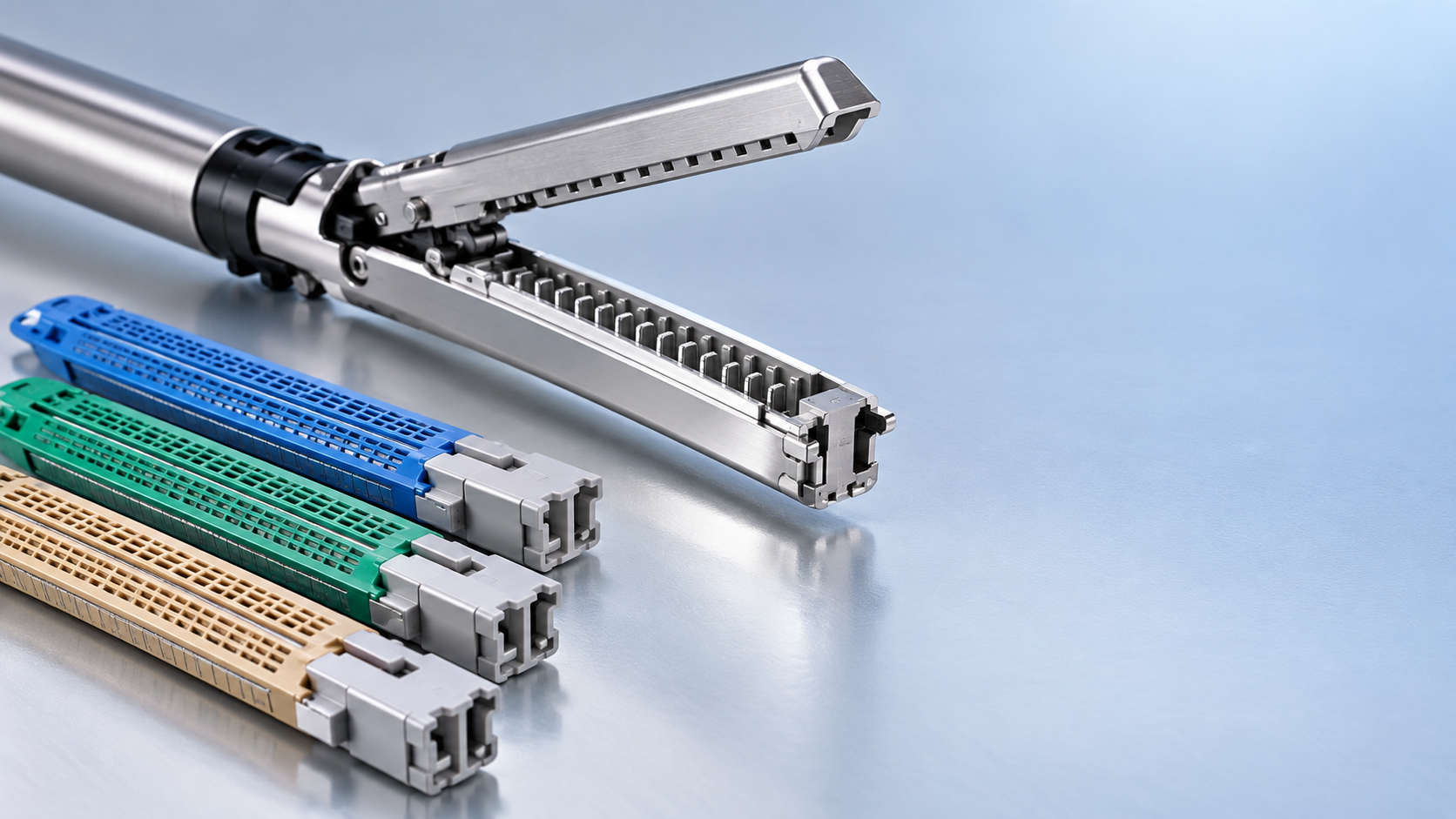
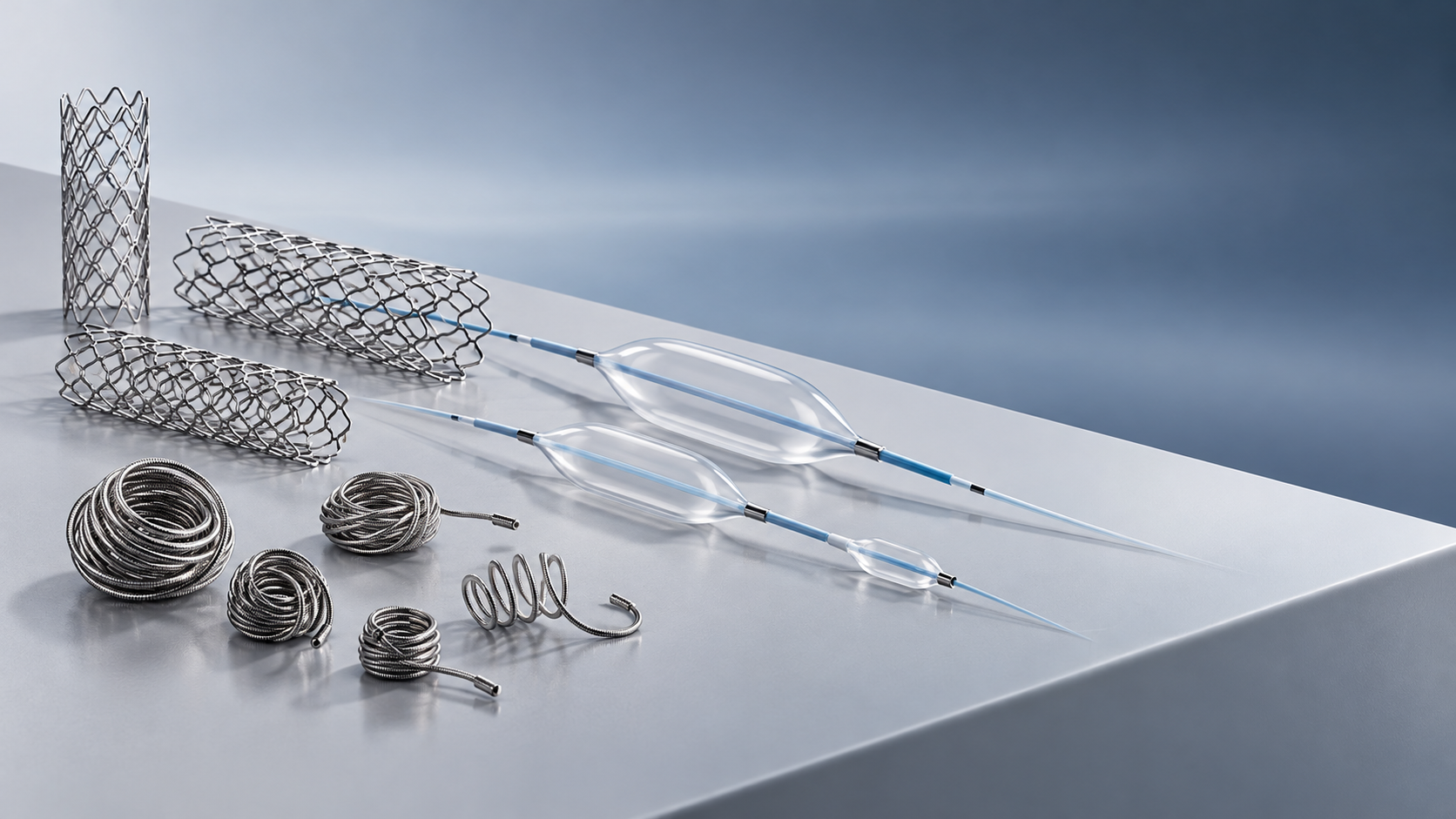
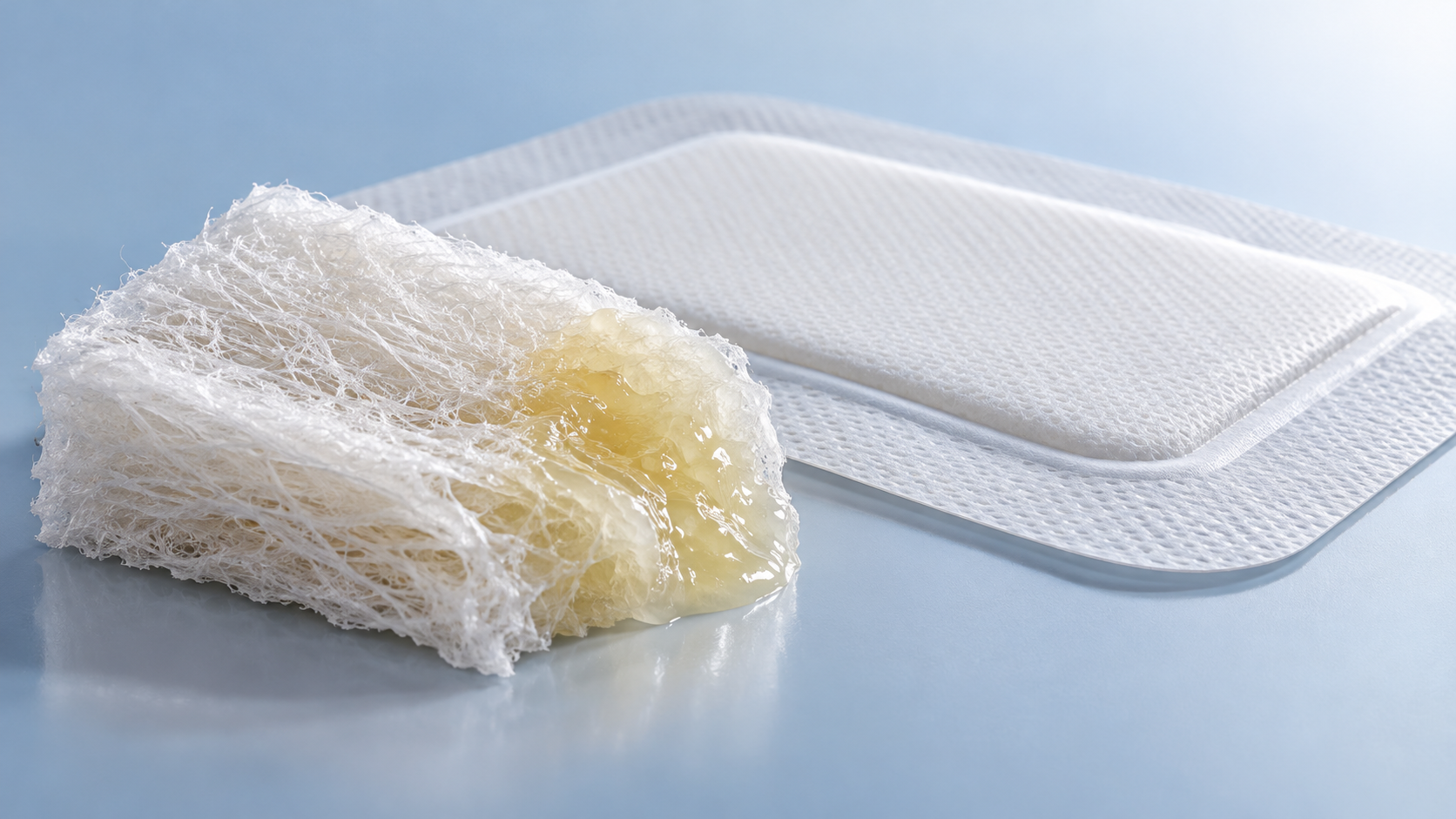
This matters across implants, catheters, staplers, wound dressings, and cardiovascular devices. Different products create different exposure profiles, but the same pattern repeats: incomplete endpoints, weak extractables rationale, unqualified material changes, and missing links between test articles and final production units. These are the common cracks where approval schedules slip.
Core checklist for medical material biocompatibility
- Define device contact precisely, including tissue type, blood path, duration, repeat use, and whether transient contact assumptions still match the real clinical workflow.
- Map every patient-contacting material, coating, additive, colorant, adhesive, lubricant, and processing aid, then confirm which ones remain on the finished device.
- Justify endpoint selection under ISO 10993 using risk management logic, not habit, and document why any omitted study is scientifically defensible.
- Verify that test articles represent final manufacturing conditions, including sterilization, aging, packaging, cleaning residues, and the highest-risk production configuration.
- Review chemical characterization early, because extractables and leachables data often reveal toxicological concerns before animal studies begin and before budgets escalate.
- Check whether machining oils, mold release agents, passivation residues, or particulate contamination could change medical material biocompatibility despite unchanged base materials.
- Align biological evaluation with sterilization method, since EtO residuals, radiation effects, and steam-related degradation can alter chemistry and biological response.
- Compare supplier specifications with actual incoming variation, especially for polymers, surface treatments, and porous structures where lot differences may affect tissue response.
- Bridge material changes formally, using equivalence, chemistry, and process evidence, instead of assuming prior test data automatically covers new versions.
- Integrate toxicological risk assessment with design history files so reviewers can trace how exposure, hazard, and benefit were balanced in the final submission.
How testing gaps appear in different device scenarios
Orthopedic implants and porous structures
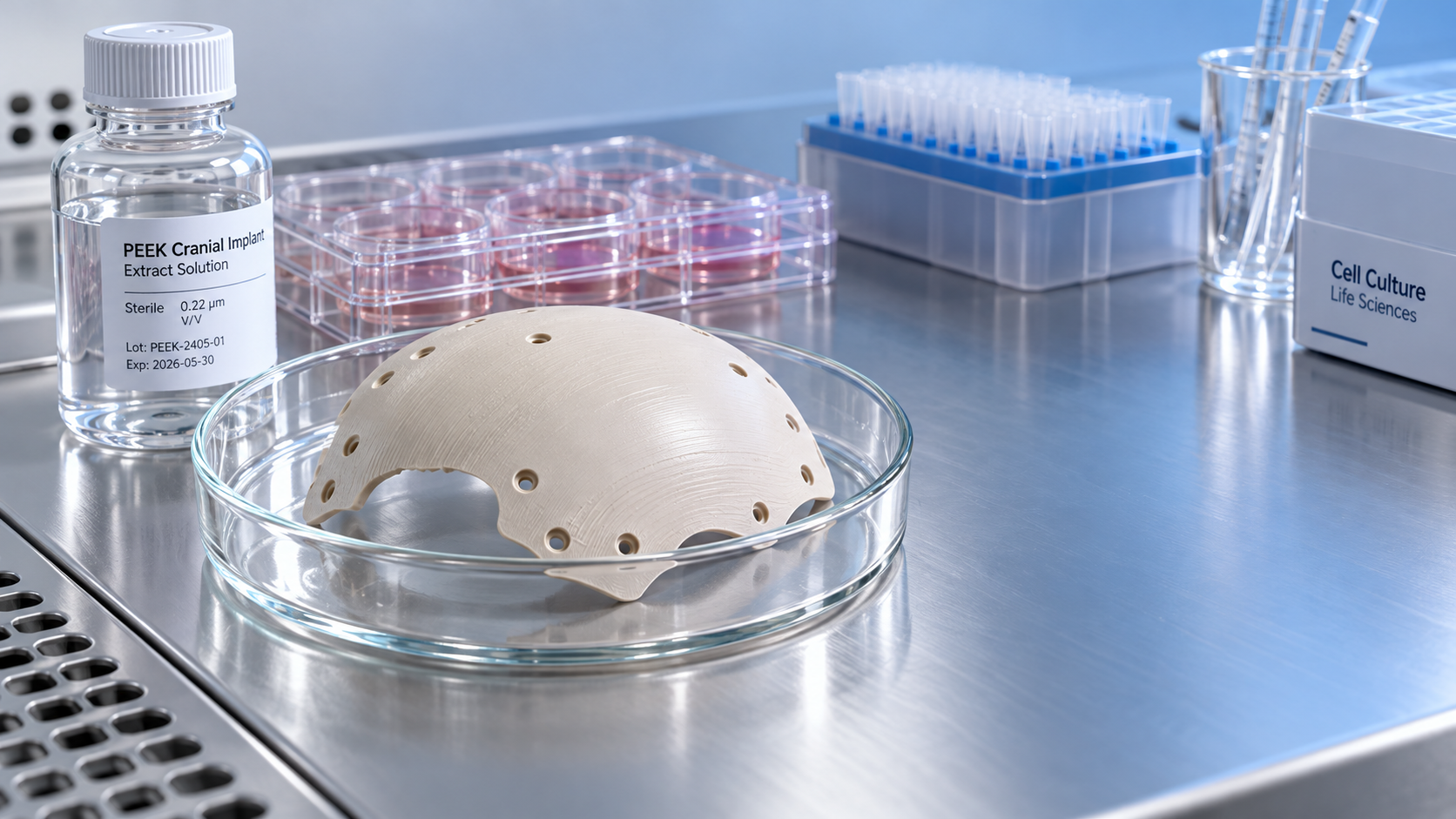
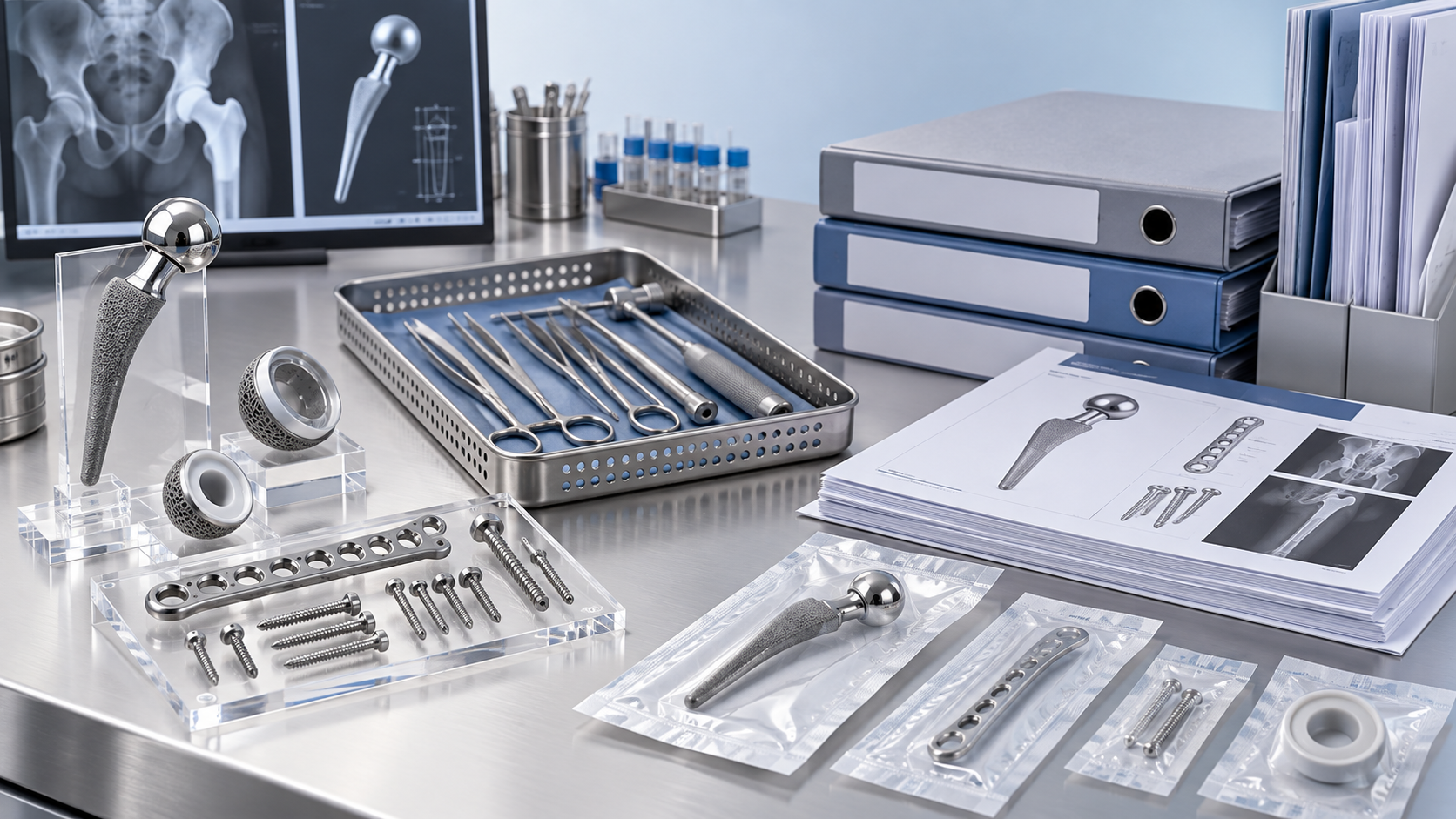
For orthopedic implants, medical material biocompatibility is often narrowed to metal alloy history and implantation duration. That is too simple. Additive manufacturing, porous trabecular surfaces, blasting media, cleaning validation, and passivation quality may introduce new chemistry or retained particulates.
If the test article does not reflect the final surface condition, the biological evaluation may look disconnected from the marketed implant. This is especially sensitive when osseointegration claims rely on engineered surface topography.
Cardiovascular interventional devices
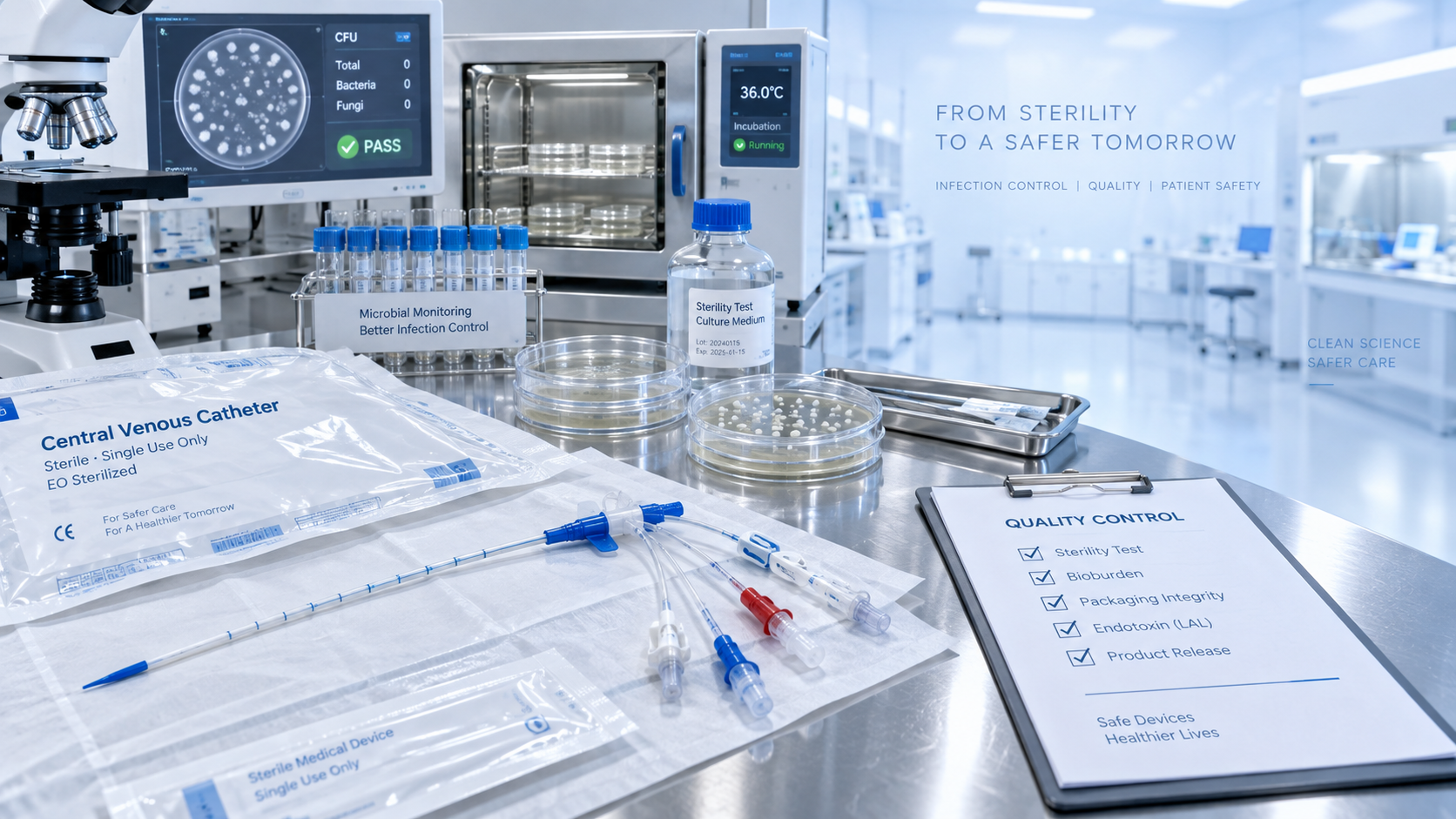
Blood-contacting devices face a higher regulatory spotlight. Stents, delivery systems, balloons, and valves may combine metals, polymers, drug coatings, and lubricious layers. Here, medical material biocompatibility depends on hemocompatibility, particulate generation, coating integrity, and degradation behavior under use conditions.
A common delay appears when teams test raw materials but do not evaluate the finished device after crimping, sterilization, or shelf aging. The biological profile may shift after those steps, and reviewers will ask for evidence.
Polymer catheters and minimally invasive consumables
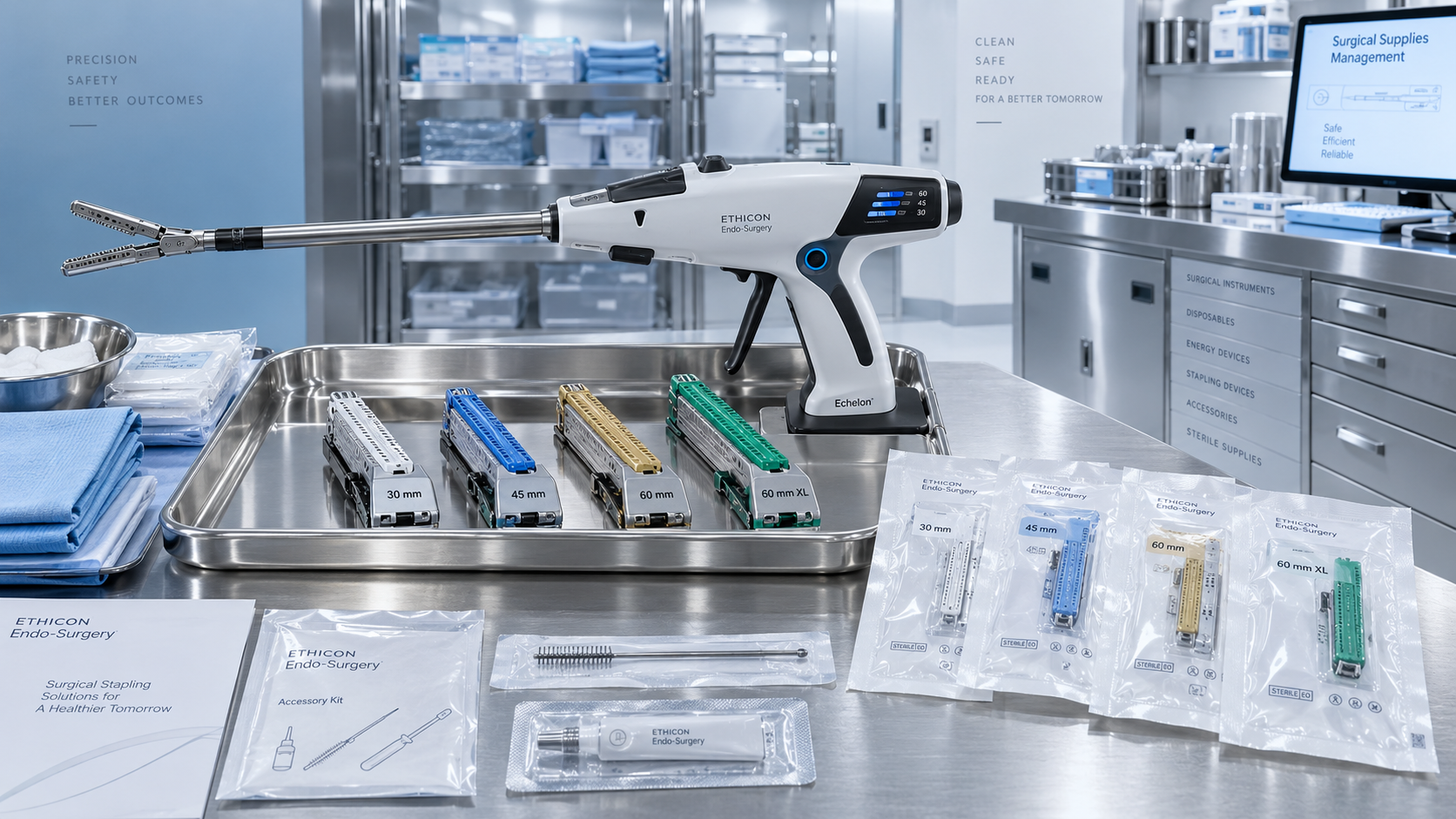
Catheters and stapling systems often involve complex assembly. Adhesives, tie layers, colorants, hydrophilic coatings, and lubricants create a more dynamic risk picture than the base polymer alone. Friction reduction features may improve performance but increase leachables concerns.
Medical material biocompatibility can also be affected by flexing, kink stress, and simulated use. If coating loss or extractable release occurs during use, static bench assumptions become weak support for approval.
Advanced dressings and tissue-contact materials
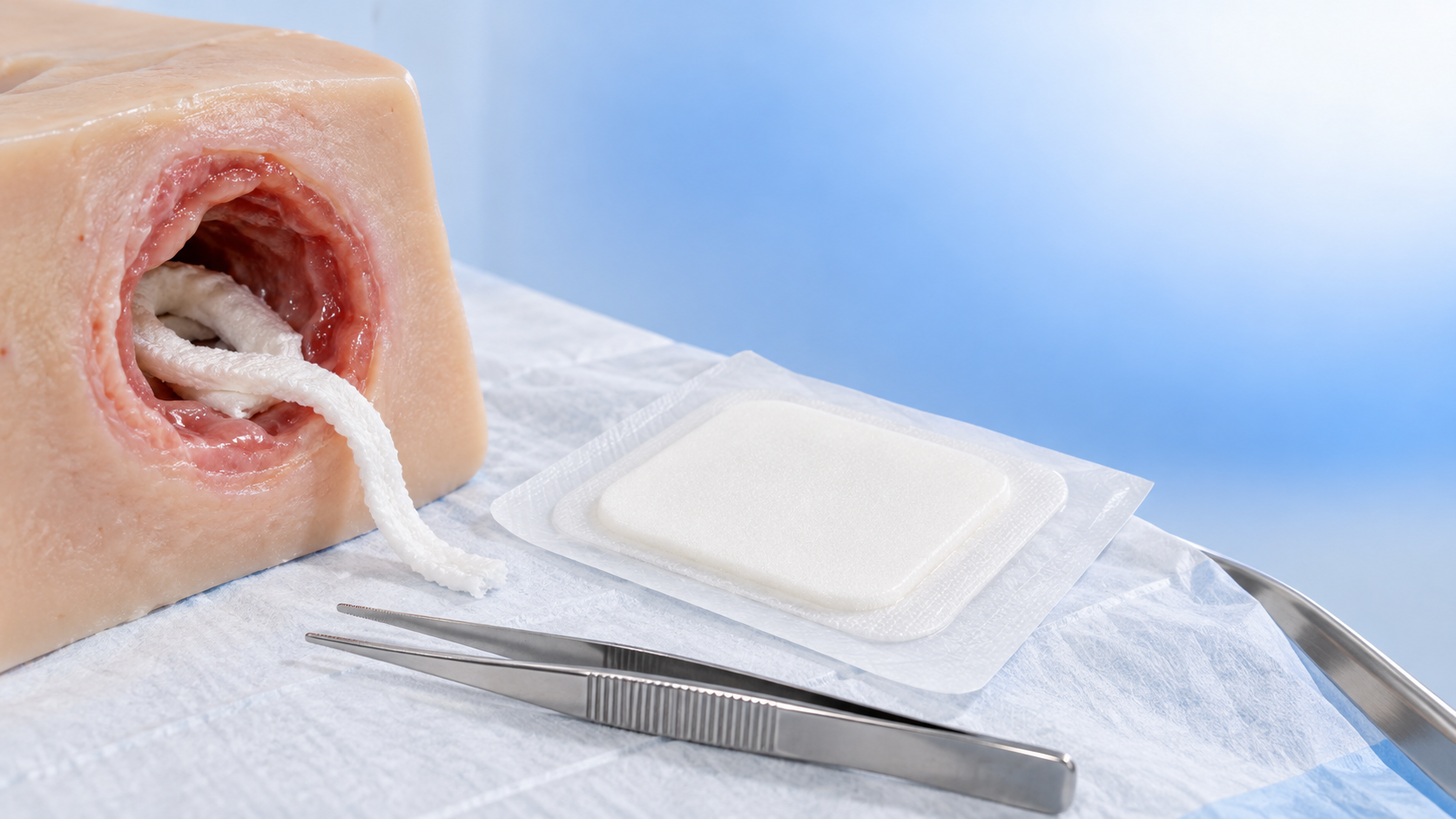
Dressings, foams, alginates, and silver-based wound products may seem less invasive than implants, but prolonged tissue contact still requires careful endpoint logic. Antimicrobial claims, ionic release, absorbency, and moisture management can change local biological response.
Testing gaps often arise when formulations evolve for better handling or shelf life, yet the toxicological assessment is not updated. Even small preservative or crosslinker changes can trigger new questions.
Commonly overlooked issues that trigger regulator questions
- Using literature or legacy data without proving the same formulation, same surface finish, same sterilization route, and same clinical exposure category.
- Skipping chemical characterization until late development, which makes toxicological interpretation reactive and forces expensive retesting after unexpected findings emerge.
- Overlooking packaging interactions, especially when sterilization, aging, or transport conditions can transfer residues or accelerate material degradation.
- Failing to control supplier change notifications for resins, additives, or coatings, leaving the medical material biocompatibility file out of sync with production reality.
- Assuming clean manufacturing equals biologically safe manufacturing, even when trace residues from polishing, washing, or assembly remain analytically relevant.
Practical execution steps for an approval-ready strategy
Start with intended use, then build a biological evaluation plan before verification testing locks the design. This keeps medical material biocompatibility aligned with the actual risk profile instead of becoming a late compliance patch.
Run material mapping and process mapping together. A device may pass design review yet still fail submission quality if the team cannot explain which residues, degradation products, or additives remain after production and sterilization.
Use chemical characterization as an early filter. It does not replace all biological testing, but it helps prioritize endpoints, justify reductions, and focus toxicological review on real patient exposure rather than theoretical hazards.
Document equivalence carefully when making changes. If a coating thickness, adhesive grade, pore geometry, or sterilization cycle changes, update the rationale immediately. Regulators usually challenge undocumented assumptions more than controlled change itself.
Finally, connect the biocompatibility file to risk management, clinical evaluation, and manufacturing validation. The strongest submissions show one coherent story: what contacts the body, what can be released, how it was assessed, and why the remaining risk is acceptable.
Summary and next actions
Medical material biocompatibility delays rarely come from standards alone. They usually come from gaps between material science, manufacturing reality, and regulatory logic. A checklist-based approach helps expose those gaps before they reach formal review.
The most effective next step is to audit one active device against the full biological safety chain: contact classification, material inventory, chemistry, process residues, sterilization effects, shelf-life impact, and endpoint justification. That review often identifies approval risks earlier than another round of routine testing.
When medical material biocompatibility is treated as an integrated evidence strategy, submissions become faster, change control becomes cleaner, and the path to approval becomes far more predictable.
Get weekly intelligence in your inbox.
No noise. No sponsored content. Pure intelligence.
News Recommendations
 Oct 26, 2026Can a single approval cover life science product sales worldwide?Can a single approval cover life science product sales worldwide?
 Oct 25, 2026When is sensitization testing needed for medical device biocompatibility?When is sensitization testing needed for medical device biocompatibility?
 Oct 24, 2026How is biocompatibility tested for implantable polymer biomaterials?How is biocompatibility tested for implantable polymer biomaterials?
 Oct 23, 2026How to build reimbursement into an implant commercialization strategyHow to build reimbursement into an implant commercialization strategy
 Oct 22, 2026What clinical evidence do implants need for CE marking under EU MDR?What clinical evidence do implants need for CE marking under EU MDR?
 Oct 21, 2026How to choose disposable laparoscopic stapler reloads for thick tissueHow to choose disposable laparoscopic stapler reloads for thick tissue
 Oct 20, 2026How to assess medical polymer biocompatibility under ISO 10993How to assess medical polymer biocompatibility under ISO 10993
 Oct 19, 2026How do interventional device categories differ in clinical use?How do interventional device categories differ in clinical use?
 Oct 18, 2026When to choose alginate dressings for heavily exuding chronic woundsWhen to choose alginate dressings for heavily exuding chronic wounds
 Oct 17, 2026How is biocompatibility tested for custom medical-grade PEEK implants?How is biocompatibility tested for custom medical-grade PEEK implants?
 Oct 16, 2026How to check a wound healing materials supplier’s biocompatibility dataHow to check a wound healing materials supplier’s biocompatibility data
 Oct 15, 2026How to verify the FDA clearance status of silver wound dressingsHow to verify the FDA clearance status of silver wound dressings
 Oct 14, 2026How to register orthopedic implants and instruments in Latin AmericaHow to register orthopedic implants and instruments in Latin America
 Oct 13, 2026How to use a device market intelligence database to benchmark VBP pricesHow to use a device market intelligence database to benchmark VBP prices
 Oct 12, 2026When should stainless steel orthopedic instruments be replaced?When should stainless steel orthopedic instruments be replaced?
 Oct 11, 2026When are alginate dressings rope the right choice for cavity wounds?When are alginate dressings rope the right choice for cavity wounds?
 Oct 10, 2026When smart minimally invasive technology improves catheter accessWhen smart minimally invasive technology improves catheter access
 Oct 08, 2026Clinical evaluation requirements for cardiovascular implant devices in EuropeClinical evaluation requirements for cardiovascular implant devices in Europe
 Oct 07, 2026What to verify before appointing an artificial joint implants distributorWhat to verify before appointing an artificial joint implants distributor
 Oct 06, 2026How ISO 10993 guides biocompatibility testing for medical materialsHow ISO 10993 guides biocompatibility testing for medical materials
 Oct 05, 2026How to verify an orthopedic implants and instruments exporterHow to verify an orthopedic implants and instruments exporter
 Oct 04, 2026What drives surgical stapling devices price differences in hospital tenders?What drives surgical stapling devices price differences in hospital tenders?
 Oct 03, 2026How to assess a central venous catheter manufacturer's infection-control evidenceHow to assess a central venous catheter manufacturer's infection-control evidence
 Oct 02, 2026How to assess an advanced wound care factory’s quality systemHow to assess an advanced wound care factory’s quality system
 Oct 01, 2026What is driving global medical consumables demand in emerging markets?What is driving global medical consumables demand in emerging markets?
 Sep 30, 2026Implant Material Compliance Testing: Evidence Needed for Regulatory SubmissionImplant Material Compliance Testing: Evidence Needed for Regulatory Submission
 Sep 30, 2026From Corrosion to Fatigue: What Implant Materials Testing Should MeasureFrom Corrosion to Fatigue: What Implant Materials Testing Should Measure