Surgical Consumables Innovation Under VBP Pressure
As Volume-Based Procurement reshapes margins and market access, surgical consumables innovation has become the key differentiator for sustainable growth. Pricing pressure is no longer the only story.
Across staplers, catheters, wound care, and implant-linked accessories, clinical value, regulatory readiness, and supply continuity now decide who keeps relevance under VBP.
For IMCS, this shift creates a practical intelligence need. The market requires faster judgment on where surgical consumables innovation can still command adoption despite compressed pricing.
When VBP pressure changes the buying scene, surgical consumables innovation must solve specific clinical and channel problems
Not every product category reacts to VBP in the same way. Some segments become pure price competitions. Others retain room for premium positioning through measurable outcomes.
That is why surgical consumables innovation should be judged by scenario, not by broad claims. The key question is simple: where does innovation reduce risk, time, complications, or reintervention?
In high-volume procedures, small design gains can create meaningful economic value. In high-risk procedures, compliance and safety evidence become more decisive than unit price alone.
IMCS tracks these shifts across orthopedic implants, cardiovascular intervention, minimally invasive surgery, polymer catheters, and advanced dressings, linking technical performance with market-access realities.
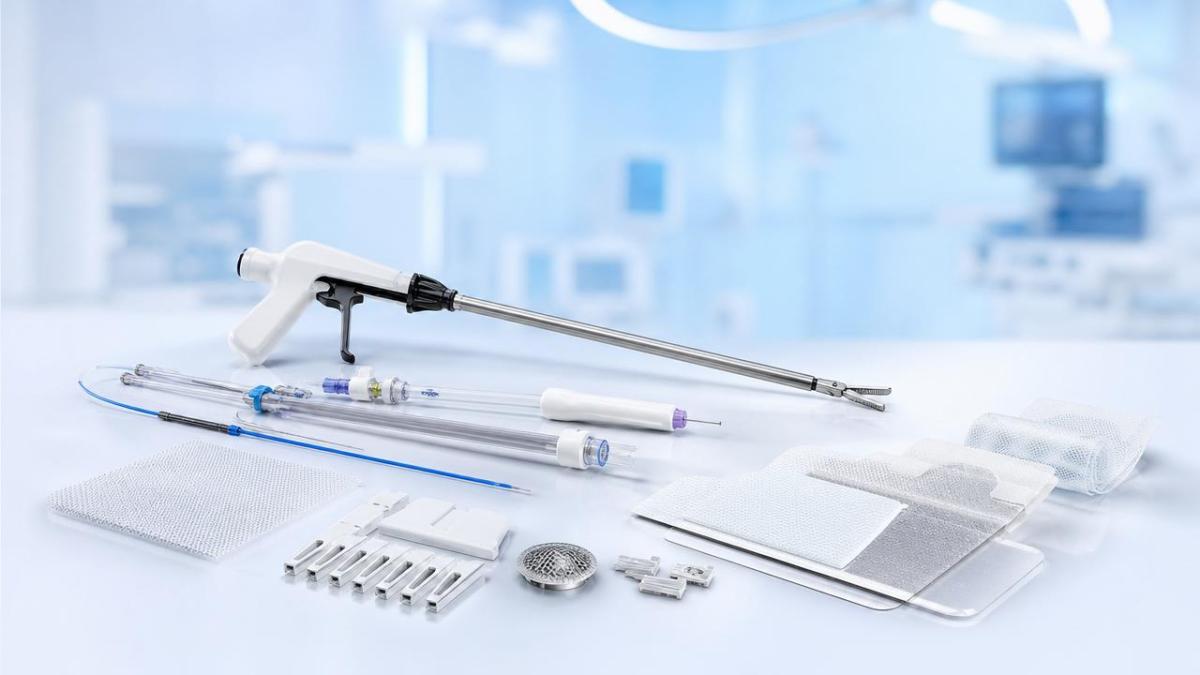
Scenario one: minimally invasive surgery rewards surgical consumables innovation that cuts time and leakage risk
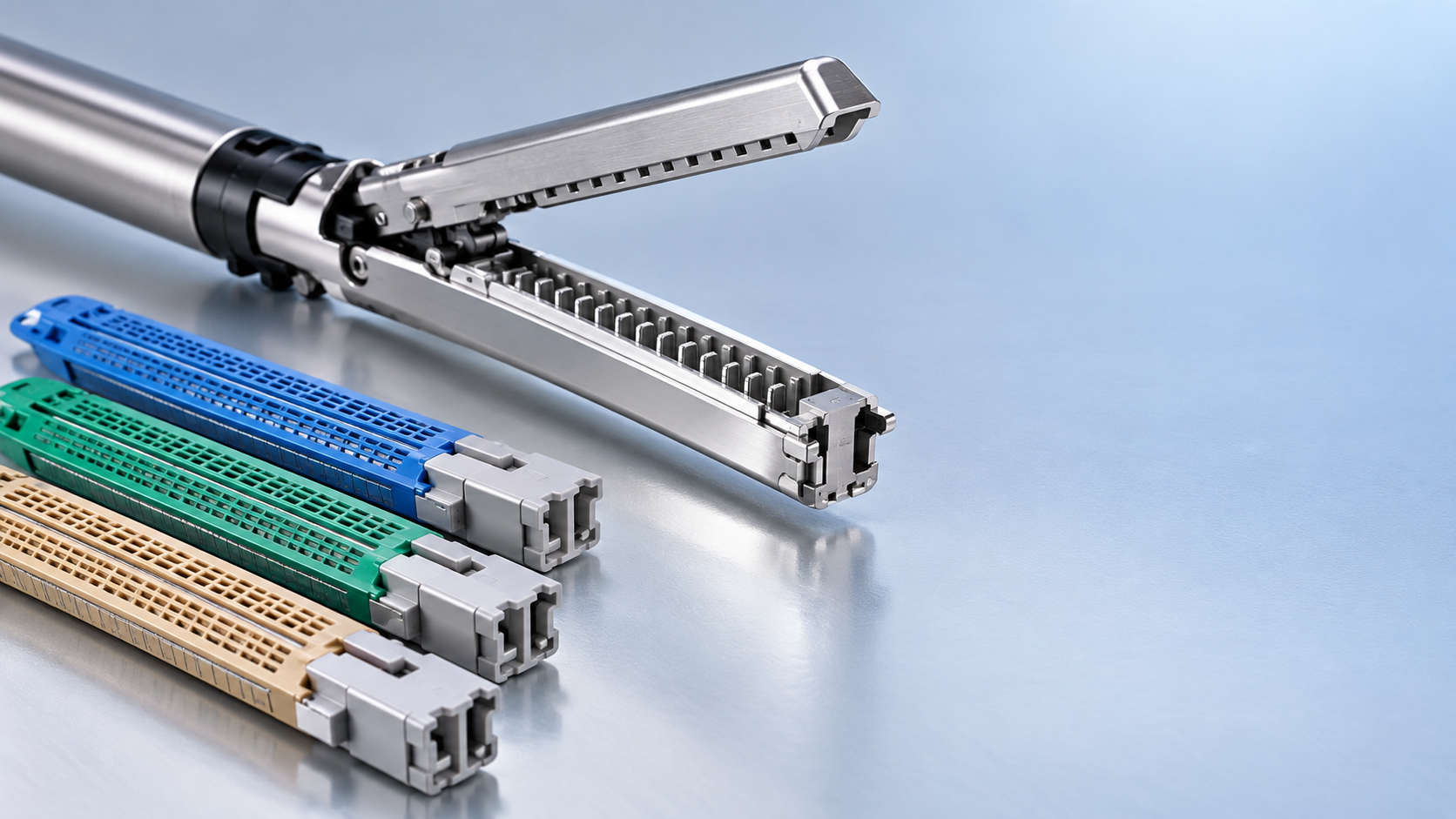
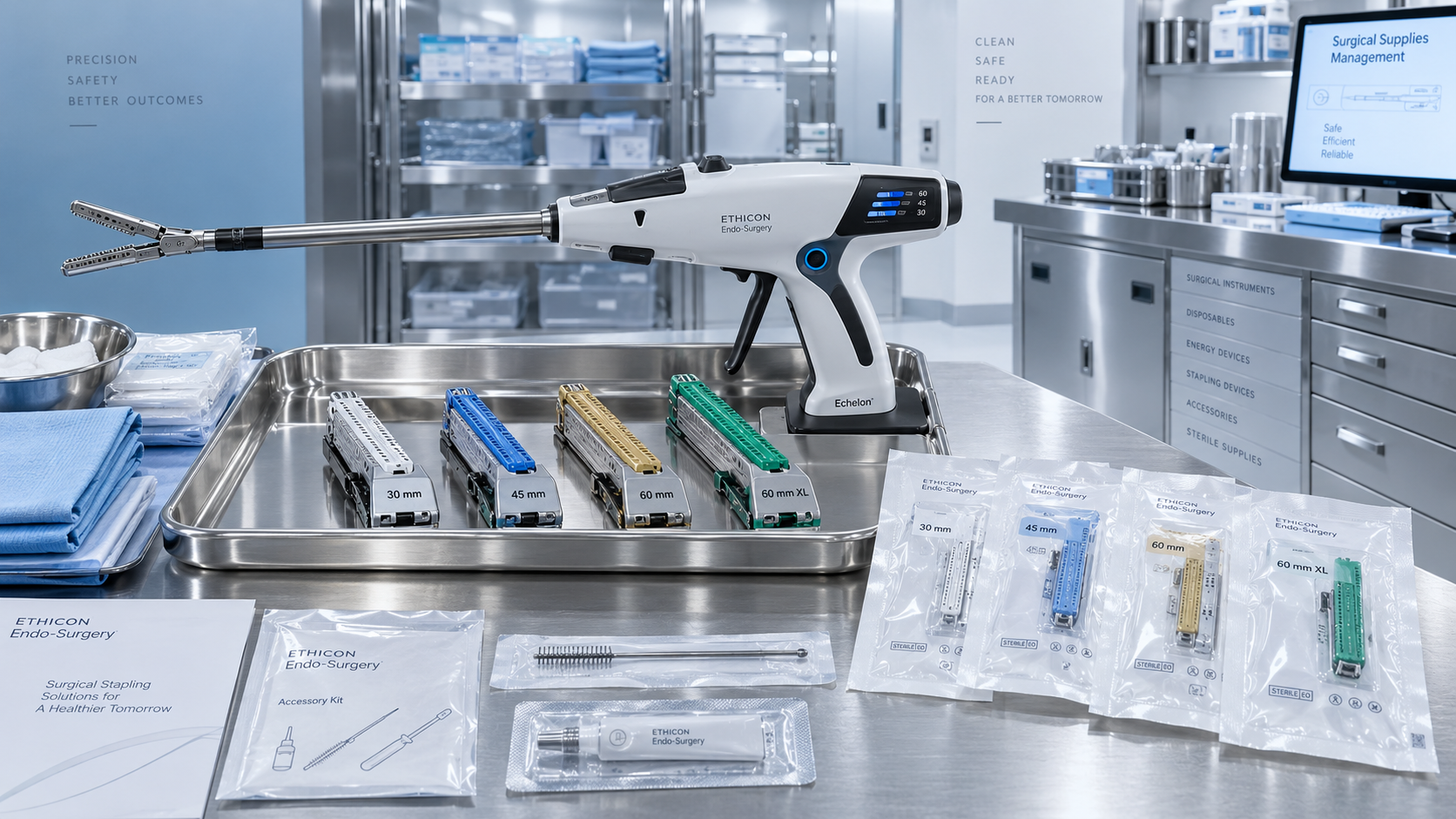
Staplers remain a major battlefield under VBP. Yet the segment still values innovation when it improves firing consistency, tissue adaptation, and postoperative leak prevention.
In laparoscopic colorectal and thoracic procedures, reload design, articulation angle, staple formation, and tissue compression feedback directly affect procedural confidence and complication rates.
Here, surgical consumables innovation should focus on quantifiable benefits. Examples include smoother access in narrow anatomy, stronger staple line integrity, and reduced unplanned intraoperative device changes.
If evidence shows shorter operating time or lower leakage incidence, price resistance becomes more manageable. Innovation without procedure-linked proof usually loses under centralized procurement rules.
Core judgment points for MIS consumables
- Can the device improve access in deep or confined anatomy?
- Does it reduce leakage, bleeding, or firing failure risk?
- Is there reproducible data from real surgical settings?
- Can supply remain stable during high-volume tender cycles?
Scenario two: catheter and interventional pathways favor innovation tied to navigation, coating, and thrombus control
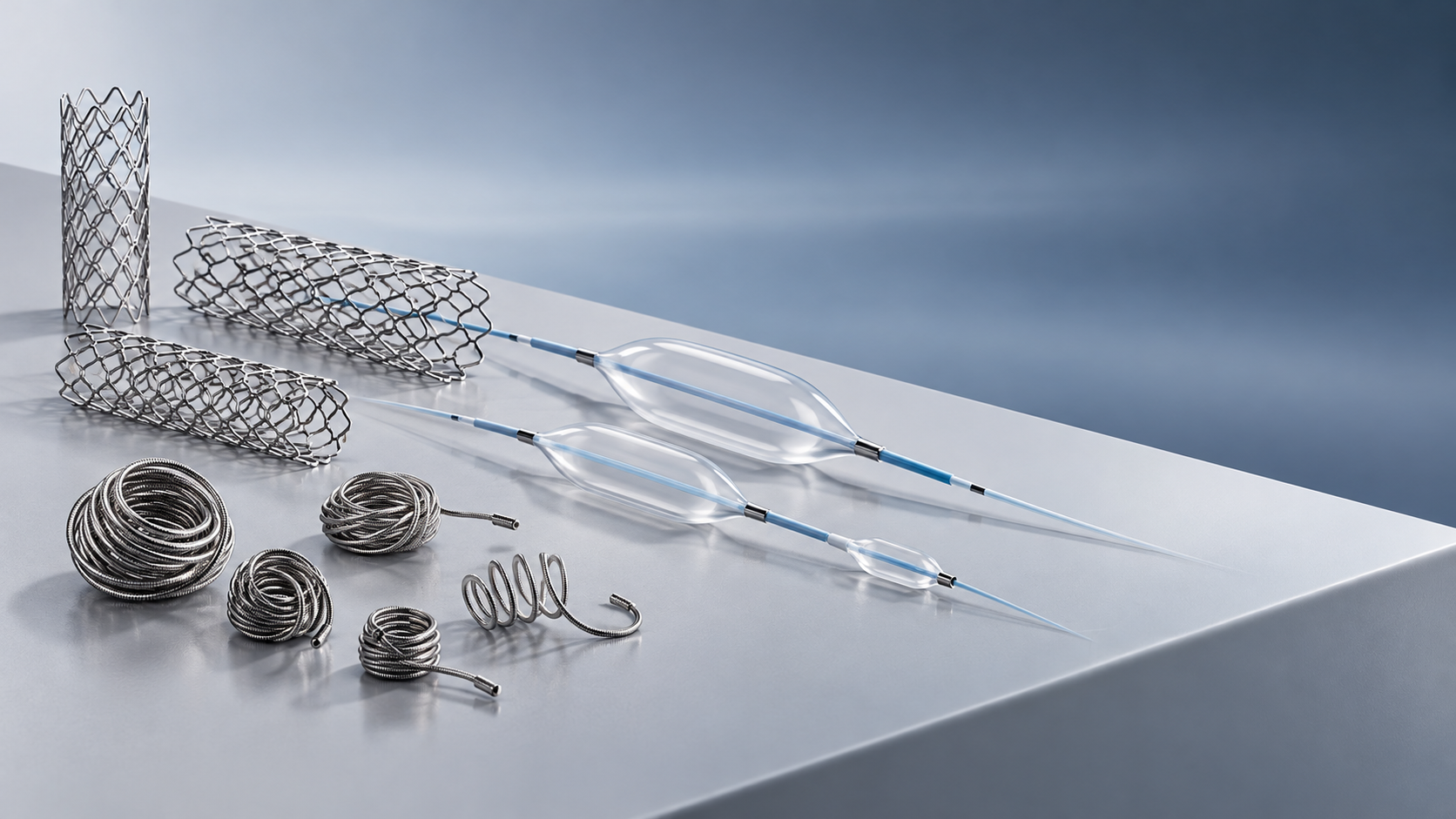
Medical polymer catheters face strong price pressure, but not all catheter demand becomes commoditized. Complex neurovascular and cardiovascular pathways still reward specialized performance.
Hydrophilic coatings, torque response, kink resistance, and anti-thrombotic surfaces matter when navigation precision determines procedural success. These are not cosmetic upgrades.
Surgical consumables innovation in this scene should answer one market concern: does the device lower procedural friction while protecting safety in vivo?
For central venous access and intervention support, material stability, biocompatibility, and consistent manufacturing tolerances become crucial. Under VBP, supply quality variance can destroy trust quickly.
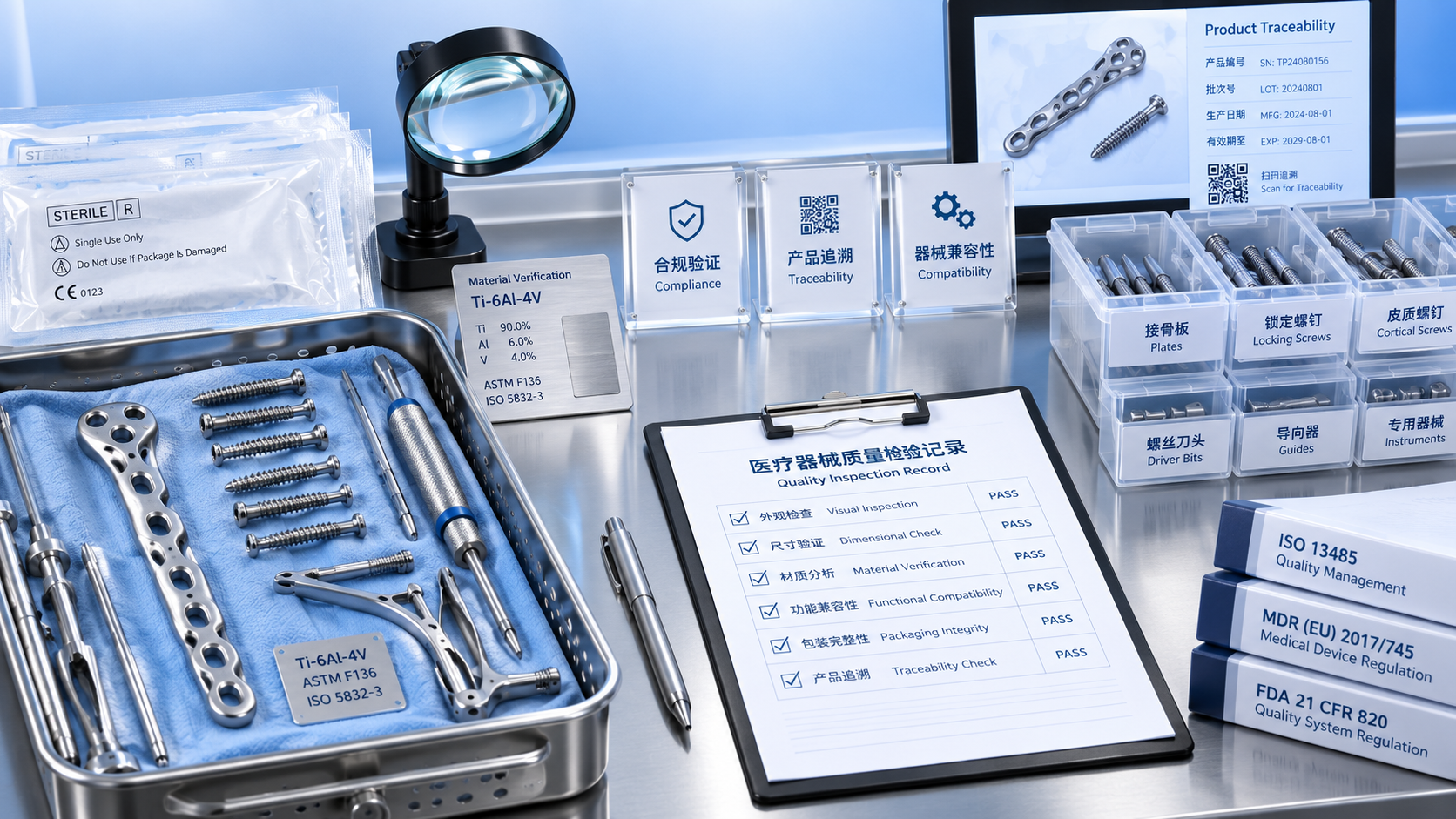
This is where IMCS intelligence on ISO 10993, regulatory pathways, and production validation becomes commercially relevant. Technical compliance supports durable access to sensitive hospital scenarios.
Scenario three: advanced wound care keeps premium space when healing outcomes are visible and documented
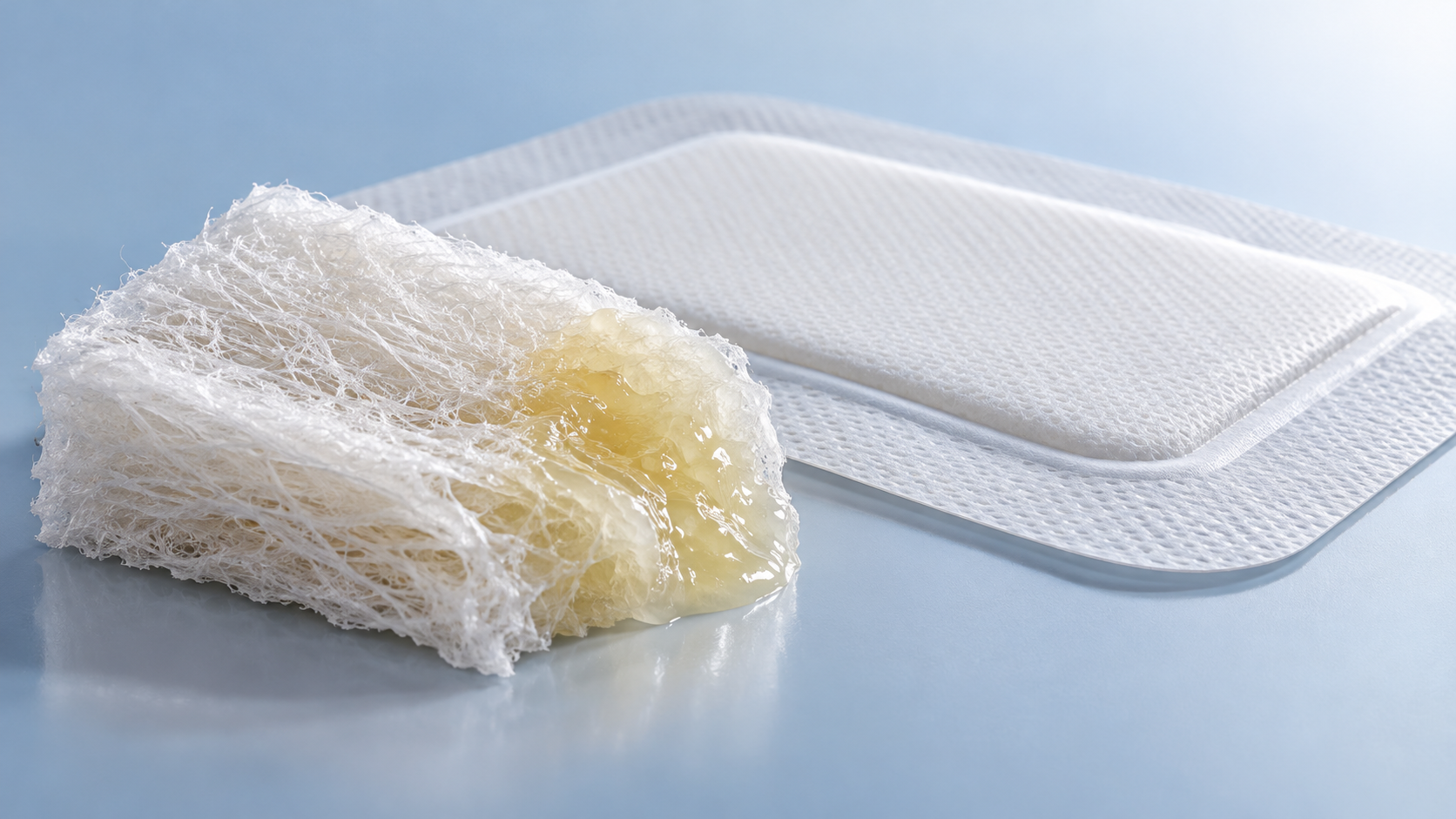
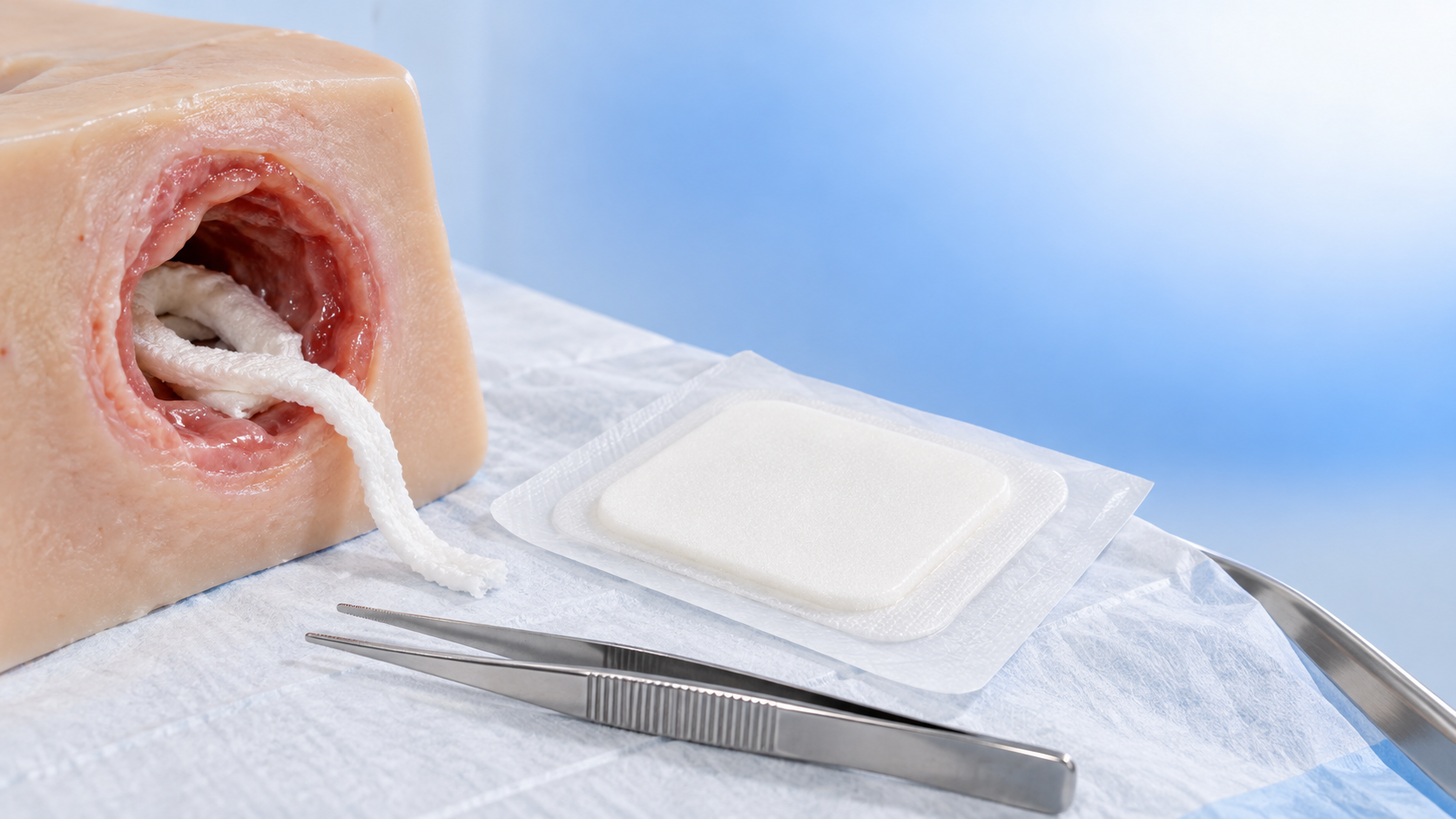
Advanced dressings may appear vulnerable to cost control, yet difficult wounds remain a distinct scene. Diabetic foot ulcers, burns, and exudate-heavy wounds require more than basic coverage.
Silver silicone foams, alginates, and NPWT-related consumables deliver value when they shorten healing time, lower infection burden, or reduce dressing change frequency.
In this setting, surgical consumables innovation succeeds when clinical benefits are easy to observe. Better moisture balance and atraumatic removal often translate into lower total care burden.
The market therefore rewards products that support protocolized wound management. Innovation should connect to outcome documentation, not only material novelty.
Scenario four: implant-linked consumables need evidence, not just advanced materials language
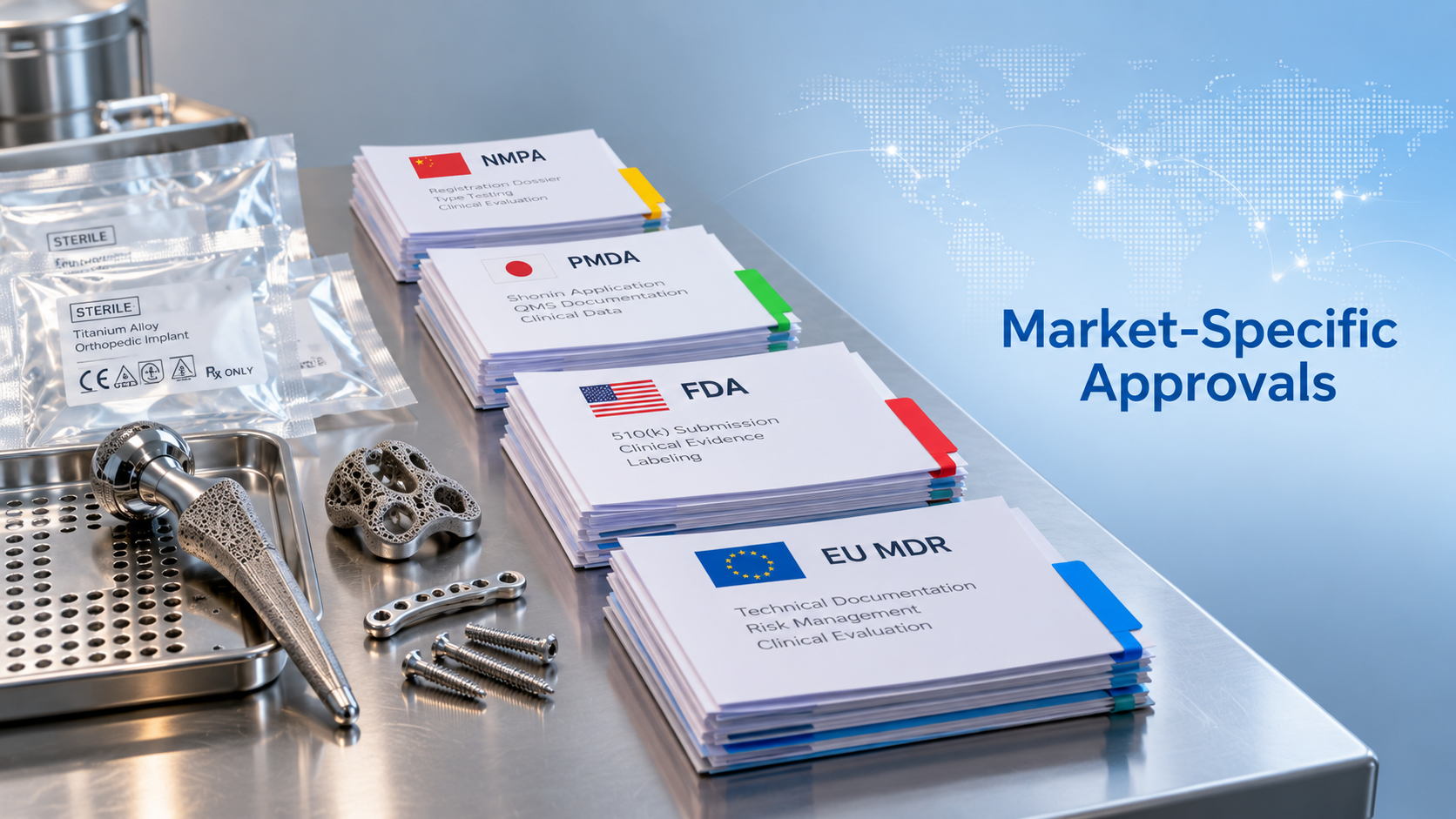
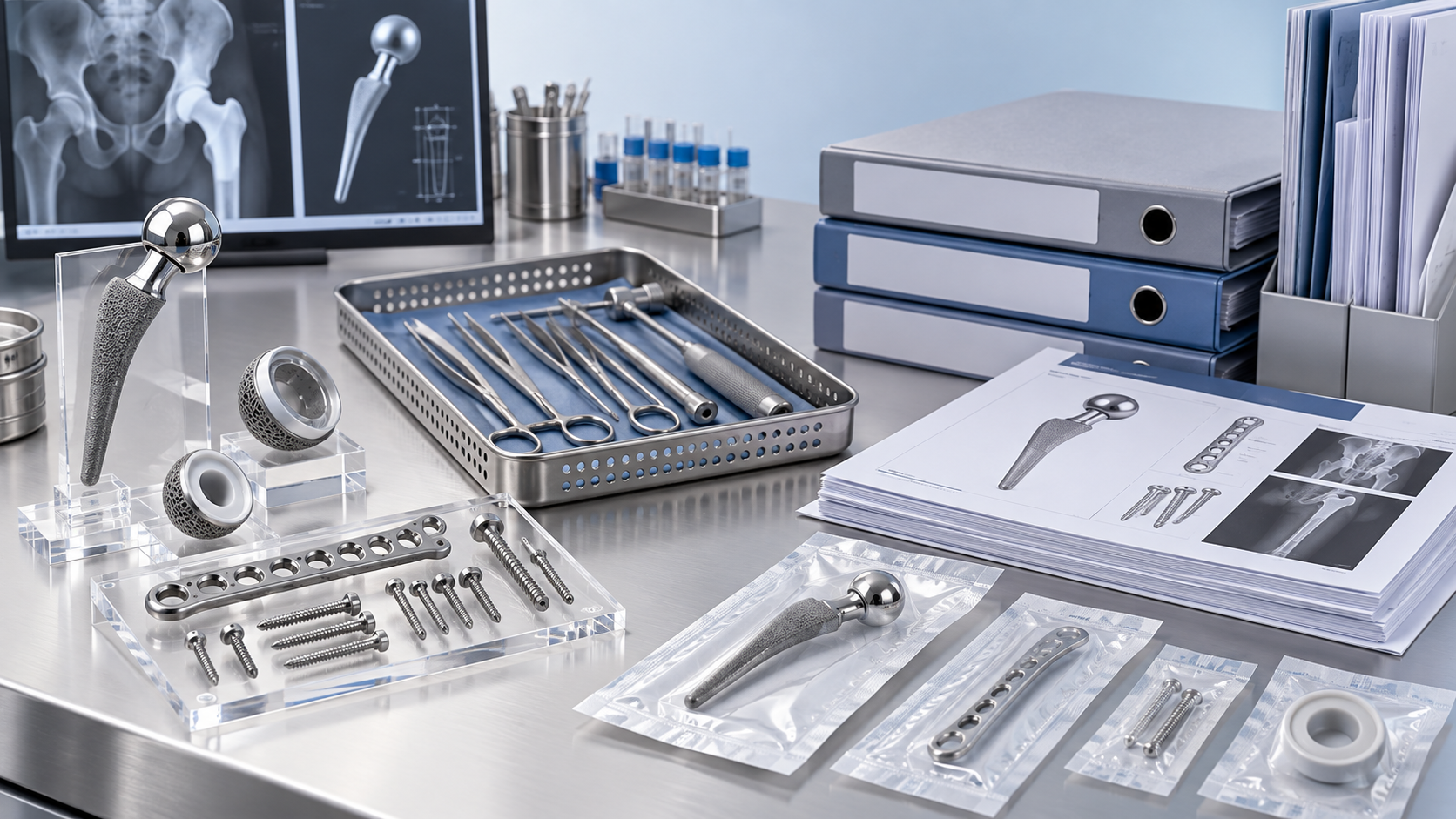
Orthopedic and cardiovascular ecosystems include many linked consumables. Instruments, delivery aids, fixation accessories, and regenerative materials all face VBP spillover effects.
Here, surgical consumables innovation often depends on procedural integration. A premium accessory must improve fit, healing response, implantation efficiency, or long-term biomechanical stability.
For example, porous structures, PEEK-compatible systems, or tissue regeneration interfaces gain traction when they support osseointegration and reduce revision-related concern.
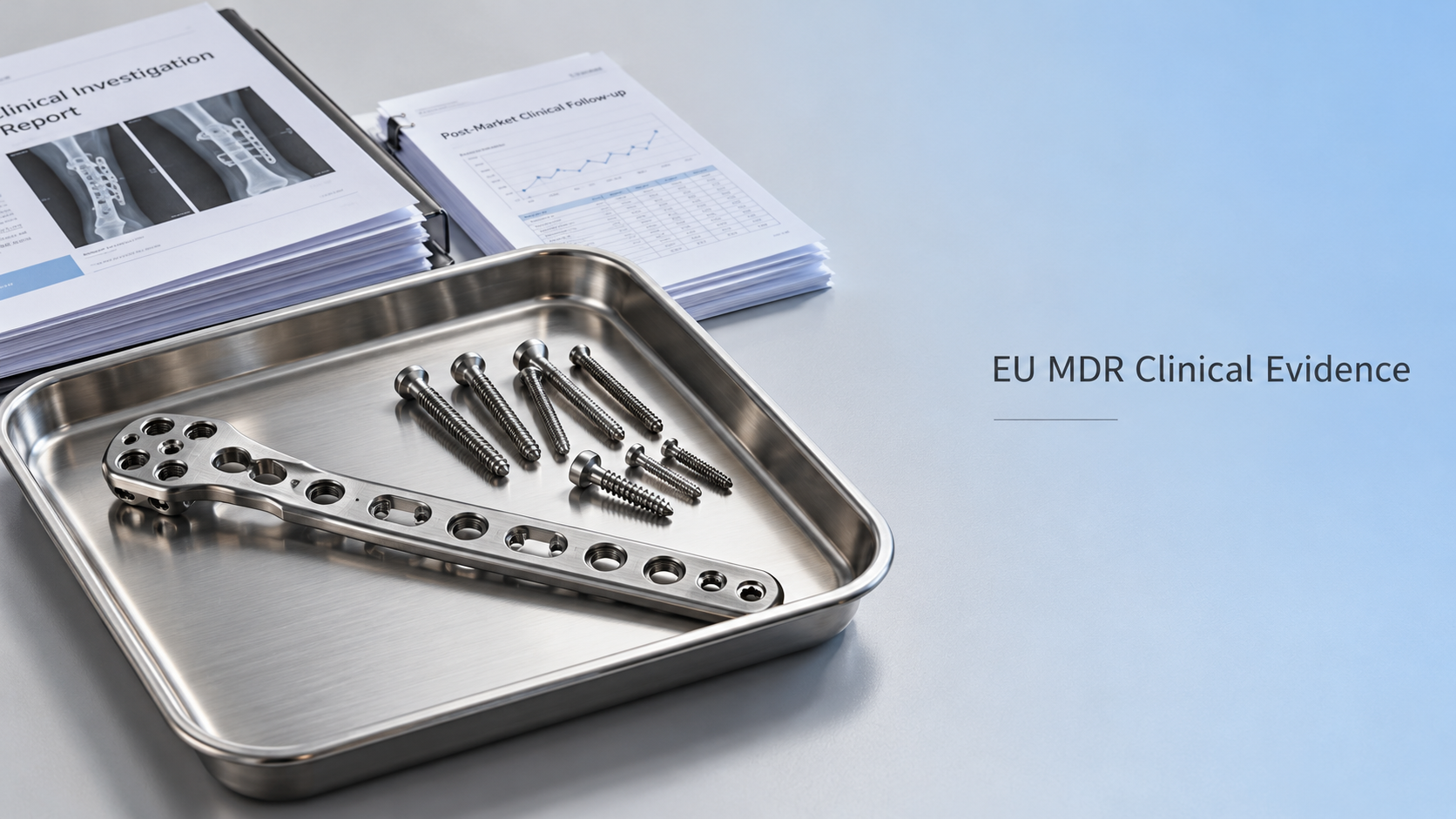
In cardiovascular use, delivery precision and deployment reliability often outweigh abstract material claims. High-risk Class III categories require stronger clinical logic and regulatory preparation.
Different scenes create different demand gaps for surgical consumables innovation
How to adapt strategy when surgical consumables innovation meets aggressive cost control
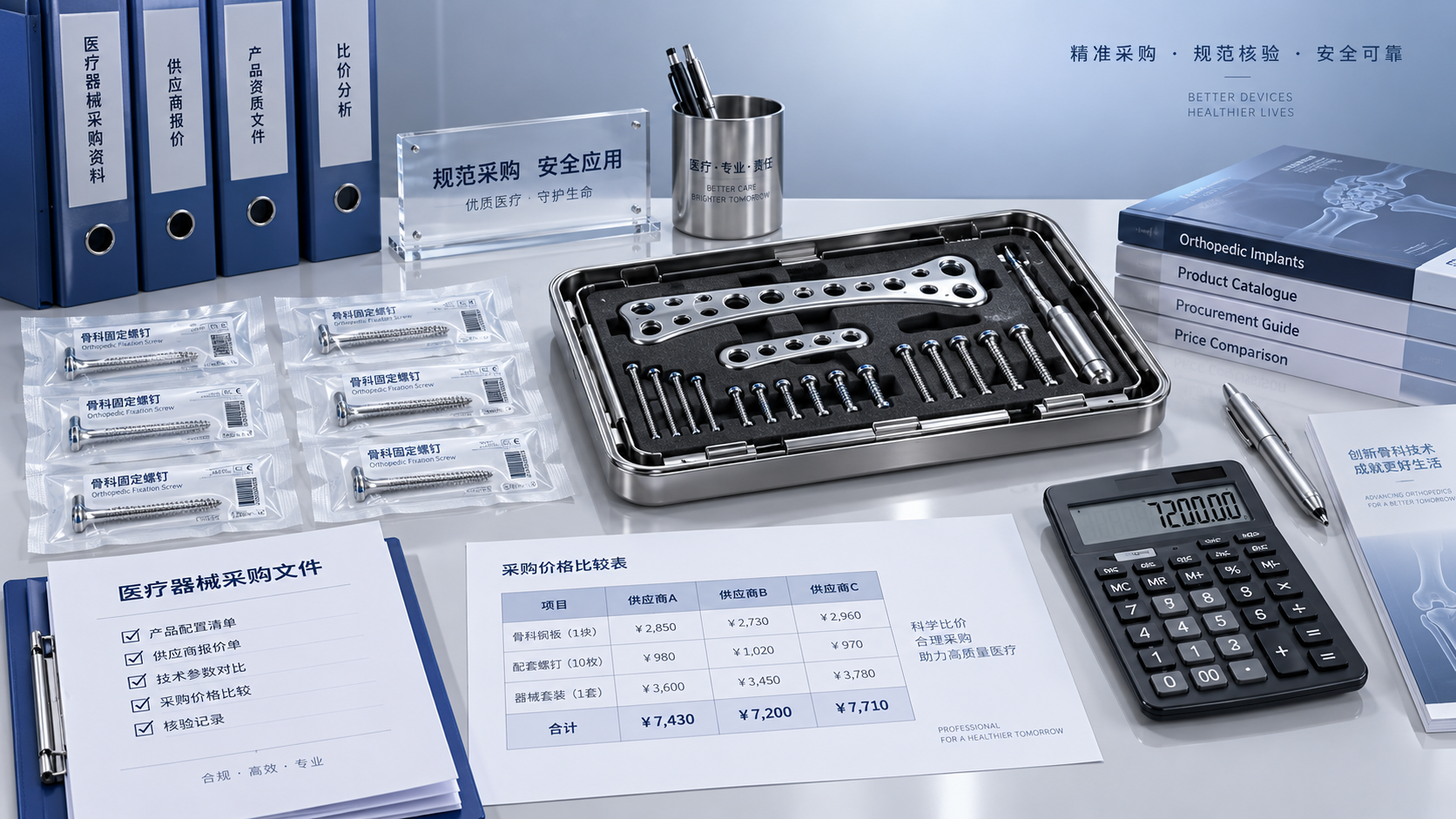
A workable response begins with scene selection. Innovation resources should move first toward categories where outcomes remain visible and switching costs are clinically meaningful.
Practical adaptation suggestions
- Map product value to a procedure, not a catalog description.
- Build evidence around reduced complications, time, or readmission risk.
- Prioritize regulatory and biocompatibility readiness early.
- Stress-test supply continuity before tender expansion.
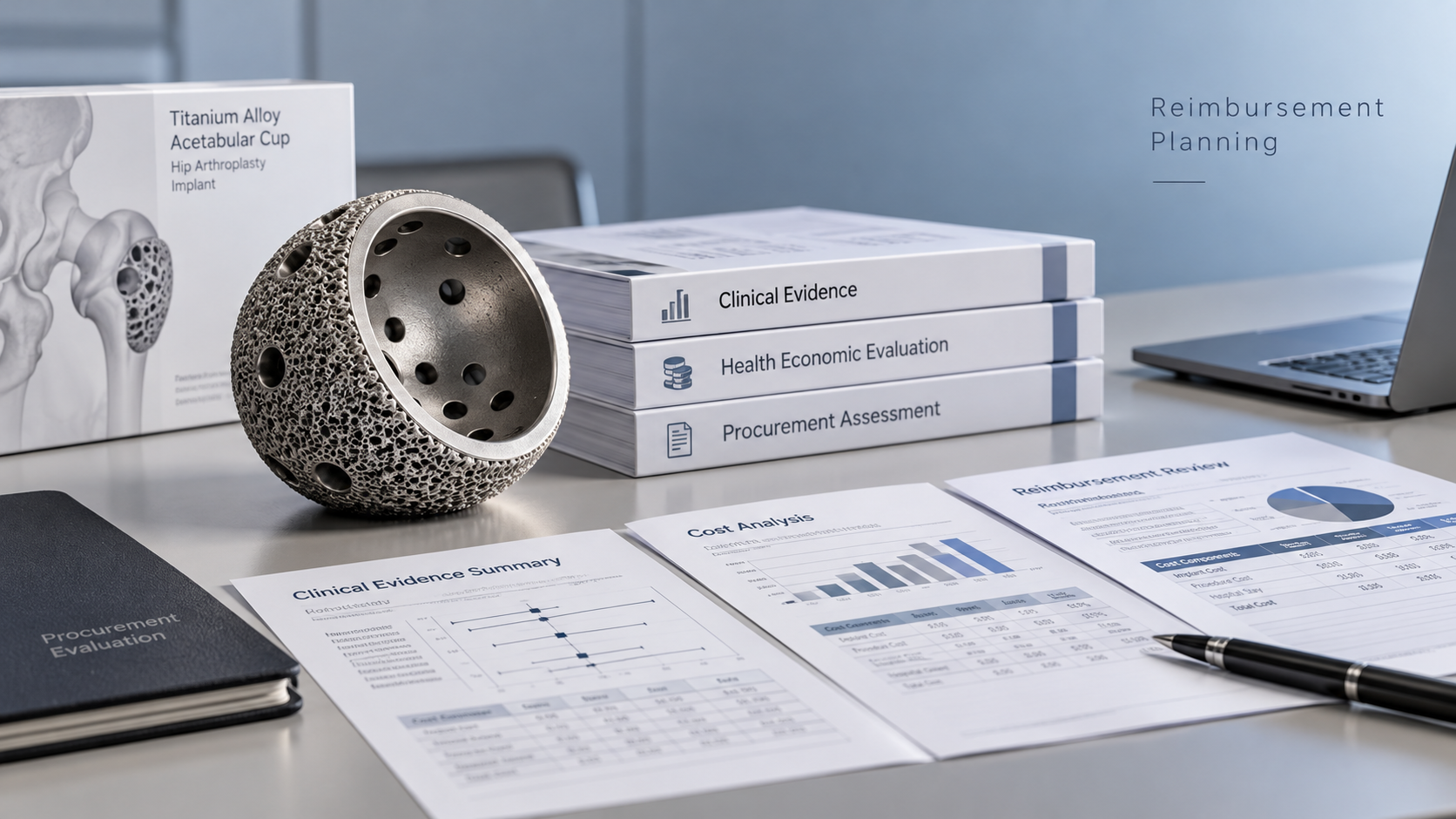
- Create a premium logic based on total treatment economics.
This approach aligns with IMCS’s intelligence model. Materials science, Class III compliance, and VBP simulation should be read together, not as isolated tasks.
Common misjudgments that weaken surgical consumables innovation under VBP
One common mistake is assuming every premium feature matters equally. In reality, only scene-relevant innovation survives budget scrutiny.
Another error is overlooking regulatory timing. A product may be technically strong but commercially delayed if clinical evaluation or biological safety files are incomplete.
A third misjudgment is treating supply reliability as secondary. Under VBP, unstable output, coating inconsistency, or sterilization variation can erase market trust rapidly.
Some teams also ignore linked economics. A consumable with a higher unit price may still win if it lowers revision, infection, or operating-room burden.
The next move: use surgical consumables innovation as a scene-based growth filter
The future of surgical consumables innovation under VBP is not defined by novelty alone. It is defined by fit, proof, compliance, and resilient delivery.
IMCS supports this judgment through integrated intelligence across orthopedic implants, cardiovascular devices, minimally invasive consumables, polymer catheters, and advanced wound care.
The most valuable next step is to review each category by scene: where does it save time, reduce complications, strengthen healing, or protect long-term function?
That filter makes surgical consumables innovation actionable. It also helps identify which opportunities can still defend value in a market shaped by VBP discipline.
Get weekly intelligence in your inbox.
No noise. No sponsored content. Pure intelligence.
News Recommendations
 Oct 26, 2026Can a single approval cover life science product sales worldwide?Can a single approval cover life science product sales worldwide?
 Oct 25, 2026When is sensitization testing needed for medical device biocompatibility?When is sensitization testing needed for medical device biocompatibility?
 Oct 24, 2026How is biocompatibility tested for implantable polymer biomaterials?How is biocompatibility tested for implantable polymer biomaterials?
 Oct 23, 2026How to build reimbursement into an implant commercialization strategyHow to build reimbursement into an implant commercialization strategy
 Oct 22, 2026What clinical evidence do implants need for CE marking under EU MDR?What clinical evidence do implants need for CE marking under EU MDR?
 Oct 21, 2026How to choose disposable laparoscopic stapler reloads for thick tissueHow to choose disposable laparoscopic stapler reloads for thick tissue
 Oct 20, 2026How to assess medical polymer biocompatibility under ISO 10993How to assess medical polymer biocompatibility under ISO 10993
 Oct 19, 2026How do interventional device categories differ in clinical use?How do interventional device categories differ in clinical use?
 Oct 18, 2026When to choose alginate dressings for heavily exuding chronic woundsWhen to choose alginate dressings for heavily exuding chronic wounds
 Oct 17, 2026How is biocompatibility tested for custom medical-grade PEEK implants?How is biocompatibility tested for custom medical-grade PEEK implants?
 Oct 16, 2026How to check a wound healing materials supplier’s biocompatibility dataHow to check a wound healing materials supplier’s biocompatibility data
 Oct 15, 2026How to verify the FDA clearance status of silver wound dressingsHow to verify the FDA clearance status of silver wound dressings
 Oct 14, 2026How to register orthopedic implants and instruments in Latin AmericaHow to register orthopedic implants and instruments in Latin America
 Oct 13, 2026How to use a device market intelligence database to benchmark VBP pricesHow to use a device market intelligence database to benchmark VBP prices
 Oct 12, 2026When should stainless steel orthopedic instruments be replaced?When should stainless steel orthopedic instruments be replaced?
 Oct 11, 2026When are alginate dressings rope the right choice for cavity wounds?When are alginate dressings rope the right choice for cavity wounds?
 Oct 10, 2026When smart minimally invasive technology improves catheter accessWhen smart minimally invasive technology improves catheter access
 Oct 08, 2026Clinical evaluation requirements for cardiovascular implant devices in EuropeClinical evaluation requirements for cardiovascular implant devices in Europe
 Oct 07, 2026What to verify before appointing an artificial joint implants distributorWhat to verify before appointing an artificial joint implants distributor
 Oct 06, 2026How ISO 10993 guides biocompatibility testing for medical materialsHow ISO 10993 guides biocompatibility testing for medical materials
 Oct 05, 2026How to verify an orthopedic implants and instruments exporterHow to verify an orthopedic implants and instruments exporter
 Oct 04, 2026What drives surgical stapling devices price differences in hospital tenders?What drives surgical stapling devices price differences in hospital tenders?
 Oct 03, 2026How to assess a central venous catheter manufacturer's infection-control evidenceHow to assess a central venous catheter manufacturer's infection-control evidence
 Oct 02, 2026How to assess an advanced wound care factory’s quality systemHow to assess an advanced wound care factory’s quality system
 Oct 01, 2026What is driving global medical consumables demand in emerging markets?What is driving global medical consumables demand in emerging markets?
 Sep 30, 2026Implant Material Compliance Testing: Evidence Needed for Regulatory SubmissionImplant Material Compliance Testing: Evidence Needed for Regulatory Submission
 Sep 30, 2026From Corrosion to Fatigue: What Implant Materials Testing Should MeasureFrom Corrosion to Fatigue: What Implant Materials Testing Should Measure