Tissue Engineering Materials: What Impacts Integration Most
Among tissue engineering materials, integration is rarely decided by one property alone. Initial biocompatibility matters, but it does not guarantee stable healing. Surface architecture, mechanical compatibility, degradation timing, sterilization, and clinical validation all influence whether a scaffold supports regeneration or triggers failure. For technical intelligence work across advanced implants, wound care, and regenerative medicine, a checklist-based review helps separate promising concepts from materials that only perform well in early laboratory conditions.
Why a Checklist Matters for Tissue Engineering Materials
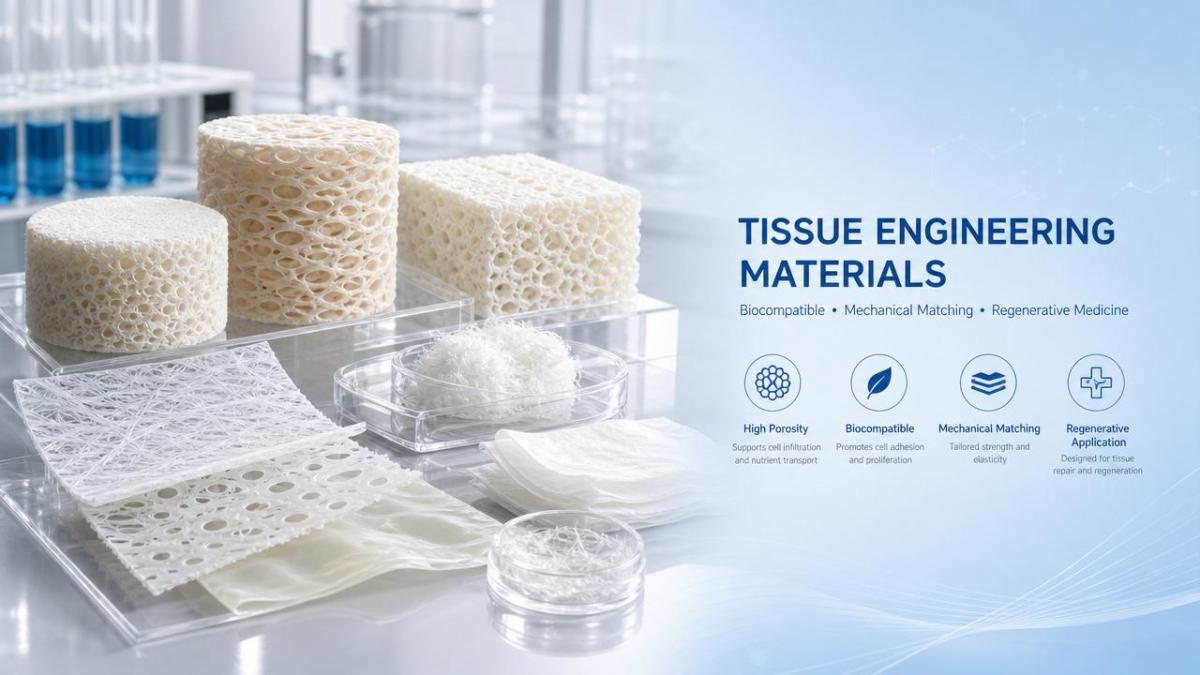
A structured evaluation is essential because tissue response is dynamic. Cells attach first, then remodel the matrix, then react to stress, fluid exchange, and degradation byproducts.
That means tissue engineering materials must be judged across biology, mechanics, manufacturing, and regulation. A material can pass cytotoxicity tests and still fail integration in vivo.
This is especially relevant in the broader medical consumables sector, where high-end regeneration materials are increasingly assessed alongside orthopedic implants, polymer devices, and advanced wound healing systems.
Core Checklist: What Impacts Integration Most
- Assess surface topography early. Micro- and nano-scale features control protein adsorption, cell adhesion, and early signaling that determines whether host tissue accepts or walls off the implant.
- Match mechanical behavior to native tissue. A scaffold that is too stiff, too soft, or too brittle can distort cell function and disrupt healing mechanics.
- Control pore size and interconnectivity. Tissue ingrowth, oxygen transfer, nutrient transport, and vascularization depend on accessible internal architecture, not only total porosity.
- Verify degradation rate against regeneration speed. If the material disappears too soon, repair collapses; if it persists too long, chronic inflammation or fibrotic encapsulation may occur.
- Analyze degradation byproducts. pH shifts, particulate debris, or reactive compounds can damage surrounding cells even when the parent material seems well tolerated.
- Check surface chemistry and wettability. Functional groups, charge, and hydrophilicity strongly influence cell spreading, blood interaction, and early immune modulation.
- Measure sterilization impact before scale-up. Gamma, EtO, steam, or e-beam processes can alter polymer chains, crosslink density, and final biological performance.
- Review manufacturing consistency. Batch variation in porosity, molecular weight, additive residue, or roughness can produce uneven integration across otherwise identical products.
- Test with relevant cells and loading conditions. Static in vitro assays often miss the effects of shear, compression, cyclic strain, and mixed cell populations.
- Map the immune response, not only cytotoxicity. Macrophage phenotype, foreign body reaction, and local cytokine patterns often predict long-term integration better than viability alone.
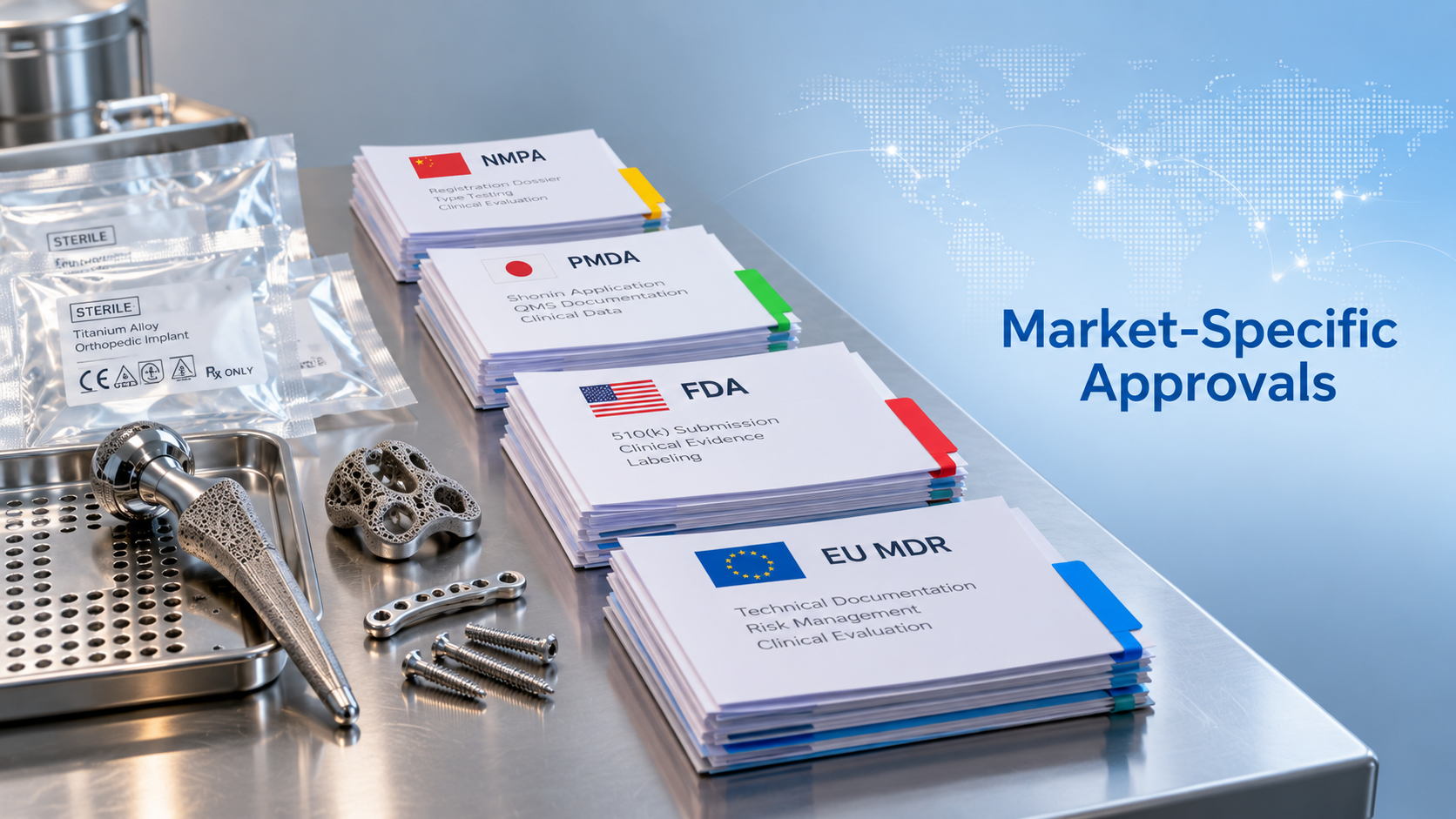
- Plan for regulatory evidence from the start. ISO 10993 data, preclinical rationale, traceability, and clinical endpoints should align with eventual Class III device expectations.
How These Factors Change by Application
Bone and Orthopedic Regeneration
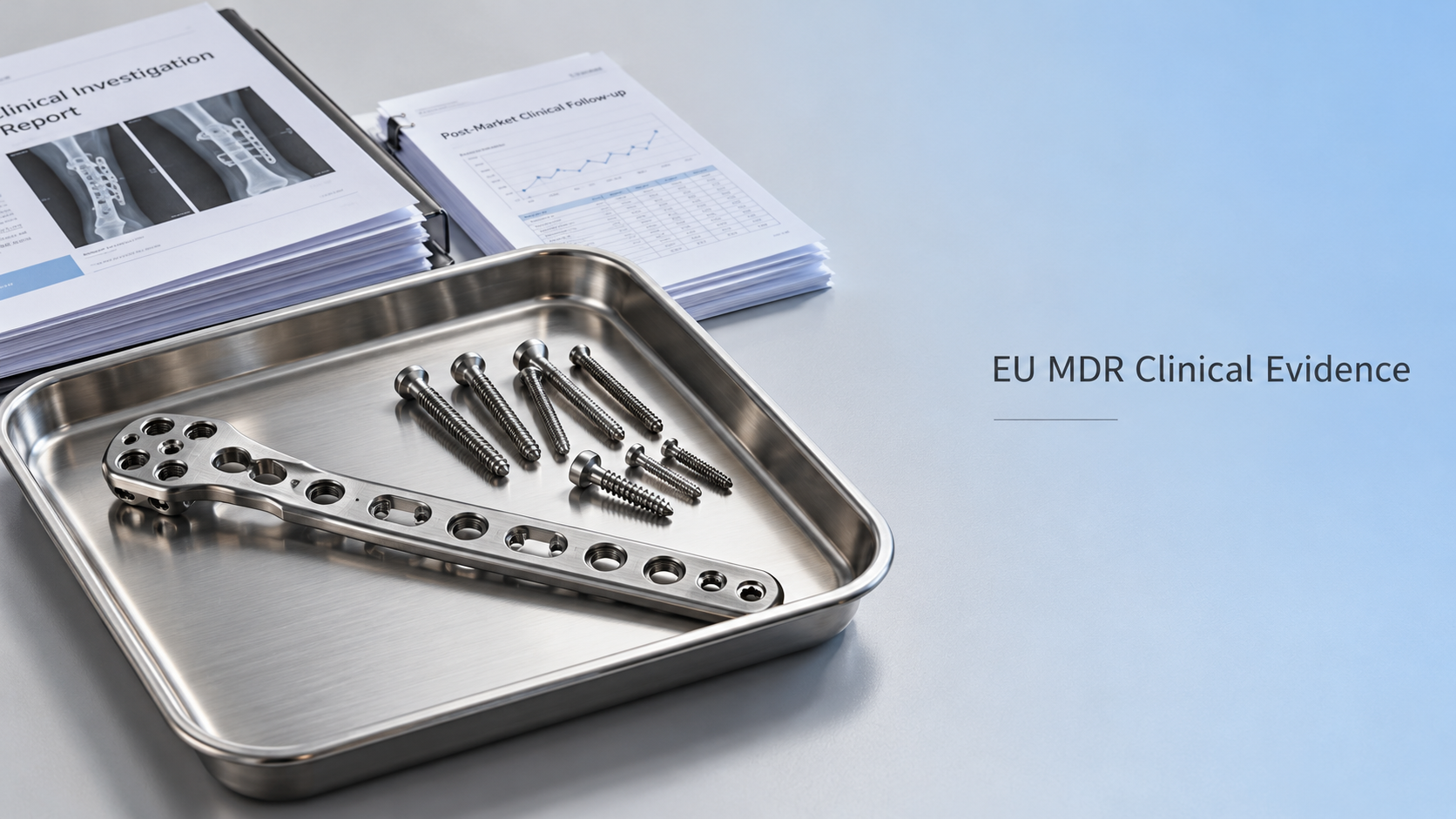
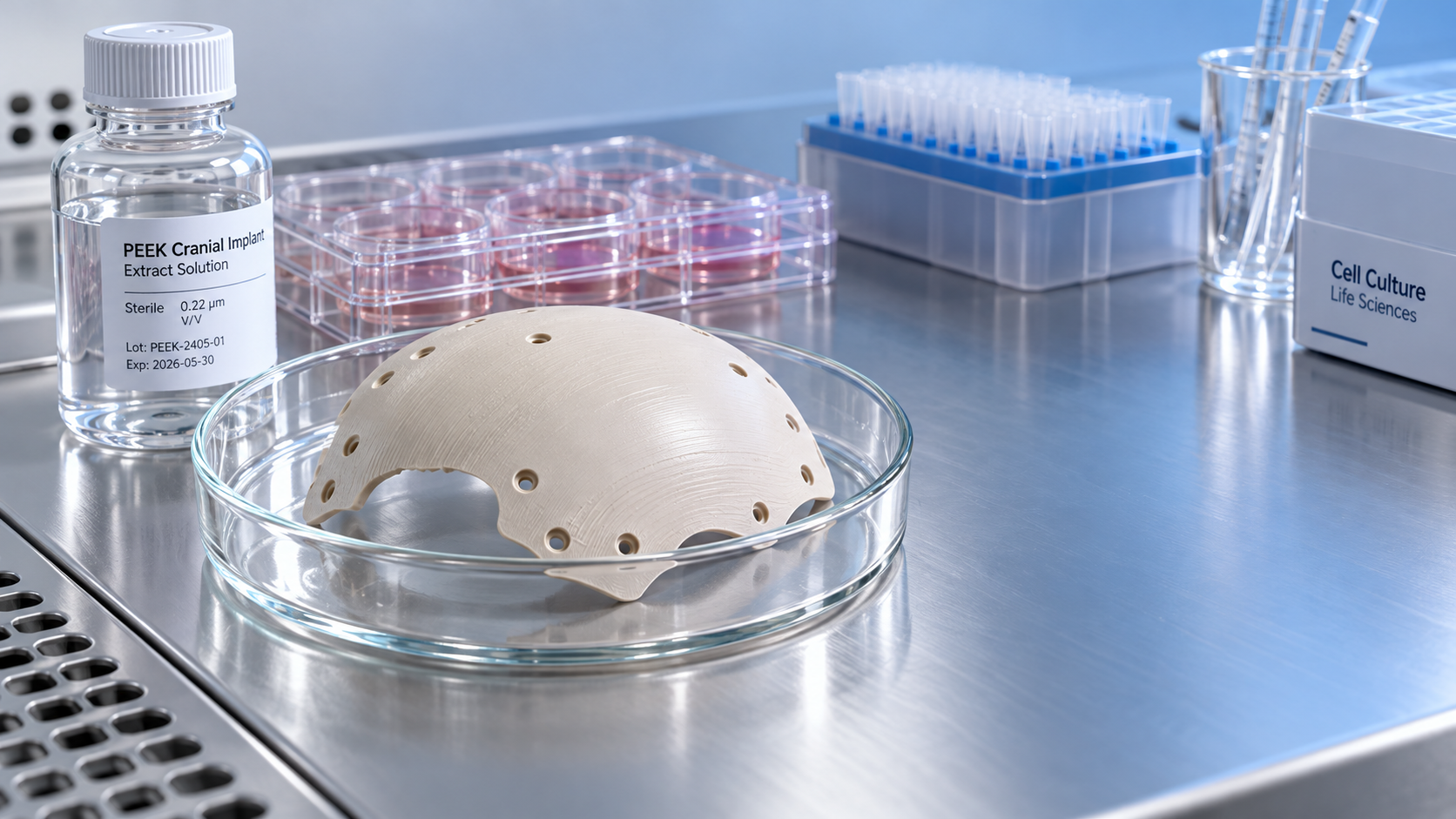
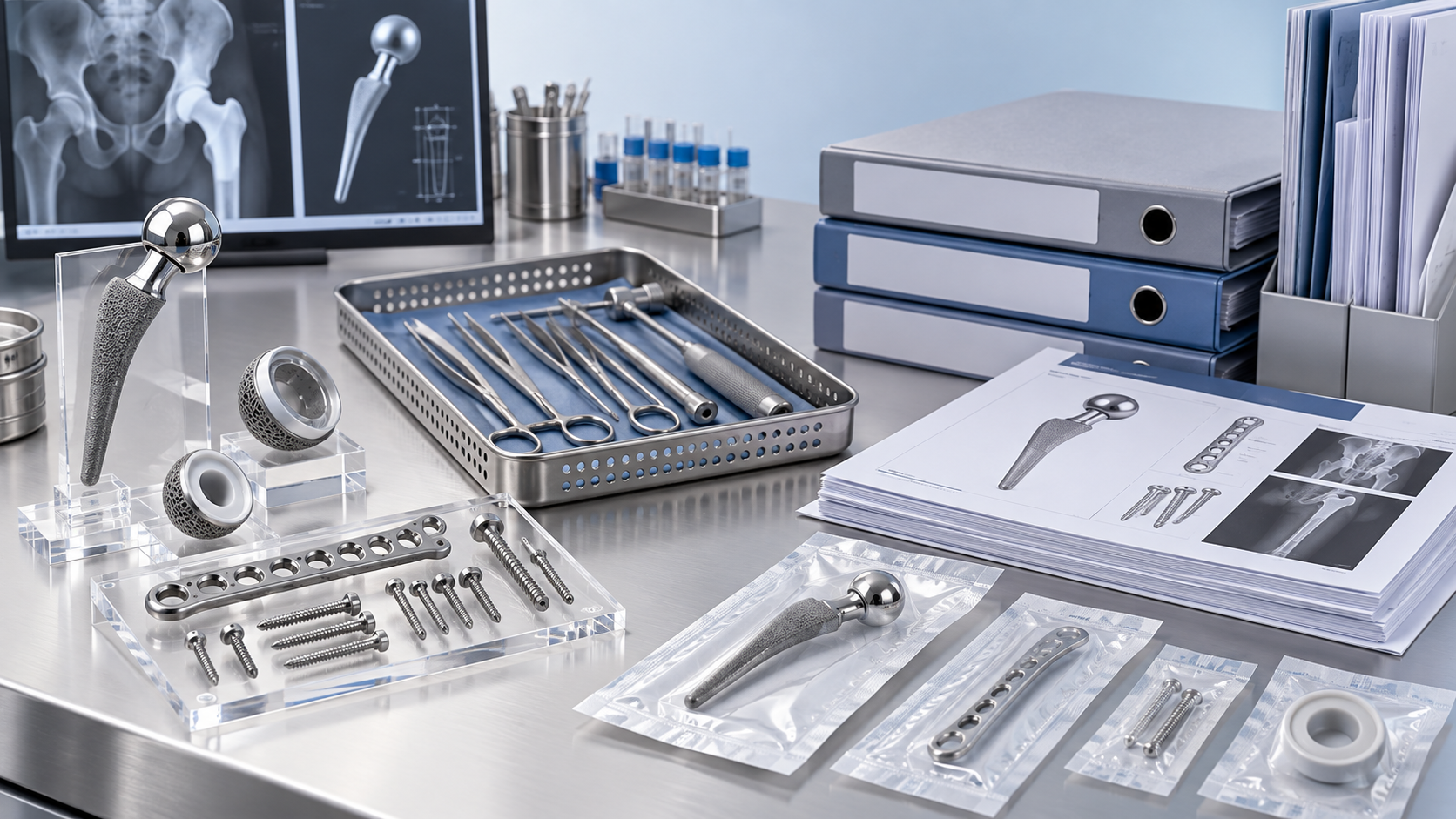
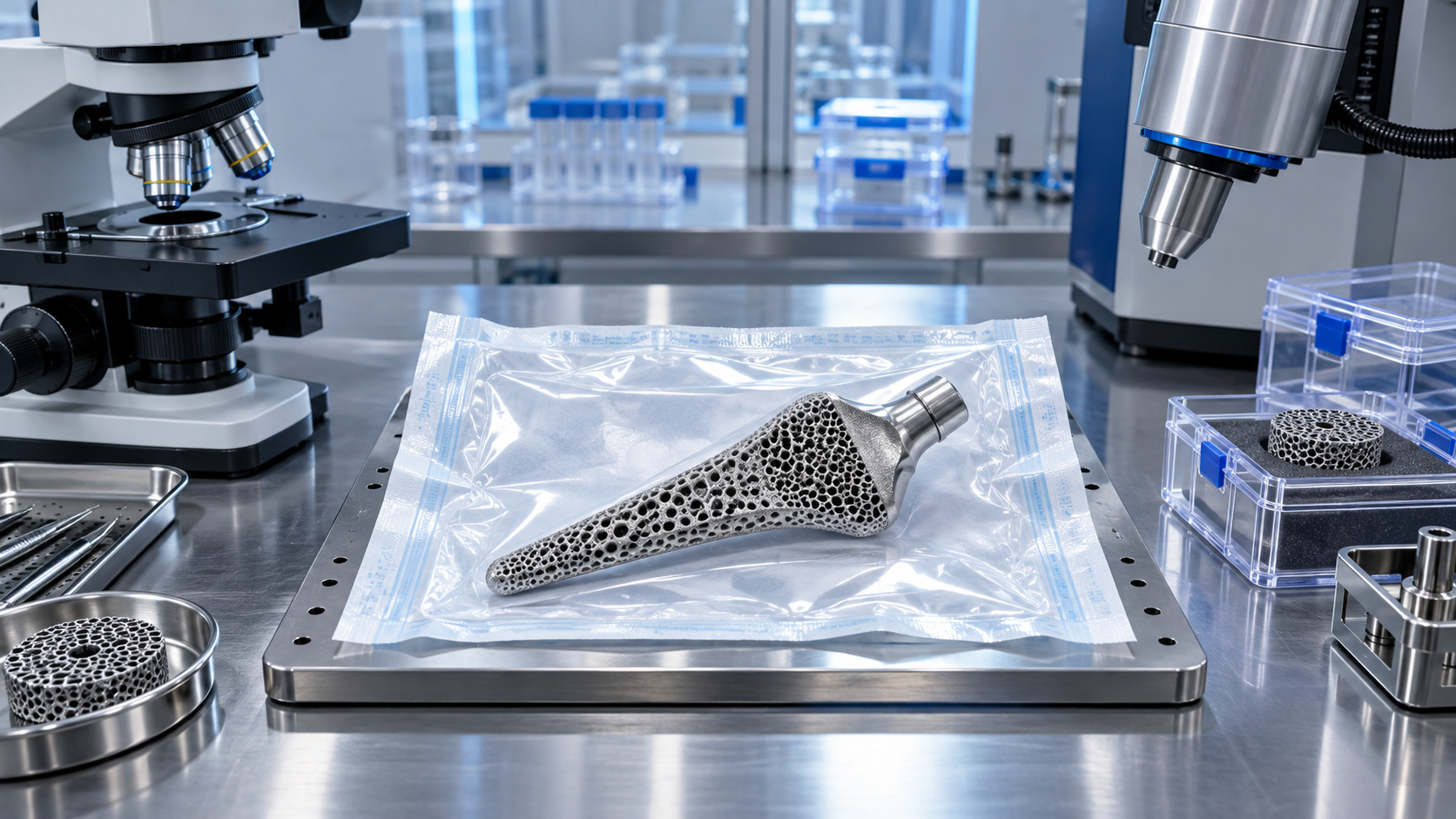
In bone repair, tissue engineering materials must balance load transfer with osseointegration. Porous titanium, calcium phosphate composites, collagen-mineral matrices, and PEEK-based strategies each create different mechanical and biological environments.
The most critical issue is often stiffness matching and pore architecture. A scaffold may support osteoblast attachment, yet still fail if stress shielding limits remodeling or if internal channels restrict vascular invasion.
Cardiovascular and Vascular Contact Applications
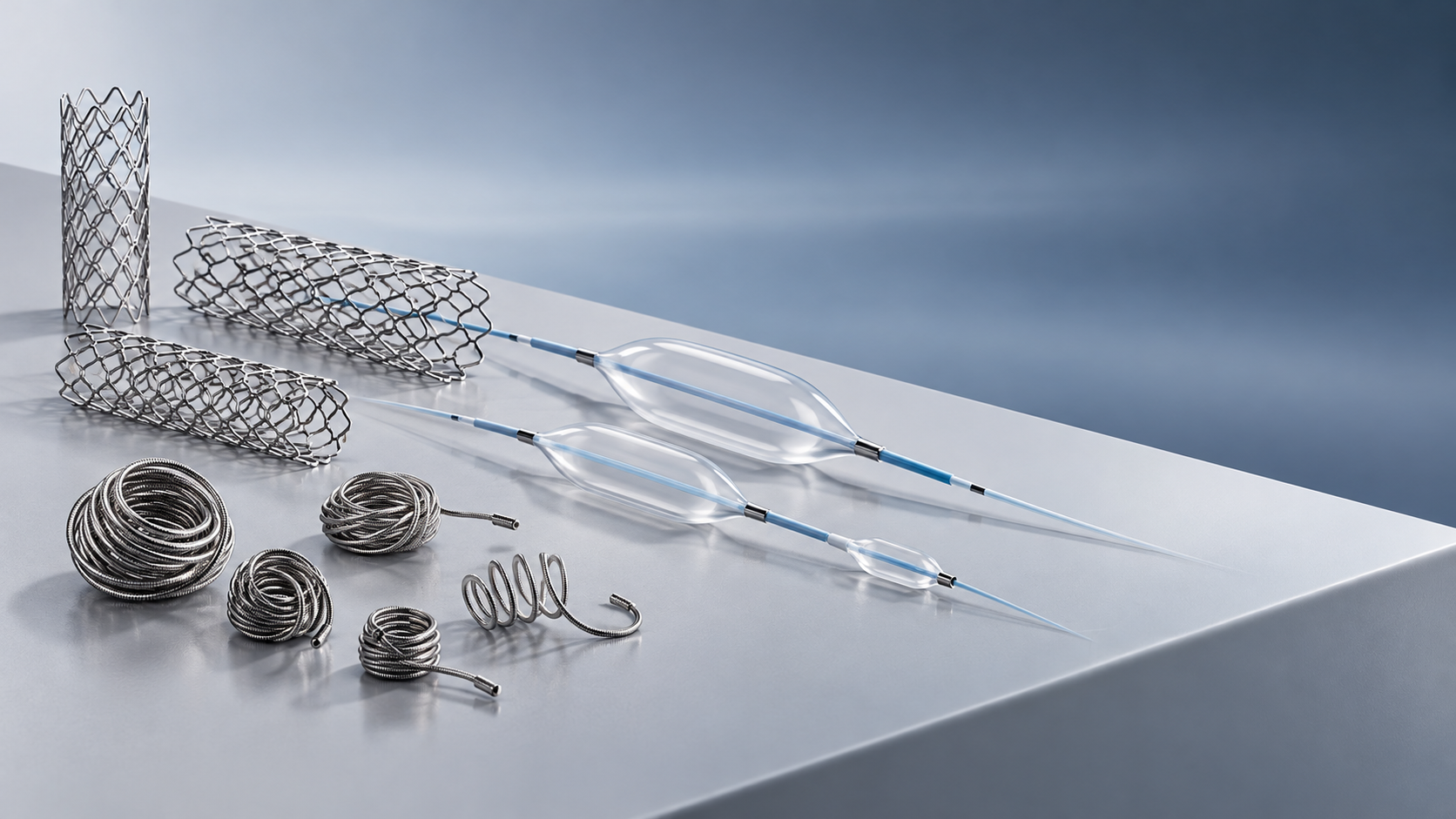
For vascular-facing materials, surface chemistry becomes decisive. Blood compatibility, thrombogenicity, endothelialization, and inflammatory signaling matter as much as scaffold support.
In these settings, small changes in coating stability or hydrophilic performance can alter clot risk. Integration is therefore linked to hemocompatibility testing, not only classical tissue compatibility.
Soft Tissue, Skin, and Wound Healing
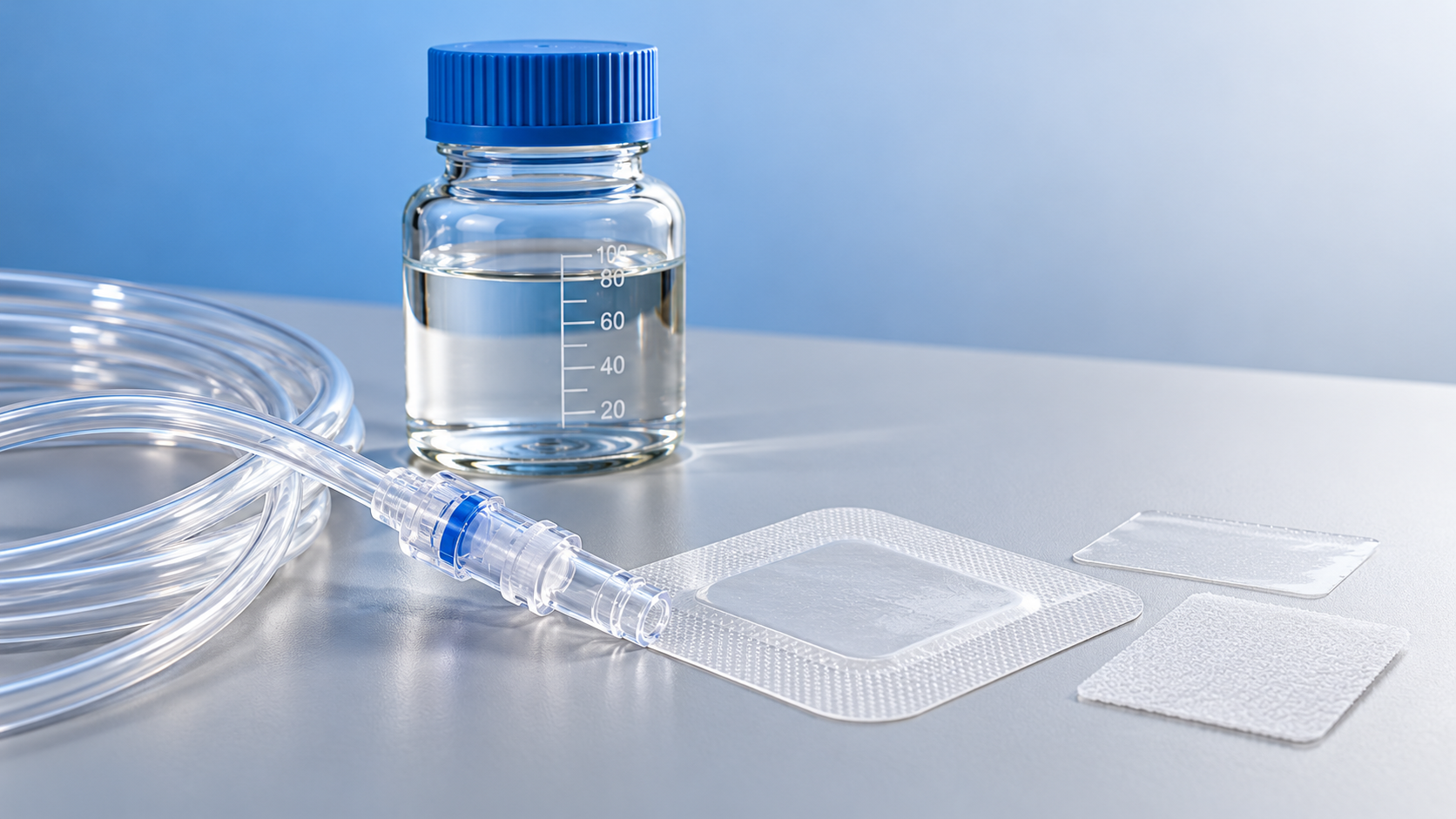
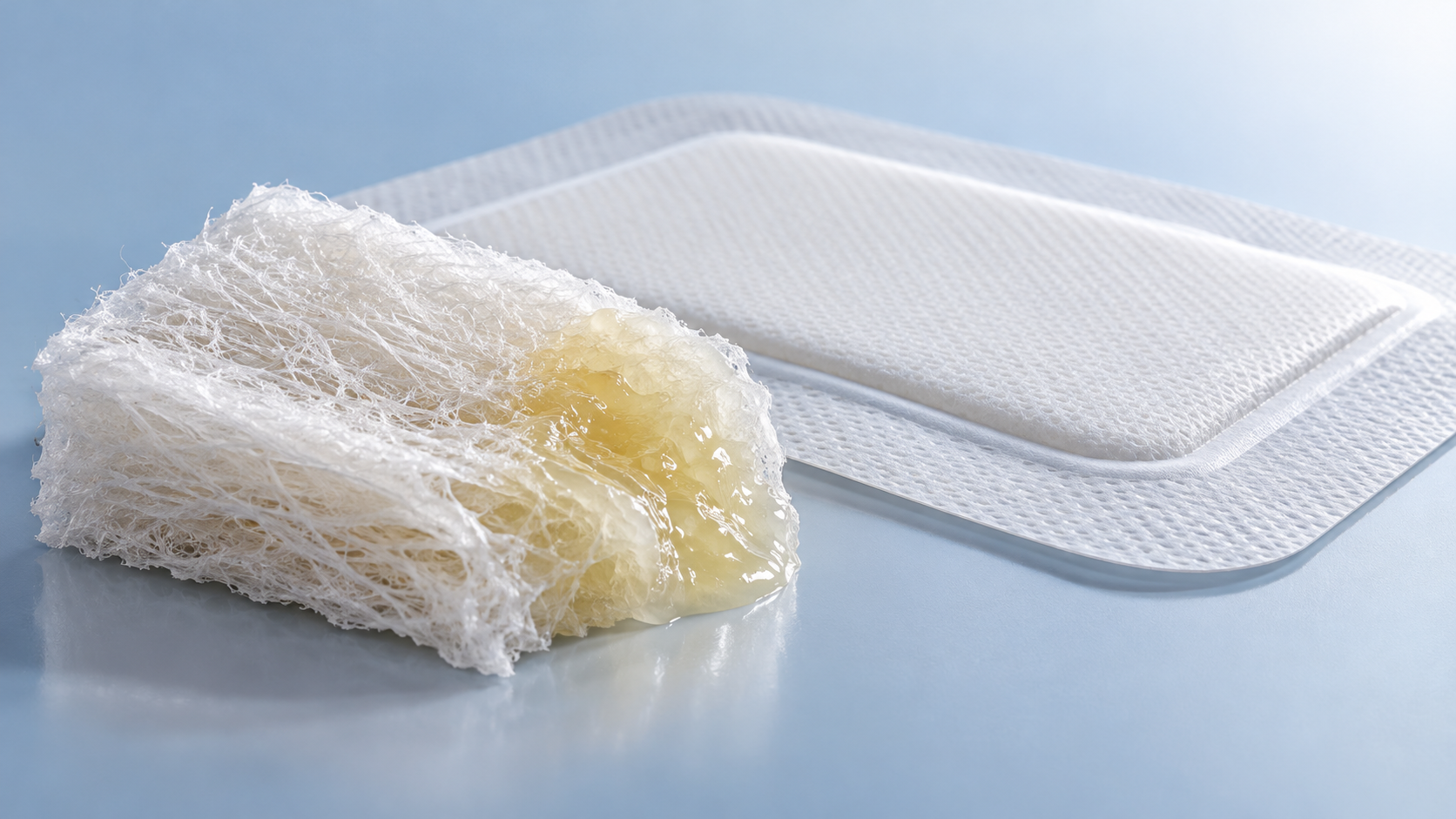
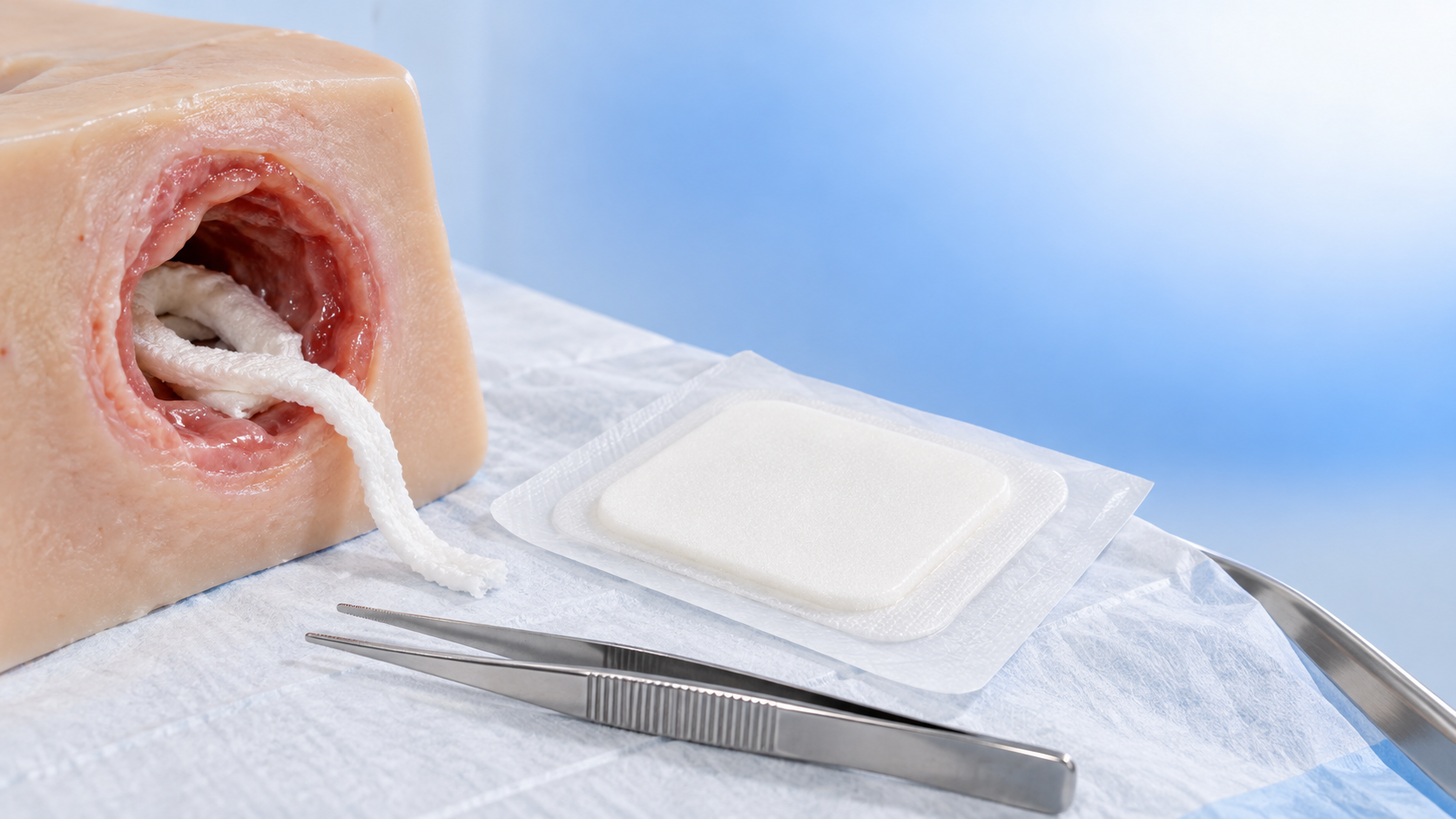
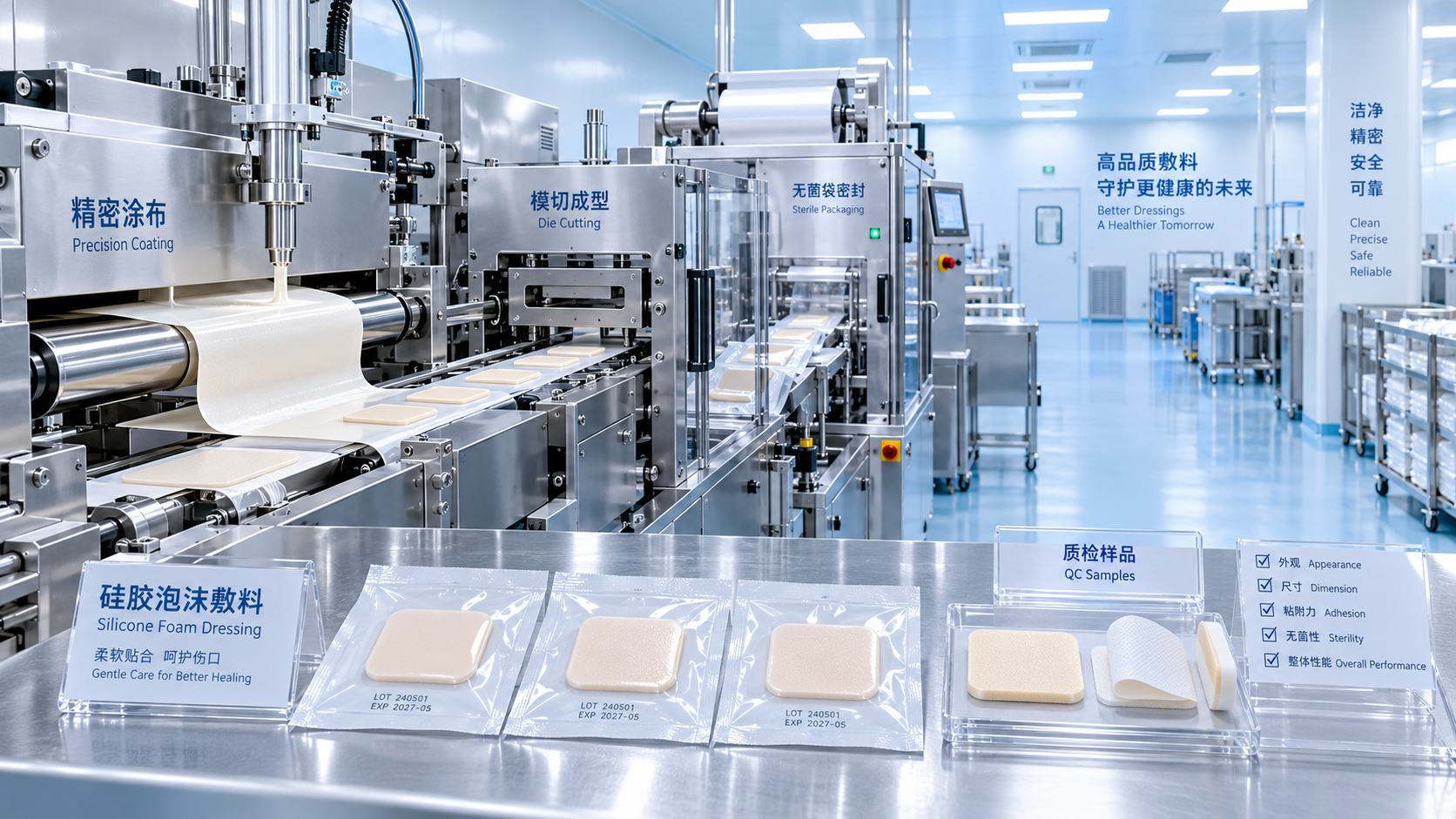
For dermal matrices and advanced wound care, moisture balance, oxygen transfer, and degradation comfort are key. Materials that are too dense may block cellular infiltration, while fast-swelling systems may lose structural control.
Here, tissue engineering materials should also be reviewed for infection management. Silver-containing foams, alginate systems, and bioactive dressings can support healing, but only if cytocompatibility remains acceptable.
Cartilage, Tendon, and Dynamic Tissues
Dynamic tissues need scaffolds that tolerate repeated motion. Compressive resilience, fatigue resistance, and fiber orientation can matter more than simple tensile strength values.
A common mistake is selecting materials based on static bench data. Real integration depends on how the scaffold behaves under cyclic loading during remodeling.
Commonly Overlooked Risks
Sterilization Changes the Material
Many promising prototypes lose performance after final sterilization. Polymer embrittlement, altered wettability, and coating instability can appear only after validated packaging and shelf-life testing.
Bench Success Does Not Equal Clinical Integration
Short-term cell viability is a weak predictor. Tissue engineering materials may look excellent in monoculture models, yet fail when immune cells, enzymes, blood contact, and patient variability enter the picture.
Additives and Residues Can Drive Failure
Crosslinkers, solvents, catalysts, and processing aids are often underestimated. Even low residual levels can affect sensitization, chronic inflammation, or degradation behavior during implantation.
Regulatory Gaps Delay Translation
A technically advanced scaffold can stall if evidence packages are incomplete. Biocompatibility, risk analysis, preclinical relevance, and manufacturing documentation must evolve together.
Practical Execution Steps
- Start with the target tissue environment, then define the required mechanical range, porosity, degradation window, and biological interface before selecting the base material.
- Compare candidate tissue engineering materials after sterilization, not only in prototype form, and include packaging and shelf-life effects in the evaluation plan.
- Use staged testing that moves from chemistry and surface characterization to cell response, then to dynamic functional models and relevant animal studies.
- Track critical quality attributes tightly, including roughness, pore distribution, molecular stability, residuals, and degradation profile across multiple production batches.
- Align material claims with evidence strength. Avoid overpromising regenerative performance when available data only supports basic tissue compatibility or short-term support.
Summary and Next Action
The integration of tissue engineering materials depends most on how biology, mechanics, architecture, degradation, and process control work together in the actual healing environment.
The most reliable review approach is checklist-based and cross-functional. It should connect material science with sterilization, manufacturing consistency, ISO 10993 evidence, and clinically relevant performance endpoints.
As regenerative products move closer to mainstream medical consumables, stronger decisions come from asking one practical question early: will this material still integrate after processing, implantation, loading, and time?
Use that question to screen every candidate. It is the fastest route to identifying which tissue engineering materials are most likely to translate into durable repair and real clinical value.
Get weekly intelligence in your inbox.
No noise. No sponsored content. Pure intelligence.
News Recommendations
 Oct 26, 2026Can a single approval cover life science product sales worldwide?Can a single approval cover life science product sales worldwide?
 Oct 25, 2026When is sensitization testing needed for medical device biocompatibility?When is sensitization testing needed for medical device biocompatibility?
 Oct 24, 2026How is biocompatibility tested for implantable polymer biomaterials?How is biocompatibility tested for implantable polymer biomaterials?
 Oct 23, 2026How to build reimbursement into an implant commercialization strategyHow to build reimbursement into an implant commercialization strategy
 Oct 22, 2026What clinical evidence do implants need for CE marking under EU MDR?What clinical evidence do implants need for CE marking under EU MDR?
 Oct 21, 2026How to choose disposable laparoscopic stapler reloads for thick tissueHow to choose disposable laparoscopic stapler reloads for thick tissue
 Oct 20, 2026How to assess medical polymer biocompatibility under ISO 10993How to assess medical polymer biocompatibility under ISO 10993
 Oct 19, 2026How do interventional device categories differ in clinical use?How do interventional device categories differ in clinical use?
 Oct 18, 2026When to choose alginate dressings for heavily exuding chronic woundsWhen to choose alginate dressings for heavily exuding chronic wounds
 Oct 17, 2026How is biocompatibility tested for custom medical-grade PEEK implants?How is biocompatibility tested for custom medical-grade PEEK implants?
 Oct 16, 2026How to check a wound healing materials supplier’s biocompatibility dataHow to check a wound healing materials supplier’s biocompatibility data
 Oct 15, 2026How to verify the FDA clearance status of silver wound dressingsHow to verify the FDA clearance status of silver wound dressings
 Oct 14, 2026How to register orthopedic implants and instruments in Latin AmericaHow to register orthopedic implants and instruments in Latin America
 Oct 13, 2026How to use a device market intelligence database to benchmark VBP pricesHow to use a device market intelligence database to benchmark VBP prices
 Oct 12, 2026When should stainless steel orthopedic instruments be replaced?When should stainless steel orthopedic instruments be replaced?
 Oct 11, 2026When are alginate dressings rope the right choice for cavity wounds?When are alginate dressings rope the right choice for cavity wounds?
 Oct 10, 2026When smart minimally invasive technology improves catheter accessWhen smart minimally invasive technology improves catheter access
 Oct 08, 2026Clinical evaluation requirements for cardiovascular implant devices in EuropeClinical evaluation requirements for cardiovascular implant devices in Europe
 Oct 07, 2026What to verify before appointing an artificial joint implants distributorWhat to verify before appointing an artificial joint implants distributor
 Oct 06, 2026How ISO 10993 guides biocompatibility testing for medical materialsHow ISO 10993 guides biocompatibility testing for medical materials
 Oct 05, 2026How to verify an orthopedic implants and instruments exporterHow to verify an orthopedic implants and instruments exporter
 Oct 04, 2026What drives surgical stapling devices price differences in hospital tenders?What drives surgical stapling devices price differences in hospital tenders?
 Oct 03, 2026How to assess a central venous catheter manufacturer's infection-control evidenceHow to assess a central venous catheter manufacturer's infection-control evidence
 Oct 02, 2026How to assess an advanced wound care factory’s quality systemHow to assess an advanced wound care factory’s quality system
 Oct 01, 2026What is driving global medical consumables demand in emerging markets?What is driving global medical consumables demand in emerging markets?
 Sep 30, 2026Implant Material Compliance Testing: Evidence Needed for Regulatory SubmissionImplant Material Compliance Testing: Evidence Needed for Regulatory Submission
 Sep 30, 2026From Corrosion to Fatigue: What Implant Materials Testing Should MeasureFrom Corrosion to Fatigue: What Implant Materials Testing Should Measure