Do Biodegradable Implants Cut Revision Costs?
Do biodegradable implants really lower the total cost of care, or do they simply shift expenses across the treatment cycle? For financial decision-makers, the answer lies beyond unit pricing. This article examines how biodegradable implants may influence revision rates, follow-up procedures, reimbursement pressure, and long-term resource allocation—helping cost approvers evaluate whether clinical innovation can translate into measurable savings.
In orthopedic fixation, sports medicine, cardiovascular intervention, and selected tissue regeneration pathways, biodegradable implants are increasingly discussed not only as a clinical alternative but as a budget strategy. For cost approvers, however, the right question is not whether a device resorbs in 12–36 months. It is whether that degradation profile reduces the probability, timing, and intensity of downstream spending.
That evaluation requires a broader lens than procurement price. It includes operating room utilization, revision probability, imaging follow-up, readmission exposure, inventory complexity, regulatory risk, and reimbursement fit. In high-value consumables markets shaped by Class III compliance pressure and cost-control policies such as VBP, even a 5%–10% change in reoperation burden can materially alter lifetime economics.
Why revision economics matter more than implant unit price
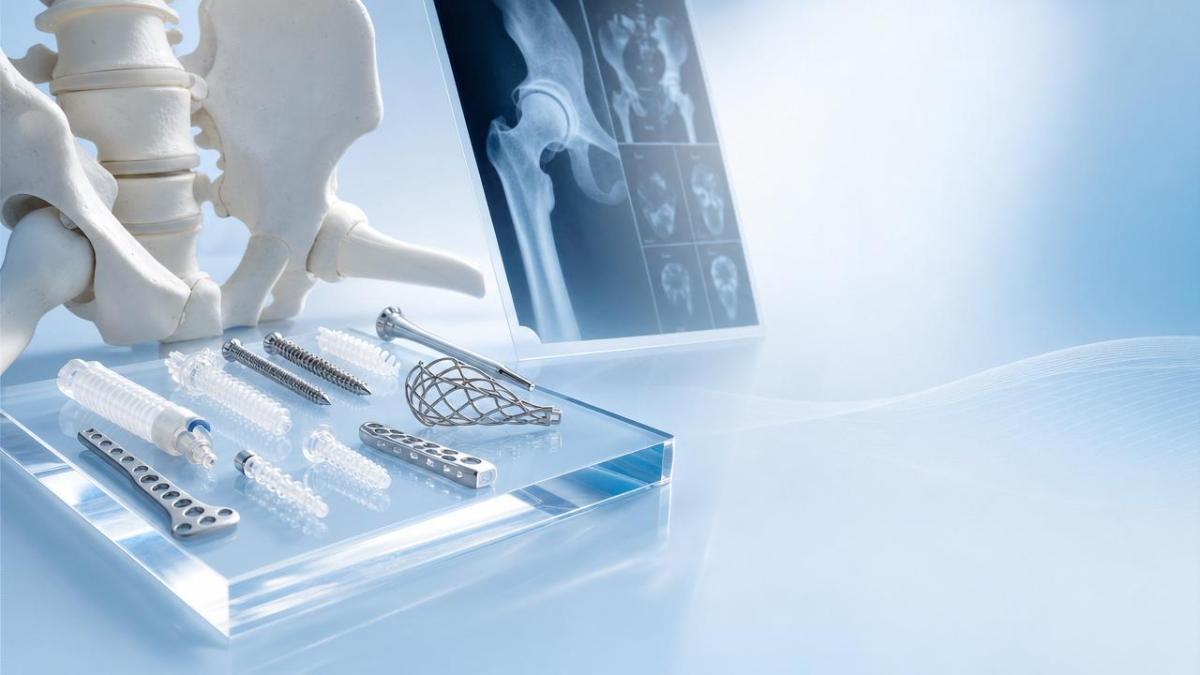
Revision cost is rarely a single invoice line. In most hospital accounting environments, it combines at least 4 cost buckets: repeat surgery, inpatient stay, surgeon and anesthesia time, and post-acute follow-up. When biodegradable implants avoid planned hardware removal or reduce irritation-related secondary procedures, the savings may appear across different departments rather than within the original implant budget.
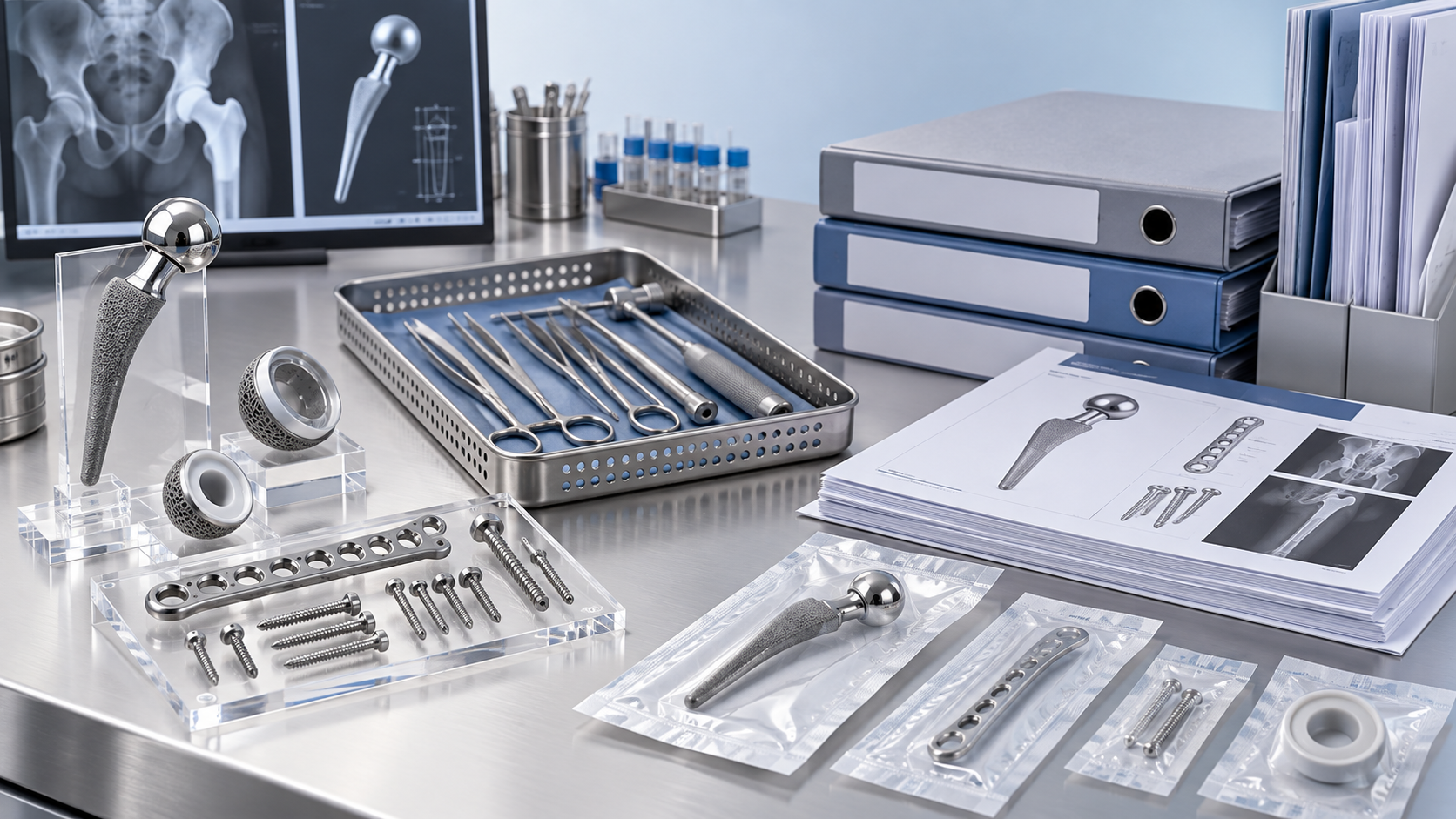
This matters especially in orthopedic and minimally invasive care pathways. Metallic screws, plates, pins, staples, and anchors can perform well mechanically, yet some indications still generate later costs from hardware prominence, growth-related concerns in younger patients, soft tissue irritation, or elective removal. If a biodegradable implant eliminates one planned removal procedure within 12–24 months, the financial impact can exceed the initial price premium.
The cost stack finance teams should model
A practical review should map total cost of care over 3 horizons: index procedure, early recovery at 30–90 days, and medium-term follow-up through 1–3 years. Different indications show value at different points. In sports medicine, value may come from avoiding hardware removal. In fracture fixation, it may come from less interference with healing assessment or fewer secondary surgeries. In tissue repair, it may come from reduced foreign-body burden over time.
- Index cost: device acquisition, sterilization compatibility, instrument set burden, OR time
- Early recovery cost: imaging, wound care, readmission risk, pain-related visits
- Medium-term cost: removal surgery, revision fixation, rehabilitation extension, claims pressure
For financial approvers, a small difference in the first bucket can be outweighed by a much larger difference in the third. That is why biodegradable implants should be assessed through episode-based costing, not SKU-based purchasing alone.
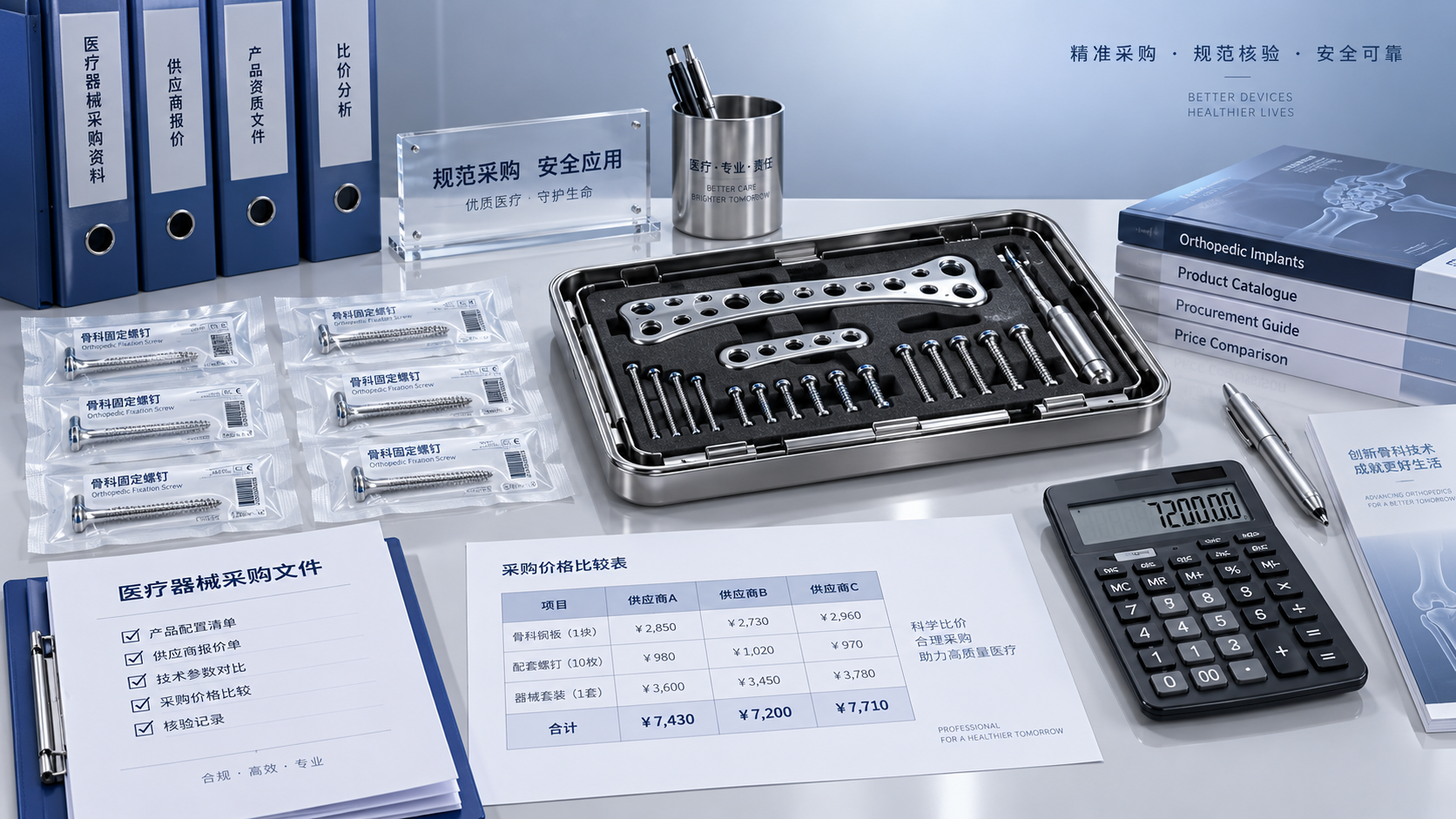
The table below shows a practical framework for comparing visible and hidden cost drivers when evaluating biodegradable implants against permanent alternatives in high-value consumables portfolios.
The key conclusion is simple: biodegradable implants do not automatically reduce spending, but they can reallocate cost away from delayed operative events. That distinction is critical in systems where financial performance is judged over 12-month or bundled-care cycles rather than same-day purchasing variance.
Where biodegradable implants are most likely to cut revision costs
Cost savings are indication-specific. A finance team should expect stronger economic logic in procedures where permanent hardware is associated with a nontrivial rate of secondary intervention. In general, biodegradable implants show more attractive economics when healing is expected within a defined window, mechanical demands are moderate, and removal avoidance has direct budget value.
1. Orthopedic fixation and sports medicine
Interference screws, pins, anchors, and selected fracture fixation components are common examples. In these scenarios, the value case improves when a patient would otherwise face hardware removal due to prominence, irritation, or age-related concerns. If a second OR event can be avoided, total episode savings may include 1 procedure, 1 anesthesia episode, and 1 recovery cycle.
Financial signal to watch
If historical data show that 8%–20% of comparable patients return for hardware-related follow-up intervention, a biodegradable option deserves formal economic review. Even when only a subset proceeds to surgery, the indirect burden on clinic capacity and imaging volume can be meaningful.
2. Pediatric or growth-sensitive cases
In younger patients, the financial rationale can be stronger because retained hardware may trigger future management decisions as anatomy changes. Avoiding a planned removal 6–18 months later may generate clearer budget savings than in older adult populations, although indication selection must remain conservative and clinically led.
3. Tissue regeneration and temporary support applications
In soft tissue repair or regenerative pathways, the implant’s temporary role may be economically aligned with biological healing. When a device supports tissue for a limited period and then resorbs, it may reduce long-term foreign-material management. This is especially relevant where advanced biomaterials intersect with wound care and regenerative medicine platforms monitored over 3, 6, and 12 months.
Not every case supports a lower-cost conclusion. The table below highlights where biodegradable implants are more likely to deliver financial value and where the business case is weaker.
The strongest purchasing cases usually combine 3 conditions: measurable hardware-removal exposure, a predictable biological healing interval, and a reimbursement structure that recognizes avoided downstream utilization. Without those conditions, the premium for biodegradable implants may remain difficult to justify.
What can erase the savings: material, regulation, and workflow risks
The economic story is not always favorable. A biodegradable implant only cuts revision costs if degradation behavior, mechanical performance, and clinical protocol are tightly matched. If material resorption is poorly aligned with tissue healing, savings can disappear through inflammation management, fixation failure, or intensified surveillance.
Material-performance mismatch
Different polymers and composite systems degrade over very different timelines, often ranging from several months to 3 years. Faster resorption is not automatically better. A finance review should ask whether the implant maintains sufficient support through the required healing phase, whether by 6 weeks, 12 weeks, or longer depending on indication.
Regulatory and evidence burden
For high-risk medical devices, evidence depth matters. Procurement teams should verify biocompatibility testing, degradation characterization, and clinical evaluation quality. Under stricter Class III expectations and CE MDR-style documentation pressure, weak evidence can create hidden costs through delayed adoption, committee review cycles, or restricted use protocols.
Three due-diligence questions
- Is the resorption window compatible with the target tissue healing window?
- Does available clinical evidence cover revision, removal avoidance, and adverse event management over at least 12 months?
- Will extra training, instrumentation, or storage controls add hidden operational cost in the first 2–4 quarters?
Workflow friction and inventory complexity
A device can be clinically promising yet financially inefficient if it complicates OR logistics. New insertion techniques, limited shelf-life profiles, or specialized instrument kits can add 10–20 minutes to early cases and raise per-procedure overhead. Those ramp-up costs should be modeled, especially when annual case volume is below the threshold needed to absorb training expense.
In systems affected by VBP or similar price controls, finance leaders should also examine whether biodegradable implants sit inside or outside negotiated procurement categories. If a premium device is excluded from standard tender assumptions, the approval pathway may require stronger value dossiers and tighter patient-selection rules.
How financial approvers should evaluate biodegradable implants
A disciplined approval process should move beyond headline device cost and use a 5-step economic framework. This approach is particularly useful for hospitals, group purchasing teams, and manufacturers building value communication for orthopedic, cardiovascular, MIS, and regenerative consumables.
Step 1: Define the exact indication
Do not evaluate biodegradable implants as a broad category. Review one use case at a time: for example, one sports medicine anchor, one pediatric fixation application, or one regenerative scaffold pathway. Economics vary sharply by anatomy, healing load, and revision pattern.
Step 2: Build a 12–36 month TCO model
Track acquisition cost, OR time, post-op imaging, readmissions, planned removals, and rehabilitation duration. In many settings, a 24-month horizon is sufficient to capture most removal-related savings. For slower-degrading materials or pediatric follow-up, a 36-month horizon may be more realistic.
Step 3: Segment patients by revision risk
The best return often comes from selective adoption, not universal rollout. Segment patients into at least 3 groups: high likelihood of future hardware management, moderate likelihood, and low likelihood. That protects margin while generating cleaner internal evidence.
Step 4: Align with reimbursement and tender realities
A cost-saving device can still fail commercially if reimbursement coding, bundled payment logic, or procurement policy does not reward avoided downstream events. Finance teams should confirm whether savings accrue to the same budget owner who absorbs the premium. Misaligned incentives are one of the most common barriers to adoption.
Step 5: Start with a controlled pilot
A 20–50 case pilot over 2–4 quarters often provides enough operational and financial insight to inform broader adoption. Pilot metrics should include procedure time, adverse event tracking, secondary procedure rate, and cost-per-case variance against the current standard.
For readers in procurement, manufacturing, or strategic market access, the takeaway is practical. Biodegradable implants can cut revision costs, but only when indication, material science, clinical evidence, and reimbursement design point in the same direction. In the wrong scenario, they simply move cost from the back end to the front end.
For IMCS audiences navigating orthopedic implants, interventional consumables, MIS platforms, polymer catheter technologies, and advanced regenerative materials, this is exactly where intelligence matters most: not at the level of marketing claims, but at the intersection of biocompatibility, precision manufacturing, regulation, and budget impact.
If you need a clearer framework to assess biodegradable implants for capital approval, tender strategy, or portfolio positioning, now is the right time to build a case-by-case value map. Contact us to explore tailored evaluation criteria, compare indication-specific cost drivers, and learn more solutions for evidence-based medical consumables decision-making.
Get weekly intelligence in your inbox.
No noise. No sponsored content. Pure intelligence.
News Recommendations
 Oct 26, 2026Can a single approval cover life science product sales worldwide?Can a single approval cover life science product sales worldwide?
 Oct 25, 2026When is sensitization testing needed for medical device biocompatibility?When is sensitization testing needed for medical device biocompatibility?
 Oct 24, 2026How is biocompatibility tested for implantable polymer biomaterials?How is biocompatibility tested for implantable polymer biomaterials?
 Oct 23, 2026How to build reimbursement into an implant commercialization strategyHow to build reimbursement into an implant commercialization strategy
 Oct 22, 2026What clinical evidence do implants need for CE marking under EU MDR?What clinical evidence do implants need for CE marking under EU MDR?
 Oct 21, 2026How to choose disposable laparoscopic stapler reloads for thick tissueHow to choose disposable laparoscopic stapler reloads for thick tissue
 Oct 20, 2026How to assess medical polymer biocompatibility under ISO 10993How to assess medical polymer biocompatibility under ISO 10993
 Oct 19, 2026How do interventional device categories differ in clinical use?How do interventional device categories differ in clinical use?
 Oct 18, 2026When to choose alginate dressings for heavily exuding chronic woundsWhen to choose alginate dressings for heavily exuding chronic wounds
 Oct 17, 2026How is biocompatibility tested for custom medical-grade PEEK implants?How is biocompatibility tested for custom medical-grade PEEK implants?
 Oct 16, 2026How to check a wound healing materials supplier’s biocompatibility dataHow to check a wound healing materials supplier’s biocompatibility data
 Oct 15, 2026How to verify the FDA clearance status of silver wound dressingsHow to verify the FDA clearance status of silver wound dressings
 Oct 14, 2026How to register orthopedic implants and instruments in Latin AmericaHow to register orthopedic implants and instruments in Latin America
 Oct 13, 2026How to use a device market intelligence database to benchmark VBP pricesHow to use a device market intelligence database to benchmark VBP prices
 Oct 12, 2026When should stainless steel orthopedic instruments be replaced?When should stainless steel orthopedic instruments be replaced?
 Oct 11, 2026When are alginate dressings rope the right choice for cavity wounds?When are alginate dressings rope the right choice for cavity wounds?
 Oct 10, 2026When smart minimally invasive technology improves catheter accessWhen smart minimally invasive technology improves catheter access
 Oct 08, 2026Clinical evaluation requirements for cardiovascular implant devices in EuropeClinical evaluation requirements for cardiovascular implant devices in Europe
 Oct 07, 2026What to verify before appointing an artificial joint implants distributorWhat to verify before appointing an artificial joint implants distributor
 Oct 06, 2026How ISO 10993 guides biocompatibility testing for medical materialsHow ISO 10993 guides biocompatibility testing for medical materials
 Oct 05, 2026How to verify an orthopedic implants and instruments exporterHow to verify an orthopedic implants and instruments exporter
 Oct 04, 2026What drives surgical stapling devices price differences in hospital tenders?What drives surgical stapling devices price differences in hospital tenders?
 Oct 03, 2026How to assess a central venous catheter manufacturer's infection-control evidenceHow to assess a central venous catheter manufacturer's infection-control evidence
 Oct 02, 2026How to assess an advanced wound care factory’s quality systemHow to assess an advanced wound care factory’s quality system
 Oct 01, 2026What is driving global medical consumables demand in emerging markets?What is driving global medical consumables demand in emerging markets?
 Sep 30, 2026Implant Material Compliance Testing: Evidence Needed for Regulatory SubmissionImplant Material Compliance Testing: Evidence Needed for Regulatory Submission
 Sep 30, 2026From Corrosion to Fatigue: What Implant Materials Testing Should MeasureFrom Corrosion to Fatigue: What Implant Materials Testing Should Measure