Precision Medical Machining Tolerances That Affect Fit
In high-risk medical device manufacturing, precision medical machining is not just about accuracy. It directly shapes component fit, functional reliability, and regulatory confidence. Tolerance choices affect implant seating, catheter trackability, staple alignment, sealing behavior, and long-term consistency. When fit fails at the micron level, downstream validation, assembly yield, and clinical performance can all suffer.
Across implants, interventional devices, and surgical consumables, tolerance strategy must connect design intent, process capability, material behavior, and inspection data. A practical checklist helps reduce hidden variation, avoid over-machining cost, and keep precision medical machining aligned with real functional requirements rather than nominal dimensions alone.
Why a Tolerance Checklist Matters in Precision Medical Machining
Medical parts rarely fail because a drawing looks wrong. They fail when tolerances are assigned without linking them to contact surfaces, load paths, fluid flow, insertion force, or sterilization effects. A checklist forces each tolerance to justify its clinical and manufacturing value.
This is especially important in global supply chains. Regulatory reviews, first article inspection, process validation, and complaint investigations all depend on traceable reasoning. Strong precision medical machining documentation shows why a feature matters, how it is controlled, and what risk appears if it drifts.
Core Checklist: Machining Tolerances That Directly Affect Fit
- Define mating features first, then assign tight tolerances only where surfaces contact, seal, lock, or guide movement during assembly or use.
- Check true position, not only size, for holes, slots, and threaded features that control alignment between implant, instrument, or delivery components.
- Control form tolerances such as roundness, cylindricity, and flatness when nominal dimensions alone cannot guarantee repeatable fit or stable motion.
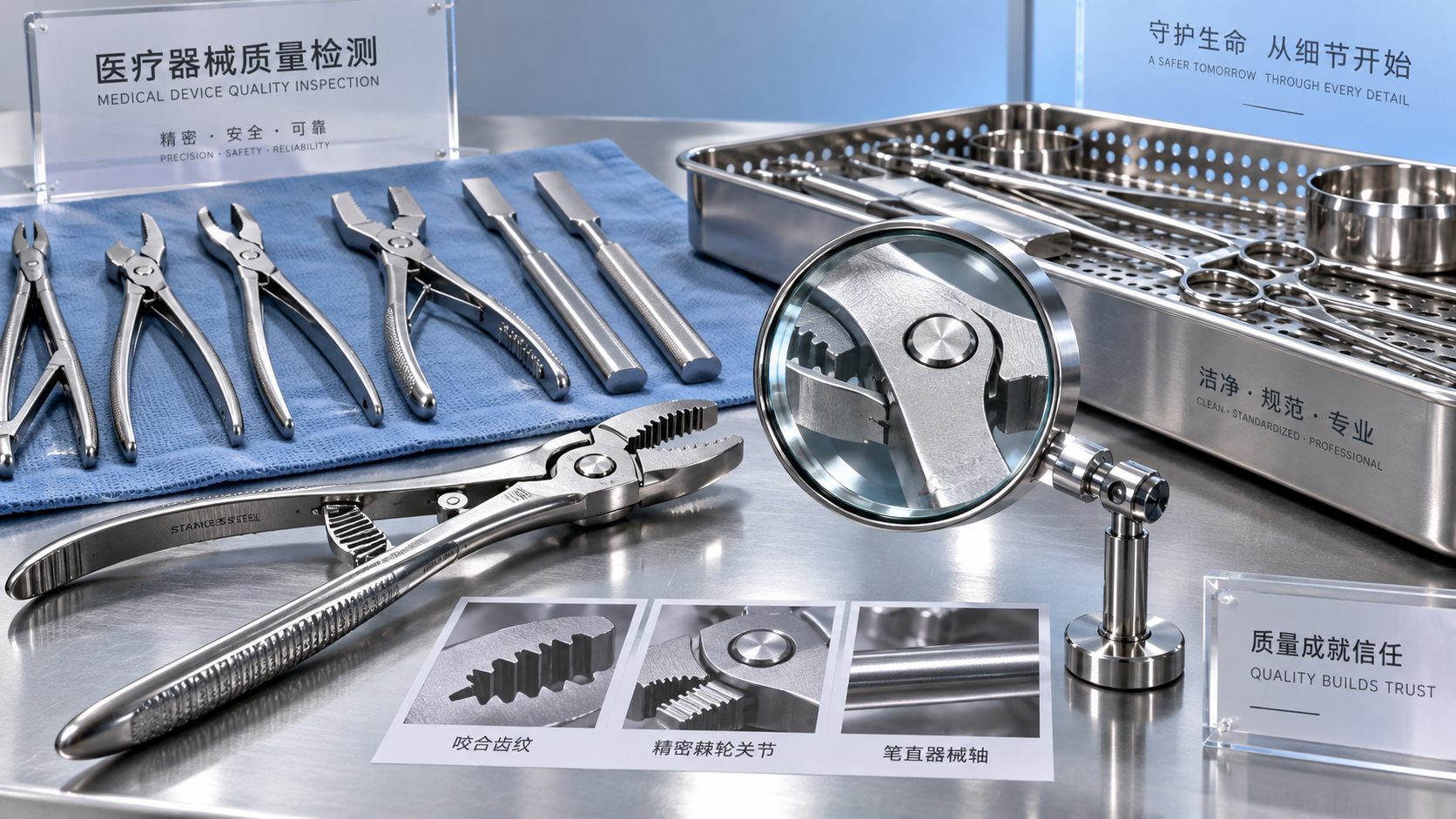
- Match surface finish with fit function, because roughness can change friction, sealing, coating adhesion, tissue interaction, and cleaning performance.
- Account for material response after machining, including burr formation, stress relief movement, thermal growth, and post-passivation dimensional shift.
- Validate stack-up across assemblies, since individually acceptable parts may still create excessive insertion force, leakage, wobble, or misfire.
- Use process capability data before tightening limits, because unrealistic tolerances increase scrap, delay release, and add cost without improving function.
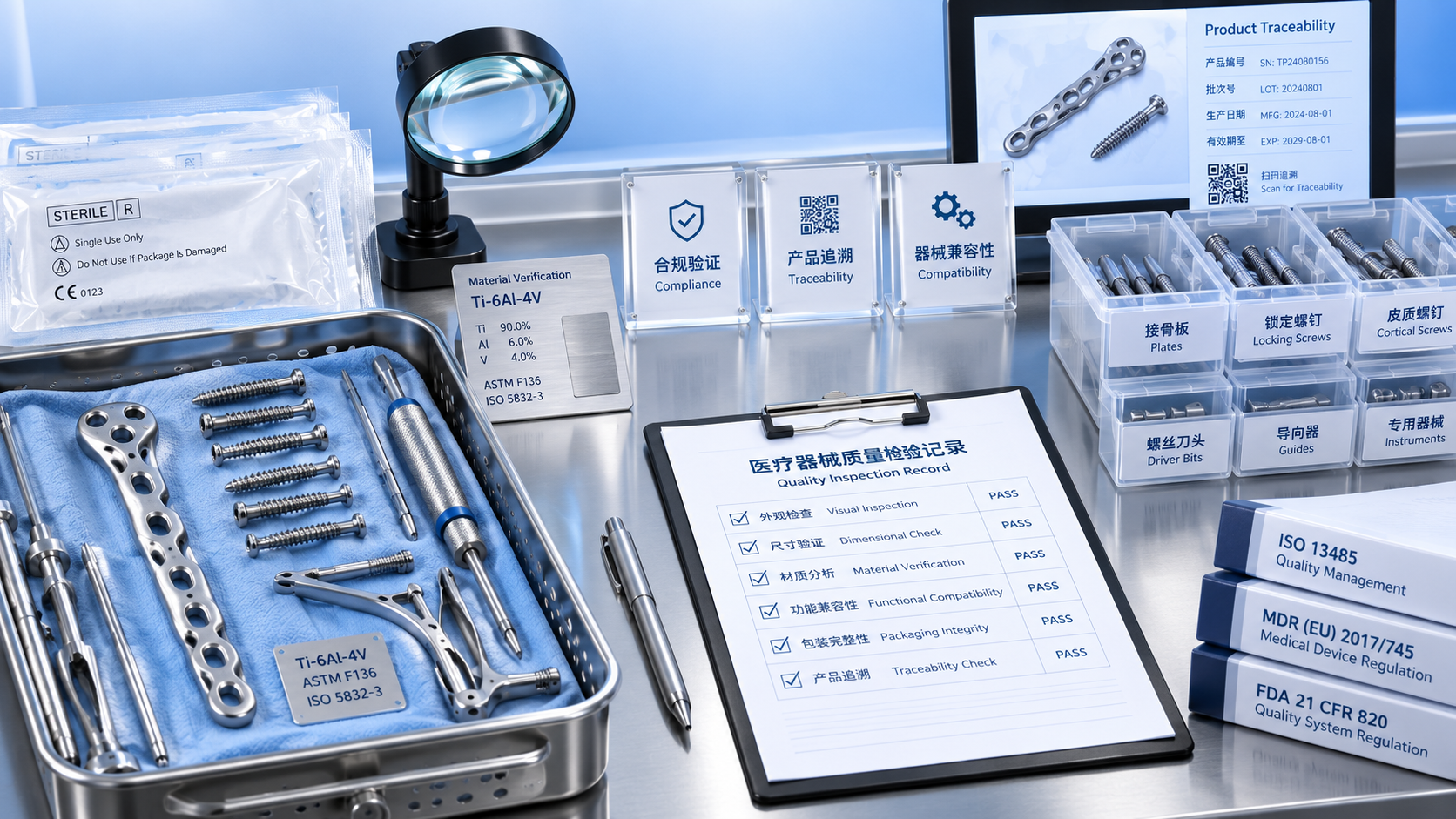
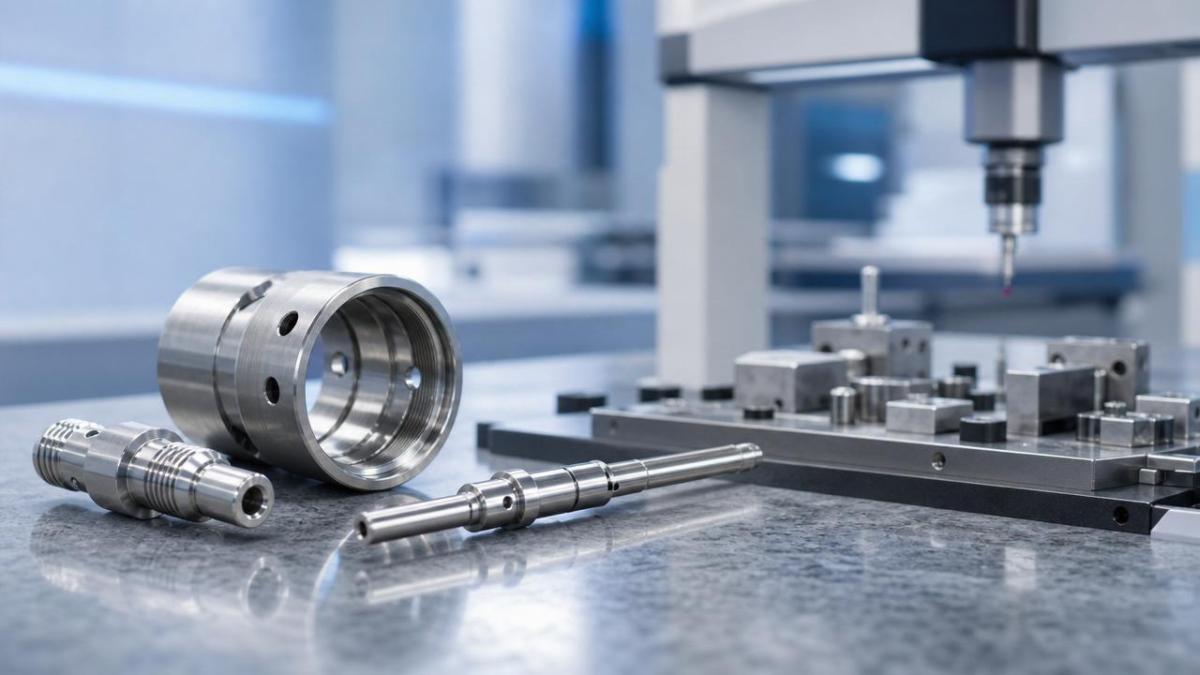
- Specify inspection methods early, ensuring CMM, optical systems, air gauges, or vision tools can measure the stated tolerance reliably.
- Review sterilization and packaging effects, since heat, radiation, and constraint during shipping may change final fit in sensitive assemblies.
- Link every critical tolerance to risk files and validation evidence so precision medical machining supports both product performance and compliance.
Tolerance Areas That Most Often Drive Fit Problems
- Diameter and concentricity in cannulated implants, sleeves, hubs, and shafts.
- Flatness and parallelism in seating faces, staple cartridges, and valve frames.
- Edge condition and burr control in slots, windows, and micro-features.
- Thread geometry in locking mechanisms and reusable instruments.
- Surface roughness at sliding, sealing, or bone-contact interfaces.
Application Notes Across Medical Device Scenarios
Orthopedic Implants and Instruments
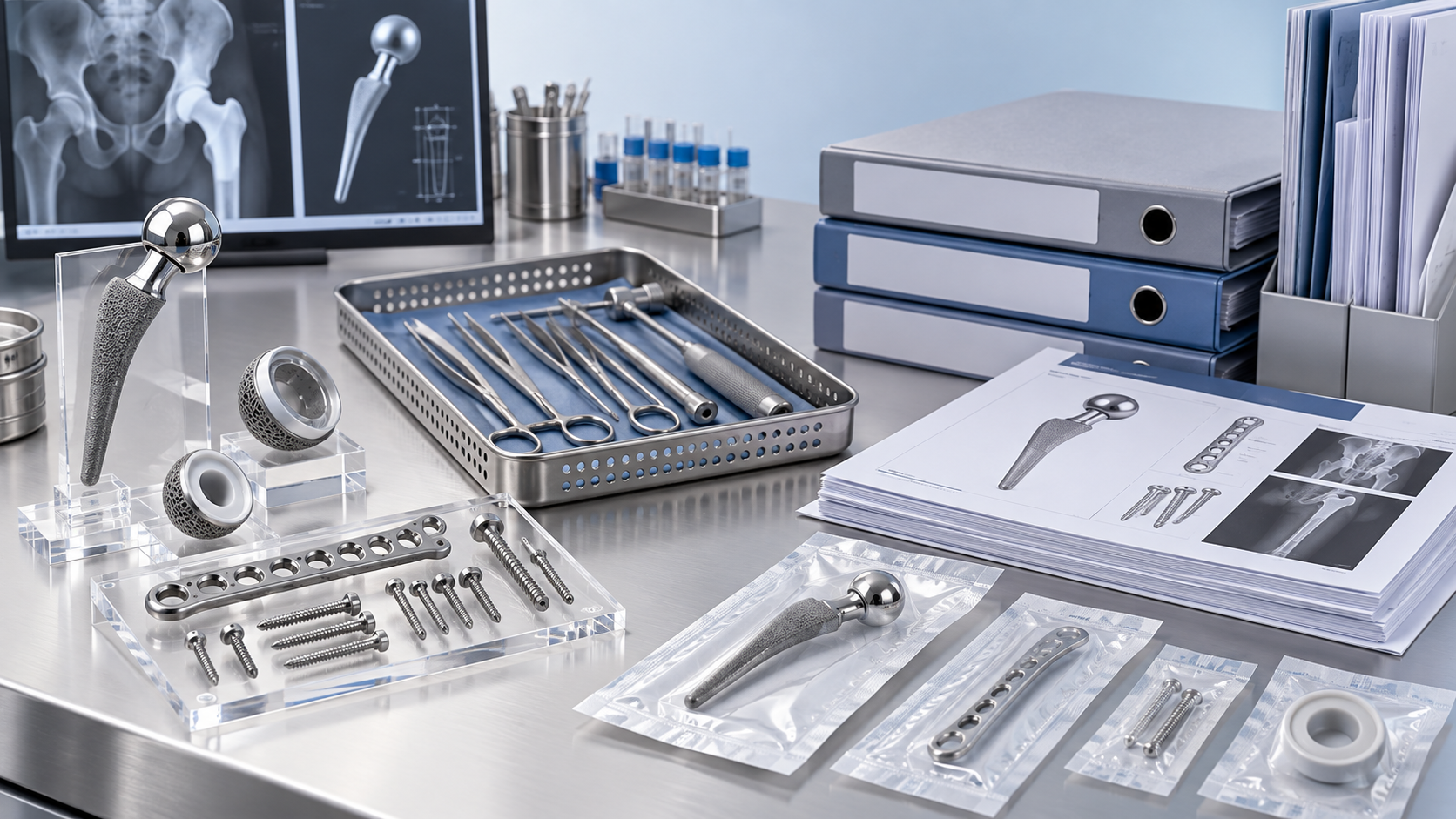
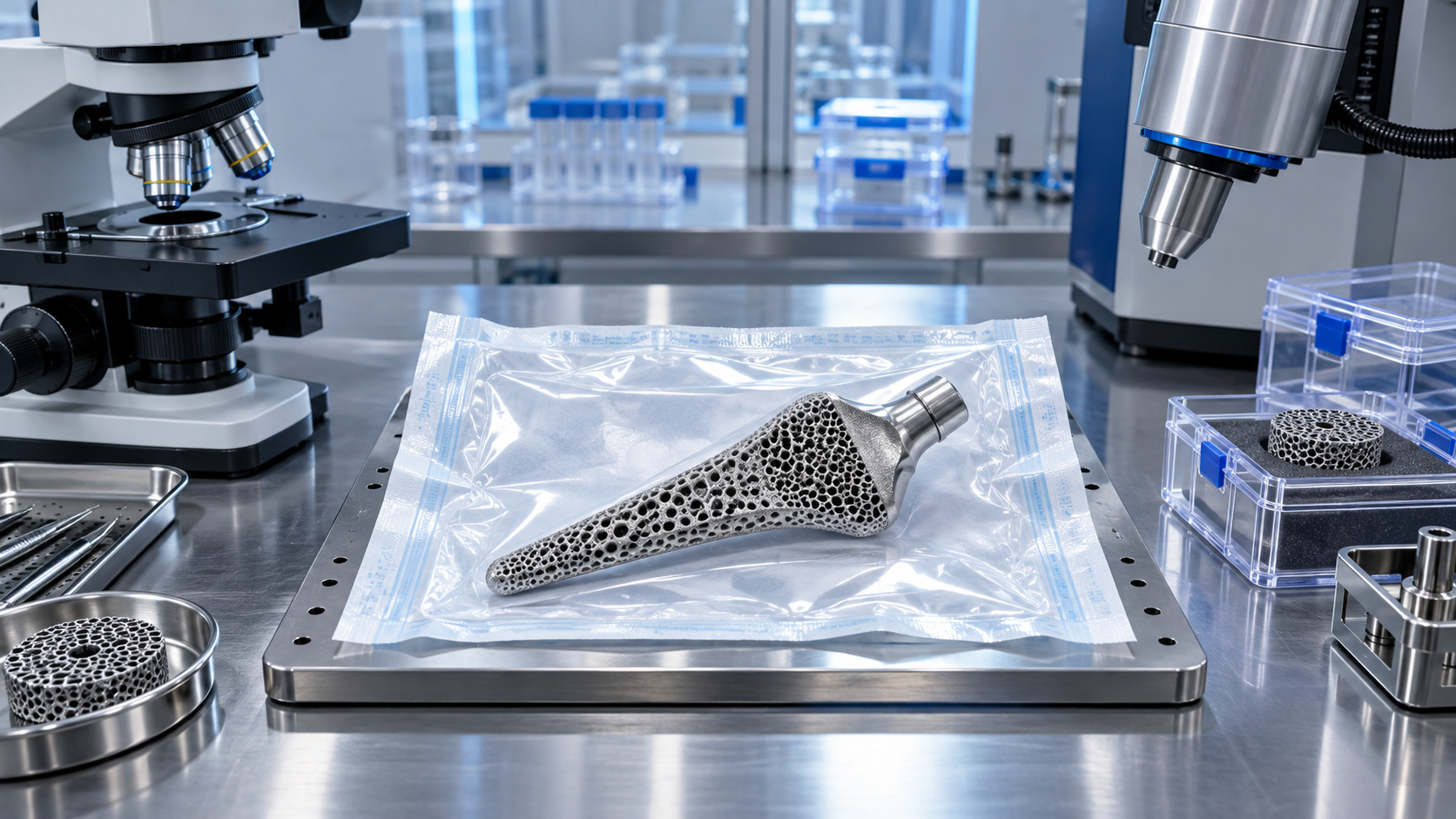
In orthopedic systems, fit is mechanical and biological. Taper junctions, screw trajectories, and resection guides depend on stable geometry. If precision medical machining misses position or angle tolerance, micromotion can increase wear, assembly force can rise, and surgical repeatability can drop.
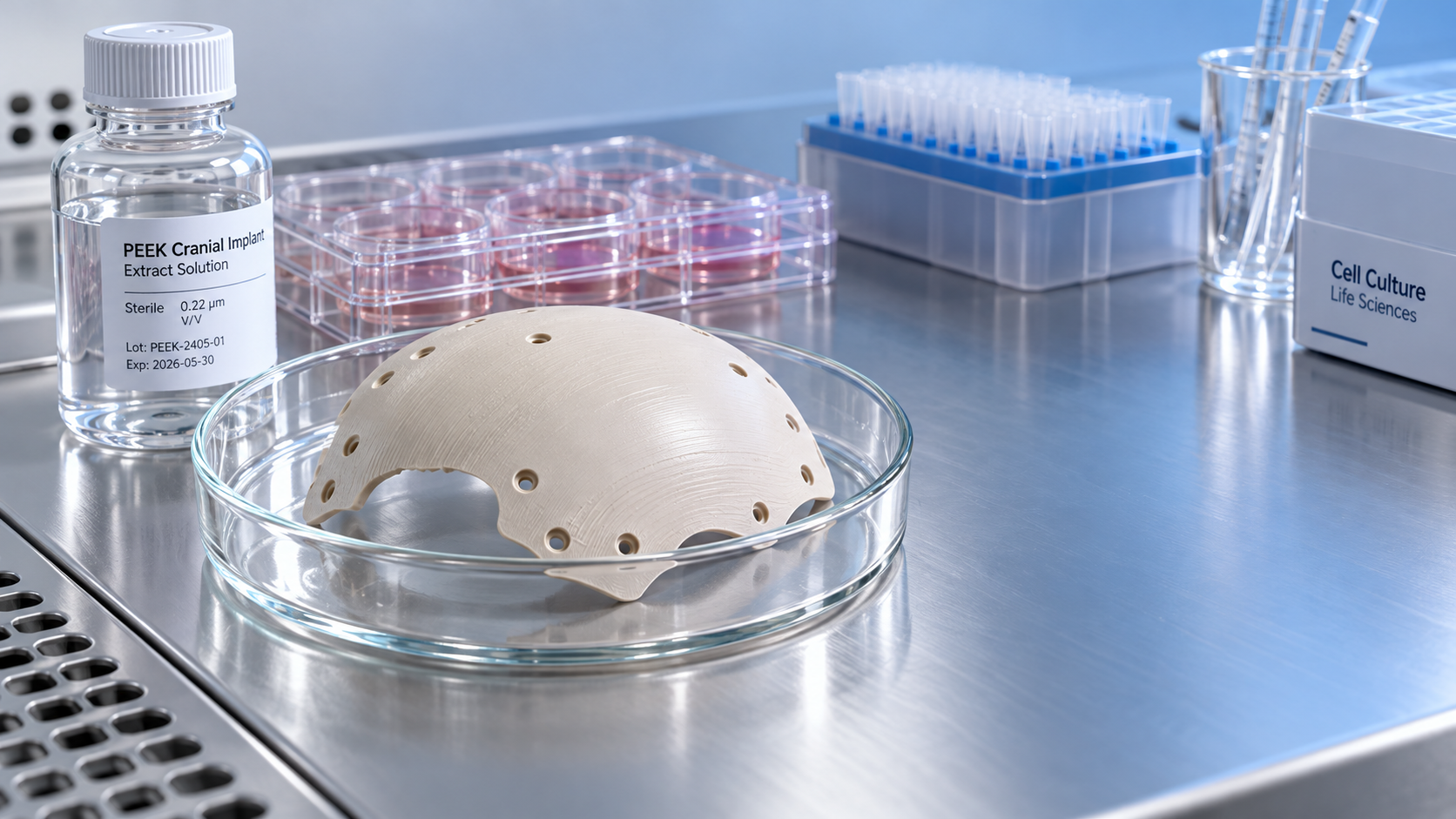
Porous structures and PEEK interfaces add complexity. Dense machined reference surfaces may be accurate, but transitions between printed and machined regions must still preserve seating integrity. Datum strategy matters as much as nominal size.
Cardiovascular Interventional Components
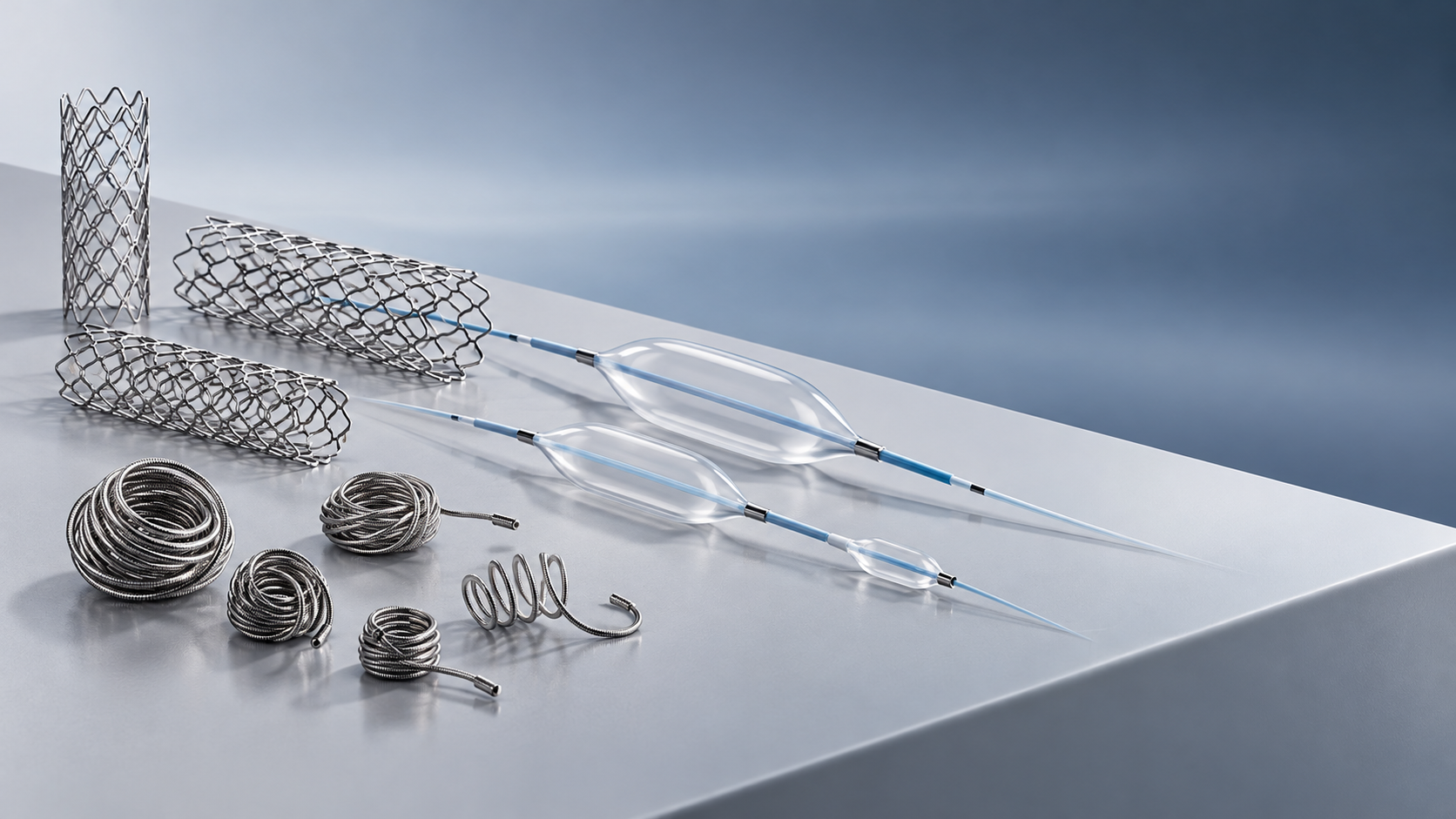
For delivery systems, small tolerance shifts can change pushability, crossing profile, and deployment behavior. Shafts, hypotubes, marker bands, and mating hubs require careful control of diameter, wall thickness, and runout. Here, precision medical machining supports not just fit, but navigation inside delicate anatomy.
Overly tight tolerances can also create problems. Excessive interference may damage coatings, increase friction, or distort thin-wall parts during assembly. The best fit is functional, not simply the smallest tolerance band.
Minimally Invasive Surgical Consumables
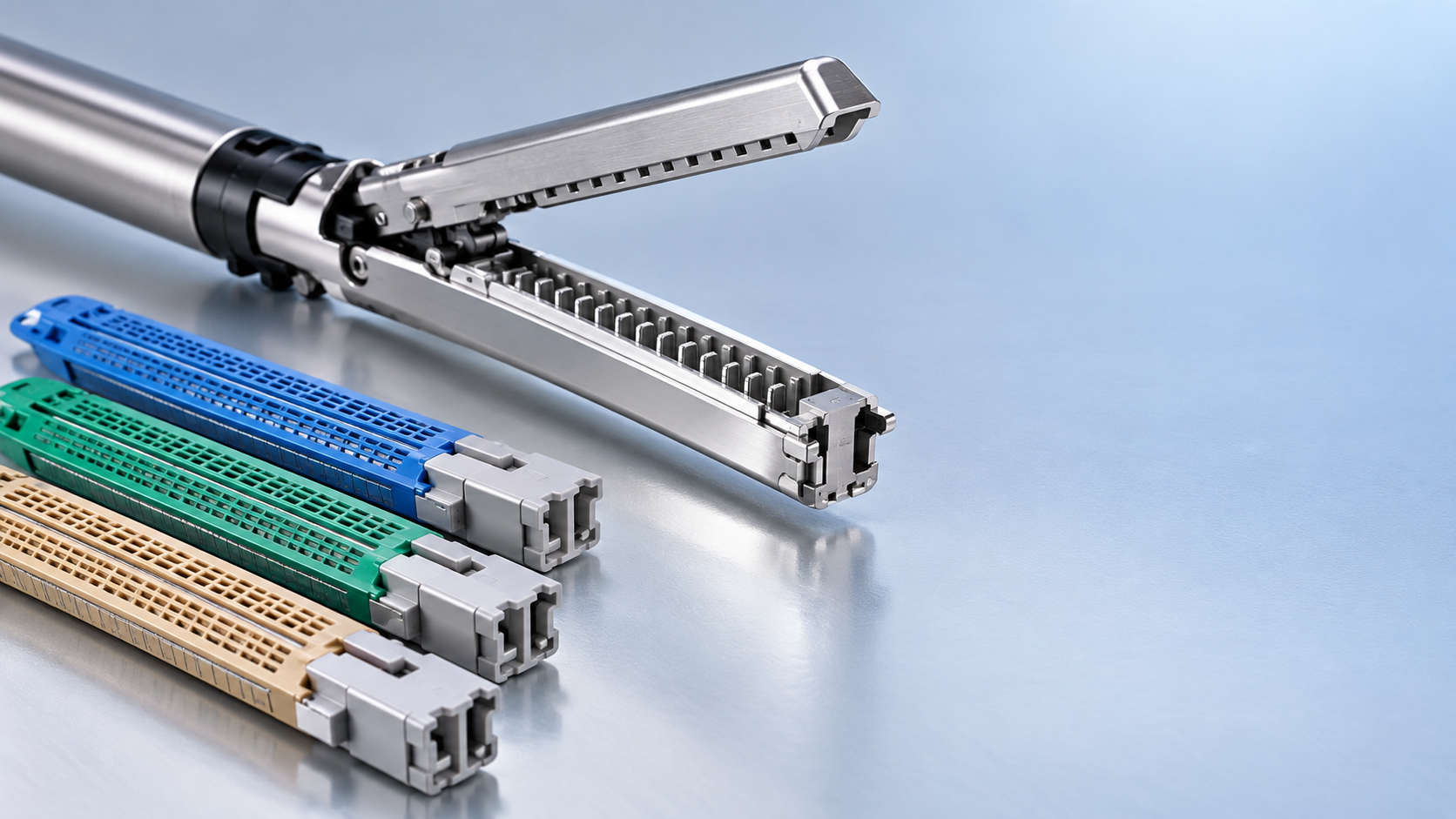
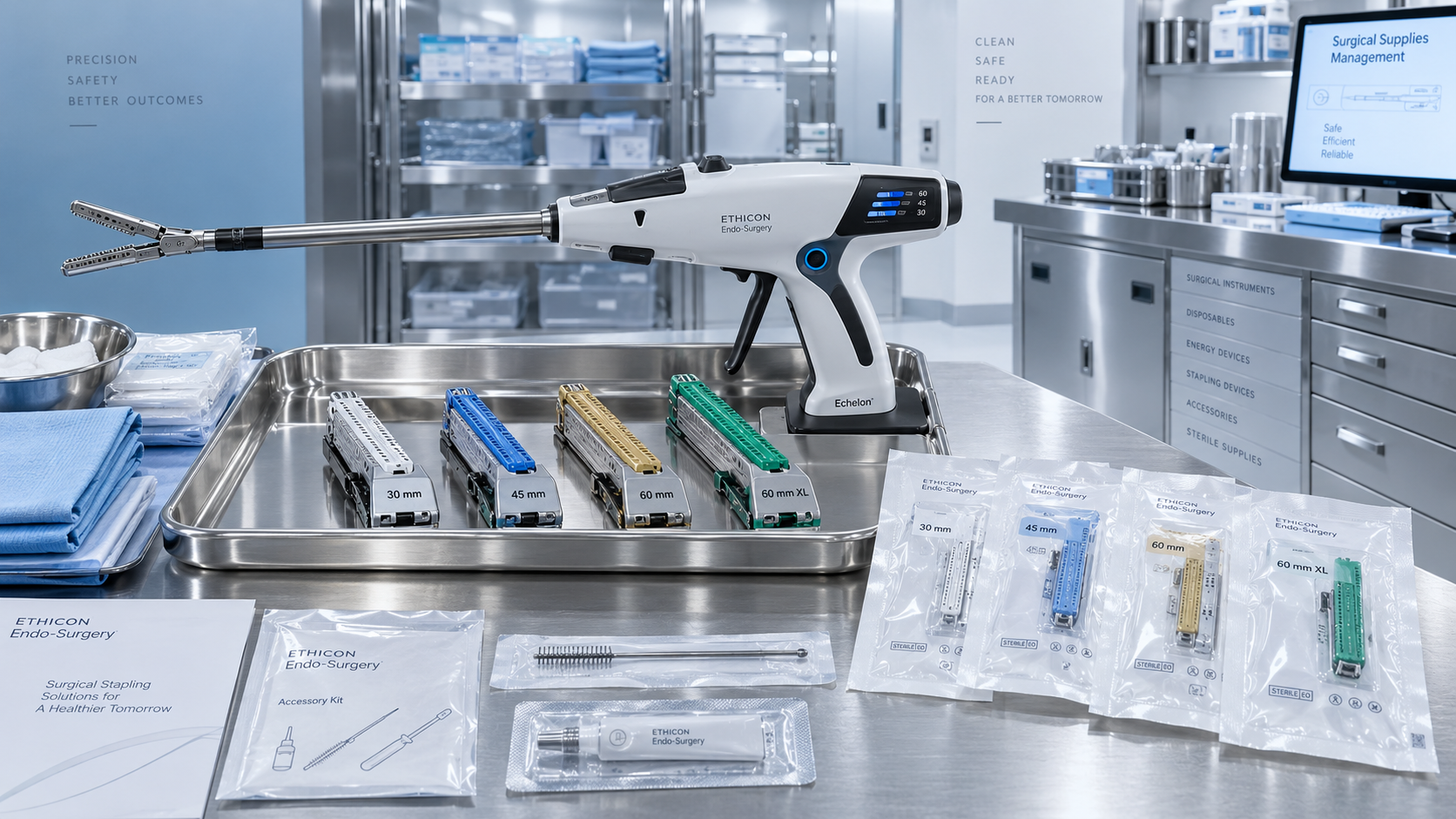
Stapling and cutting devices rely on synchronized motion between cams, channels, blades, and staple-forming features. A tiny mismatch in slot width, pin location, or face flatness can cause jamming, incomplete closure, or inconsistent firing loads.
This is where precision medical machining should be reviewed as a system. One part may measure in tolerance, yet assembly stack-up may still produce unacceptable functional variation across lots.
Medical Polymer Catheter Interfaces
Even when the main body is polymer, metal dies, mandrels, connectors, and luer-related parts define the final interface. Machined tolerances influence leak resistance, bond consistency, and transition smoothness. Poor edge quality can cut soft substrates or disrupt coating uniformity.
When combining machined metal with flexible polymers, tolerance planning must include creep, swelling, adhesive thickness, and thermal mismatch. Functional fit should be checked after full assembly, not only at incoming inspection.
Commonly Overlooked Risks in Precision Medical Machining
Ignoring Datum Logic
A feature may be perfectly sized but referenced from the wrong datum. That can shift the real fit condition and create repeatable assembly issues that basic dimensional checks never reveal.
Separating Machining from Finishing
Passivation, polishing, blasting, coating, and cleaning all modify surface state. If these steps are excluded from tolerance planning, final parts may drift beyond the intended fit window.
Over-Specifying Noncritical Features
Not every feature deserves ultra-tight limits. Over-control increases cycle time, tool wear, inspection burden, and supplier risk. Functional priorities should guide precision medical machining decisions.
Using Inadequate Measurement Methods
If the gauge cannot repeat the result, the tolerance cannot be trusted. Micro-features, flexible parts, and polished surfaces often need special fixturing or non-contact measurement.
Practical Execution Recommendations
- Start with a fit-critical feature map and mark every surface that seals, slides, locks, compresses, or locates another part.
- Build tolerance stack-up models before design freeze, then confirm them with pilot builds and destructive functional checks.
- Compare drawing limits with Cp and Cpk data, and revise unrealistic tolerances before validation or scale-up.
- Align machining, finishing, inspection, and assembly teams around a single definition of acceptable fit condition.
- Document rationale in DHF, PFMEA, and control plans so fit-related choices remain traceable during audits and change control.
Conclusion and Next Action
Precision medical machining creates value when tolerances are tied to real fit behavior, not only print discipline. In implants, catheters, and surgical consumables, the most important limits are the ones that preserve function through machining, finishing, assembly, sterilization, and clinical use.
The next step is simple: review one active device family, identify fit-critical interfaces, and test whether current tolerances match measured process capability and functional evidence. That approach improves yield, strengthens compliance, and makes precision medical machining a controllable advantage rather than a hidden risk.
Get weekly intelligence in your inbox.
No noise. No sponsored content. Pure intelligence.
News Recommendations
 Oct 26, 2026Can a single approval cover life science product sales worldwide?Can a single approval cover life science product sales worldwide?
 Oct 25, 2026When is sensitization testing needed for medical device biocompatibility?When is sensitization testing needed for medical device biocompatibility?
 Oct 24, 2026How is biocompatibility tested for implantable polymer biomaterials?How is biocompatibility tested for implantable polymer biomaterials?
 Oct 23, 2026How to build reimbursement into an implant commercialization strategyHow to build reimbursement into an implant commercialization strategy
 Oct 22, 2026What clinical evidence do implants need for CE marking under EU MDR?What clinical evidence do implants need for CE marking under EU MDR?
 Oct 21, 2026How to choose disposable laparoscopic stapler reloads for thick tissueHow to choose disposable laparoscopic stapler reloads for thick tissue
 Oct 20, 2026How to assess medical polymer biocompatibility under ISO 10993How to assess medical polymer biocompatibility under ISO 10993
 Oct 19, 2026How do interventional device categories differ in clinical use?How do interventional device categories differ in clinical use?
 Oct 18, 2026When to choose alginate dressings for heavily exuding chronic woundsWhen to choose alginate dressings for heavily exuding chronic wounds
 Oct 17, 2026How is biocompatibility tested for custom medical-grade PEEK implants?How is biocompatibility tested for custom medical-grade PEEK implants?
 Oct 16, 2026How to check a wound healing materials supplier’s biocompatibility dataHow to check a wound healing materials supplier’s biocompatibility data
 Oct 15, 2026How to verify the FDA clearance status of silver wound dressingsHow to verify the FDA clearance status of silver wound dressings
 Oct 14, 2026How to register orthopedic implants and instruments in Latin AmericaHow to register orthopedic implants and instruments in Latin America
 Oct 13, 2026How to use a device market intelligence database to benchmark VBP pricesHow to use a device market intelligence database to benchmark VBP prices
 Oct 12, 2026When should stainless steel orthopedic instruments be replaced?When should stainless steel orthopedic instruments be replaced?
 Oct 11, 2026When are alginate dressings rope the right choice for cavity wounds?When are alginate dressings rope the right choice for cavity wounds?
 Oct 10, 2026When smart minimally invasive technology improves catheter accessWhen smart minimally invasive technology improves catheter access
 Oct 08, 2026Clinical evaluation requirements for cardiovascular implant devices in EuropeClinical evaluation requirements for cardiovascular implant devices in Europe
 Oct 07, 2026What to verify before appointing an artificial joint implants distributorWhat to verify before appointing an artificial joint implants distributor
 Oct 06, 2026How ISO 10993 guides biocompatibility testing for medical materialsHow ISO 10993 guides biocompatibility testing for medical materials
 Oct 05, 2026How to verify an orthopedic implants and instruments exporterHow to verify an orthopedic implants and instruments exporter
 Oct 04, 2026What drives surgical stapling devices price differences in hospital tenders?What drives surgical stapling devices price differences in hospital tenders?
 Oct 03, 2026How to assess a central venous catheter manufacturer's infection-control evidenceHow to assess a central venous catheter manufacturer's infection-control evidence
 Oct 02, 2026How to assess an advanced wound care factory’s quality systemHow to assess an advanced wound care factory’s quality system
 Oct 01, 2026What is driving global medical consumables demand in emerging markets?What is driving global medical consumables demand in emerging markets?
 Sep 30, 2026Implant Material Compliance Testing: Evidence Needed for Regulatory SubmissionImplant Material Compliance Testing: Evidence Needed for Regulatory Submission
 Sep 30, 2026From Corrosion to Fatigue: What Implant Materials Testing Should MeasureFrom Corrosion to Fatigue: What Implant Materials Testing Should Measure