Osseointegration Technology or Cemented Fixation?
For orthopedic and high-value medical consumables, the choice between osseointegration technology and cemented fixation reaches far beyond surgical preference.
It affects implant design, biomaterial selection, regulatory documentation, clinical durability, reimbursement logic, and procurement competitiveness across global healthcare systems.
In today’s market, osseointegration technology is increasingly associated with innovation, long-term biological fixation, and premium implant positioning.
Cemented fixation remains highly relevant because it offers procedural familiarity, immediate stability, and dependable use in selected patient populations.
Understanding both pathways helps align product strategy with clinical reality, evidence expectations, and cost-control dynamics such as VBP and value-based purchasing.
Core Definitions and Fixation Logic
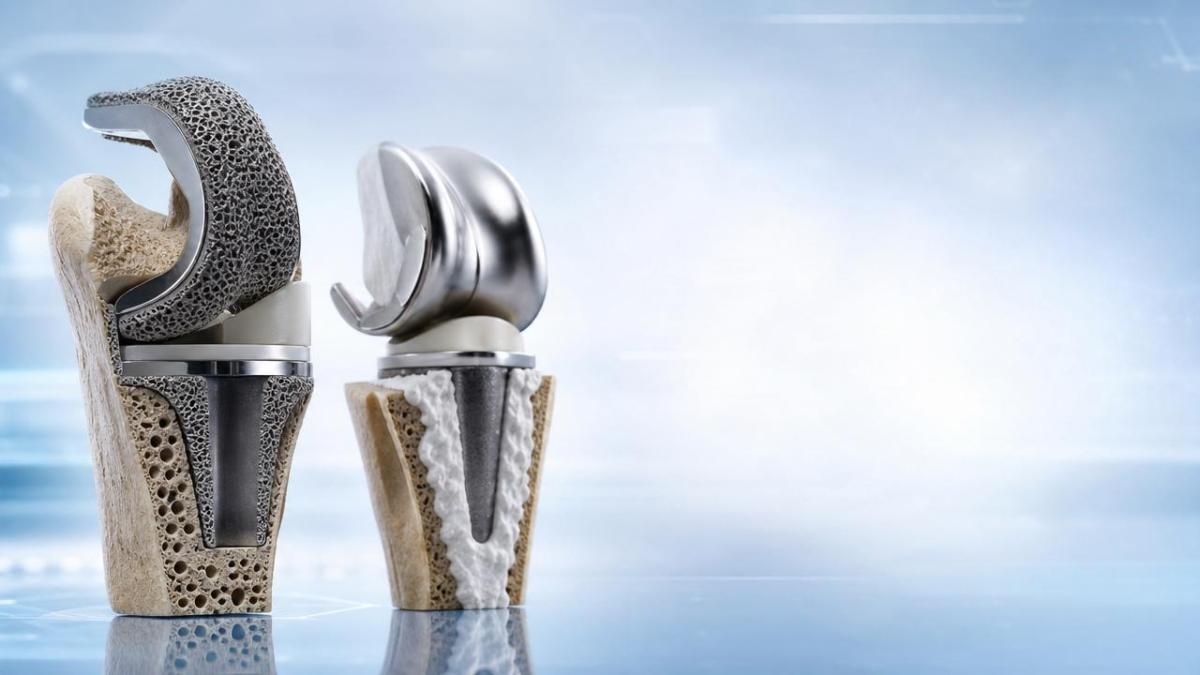
Osseointegration technology refers to implant fixation achieved through direct structural and functional bonding between living bone and the implant surface.
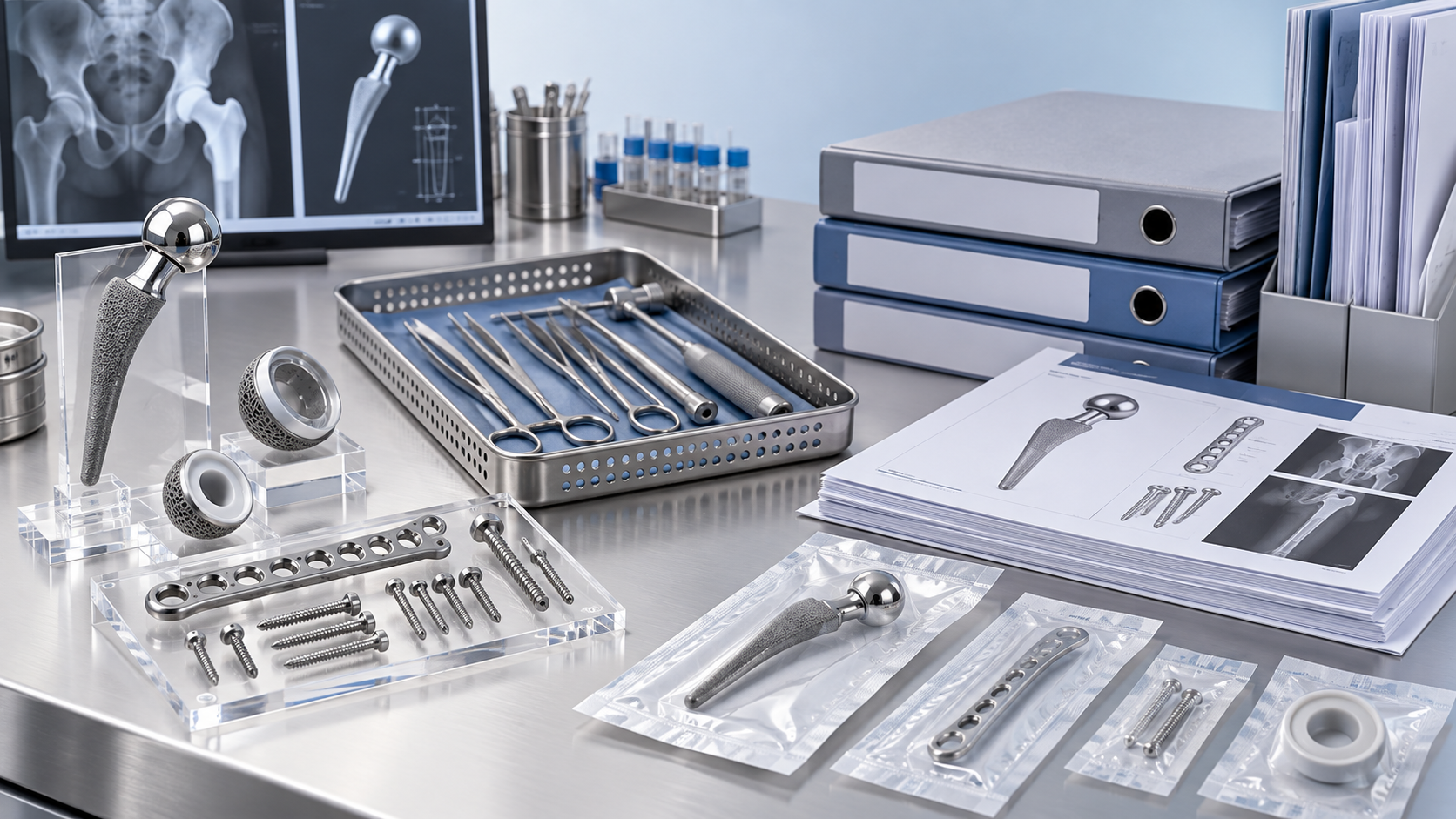
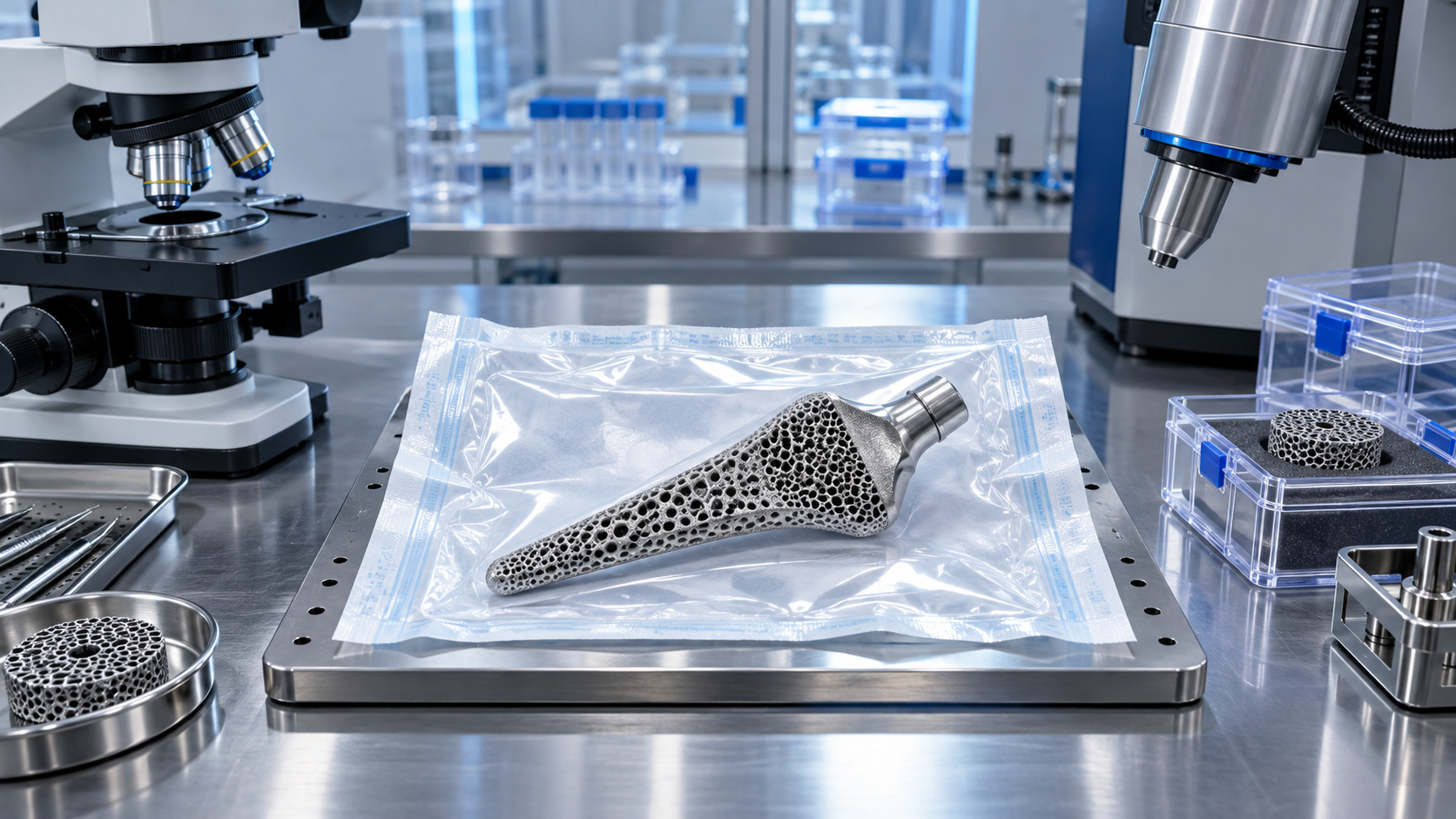
This process often depends on porous titanium, trabecular structures, hydroxyapatite coatings, optimized roughness, and micron-level manufacturing consistency.
Cemented fixation uses bone cement, commonly polymethyl methacrylate, to create a mechanical interface between implant and bone.
Its strength lies in immediate anchoring rather than biological bone ingrowth.
Both approaches are established in hip, knee, shoulder, and selected revision procedures.
However, their engineering assumptions are fundamentally different.
How osseointegration technology works
- Initial stability is created by press-fit geometry or interference fixation.
- Secondary stability develops as bone grows into the implant surface.
- Long-term success depends on material biocompatibility and controlled load transfer.
How cemented fixation works
- Bone cement fills gaps and distributes stress at the interface.
- Implant seating is less dependent on bone ingrowth potential.
- Technique quality strongly influences early and long-term stability.
Industry Context and Current Attention Points
The fixation debate is now shaped by several global signals across implants, materials, regulation, and hospital economics.
Within IMCS coverage areas, osseointegration technology receives particular attention because it connects clinical performance with advanced manufacturing value.
This environment does not eliminate cemented fixation.
Instead, it raises the threshold for proving where each fixation method creates better total value.
Osseointegration technology gains momentum when evidence shows durable bone integration, lower loosening risk, and compatibility with modern implant architectures.
Business Value and Strategic Implications
From a business perspective, fixation choice influences portfolio structure, pricing logic, supplier qualification, and post-market evidence planning.
Osseointegration technology often supports a stronger innovation narrative because it depends on proprietary surface treatment and precision engineering.
That can create differentiation in crowded arthroplasty segments.
Cemented fixation can remain strategically attractive where procedural consistency and broad installed clinical familiarity are important.
Advantages associated with osseointegration technology
- Supports biologic long-term fixation when bone quality and surgical technique are suitable.
- Pairs well with 3D printing, porous titanium, and advanced trabecular designs.
- Can strengthen premium positioning in evidence-driven implant categories.
- May reduce dependence on cement-related handling steps in selected procedures.
Advantages associated with cemented fixation
- Provides immediate fixation in bone conditions less favorable for ingrowth.
- Offers a long clinical history and extensive surgeon familiarity.
- Can remain cost-effective in health systems facing strict budget ceilings.
- May fit certain revision or elderly care pathways better.
The commercial question is not which method wins universally.
The real issue is where osseointegration technology delivers superior clinical economics and where cemented fixation remains the more rational solution.
Typical Scenarios and Decision Patterns
Different anatomical, clinical, and market contexts lead to different fixation preferences.
The table below summarizes common decision patterns without replacing formal clinical judgment.
In many markets, osseointegration technology is becoming the reference path for future-facing implant development.
Yet mixed portfolios remain important because hospitals and surgeons still require broad procedural flexibility.
Evidence, Regulation, and Risk Considerations
High-quality fixation claims require more than marketing language.
For osseointegration technology, regulators and notified bodies increasingly expect a full evidence chain.
- Surface chemistry and roughness validation
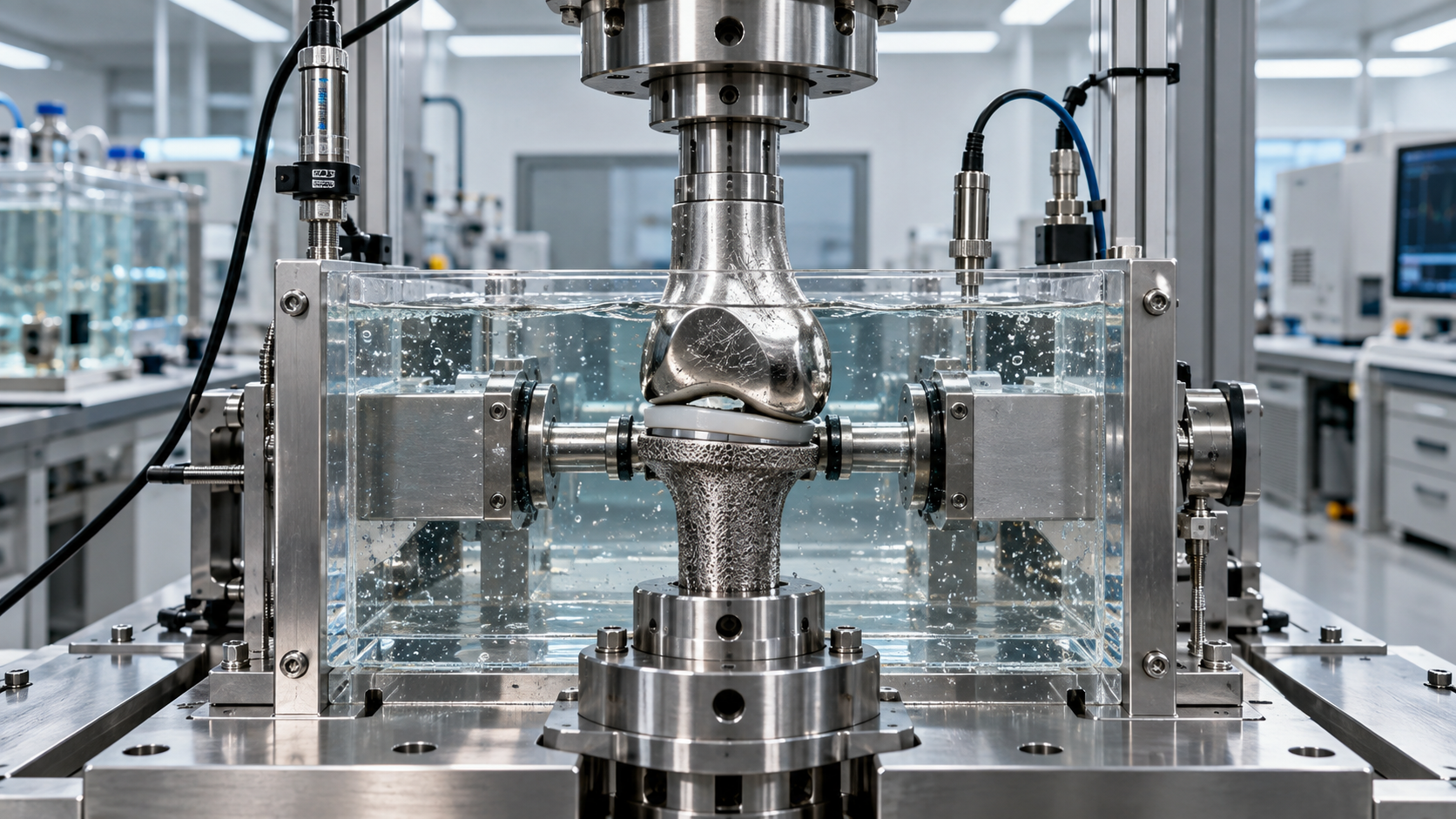
- Mechanical fatigue and interface stability testing
- ISO 10993 biological safety assessment
- Clinical evaluation and long-term follow-up evidence
- Post-market surveillance and revision signal monitoring
Cemented systems face their own evidence burden, including cement handling reproducibility, interface integrity, and revision outcomes.
In both pathways, failure to align design claims with robust evidence can weaken access to regulated markets.
For global commercialization, osseointegration technology should be framed through measurable endpoints, not broad promises of better healing.
Practical Guidance for Product and Market Planning
A practical evaluation framework can reduce fixation-related strategic uncertainty.
- Map fixation strategy to target anatomy, patient profile, and care setting.
- Assess whether osseointegration technology offers real differentiation or only feature inflation.
- Compare lifecycle evidence, not only launch-phase biomechanical data.
- Model procurement outcomes under premium, mid-tier, and VBP scenarios.
- Build regulatory files around explicit fixation claims and risk controls.
- Maintain portfolio flexibility where mixed fixation demand remains strong.
This approach is especially important in orthopedic implants, where osseointegration technology can elevate value but also increases validation complexity.
The strongest strategies link surface engineering, biological safety, clinical evidence, and pricing resilience into one coherent program.
Conclusion and Next-Step Direction
Osseointegration technology and cemented fixation should be viewed as two distinct value models, not as a simple old-versus-new comparison.
Osseointegration technology is increasingly central to advanced orthopedic innovation because it combines biological fixation with high-precision implant engineering.
Cemented fixation remains clinically and commercially relevant where immediate stability, procedural familiarity, and cost control matter most.
The most effective next step is a structured review of fixation claims, evidence readiness, regulatory positioning, and market access assumptions.
Within the IMCS perspective, better decisions emerge when material science, clinical logic, and procurement intelligence are assessed together.
That is where osseointegration technology becomes more than a technical feature.
It becomes a strategic platform for durable outcomes and sustainable differentiation.
Get weekly intelligence in your inbox.
No noise. No sponsored content. Pure intelligence.
News Recommendations
 Oct 26, 2026Can a single approval cover life science product sales worldwide?Can a single approval cover life science product sales worldwide?
 Oct 25, 2026When is sensitization testing needed for medical device biocompatibility?When is sensitization testing needed for medical device biocompatibility?
 Oct 24, 2026How is biocompatibility tested for implantable polymer biomaterials?How is biocompatibility tested for implantable polymer biomaterials?
 Oct 23, 2026How to build reimbursement into an implant commercialization strategyHow to build reimbursement into an implant commercialization strategy
 Oct 22, 2026What clinical evidence do implants need for CE marking under EU MDR?What clinical evidence do implants need for CE marking under EU MDR?
 Oct 21, 2026How to choose disposable laparoscopic stapler reloads for thick tissueHow to choose disposable laparoscopic stapler reloads for thick tissue
 Oct 20, 2026How to assess medical polymer biocompatibility under ISO 10993How to assess medical polymer biocompatibility under ISO 10993
 Oct 19, 2026How do interventional device categories differ in clinical use?How do interventional device categories differ in clinical use?
 Oct 18, 2026When to choose alginate dressings for heavily exuding chronic woundsWhen to choose alginate dressings for heavily exuding chronic wounds
 Oct 17, 2026How is biocompatibility tested for custom medical-grade PEEK implants?How is biocompatibility tested for custom medical-grade PEEK implants?
 Oct 16, 2026How to check a wound healing materials supplier’s biocompatibility dataHow to check a wound healing materials supplier’s biocompatibility data
 Oct 15, 2026How to verify the FDA clearance status of silver wound dressingsHow to verify the FDA clearance status of silver wound dressings
 Oct 14, 2026How to register orthopedic implants and instruments in Latin AmericaHow to register orthopedic implants and instruments in Latin America
 Oct 13, 2026How to use a device market intelligence database to benchmark VBP pricesHow to use a device market intelligence database to benchmark VBP prices
 Oct 12, 2026When should stainless steel orthopedic instruments be replaced?When should stainless steel orthopedic instruments be replaced?
 Oct 11, 2026When are alginate dressings rope the right choice for cavity wounds?When are alginate dressings rope the right choice for cavity wounds?
 Oct 10, 2026When smart minimally invasive technology improves catheter accessWhen smart minimally invasive technology improves catheter access
 Oct 08, 2026Clinical evaluation requirements for cardiovascular implant devices in EuropeClinical evaluation requirements for cardiovascular implant devices in Europe
 Oct 07, 2026What to verify before appointing an artificial joint implants distributorWhat to verify before appointing an artificial joint implants distributor
 Oct 06, 2026How ISO 10993 guides biocompatibility testing for medical materialsHow ISO 10993 guides biocompatibility testing for medical materials
 Oct 05, 2026How to verify an orthopedic implants and instruments exporterHow to verify an orthopedic implants and instruments exporter
 Oct 04, 2026What drives surgical stapling devices price differences in hospital tenders?What drives surgical stapling devices price differences in hospital tenders?
 Oct 03, 2026How to assess a central venous catheter manufacturer's infection-control evidenceHow to assess a central venous catheter manufacturer's infection-control evidence
 Oct 02, 2026How to assess an advanced wound care factory’s quality systemHow to assess an advanced wound care factory’s quality system
 Oct 01, 2026What is driving global medical consumables demand in emerging markets?What is driving global medical consumables demand in emerging markets?
 Sep 30, 2026Implant Material Compliance Testing: Evidence Needed for Regulatory SubmissionImplant Material Compliance Testing: Evidence Needed for Regulatory Submission
 Sep 30, 2026From Corrosion to Fatigue: What Implant Materials Testing Should MeasureFrom Corrosion to Fatigue: What Implant Materials Testing Should Measure