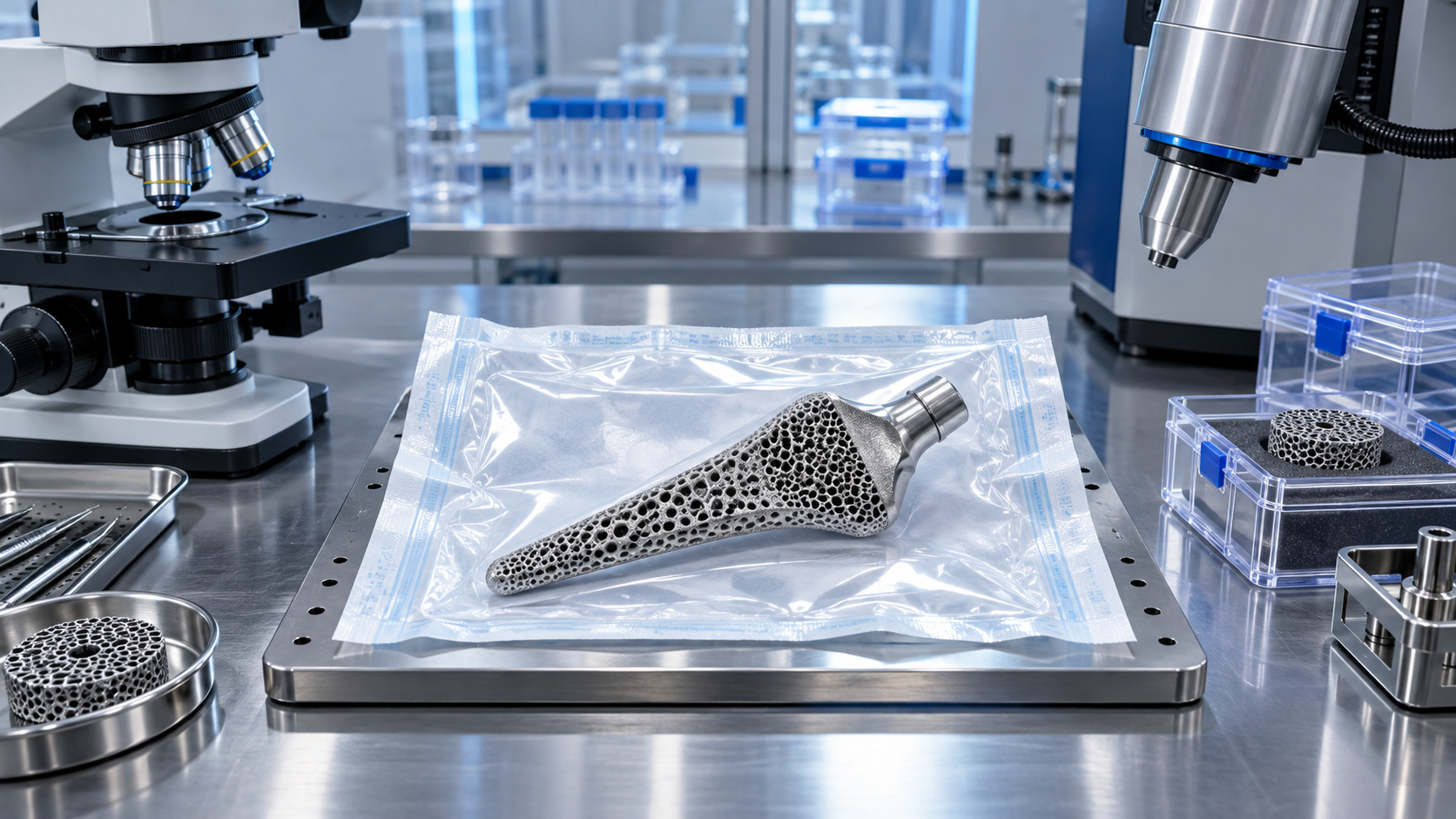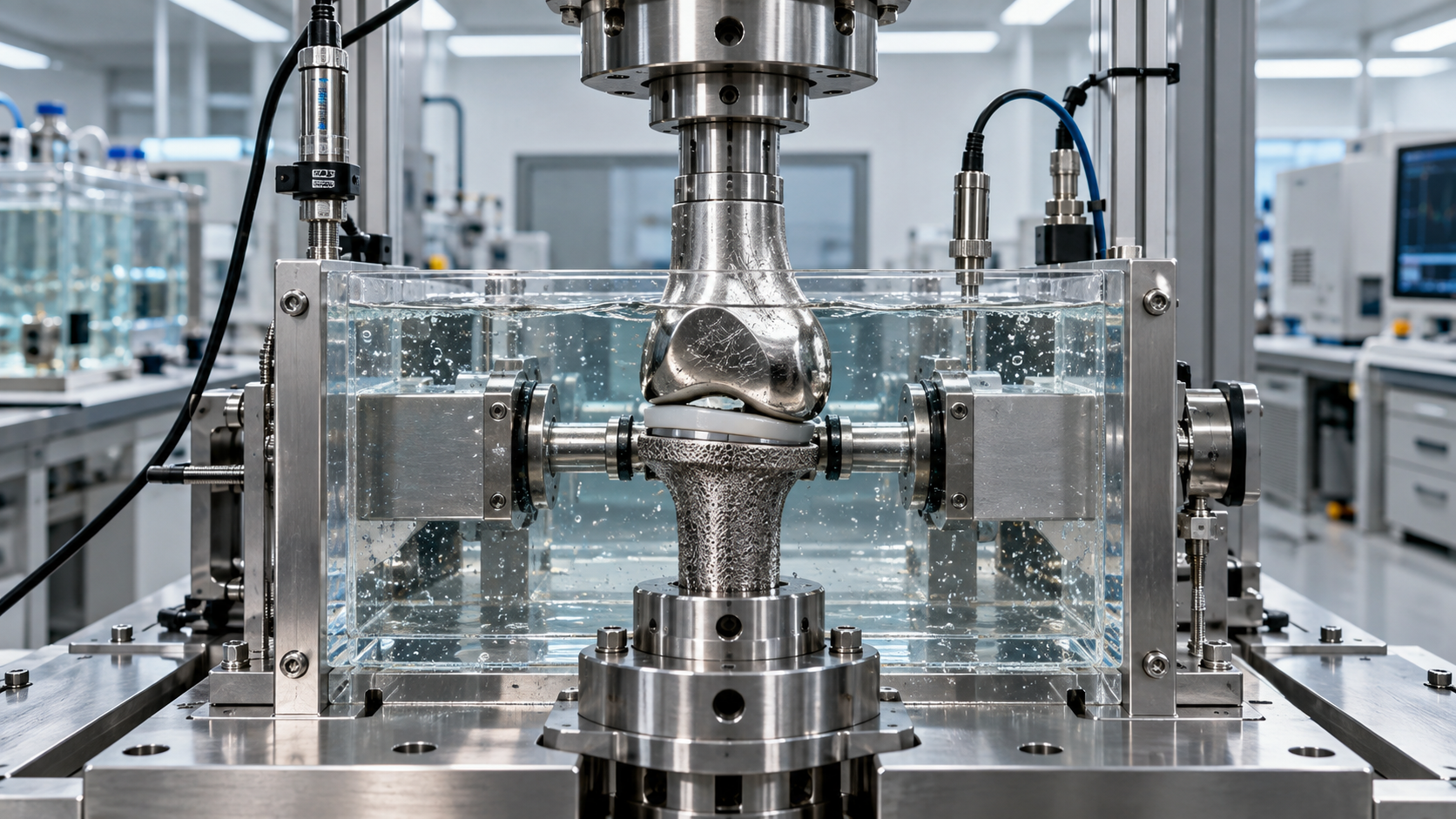
How Precision Medical Machining Affects Implant Fit
In implant manufacturing, precision medical machining is more than a dimensional exercise. It determines whether an implant seats as intended, distributes load correctly, and supports stable tissue response over time.
For orthopedic, cardiovascular, and minimally invasive device systems, tiny errors can become clinical risks. That is why precision medical machining remains central to implant fit, validation strength, and long-term device credibility.
What Precision Medical Machining Means for Implant Fit
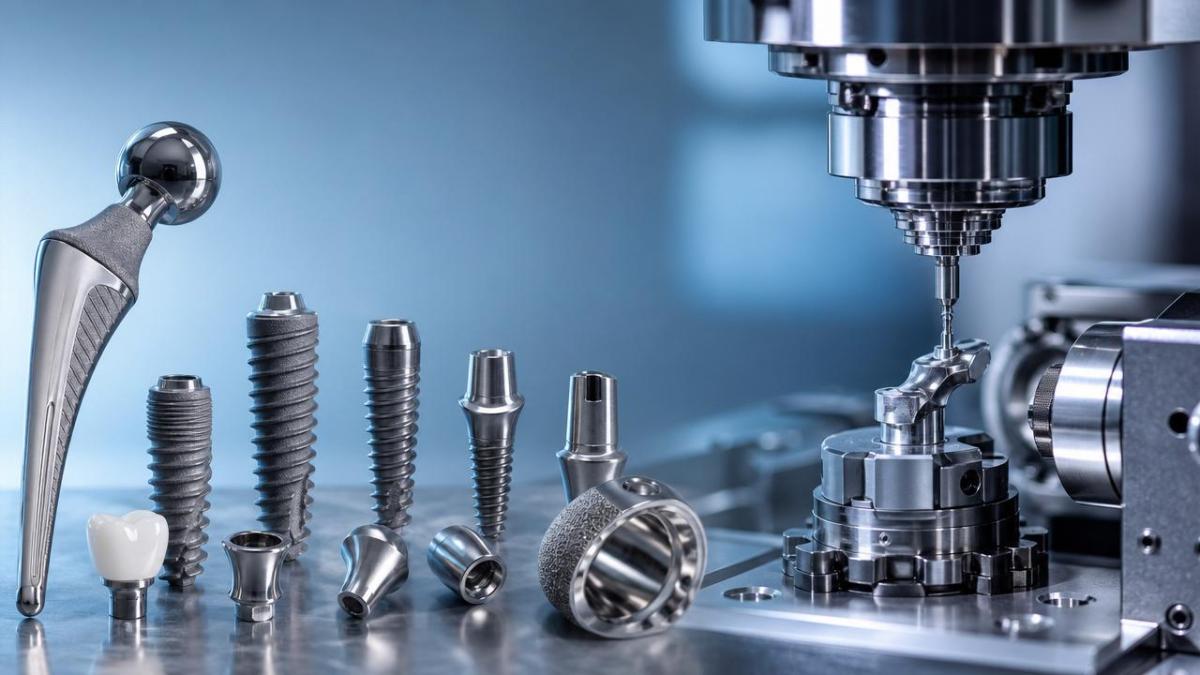
Precision medical machining refers to controlled manufacturing processes that achieve tight tolerances, repeatable geometry, refined surfaces, and consistent part-to-part quality for medical components.
In implant systems, fit is not only about size. It includes interface accuracy, positional alignment, contact stability, surface behavior, and compatibility with surrounding anatomy or companion instruments.
A well-machined implant reduces unwanted micromotion, supports predictable fixation, and improves the chance of smooth implantation. A poorly machined one can create gaps, stress concentration, or insertion difficulty.
This makes precision medical machining a quality driver across the full product lifecycle, from design transfer and pilot builds to regulatory submission, scale production, and post-market consistency.
Core fit factors influenced by machining
- Dimensional tolerance of mating features
- Roundness, concentricity, and flatness
- Surface roughness at fixation or articulation zones
- Edge quality, burr control, and transition smoothness
- Repeatability across lots and machining centers
Industry Context and Why Tolerance Discipline Is Under Scrutiny
Global implant markets now demand simultaneous excellence in safety, cost control, and documentation. That pressure has increased attention on precision medical machining as a measurable source of clinical and commercial value.
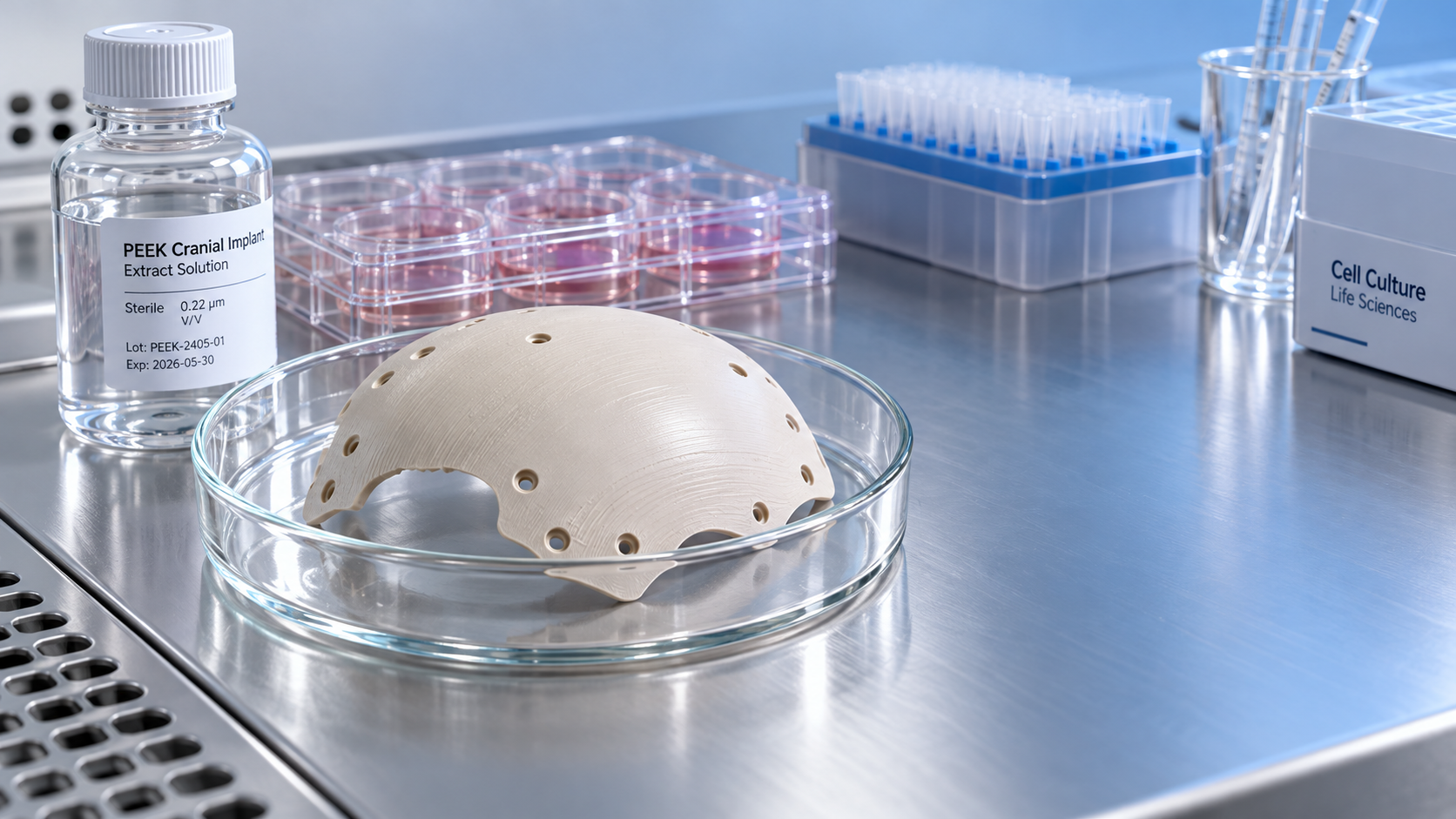
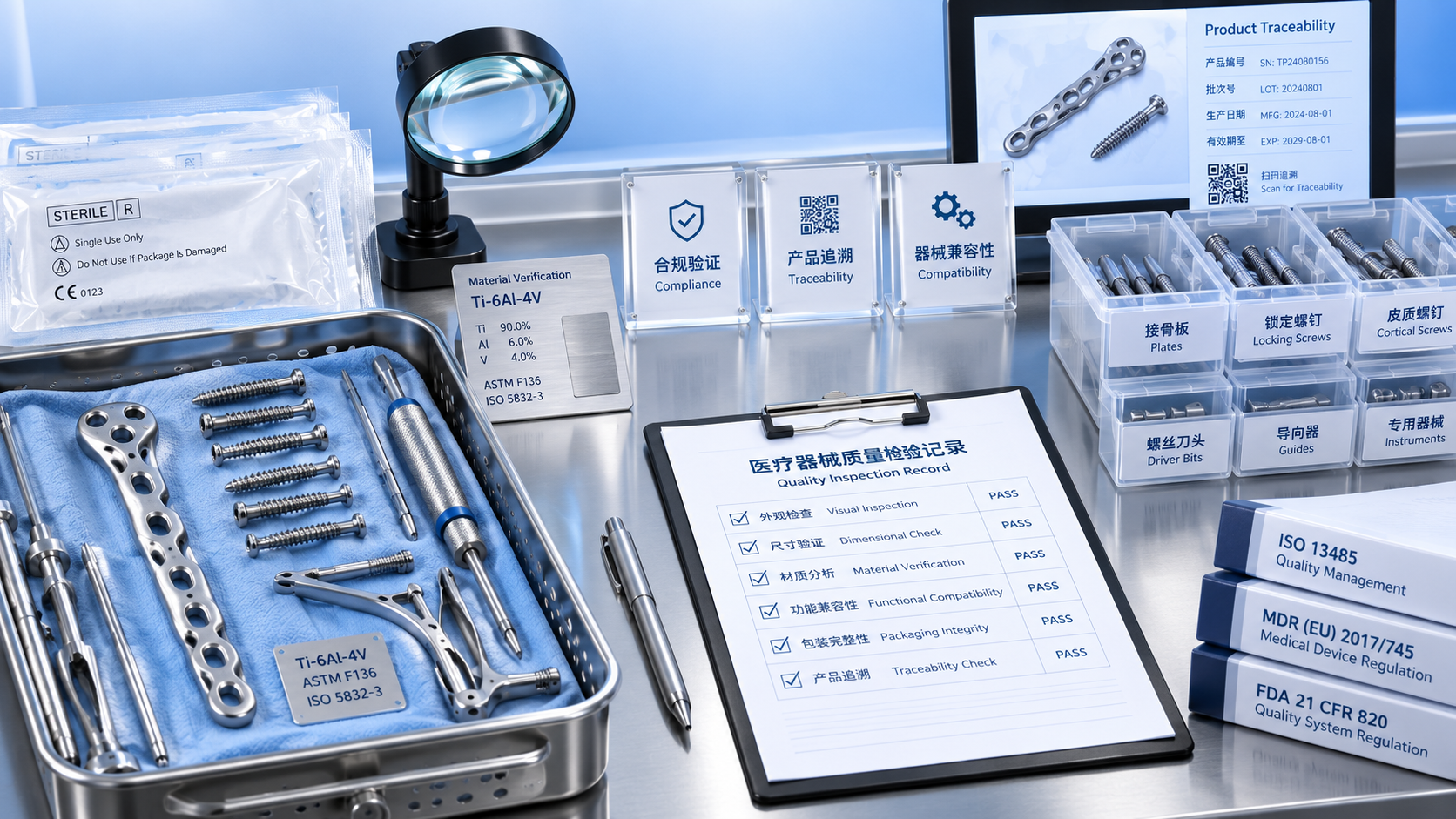
Advanced materials such as titanium alloys, cobalt-chrome, PEEK, and porous structures require different machining strategies. Each material reacts differently to heat, tool wear, and finishing methods.
At the same time, Class III device pathways require stronger evidence that manufacturing variation will not alter performance. Machining capability therefore affects both technical files and market confidence.
Current industry signals linked to precision medical machining
How Precision Medical Machining Changes Clinical and Functional Outcomes
The most direct effect of precision medical machining is predictable implant fit during surgery. When geometry matches the design intent, placement becomes smoother and force transmission becomes more controlled.
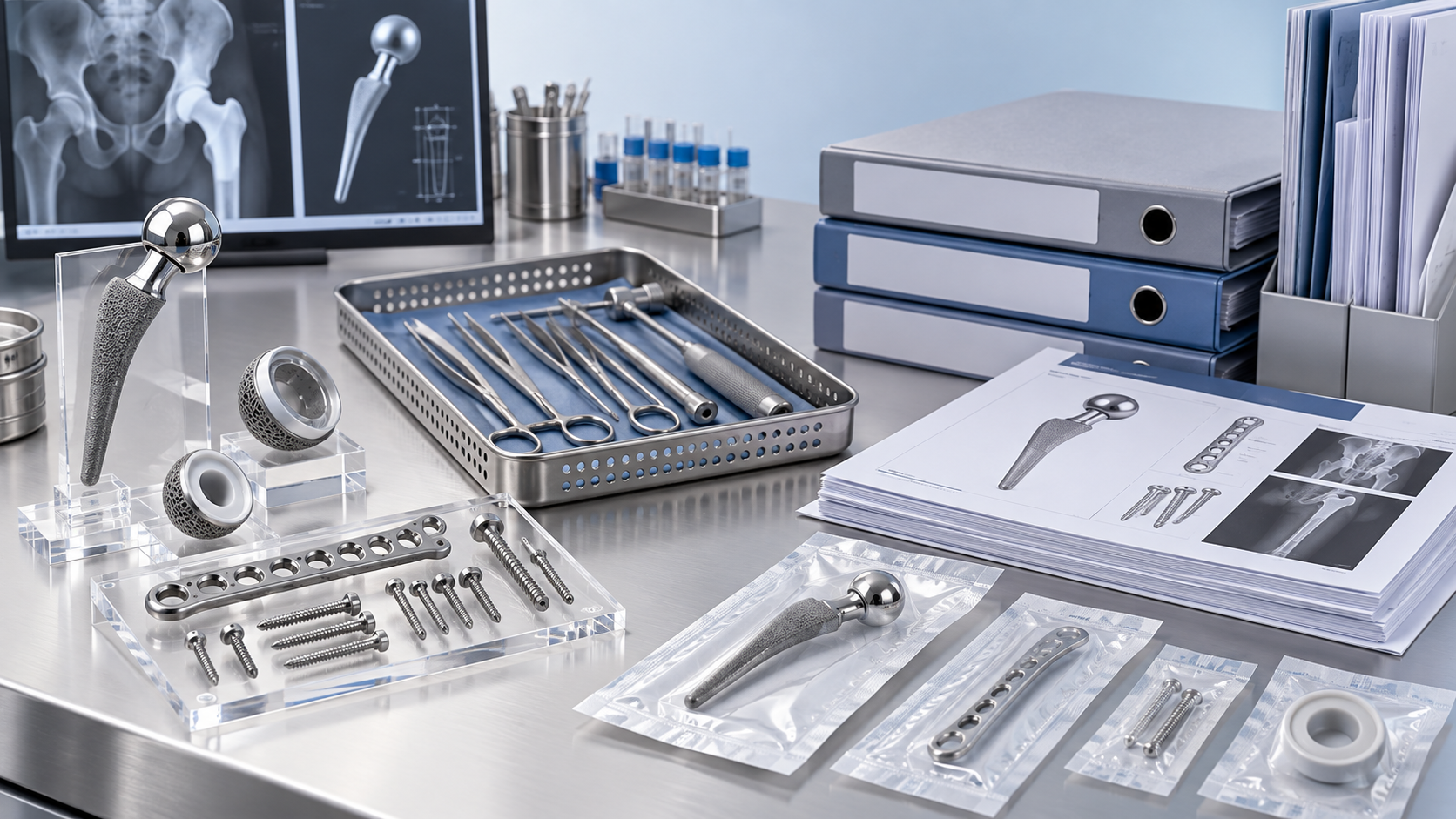
In orthopedic implants, fit affects initial stability. If press-fit surfaces are oversized or inconsistent, insertion can damage bone or create uneven seating. If undersized, fixation may be weak.
For joint systems, machining accuracy also influences kinematics. Small deviations in alignment surfaces or taper interfaces can change load paths, wear behavior, and the risk of fretting.
In spinal implants, accurate threads, slots, and contact faces support controlled engagement with instruments and anatomy. Precision medical machining helps reduce assembly mismatch and procedural variability.
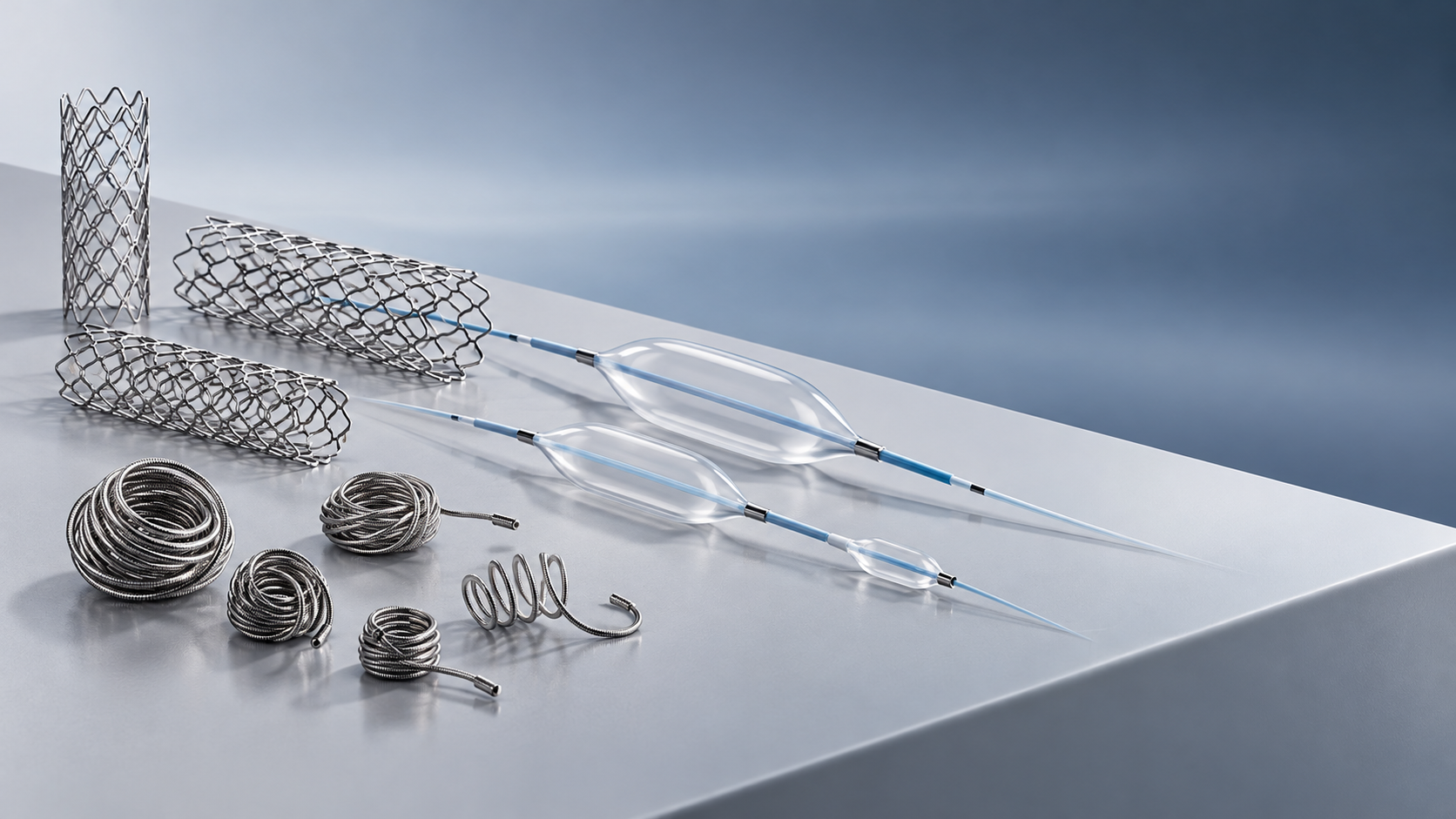
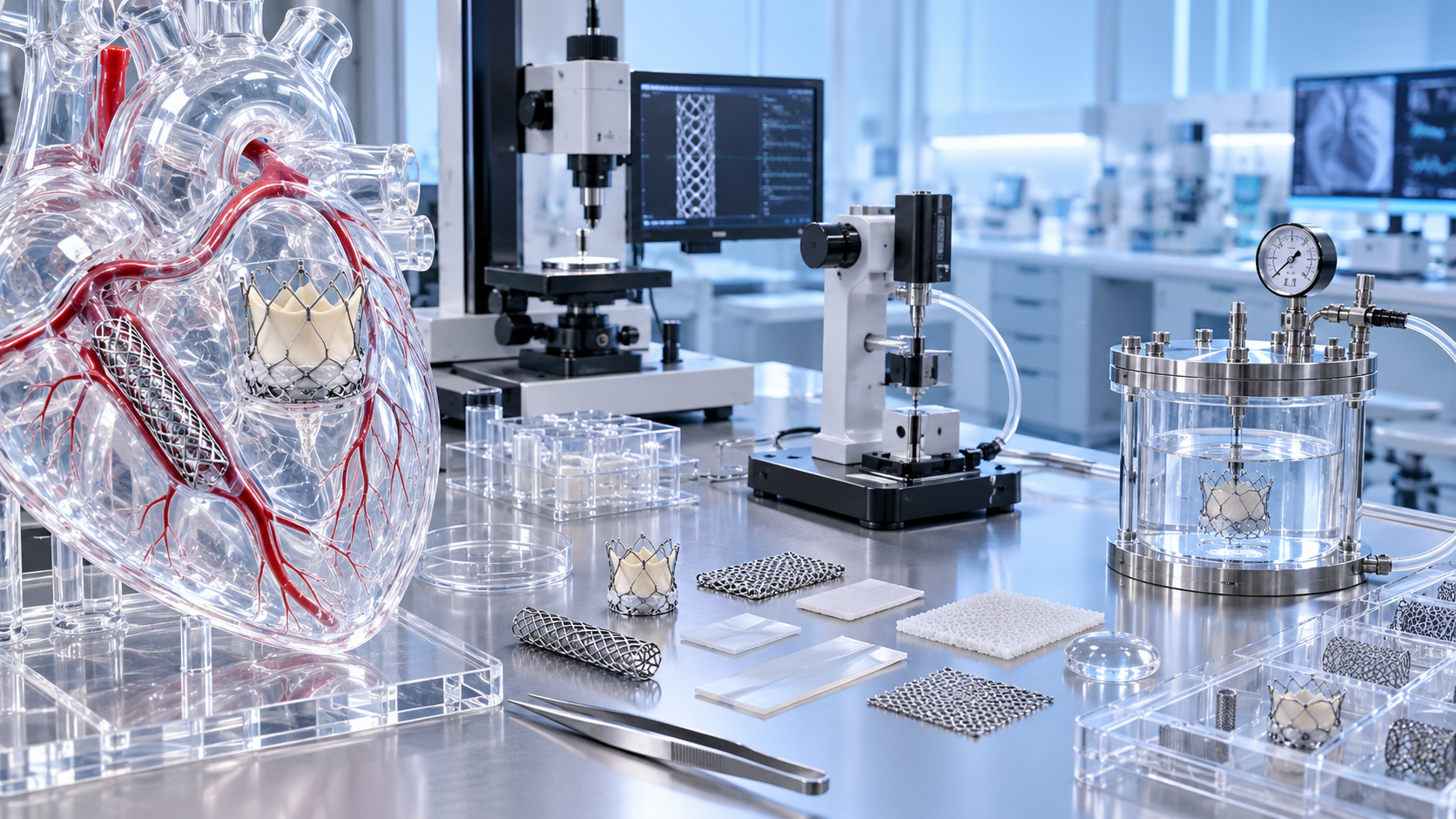
For cardiovascular implants and delivery-related components, concentricity and surface integrity are especially important. Inconsistent finishing may raise friction, affect deployment response, or damage coatings.
Functional benefits often associated with better machining control
- Improved anatomical conformity
- Reduced insertion resistance variability
- More stable mechanical fixation
- Lower risk of unintended wear interfaces
- Better support for osseointegration conditions
Typical Implant Categories Where Fit Depends on Machining Precision
Not every implant uses the same tolerance strategy. However, several high-value categories show clear dependence on precision medical machining for fit-related performance.
Business Significance Across Quality, Regulation, and Market Access
Precision medical machining is not only a technical topic. It influences scrap rates, complaint trends, inspection burden, validation timelines, and the strength of evidence behind performance claims.
When machining variation is well controlled, dimensional capability studies become stronger. That improves confidence in design verification, equivalence arguments, and downstream process validation packages.
For premium implants, reliable fit also supports product differentiation. In a market shaped by pricing pressure, clinically meaningful consistency can protect value better than broad claims alone.
Organizations that track machining quality alongside biological safety and clinical logic often build more resilient product strategies. This is especially relevant for high-risk implant platforms entering regulated global markets.
Key business outcomes tied to machining excellence
- Fewer nonconformities in fit-critical dimensions
- Better alignment between design intent and production reality
- More defensible regulatory documentation
- Lower rework and inspection inefficiency
- Stronger lifecycle consistency after scale-up
Practical Evaluation Points for Precision Medical Machining
Assessing precision medical machining should go beyond checking nominal dimensions. Fit performance depends on the relationship between design features, process capability, surface condition, and inspection strategy.
Several practical points can improve evaluation quality during technical review, supplier qualification, or product comparison.
Recommended review checklist
- Identify fit-critical dimensions before broad tolerance review
- Confirm whether Cp and Cpk reflect actual serial production
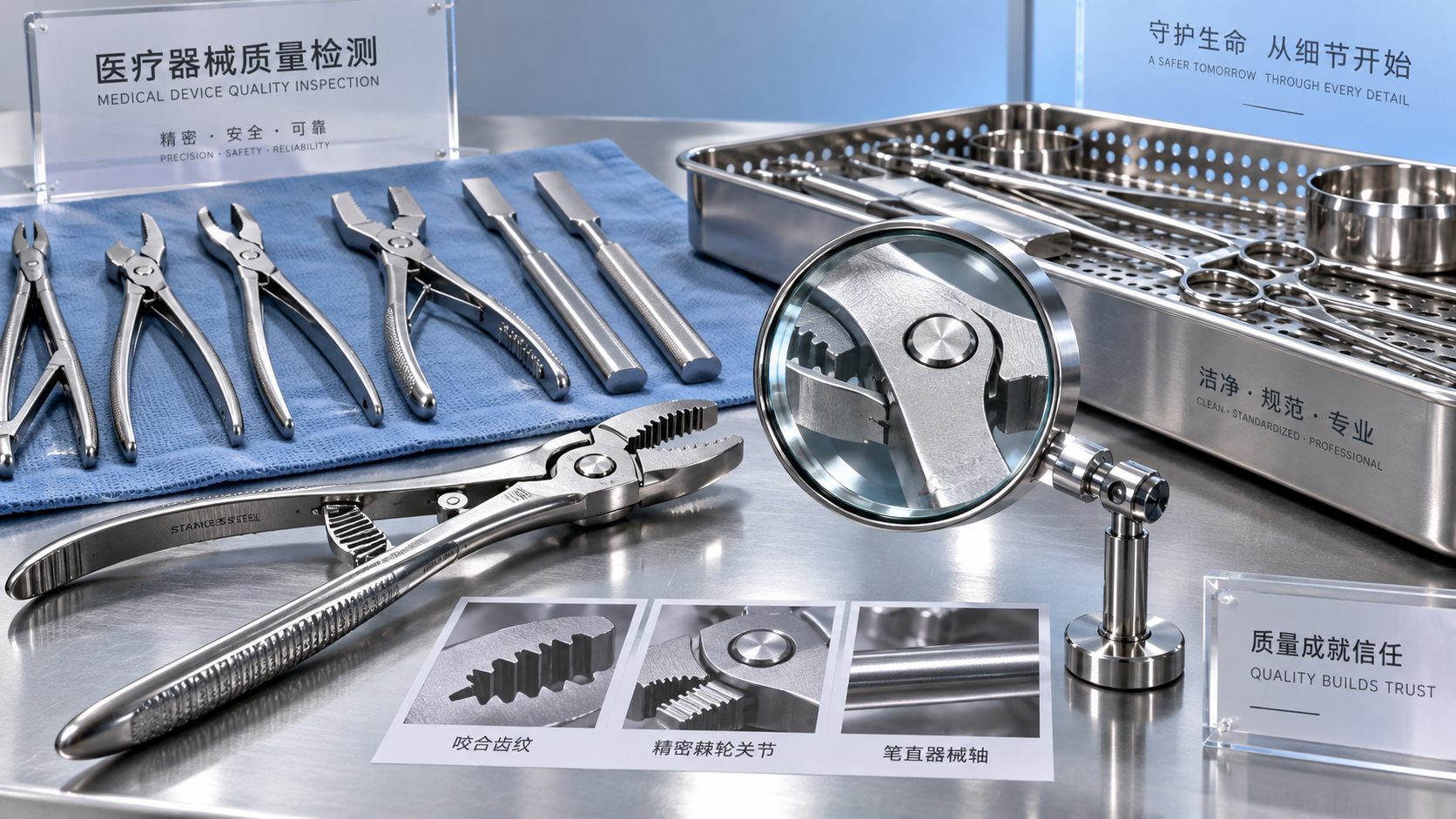
- Examine burr, edge break, and surface transition controls
- Check measurement system capability for tiny features
- Compare prototype results with scaled manufacturing data
- Review material-specific machining and passivation effects
- Link dimensional findings to functional and clinical endpoints
It is also useful to examine whether post-processing changes fit. Polishing, coating, cleaning, sterilization, or packaging stress may alter dimensions or surface characteristics in subtle but important ways.
Next-Step Direction for Better Implant Fit Decisions
Precision medical machining should be treated as a strategic indicator of implant maturity. It connects engineering detail with surgical usability, patient outcomes, and regulatory reliability.
A stronger review path starts with fit-critical feature mapping, followed by capability evidence, surface assessment, and application-specific functional interpretation. That approach reveals real performance, not only drawing compliance.
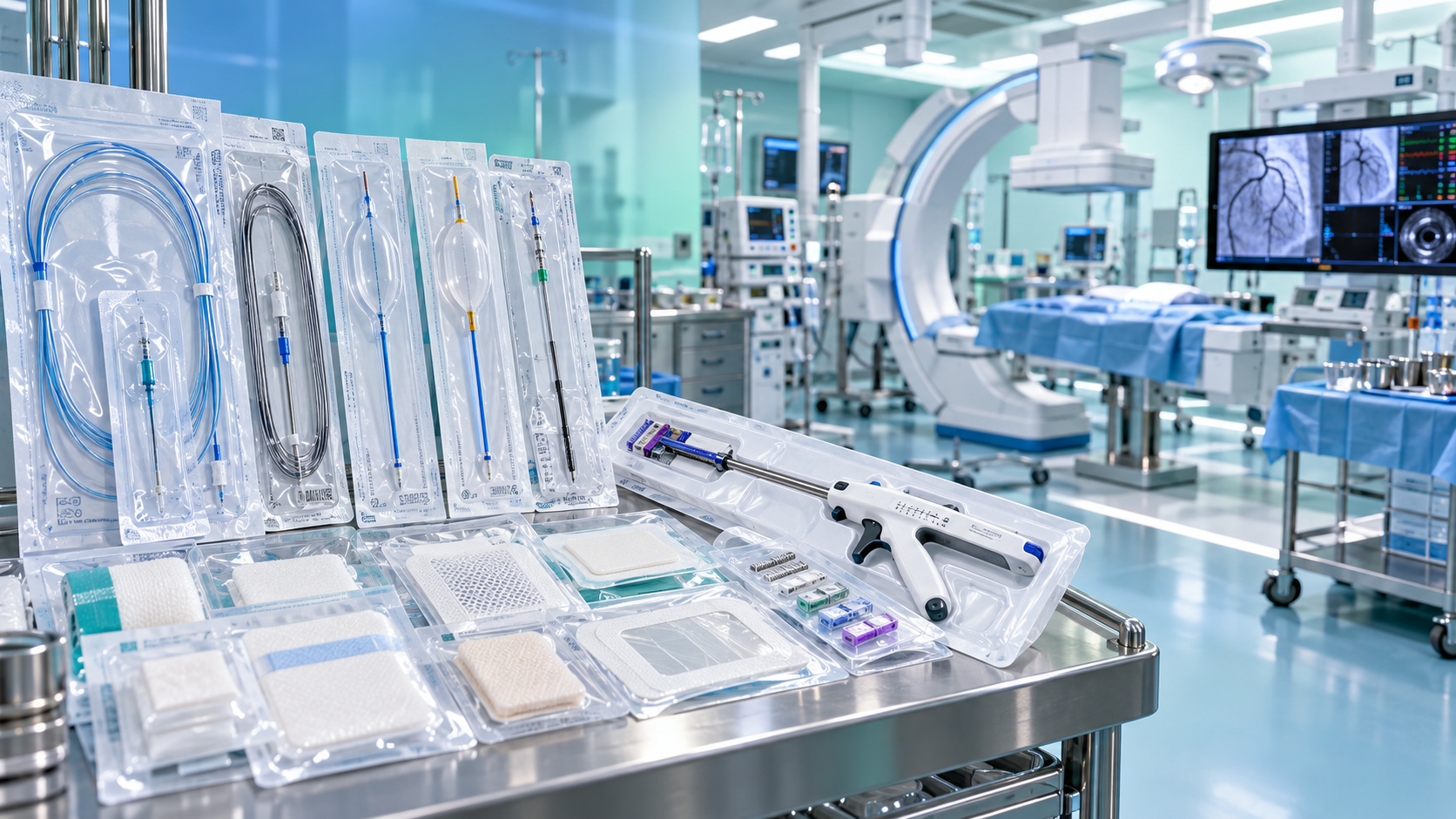
For organizations tracking orthopedic implants, interventional devices, and advanced consumables, precision medical machining offers a practical lens for comparing technology depth and long-term competitiveness.
Use this framework to refine technical due diligence, benchmark implant platforms, and strengthen evidence behind product quality judgments. In high-value devices, fit is never accidental. It is machined into performance.
Get weekly intelligence in your inbox.
No noise. No sponsored content. Pure intelligence.
News Recommendations
 Oct 26, 2026Can a single approval cover life science product sales worldwide?Can a single approval cover life science product sales worldwide?
 Oct 25, 2026When is sensitization testing needed for medical device biocompatibility?When is sensitization testing needed for medical device biocompatibility?
 Oct 24, 2026How is biocompatibility tested for implantable polymer biomaterials?How is biocompatibility tested for implantable polymer biomaterials?
 Oct 23, 2026How to build reimbursement into an implant commercialization strategyHow to build reimbursement into an implant commercialization strategy
 Oct 22, 2026What clinical evidence do implants need for CE marking under EU MDR?What clinical evidence do implants need for CE marking under EU MDR?
 Oct 21, 2026How to choose disposable laparoscopic stapler reloads for thick tissueHow to choose disposable laparoscopic stapler reloads for thick tissue
 Oct 20, 2026How to assess medical polymer biocompatibility under ISO 10993How to assess medical polymer biocompatibility under ISO 10993
 Oct 19, 2026How do interventional device categories differ in clinical use?How do interventional device categories differ in clinical use?
 Oct 18, 2026When to choose alginate dressings for heavily exuding chronic woundsWhen to choose alginate dressings for heavily exuding chronic wounds
 Oct 17, 2026How is biocompatibility tested for custom medical-grade PEEK implants?How is biocompatibility tested for custom medical-grade PEEK implants?
 Oct 16, 2026How to check a wound healing materials supplier’s biocompatibility dataHow to check a wound healing materials supplier’s biocompatibility data
 Oct 15, 2026How to verify the FDA clearance status of silver wound dressingsHow to verify the FDA clearance status of silver wound dressings
 Oct 14, 2026How to register orthopedic implants and instruments in Latin AmericaHow to register orthopedic implants and instruments in Latin America
 Oct 13, 2026How to use a device market intelligence database to benchmark VBP pricesHow to use a device market intelligence database to benchmark VBP prices
 Oct 12, 2026When should stainless steel orthopedic instruments be replaced?When should stainless steel orthopedic instruments be replaced?
 Oct 11, 2026When are alginate dressings rope the right choice for cavity wounds?When are alginate dressings rope the right choice for cavity wounds?
 Oct 10, 2026When smart minimally invasive technology improves catheter accessWhen smart minimally invasive technology improves catheter access
 Oct 08, 2026Clinical evaluation requirements for cardiovascular implant devices in EuropeClinical evaluation requirements for cardiovascular implant devices in Europe
 Oct 07, 2026What to verify before appointing an artificial joint implants distributorWhat to verify before appointing an artificial joint implants distributor
 Oct 06, 2026How ISO 10993 guides biocompatibility testing for medical materialsHow ISO 10993 guides biocompatibility testing for medical materials
 Oct 05, 2026How to verify an orthopedic implants and instruments exporterHow to verify an orthopedic implants and instruments exporter
 Oct 04, 2026What drives surgical stapling devices price differences in hospital tenders?What drives surgical stapling devices price differences in hospital tenders?
 Oct 03, 2026How to assess a central venous catheter manufacturer's infection-control evidenceHow to assess a central venous catheter manufacturer's infection-control evidence
 Oct 02, 2026How to assess an advanced wound care factory’s quality systemHow to assess an advanced wound care factory’s quality system
 Oct 01, 2026What is driving global medical consumables demand in emerging markets?What is driving global medical consumables demand in emerging markets?
 Sep 30, 2026Implant Material Compliance Testing: Evidence Needed for Regulatory SubmissionImplant Material Compliance Testing: Evidence Needed for Regulatory Submission
 Sep 30, 2026From Corrosion to Fatigue: What Implant Materials Testing Should MeasureFrom Corrosion to Fatigue: What Implant Materials Testing Should Measure