Smart Minimally Invasive Technology Trends in Hydrophilic Microcatheter Design
As smart minimally invasive technology reshapes interventional care, hydrophilic microcatheter design is becoming a strategic focus for medical device innovators. For enterprise decision-makers, understanding the latest trends in coating performance, navigational precision, biocompatibility, and regulatory alignment is essential to capturing market opportunities and strengthening competitiveness in high-value cardiovascular and neurovascular applications.
Why is hydrophilic microcatheter design now a board-level topic?

Hydrophilic microcatheters have moved far beyond being simple delivery accessories. In smart minimally invasive technology, they are now critical interface devices that influence lesion access, procedural time, physician control, and downstream implant success.
For decision-makers, that shift changes procurement logic. The discussion is no longer only about unit price. It is about procedural reliability, compatibility with guidewires and implants, regulatory exposure, and product differentiation under increasing cost pressure.
This is especially true in cardiovascular and neurovascular intervention, where vessel tortuosity, target precision, and surface interaction can determine whether a premium device platform gains adoption or faces clinician resistance.
What is driving the urgency?
- More complex anatomies are being treated through less invasive access pathways, raising performance demands on lubricity, trackability, and pushability.
- Hospitals and distributors increasingly compare total procedural value, not just component cost, especially in premium neuro and coronary segments.
- Regulators are paying closer attention to extractables, particulate risk, coating durability, and biological safety for polymer-based intravascular devices.
- Volume-Based Procurement and global price compression force manufacturers to prove technical value that can defend margins.
Within this context, IMCS brings a cross-functional lens. The platform connects material science, Class III device regulation, clinical logic, and pricing intelligence, which is exactly the combination executive teams need when evaluating smart minimally invasive technology investments.
Which design trends are redefining smart minimally invasive technology in microcatheters?
Hydrophilic microcatheter innovation is happening at several layers at once. Surface chemistry, shaft architecture, distal tip engineering, radiopacity, and compatibility design now evolve together rather than in isolation.
1. Smarter hydrophilic coating systems
The latest priority is not simply low friction. Buyers increasingly ask whether lubricity remains stable after repeated manipulation, prolonged exposure to saline, and contact with introducers, guidewires, and calcified anatomy.
A modern coating strategy must balance slipperiness with adhesion strength. If a coating performs well initially but degrades during navigation, the commercial risk includes physician dissatisfaction, adverse event scrutiny, and expensive redesign cycles.
2. Multi-durometer shaft construction
Manufacturers increasingly use gradual stiffness transitions from proximal to distal sections. This approach supports torque response and push transmission proximally while preserving soft atraumatic behavior at the distal end.
In smart minimally invasive technology, this zoned architecture helps solve a familiar trade-off: devices must be supportive enough for device delivery but flexible enough for distal vessel access.
3. Precision tip shaping and atraumatic profiles
Distal tip geometry is receiving greater design attention. A softer tip can reduce trauma risk, but if visibility and shape retention are weak, physicians may lose confidence in difficult anatomy.
As a result, design teams are combining softer polymer tips with improved marker placement and tighter dimensional control to enhance both safety and operator feedback.
4. Compatibility with broader intervention ecosystems
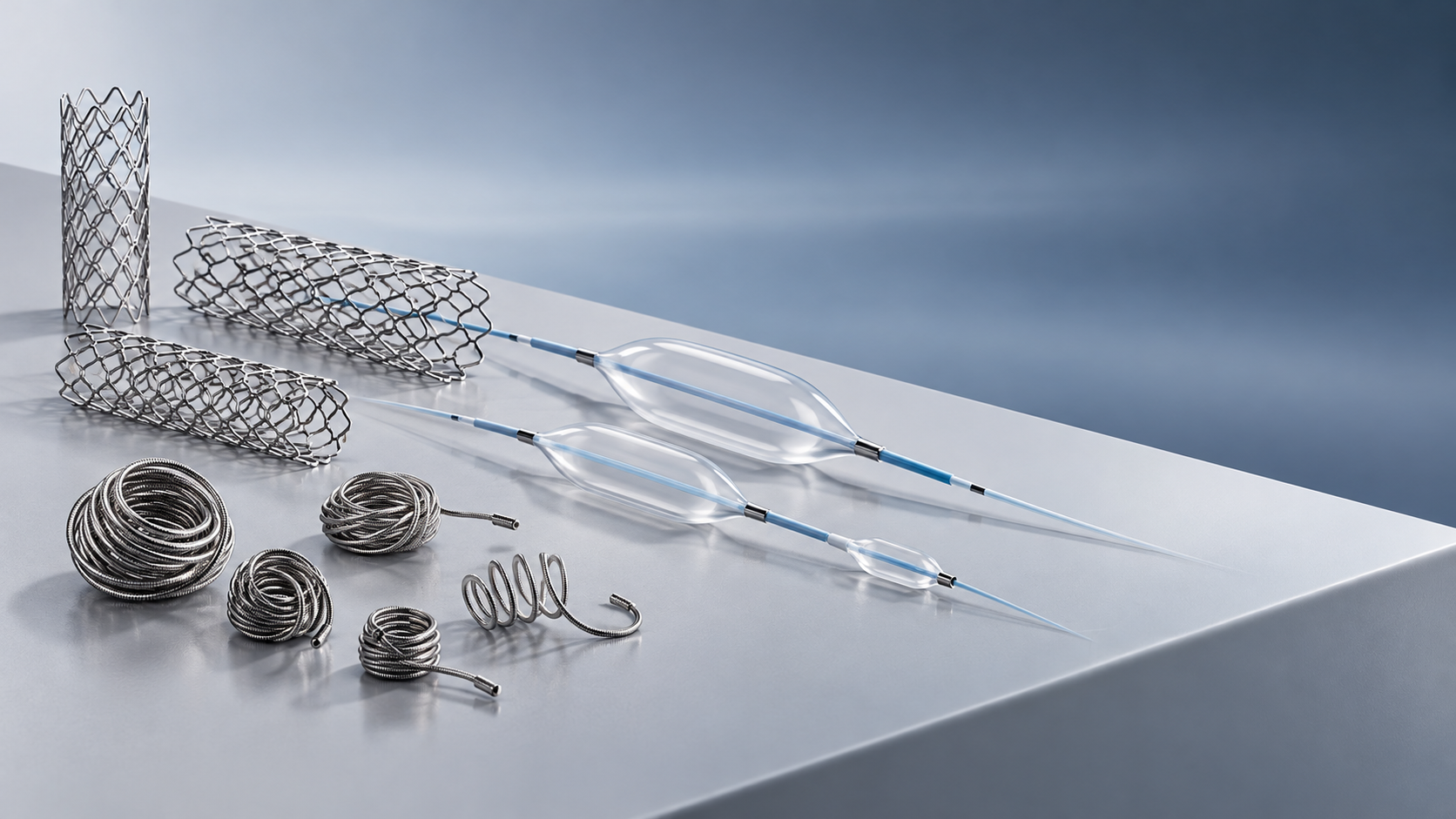
Microcatheters now need to integrate smoothly with guidewires, embolic agents, coils, stents, and aspiration or delivery systems. Compatibility failures often appear late in commercialization and can become hidden cost drivers.
For this reason, platform-minded companies evaluate microcatheters as part of an interventional pathway, not as isolated SKUs.
What performance dimensions should procurement teams compare first?
When comparing smart minimally invasive technology options, procurement teams should build a performance matrix that reflects clinical use, manufacturing risk, and commercialization impact. The table below highlights the most practical review dimensions.
This framework helps teams avoid a common mistake: selecting by headline claims alone. In high-value interventional care, the most expensive choice is often the product that appears acceptable in bench review but creates friction in clinical adoption or regulatory review.
A practical review checklist
- Request evidence for coating integrity under realistic use conditions rather than static friction claims alone.
- Verify compatibility with the guidewire sizes and implant systems targeted by your commercial strategy.
- Review the manufacturer’s control of polymer processing, extrusion consistency, and tip assembly repeatability.
- Align product claims with available technical documentation to reduce submission and labeling risk.
How do cardiovascular and neurovascular scenarios change design priorities?
Not all hydrophilic microcatheters should be assessed through the same lens. Smart minimally invasive technology succeeds when product design matches anatomy, procedure type, and physician workflow.
The following comparison table can help executive teams align portfolio planning and supplier selection with actual market segments.
The key insight is simple: one generic design rarely optimizes all scenarios. Decision-makers who segment by application can reduce failed launches and improve pricing logic across differentiated product lines.
Why do compliance and biocompatibility shape commercial success?
In this category, engineering excellence is only part of the equation. Hydrophilic microcatheters sit at the intersection of polymer science, blood-contacting use, and demanding regulatory pathways. That makes compliance strategy a commercial issue, not a back-office issue.
Key standards and review themes
- ISO 10993 remains central for biological evaluation, including cytotoxicity, irritation, and sensitization considerations based on device nature and duration of contact.
- For CE MDR pathways, technical documentation and clinical evaluation must align with intended use, risk profile, and available evidence.
- Coating-related risks may trigger closer questions around particulates, extractables, and consistency of manufacturing controls.
- Post-market surveillance expectations continue to rise, especially for high-risk interventional devices used in critical vascular territories.
This is where IMCS provides meaningful strategic value. Its intelligence model links toxicology interpretation, clinical evidence logic, and market access realities. That combination helps manufacturers avoid treating regulatory work as a late-stage documentation task.
Common executive mistakes
- Assuming a strong coating concept automatically translates into regulatory acceptability without full biological risk assessment.
- Underestimating the gap between lab performance claims and evidence acceptable in international submissions.
- Treating VBP or tender pricing as separate from technical positioning, when differentiation is often the only margin defense.
How should enterprises approach supplier selection and cost control?
Cost discipline matters, but low purchase price is not the same as low ownership cost. In smart minimally invasive technology, hidden cost often comes from failed validation, inconsistent supply, complaint handling, or limited ability to expand into premium segments.
A balanced procurement model
Procurement teams should score suppliers across technical depth, process control, regulatory readiness, and responsiveness during development changes. This is particularly important for hydrophilic-coated devices, where small process shifts can alter final performance.
For companies facing aggressive tender environments, the smarter question is not “Which supplier is cheapest?” but “Which supplier best supports a defendable market position at acceptable lifecycle cost?”
Questions worth asking before commitment
- How stable is the coating process across batches and production scale?
- What documentation can support regulatory submissions in target markets?
- How quickly can dimensional or tip-profile customization be assessed?
- What is the expected impact of raw material choice on lead time and validation burden?
- Can the supplier support samples for physician evaluation and engineering verification without creating documentation gaps?
FAQ: what do buyers and product leaders ask most about smart minimally invasive technology?
How do we choose between higher lubricity and higher coating durability?
The right answer depends on use case. In difficult neurovascular access, extreme slipperiness may be valuable, but it should not come at the expense of adhesion stability. Decision-makers should review both initial lubricity and durability under repeated clinical simulation.
Are hydrophilic microcatheters only relevant in neurovascular procedures?
No. They are highly relevant in coronary, peripheral, and embolization workflows as well. The design emphasis changes by segment, but the underlying smart minimally invasive technology value remains similar: improved access, smoother navigation, and more controlled delivery.
What procurement mistake creates the biggest downstream risk?
Selecting a device based on a limited specification sheet without testing alignment to real application scenarios is a major risk. A strong review should cover clinical handling logic, regulatory fit, compatibility, and manufacturing consistency together.
How important is regulatory planning at the design stage?
It is essential. For blood-contacting polymer devices, design decisions influence biological evaluation strategy, technical documentation, and market access timelines. Early planning often saves far more time and cost than late corrective work.
What will the next phase of smart minimally invasive technology look like?
The next phase will likely combine better material intelligence with tighter procedural integration. Expect stronger focus on controlled surface behavior, finer distal access, improved visibility, and device ecosystems built around specific intervention pathways.
Commercial winners will be companies that integrate R&D, clinical evidence, and pricing strategy early. In other words, technical innovation alone will not be enough. The market increasingly rewards organizations that can convert smart minimally invasive technology into credible, compliant, and economically resilient portfolios.
Why work with IMCS when evaluating hydrophilic microcatheter opportunities?
IMCS supports decision-makers who need more than fragmented market notes. Its expertise spans orthopedic implants, cardiovascular interventional consumables, minimally invasive surgical systems, medical polymer catheters, advanced wound materials, and the regulatory-financial dynamics that connect them.
For hydrophilic microcatheter programs, IMCS can help you assess parameter priorities, compare design paths, review regulatory considerations, and understand how technical differentiation may perform under real pricing pressure and tender conditions.
You can consult IMCS on:
- Parameter confirmation for lubricity, shaft construction, tip performance, and compatibility planning
- Product selection logic for cardiovascular, neurovascular, and peripheral intervention scenarios
- Delivery cycle discussion, sampling support, and development-stage coordination needs
- Customization feasibility, material pathway evaluation, and risk screening for new programs
- Certification and regulatory requirement mapping, including biological evaluation and clinical documentation concerns
- Quotation communication strategies tied to market positioning rather than price alone
If your team is reviewing smart minimally invasive technology for next-stage growth, IMCS can help you turn technical questions into clearer sourcing, compliance, and commercialization decisions.
Get weekly intelligence in your inbox.
No noise. No sponsored content. Pure intelligence.
News Recommendations
 Oct 26, 2026Can a single approval cover life science product sales worldwide?Can a single approval cover life science product sales worldwide?
 Oct 25, 2026When is sensitization testing needed for medical device biocompatibility?When is sensitization testing needed for medical device biocompatibility?
 Oct 24, 2026How is biocompatibility tested for implantable polymer biomaterials?How is biocompatibility tested for implantable polymer biomaterials?
 Oct 23, 2026How to build reimbursement into an implant commercialization strategyHow to build reimbursement into an implant commercialization strategy
 Oct 22, 2026What clinical evidence do implants need for CE marking under EU MDR?What clinical evidence do implants need for CE marking under EU MDR?
 Oct 21, 2026How to choose disposable laparoscopic stapler reloads for thick tissueHow to choose disposable laparoscopic stapler reloads for thick tissue
 Oct 20, 2026How to assess medical polymer biocompatibility under ISO 10993How to assess medical polymer biocompatibility under ISO 10993
 Oct 19, 2026How do interventional device categories differ in clinical use?How do interventional device categories differ in clinical use?
 Oct 18, 2026When to choose alginate dressings for heavily exuding chronic woundsWhen to choose alginate dressings for heavily exuding chronic wounds
 Oct 17, 2026How is biocompatibility tested for custom medical-grade PEEK implants?How is biocompatibility tested for custom medical-grade PEEK implants?
 Oct 16, 2026How to check a wound healing materials supplier’s biocompatibility dataHow to check a wound healing materials supplier’s biocompatibility data
 Oct 15, 2026How to verify the FDA clearance status of silver wound dressingsHow to verify the FDA clearance status of silver wound dressings
 Oct 14, 2026How to register orthopedic implants and instruments in Latin AmericaHow to register orthopedic implants and instruments in Latin America
 Oct 13, 2026How to use a device market intelligence database to benchmark VBP pricesHow to use a device market intelligence database to benchmark VBP prices
 Oct 12, 2026When should stainless steel orthopedic instruments be replaced?When should stainless steel orthopedic instruments be replaced?
 Oct 11, 2026When are alginate dressings rope the right choice for cavity wounds?When are alginate dressings rope the right choice for cavity wounds?
 Oct 10, 2026When smart minimally invasive technology improves catheter accessWhen smart minimally invasive technology improves catheter access
 Oct 08, 2026Clinical evaluation requirements for cardiovascular implant devices in EuropeClinical evaluation requirements for cardiovascular implant devices in Europe
 Oct 07, 2026What to verify before appointing an artificial joint implants distributorWhat to verify before appointing an artificial joint implants distributor
 Oct 06, 2026How ISO 10993 guides biocompatibility testing for medical materialsHow ISO 10993 guides biocompatibility testing for medical materials
 Oct 05, 2026How to verify an orthopedic implants and instruments exporterHow to verify an orthopedic implants and instruments exporter
 Oct 04, 2026What drives surgical stapling devices price differences in hospital tenders?What drives surgical stapling devices price differences in hospital tenders?
 Oct 03, 2026How to assess a central venous catheter manufacturer's infection-control evidenceHow to assess a central venous catheter manufacturer's infection-control evidence
 Oct 02, 2026How to assess an advanced wound care factory’s quality systemHow to assess an advanced wound care factory’s quality system
 Oct 01, 2026What is driving global medical consumables demand in emerging markets?What is driving global medical consumables demand in emerging markets?
 Sep 30, 2026Implant Material Compliance Testing: Evidence Needed for Regulatory SubmissionImplant Material Compliance Testing: Evidence Needed for Regulatory Submission
 Sep 30, 2026From Corrosion to Fatigue: What Implant Materials Testing Should MeasureFrom Corrosion to Fatigue: What Implant Materials Testing Should Measure