Wound Healing Technologies in 2026: What Is Gaining Clinical Use
In 2026, wound healing technologies are moving from promising innovation to measurable clinical adoption, reshaping how providers manage chronic wounds, burns, and post-surgical recovery. For healthcare stakeholders across materials, devices, regulation, and supply, understanding which solutions are gaining real clinical use is essential for matching demand, meeting evidence standards, and identifying durable opportunities in advanced wound care.
What do wound healing technologies mean in 2026 clinical practice?
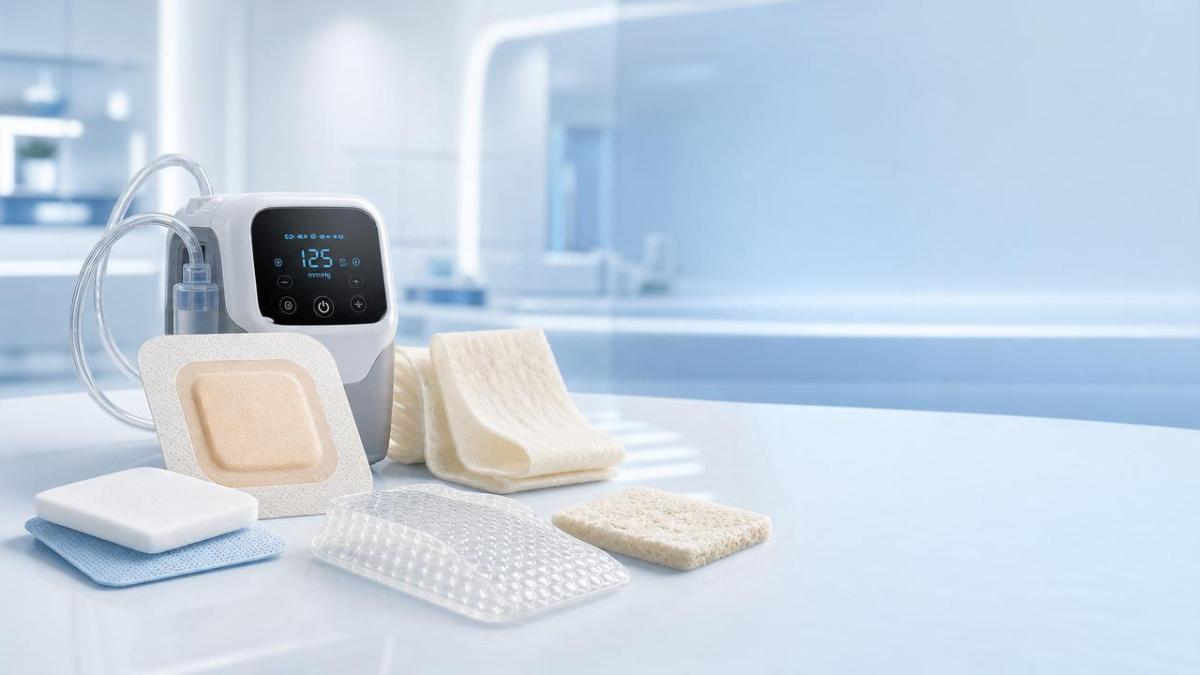
In practical terms, wound healing technologies now refer to tools with proven workflow fit, reimbursement pathways, and repeatable outcomes in real care settings.
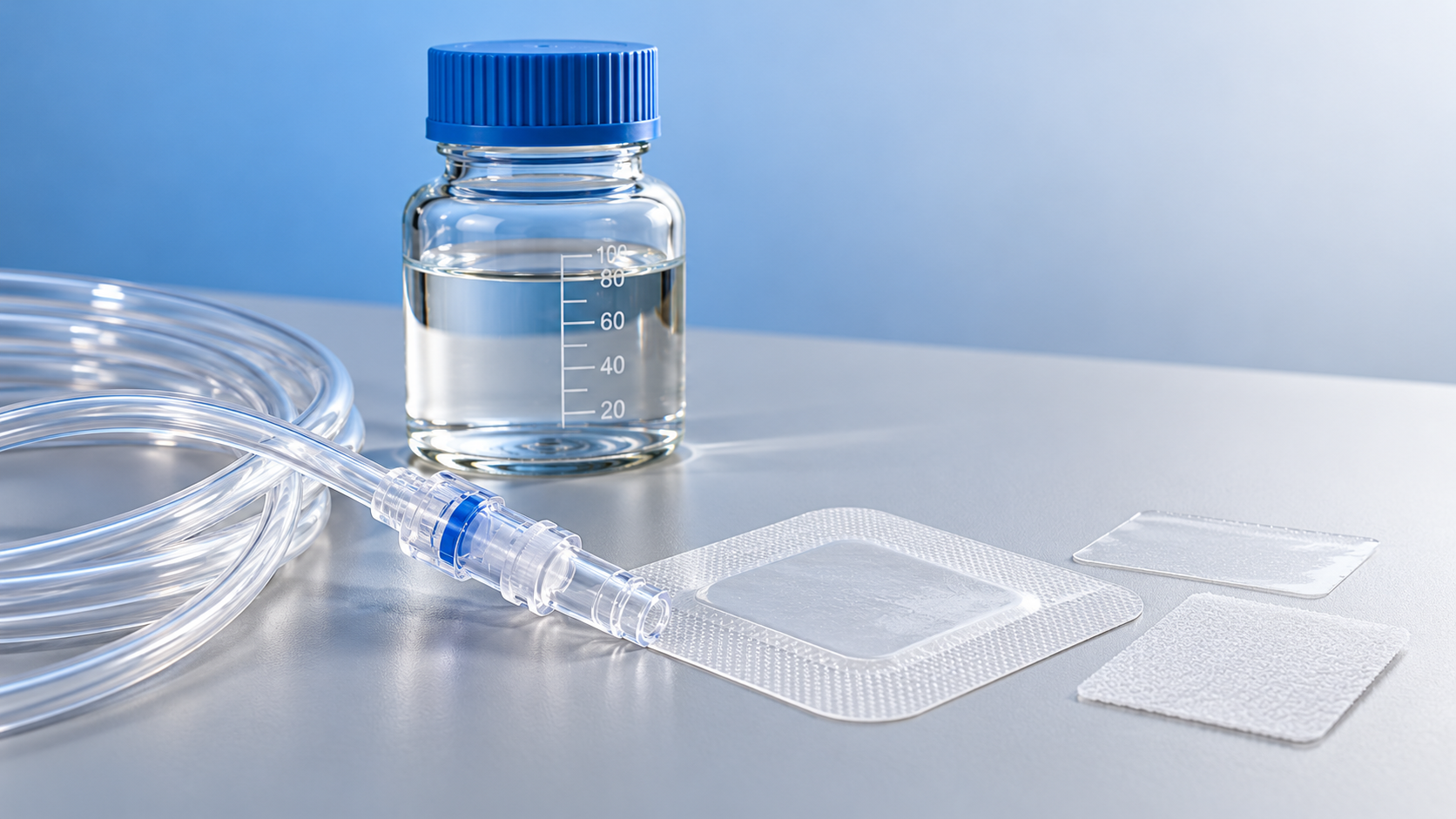
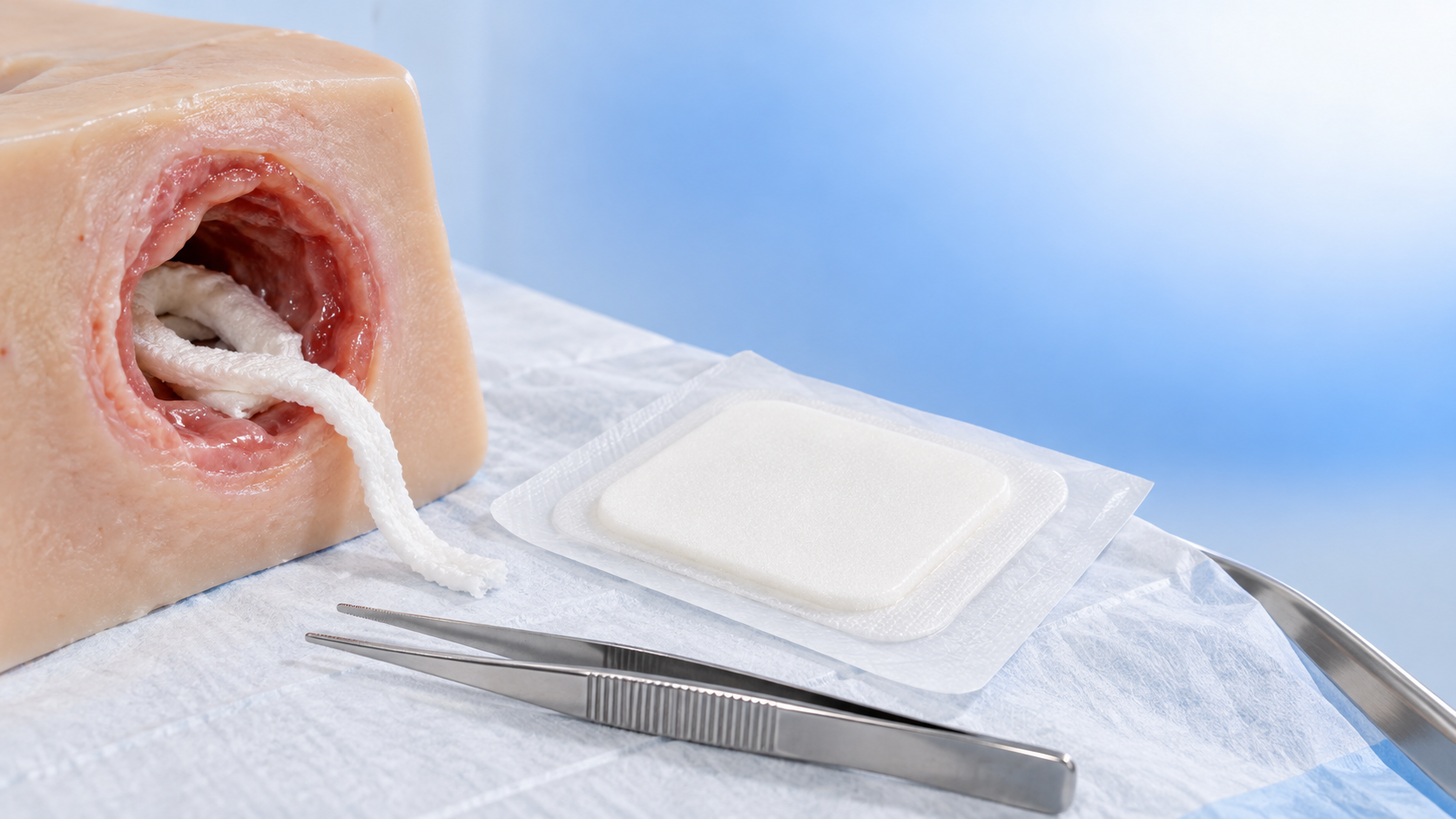
The market is no longer centered on simple dressings alone. It now includes smart foams, NPWT platforms, bioactive matrices, antimicrobial layers, and digital monitoring support.
Clinical use is growing where technologies reduce infection risk, maintain moisture balance, shorten closure time, and lower total treatment burden.
For IMCS-aligned sectors, this matters because advanced wound care connects materials science, biocompatibility, precision conversion, and high-standard medical regulation.
The most relevant shift in 2026 is selective adoption. Hospitals and care systems are choosing wound healing technologies that combine evidence, handling simplicity, and cost realism.
Which clinical goals define value?
- Faster granulation and epithelialization
- Lower infection and maceration rates
- Fewer dressing changes and less nursing time
- Better fit for chronic wounds and complex incisions
- Compatible documentation for regulatory and payer review
Which wound healing technologies are gaining the strongest clinical use?
Several categories are clearly gaining traction. Adoption is strongest where performance advantages are visible at the bedside and measurable in follow-up data.
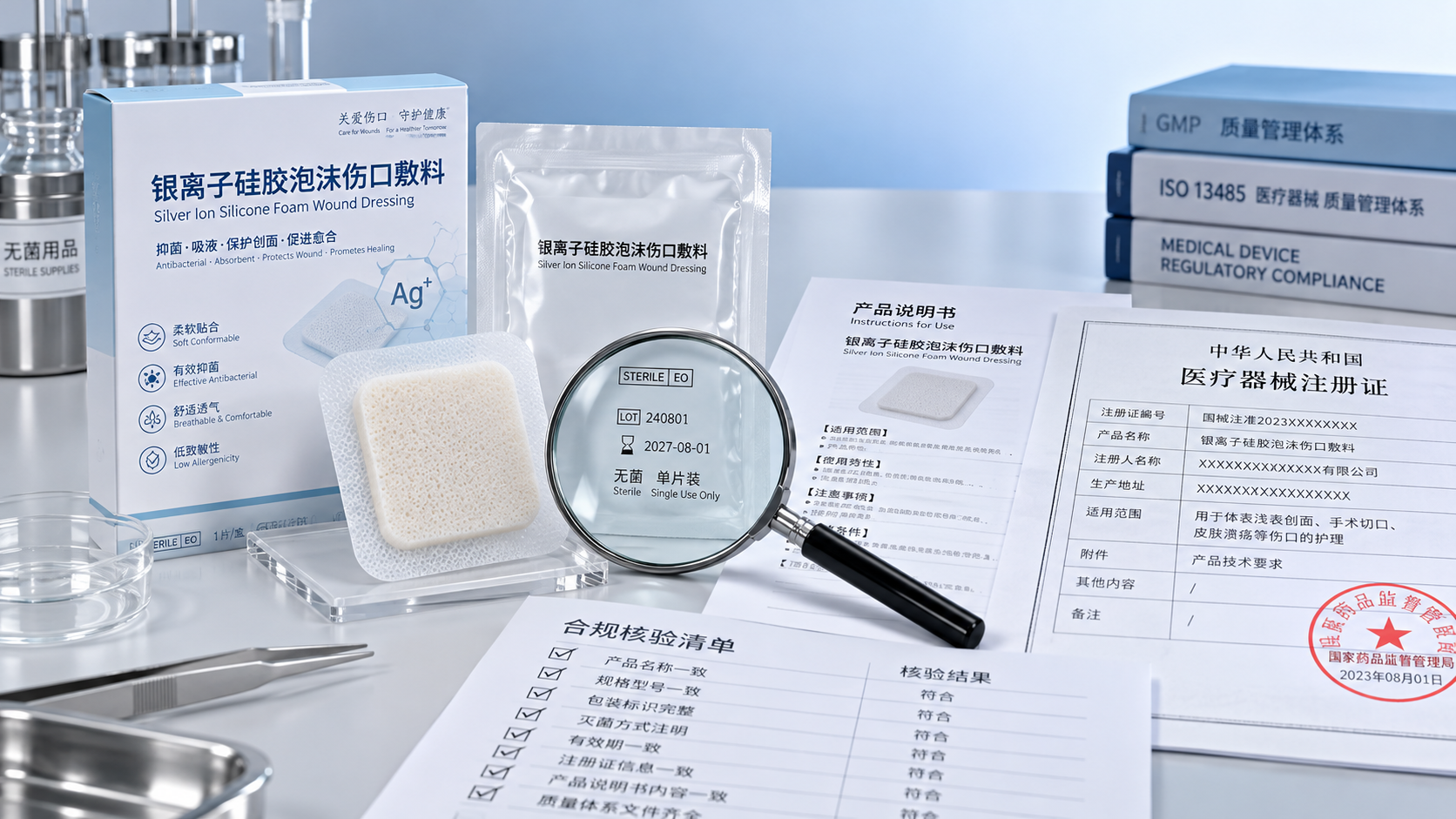
1. Silicone foam dressings with antimicrobial functions
These wound healing technologies are widely used for exuding wounds, pressure injuries, and post-surgical protection.
Silver-ion and other antimicrobial formats remain relevant when bioburden control is important, especially in fragile or high-risk tissue environments.
Clinicians value atraumatic removal, conformability, and balanced moisture handling more than broad feature claims alone.
2. Negative Pressure Wound Therapy systems
NPWT remains one of the most established wound healing technologies in complex wound management.
Its use is expanding in diabetic foot ulcers, traumatic wounds, graft support, and selected closed-incision applications.
Portable systems are especially important. They improve mobility and make outpatient continuity more realistic.
3. Alginate, hydrofiber, and superabsorbent platforms
These wound healing technologies are gaining use where fluid management determines healing progress.
They help control exudate, reduce periwound damage, and support a stable moist environment without frequent disruption.
4. Bioactive and regenerative matrices
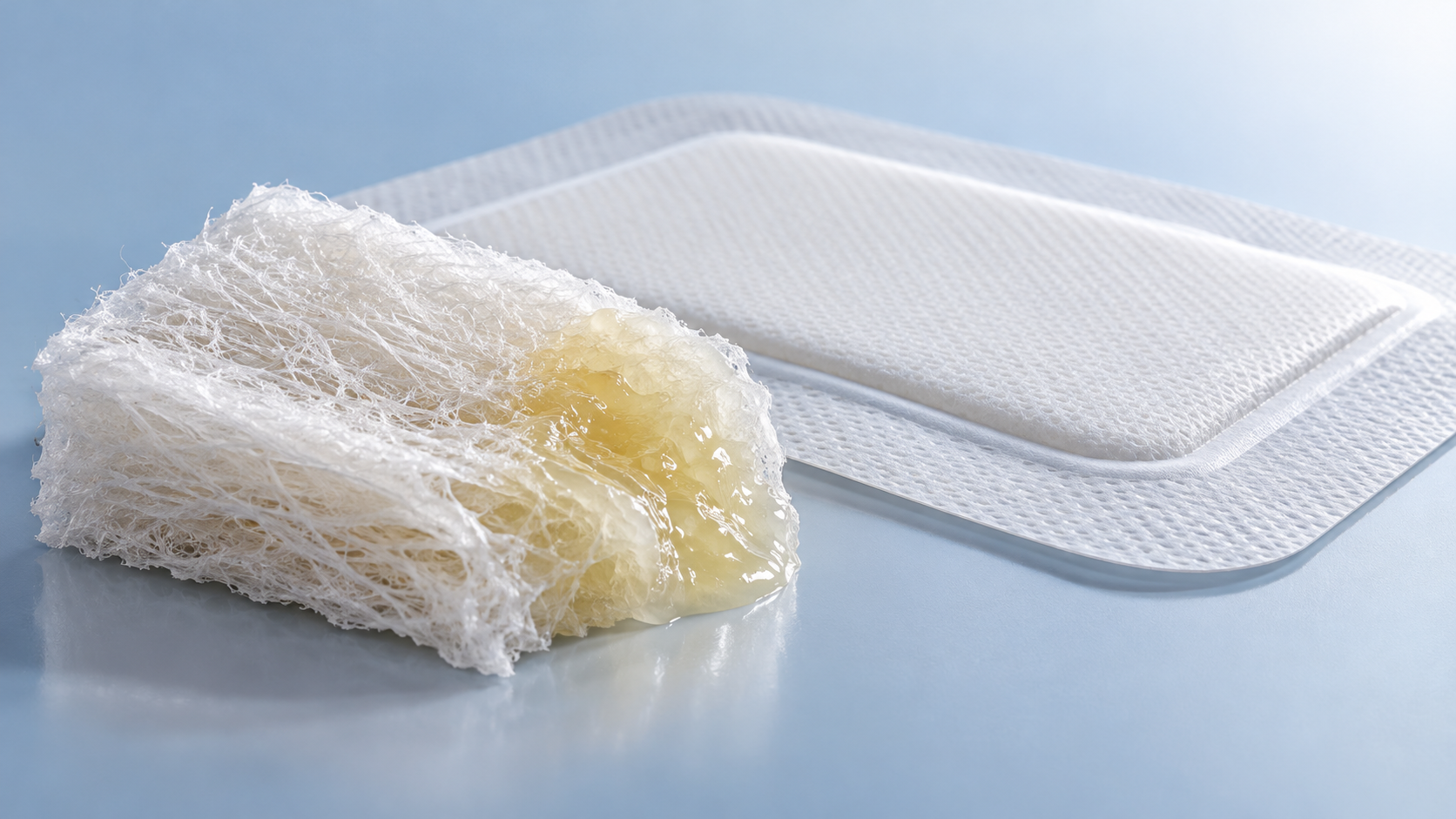
Collagen-based matrices, extracellular scaffold products, and advanced tissue-regeneration materials are moving into more selective clinical use.
Adoption is strongest in hard-to-heal ulcers and wounds that have stalled despite standard care.
Evidence thresholds are higher here. Outcomes, handling, and indication clarity matter more than novelty.
Where are these wound healing technologies being used most often?
Clinical adoption is not uniform. The use case often determines whether a product becomes routine care, reserve therapy, or trial-only technology.
Chronic wounds
Diabetic foot ulcers, venous leg ulcers, and pressure injuries remain the largest demand drivers for advanced wound healing technologies.
These cases require moisture control, infection vigilance, offloading compatibility, and long treatment windows.
Burns and traumatic wounds
Burn care continues to benefit from antimicrobial dressings, specialized contact layers, and staged regenerative solutions.
Trauma settings prioritize rapid deployment, secure coverage, and reduced dressing-change pain.
Post-surgical incisions
Closed-incision protection is becoming a stronger segment for wound healing technologies, especially after orthopedic, abdominal, and cardiovascular procedures.
The goal is prevention rather than rescue. Better exudate handling and lower dehiscence risk support wider use.
Home and outpatient care
This setting increasingly shapes product design. Wear time, simple application, and remote follow-up influence adoption as much as core biomaterial performance.
How should new wound healing technologies be compared and selected?
Selection should begin with wound type, healing stage, and care setting. A strong product in one scenario may underperform in another.
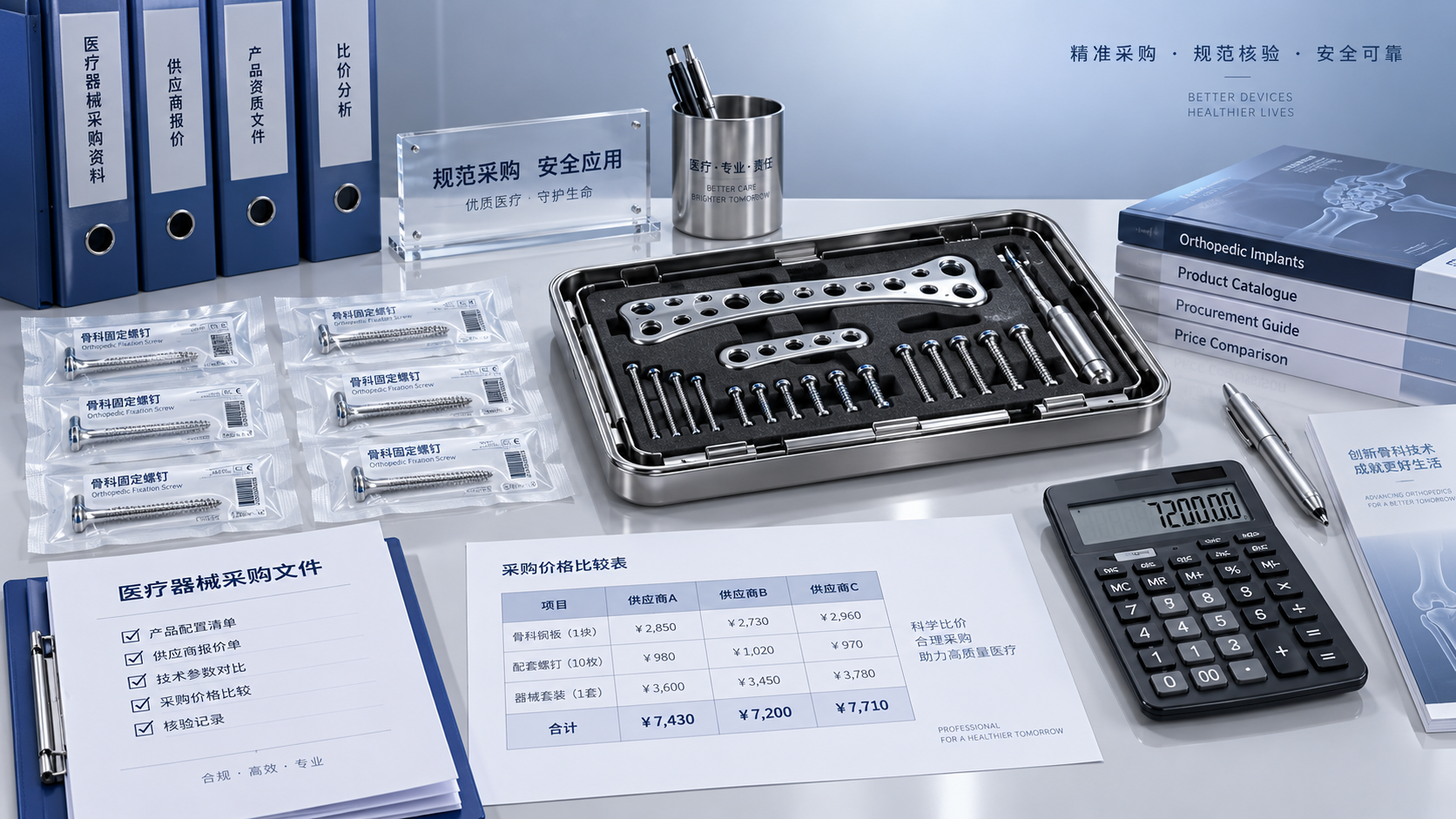
A useful comparison framework is shown below.
When reviewing wound healing technologies, clinical evidence should be balanced with manufacturability, sterility assurance, packaging durability, and supply consistency.
For advanced materials, ISO 10993 biocompatibility expectations remain central. Skin contact duration and tissue interaction profile shape validation strategy.
What risks, misconceptions, and adoption barriers still remain?
The biggest misconception is that more advanced always means better. In reality, poor indication matching can increase cost without improving healing.
Common barriers
- Insufficient comparative evidence against standard care
- Complex application steps that reduce compliance
- Weak reimbursement alignment or unclear coding pathways
- Supply volatility for specialized biomaterials
- Regulatory documentation gaps for higher-risk claims
Another risk involves overextending antimicrobial claims. Not every wound needs the same intervention intensity.
Digital add-ons also need realistic evaluation. Monitoring tools are useful only when they change decisions, not when they simply add data noise.
For global commercialization, policy pressure resembles other high-value consumable segments. Price control, tender logic, and evidence scrutiny are becoming more demanding.
What should be watched next in wound healing technologies?
The next phase of wound healing technologies will likely combine smarter materials with better care pathway integration.
Three areas deserve close attention in 2026 and beyond.
- Sensor-enabled dressings that track moisture, temperature, or healing signals
- Biodegradable regenerative platforms with clearer indication boundaries
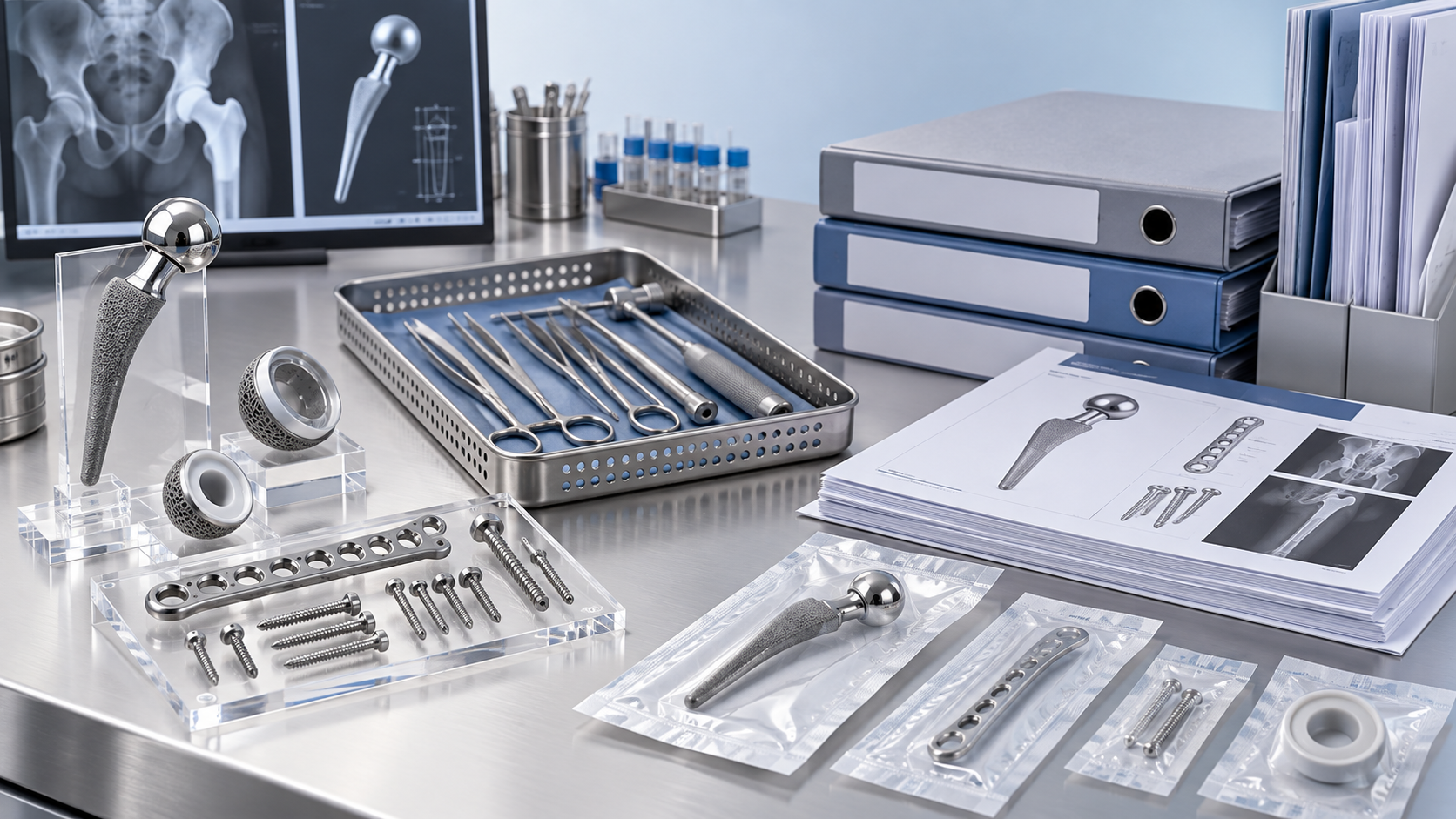
- Procedure-linked solutions tailored for orthopedic and minimally invasive recovery pathways
The strongest winners will not be the most complex products. They will be the wound healing technologies that prove safety, usability, and economic value together.
Quick FAQ recap
In 2026, the most important story is not innovation alone. It is clinical translation.
Wound healing technologies are gaining meaningful use when they fit real wounds, real workflows, and real economic constraints.
A practical next step is to review product portfolios against evidence depth, biocompatibility readiness, indication focus, and post-market usability.
That approach helps identify where advanced wound care can create lasting value across clinical performance, regulatory confidence, and sustainable market access.
Get weekly intelligence in your inbox.
No noise. No sponsored content. Pure intelligence.
News Recommendations
 Oct 26, 2026Can a single approval cover life science product sales worldwide?Can a single approval cover life science product sales worldwide?
 Oct 25, 2026When is sensitization testing needed for medical device biocompatibility?When is sensitization testing needed for medical device biocompatibility?
 Oct 24, 2026How is biocompatibility tested for implantable polymer biomaterials?How is biocompatibility tested for implantable polymer biomaterials?
 Oct 23, 2026How to build reimbursement into an implant commercialization strategyHow to build reimbursement into an implant commercialization strategy
 Oct 22, 2026What clinical evidence do implants need for CE marking under EU MDR?What clinical evidence do implants need for CE marking under EU MDR?
 Oct 21, 2026How to choose disposable laparoscopic stapler reloads for thick tissueHow to choose disposable laparoscopic stapler reloads for thick tissue
 Oct 20, 2026How to assess medical polymer biocompatibility under ISO 10993How to assess medical polymer biocompatibility under ISO 10993
 Oct 19, 2026How do interventional device categories differ in clinical use?How do interventional device categories differ in clinical use?
 Oct 18, 2026When to choose alginate dressings for heavily exuding chronic woundsWhen to choose alginate dressings for heavily exuding chronic wounds
 Oct 17, 2026How is biocompatibility tested for custom medical-grade PEEK implants?How is biocompatibility tested for custom medical-grade PEEK implants?
 Oct 16, 2026How to check a wound healing materials supplier’s biocompatibility dataHow to check a wound healing materials supplier’s biocompatibility data
 Oct 15, 2026How to verify the FDA clearance status of silver wound dressingsHow to verify the FDA clearance status of silver wound dressings
 Oct 14, 2026How to register orthopedic implants and instruments in Latin AmericaHow to register orthopedic implants and instruments in Latin America
 Oct 13, 2026How to use a device market intelligence database to benchmark VBP pricesHow to use a device market intelligence database to benchmark VBP prices
 Oct 12, 2026When should stainless steel orthopedic instruments be replaced?When should stainless steel orthopedic instruments be replaced?
 Oct 11, 2026When are alginate dressings rope the right choice for cavity wounds?When are alginate dressings rope the right choice for cavity wounds?
 Oct 10, 2026When smart minimally invasive technology improves catheter accessWhen smart minimally invasive technology improves catheter access
 Oct 08, 2026Clinical evaluation requirements for cardiovascular implant devices in EuropeClinical evaluation requirements for cardiovascular implant devices in Europe
 Oct 07, 2026What to verify before appointing an artificial joint implants distributorWhat to verify before appointing an artificial joint implants distributor
 Oct 06, 2026How ISO 10993 guides biocompatibility testing for medical materialsHow ISO 10993 guides biocompatibility testing for medical materials
 Oct 05, 2026How to verify an orthopedic implants and instruments exporterHow to verify an orthopedic implants and instruments exporter
 Oct 04, 2026What drives surgical stapling devices price differences in hospital tenders?What drives surgical stapling devices price differences in hospital tenders?
 Oct 03, 2026How to assess a central venous catheter manufacturer's infection-control evidenceHow to assess a central venous catheter manufacturer's infection-control evidence
 Oct 02, 2026How to assess an advanced wound care factory’s quality systemHow to assess an advanced wound care factory’s quality system
 Oct 01, 2026What is driving global medical consumables demand in emerging markets?What is driving global medical consumables demand in emerging markets?
 Sep 30, 2026Implant Material Compliance Testing: Evidence Needed for Regulatory SubmissionImplant Material Compliance Testing: Evidence Needed for Regulatory Submission
 Sep 30, 2026From Corrosion to Fatigue: What Implant Materials Testing Should MeasureFrom Corrosion to Fatigue: What Implant Materials Testing Should Measure