Medical Device Clinical Evaluation: Common Evidence Gaps
In medical device clinical evaluation, evidence gaps rarely come from missing documents alone. They usually appear when data lacks clinical relevance, equivalence is weakly argued, or post-market evidence does not support current use. In high-risk sectors such as orthopedic implants, cardiovascular devices, surgical staplers, catheters, and advanced wound care, early detection of these issues improves the quality of a medical device clinical evaluation and reduces avoidable regulatory delays.
Why a checklist approach strengthens medical device clinical evaluation
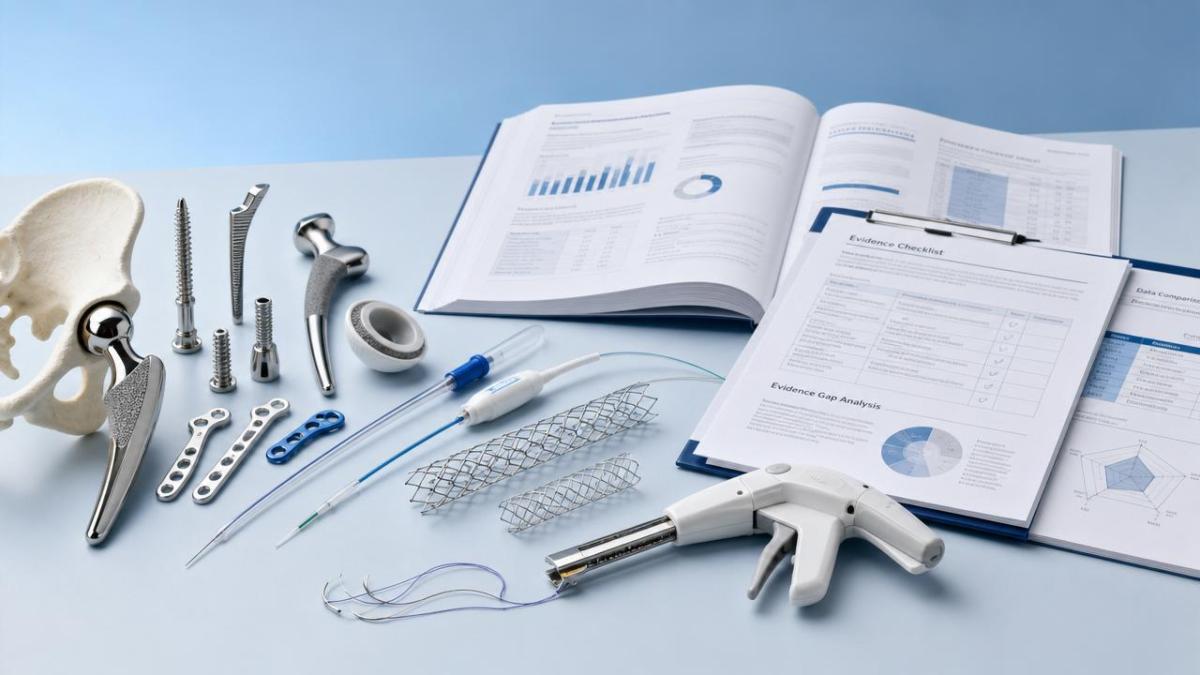
A structured checklist helps convert broad regulatory expectations into practical review steps. That matters because clinical evaluation is not only a literature exercise. It is a traceable justification that links device design, intended purpose, risk profile, biological safety, performance, and real-world clinical outcomes.
For Class III and other high-risk products, regulators increasingly examine whether every claim is backed by evidence that is current, device-specific, and clinically meaningful. A checklist makes gaps visible before submission and supports a more defensible medical device clinical evaluation under MDR, ISO-aligned frameworks, and other global regulatory systems.
Core checklist: common evidence gaps to review first
- Define the intended purpose precisely, including indication, patient group, anatomical site, user profile, and clinical setting, because vague scope weakens every later conclusion in the medical device clinical evaluation.
- Verify that claimed clinical benefits are measurable and linked to accepted endpoints, not just technical outputs such as deployment success, staple formation, or material durability.
- Check equivalence line by line across technical, biological, and clinical dimensions, and confirm access to enough comparator data to support a valid bridge.
- Match the evidence to the final marketed configuration, including coating, sterilization, packaging, dimensions, software version, and manufacturing changes that may alter risk or performance.
- Review whether literature searches are reproducible, current, and bias-controlled, with clear inclusion criteria, critical appraisal, and transparent reasons for excluding unfavorable studies.
- Confirm that safety outcomes cover clinically relevant complications, such as thrombosis, revision, migration, leakage, restenosis, infection, pressure injury, or delayed tissue integration.
- Link preclinical evidence to clinical expectations, especially when bench, animal, and biocompatibility data are used to justify reduced clinical investigation depth.
- Assess whether follow-up duration is long enough for the device lifecycle, because short-term success may hide late failures in implants or chronic-access devices.
- Map post-market surveillance, complaint trends, vigilance reports, and PMCF outputs into the clinical narrative so the medical device clinical evaluation reflects actual field performance.
- Test consistency across the CER, risk management file, IFU, SSCP, labeling claims, and benefit-risk statement, since conflicting language is a frequent review trigger.
How evidence gaps differ across device scenarios
Orthopedic implants and spinal systems
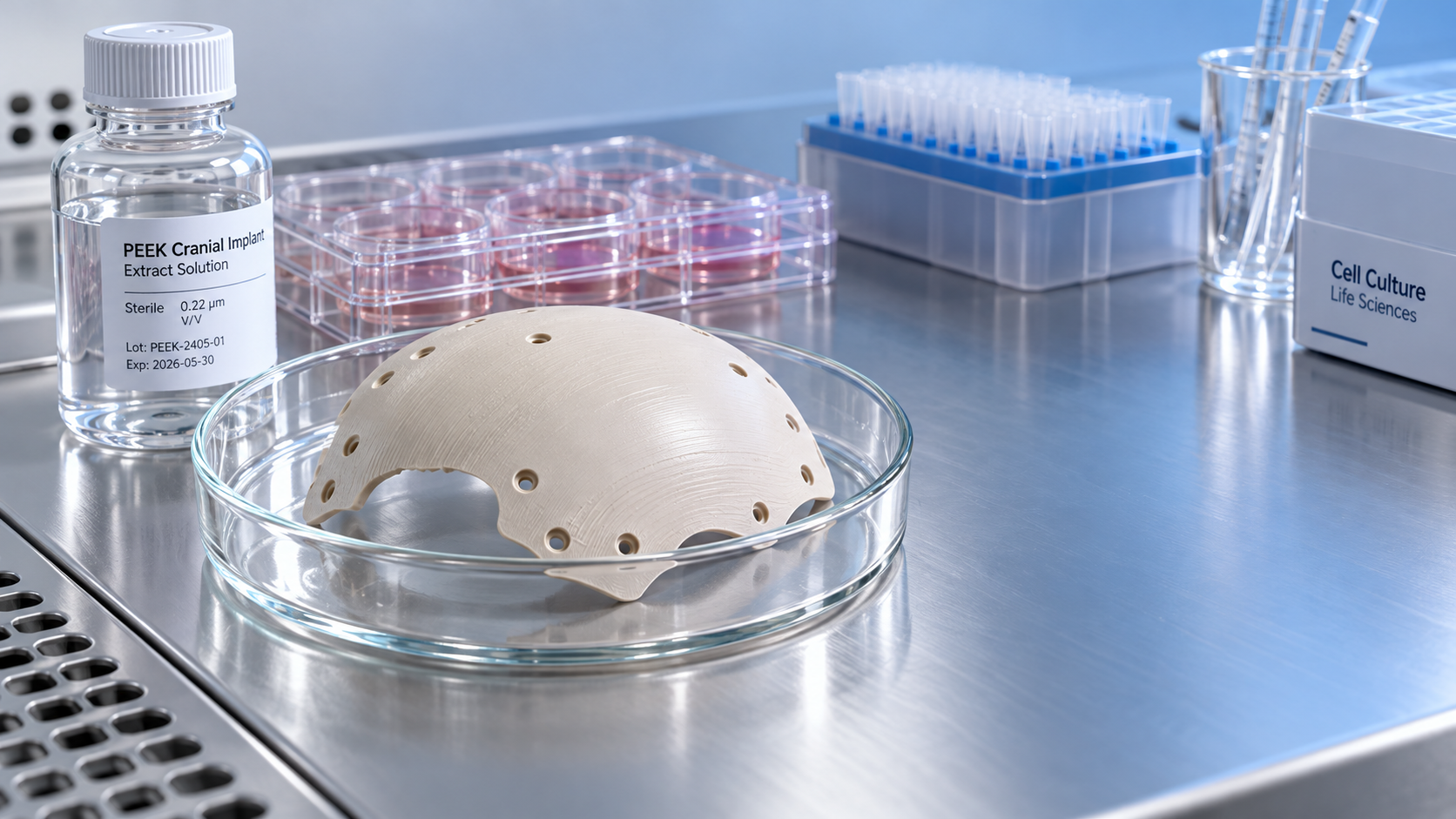
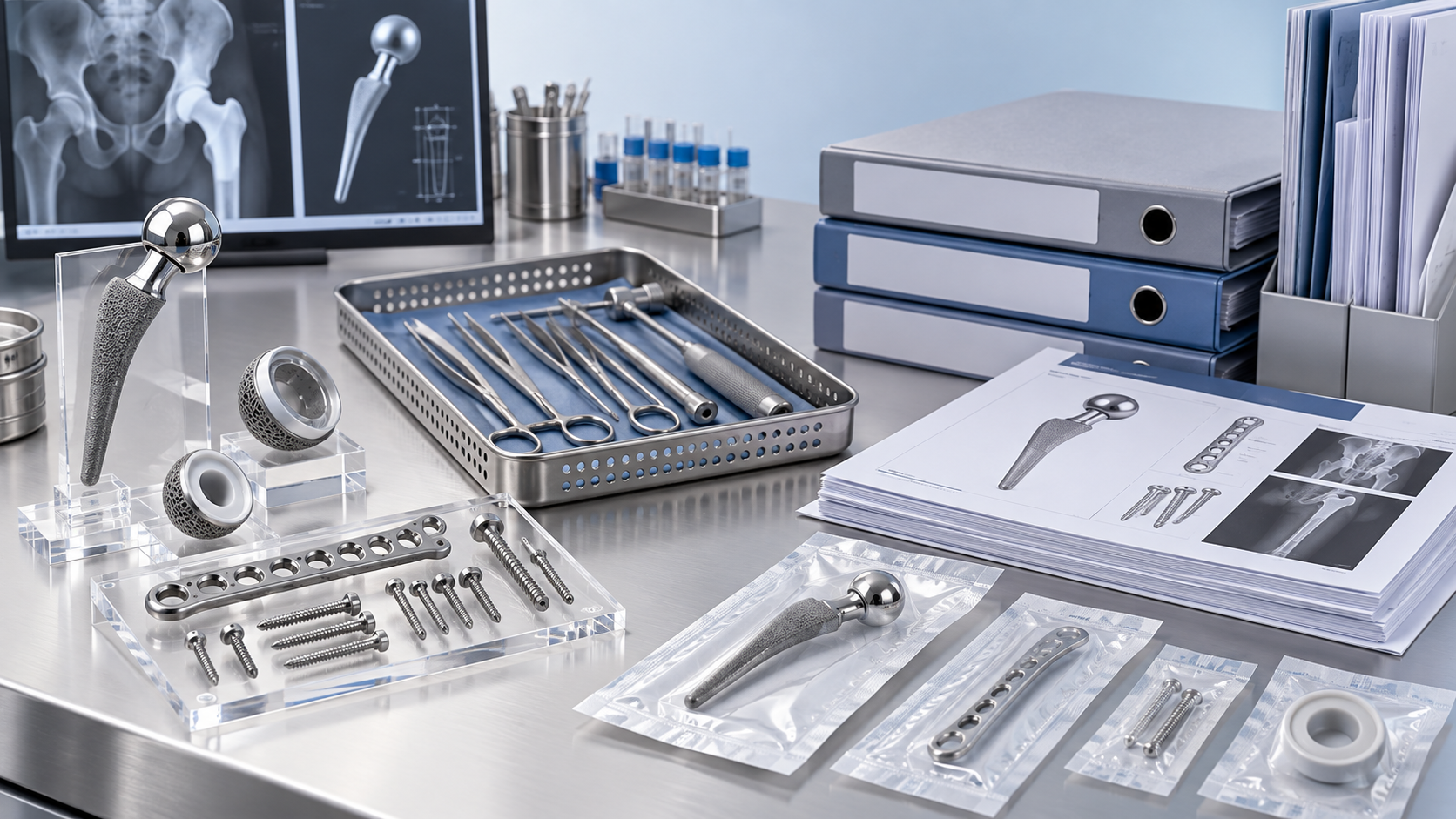
In orthopedic reconstruction, a common evidence gap is overreliance on mechanical testing without enough clinical linkage to fixation stability, revision rate, pain reduction, or long-term osseointegration. If a porous structure, PEEK component, or surface treatment is central to the benefit claim, the medical device clinical evaluation should show how those design features translate into patient outcomes.
Another gap appears when equivalence is claimed against legacy implants, yet the new product differs in lattice geometry, material formulation, or surgical indication. Even small design changes may affect stress transfer, wear behavior, and revision risk.
Cardiovascular interventional devices
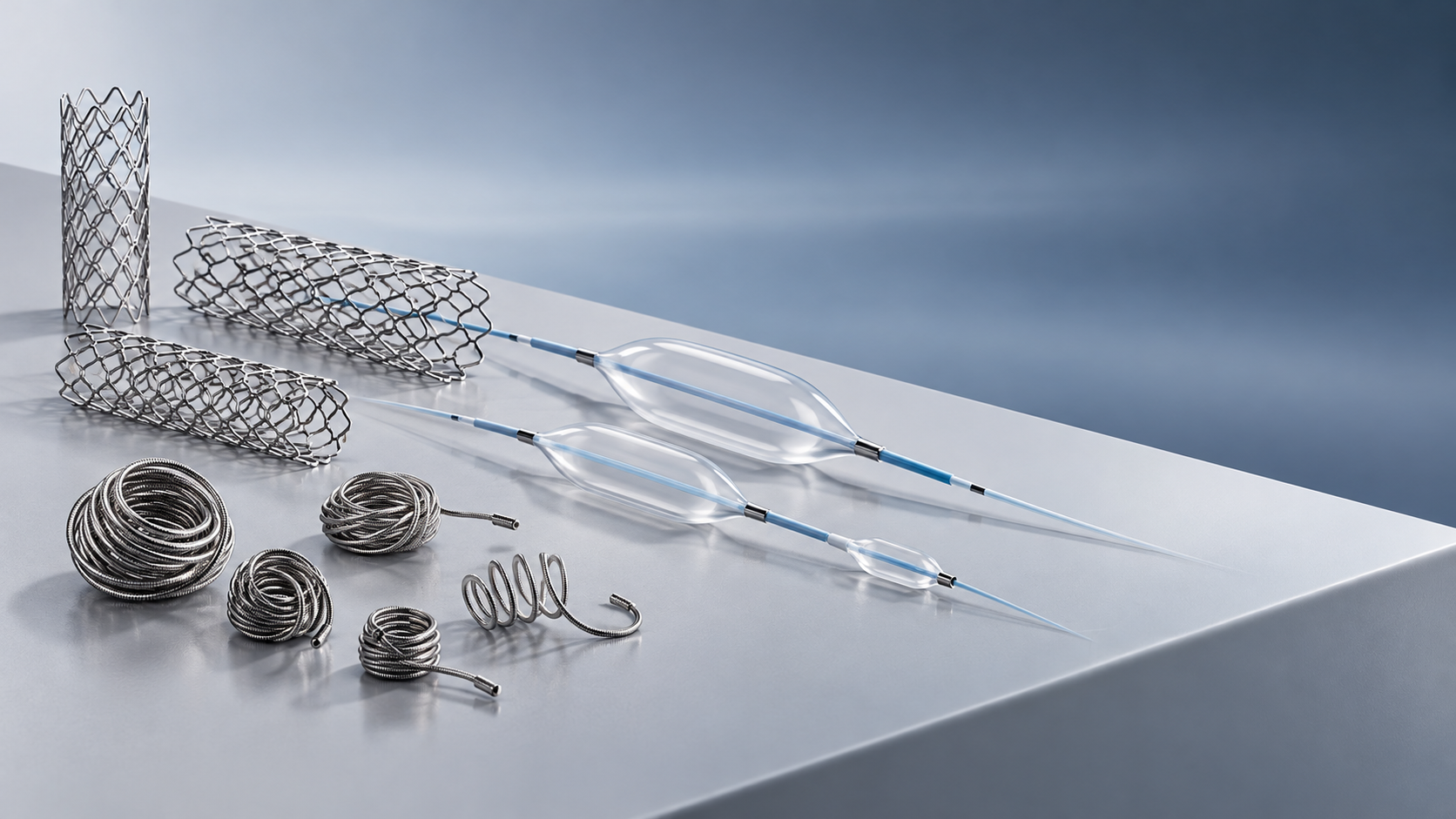
For stents, valves, and delivery systems, regulators expect evidence tied to lesion complexity, access route, thrombogenicity, antiplatelet strategy, and long-term patency or hemodynamic performance. A frequent weakness is using broad literature while failing to isolate evidence for the specific coating, strut profile, or deployment mechanism under review.
Post-market linkage is especially important here. Complaint signals involving delivery failure, malapposition, embolic events, or structural deterioration should be integrated into the medical device clinical evaluation, not left only in PMS reports.
Staplers, catheters, and wound care materials
For surgical staplers, evidence gaps often relate to tissue-specific performance. Data from one procedure type may not support another if tissue thickness, perfusion status, or contamination risk changes. For polymer catheters, hydrophilic coatings and anti-thrombotic claims require strong usability and complication data, not material characterization alone.
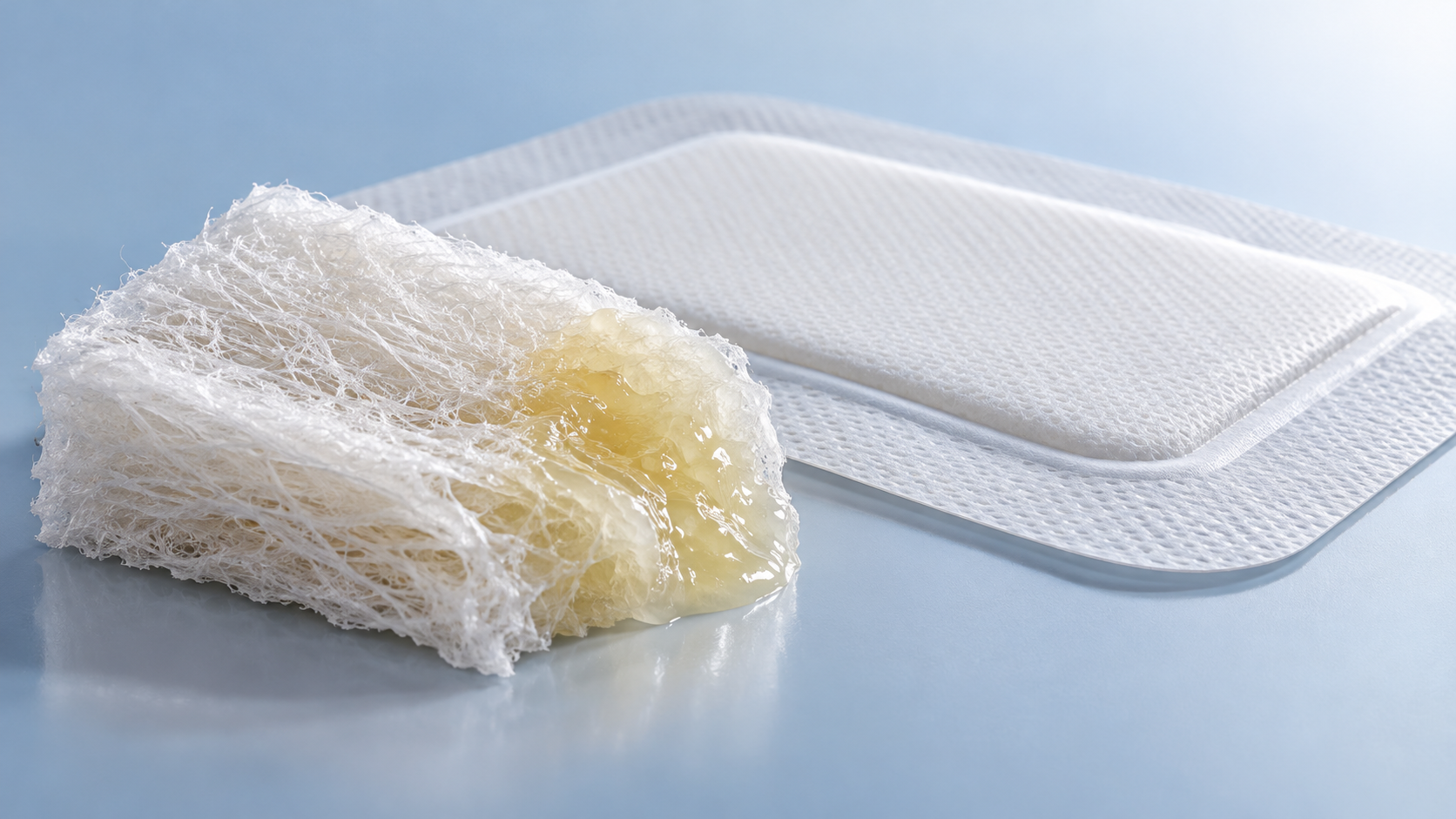
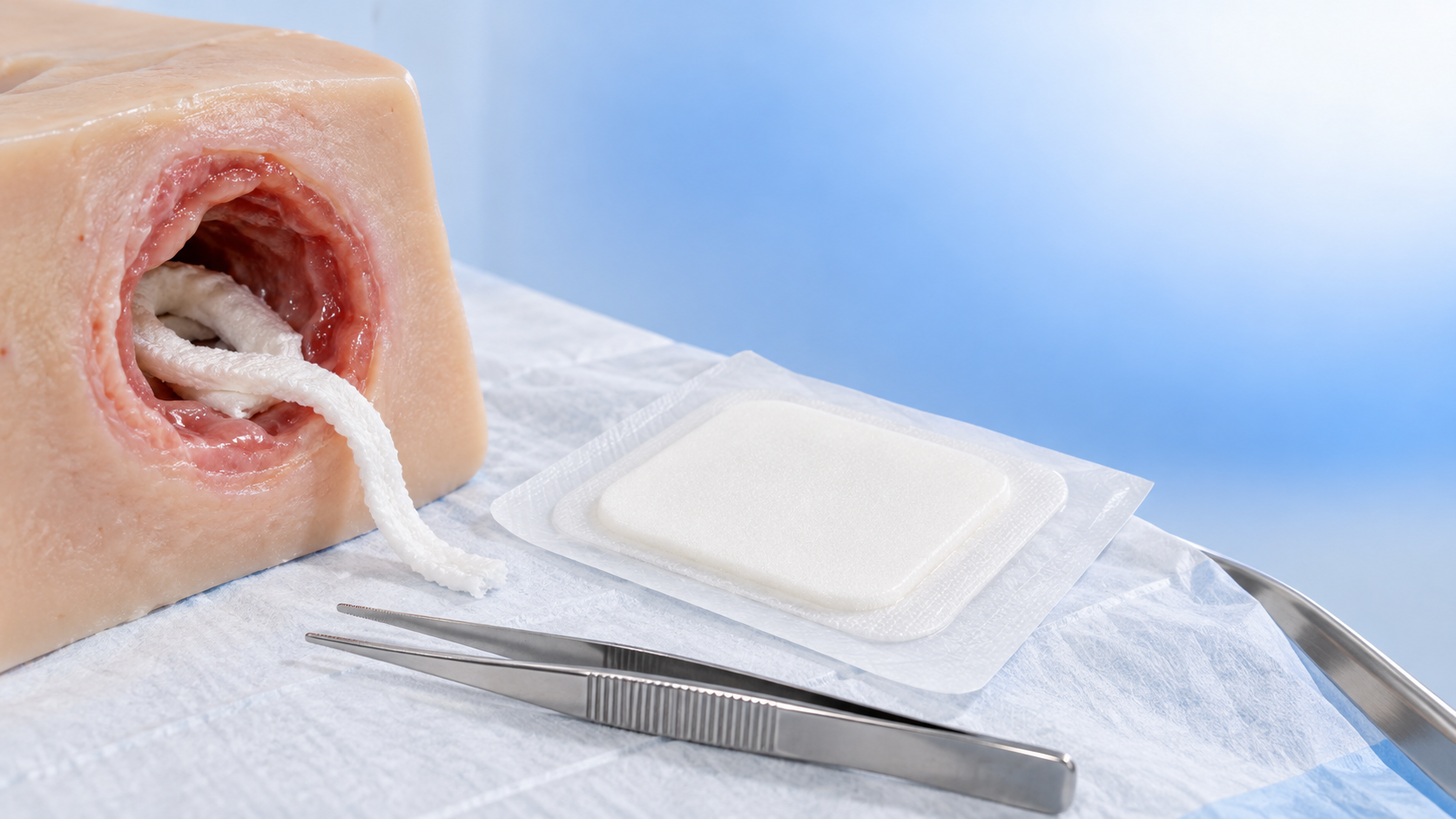
Advanced dressings and regenerative materials frequently face gaps in comparator choice and endpoint quality. Moisture balance, infection control, granulation, and healing time must be measured against clinically relevant standards, not only laboratory indicators.
Commonly overlooked items that weaken the file
Outdated literature windows
A literature review that stops too early creates a hidden gap. New safety signals, competing technology shifts, or revised standards may make an older medical device clinical evaluation look incomplete even if the original search was methodical.
Generic benefit statements
Claims such as “improves recovery” or “supports healing” are too broad unless tied to validated endpoints, target patients, and comparator context. Regulators often challenge benefits that cannot be quantified or clinically interpreted.
Unresolved negative findings
Contradictory studies do not automatically fail a medical device clinical evaluation. The real problem is ignoring them. A strong report explains why adverse findings occurred, whether they apply to the device, and how residual risk remains acceptable.
Weak PMCF justification
When ongoing data collection is limited, the file should clearly justify why existing evidence is enough. If PMCF is reduced without rationale, reviewers may conclude that important uncertainties remain unresolved.
Practical execution steps for closing evidence gaps
- Build an evidence matrix that maps each claim, hazard, and clinical endpoint to supporting literature, investigations, PMS outputs, and residual gaps.
- Run a document consistency review across CER, risk file, biological evaluation, usability data, and labeling before final approval cycles begin.
- Prioritize gap closure by regulatory impact, starting with intended purpose ambiguity, equivalence weakness, and missing long-term safety evidence.
- Use PMCF strategically to answer specific uncertainty questions instead of collecting broad observational data with limited decision value.
- Refresh search strategies regularly and document the rationale for databases, keywords, screening logic, and critical appraisal methods.
Where complex materials, implant duration, or policy pressure intersect, disciplined evidence stitching becomes even more important. That is especially true in markets shaped by tighter MDR scrutiny, stronger biocompatibility expectations, and pricing systems that reward devices with defendable clinical value.
Summary and next action
A strong medical device clinical evaluation is built on relevance, traceability, and consistency. The most common evidence gaps involve weak intended purpose definitions, unsupported equivalence, poor outcome selection, short follow-up, and weak integration of post-market data.
Start with a checklist review of claims, comparator logic, safety endpoints, and PMS linkage. Then convert every identified gap into an action item with an owner, evidence source, and deadline. That approach turns the medical device clinical evaluation from a static report into a resilient regulatory strategy.
Get weekly intelligence in your inbox.
No noise. No sponsored content. Pure intelligence.
News Recommendations
 Oct 26, 2026Can a single approval cover life science product sales worldwide?Can a single approval cover life science product sales worldwide?
 Oct 25, 2026When is sensitization testing needed for medical device biocompatibility?When is sensitization testing needed for medical device biocompatibility?
 Oct 24, 2026How is biocompatibility tested for implantable polymer biomaterials?How is biocompatibility tested for implantable polymer biomaterials?
 Oct 23, 2026How to build reimbursement into an implant commercialization strategyHow to build reimbursement into an implant commercialization strategy
 Oct 22, 2026What clinical evidence do implants need for CE marking under EU MDR?What clinical evidence do implants need for CE marking under EU MDR?
 Oct 21, 2026How to choose disposable laparoscopic stapler reloads for thick tissueHow to choose disposable laparoscopic stapler reloads for thick tissue
 Oct 20, 2026How to assess medical polymer biocompatibility under ISO 10993How to assess medical polymer biocompatibility under ISO 10993
 Oct 19, 2026How do interventional device categories differ in clinical use?How do interventional device categories differ in clinical use?
 Oct 18, 2026When to choose alginate dressings for heavily exuding chronic woundsWhen to choose alginate dressings for heavily exuding chronic wounds
 Oct 17, 2026How is biocompatibility tested for custom medical-grade PEEK implants?How is biocompatibility tested for custom medical-grade PEEK implants?
 Oct 16, 2026How to check a wound healing materials supplier’s biocompatibility dataHow to check a wound healing materials supplier’s biocompatibility data
 Oct 15, 2026How to verify the FDA clearance status of silver wound dressingsHow to verify the FDA clearance status of silver wound dressings
 Oct 14, 2026How to register orthopedic implants and instruments in Latin AmericaHow to register orthopedic implants and instruments in Latin America
 Oct 13, 2026How to use a device market intelligence database to benchmark VBP pricesHow to use a device market intelligence database to benchmark VBP prices
 Oct 12, 2026When should stainless steel orthopedic instruments be replaced?When should stainless steel orthopedic instruments be replaced?
 Oct 11, 2026When are alginate dressings rope the right choice for cavity wounds?When are alginate dressings rope the right choice for cavity wounds?
 Oct 10, 2026When smart minimally invasive technology improves catheter accessWhen smart minimally invasive technology improves catheter access
 Oct 08, 2026Clinical evaluation requirements for cardiovascular implant devices in EuropeClinical evaluation requirements for cardiovascular implant devices in Europe
 Oct 07, 2026What to verify before appointing an artificial joint implants distributorWhat to verify before appointing an artificial joint implants distributor
 Oct 06, 2026How ISO 10993 guides biocompatibility testing for medical materialsHow ISO 10993 guides biocompatibility testing for medical materials
 Oct 05, 2026How to verify an orthopedic implants and instruments exporterHow to verify an orthopedic implants and instruments exporter
 Oct 04, 2026What drives surgical stapling devices price differences in hospital tenders?What drives surgical stapling devices price differences in hospital tenders?
 Oct 03, 2026How to assess a central venous catheter manufacturer's infection-control evidenceHow to assess a central venous catheter manufacturer's infection-control evidence
 Oct 02, 2026How to assess an advanced wound care factory’s quality systemHow to assess an advanced wound care factory’s quality system
 Oct 01, 2026What is driving global medical consumables demand in emerging markets?What is driving global medical consumables demand in emerging markets?
 Sep 30, 2026Implant Material Compliance Testing: Evidence Needed for Regulatory SubmissionImplant Material Compliance Testing: Evidence Needed for Regulatory Submission
 Sep 30, 2026From Corrosion to Fatigue: What Implant Materials Testing Should MeasureFrom Corrosion to Fatigue: What Implant Materials Testing Should Measure