Minimally Invasive Surgery Equipment: Maintenance Risks That Raise Downtime
For after-sales maintenance teams, minimally invasive surgery equipment downtime is rarely caused by a single failure. Hidden risks in cleaning, calibration, insulation testing, accessory compatibility, and preventive servicing can quietly shorten equipment life and disrupt OR schedules. Understanding where these maintenance gaps occur is the first step toward reducing repair delays, protecting clinical performance, and keeping critical surgical systems reliably available.
Why does minimally invasive surgery equipment downtime rise faster than teams expect?
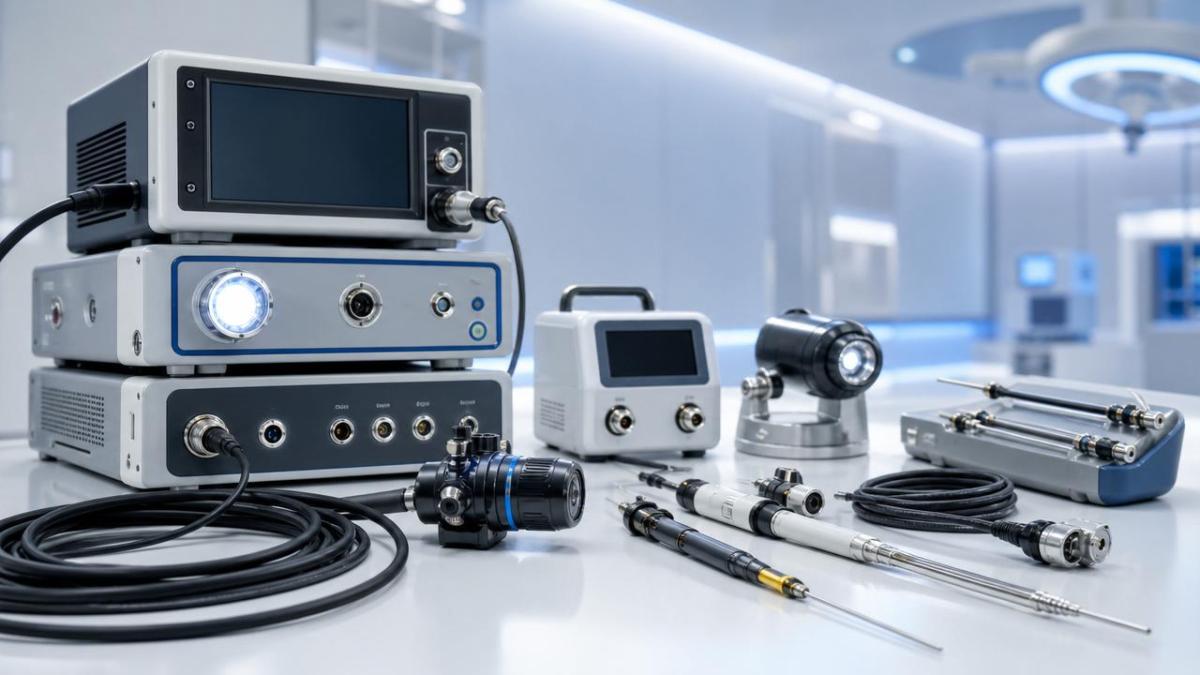
For after-sales service professionals, minimally invasive surgery equipment is not a single device but a connected ecosystem. Endoscopy towers, energy platforms, cameras, light sources, insufflators, stapling systems, hand instruments, cables, seals, and sterile accessories all affect system uptime.
When one small maintenance gap appears, the visible symptom may be simple, such as image flicker or weak sealing. The real cause is often cumulative wear, incomplete testing, or accessory mismatch that was not identified during routine service.
This is especially important in a broader medical consumables environment, where precision machining, material compatibility, and compliance pressure are tightly linked. IMCS tracks these links across minimally invasive consumables, catheters, staplers, implants, and wound care systems, helping service teams understand how device integrity and consumable performance intersect.
- A damaged insulation layer on a reusable laparoscopic instrument can trigger energy leakage, but the downtime often starts with a delayed detection process rather than the defect itself.
- An image chain issue may be blamed on a camera head, while the true root cause is a connector under strain, a contaminated coupler, or aging fiber transmission.
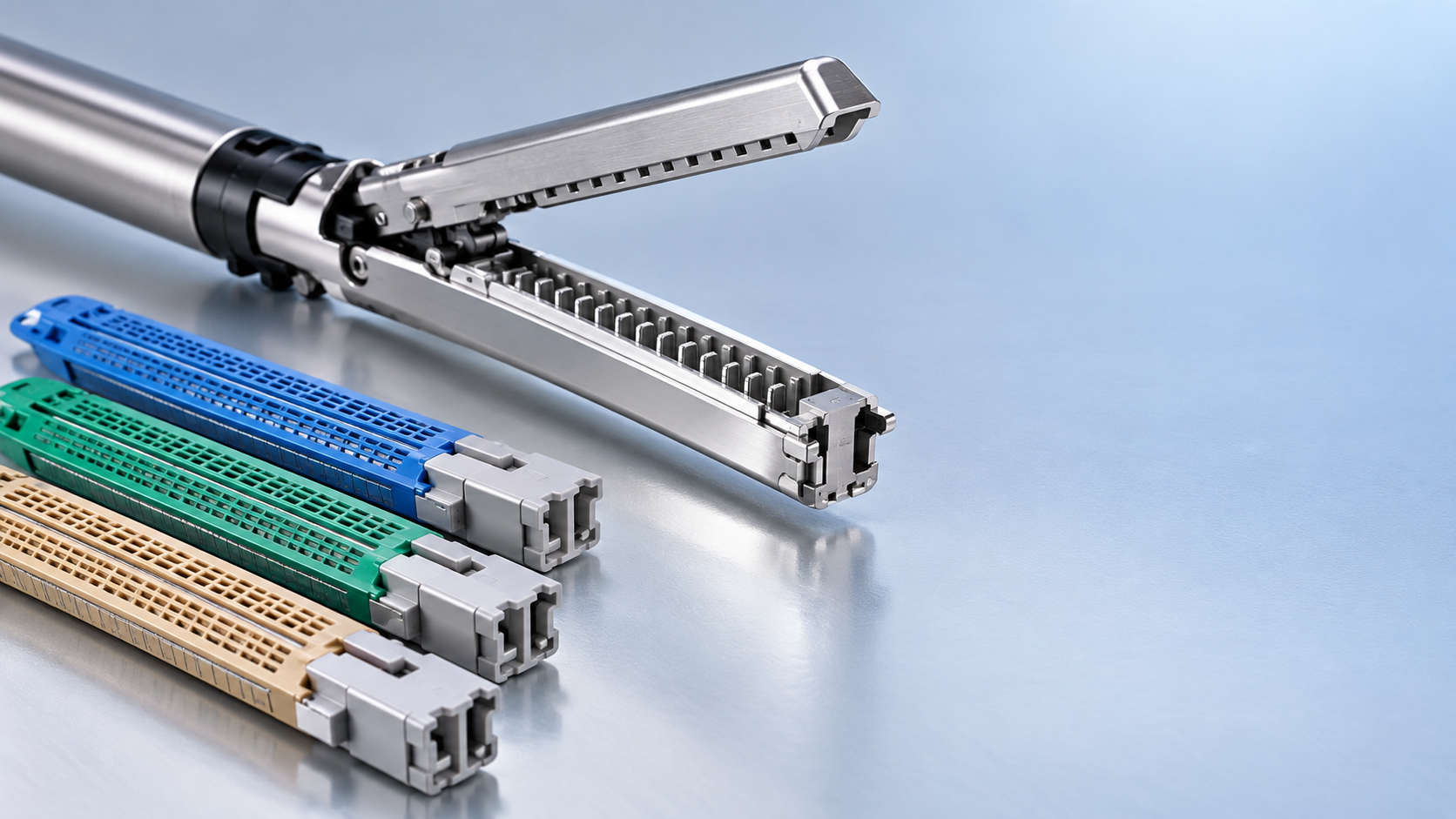
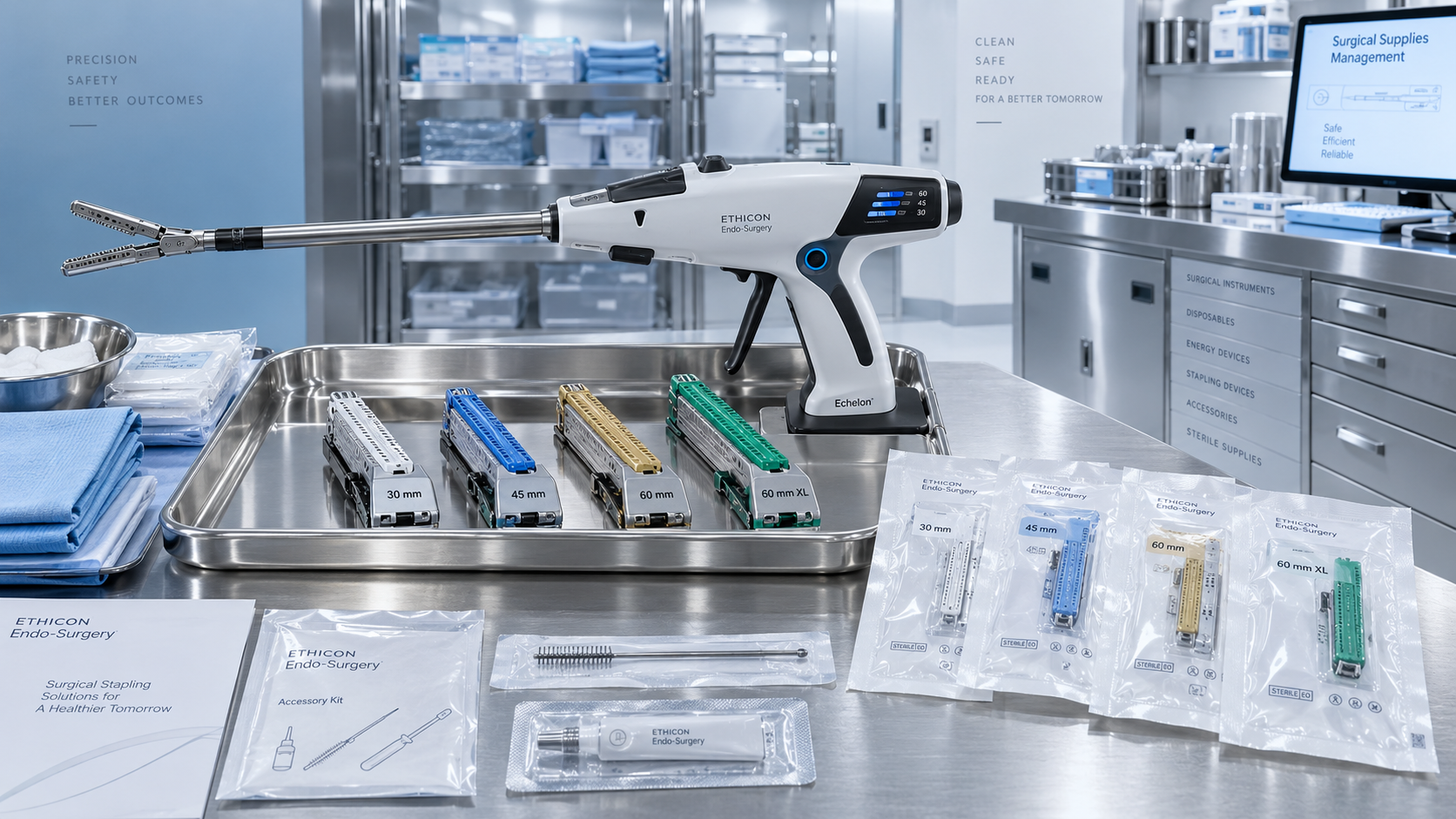
- A stapling performance complaint may appear to be a device defect, yet the real risk comes from storage conditions, unsupported reload combinations, or incomplete pre-use verification.
Because minimally invasive surgery equipment supports procedures where precision and speed matter, every extra hour of downtime affects OR planning, spare inventory, and hospital confidence in the service team.
Where do maintenance risks usually start in minimally invasive surgery equipment?
Most failures do not begin with a catastrophic breakdown. They begin in routine handling, cleaning, transport, and preventive maintenance intervals. For after-sales teams, the challenge is not only repairing faults but identifying patterns before they become recurring service calls.
1. Cleaning and decontamination errors
Residual bioburden, moisture retention, aggressive detergents, and poor flushing of narrow lumens can degrade optics, seals, insulation, and articulation mechanisms. These issues are common with reusable minimally invasive surgery equipment exposed to repeated sterilization cycles.
2. Calibration drift and performance deviation
Insufflation pressure variance, energy output inconsistency, and camera white balance drift may remain unnoticed until surgeons report unstable performance. By that point, service work becomes urgent and operating room disruption is already underway.
3. Accessory incompatibility
Third-party cables, off-spec seals, incorrect trocar dimensions, or unsupported reload combinations can increase wear and trigger intermittent faults. Compatibility risk is often underestimated because the device may still power on and pass a superficial function check.
4. Incomplete insulation and leakage testing
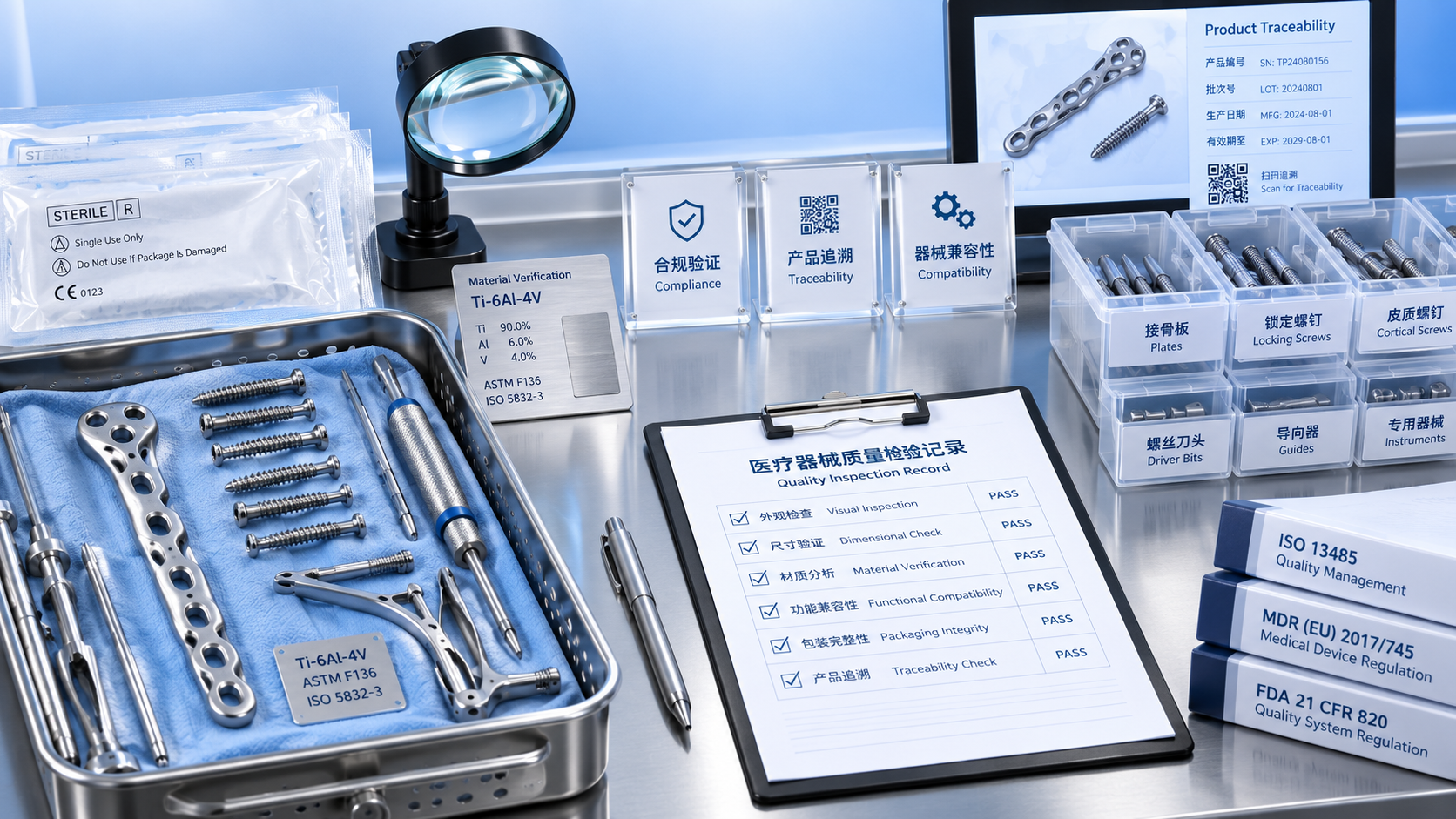
Electrosurgical instruments require careful inspection beyond visual checks. Hairline cracks, shaft abrasions, and heat-related degradation can escape routine observation. When the problem is missed, the cost is not just repair time but possible clinical risk escalation.
The table below helps after-sales teams map common hidden risks in minimally invasive surgery equipment to likely downtime outcomes and practical service responses.
A useful pattern appears here: the most expensive downtime events are rarely caused by the most visible defects. They are usually caused by missed interface risks between reusable platforms, sterile accessories, and high-precision consumables.
Which preventive maintenance tasks protect uptime most effectively?
After-sales teams often work under labor limits, spare part constraints, and pressure to restore minimally invasive surgery equipment quickly. That makes prioritization essential. Not every task carries equal risk reduction value.
High-value service actions
- Build a cycle-based inspection plan for reusable instruments, with special attention to insulation integrity, articulation smoothness, shaft straightness, and jaw alignment.
- Standardize incoming checks for cables, adapters, seals, and sterile accessories. Compatibility review should be part of preventive maintenance, not only post-failure analysis.
- Trend service data by symptom category, such as image instability, poor sealing, output inconsistency, or trigger resistance. Trend analysis often reveals maintenance blind spots before failures cluster.
- Coordinate with sterile processing and OR staff on handling protocols. Many recurrent repairs begin outside the workshop, during transport trays, drying practices, and post-case turnover.
IMCS is particularly relevant here because maintenance decisions increasingly affect more than equipment uptime. In minimally invasive surgery, device service quality can influence the performance consistency of staplers, catheters, polymer components, and tissue-contact accessories that rely on tight mechanical and material tolerances.
The next table provides a practical maintenance checklist framework for minimally invasive surgery equipment that can be adapted by after-sales teams across hospitals, distributors, or regional service centers.
This checklist approach supports a shift from reactive repair to controlled uptime management. It also creates cleaner documentation for internal audits, supplier discussions, and replacement planning.
How should after-sales teams evaluate accessories, consumables, and replacement parts?
Minimally invasive surgery equipment does not operate in isolation. Performance depends on the reliability of single-use and reusable interfaces. This is where maintenance, procurement, and regulatory thinking overlap.
For example, minimally invasive surgical staplers depend on precise mechanical engagement and stable staple formation. Polymer-based catheter systems depend on flexibility, anti-kink behavior, and secure passage conditions. These are not just product features; they shape service risk and replacement urgency.
- Check whether replacement parts or accessories follow the intended dimensional and electrical interface requirements.
- Review sterilization and storage effects on polymers, seals, coatings, and packaged sterile components.
- Ask whether the supplier can support technical documents, compatibility clarification, and reasonable lead-time communication.
- Consider how VBP and cost-control pressure may increase substitution requests, which can raise maintenance risk if compatibility review is skipped.
This is one reason intelligence platforms such as IMCS matter to service organizations. They connect technical behavior, materials science, compliance pressure, and supply trends so after-sales teams can make decisions with fewer blind spots.
What standards and compliance points should not be ignored?
After-sales maintenance personnel are not always responsible for regulatory submissions, but they do influence compliance outcomes. Service records, repair traceability, replacement part control, and testing discipline all matter when evaluating minimally invasive surgery equipment risk.
Core compliance areas to watch
- Electrical safety and leakage verification should align with applicable facility procedures and device-type requirements.
- Reusable instrument testing should include documented insulation and functional checks, not only cosmetic review.
- Material-contact accessories may require attention to biocompatibility-related documentation pathways, especially where patient-contact conditions can change.
- Where applicable, teams should understand the relevance of ISO 10993 concepts, CE MDR documentation expectations, and local hospital quality procedures.
IMCS brings value by interpreting these compliance issues through a practical lens. Toxicology validation, clinical evidence logic, and VBP-driven market shifts all affect how manufacturers, distributors, and service partners manage device continuity.
Common misconceptions that increase repair delays
“If the device powers on, it is ready for use.”
Power status does not confirm performance integrity. Minimally invasive surgery equipment can pass a basic startup while still carrying optical, mechanical, or insulation defects that only appear during clinical use.
“Visual inspection is enough for reusable instruments.”
It is not enough for high-risk wear points. Micro-damage in coatings or shafts often requires dedicated test methods. Visual-only screening can reduce workload today but increase downtime tomorrow.
“Any compatible-looking accessory is acceptable.”
Apparent fit does not equal validated compatibility. Mechanical tolerance, conductivity, heat resistance, sealing behavior, and sterilization response can all differ in ways that affect equipment life and procedural reliability.
FAQ for after-sales teams managing minimally invasive surgery equipment
How often should minimally invasive surgery equipment receive preventive maintenance?
There is no single interval that fits every device. Service frequency should combine manufacturer guidance, actual usage intensity, sterilization cycle count, failure history, and accessory complexity. High-use laparoscopic sets and energy instruments usually need tighter control than low-use backup units.
What should teams verify before approving a substitute accessory or consumable?
Check dimensional fit, connector type, electrical or thermal behavior, sterilization compatibility, packaging condition, and any documented limitations for the device platform. If the item interacts with tissue or energy delivery, the evaluation should be even more conservative.
Which faults most often create repeat downtime?
Repeat downtime usually comes from unresolved root causes: poor handling after sterilization, untracked accessory substitutions, missed insulation defects, and incomplete post-repair verification. These problems recur because the underlying process, not the component alone, remains unchanged.
Why do maintenance teams need market and regulatory intelligence, not just repair skills?
Because replacement decisions now involve supply pressure, cost controls, material differences, and compliance pathways. A technically correct repair plan may still fail if the selected accessory, lead time, or documentation route does not match the clinical and regulatory context.
Why choose us for insight on minimally invasive surgery equipment maintenance risk?
IMCS supports professionals who need more than generic maintenance advice. We connect device service reality with the material science, regulatory logic, and market dynamics behind minimally invasive surgical consumables, orthopedic systems, cardiovascular interventions, polymer catheters, and advanced wound care products.
If your after-sales team is assessing minimally invasive surgery equipment downtime risk, you can consult us on practical topics such as accessory compatibility review, consumable-device interface analysis, maintenance checkpoint design, compliance documentation direction, delivery cycle considerations, and substitution risk under cost-control pressure.
You can also reach out for support on parameter confirmation, product selection logic, custom intelligence needs, sample evaluation direction, certification-related questions, and quotation communication for targeted categories. This helps maintenance teams move faster from reactive repair to informed uptime control.
Get weekly intelligence in your inbox.
No noise. No sponsored content. Pure intelligence.
News Recommendations
 Oct 26, 2026Can a single approval cover life science product sales worldwide?Can a single approval cover life science product sales worldwide?
 Oct 25, 2026When is sensitization testing needed for medical device biocompatibility?When is sensitization testing needed for medical device biocompatibility?
 Oct 24, 2026How is biocompatibility tested for implantable polymer biomaterials?How is biocompatibility tested for implantable polymer biomaterials?
 Oct 23, 2026How to build reimbursement into an implant commercialization strategyHow to build reimbursement into an implant commercialization strategy
 Oct 22, 2026What clinical evidence do implants need for CE marking under EU MDR?What clinical evidence do implants need for CE marking under EU MDR?
 Oct 21, 2026How to choose disposable laparoscopic stapler reloads for thick tissueHow to choose disposable laparoscopic stapler reloads for thick tissue
 Oct 20, 2026How to assess medical polymer biocompatibility under ISO 10993How to assess medical polymer biocompatibility under ISO 10993
 Oct 19, 2026How do interventional device categories differ in clinical use?How do interventional device categories differ in clinical use?
 Oct 18, 2026When to choose alginate dressings for heavily exuding chronic woundsWhen to choose alginate dressings for heavily exuding chronic wounds
 Oct 17, 2026How is biocompatibility tested for custom medical-grade PEEK implants?How is biocompatibility tested for custom medical-grade PEEK implants?
 Oct 16, 2026How to check a wound healing materials supplier’s biocompatibility dataHow to check a wound healing materials supplier’s biocompatibility data
 Oct 15, 2026How to verify the FDA clearance status of silver wound dressingsHow to verify the FDA clearance status of silver wound dressings
 Oct 14, 2026How to register orthopedic implants and instruments in Latin AmericaHow to register orthopedic implants and instruments in Latin America
 Oct 13, 2026How to use a device market intelligence database to benchmark VBP pricesHow to use a device market intelligence database to benchmark VBP prices
 Oct 12, 2026When should stainless steel orthopedic instruments be replaced?When should stainless steel orthopedic instruments be replaced?
 Oct 11, 2026When are alginate dressings rope the right choice for cavity wounds?When are alginate dressings rope the right choice for cavity wounds?
 Oct 10, 2026When smart minimally invasive technology improves catheter accessWhen smart minimally invasive technology improves catheter access
 Oct 08, 2026Clinical evaluation requirements for cardiovascular implant devices in EuropeClinical evaluation requirements for cardiovascular implant devices in Europe
 Oct 07, 2026What to verify before appointing an artificial joint implants distributorWhat to verify before appointing an artificial joint implants distributor
 Oct 06, 2026How ISO 10993 guides biocompatibility testing for medical materialsHow ISO 10993 guides biocompatibility testing for medical materials
 Oct 05, 2026How to verify an orthopedic implants and instruments exporterHow to verify an orthopedic implants and instruments exporter
 Oct 04, 2026What drives surgical stapling devices price differences in hospital tenders?What drives surgical stapling devices price differences in hospital tenders?
 Oct 03, 2026How to assess a central venous catheter manufacturer's infection-control evidenceHow to assess a central venous catheter manufacturer's infection-control evidence
 Oct 02, 2026How to assess an advanced wound care factory’s quality systemHow to assess an advanced wound care factory’s quality system
 Oct 01, 2026What is driving global medical consumables demand in emerging markets?What is driving global medical consumables demand in emerging markets?
 Sep 30, 2026Implant Material Compliance Testing: Evidence Needed for Regulatory SubmissionImplant Material Compliance Testing: Evidence Needed for Regulatory Submission
 Sep 30, 2026From Corrosion to Fatigue: What Implant Materials Testing Should MeasureFrom Corrosion to Fatigue: What Implant Materials Testing Should Measure