Implantable Medical Devices: How to Compare Safety and Longevity
For technical evaluators, comparing implantable medical devices requires more than reviewing brochures or headline claims.
Safety and longevity depend on material behavior, biological response, design stability, and evidence collected across the product lifecycle.
From orthopedic reconstruction to cardiovascular intervention, every implanted system must perform reliably under demanding anatomical and regulatory conditions.
A structured comparison helps separate short-term functional success from true long-term clinical value.
Understanding How Implantable Medical Devices Are Compared
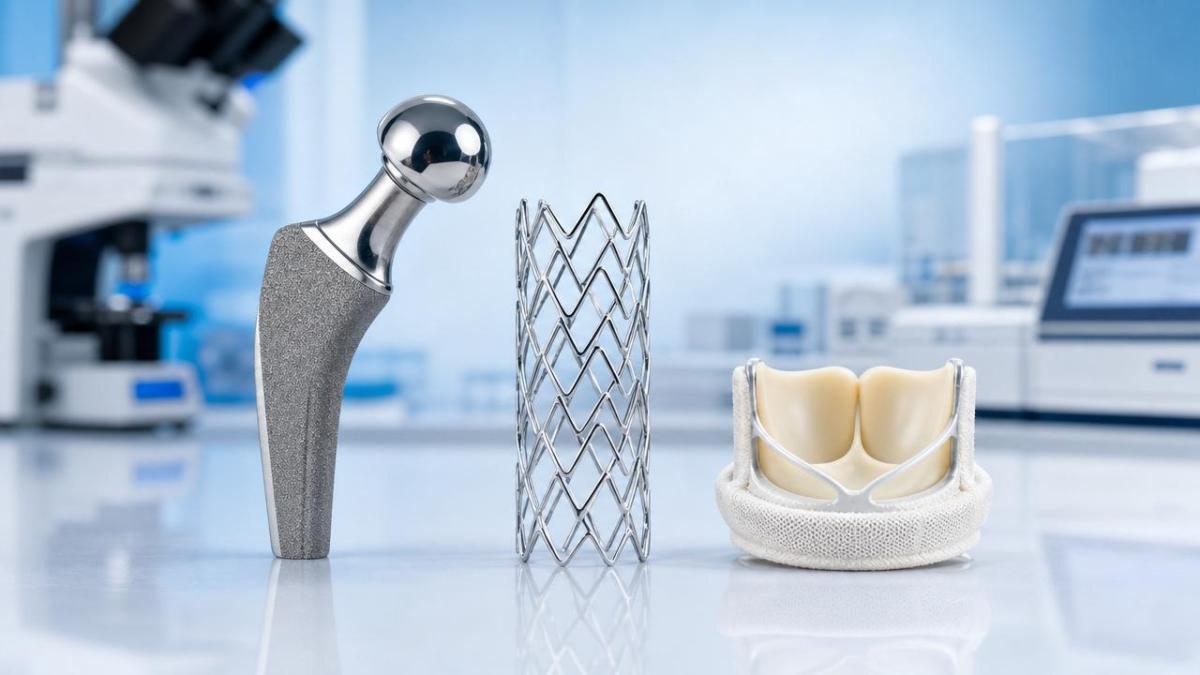
The term implantable medical devices covers products placed partially or fully inside the body for sustained therapeutic use.
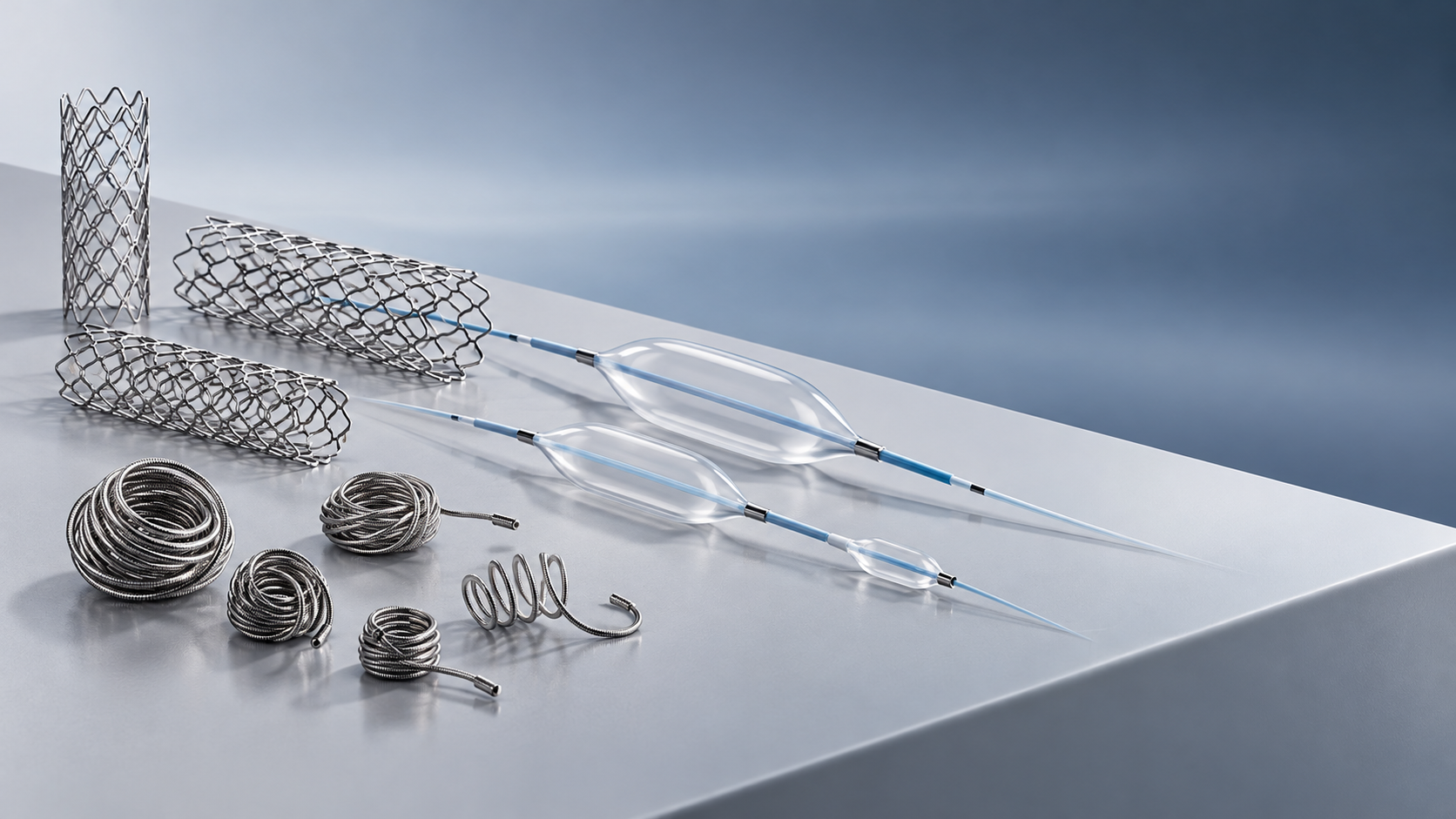
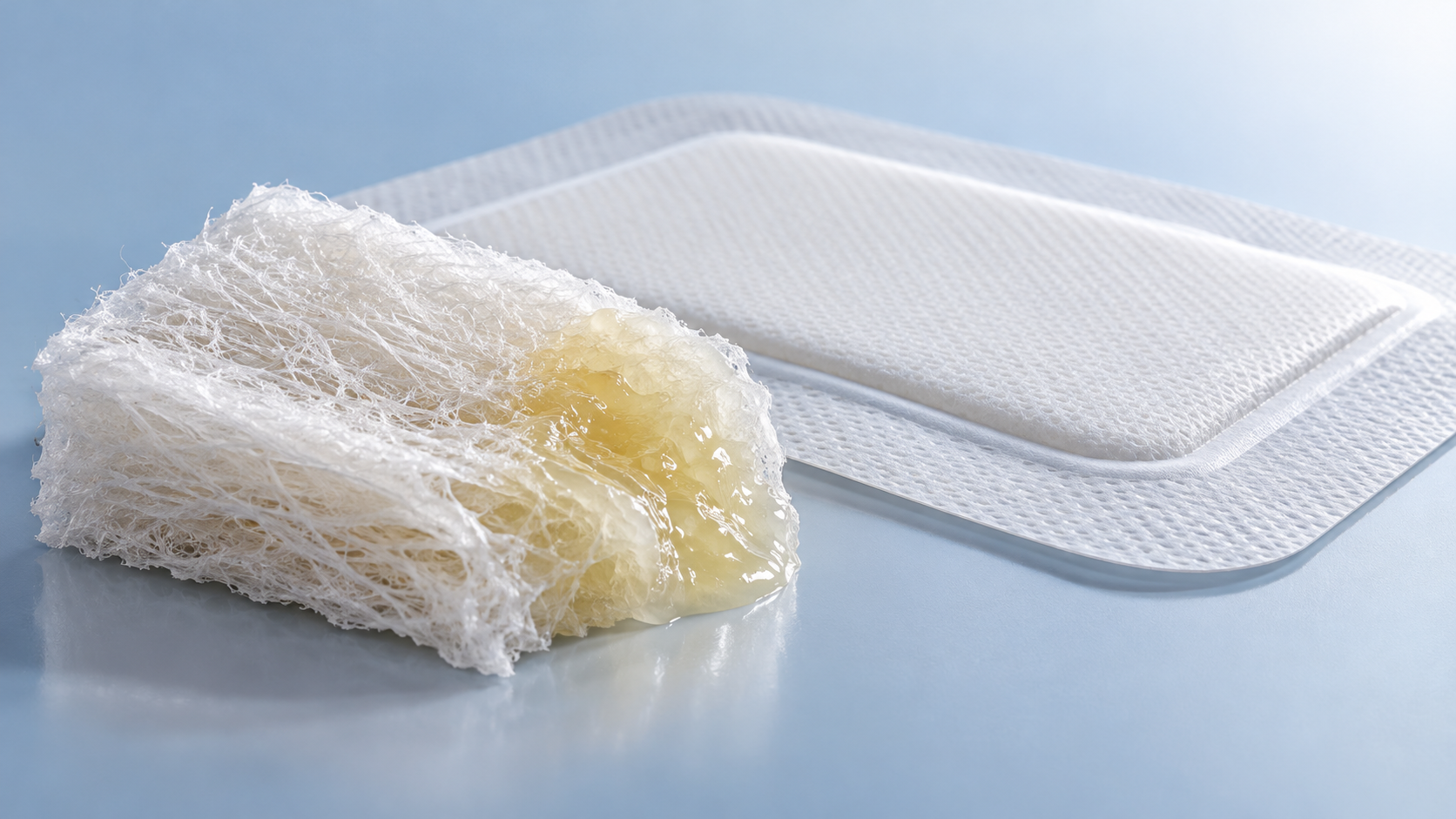
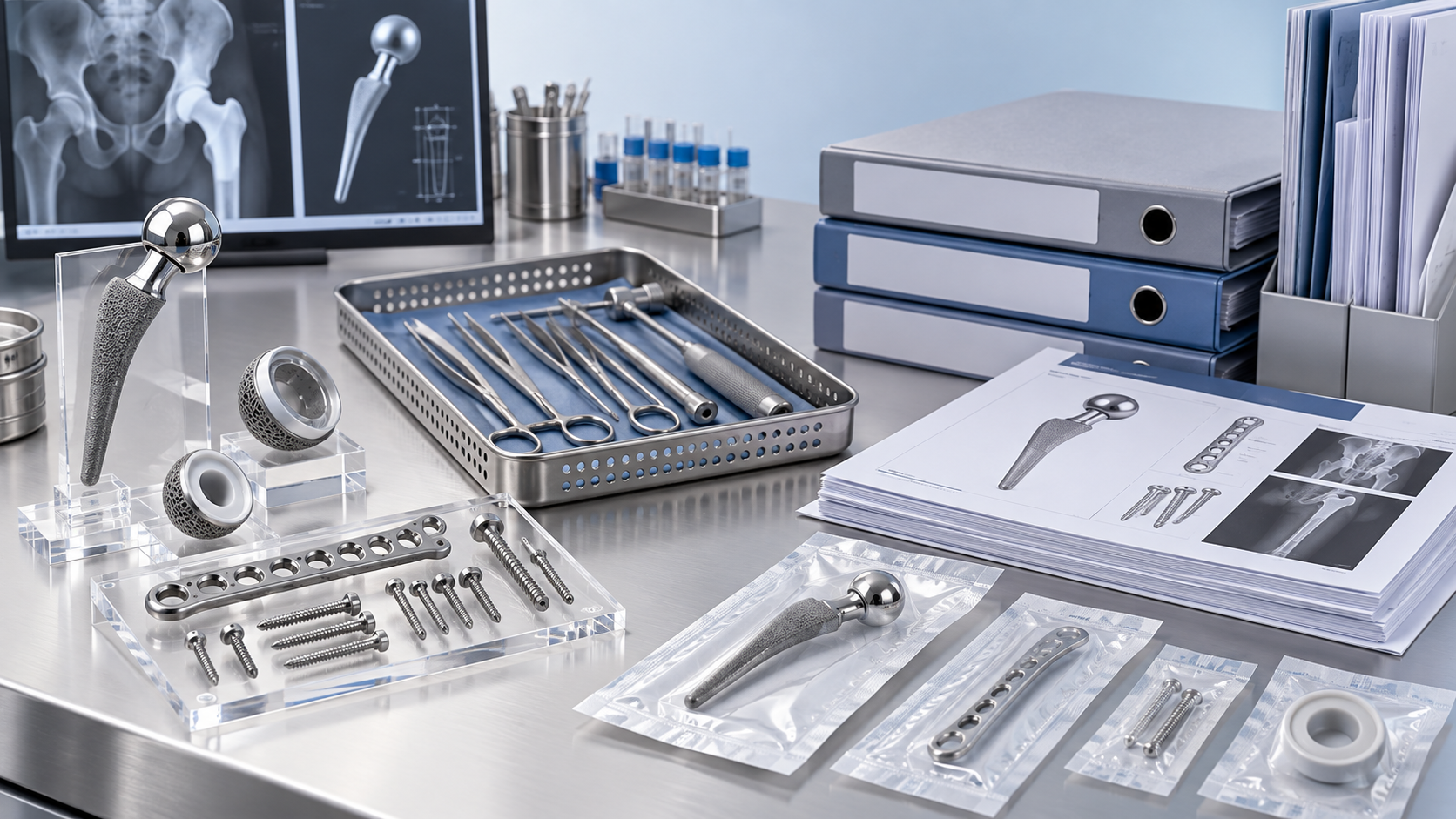
Common categories include joint implants, spinal systems, vascular stents, heart valves, neurovascular components, and tissue repair materials.
A strong comparison framework examines five dimensions: intended use, risk class, biocompatibility, mechanical durability, and real-world clinical performance.
It also checks whether design claims align with manufacturing consistency and post-market surveillance expectations.
Core evidence categories
- Material composition and surface treatment data
- ISO 10993 biological safety results
- Mechanical fatigue, wear, corrosion, and shelf-life testing
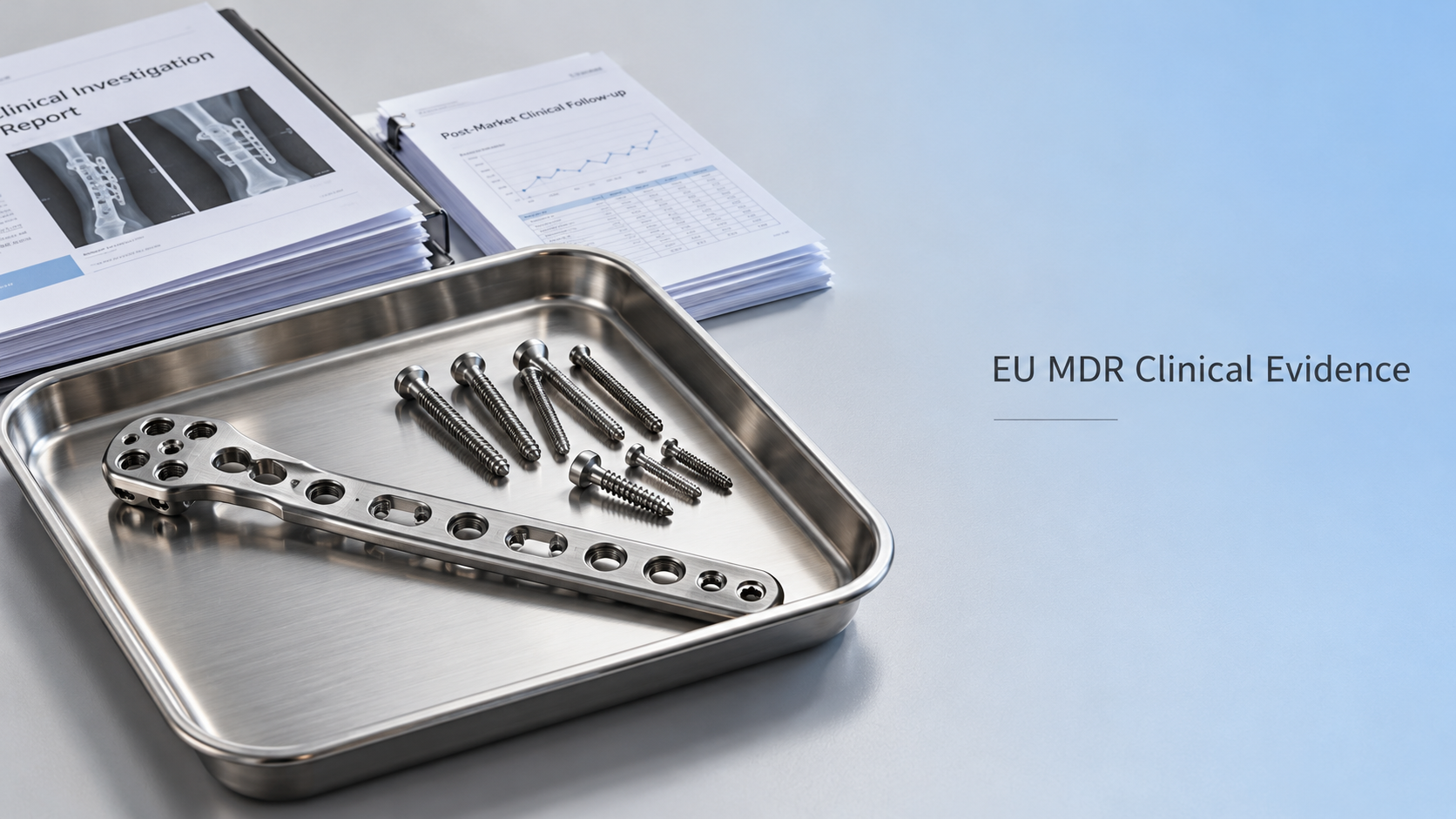
- Clinical evaluation, follow-up duration, and adverse event rates
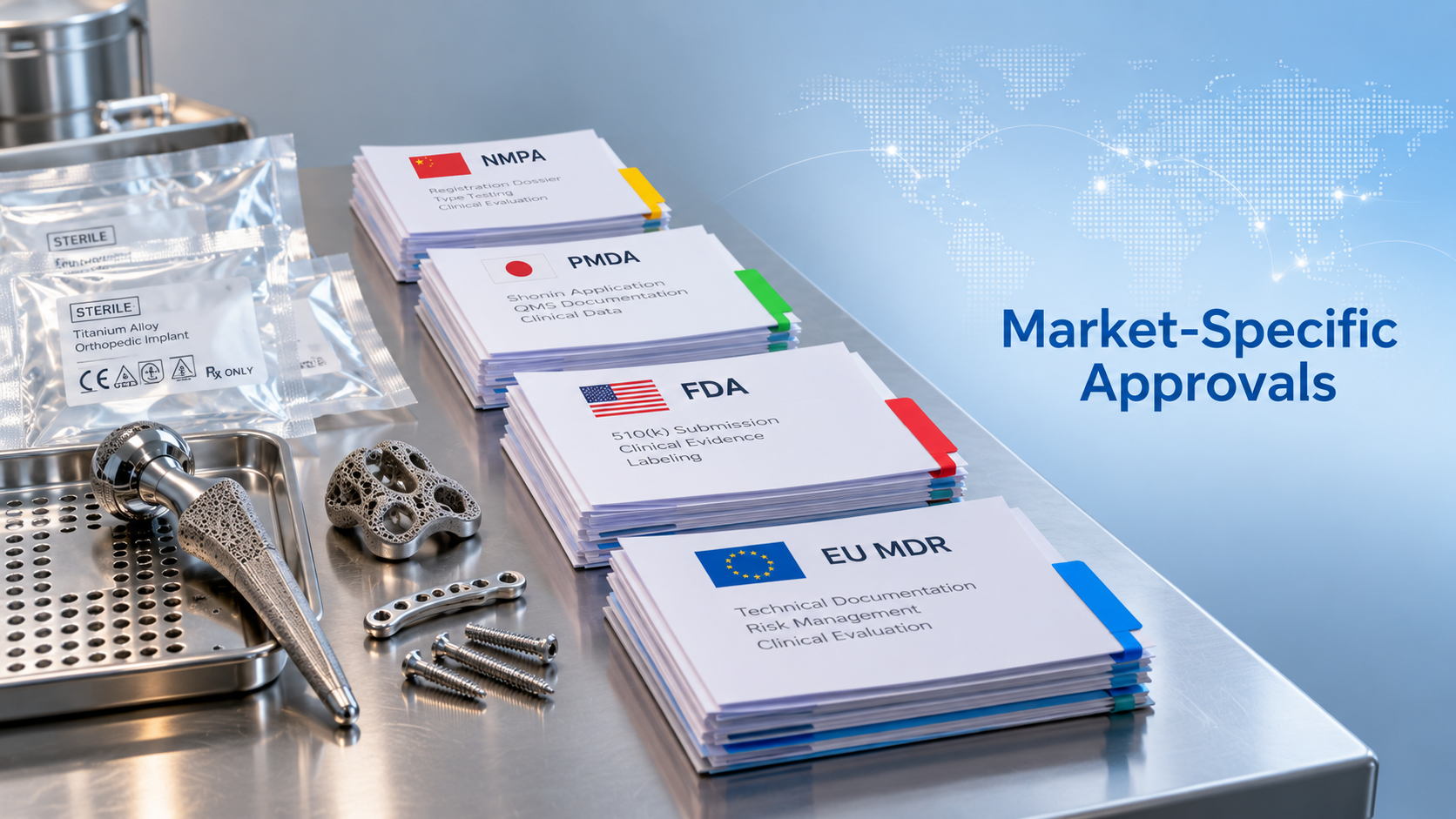
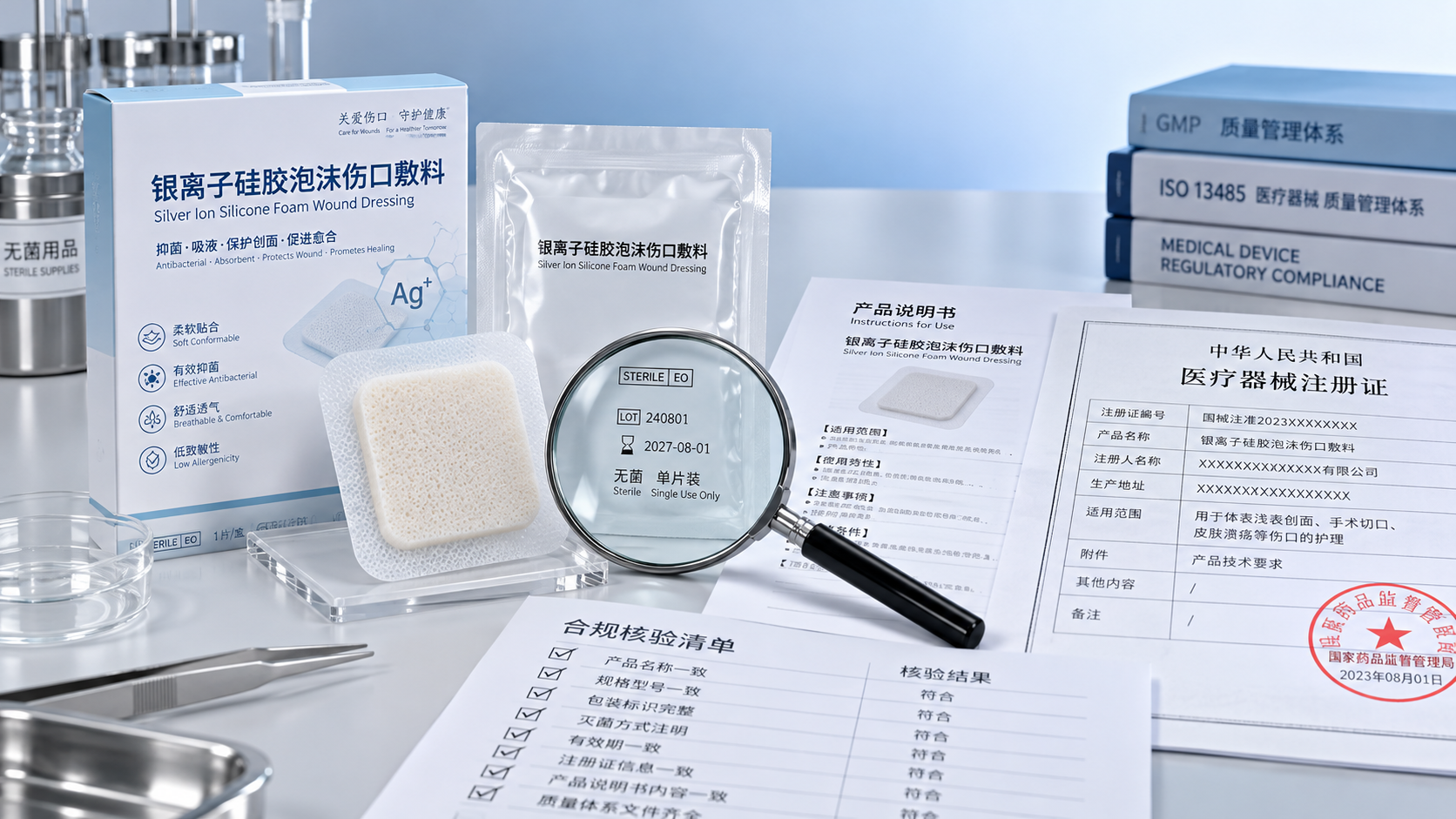
- Regulatory approvals, labeling scope, and change-control discipline
Industry Signals Shaping Safety and Longevity Assessment
Today’s market expects implantable medical devices to combine long service life with predictable biological integration.
At the same time, regulators demand stronger clinical justification for high-risk permanent implants.
Advanced materials, additive manufacturing, and minimally invasive delivery systems create opportunities, but also new validation burdens.
In this environment, comparison is no longer a one-time technical exercise.
It is a lifecycle decision process connecting design inputs, validation outputs, and long-term patient outcomes.
Safety Criteria for Implantable Medical Devices
When reviewing implantable medical devices, safety starts with body compatibility and extends to failure consequences.
A device may function mechanically, yet still fail biologically or procedurally.
Biocompatibility and tissue response
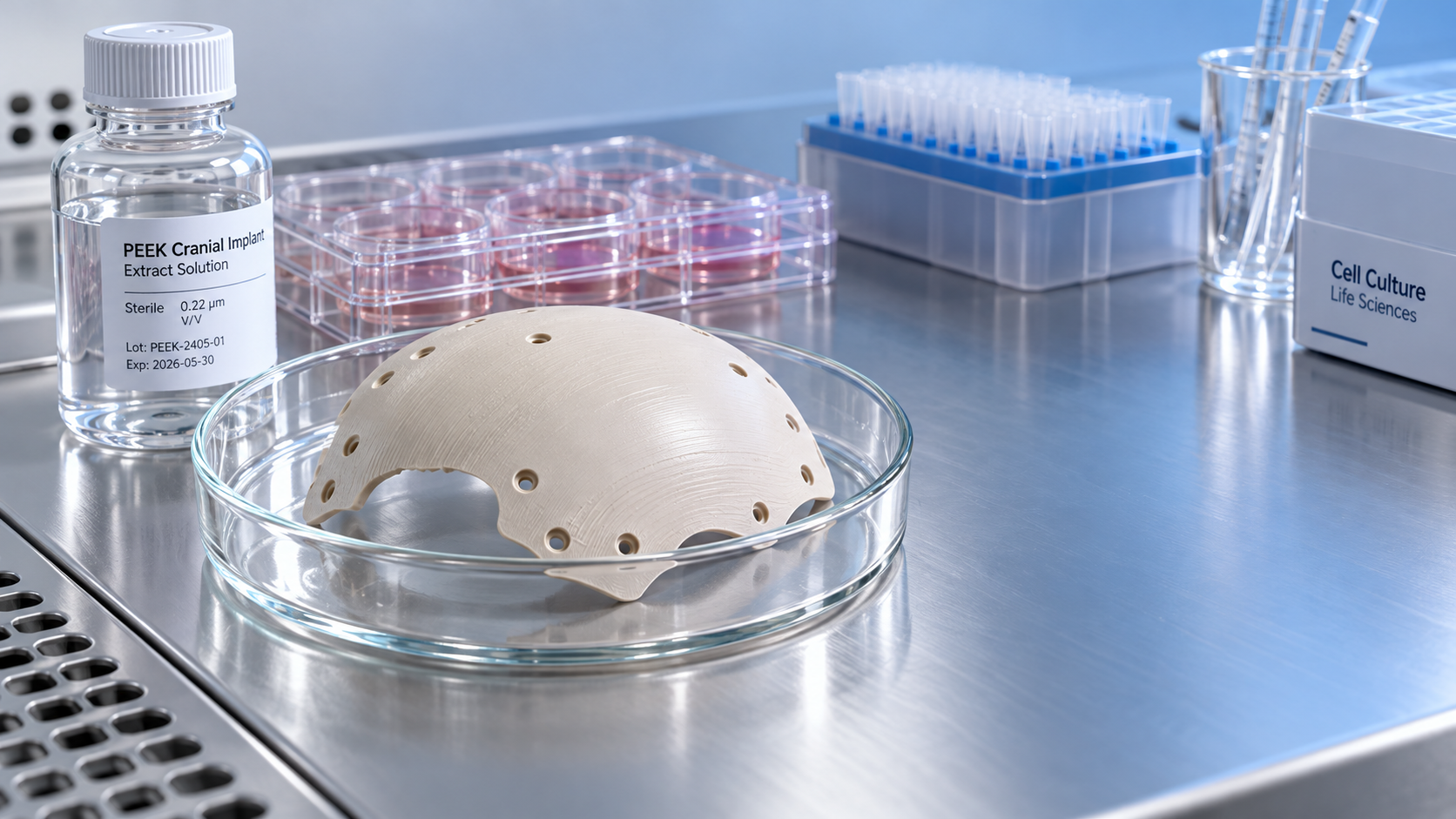
Biocompatibility evidence should address cytotoxicity, sensitization, irritation, systemic toxicity, and implantation effects where relevant.
For permanent implants, chemical characterization and extractables data deserve close attention.
Mechanical integrity under physiological stress
Orthopedic systems need fatigue resistance, fixation stability, and wear control.
Cardiovascular implants need radial strength, fracture resistance, sealing behavior, and delivery accuracy.
Process and sterility control
Even well-designed implantable medical devices can fail if machining precision, cleaning, packaging, or sterilization is inconsistent.
Review particulate control, residue limits, packaging integrity, and validated sterilization methods.
Risk documentation
Useful comparison includes hazard analysis, risk control measures, and residual risk justification.
Devices with similar indications may differ greatly in failure mode severity.
Longevity Factors That Influence Long-Term Performance
The longevity of implantable medical devices depends on more than headline material choice.
Long-term success emerges from the interaction between design geometry, implant location, patient loading, and tissue healing behavior.
Material durability
Titanium alloys, cobalt-chromium, nitinol, PEEK, and bioresorbable polymers each have different fatigue and corrosion profiles.
The best material is indication-specific, not universally superior.
Surface performance
Porous structures, hydroxyapatite coatings, drug elution layers, and antithrombotic coatings can extend functional life.
However, every coating introduces adhesion, wear, and degradation questions.
Clinical follow-up depth
Claims about durable implantable medical devices should be supported by Kaplan-Meier survival data or equivalent long-term outcomes.
Short studies can confirm procedural success, but rarely prove longevity.
Typical Categories and Comparison Priorities
Comparison priorities change by device type because anatomy, motion, and complication pathways are different.
This category-based method improves clarity when several implantable medical devices appear similar on paper.
Practical Evaluation Framework for Better Decisions
A practical review model should connect technical documentation with real clinical consequences.
- Confirm intended use, anatomical site, and duration of implantation.
- Map applicable standards and regulatory route.
- Review material data, processing method, and surface treatment consistency.
- Assess biological safety package and chemical risk rationale.
- Examine bench tests for fatigue, corrosion, wear, and deployment reliability.
- Compare clinical evidence quality, follow-up length, and adverse event reporting.
- Check post-market signals, field actions, and manufacturing change history.
This sequence helps identify whether differences between implantable medical devices are meaningful or only promotional.
Common Mistakes to Avoid During Comparison
Several recurring errors can distort the assessment of implantable medical devices.
- Treating regulatory clearance as equal to proven long-term superiority
- Overweighting laboratory strength without clinical context
- Ignoring manufacturing variability and process drift risk
- Comparing devices across different patient indications
- Using short follow-up windows to judge permanence
The best comparison balances engineering detail, biological logic, and evidence maturity.
Next-Step Approach for Ongoing Assessment
Reliable evaluation of implantable medical devices should continue after initial selection.
Create a living comparison file that tracks design revisions, updated clinical data, complaint patterns, and new regulatory interpretations.
For complex implant categories, use cross-checks between material science, toxicology, clinical evidence, and supply stability.
That disciplined approach supports safer choices, clearer risk visibility, and stronger long-term confidence in implantable medical devices.
In a market defined by precision, regulation, and patient outcome sensitivity, better comparison is a strategic advantage.
Get weekly intelligence in your inbox.
No noise. No sponsored content. Pure intelligence.
News Recommendations
 Oct 26, 2026Can a single approval cover life science product sales worldwide?Can a single approval cover life science product sales worldwide?
 Oct 25, 2026When is sensitization testing needed for medical device biocompatibility?When is sensitization testing needed for medical device biocompatibility?
 Oct 24, 2026How is biocompatibility tested for implantable polymer biomaterials?How is biocompatibility tested for implantable polymer biomaterials?
 Oct 23, 2026How to build reimbursement into an implant commercialization strategyHow to build reimbursement into an implant commercialization strategy
 Oct 22, 2026What clinical evidence do implants need for CE marking under EU MDR?What clinical evidence do implants need for CE marking under EU MDR?
 Oct 21, 2026How to choose disposable laparoscopic stapler reloads for thick tissueHow to choose disposable laparoscopic stapler reloads for thick tissue
 Oct 20, 2026How to assess medical polymer biocompatibility under ISO 10993How to assess medical polymer biocompatibility under ISO 10993
 Oct 19, 2026How do interventional device categories differ in clinical use?How do interventional device categories differ in clinical use?
 Oct 18, 2026When to choose alginate dressings for heavily exuding chronic woundsWhen to choose alginate dressings for heavily exuding chronic wounds
 Oct 17, 2026How is biocompatibility tested for custom medical-grade PEEK implants?How is biocompatibility tested for custom medical-grade PEEK implants?
 Oct 16, 2026How to check a wound healing materials supplier’s biocompatibility dataHow to check a wound healing materials supplier’s biocompatibility data
 Oct 15, 2026How to verify the FDA clearance status of silver wound dressingsHow to verify the FDA clearance status of silver wound dressings
 Oct 14, 2026How to register orthopedic implants and instruments in Latin AmericaHow to register orthopedic implants and instruments in Latin America
 Oct 13, 2026How to use a device market intelligence database to benchmark VBP pricesHow to use a device market intelligence database to benchmark VBP prices
 Oct 12, 2026When should stainless steel orthopedic instruments be replaced?When should stainless steel orthopedic instruments be replaced?
 Oct 11, 2026When are alginate dressings rope the right choice for cavity wounds?When are alginate dressings rope the right choice for cavity wounds?
 Oct 10, 2026When smart minimally invasive technology improves catheter accessWhen smart minimally invasive technology improves catheter access
 Oct 08, 2026Clinical evaluation requirements for cardiovascular implant devices in EuropeClinical evaluation requirements for cardiovascular implant devices in Europe
 Oct 07, 2026What to verify before appointing an artificial joint implants distributorWhat to verify before appointing an artificial joint implants distributor
 Oct 06, 2026How ISO 10993 guides biocompatibility testing for medical materialsHow ISO 10993 guides biocompatibility testing for medical materials
 Oct 05, 2026How to verify an orthopedic implants and instruments exporterHow to verify an orthopedic implants and instruments exporter
 Oct 04, 2026What drives surgical stapling devices price differences in hospital tenders?What drives surgical stapling devices price differences in hospital tenders?
 Oct 03, 2026How to assess a central venous catheter manufacturer's infection-control evidenceHow to assess a central venous catheter manufacturer's infection-control evidence
 Oct 02, 2026How to assess an advanced wound care factory’s quality systemHow to assess an advanced wound care factory’s quality system
 Oct 01, 2026What is driving global medical consumables demand in emerging markets?What is driving global medical consumables demand in emerging markets?
 Sep 30, 2026Implant Material Compliance Testing: Evidence Needed for Regulatory SubmissionImplant Material Compliance Testing: Evidence Needed for Regulatory Submission
 Sep 30, 2026From Corrosion to Fatigue: What Implant Materials Testing Should MeasureFrom Corrosion to Fatigue: What Implant Materials Testing Should Measure