How to Evaluate Personalized Medical Devices for Clinical Fit
Evaluating personalized medical devices for clinical fit requires more than checking dimensions or basic performance. For technical assessors, the real challenge lies in aligning patient-specific design, biocompatibility, regulatory evidence, manufacturing precision, and real-world clinical usability.
This article addresses the core search intent behind personalized medical devices: how to judge whether a custom or patient-matched device is truly suitable for clinical use, not just technically feasible on paper.
For technical evaluation teams, the most important questions are practical. Does the device fit the anatomy and procedure? Is the material appropriate for tissue contact duration and loading conditions? Can the manufacturing process reproduce the intended performance reliably?
They also need to know whether available evidence is strong enough for internal approval, regulatory submission, procurement review, or clinical adoption. In high-risk applications, weak evidence in one area can invalidate strengths in another.
A useful evaluation framework therefore cannot be generic. It must connect design intent, patient variability, engineering controls, biological safety, sterilization, surgeon workflow, and post-market risk into one structured decision process.
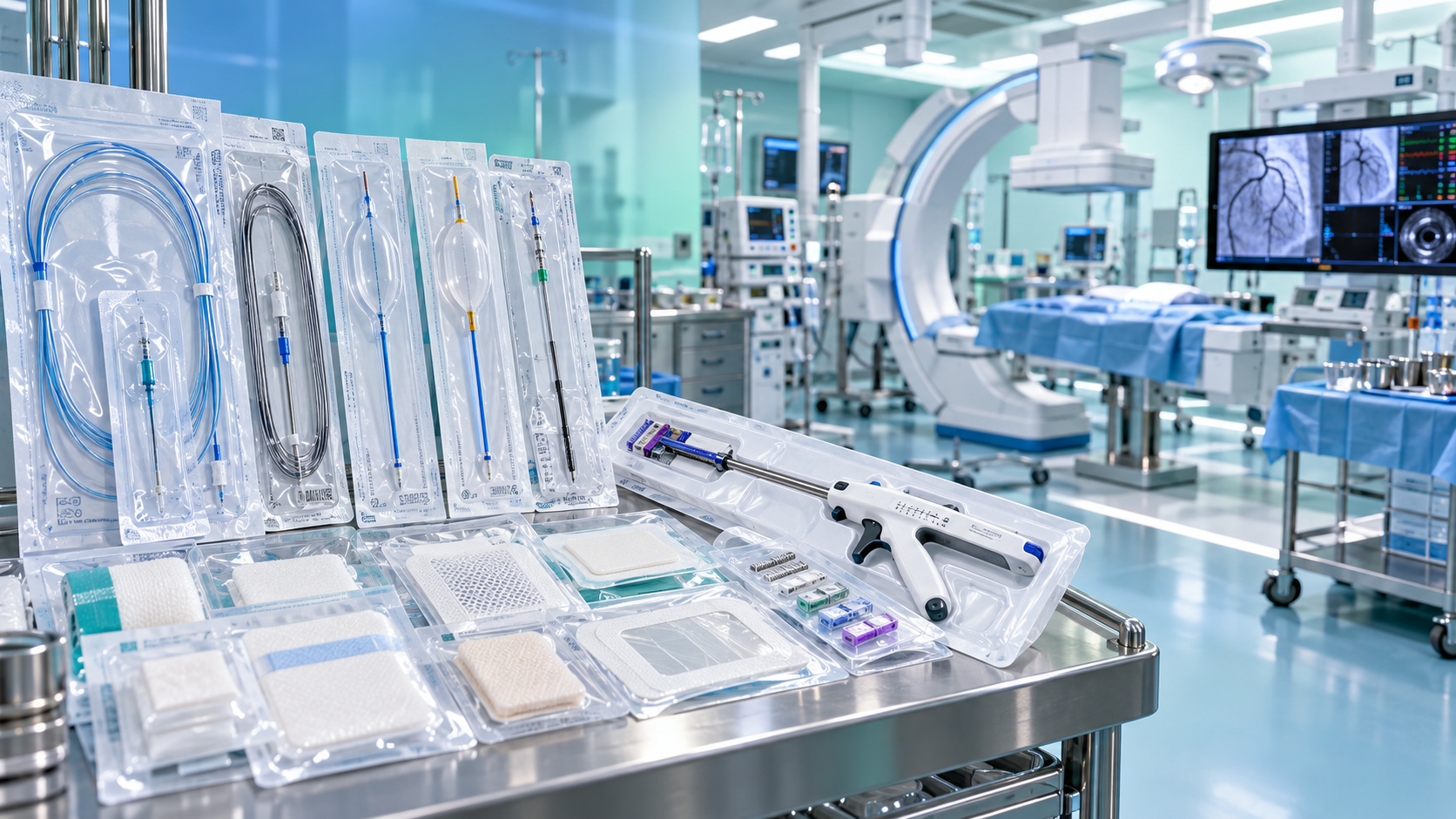
For organizations working with implants, interventional systems, surgical consumables, or regenerative materials, this is especially important because personalized products often sit at the intersection of innovation and regulatory scrutiny.
What technical assessors are really trying to confirm
The central task is not to ask whether a personalized device is advanced. It is to determine whether it is clinically appropriate, manufacturable, safe, and defensible under quality and regulatory standards.
That means assessing clinical fit at several levels simultaneously. First, the device must match the patient’s anatomy, pathology, and treatment objectives. Second, it must perform predictably during the intended procedure and over the intended use period.
Third, the product must be supported by design inputs, verification data, validation evidence, and risk controls that are proportionate to its classification and clinical consequences. Personalized medical devices often fail evaluation when one of these links is weak.
Technical readers usually do not need broad descriptions of personalization trends. They need a repeatable method for deciding whether a custom implant, surgical guide, catheter modification, or regenerative construct is fit for the case.
A sound review should produce a clear answer to five questions: does it fit, does it function, is it biologically safe, can it be manufactured consistently, and is the evidence sufficient for the clinical context?
Start with the clinical use case, not the CAD file
One common mistake in evaluating personalized medical devices is starting from geometry alone. A perfect anatomical match does not automatically mean the device is right for the treatment pathway.
Technical assessors should begin with the clinical problem statement. What condition is being treated? What procedural constraints exist? What alternatives are available? What outcome is the device expected to improve compared with a standard product?
This first step defines what “clinical fit” actually means. In orthopedics, it may involve load transfer, osseointegration, fixation stability, and revision access. In cardiovascular intervention, it may involve navigation profile, deployment precision, radial force, or thrombogenicity risk.
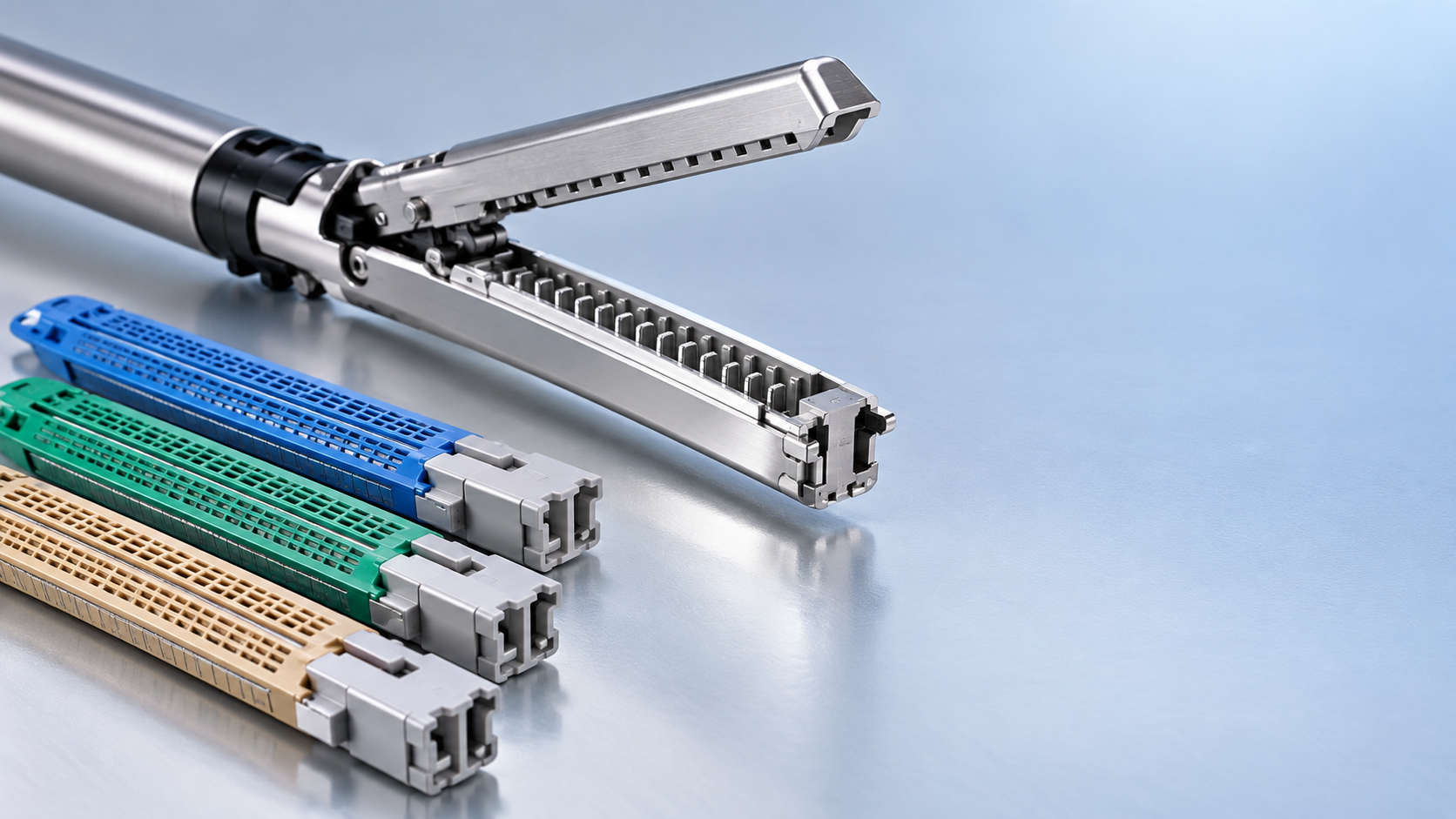
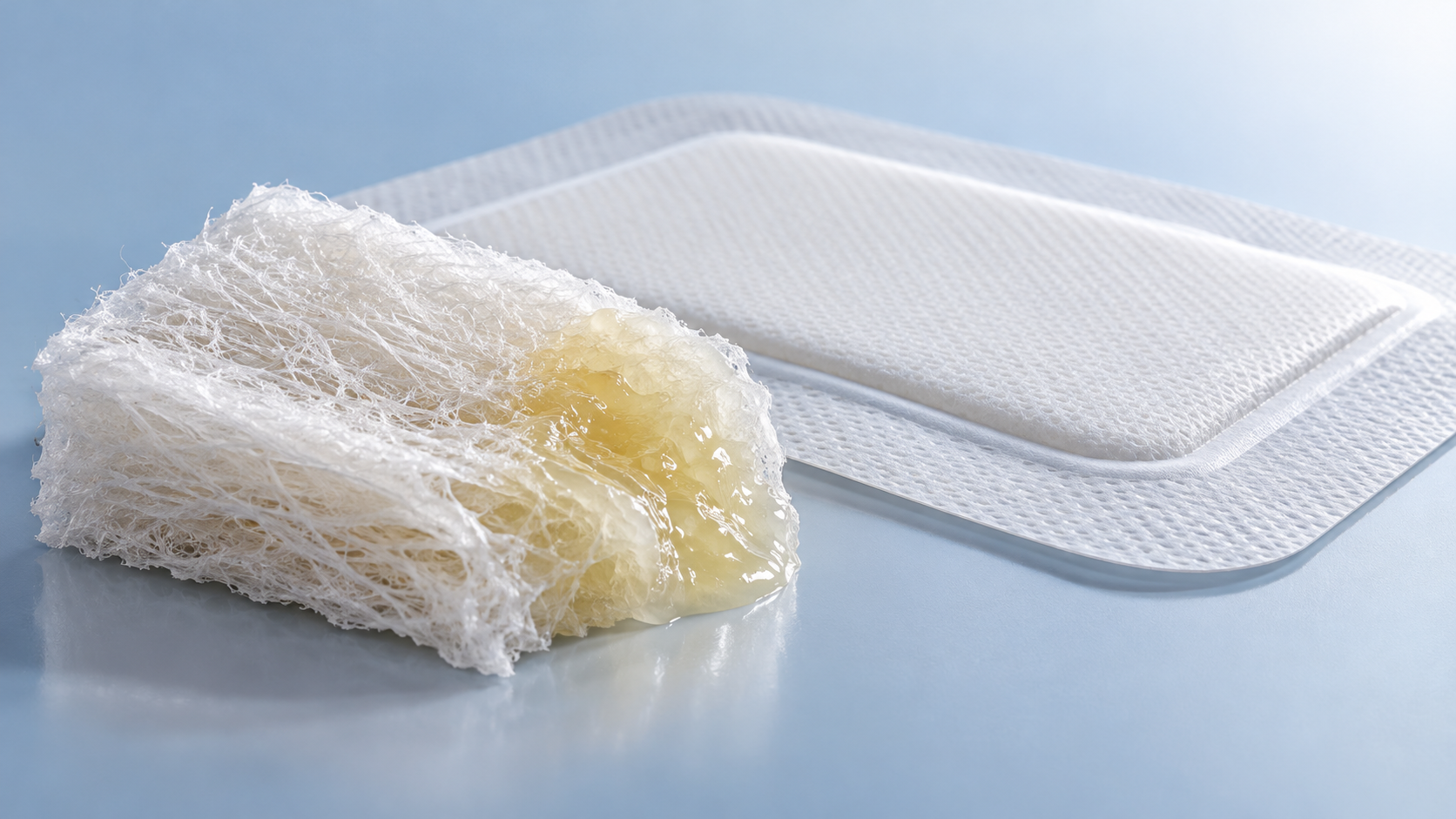
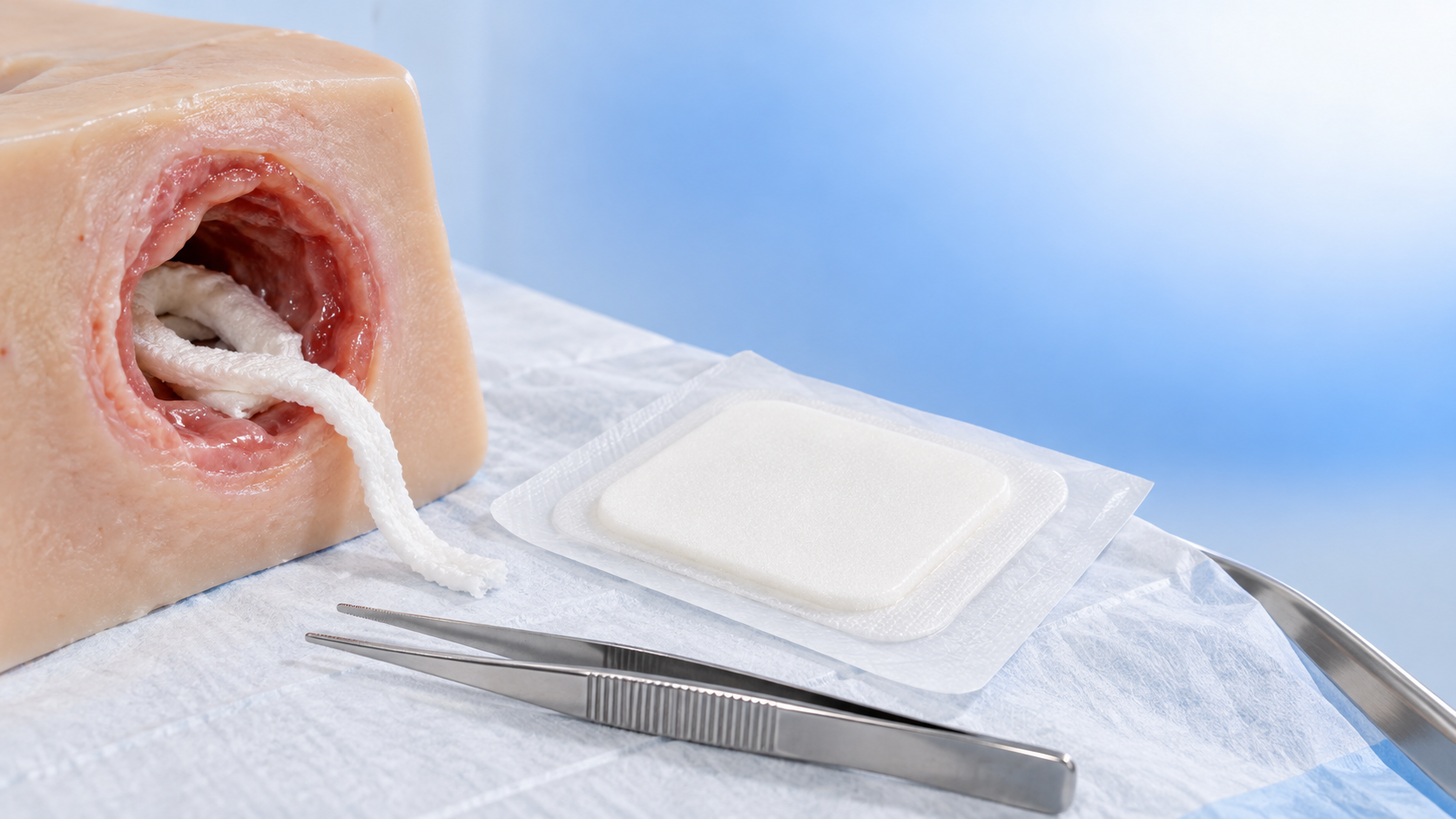
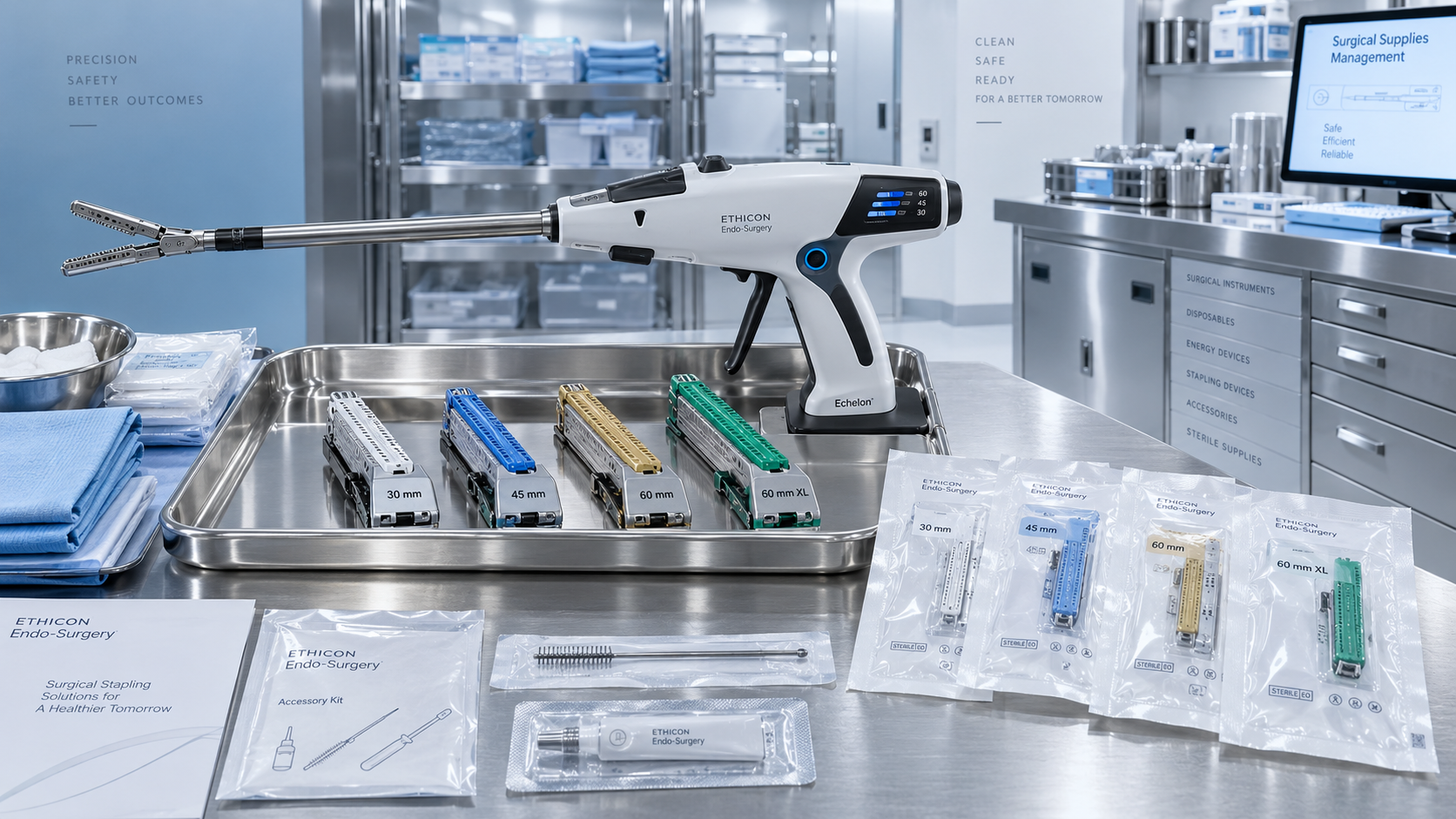
In minimally invasive surgery, clinical fit may depend less on anatomy and more on access angle, tissue thickness variation, firing reliability, or compatibility with the operative workflow. For wound care, fit may relate to exudate control, moisture balance, and conformability.
Once the intended use is explicit, assessors can judge whether personalization creates meaningful clinical value or merely adds complexity. If the advantage cannot be defined in clinical terms, the justification for a personalized solution is already weak.
Evaluate anatomical and functional fit together
Personalized devices are often promoted for their anatomical precision, but technical review should combine static fit with functional fit. The body is dynamic, and many failures emerge only when motion, loading, pressure, or fluid interaction are considered.
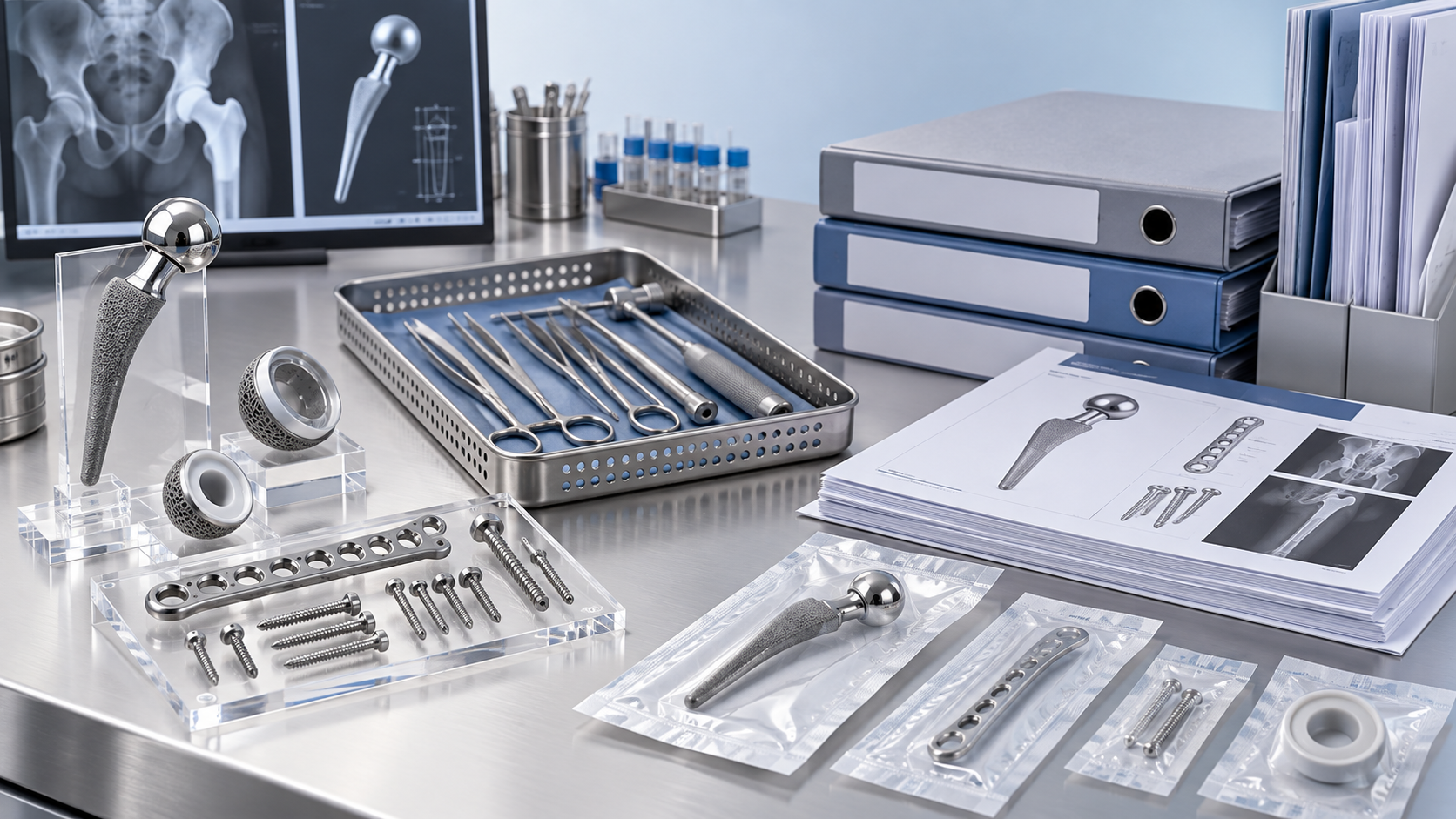
For implants, review patient imaging quality, segmentation method, anatomical landmark selection, and tolerance strategy. Small errors in imaging interpretation can cascade into malposition, stress concentration, or mismatch at critical interfaces.
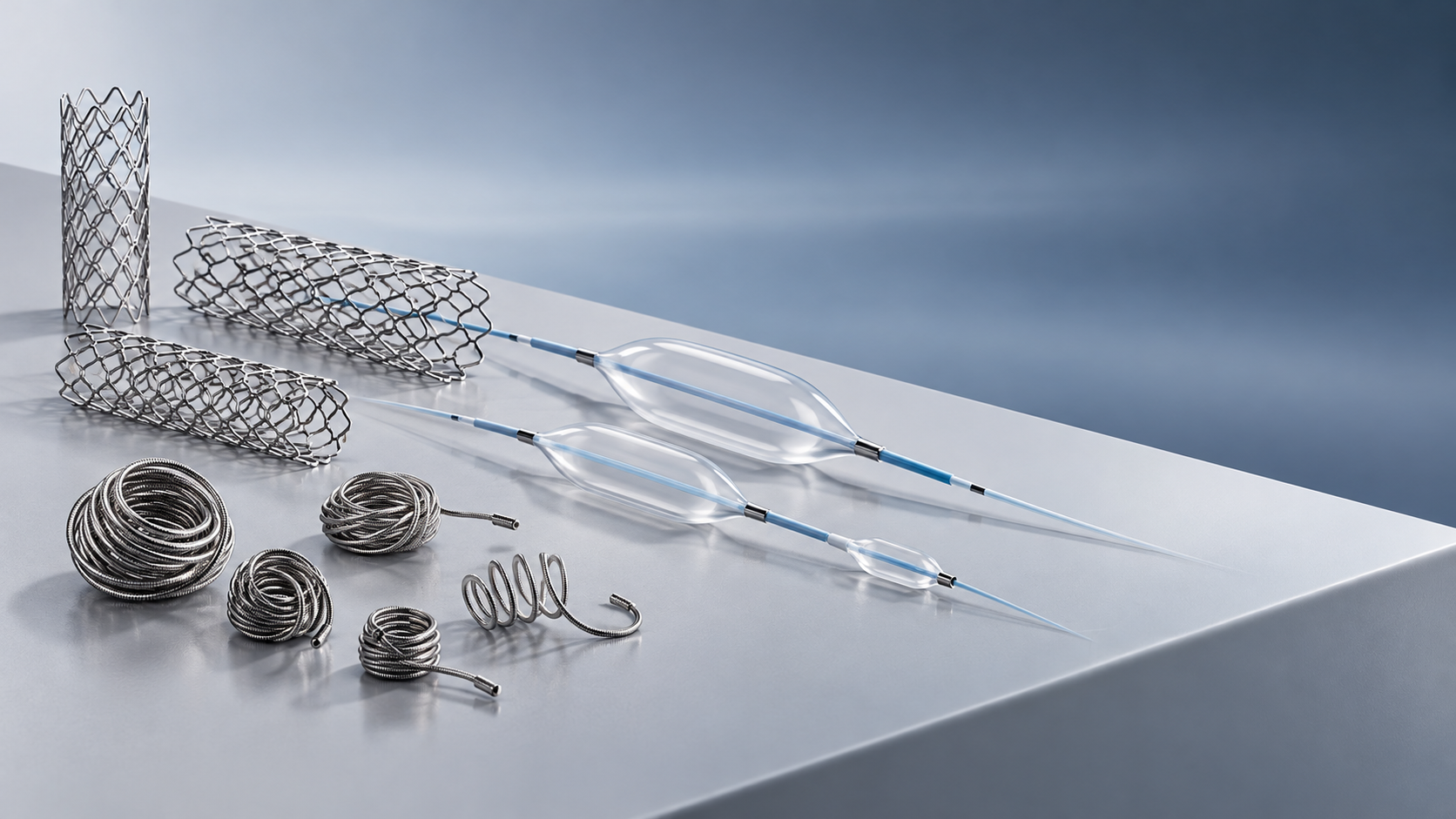
For interventional tools and catheters, examine tortuosity models, trackability assumptions, and surface interaction. A customized dimension may improve navigation in one segment but create pushability or kink-resistance problems elsewhere.
Assessors should verify whether design inputs reflect realistic anatomy ranges, not a single idealized model. If a personalized design depends on clinician measurements, the measurement process itself must be reviewed for repeatability and operator dependence.
Functional simulations and benchtop tests are essential, but they must reflect actual use conditions. Contact mechanics, fatigue zones, closure forces, deployment behavior, and tissue-device interaction should all be examined under clinically relevant scenarios.
When possible, compare the personalized device against the current standard of care. This benchmark helps determine whether customization changes the outcome meaningfully or only shifts risk from one area to another.
Biocompatibility is not a checkbox for personalized products
For many technical assessors, biocompatibility is where personalized medical devices become difficult. Design may change case by case, but biological safety cannot be treated informally, especially for implantable or long-contact products.
Material selection should be reviewed in the context of contact type, contact duration, mechanical wear, degradation profile, and processing residues. A familiar base material can still present new biological risks if the surface treatment or fabrication route changes.
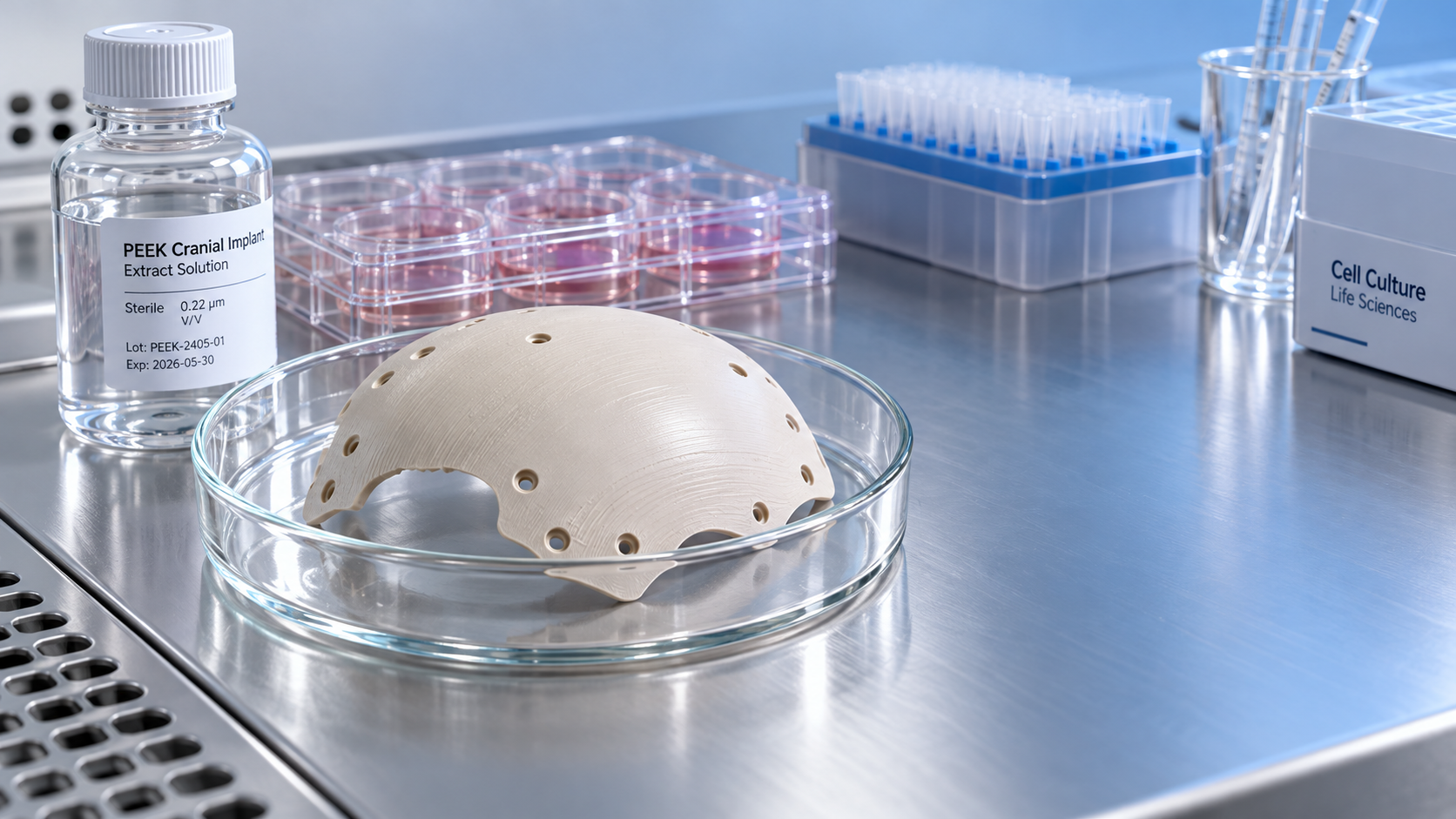
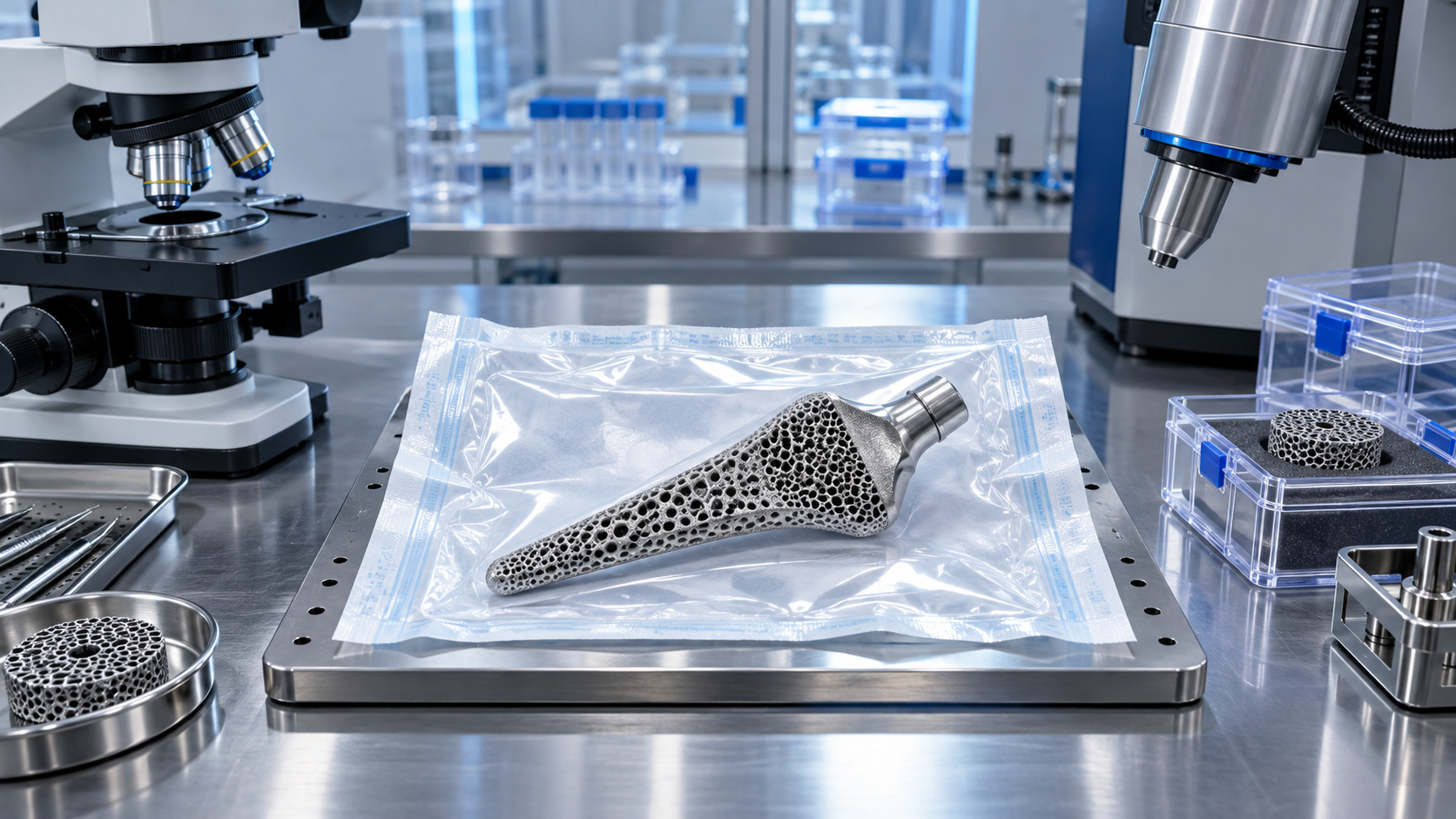
Additive manufacturing, coating processes, adhesive bonding, cleaning chemistry, and sterilization can all alter the final biological profile. For patient-specific implants, porous architecture and residual powder management may require especially close scrutiny.
Assessors should map material and process characteristics against applicable biological endpoints, often aligned with ISO 10993 logic. Cytotoxicity, sensitization, irritation, systemic toxicity, hemocompatibility, and implantation concerns may not all apply equally, but the rationale must be explicit.
Do not review test reports in isolation. Check sample representativeness, extraction conditions, manufacturing equivalence, and whether the tested articles actually reflect final product configuration. A positive test summary is less useful than a credible testing strategy.
For cardiovascular and blood-contacting personalized devices, surface energy, thrombus potential, and particulate risks deserve heightened attention. For orthopedic implants, particulate generation, corrosion behavior, and long-term tissue response may be more decisive.
Manufacturing consistency determines whether the design can be trusted
A personalized design can appear clinically excellent yet still fail evaluation because it cannot be produced consistently. Technical assessors should examine whether manufacturing controls are robust enough for patient-specific variation.
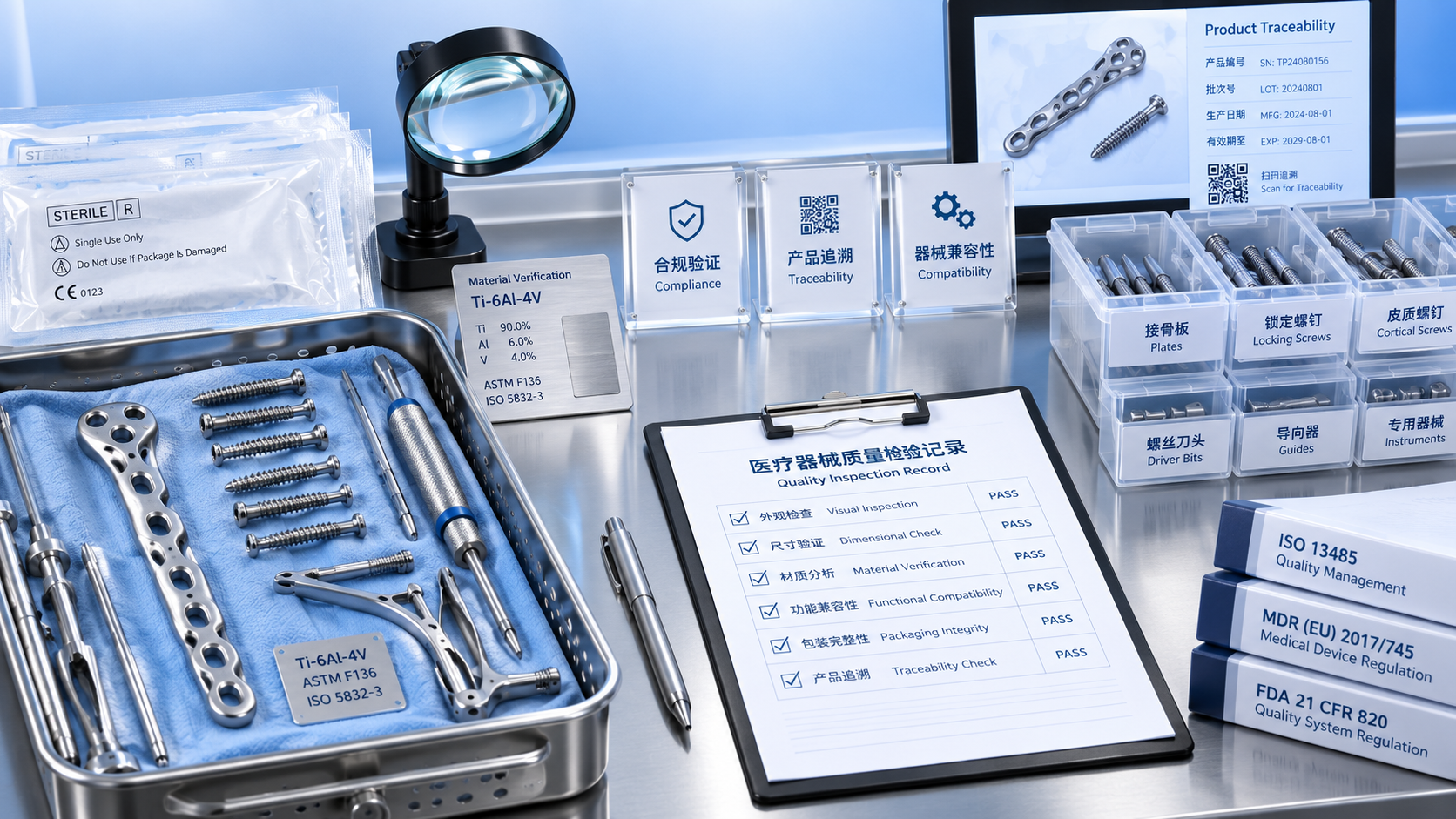
This includes raw material traceability, machine calibration, build orientation strategy, dimensional tolerance control, post-processing stability, and inspection criteria. In personalized workflows, process variability often becomes the hidden source of performance uncertainty.
For 3D-printed implants, evaluate lattice reproducibility, surface roughness control, residual stress management, and cleaning validation. For polymer-based devices, review extrusion consistency, coating uniformity, bonding integrity, and aging behavior.
The key question is whether each customized device remains inside a validated process window. If every case requires ad hoc engineering judgment outside that window, scalability and quality assurance become fragile.
Technical teams should also review the digital thread. How are imaging data converted into design files? Who approves modifications? How are file versions controlled? Can the final manufactured device be traced back to the approved design intent?
In clinical fit assessments, manufacturing evidence matters because poor process control can erase the benefit of personalization. Precision on the screen is irrelevant if tolerance drift appears in the operating room.
Usability and procedure integration often decide real clinical fit
Even when anatomy, materials, and manufacturing are strong, the device may still be a poor clinical fit if it disrupts the procedure. This is especially true for surgical guides, stapling systems, catheters, and navigation-dependent tools.
Assessors should ask how the product behaves in the hands of clinicians. Is the setup intuitive? Are orientation cues clear? Does the device integrate with existing instruments, imaging systems, and sterilization workflows? Can it be deployed under time pressure?
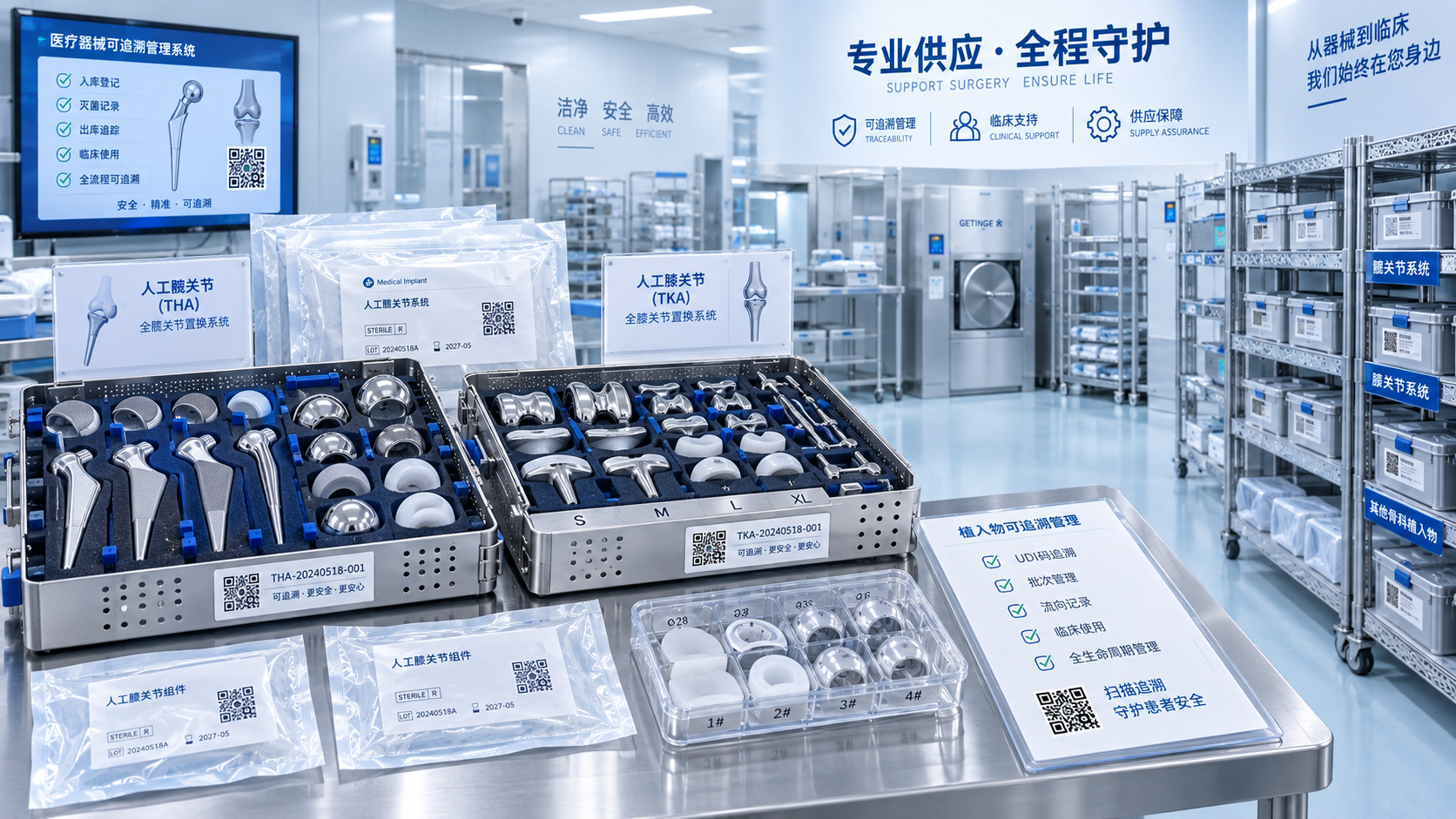
For patient-specific implants, insertion path, fixation access, and contingency planning are critical. A design that fits perfectly in theory may be difficult to implant because of soft tissue constraints or limited surgical exposure.
For personalized interventional products, attention should be paid to delivery compatibility, marker visibility, torque response, and retrieval options. In many cases, clinical usability failures emerge before material or structural failures do.
Human factors review should therefore be part of technical evaluation, not a late-stage formality. If the personalized feature creates extra procedural steps, assess whether those steps produce enough value to justify the operational burden.
Regulatory adequacy depends on evidence logic, not document volume
Technical assessors often inherit large evidence packages and assume more documents mean lower risk. In reality, personalized medical devices require coherent evidence logic more than document quantity.
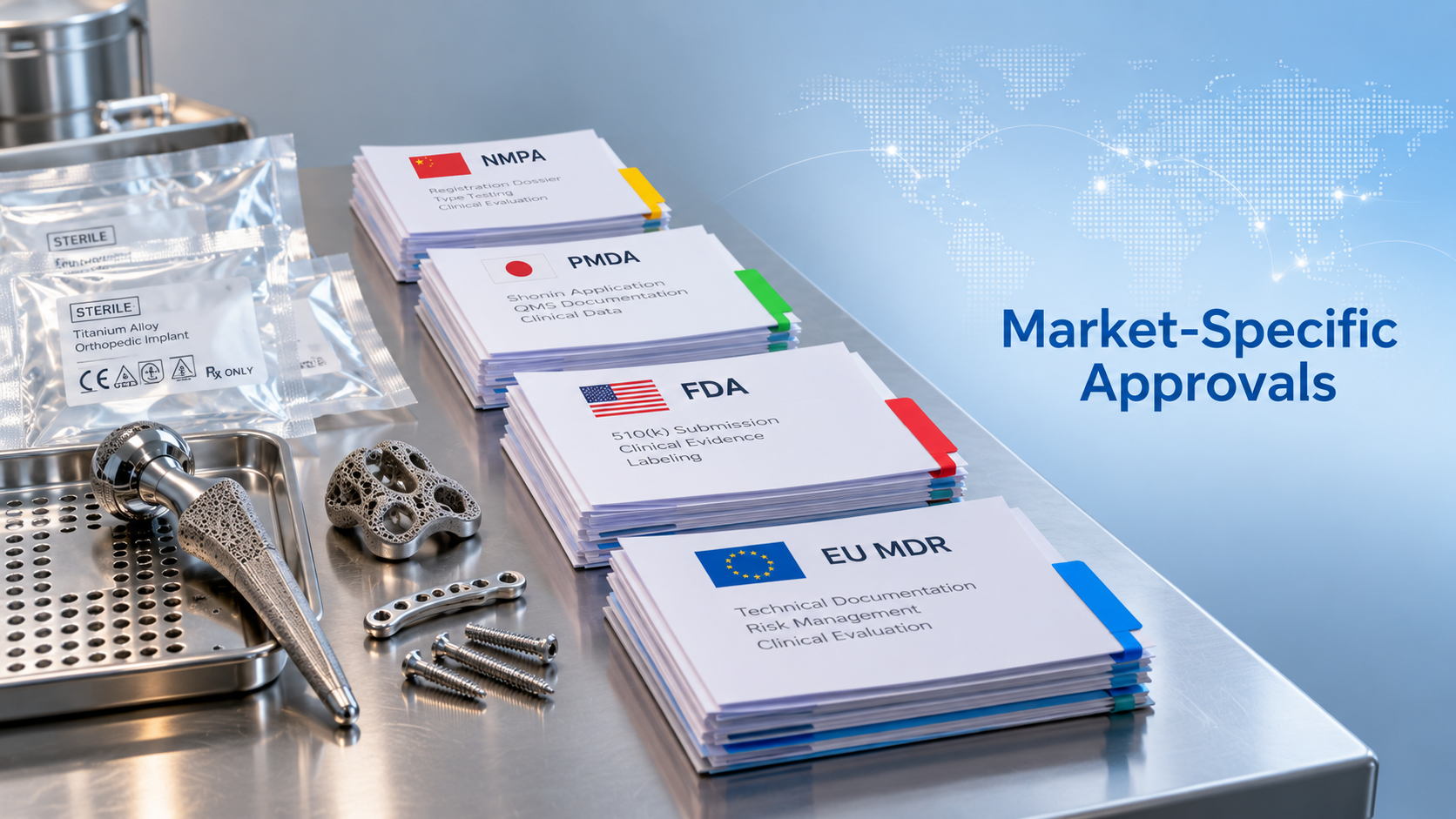
The assessment should ask whether the evidence supports the specific personalization model. Is the product truly custom-made, patient-matched within predefined boundaries, or a configurable variant of an existing platform? Each path changes the evidence burden.
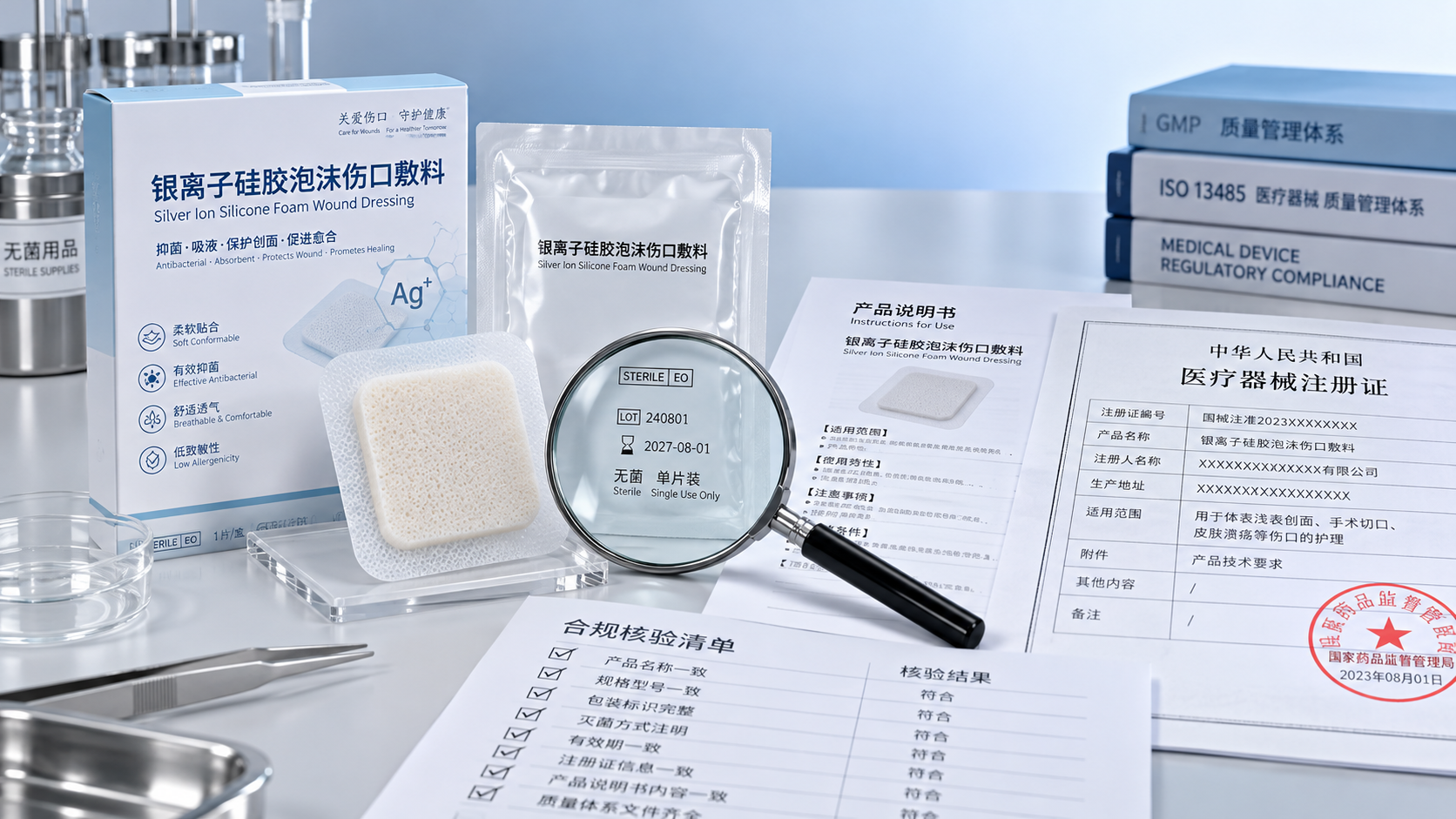
Review the connection between intended use, design controls, risk management, verification testing, validation activities, and clinical evidence. Gaps usually appear where personalization is treated as a marketing feature rather than an engineering and regulatory variable.
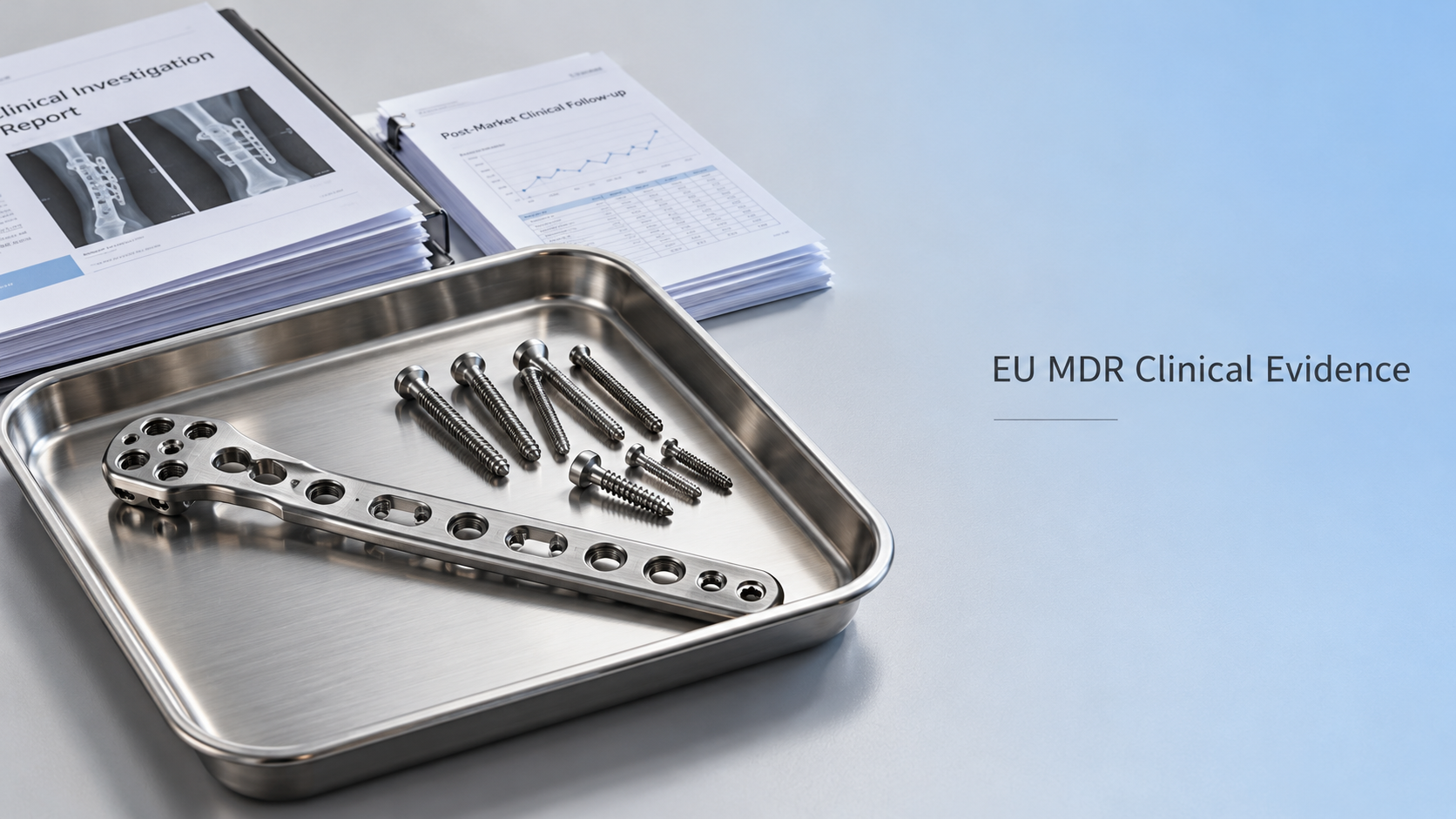
Clinical evidence may come from literature, predicate comparison, registry data, simulated use, or targeted clinical studies. The right mix depends on device risk, novelty, and how far the personalized features depart from established technology.
For Class III or otherwise high-risk applications, assessors should be especially careful with equivalence arguments. Personalized changes in geometry, interface behavior, or manufacturing route can weaken claims that would otherwise seem acceptable.
Good evaluation practice is to identify the minimum evidence needed to defend safety and performance for the intended use, then test whether the current dossier actually reaches that threshold without unsupported assumptions.
A practical evaluation checklist for technical teams
To make review more consistent, technical assessors can use a structured decision framework. First, confirm the clinical use case, patient selection logic, and intended benefit over standard devices.
Second, verify anatomical and functional fit using validated imaging inputs, realistic modeling assumptions, and clinically relevant performance testing. Third, assess material suitability and biological safety with attention to process-specific risks.
Fourth, review manufacturing control, traceability, and inspection strategy to ensure the personalized product remains within validated process limits. Fifth, evaluate usability, procedural integration, and failure contingencies in real clinical workflows.
Sixth, test the regulatory logic of the dossier. The evidence should match the device classification, degree of customization, and severity of potential harm. If one section relies too heavily on assumptions, flag it early.
Finally, make the decision in risk-benefit terms rather than novelty terms. The question is not whether personalization is impressive, but whether it improves clinical relevance without introducing unacceptable uncertainty.
Common red flags that should trigger deeper review
Several warning signs appear repeatedly in personalized medical devices. One is excessive reliance on geometric matching while ignoring loading conditions, tissue interaction, or implantability constraints.
Another is using familiar material names as a shortcut for biological safety, without accounting for surface finish, additive residues, cleaning agents, or sterilization effects. Manufacturing “one-off” exceptions are another major concern.
Assessors should also be cautious when simulated performance is strong but physical testing is limited, when clinical evidence is borrowed from non-personalized devices without justification, or when surgeon usability has not been systematically reviewed.
Documentation gaps in design transfer, version control, and patient data handling can also undermine confidence. In personalized workflows, these operational details are often directly linked to patient safety.
If multiple red flags appear together, the device may still be promising, but it is not yet ready for confident clinical endorsement. Early escalation is better than late discovery during procurement, audit, or post-market investigation.
Conclusion: clinical fit is a system judgment, not a single test result
Evaluating personalized medical devices for clinical fit requires a systems view. Technical assessors must connect patient-specific design with procedural reality, material science, manufacturing discipline, and regulatory defensibility.
The most reliable reviews begin with the clinical problem, then test whether personalization produces measurable value without compromising safety, consistency, or usability. This approach is especially important in implants, interventional devices, and advanced consumables.
When assessment is structured well, teams can separate meaningful innovation from avoidable complexity. That leads to better internal decisions, stronger compliance readiness, and ultimately better outcomes for clinicians and patients.
For organizations operating in high-value medical consumables, the evaluation of personalized medical devices should never be reduced to dimensions alone. True clinical fit is proven when design, evidence, and execution align.
Get weekly intelligence in your inbox.
No noise. No sponsored content. Pure intelligence.
News Recommendations
 Oct 26, 2026Can a single approval cover life science product sales worldwide?Can a single approval cover life science product sales worldwide?
 Oct 25, 2026When is sensitization testing needed for medical device biocompatibility?When is sensitization testing needed for medical device biocompatibility?
 Oct 24, 2026How is biocompatibility tested for implantable polymer biomaterials?How is biocompatibility tested for implantable polymer biomaterials?
 Oct 23, 2026How to build reimbursement into an implant commercialization strategyHow to build reimbursement into an implant commercialization strategy
 Oct 22, 2026What clinical evidence do implants need for CE marking under EU MDR?What clinical evidence do implants need for CE marking under EU MDR?
 Oct 21, 2026How to choose disposable laparoscopic stapler reloads for thick tissueHow to choose disposable laparoscopic stapler reloads for thick tissue
 Oct 20, 2026How to assess medical polymer biocompatibility under ISO 10993How to assess medical polymer biocompatibility under ISO 10993
 Oct 19, 2026How do interventional device categories differ in clinical use?How do interventional device categories differ in clinical use?
 Oct 18, 2026When to choose alginate dressings for heavily exuding chronic woundsWhen to choose alginate dressings for heavily exuding chronic wounds
 Oct 17, 2026How is biocompatibility tested for custom medical-grade PEEK implants?How is biocompatibility tested for custom medical-grade PEEK implants?
 Oct 16, 2026How to check a wound healing materials supplier’s biocompatibility dataHow to check a wound healing materials supplier’s biocompatibility data
 Oct 15, 2026How to verify the FDA clearance status of silver wound dressingsHow to verify the FDA clearance status of silver wound dressings
 Oct 14, 2026How to register orthopedic implants and instruments in Latin AmericaHow to register orthopedic implants and instruments in Latin America
 Oct 13, 2026How to use a device market intelligence database to benchmark VBP pricesHow to use a device market intelligence database to benchmark VBP prices
 Oct 12, 2026When should stainless steel orthopedic instruments be replaced?When should stainless steel orthopedic instruments be replaced?
 Oct 11, 2026When are alginate dressings rope the right choice for cavity wounds?When are alginate dressings rope the right choice for cavity wounds?
 Oct 10, 2026When smart minimally invasive technology improves catheter accessWhen smart minimally invasive technology improves catheter access
 Oct 08, 2026Clinical evaluation requirements for cardiovascular implant devices in EuropeClinical evaluation requirements for cardiovascular implant devices in Europe
 Oct 07, 2026What to verify before appointing an artificial joint implants distributorWhat to verify before appointing an artificial joint implants distributor
 Oct 06, 2026How ISO 10993 guides biocompatibility testing for medical materialsHow ISO 10993 guides biocompatibility testing for medical materials
 Oct 05, 2026How to verify an orthopedic implants and instruments exporterHow to verify an orthopedic implants and instruments exporter
 Oct 04, 2026What drives surgical stapling devices price differences in hospital tenders?What drives surgical stapling devices price differences in hospital tenders?
 Oct 03, 2026How to assess a central venous catheter manufacturer's infection-control evidenceHow to assess a central venous catheter manufacturer's infection-control evidence
 Oct 02, 2026How to assess an advanced wound care factory’s quality systemHow to assess an advanced wound care factory’s quality system
 Oct 01, 2026What is driving global medical consumables demand in emerging markets?What is driving global medical consumables demand in emerging markets?
 Sep 30, 2026Implant Material Compliance Testing: Evidence Needed for Regulatory SubmissionImplant Material Compliance Testing: Evidence Needed for Regulatory Submission
 Sep 30, 2026From Corrosion to Fatigue: What Implant Materials Testing Should MeasureFrom Corrosion to Fatigue: What Implant Materials Testing Should Measure