Medical Regulatory Intelligence in 2026: Signals That Matter
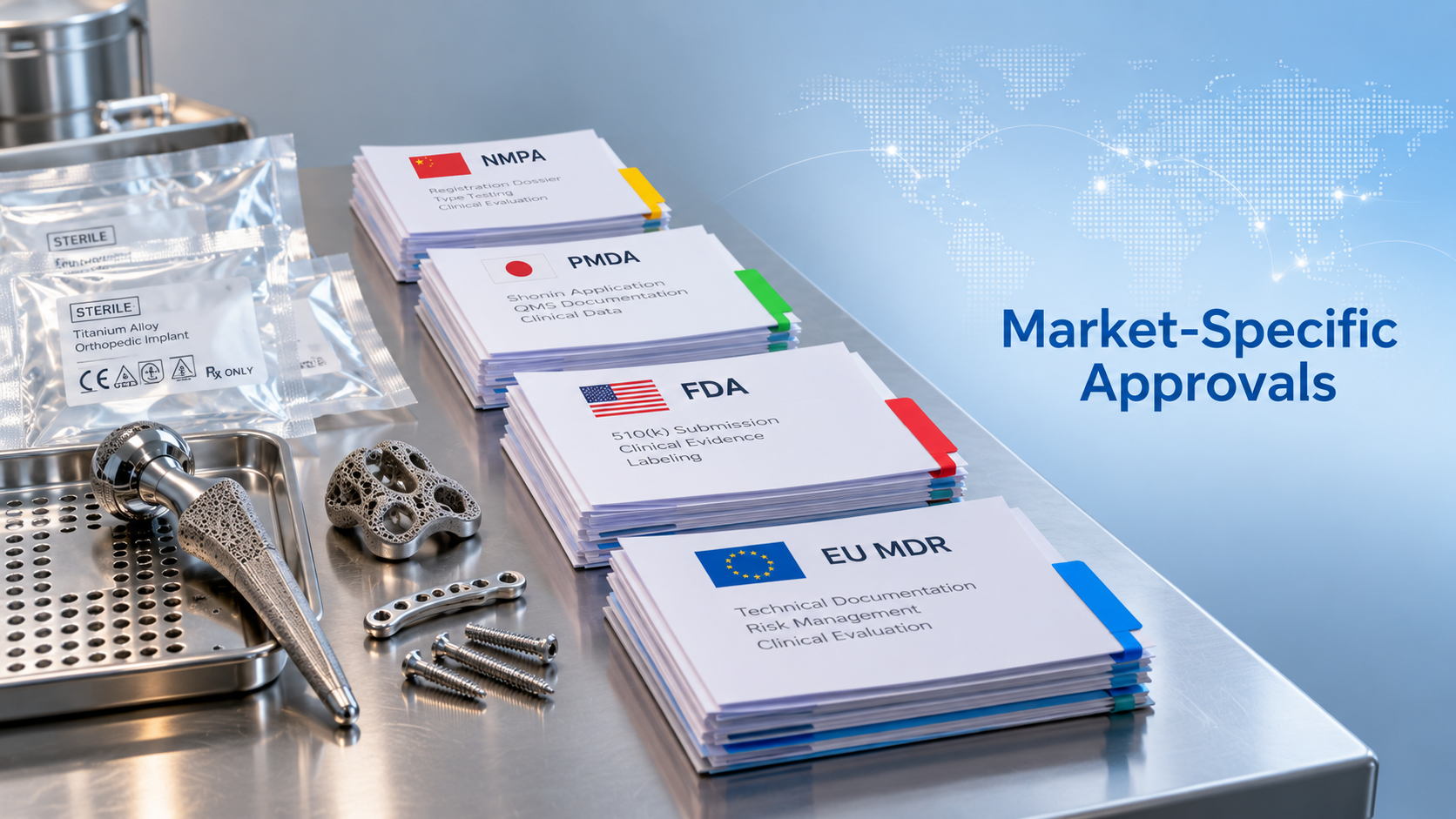
In 2026, medical regulatory intelligence has moved from the compliance office to the center of growth strategy. For companies operating in high-value medical consumables, the real question is no longer whether regulation is important, but which signals deserve attention first. Market access, pricing durability, evidence requirements, and supply-side positioning now interact much more tightly than before.
That change is especially visible in Class III and other high-risk categories, where a single weakness in clinical evidence, biocompatibility, or post-market follow-up can delay commercialization and compress margins. In parallel, procurement reform and cost-control mechanisms are reshaping the economics of implants, interventional devices, staplers, catheters, and advanced wound care.
For a platform like IMCS, which tracks orthopedic implants, cardiovascular intervention, minimally invasive consumables, polymer catheters, and tissue-regeneration materials, medical regulatory intelligence is best understood as stitched intelligence. It connects material science, precision manufacturing, regulatory pathways, and procurement realities into one decision framework.
Why medical regulatory intelligence matters differently in 2026
The most important shift is convergence. Regulatory review, reimbursement pressure, and product differentiation are no longer separate workstreams. They influence each other earlier and more forcefully.
A premium implant may win on engineering and still fail commercially if evidence is not aligned with procurement expectations. A catheter may pass technical verification yet face delays if biocompatibility data lacks depth under updated scrutiny.
This is why medical regulatory intelligence now functions as an early-warning system. It helps identify hidden dependencies before they become launch delays, adverse audit findings, or price erosion.
The strongest organizations are not simply monitoring new rules. They are reading signals across regulators, notified bodies, hospital purchasing trends, and clinical expectations at the same time.
What the term really includes
Medical regulatory intelligence is broader than a database of approvals or standards updates. It is the structured interpretation of signals that affect approval timelines, evidence burden, lifecycle cost, and market resilience.
In practice, it usually combines four layers.
- Regulatory pathway intelligence, including classification, submission design, and review patterns.
- Scientific intelligence, especially clinical evaluation, endpoints, and comparator logic.
- Material and safety intelligence, such as ISO 10993 testing priorities and toxicological concerns.
- Commercial policy intelligence, including VBP, tender behavior, and price-volume dynamics.
When these layers are integrated, leadership teams can judge not only whether a product can be approved, but whether it can remain competitive after approval.
The signals that deserve the closest watch
Class III evidence expectations are becoming more explicit
High-risk devices continue to face more demanding clinical narratives. Under CE MDR and similar frameworks, equivalence arguments are harder to sustain without robust technical and clinical justification.
That matters for orthopedic replacement implants, DES, TAVR systems, and long-term implantables. Clinical Evaluation Reports are being judged less as paperwork and more as demonstrations of scientific coherence.
Biocompatibility is no longer a check-the-box exercise
Material innovation is accelerating, especially in porous structures, PEEK, coatings, absorbable components, and advanced polymers. Each innovation raises new questions about extraction profiles, toxicological thresholds, and cumulative exposure.
For IMCS-covered segments, medical regulatory intelligence increasingly starts at material selection. Early ISO 10993 strategy can prevent expensive redesign cycles later.
Procurement policy is becoming a regulatory-adjacent force
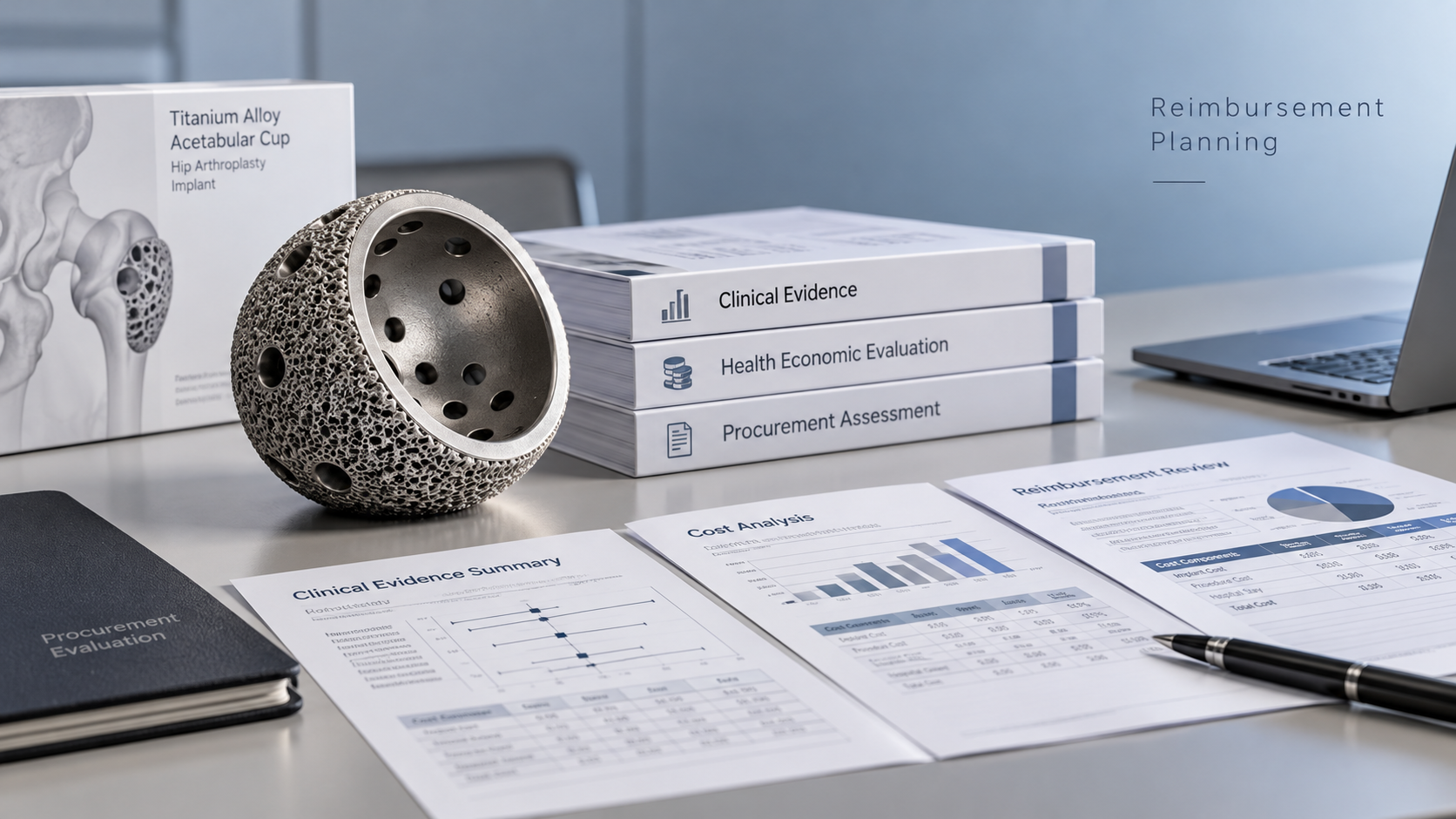
VBP and similar cost-containment mechanisms are not formal product regulations, but they can shape product design and portfolio decisions as strongly as regulators do.
A device category exposed to severe price compression may require stronger proof of differentiation, a revised manufacturing footprint, or a more selective geographic launch plan.
Post-market evidence is gaining strategic value
Surveillance data, complaint trends, registry linkage, and real-world performance are becoming commercial assets. They can support renewals, protect premium positioning, and strengthen tender discussions.
How these signals play out across key consumable categories
Different categories experience medical regulatory intelligence in different ways. The core principle is shared, but the pressure points vary.
Orthopedic implants and instruments
Here, long-term fixation, wear, revision risk, and osseointegration evidence remain central. 3D-printed porous architectures and advanced polymers create opportunity, but they also demand deeper validation narratives.
Cardiovascular interventional devices
DES and TAVR products face intense overlap between regulatory and commercial scrutiny. Small clinical differences, delivery profile changes, and durability claims can materially affect both approval posture and tender competitiveness.
Staplers and minimally invasive consumables
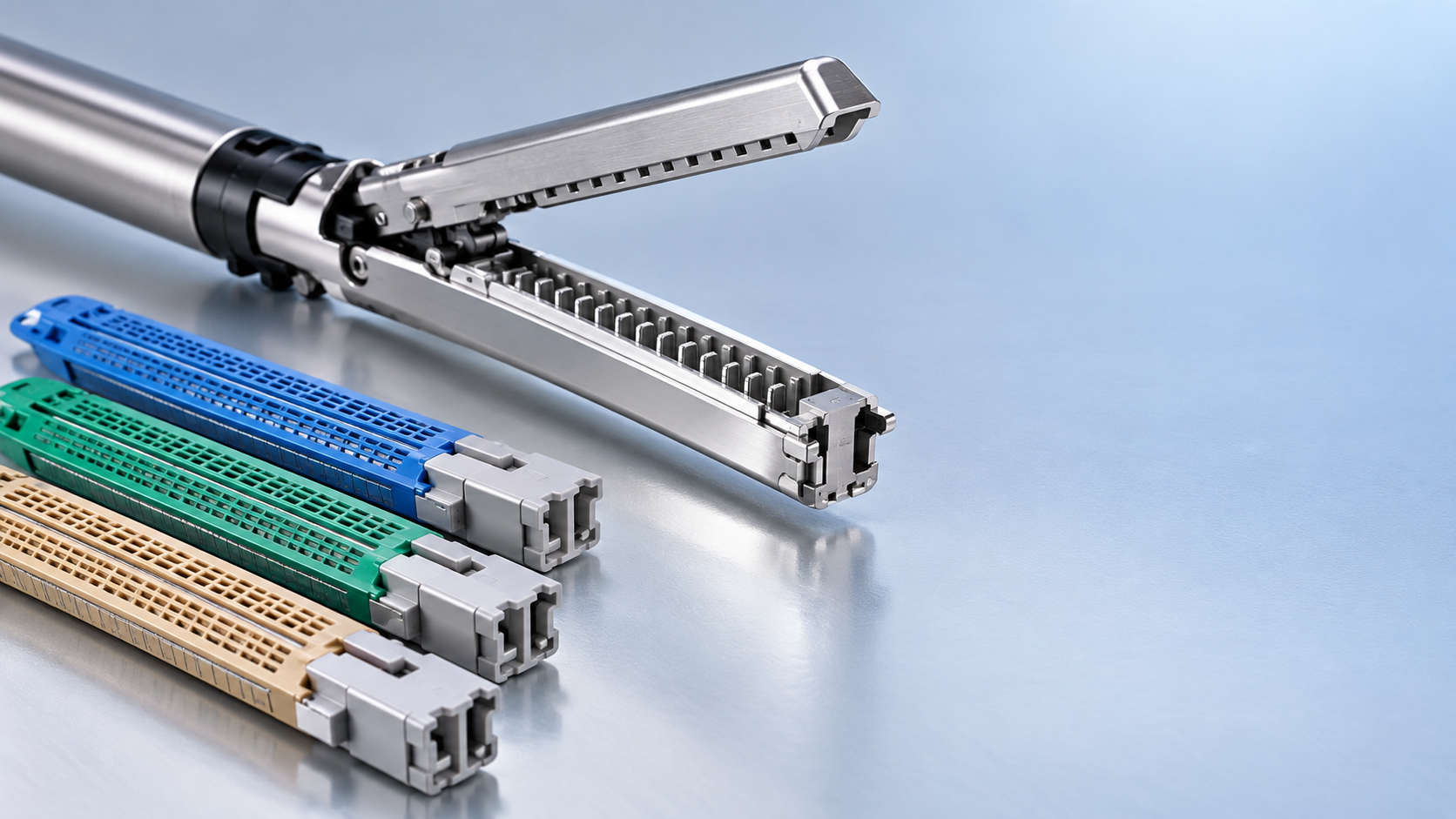
For staplers, consistency, firing reliability, tissue interaction, and manufacturing quality are critical. Procurement pressure is often stronger here, so intelligence must link technical quality with acceptable cost structure.
Polymer catheters and coated systems
These products are highly sensitive to material chemistry, lubricity coatings, thrombogenicity, and sterilization effects. A change that improves maneuverability can also change extractables and testing strategy.
Advanced wound care and regeneration materials
Silver-ion foams, alginates, and NPWT-related products increasingly compete on healing outcomes, usability, and value-based purchasing logic. Evidence quality matters even where technical complexity appears lower than implantables.
A practical way to use medical regulatory intelligence
The useful question is not how much information is available. The useful question is how to convert information into earlier, better decisions.
A workable approach usually includes several disciplines.
- Map each product line against future evidence burden, not current approval status.
- Review material choices with toxicology and extraction strategy before design lock.
- Track notified body and regulator review behavior, not just formal guidance updates.
- Model VBP exposure alongside regulatory milestones and manufacturing economics.
- Treat post-market data architecture as a commercial capability, not only a compliance task.
This is where specialized intelligence platforms create value. IMCS, for example, sits at the intersection of biocompatibility, Class III regulation, clinical logic, and procurement pressure. That stitched perspective is often more actionable than isolated reports.
What to watch next
Several forward-looking indicators deserve continued attention through 2026.
- Whether regulators further narrow acceptable equivalence arguments for high-risk devices.
- How ISO 10993 interpretation evolves for complex materials, coatings, and combination-like features.
- Which device categories face the next round of aggressive procurement normalization.
- How real-world evidence is weighted in renewals, expansions, and premium positioning.
- Where personalized, biodegradable, and smart minimally invasive products trigger new review expectations.
Medical regulatory intelligence in 2026 is not just about reading rules correctly. It is about recognizing which regulatory, scientific, and pricing signals will change competitive outcomes first.
The next step is usually a focused internal review: identify the product families with the highest evidence risk, the greatest material sensitivity, and the strongest exposure to procurement pressure. From there, compare current assumptions with external signals and update priorities before the market forces the decision.
Get weekly intelligence in your inbox.
No noise. No sponsored content. Pure intelligence.
News Recommendations
 Oct 26, 2026Can a single approval cover life science product sales worldwide?Can a single approval cover life science product sales worldwide?
 Oct 25, 2026When is sensitization testing needed for medical device biocompatibility?When is sensitization testing needed for medical device biocompatibility?
 Oct 24, 2026How is biocompatibility tested for implantable polymer biomaterials?How is biocompatibility tested for implantable polymer biomaterials?
 Oct 23, 2026How to build reimbursement into an implant commercialization strategyHow to build reimbursement into an implant commercialization strategy
 Oct 22, 2026What clinical evidence do implants need for CE marking under EU MDR?What clinical evidence do implants need for CE marking under EU MDR?
 Oct 21, 2026How to choose disposable laparoscopic stapler reloads for thick tissueHow to choose disposable laparoscopic stapler reloads for thick tissue
 Oct 20, 2026How to assess medical polymer biocompatibility under ISO 10993How to assess medical polymer biocompatibility under ISO 10993
 Oct 19, 2026How do interventional device categories differ in clinical use?How do interventional device categories differ in clinical use?
 Oct 18, 2026When to choose alginate dressings for heavily exuding chronic woundsWhen to choose alginate dressings for heavily exuding chronic wounds
 Oct 17, 2026How is biocompatibility tested for custom medical-grade PEEK implants?How is biocompatibility tested for custom medical-grade PEEK implants?
 Oct 16, 2026How to check a wound healing materials supplier’s biocompatibility dataHow to check a wound healing materials supplier’s biocompatibility data
 Oct 15, 2026How to verify the FDA clearance status of silver wound dressingsHow to verify the FDA clearance status of silver wound dressings
 Oct 14, 2026How to register orthopedic implants and instruments in Latin AmericaHow to register orthopedic implants and instruments in Latin America
 Oct 13, 2026How to use a device market intelligence database to benchmark VBP pricesHow to use a device market intelligence database to benchmark VBP prices
 Oct 12, 2026When should stainless steel orthopedic instruments be replaced?When should stainless steel orthopedic instruments be replaced?
 Oct 11, 2026When are alginate dressings rope the right choice for cavity wounds?When are alginate dressings rope the right choice for cavity wounds?
 Oct 10, 2026When smart minimally invasive technology improves catheter accessWhen smart minimally invasive technology improves catheter access
 Oct 08, 2026Clinical evaluation requirements for cardiovascular implant devices in EuropeClinical evaluation requirements for cardiovascular implant devices in Europe
 Oct 07, 2026What to verify before appointing an artificial joint implants distributorWhat to verify before appointing an artificial joint implants distributor
 Oct 06, 2026How ISO 10993 guides biocompatibility testing for medical materialsHow ISO 10993 guides biocompatibility testing for medical materials
 Oct 05, 2026How to verify an orthopedic implants and instruments exporterHow to verify an orthopedic implants and instruments exporter
 Oct 04, 2026What drives surgical stapling devices price differences in hospital tenders?What drives surgical stapling devices price differences in hospital tenders?
 Oct 03, 2026How to assess a central venous catheter manufacturer's infection-control evidenceHow to assess a central venous catheter manufacturer's infection-control evidence
 Oct 02, 2026How to assess an advanced wound care factory’s quality systemHow to assess an advanced wound care factory’s quality system
 Oct 01, 2026What is driving global medical consumables demand in emerging markets?What is driving global medical consumables demand in emerging markets?
 Sep 30, 2026Implant Material Compliance Testing: Evidence Needed for Regulatory SubmissionImplant Material Compliance Testing: Evidence Needed for Regulatory Submission
 Sep 30, 2026From Corrosion to Fatigue: What Implant Materials Testing Should MeasureFrom Corrosion to Fatigue: What Implant Materials Testing Should Measure