Medical Material Science Trends Shaping Safer Implant Design in 2026
In 2026, medical material science sits much closer to board-level strategy than to a narrow R&D discussion. Implant safety now depends on how well material selection, surface engineering, precision manufacturing, and evidence generation work together under stricter regulatory review and stronger cost pressure. For organizations active in implants and medical consumables, the topic matters because safer design increasingly shapes clinical trust, reimbursement resilience, and international market access at the same time.
Why medical material science has become a strategic issue
The old view treated materials as a technical input chosen late in development. That model no longer holds.
Today, medical material science influences the whole implant lifecycle, from concept design and bench testing to sterilization, implantation, revision risk, and post-market surveillance.
The reason is simple. Patients expect longer implant life, regulators expect stronger biological evidence, and health systems expect better value from every device category.
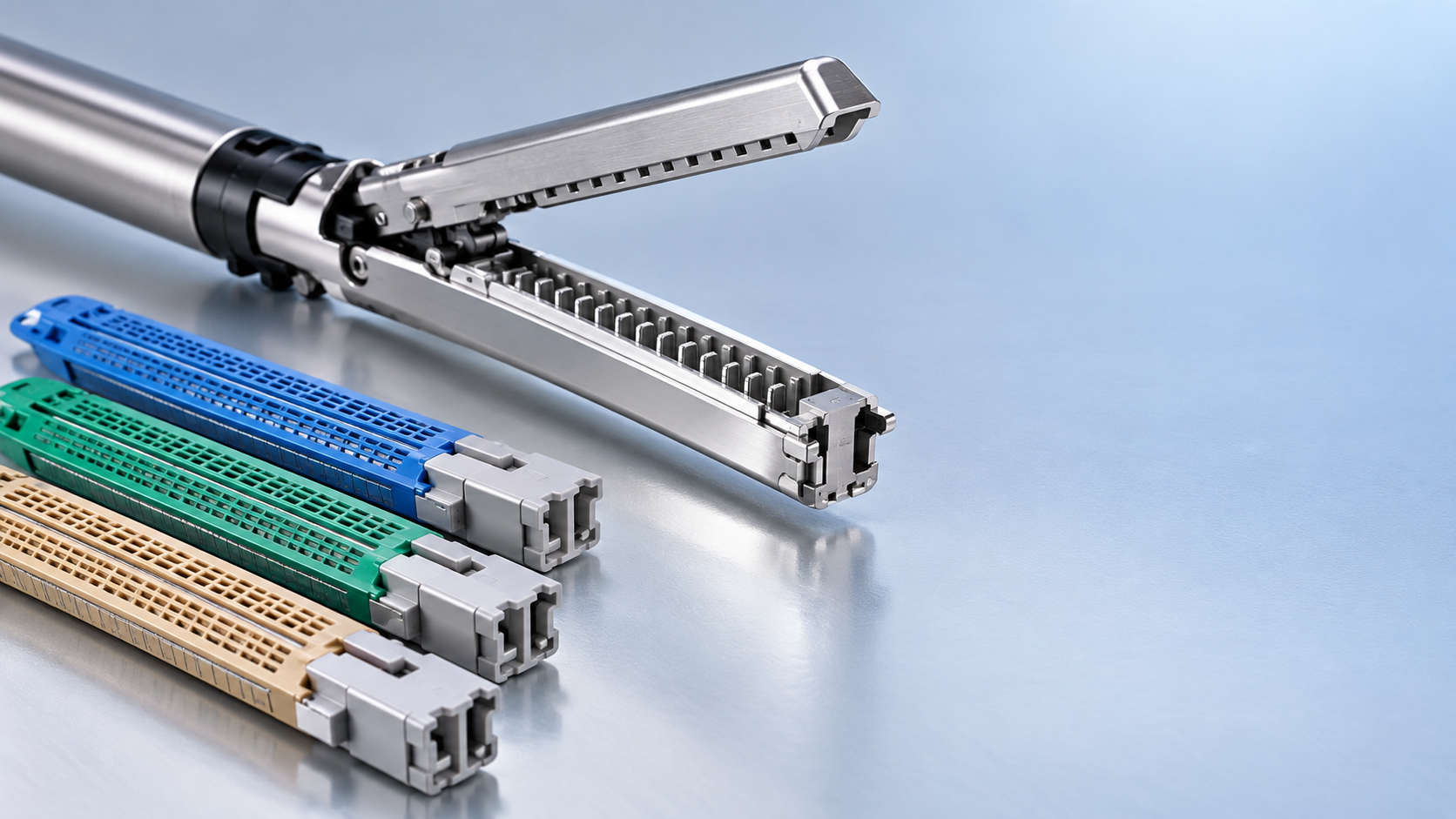
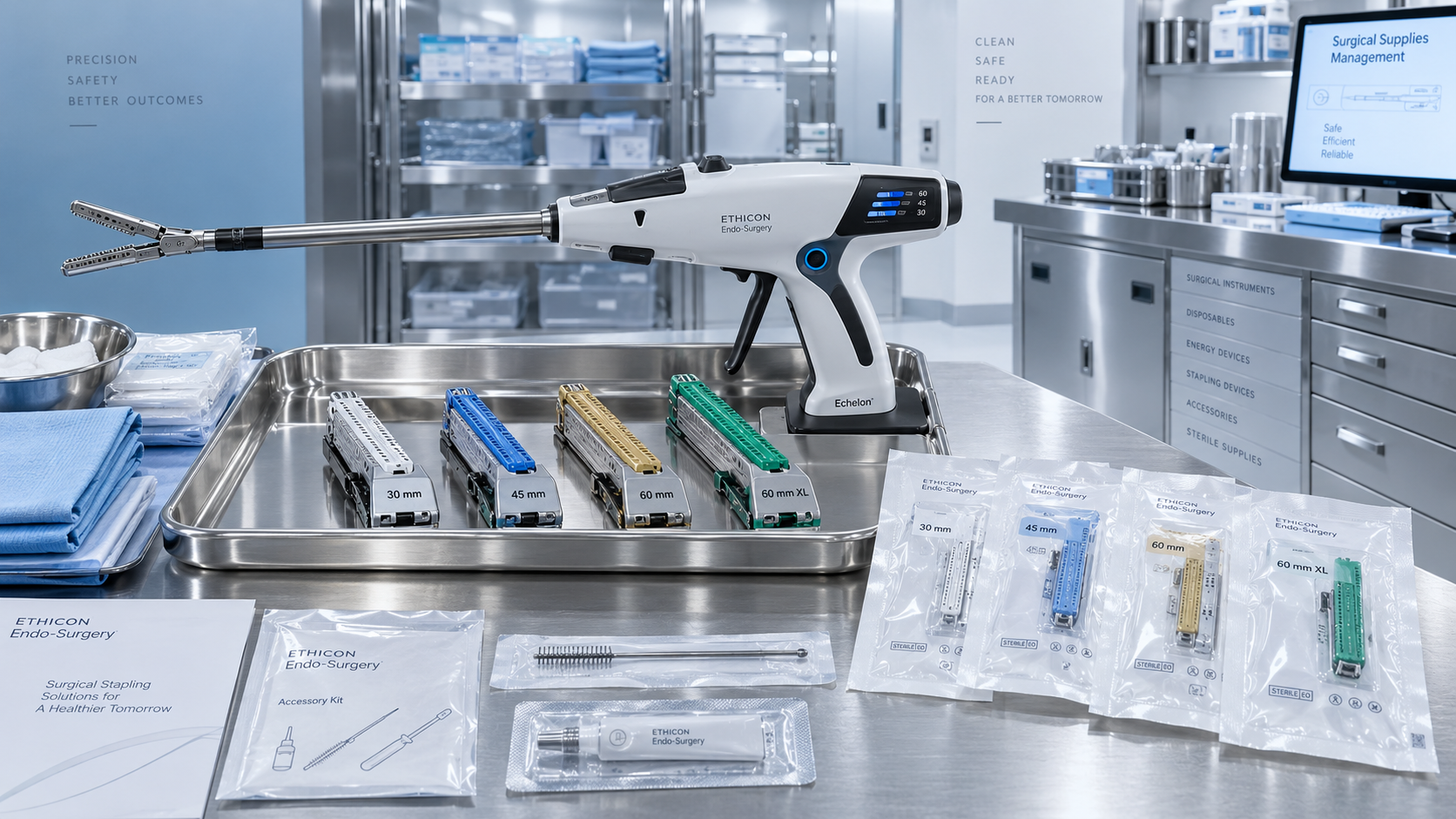
This shift is especially visible in orthopedic implants, cardiovascular interventional devices, surgical stapling systems, polymer catheters, and advanced wound care materials.
Across these segments, safety is no longer judged only by failure rate. It is judged by tissue response, wear behavior, thrombogenicity, imaging compatibility, and manufacturing consistency.
The design language of safer implants is changing
Medical material science in 2026 is less about finding a single “best” material and more about matching material behavior to biological reality.
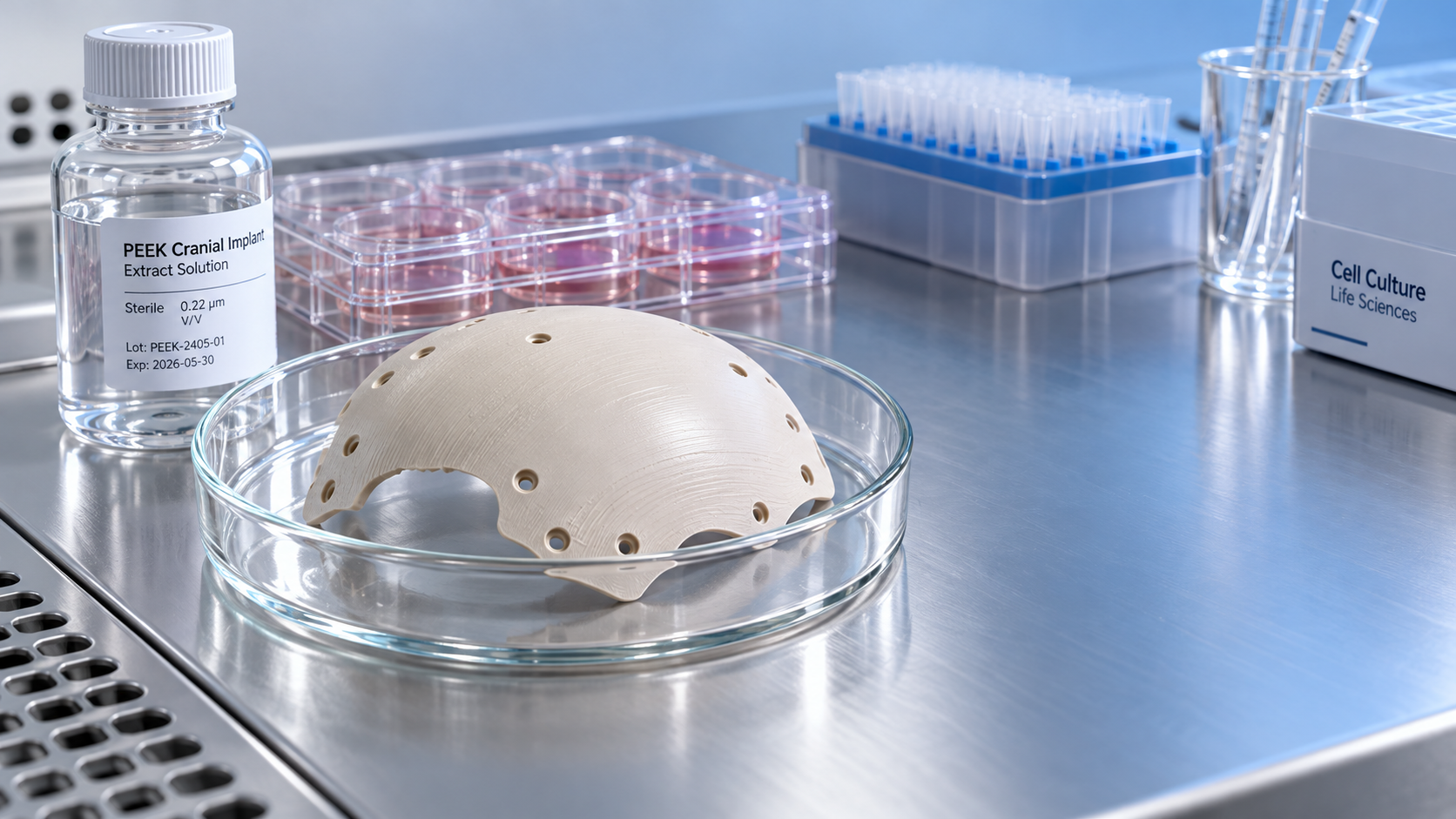
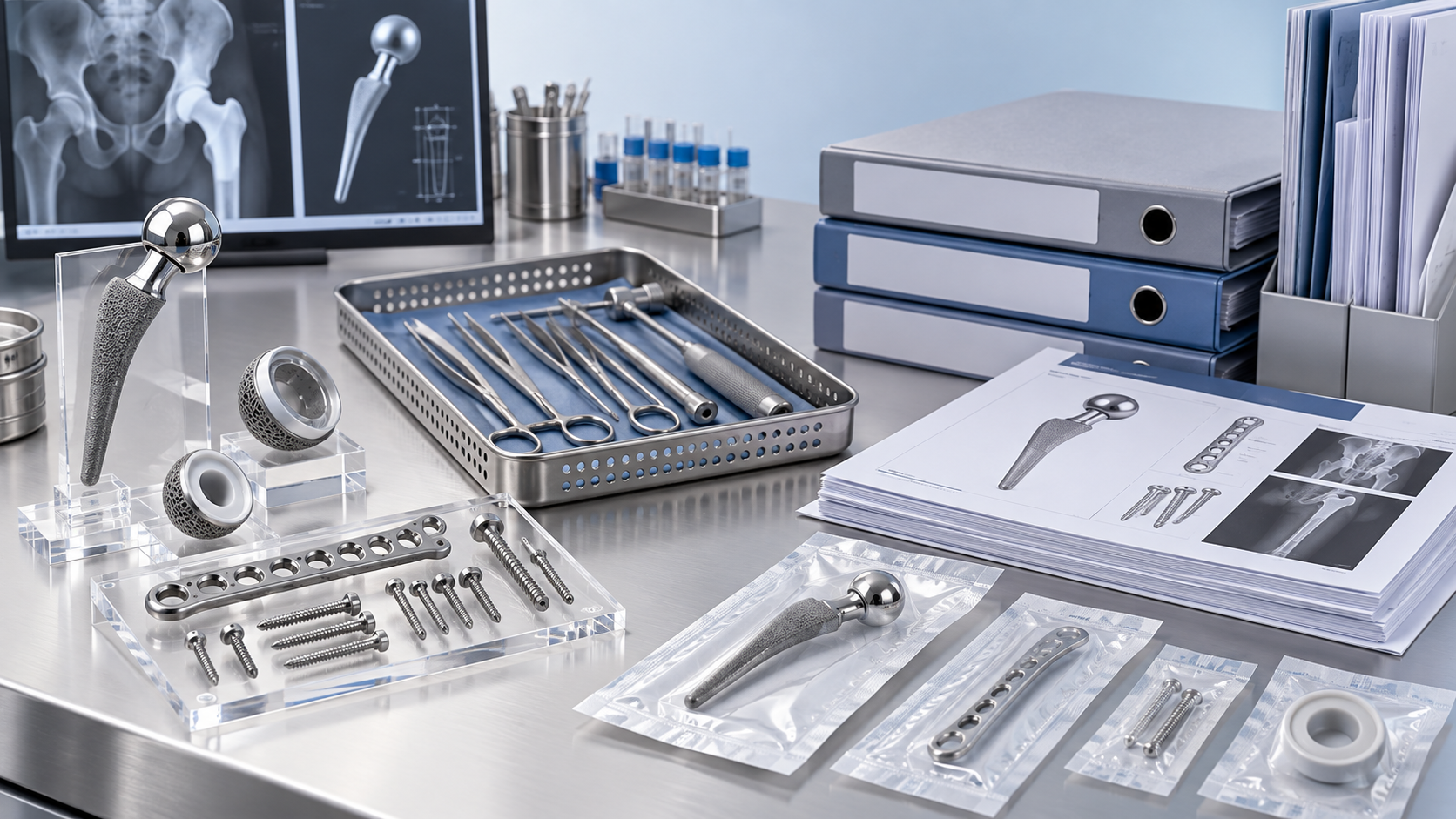
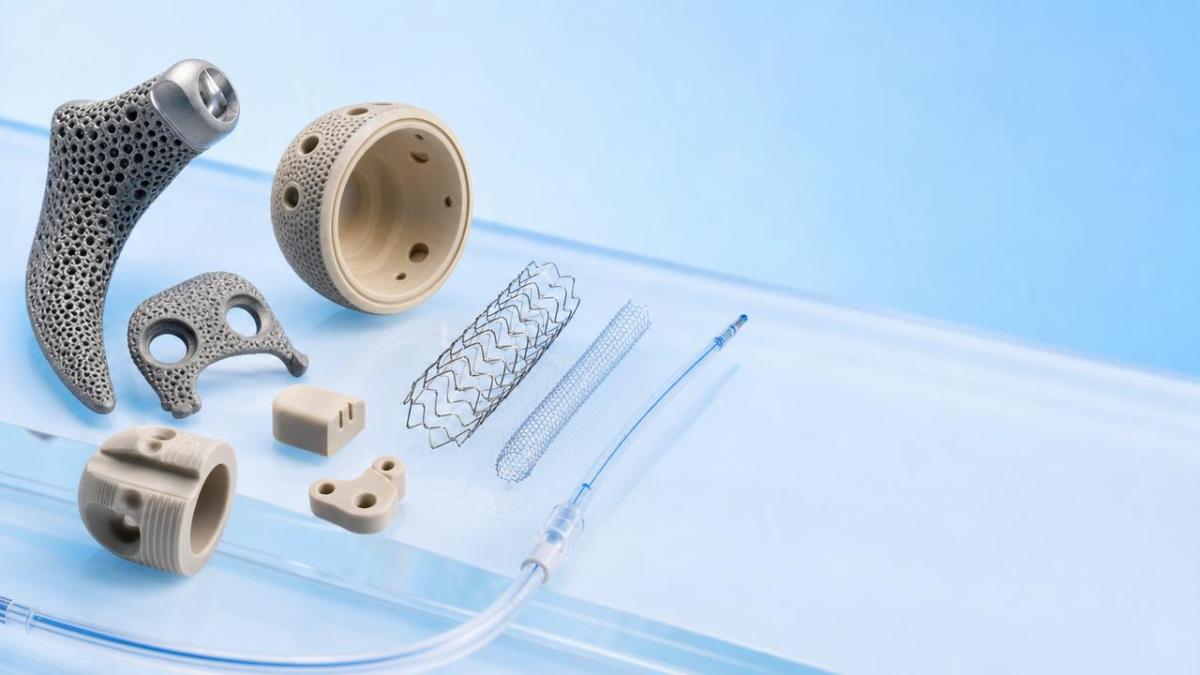
In orthopedic reconstruction, porous titanium and PEEK continue to gain attention because they balance structural support with improved osseointegration and imaging advantages.
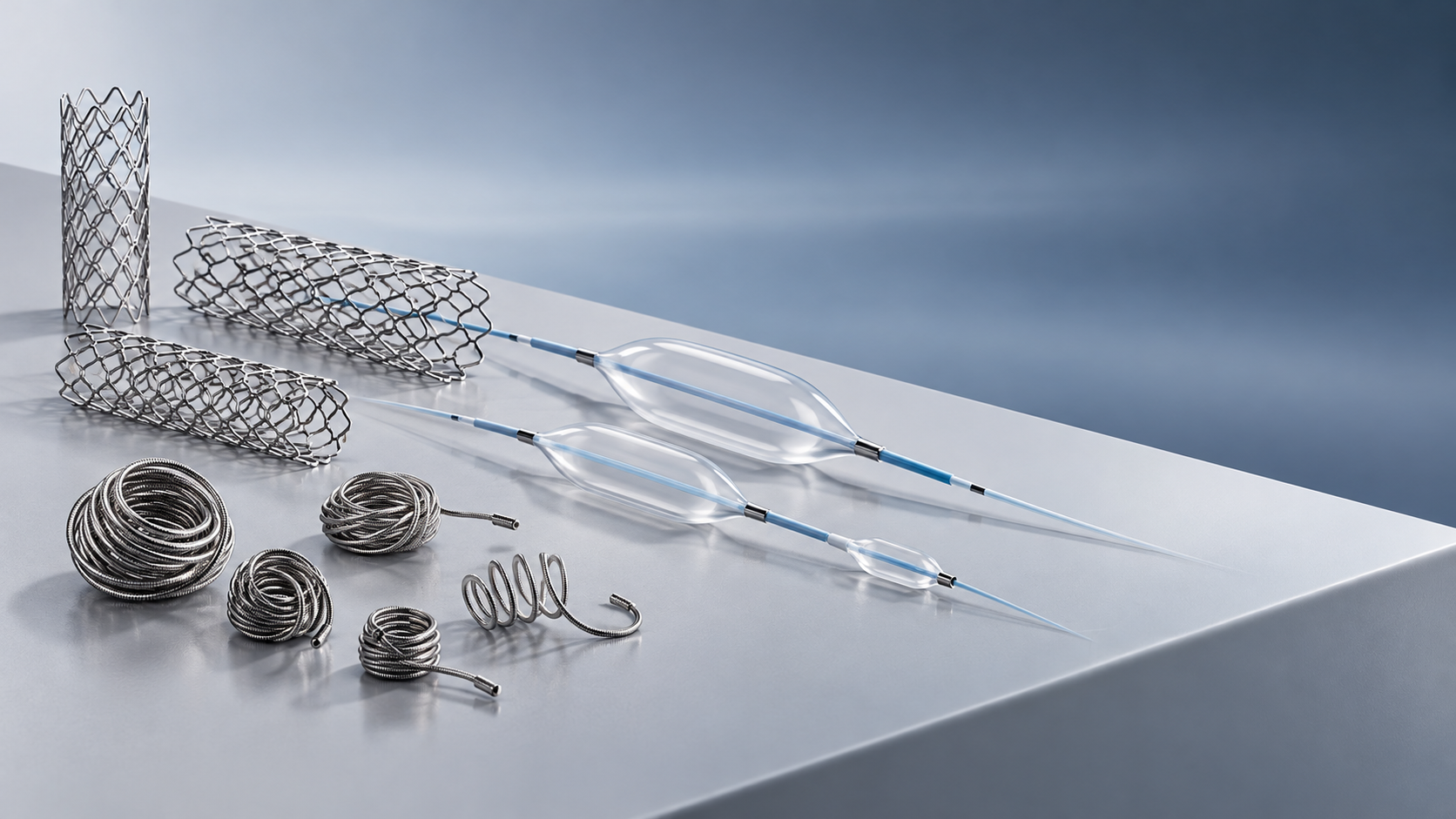
In cardiovascular use, thinner strut designs, optimized coatings, and more controlled degradation profiles are shaping the next discussion around stents and valve systems.
For polymer-based devices, the conversation has moved beyond flexibility alone. Surface friction, anti-thrombotic performance, chemical stability, and extractables now matter just as much.
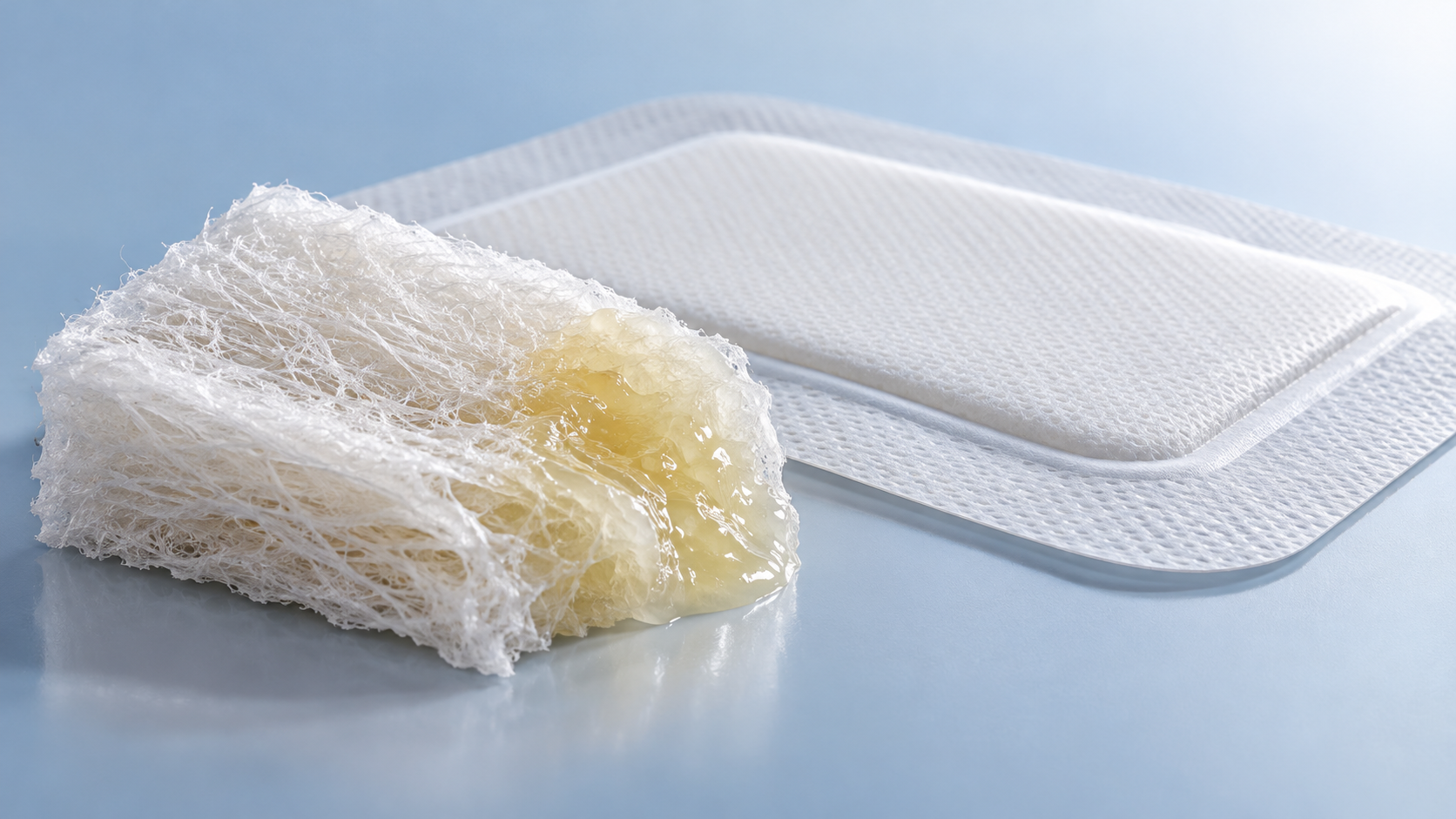
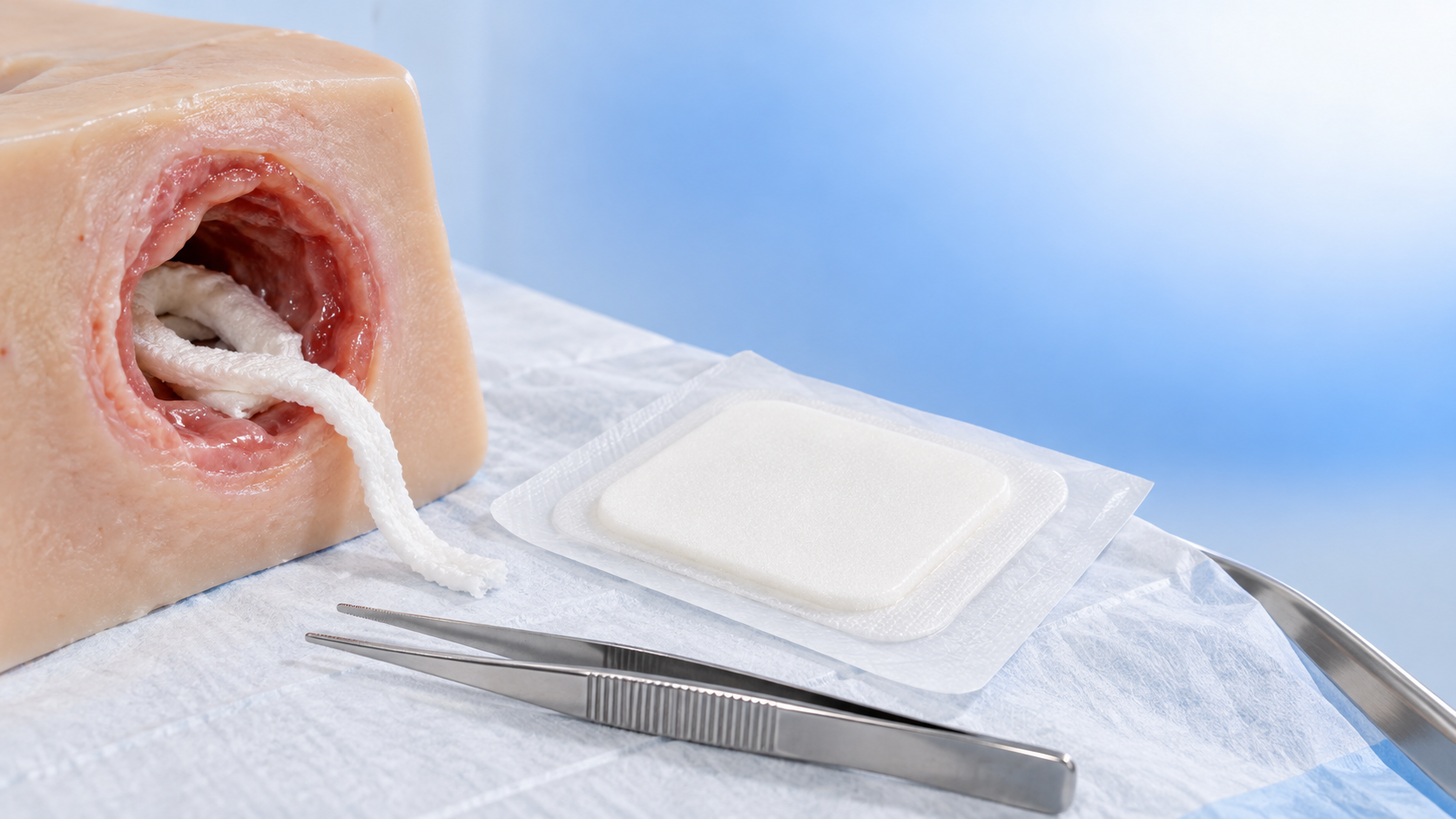
Even in wound care and tissue regeneration, material architecture is becoming smarter, supporting moisture balance, antimicrobial control, and cell-friendly healing environments.
What connects these categories is a broader definition of safety. A safer implant is one that behaves predictably inside the body and remains manufacturable at scale.
Key forces behind this shift
- Higher demand for long-term biocompatibility rather than short-term acceptance.
- More scrutiny on particulate wear, corrosion, and coating durability.
- Growth of additive manufacturing and micron-level surface control.
- Tighter linkage between material data and regulatory documentation.
- Cost containment policies that reward durable clinical value, not novelty alone.
Where the most important material trends are emerging
Several trends deserve close attention because they affect both product safety and portfolio direction.
Bioactive and surface-engineered interfaces
Surface design is becoming as important as bulk composition. Roughness, coating adhesion, porosity, and chemical functionalization can change how tissue, blood, and bacteria respond.
This matters for joint implants, spinal systems, catheters, and cardiovascular devices where the first tissue contact often shapes long-term performance.
Hybrid use of metals, polymers, and regenerative matrices
Medical material science is moving toward combinations rather than isolated materials. A device may need metallic strength, polymer flexibility, and a biologically active interface in the same system.
That creates new value, but it also creates integration risks involving bonding, sterilization response, and long-term degradation pathways.
Controlled biodegradability
Biodegradable materials remain attractive, especially where temporary support is clinically preferred. Yet the real challenge is not whether a material degrades, but how predictably it does so.
Degradation byproducts, mechanical retention, and local inflammatory response now receive much closer attention during design reviews.
Manufacturing-informed material selection
A promising material can still fail commercially if it is difficult to machine, print, coat, clean, or inspect consistently.
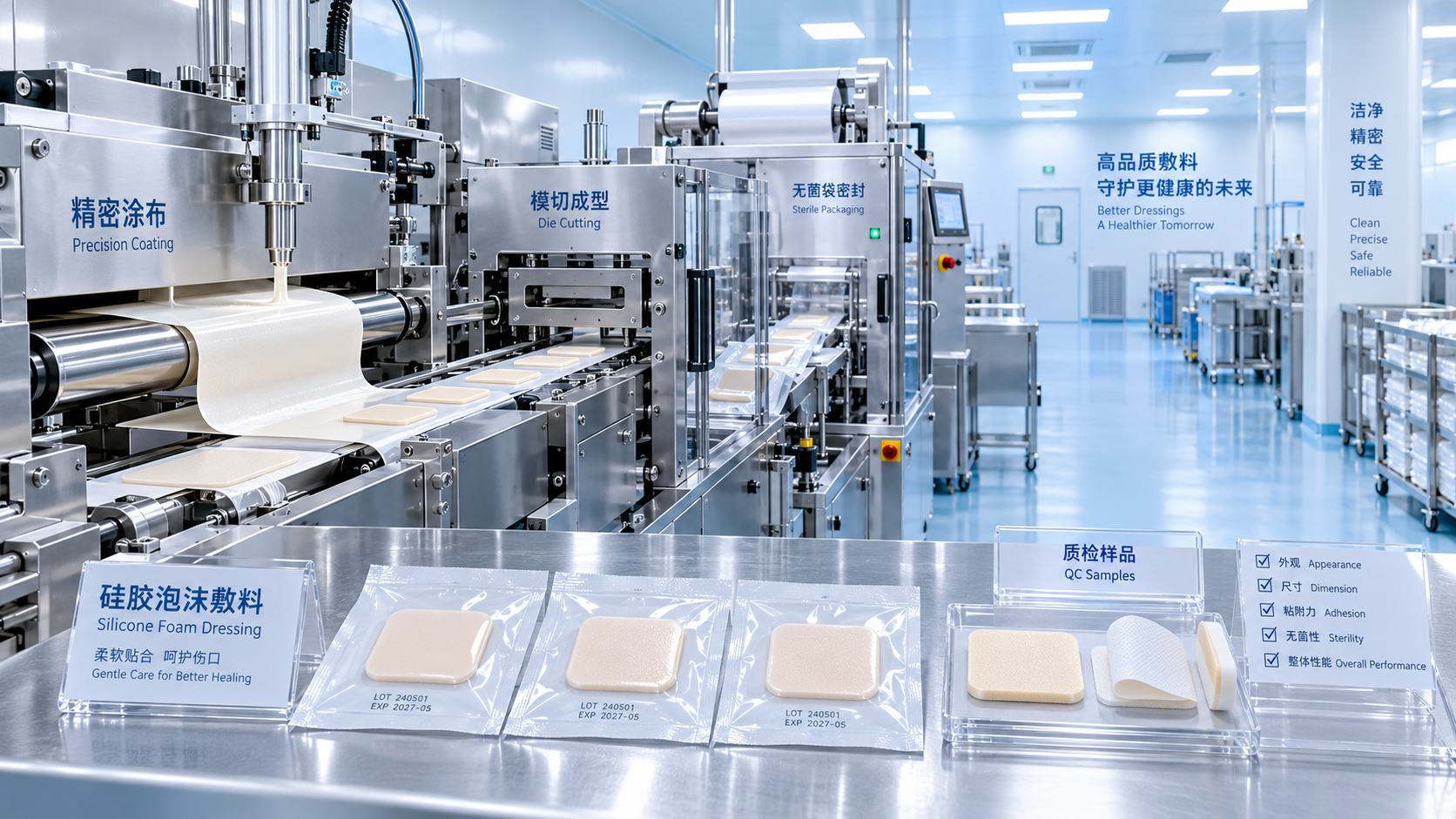
That is why leading programs treat medical material science and manufacturing engineering as one decision framework, not two separate workstreams.
How these trends play out across major implant categories
The practical meaning of medical material science changes by clinical setting. The table below highlights where decisions usually concentrate.
This cross-category view explains why intelligence platforms such as IMCS increasingly connect material trends with regulatory, clinical, and pricing signals instead of tracking them separately.
Regulation and evidence now shape material choices earlier
A major change in 2026 is timing. Material questions are no longer postponed until verification or submission preparation.
ISO 10993 biological evaluation, extractables analysis, sensitization risk, and chronic exposure logic now influence platform decisions much earlier.
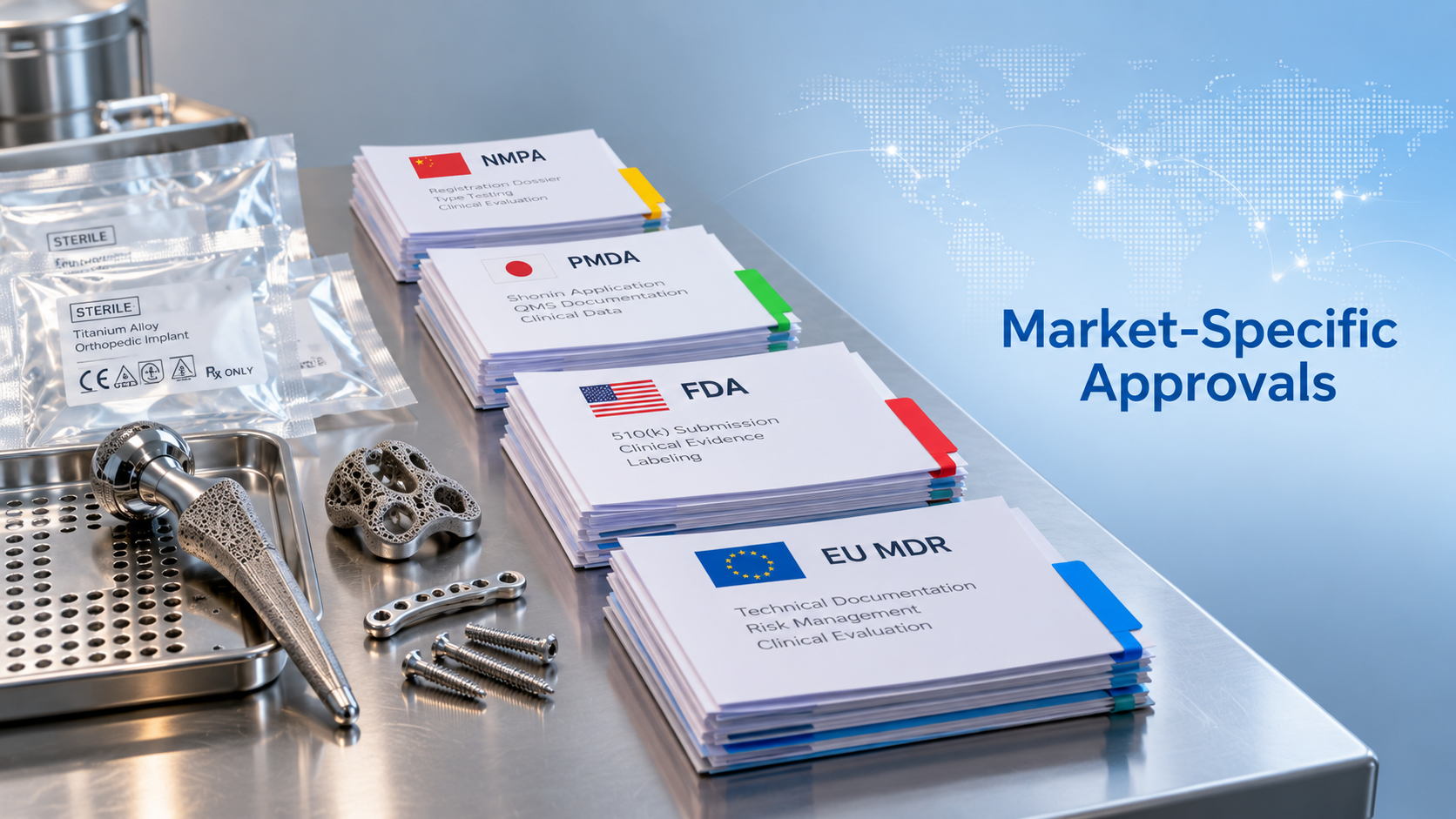
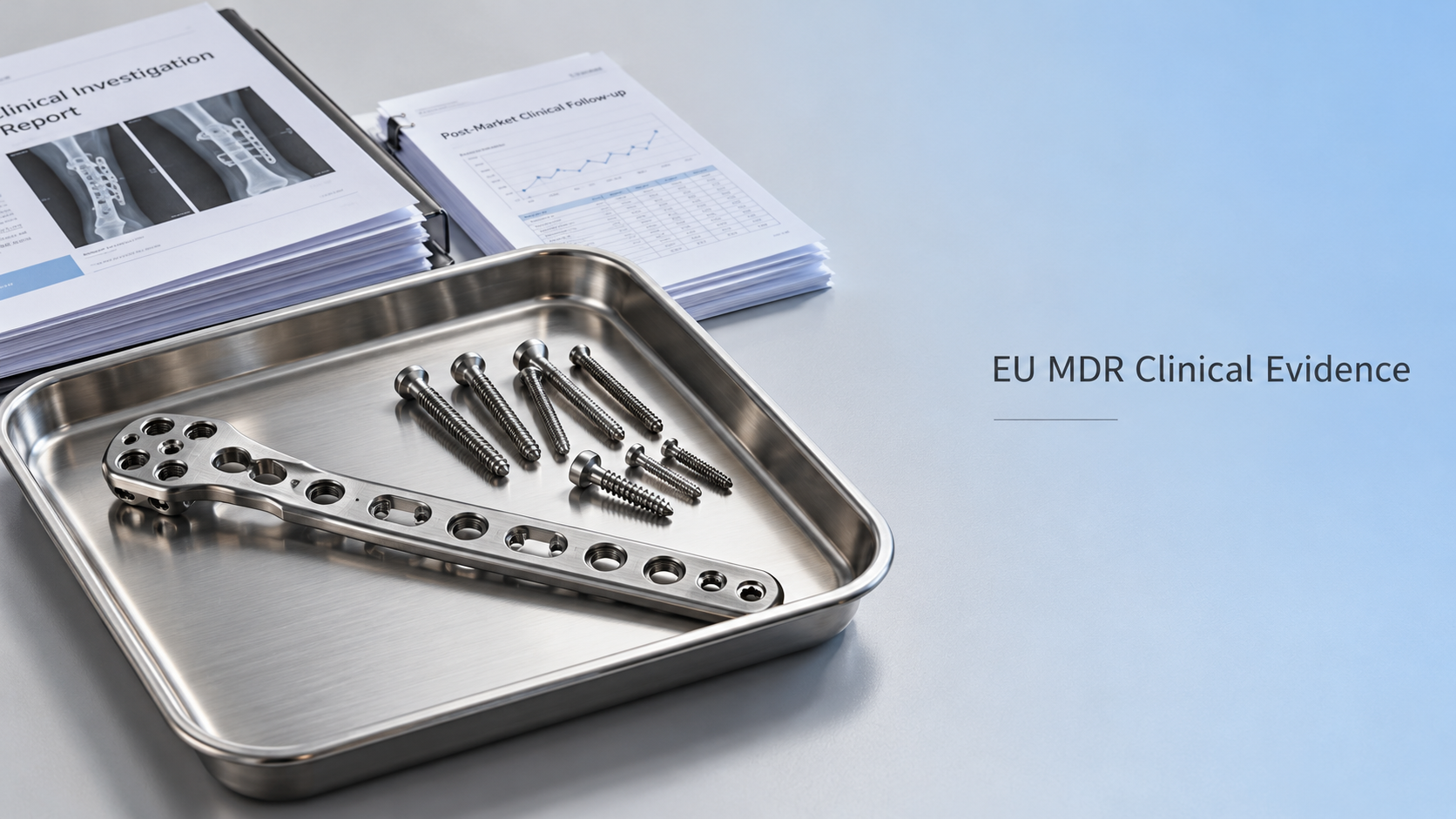
For higher-risk Class III products, CE MDR expectations and clinical evaluation depth can narrow the number of viable material pathways before launch.
This is where medical material science becomes commercially decisive. If evidence planning is weak, even a strong design may face delay, redesign, or restricted market uptake.
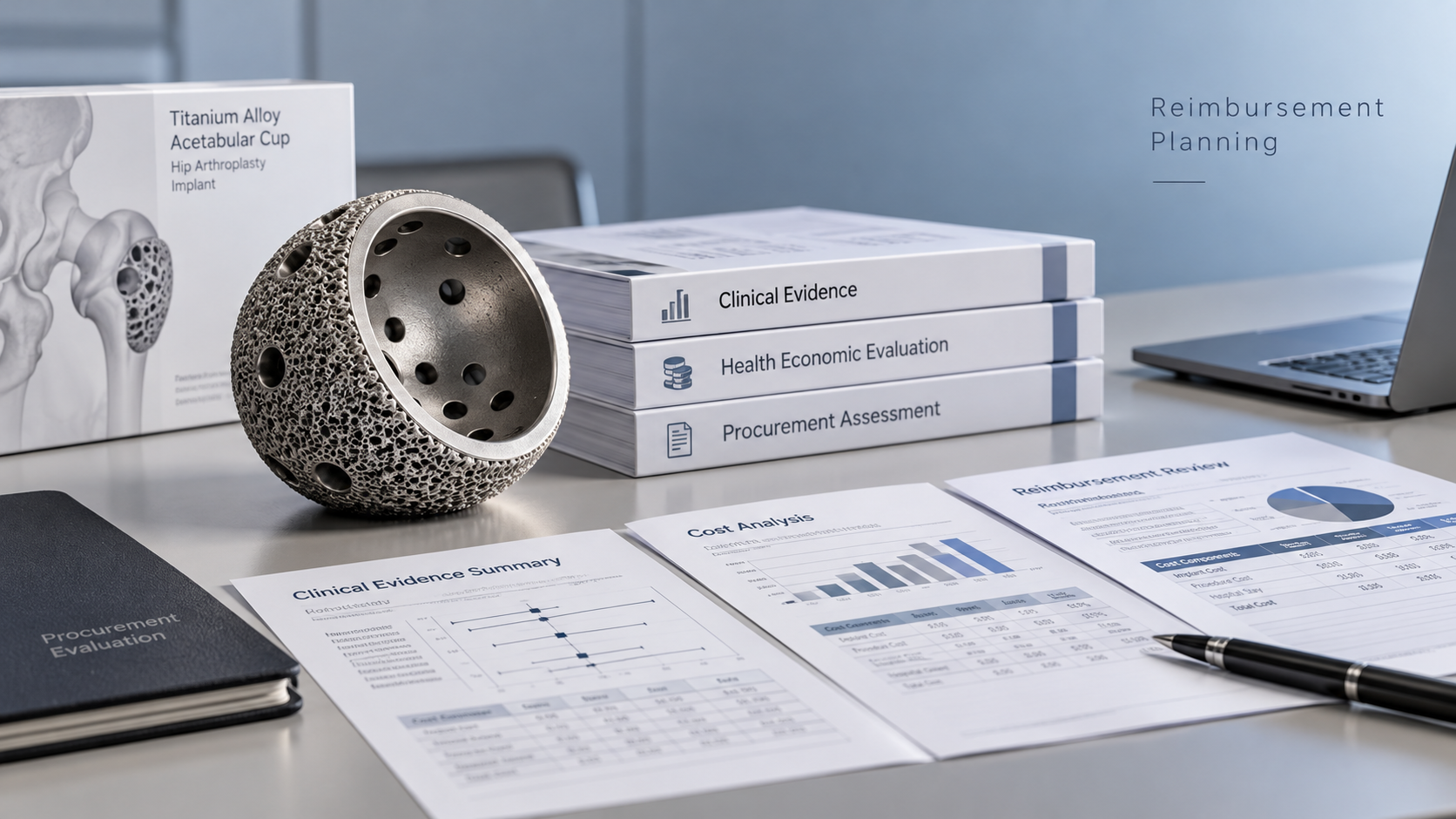
The same applies under VBP-style pricing environments. A material upgrade must prove not only safety, but also repeatable value under procurement pressure.
Signals worth monitoring
- Whether new materials reduce downstream revision or complication costs.
- Whether test packages support multiple jurisdictions without major duplication.
- Whether supply chains can hold purity and consistency at scale.
- Whether clinical claims are realistic for the available evidence base.
What stronger decision-making looks like in practice
Good decisions start by treating medical material science as a risk-and-value discipline, not only a technical specialty.
The first step is to map which material properties truly drive outcomes in each device family. Not every innovation deserves equal investment.
The second step is to compare material promise with evidence burden. Some concepts look attractive in prototypes but become expensive under full validation.
The third step is to link material choice with manufacturing reality, reimbursement conditions, and cross-border compliance pathways from the beginning.
In practical terms, that means asking sharper questions before scaling a platform.
- Does the material improve tissue response in a measurable way?
- Can the interface remain stable after sterilization and storage?
- Will inspection methods detect small but relevant process drift?
- Is the regulatory narrative clear enough for multiple markets?
- Can the portfolio defend value if pricing pressure intensifies?
The next move is disciplined evaluation, not trend chasing
Medical material science will keep reshaping safer implant design because the body remains the toughest operating environment any device will face.
The real opportunity in 2026 is not to adopt every new material concept. It is to identify which combinations of biocompatibility, precision, evidence, and manufacturability can hold up over time.
A useful next step is to review each major product line through one shared lens: material behavior, clinical risk, regulatory load, and commercial durability.
That approach creates a clearer basis for prioritizing pipeline investments, evaluating supplier capability, and tracking market signals with more confidence.
For organizations following orthopedic, cardiovascular, minimally invasive, catheter, and tissue repair segments, the strongest advantage may come from connecting those judgments early, before design choices become expensive to reverse.
Get weekly intelligence in your inbox.
No noise. No sponsored content. Pure intelligence.
News Recommendations
 Oct 26, 2026Can a single approval cover life science product sales worldwide?Can a single approval cover life science product sales worldwide?
 Oct 25, 2026When is sensitization testing needed for medical device biocompatibility?When is sensitization testing needed for medical device biocompatibility?
 Oct 24, 2026How is biocompatibility tested for implantable polymer biomaterials?How is biocompatibility tested for implantable polymer biomaterials?
 Oct 23, 2026How to build reimbursement into an implant commercialization strategyHow to build reimbursement into an implant commercialization strategy
 Oct 22, 2026What clinical evidence do implants need for CE marking under EU MDR?What clinical evidence do implants need for CE marking under EU MDR?
 Oct 21, 2026How to choose disposable laparoscopic stapler reloads for thick tissueHow to choose disposable laparoscopic stapler reloads for thick tissue
 Oct 20, 2026How to assess medical polymer biocompatibility under ISO 10993How to assess medical polymer biocompatibility under ISO 10993
 Oct 19, 2026How do interventional device categories differ in clinical use?How do interventional device categories differ in clinical use?
 Oct 18, 2026When to choose alginate dressings for heavily exuding chronic woundsWhen to choose alginate dressings for heavily exuding chronic wounds
 Oct 17, 2026How is biocompatibility tested for custom medical-grade PEEK implants?How is biocompatibility tested for custom medical-grade PEEK implants?
 Oct 16, 2026How to check a wound healing materials supplier’s biocompatibility dataHow to check a wound healing materials supplier’s biocompatibility data
 Oct 15, 2026How to verify the FDA clearance status of silver wound dressingsHow to verify the FDA clearance status of silver wound dressings
 Oct 14, 2026How to register orthopedic implants and instruments in Latin AmericaHow to register orthopedic implants and instruments in Latin America
 Oct 13, 2026How to use a device market intelligence database to benchmark VBP pricesHow to use a device market intelligence database to benchmark VBP prices
 Oct 12, 2026When should stainless steel orthopedic instruments be replaced?When should stainless steel orthopedic instruments be replaced?
 Oct 11, 2026When are alginate dressings rope the right choice for cavity wounds?When are alginate dressings rope the right choice for cavity wounds?
 Oct 10, 2026When smart minimally invasive technology improves catheter accessWhen smart minimally invasive technology improves catheter access
 Oct 08, 2026Clinical evaluation requirements for cardiovascular implant devices in EuropeClinical evaluation requirements for cardiovascular implant devices in Europe
 Oct 07, 2026What to verify before appointing an artificial joint implants distributorWhat to verify before appointing an artificial joint implants distributor
 Oct 06, 2026How ISO 10993 guides biocompatibility testing for medical materialsHow ISO 10993 guides biocompatibility testing for medical materials
 Oct 05, 2026How to verify an orthopedic implants and instruments exporterHow to verify an orthopedic implants and instruments exporter
 Oct 04, 2026What drives surgical stapling devices price differences in hospital tenders?What drives surgical stapling devices price differences in hospital tenders?
 Oct 03, 2026How to assess a central venous catheter manufacturer's infection-control evidenceHow to assess a central venous catheter manufacturer's infection-control evidence
 Oct 02, 2026How to assess an advanced wound care factory’s quality systemHow to assess an advanced wound care factory’s quality system
 Oct 01, 2026What is driving global medical consumables demand in emerging markets?What is driving global medical consumables demand in emerging markets?
 Sep 30, 2026Implant Material Compliance Testing: Evidence Needed for Regulatory SubmissionImplant Material Compliance Testing: Evidence Needed for Regulatory Submission
 Sep 30, 2026From Corrosion to Fatigue: What Implant Materials Testing Should MeasureFrom Corrosion to Fatigue: What Implant Materials Testing Should Measure