Implantable Medical Devices: Key Biocompatibility Risks to Review
For quality and safety teams, reviewing implantable medical devices means looking beyond performance to the biocompatibility risks that can trigger cytotoxicity, sensitization, thrombosis, inflammation, or long-term implant failure. This introduction outlines the key risk areas, test priorities, and regulatory review points that matter most when evaluating materials, surface treatments, and patient-contact safety in high-risk medical devices.
Why biocompatibility review of implantable medical devices is a quality gate, not a paperwork step

For implantable medical devices, biocompatibility is inseparable from clinical performance. A well-machined implant can still fail if residual monomers, processing aids, metallic ions, degradation products, or coating particulates provoke tissue reactions after placement.
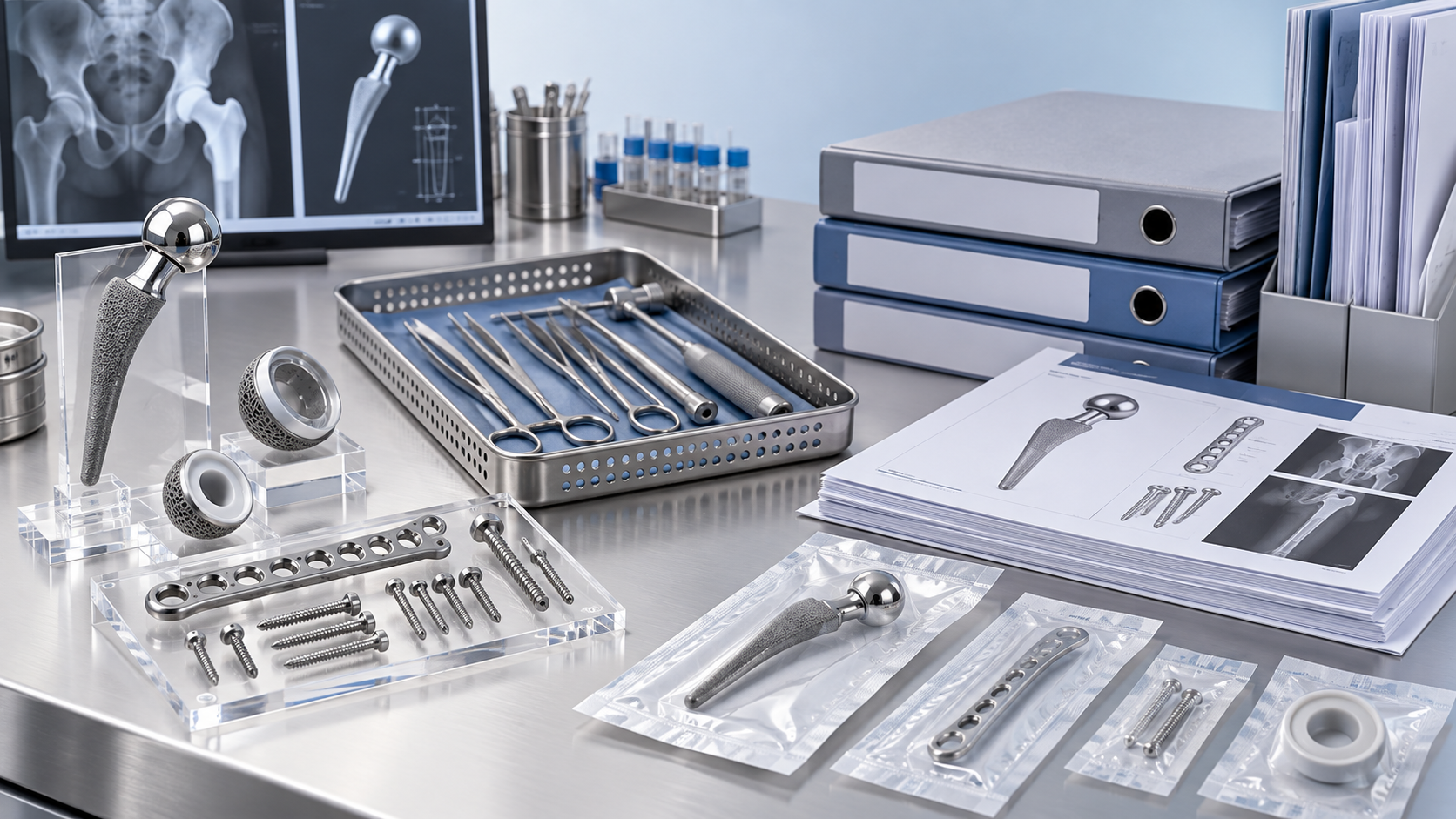
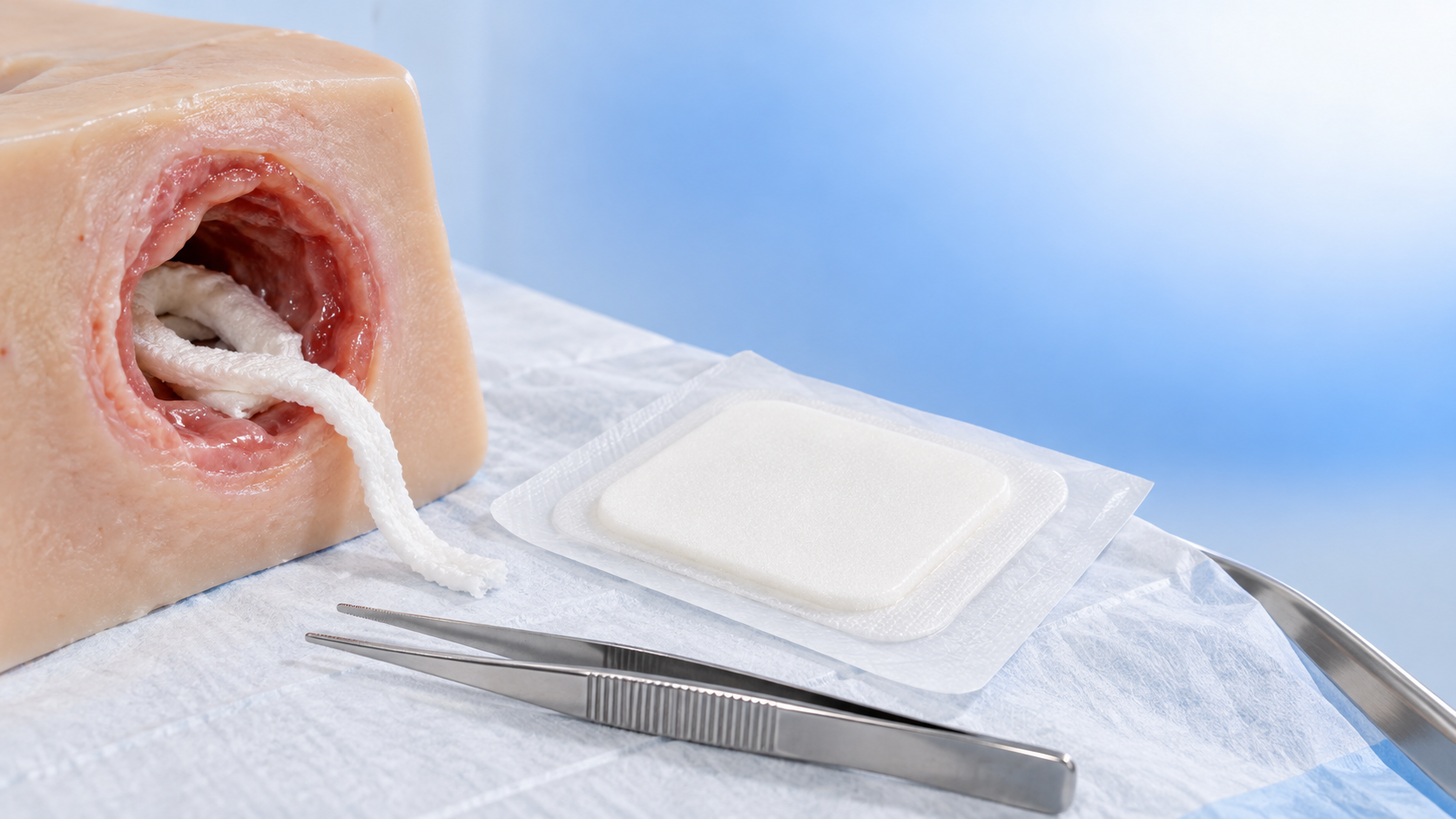
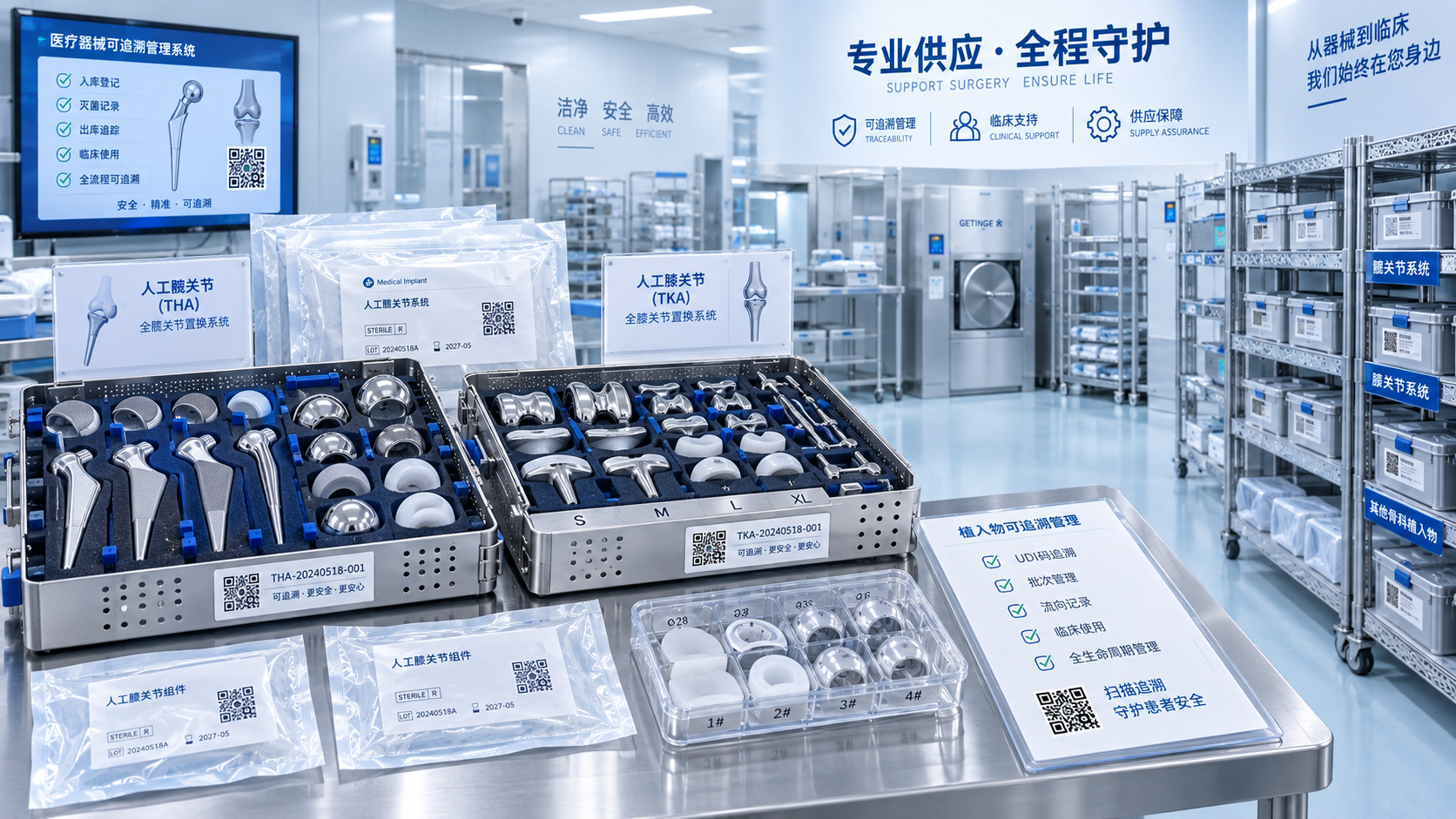
This is especially important for quality control personnel and safety managers working across orthopedic implants, cardiovascular interventional devices, polymer catheters, minimally invasive consumables, and tissue-contact wound care systems. The risk profile changes with contact type, contact duration, implantation site, and device design complexity.
At IMCS, the review lens is practical. Teams do not only ask whether a material is “medical grade.” They ask whether the final device, after machining, cleaning, sterilization, packaging, transport, and shelf aging, still meets biological safety expectations under realistic use conditions.
- Raw material suitability does not automatically confirm finished device safety.
- Surface treatments can change blood compatibility, irritation potential, and extractables profile.
- Process residues from adhesives, inks, lubricants, detergents, and sterilization by-products often drive unexpected failures.
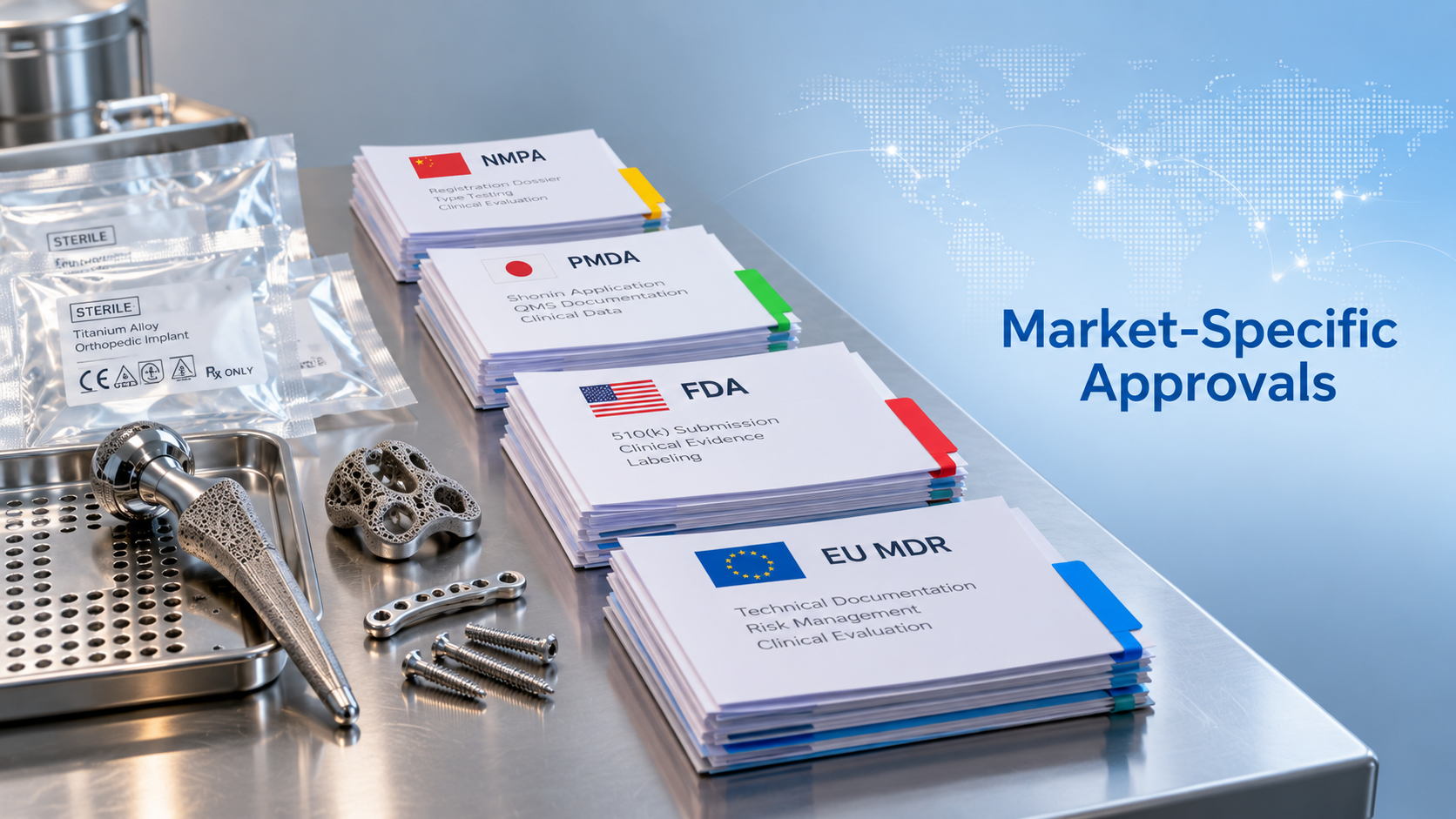
- Risk review must align with ISO 10993 principles, device classification, and market-specific expectations such as FDA, EU MDR, and other Class III pathways.
Which biocompatibility risks should be reviewed first for implantable medical devices?
A useful review starts by ranking risks according to patient exposure. For implantable medical devices, the highest priority usually sits with prolonged tissue contact, blood contact, leachables exposure, degradation behavior, and local or systemic inflammatory response.
The table below helps quality teams map common risk areas to typical device categories and practical review triggers before test planning begins.
For many implantable medical devices, the biggest review mistake is treating biological evaluation as a fixed test list. In practice, the evaluation should follow contact route, duration, chemistry, and manufacturing reality rather than a generic checklist copied from another product.
High-risk triggers that deserve immediate escalation
- New suppliers for resins, alloys, coatings, or packaging components without equivalence evidence.
- Design changes that alter surface area, porosity, blood path, or degradation rate.
- Sterilization changes such as moving from gamma to EO, or modifying aeration parameters.
- Unexpected particulate findings, discoloration, extractables peaks, or shelf-life instability.
- Clinical complaints linked to inflammation, poor healing, thrombus formation, or unexplained pain.
How materials and surface treatments change the safety profile
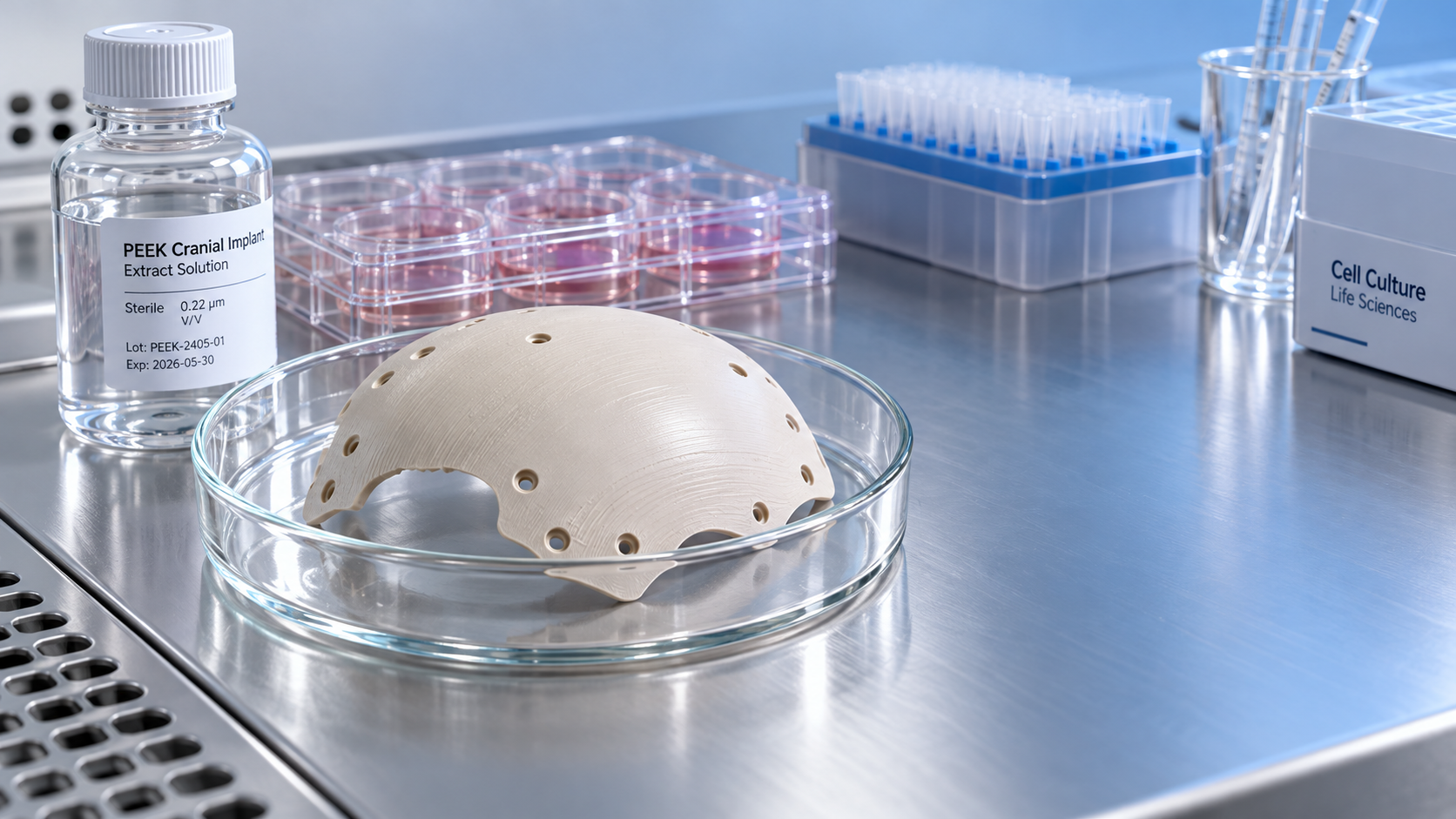
In implantable medical devices, chemistry at the interface often matters more than bulk material reputation. Titanium, cobalt-chromium, nitinol, silicone, polyurethane, PTFE, PEEK, hydrogel coatings, and bioactive layers each bring distinct biological questions.
A polished metallic implant and a porous 3D-printed metallic implant may share the same alloy, yet their biological review cannot be identical. Surface area, trapped residues, corrosion behavior, and particle shedding risks are different.
Material-specific review points
- Metal implants require attention to corrosion, ion release, wear debris, passivation quality, and contamination from machining or blasting media.
- Polymeric implants require review of residual monomers, plasticizers, oligomers, additives, and sterilization-driven chemistry changes.
- Drug-device combinations require integrated review of carrier polymer, elution kinetics, local toxicity, and degradation pathway.
- Coated blood-contact devices require focus on coating integrity, lubricity persistence, embolic particle risk, and blood interaction endpoints.
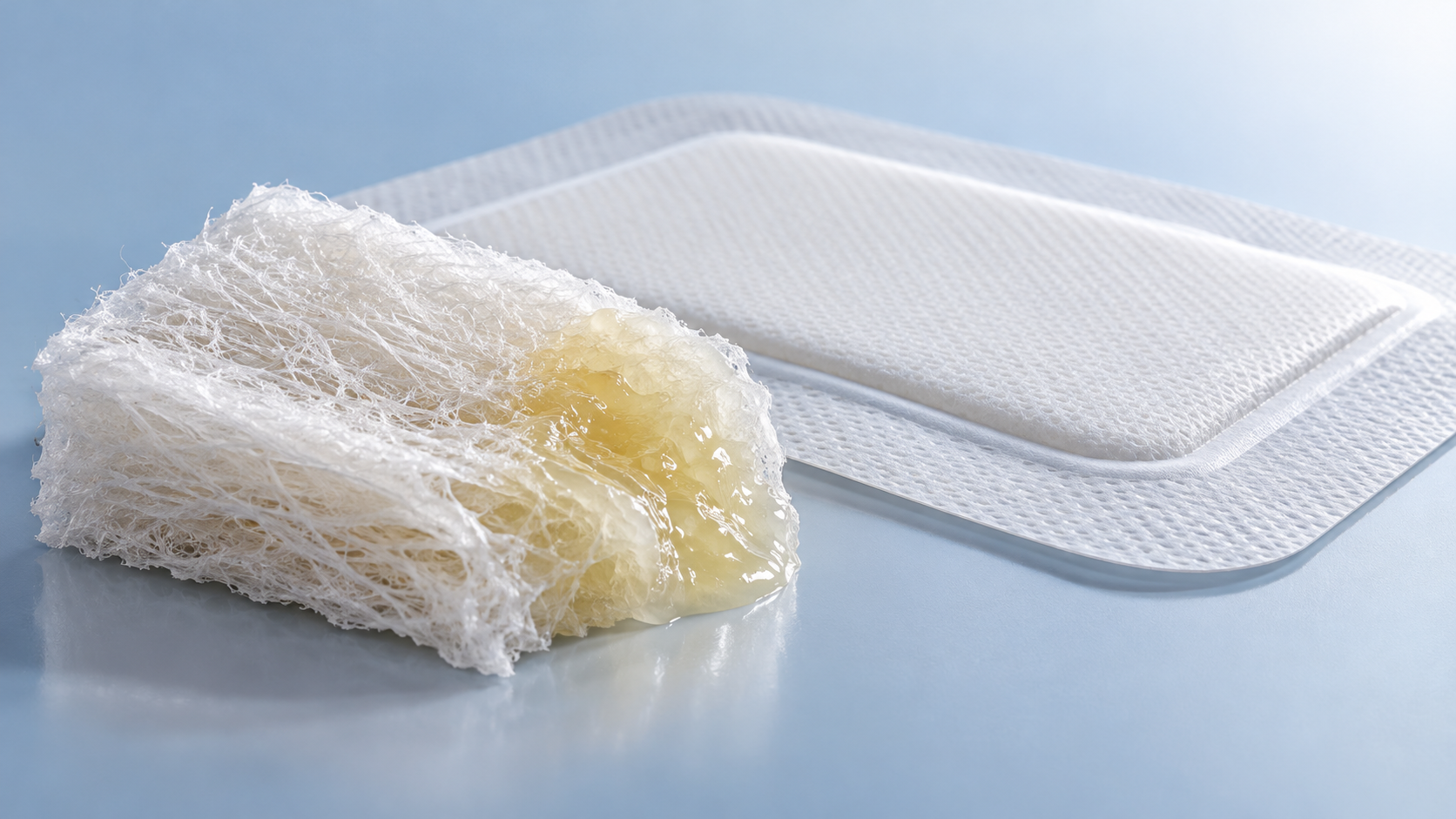
For IMCS-covered sectors such as DES, TAVR, orthopedic replacement systems, and advanced wound materials, surface engineering is often where value is created and risk is introduced at the same time. Quality teams should therefore compare intended benefit against interface uncertainty, not against supplier marketing claims.
What tests and standards matter most during review?
A strong review connects biological endpoints to device use. ISO 10993 remains the core framework, but implantable medical devices usually require more than selecting endpoint names from a matrix. Test strategy must be justified by toxicological risk, chemistry data, and contact scenario.
The following table summarizes commonly reviewed standards and the practical question each one helps answer for implantable medical devices.
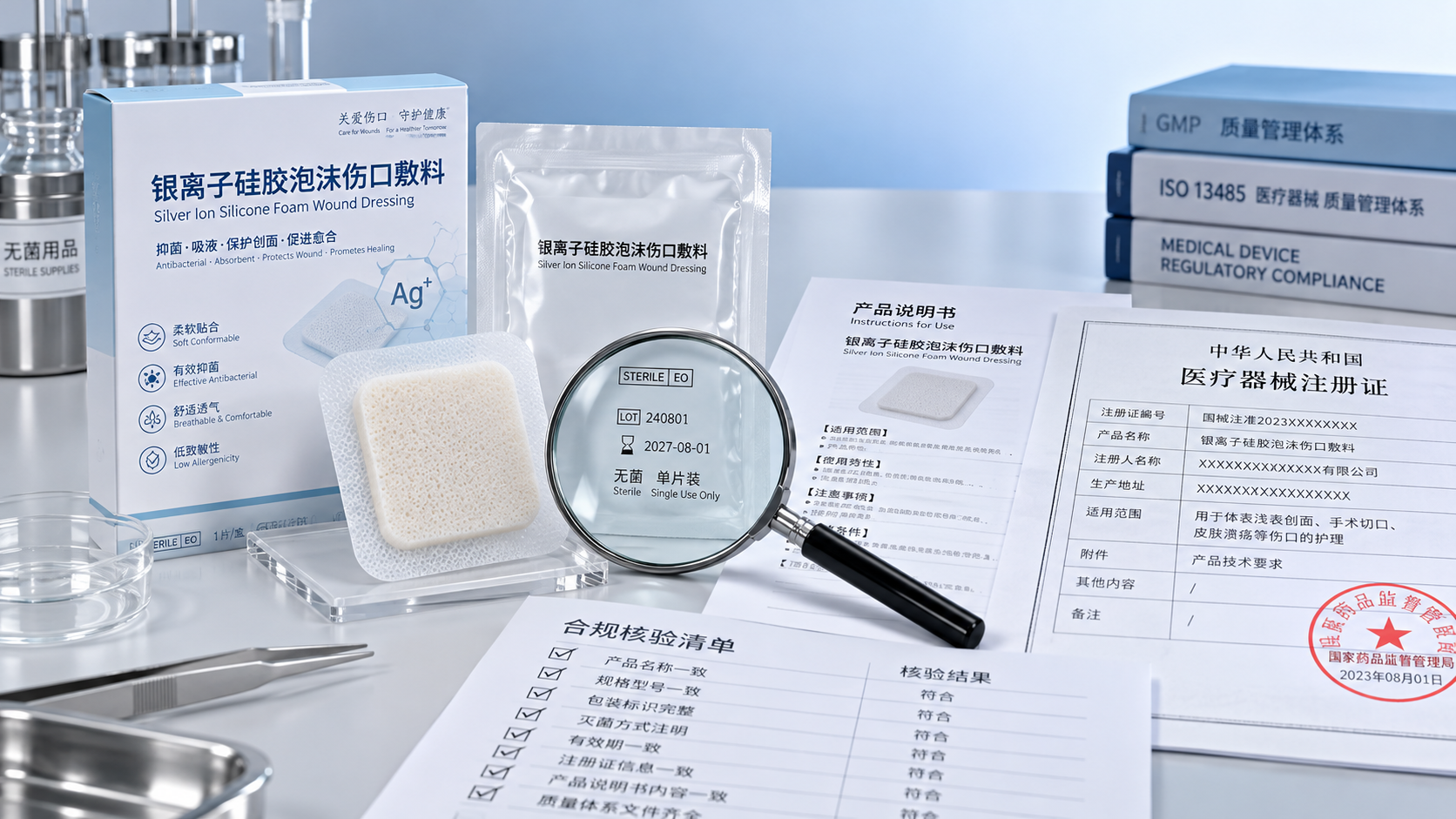
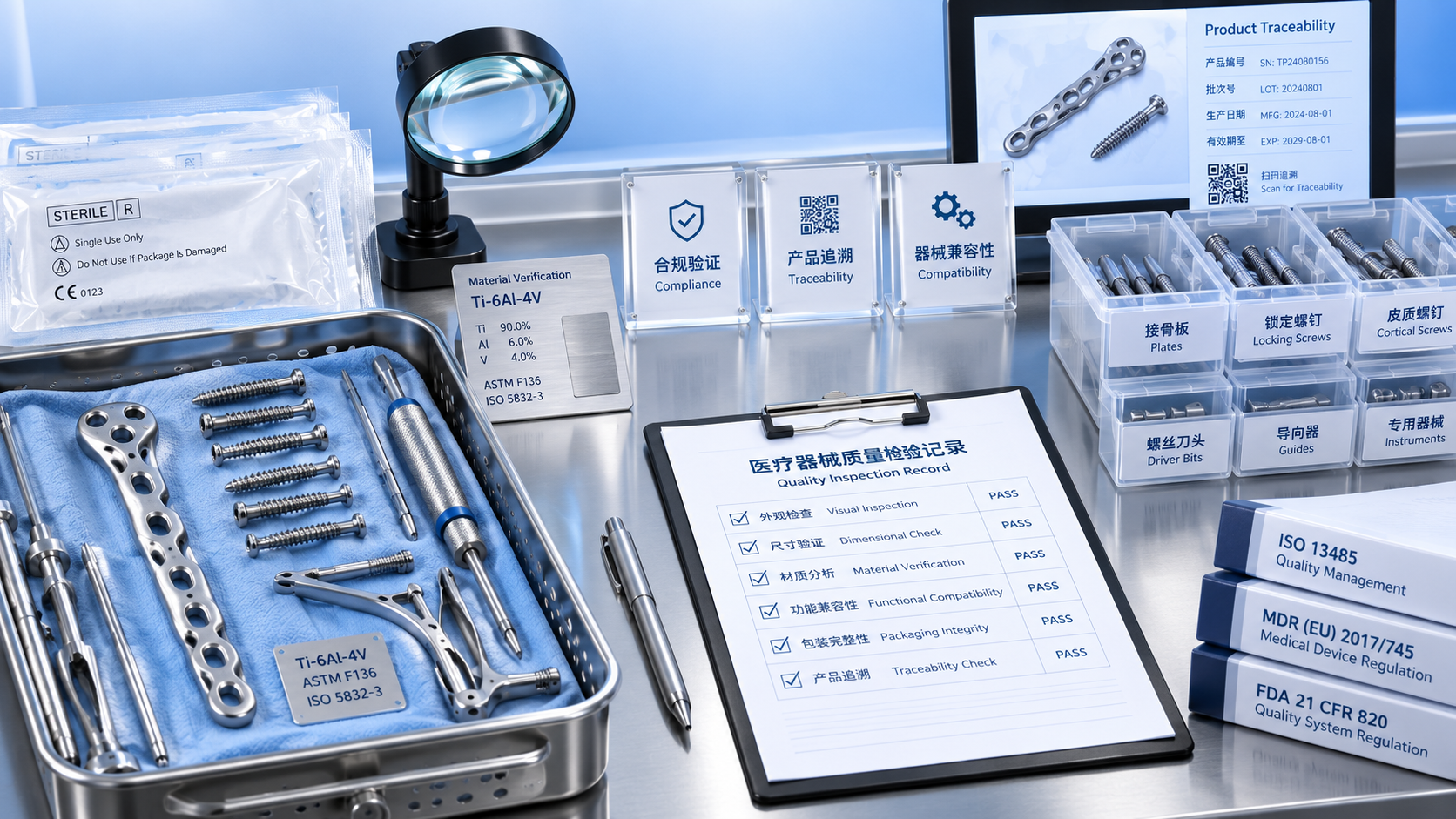
Test reports alone are not enough. Reviewers should examine extraction conditions, sample representativeness, sterilization status, aging condition, and whether tested units truly reflect the marketed configuration. Weak sample selection can invalidate an otherwise clean report package.
What safety managers should verify in the dossier
- Clear device contact classification and duration justification.
- Finished device bill of materials including coatings, colorants, processing aids, and packaging interactions where relevant.
- Chemical characterization that reflects worst-case extraction logic.
- Toxicological assessment linked to actual patient exposure, not only hazard identification.
- Change control records proving equivalence after process or supplier modifications.
Procurement and supplier review: what quality teams should ask before approval
Many implantable medical devices enter trouble not because the design concept is wrong, but because supplier oversight is shallow. Procurement teams often focus on price, lead time, and nominal material grade. Quality teams need a deeper approval script.
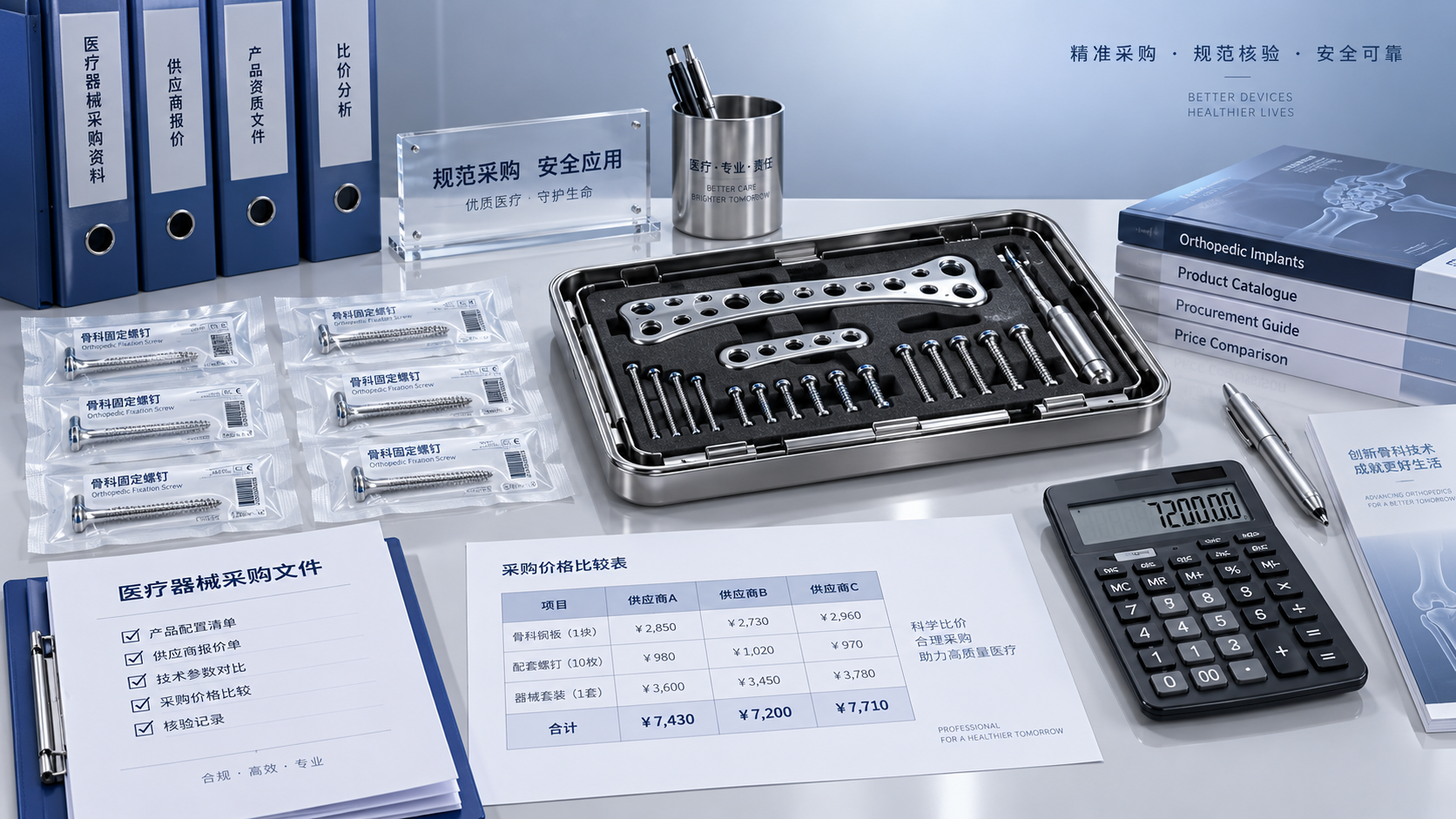
Before approving a component, coating, or outsourced process for implantable medical devices, use a structured review table that combines biocompatibility, manufacturability, and regulatory impact.
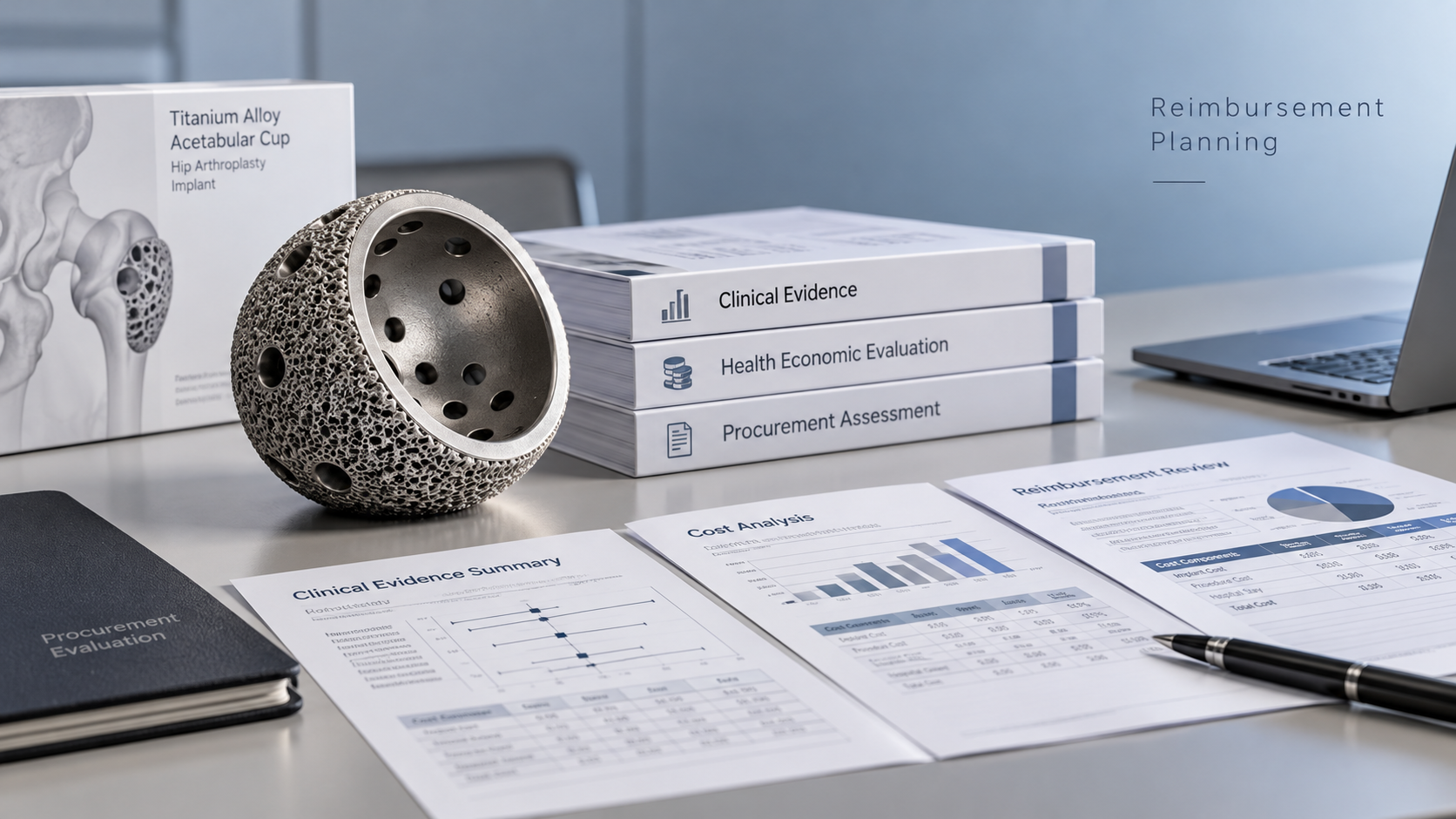
This approach is useful in a market shaped by cost pressure and VBP-style price compression. When margins shrink, supplier substitutions become more likely. A disciplined review protects both patient safety and regulatory continuity.
Common review mistakes in orthopedic, cardiovascular, and polymer implant systems
The same biocompatibility logic does not apply equally across all device families. IMCS tracks recurring gaps across the sectors that most directly affect postoperative quality of life and tissue healing.
Orthopedic implants and instruments
Teams often focus heavily on mechanical fatigue and osseointegration but under-review pore cleanliness, blasting media carryover, additive manufacturing residues, and wear debris interaction with tissue. Porous structures need special attention because they can retain contaminants despite routine cleaning verification.
Cardiovascular interventional devices
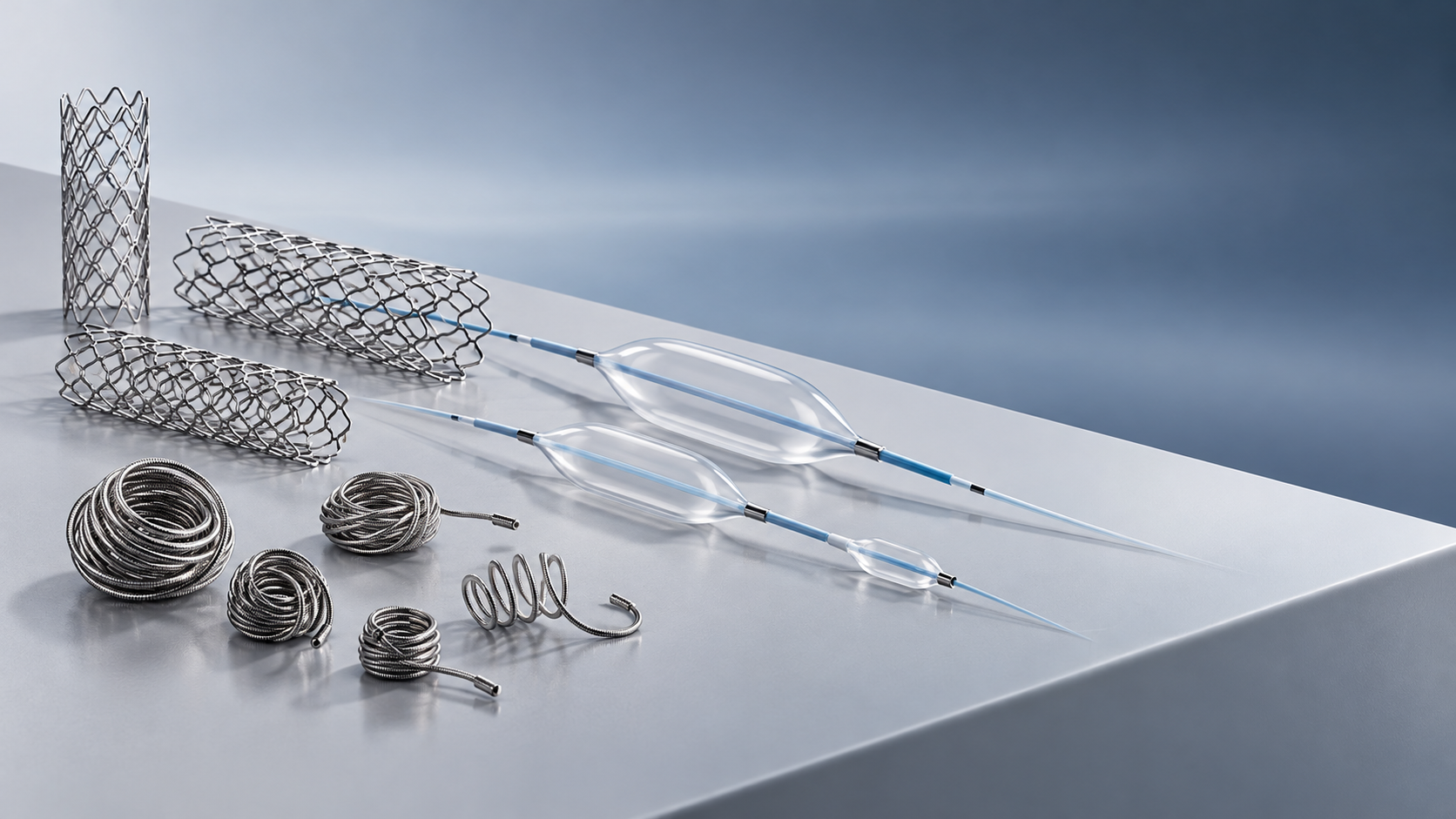
For stents, valves, and microcatheters, blood compatibility cannot be reduced to a label claim. Coating integrity during navigation, particle shedding under flexion, thrombotic response, and local drug toxicity all require joined-up review across engineering, biology, and clinical functions.
Polymer catheters and implant-adjacent consumables
A catheter may pass dimensional inspection and still fail a safety review due to extractables, poor coating durability, or sterilization-induced chemistry change. Hydrophilic and antithrombotic systems deserve accelerated aging scrutiny because performance loss can alter patient risk before expiry.
- Do not assume supplier data on pellet or sheet form applies to finished geometry.
- Do not separate particulate control from biocompatibility review in blood-contact systems.
- Do not overlook packaging interaction when volatile residues or moisture sensitivity are involved.
FAQ: practical questions quality and safety teams ask about implantable medical devices
How do we decide whether existing biocompatibility data are still valid after a change?
Start with change impact, not with the old test list. Review whether the change affects chemistry, surface area, blood path, degradation, residue profile, or patient exposure. Changes in sterilization, coatings, additives, cleaning agents, and porosity often justify renewed chemical characterization or targeted biological testing.
Which implantable medical devices usually need the most careful hemocompatibility review?
Devices with direct or prolonged blood contact deserve the highest scrutiny, including DES, TAVR systems, vascular graft-related components, neurovascular catheters, and central venous systems. Review should cover thrombosis potential, hemolysis relevance where applicable, platelet activation, and surface stability during actual use conditions.
Can chemical characterization reduce the need for animal testing?
In many cases, stronger chemistry and toxicological assessment can support a more targeted evaluation strategy. However, that only works when extractables and leachables data are robust, toxicological thresholds are justified, and the tested samples truly represent the marketed device. Weak chemistry rarely reduces uncertainty.
What should procurement teams ask when cost pressure pushes a supplier change?
Ask whether the new source changes formulation, catalyst system, additive package, surface finish, residue profile, or sterilization response. In implantable medical devices, a lower purchase price can create expensive revalidation, submission delays, complaint exposure, and post-market risk if equivalence is not demonstrated early.
Why specialized intelligence support matters for implantable medical devices
Reviewing implantable medical devices now requires more than reading test reports. Quality teams must connect biomaterials science, process control, regulatory expectations, and commercial pressure. That is where sector-specific intelligence becomes useful.
IMCS focuses on the device families where biocompatibility decisions most directly influence long-term patient outcomes: orthopedic replacement implants, cardiovascular interventional devices, minimally invasive surgical consumables, medical polymer systems, and advanced wound care materials. This cross-category view helps teams compare risk patterns rather than reviewing each product in isolation.
Our perspective combines toxicology validation logic, clinical evaluation awareness, and market access pressure under strict Class III regulation and cost-control environments. For safety managers, that means better support when balancing biological risk, development timelines, and procurement realities.
Why choose us for implantable medical devices review support
If your team is reviewing implantable medical devices and needs clearer decisions, IMCS can help you narrow uncertainty in the areas that usually slow approval or trigger rework. Support can be tailored to early screening, supplier evaluation, design change review, or market-entry preparation.
- Parameter confirmation for materials, coatings, porosity, blood-contact pathways, and sterilization-sensitive components.
- Product selection support across orthopedic, cardiovascular, catheter, stapler-adjacent, and tissue-contact consumable systems.
- Regulatory review input for ISO 10993 strategy, risk management alignment, and dossier gap identification.
- Delivery and sourcing discussion when alternate suppliers or process transfers may affect biocompatibility evidence.
- Sample support and evaluation planning for chemistry review, targeted testing pathways, and submission readiness.
- Quotation communication for custom intelligence projects involving change assessment, benchmark comparison, or compliance-focused procurement screening.
For teams under time pressure, the most effective next step is not a broad consultation request. It is a focused review of one device family, one material change, one coating issue, or one regulatory gap. That targeted approach usually reveals the fastest path to safer and more defensible implantable medical devices decisions.
Get weekly intelligence in your inbox.
No noise. No sponsored content. Pure intelligence.
News Recommendations
 Oct 26, 2026Can a single approval cover life science product sales worldwide?Can a single approval cover life science product sales worldwide?
 Oct 25, 2026When is sensitization testing needed for medical device biocompatibility?When is sensitization testing needed for medical device biocompatibility?
 Oct 24, 2026How is biocompatibility tested for implantable polymer biomaterials?How is biocompatibility tested for implantable polymer biomaterials?
 Oct 23, 2026How to build reimbursement into an implant commercialization strategyHow to build reimbursement into an implant commercialization strategy
 Oct 22, 2026What clinical evidence do implants need for CE marking under EU MDR?What clinical evidence do implants need for CE marking under EU MDR?
 Oct 21, 2026How to choose disposable laparoscopic stapler reloads for thick tissueHow to choose disposable laparoscopic stapler reloads for thick tissue
 Oct 20, 2026How to assess medical polymer biocompatibility under ISO 10993How to assess medical polymer biocompatibility under ISO 10993
 Oct 19, 2026How do interventional device categories differ in clinical use?How do interventional device categories differ in clinical use?
 Oct 18, 2026When to choose alginate dressings for heavily exuding chronic woundsWhen to choose alginate dressings for heavily exuding chronic wounds
 Oct 17, 2026How is biocompatibility tested for custom medical-grade PEEK implants?How is biocompatibility tested for custom medical-grade PEEK implants?
 Oct 16, 2026How to check a wound healing materials supplier’s biocompatibility dataHow to check a wound healing materials supplier’s biocompatibility data
 Oct 15, 2026How to verify the FDA clearance status of silver wound dressingsHow to verify the FDA clearance status of silver wound dressings
 Oct 14, 2026How to register orthopedic implants and instruments in Latin AmericaHow to register orthopedic implants and instruments in Latin America
 Oct 13, 2026How to use a device market intelligence database to benchmark VBP pricesHow to use a device market intelligence database to benchmark VBP prices
 Oct 12, 2026When should stainless steel orthopedic instruments be replaced?When should stainless steel orthopedic instruments be replaced?
 Oct 11, 2026When are alginate dressings rope the right choice for cavity wounds?When are alginate dressings rope the right choice for cavity wounds?
 Oct 10, 2026When smart minimally invasive technology improves catheter accessWhen smart minimally invasive technology improves catheter access
 Oct 08, 2026Clinical evaluation requirements for cardiovascular implant devices in EuropeClinical evaluation requirements for cardiovascular implant devices in Europe
 Oct 07, 2026What to verify before appointing an artificial joint implants distributorWhat to verify before appointing an artificial joint implants distributor
 Oct 06, 2026How ISO 10993 guides biocompatibility testing for medical materialsHow ISO 10993 guides biocompatibility testing for medical materials
 Oct 05, 2026How to verify an orthopedic implants and instruments exporterHow to verify an orthopedic implants and instruments exporter
 Oct 04, 2026What drives surgical stapling devices price differences in hospital tenders?What drives surgical stapling devices price differences in hospital tenders?
 Oct 03, 2026How to assess a central venous catheter manufacturer's infection-control evidenceHow to assess a central venous catheter manufacturer's infection-control evidence
 Oct 02, 2026How to assess an advanced wound care factory’s quality systemHow to assess an advanced wound care factory’s quality system
 Oct 01, 2026What is driving global medical consumables demand in emerging markets?What is driving global medical consumables demand in emerging markets?
 Sep 30, 2026Implant Material Compliance Testing: Evidence Needed for Regulatory SubmissionImplant Material Compliance Testing: Evidence Needed for Regulatory Submission
 Sep 30, 2026From Corrosion to Fatigue: What Implant Materials Testing Should MeasureFrom Corrosion to Fatigue: What Implant Materials Testing Should Measure