Tissue Regeneration Materials: How to Compare Bioactivity, Degradation, and Safety
Choosing tissue regeneration materials is no longer a narrow R&D task. It sits at the intersection of healing performance, degradation control, supply risk, and regulatory evidence. For teams reviewing material quality and biological safety, the key question is not whether a material looks advanced, but whether its bioactivity, resorption profile, and risk controls remain consistent from bench data to clinical use.
Why tissue regeneration materials now require closer comparison
High-end medical consumables are moving toward materials that do more than fill space. They are expected to guide cell behavior, support structural repair, and then integrate or disappear at the right pace.
That shift matters across orthopedic implants, advanced wound care, minimally invasive repair tools, and other Class III device pathways followed closely by IMCS.
In practical terms, tissue regeneration materials influence bone in-growth, soft tissue closure, chronic wound healing, and scaffold-assisted repair. A weak comparison process can create late surprises, especially when degradation by-products or sterilization effects are underestimated.
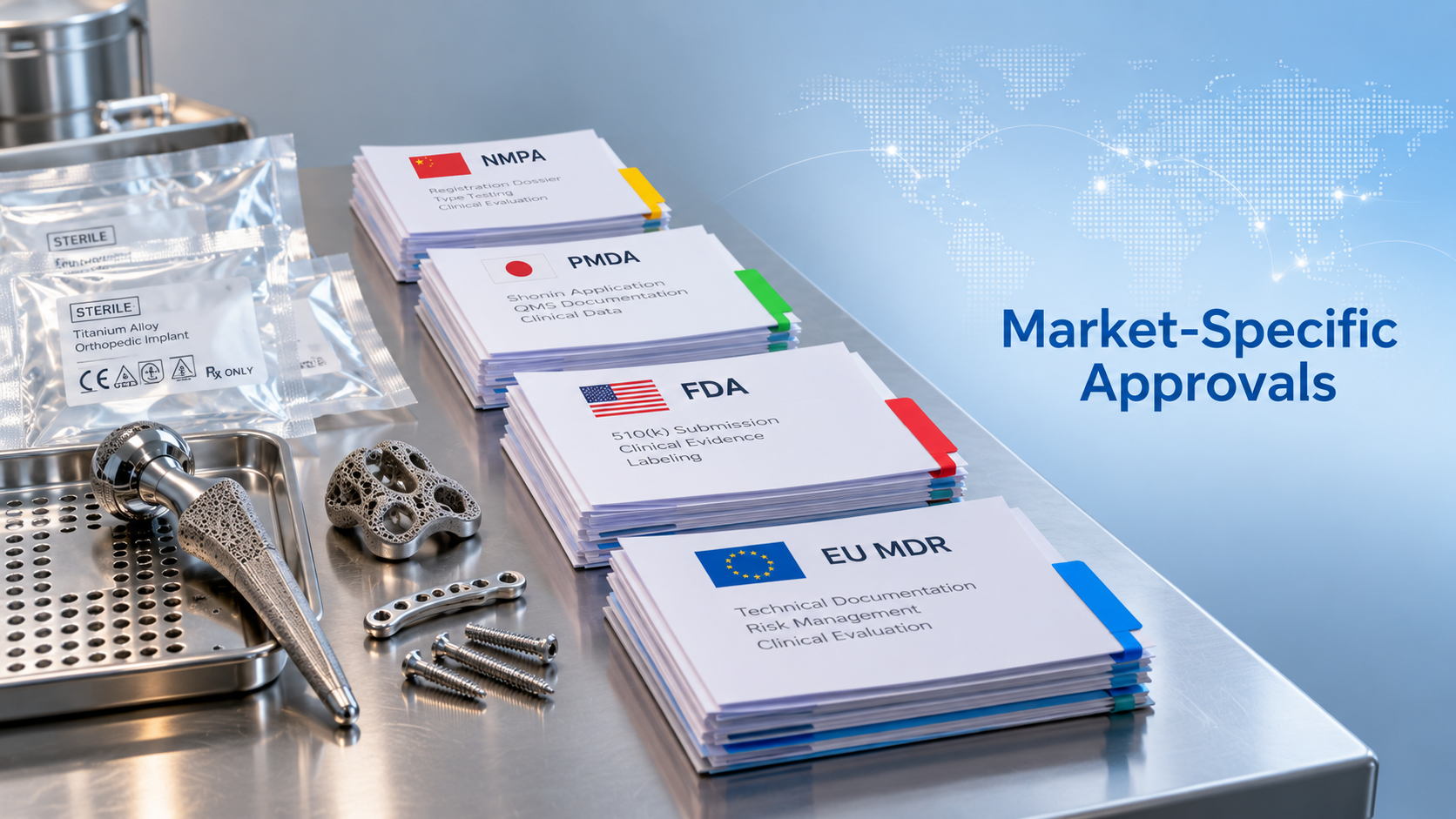
This is also why regulatory review has become more data-intensive. Authorities no longer accept broad claims of compatibility without linking composition, process controls, toxicological evidence, and intended clinical duration.
What should actually be compared
When comparing tissue regeneration materials, three dimensions should stay connected: bioactivity, degradation, and safety. Looking at one without the others often leads to poor decisions.
Bioactivity is more than a marketing claim
Bioactivity refers to how a material interacts with cells, proteins, and tissue microenvironments. In bone repair, this may mean osteoconductive behavior or support for mineral deposition.
In wound healing, it may involve moisture balance, matrix support, antimicrobial contribution, or signals that encourage organized tissue formation.
The useful question is whether the claimed effect is measurable. Surface chemistry, porosity, pore interconnectivity, roughness, ionic release, and growth factor loading should connect to real test outputs.
Degradation must match healing timing
A biodegradable scaffold is not automatically better. It is only suitable when its loss of mass and strength aligns with tissue recovery and does not create harmful local conditions.
For example, a polymer that degrades too quickly may collapse before tissue remodeling is stable. One that degrades too slowly may prolong inflammation or interfere with imaging and revision planning.
pH shift, particle shedding, swelling, and mechanical weakening are often as important as headline degradation time.
Safety depends on the whole material system
Safety review should not stop at the base resin, ceramic, collagen, or hydrogel. Additives, crosslinkers, processing residues, packaging interaction, and sterilization changes may alter the biological profile.
This is especially relevant in tissue regeneration materials used in long-contact or implantable settings, where even small formulation changes can affect cytotoxicity, sensitization, irritation, or chronic response.
How to read material evidence without over-trusting single data points
A common problem is relying on isolated positive findings. One favorable cell viability result does not validate long-term use. One degradation chart does not explain in vivo behavior.
A stronger review links material characteristics to intended use, contact duration, anatomical site, and clinical load.
This cross-check matters because tissue regeneration materials often change behavior after processing. A porous scaffold, for instance, may show good lab performance before terminal sterilization, then lose surface functionality afterward.
Where these decisions show up in real medical consumables
The comparison framework is useful across several product environments.
Orthopedic repair and osseointegration
In bone-facing applications, tissue regeneration materials may appear as calcium phosphate systems, collagen composites, bioactive coatings, or porous polymer structures.
Here, the balance between osteointegration and structural durability is critical. Fast resorption may compromise fixation. Slow remodeling may limit native bone replacement.
Advanced wound care and soft tissue repair
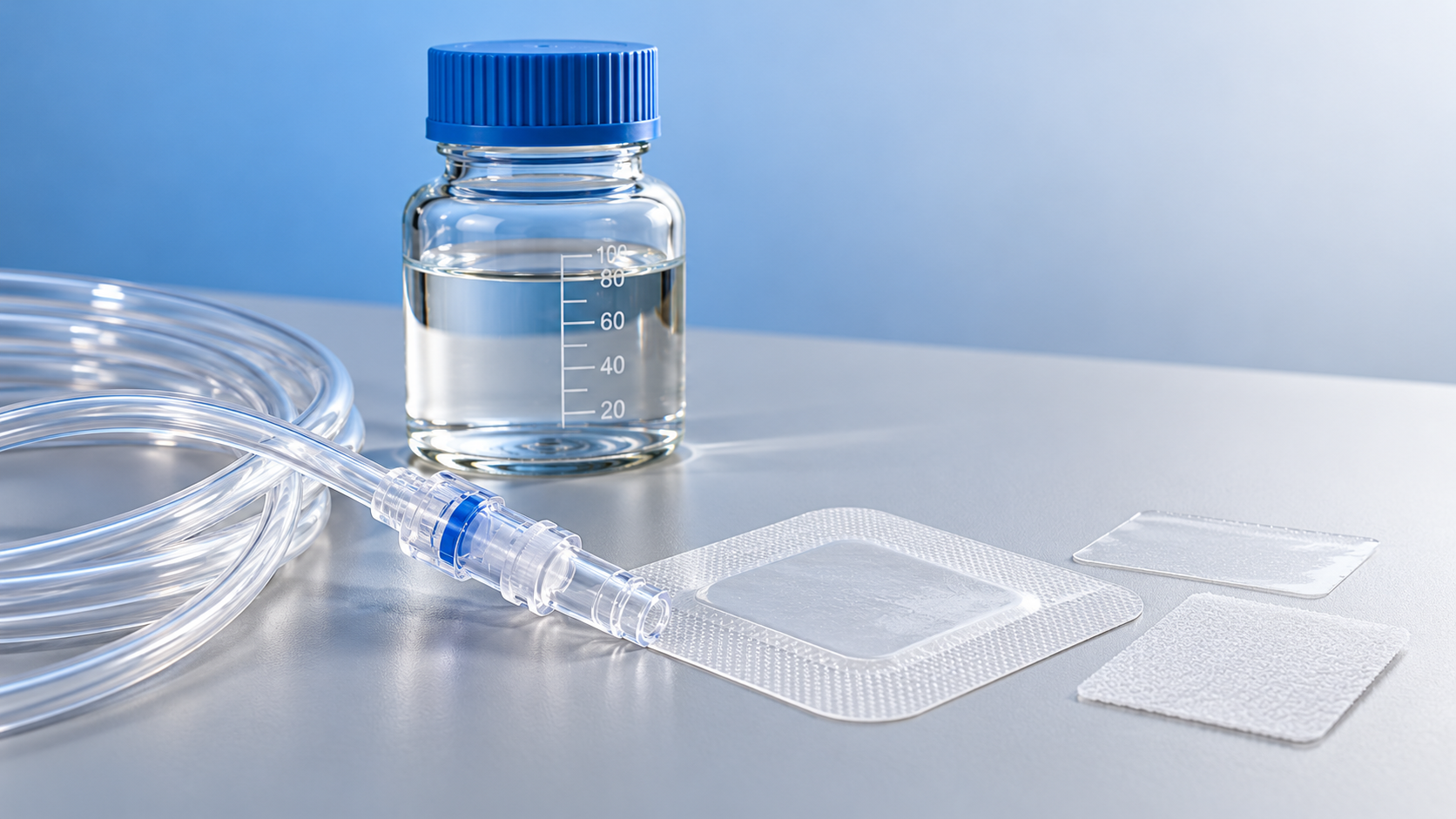
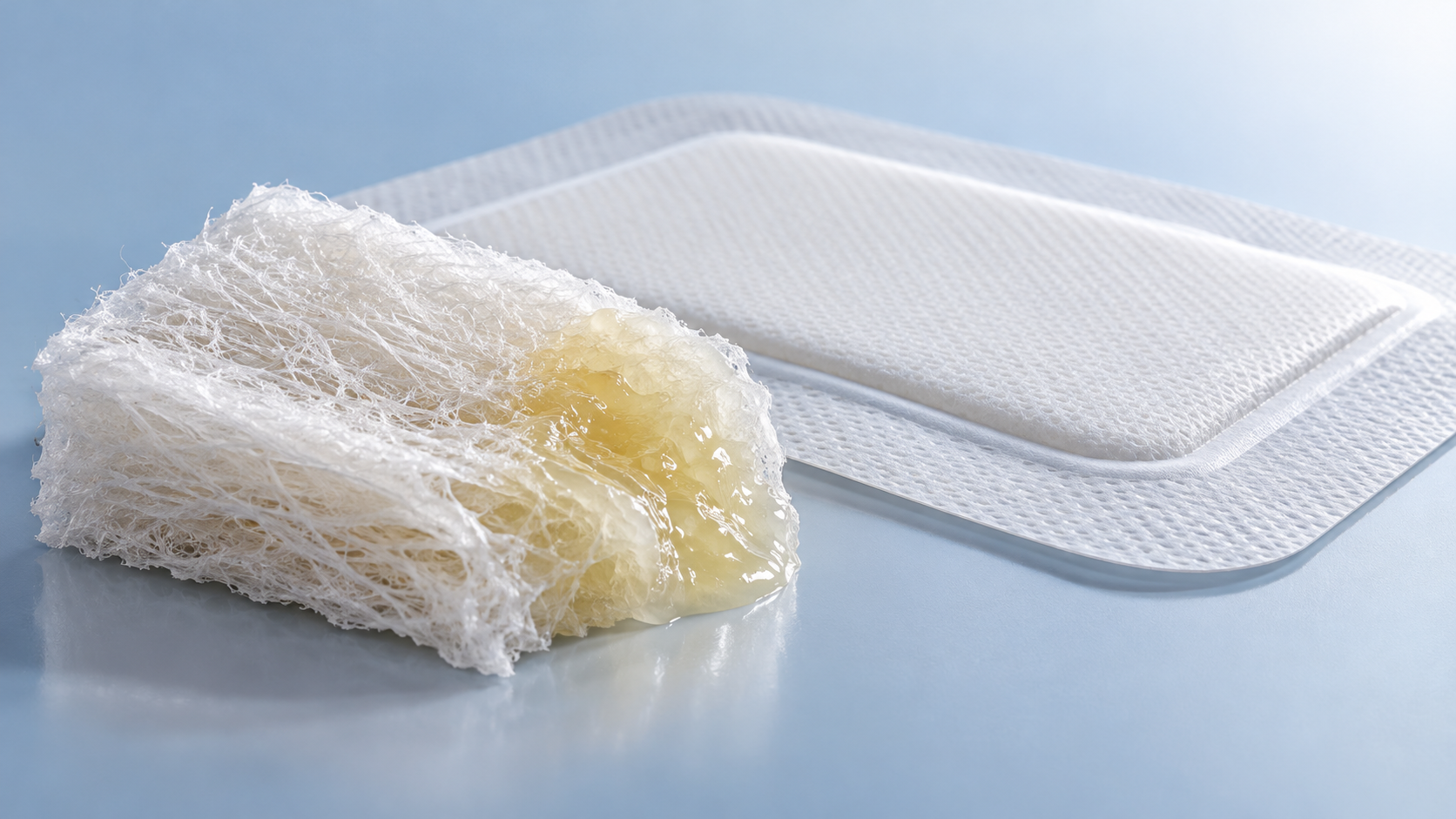
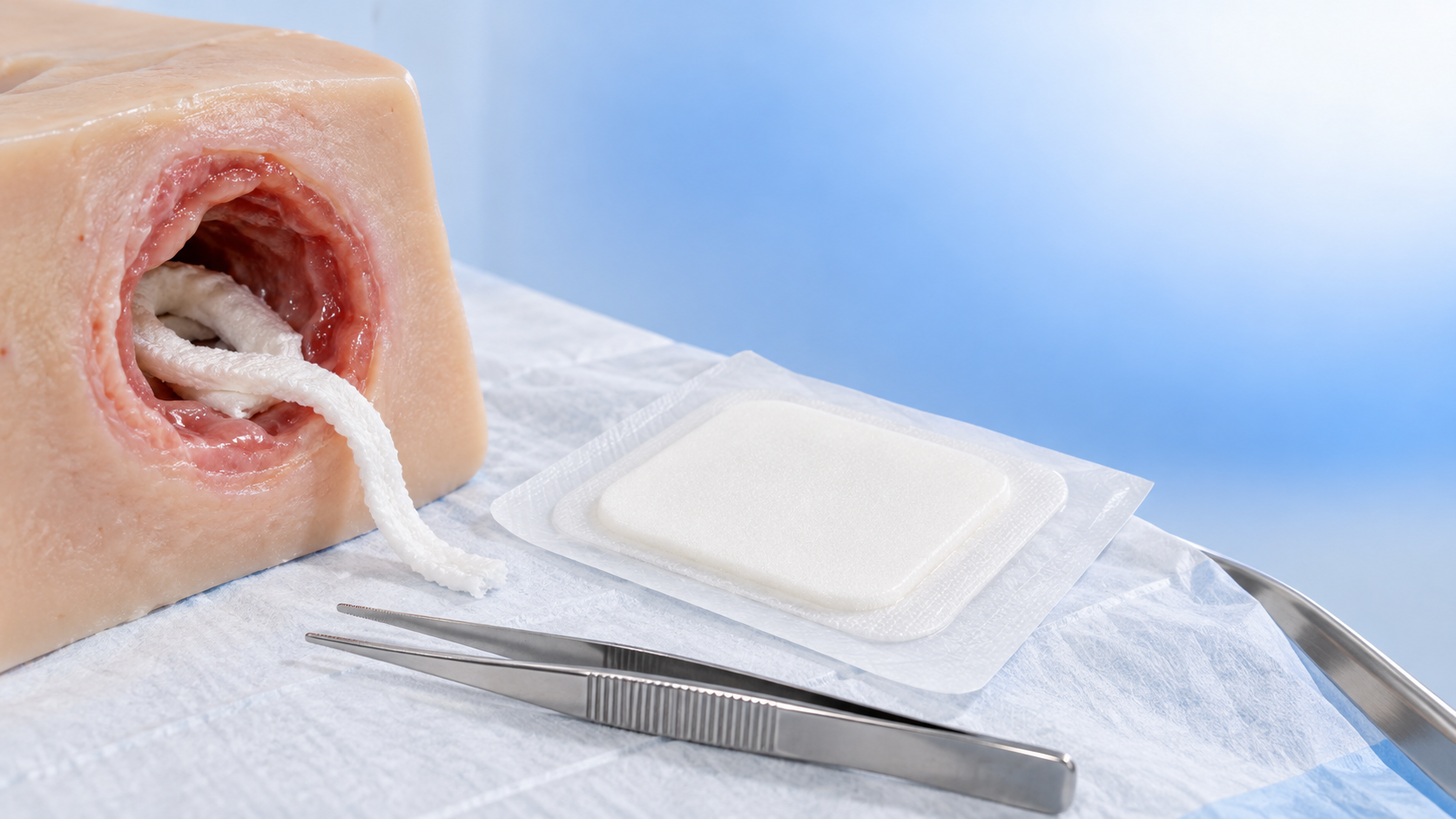
Dressings and matrices designed for chronic wounds need more than absorbency. They must control exudate, reduce bioburden risk, and support orderly tissue rebuilding.
In this context, tissue regeneration materials are judged by comfort, dressing change behavior, local tissue tolerance, and whether degradation products complicate wound management.
Minimally invasive and implant-adjacent use
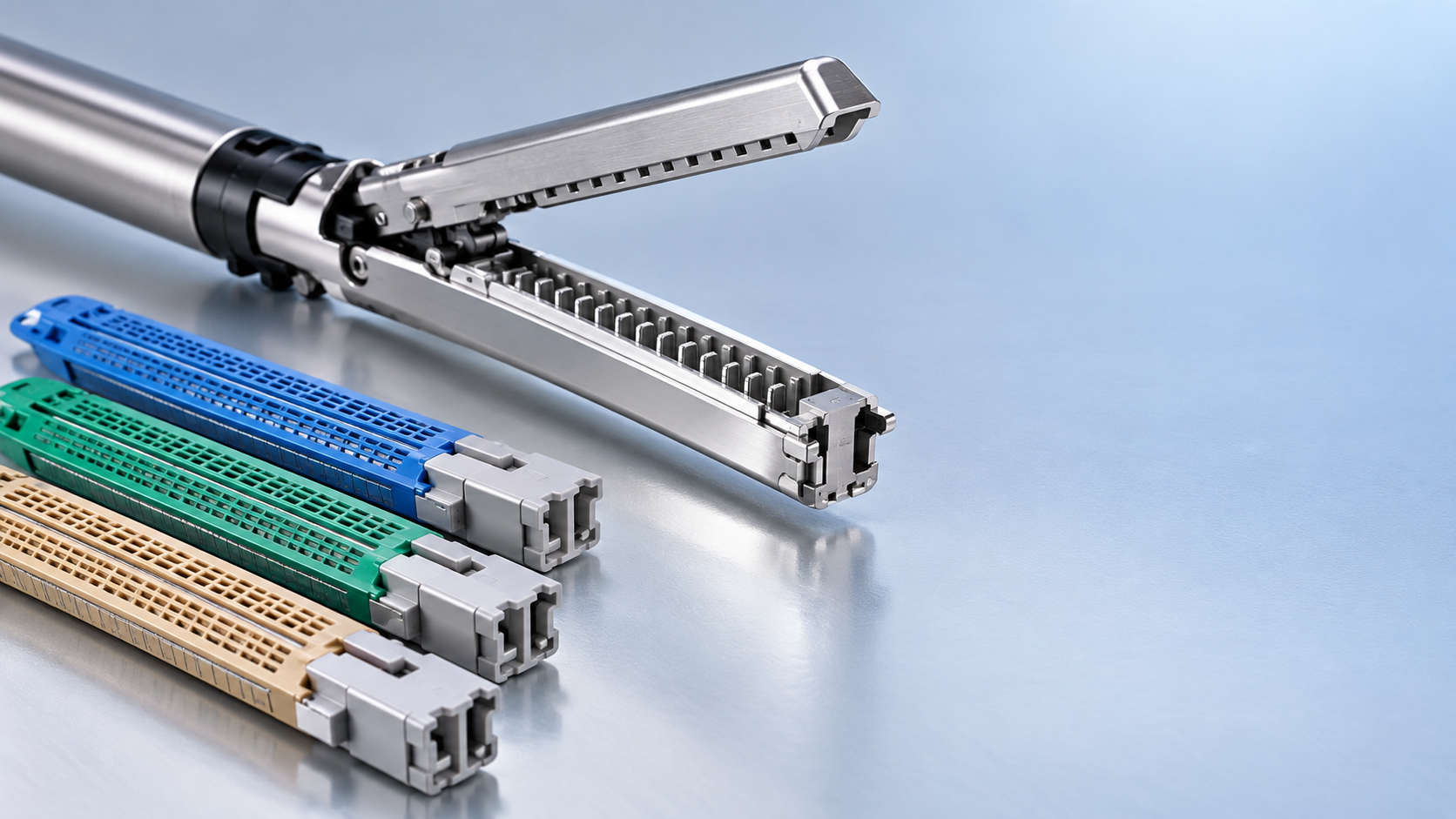
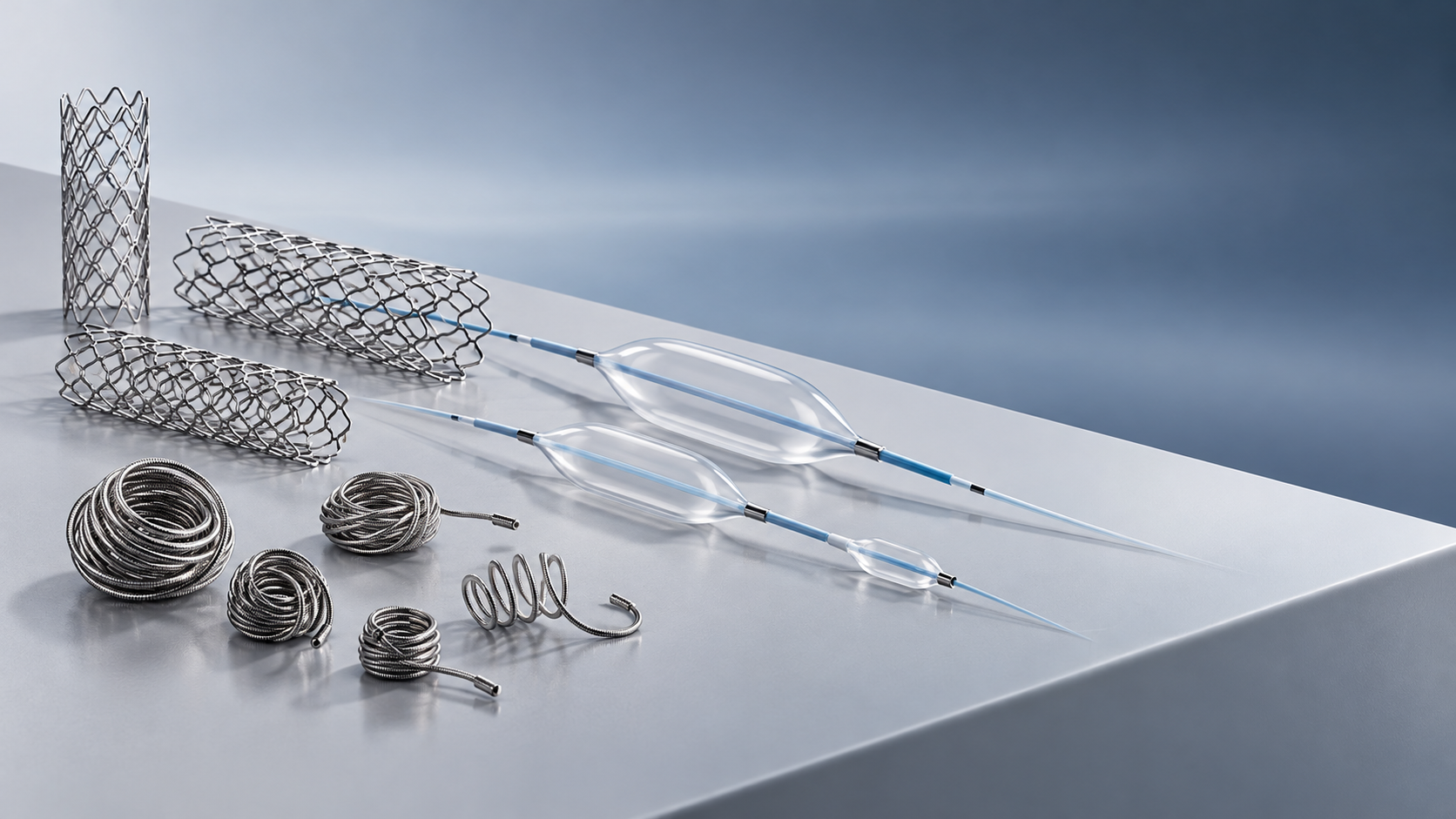
Some regenerative materials are delivered through catheters, stapling systems, or adjunct implant procedures. Then flexibility, deliverability, and device-material interaction become part of the safety picture.
That broader systems view aligns with the IMCS perspective: biocompatibility, precision manufacturing, and regulatory logic should be assessed together, not in separate silos.
A practical review path for quality and safety evaluation
A useful internal review process starts by narrowing the intended function. Is the material expected to fill, cover, reinforce, release, or guide regeneration?
Once that is clear, the evidence package becomes easier to judge.
- Check whether the claimed bioactivity is tied to validated test methods rather than general brochure language.
- Compare degradation behavior under realistic conditions, including fluid exposure, temperature, load, and sterilized state.
- Review ISO 10993 strategy against final product form, contact pathway, and duration.
- Ask whether raw material changes, secondary suppliers, or process transfers could shift the biological profile.
- Look for alignment between preclinical findings, clinical rationale, and post-market monitoring plans.
Usually, the most reliable tissue regeneration materials are not those with the most dramatic claims. They are the ones with stable process control, explainable mechanisms, and evidence that remains coherent across lifecycle stages.
Signals that deserve extra caution
Some warning signs appear repeatedly during technical and regulatory review.
- Degradation claims are based only on short in vitro soaking studies.
- Biocompatibility files do not explain residual monomers, solvents, or crosslinking agents.
- Supplier specifications are broad, but batch acceptance limits are vague.
- Clinical equivalence is claimed even though composition or resorption mechanism differs.
- Sterilization validation exists, but there is little evidence on post-sterilization material performance.
These issues matter more under CE MDR, implant scrutiny, and global cost-control pressure. Price pressure can compress development timelines, but it does not reduce the need for defensible evidence.
What informed next steps usually look like
A sound decision on tissue regeneration materials rarely comes from one certificate or one promising dataset. It comes from a structured comparison of function, degradation fit, biological risk, and manufacturing stability.
The next step is often to build a material review matrix tailored to indication, contact duration, and evidence gaps. That makes supplier screening, change control, and clinical risk discussions more objective.
For organizations tracking advanced implants and consumables through an intelligence lens like IMCS, the strongest advantage comes from connecting material science with toxicology, regulatory expectations, and real-world use conditions. That is usually where better long-term decisions begin.
Get weekly intelligence in your inbox.
No noise. No sponsored content. Pure intelligence.
News Recommendations
 Oct 26, 2026Can a single approval cover life science product sales worldwide?Can a single approval cover life science product sales worldwide?
 Oct 25, 2026When is sensitization testing needed for medical device biocompatibility?When is sensitization testing needed for medical device biocompatibility?
 Oct 24, 2026How is biocompatibility tested for implantable polymer biomaterials?How is biocompatibility tested for implantable polymer biomaterials?
 Oct 23, 2026How to build reimbursement into an implant commercialization strategyHow to build reimbursement into an implant commercialization strategy
 Oct 22, 2026What clinical evidence do implants need for CE marking under EU MDR?What clinical evidence do implants need for CE marking under EU MDR?
 Oct 21, 2026How to choose disposable laparoscopic stapler reloads for thick tissueHow to choose disposable laparoscopic stapler reloads for thick tissue
 Oct 20, 2026How to assess medical polymer biocompatibility under ISO 10993How to assess medical polymer biocompatibility under ISO 10993
 Oct 19, 2026How do interventional device categories differ in clinical use?How do interventional device categories differ in clinical use?
 Oct 18, 2026When to choose alginate dressings for heavily exuding chronic woundsWhen to choose alginate dressings for heavily exuding chronic wounds
 Oct 17, 2026How is biocompatibility tested for custom medical-grade PEEK implants?How is biocompatibility tested for custom medical-grade PEEK implants?
 Oct 16, 2026How to check a wound healing materials supplier’s biocompatibility dataHow to check a wound healing materials supplier’s biocompatibility data
 Oct 15, 2026How to verify the FDA clearance status of silver wound dressingsHow to verify the FDA clearance status of silver wound dressings
 Oct 14, 2026How to register orthopedic implants and instruments in Latin AmericaHow to register orthopedic implants and instruments in Latin America
 Oct 13, 2026How to use a device market intelligence database to benchmark VBP pricesHow to use a device market intelligence database to benchmark VBP prices
 Oct 12, 2026When should stainless steel orthopedic instruments be replaced?When should stainless steel orthopedic instruments be replaced?
 Oct 11, 2026When are alginate dressings rope the right choice for cavity wounds?When are alginate dressings rope the right choice for cavity wounds?
 Oct 10, 2026When smart minimally invasive technology improves catheter accessWhen smart minimally invasive technology improves catheter access
 Oct 08, 2026Clinical evaluation requirements for cardiovascular implant devices in EuropeClinical evaluation requirements for cardiovascular implant devices in Europe
 Oct 07, 2026What to verify before appointing an artificial joint implants distributorWhat to verify before appointing an artificial joint implants distributor
 Oct 06, 2026How ISO 10993 guides biocompatibility testing for medical materialsHow ISO 10993 guides biocompatibility testing for medical materials
 Oct 05, 2026How to verify an orthopedic implants and instruments exporterHow to verify an orthopedic implants and instruments exporter
 Oct 04, 2026What drives surgical stapling devices price differences in hospital tenders?What drives surgical stapling devices price differences in hospital tenders?
 Oct 03, 2026How to assess a central venous catheter manufacturer's infection-control evidenceHow to assess a central venous catheter manufacturer's infection-control evidence
 Oct 02, 2026How to assess an advanced wound care factory’s quality systemHow to assess an advanced wound care factory’s quality system
 Oct 01, 2026What is driving global medical consumables demand in emerging markets?What is driving global medical consumables demand in emerging markets?
 Sep 30, 2026Implant Material Compliance Testing: Evidence Needed for Regulatory SubmissionImplant Material Compliance Testing: Evidence Needed for Regulatory Submission
 Sep 30, 2026From Corrosion to Fatigue: What Implant Materials Testing Should MeasureFrom Corrosion to Fatigue: What Implant Materials Testing Should Measure