Medical Polymer Technology Risks That Affect Biocompatibility Testing
Medical polymer technology often decides whether a device moves smoothly through biocompatibility testing or stalls in costly rework. A minor shift in resin grade, additive package, coating chemistry, or thermal history can change extractables, surface behavior, blood interaction, and tissue response. In sectors covered closely by IMCS, from orthopedic implants to neurovascular catheters and advanced wound care, those shifts are not abstract material questions. They sit directly at the intersection of ISO 10993 evidence, Class III regulatory expectations, manufacturing consistency, and long-term patient safety.
Why material risk has become a frontline issue
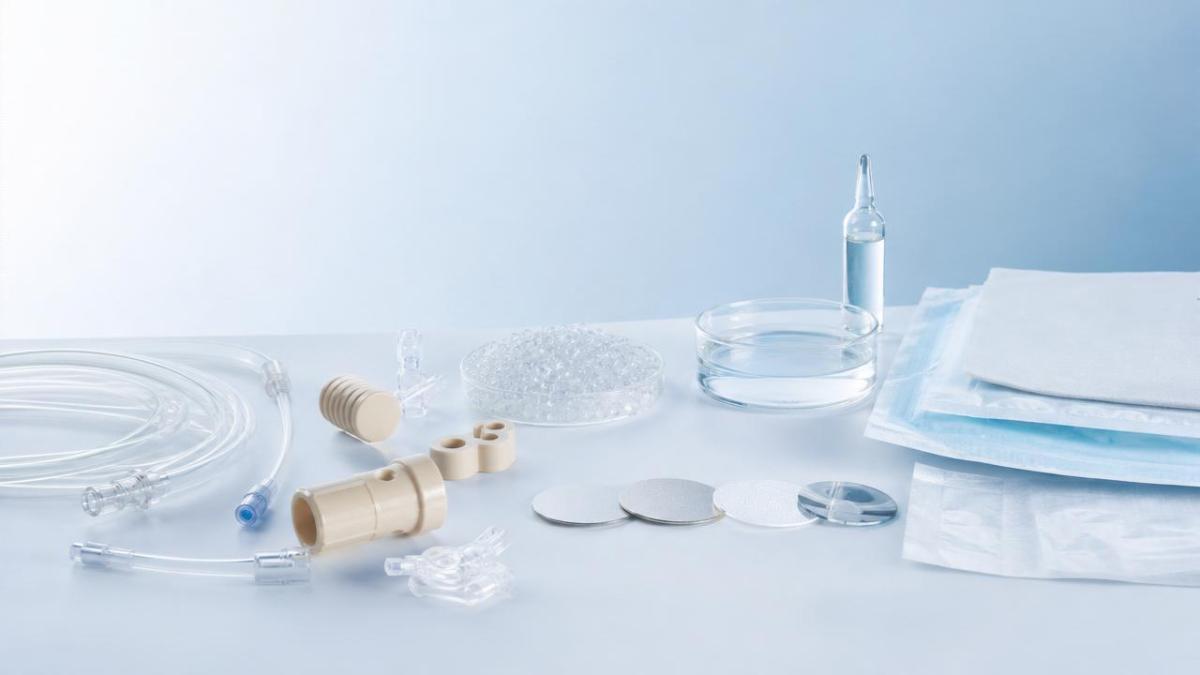
Medical devices now ask more from polymers than simple flexibility or low weight. They must remain stable in blood, tolerate sterilization, support precision assembly, and keep performance unchanged across millions of contact cycles.
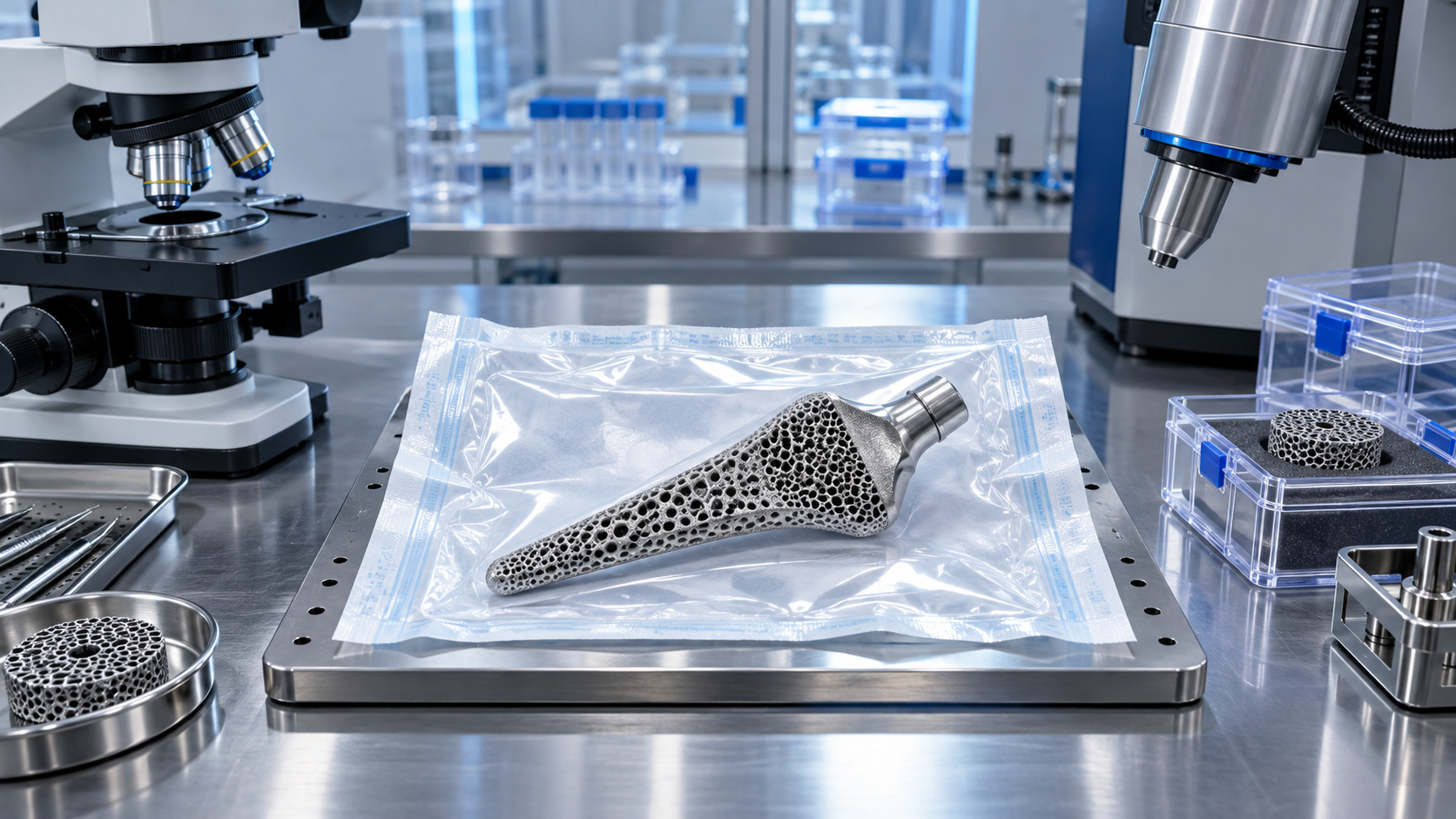
That pressure is strongest in high-value consumables. Drug-eluting systems, PEEK-based implant components, coated microcatheters, central venous access products, silicone foams, and absorbent wound dressings all rely on carefully controlled medical polymer technology.
The industry focus has also sharpened because regulatory review is no longer satisfied with broad material claims. Evidence must connect formulation, processing, packaging, sterilization, and final biological endpoints in a traceable way.
This matters commercially as well. Under pricing pressure and VBP-style cost control, a failed biocompatibility test can erase margin fast, delay launch windows, and expose weak supplier governance.
What biocompatibility risk really means in polymer systems
In practice, risk rarely comes from the base polymer alone. It usually comes from the full system surrounding it.
A catheter shaft may include the resin, colorants, lubricious coatings, tie layers, adhesives, radiopaque fillers, printing inks, and sterilization residues. Each element can influence test outcomes.
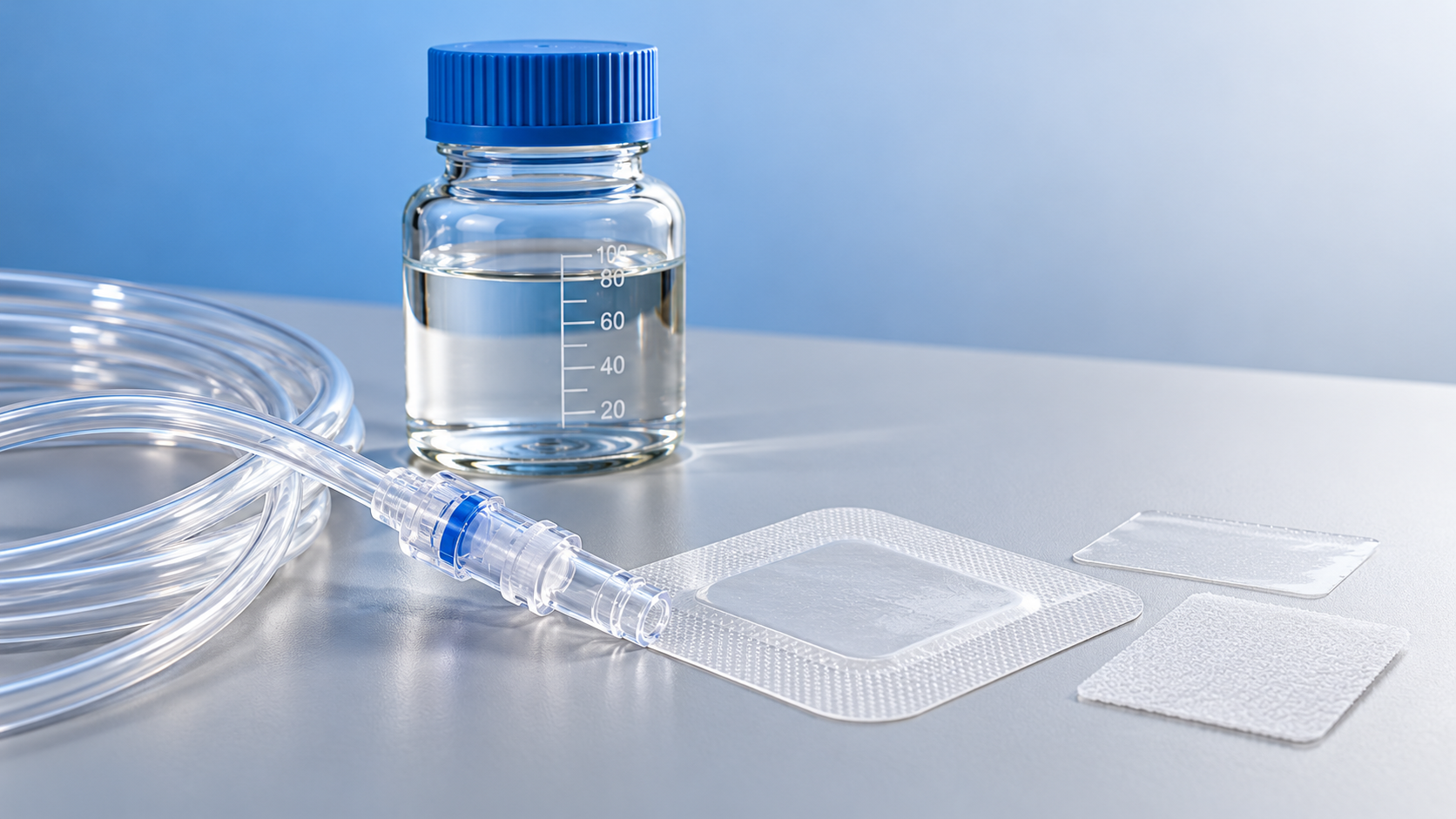
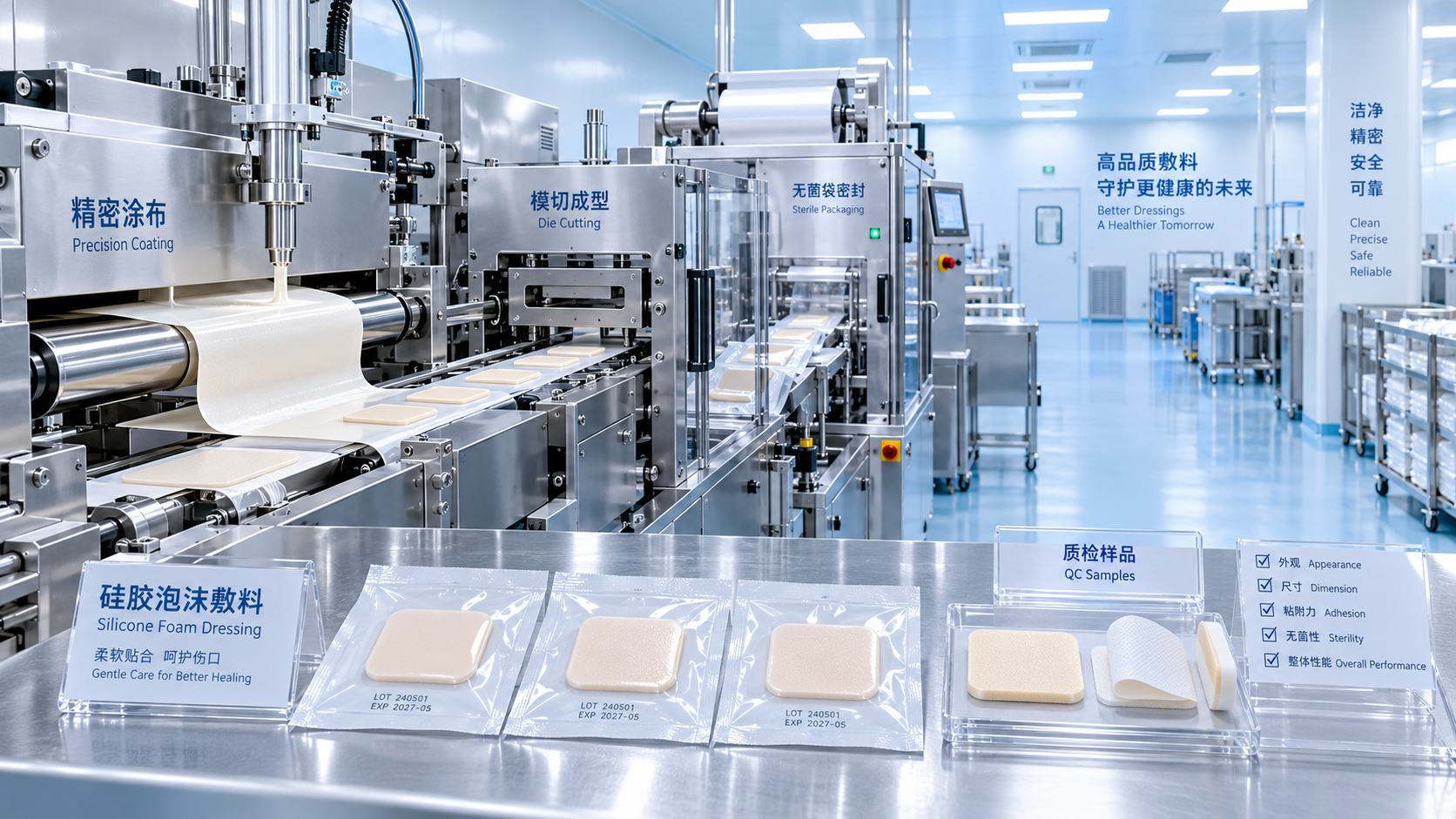
The same applies to implantable and wound care products. A silicone dressing may perform well mechanically but still trigger concern if catalyst residues, tack modifiers, or packaging interactions raise extractable levels.
For this reason, medical polymer technology should be evaluated as a finished biological interface, not just as a datasheet material.
Common endpoints affected by polymer decisions
- Cytotoxicity, when residual monomers, solvents, or degradation byproducts leach into extracts.
- Sensitization and irritation, when additives or surface treatments introduce reactive chemistry.
- Hemocompatibility, when blood-contacting surfaces promote protein adsorption, platelet activation, or thrombus formation.
- Implantation response, when particulate shedding or long-term oxidation changes local tissue behavior.
- Chemical characterization gaps, when a formulation changes faster than supporting toxicological assessment.
The risk points that most often distort test results
Some failures begin in design. Others appear only after process transfer or scale-up. The most persistent issues usually cluster around a few controllable areas.
Resin substitution and grade drift
A polymer family name does not guarantee equivalent biological performance. Two grades of TPU, PEBA, PEEK, silicone, or polyethylene can differ in stabilizers, catalysts, molecular weight, and impurity profile.
Supplier changes made for cost, availability, or throughput can therefore shift extractables without obvious visual or mechanical warning signs.
Additives, fillers, and color packages
Radiopaque agents, pigments, plasticizers, slip agents, antioxidants, and reinforcing fillers add function, but they also add toxicological complexity. Even low concentrations can alter the final leachables profile.
This is especially relevant in long-duration contact products and blood-contacting applications, where cumulative exposure and particulate release deserve closer review.
Processing history
Medical polymer technology is highly sensitive to heat, shear, moisture, and dwell time. Overprocessing can create chain scission, oxidation, yellowing, brittleness, or volatile byproducts that later appear in extraction studies.
Extrusion, injection molding, 3D printing, bonding, and reflow steps should be viewed as biological risk inputs, not just manufacturing settings.
Surface treatment and coatings
Hydrophilic coatings, antithrombotic layers, primers, plasma treatment, and corona treatment can improve performance dramatically. They can also become unstable if cure windows, coating thickness, or adhesion are poorly controlled.
A blood-contacting catheter that passes bench friction tests may still fail biological review if coating fragments shed or unreacted components remain.
Sterilization compatibility
Ethylene oxide, gamma, e-beam, and steam do not affect polymers equally. Sterilization may leave residuals, accelerate oxidation, change crosslink density, or shift mechanical behavior in ways that influence biocompatibility.
The risk increases when testing is performed on development samples that do not fully represent commercial sterilization conditions.
How these risks appear across major medical consumable categories
The same principle applies across device classes, but the dominant failure mode changes with use conditions and contact pathway.
This cross-category view reflects why IMCS tracks material science, regulatory logic, and manufacturing discipline together. Device function and biological evidence are no longer separate conversations.
A practical way to judge medical polymer technology earlier
The most effective control point is early alignment. Biological testing should not be the first time a formulation is examined critically.
A stronger approach is to build a material risk file before verification closes. That file should connect formulation intent, supplier evidence, processing limits, sterilization method, and expected patient contact.
Useful checkpoints before formal testing
- Lock the exact commercial resin grade, not only the polymer family.
- Map every additive, coating, adhesive, ink, and primer in the finished device.
- Review processing windows for thermal degradation and moisture sensitivity.
- Compare development sterilization conditions with production reality.
- Link chemical characterization plans to toxicological endpoints early.
- Track supplier change notifications as a biological impact trigger.
These checkpoints reduce the chance that a passing prototype becomes a failing production lot. They also make later regulatory defense far more coherent.
Where quality and safety decisions create the most value
Medical polymer technology is often discussed as a technical specialty, but its business impact is broad. Better material control protects timelines, complaint rates, supplier resilience, and submission credibility.
It also supports better decisions when pressure builds to reformulate for cost reasons. A cheaper resin or faster process is not automatically a poor choice, but it becomes risky when biological equivalence is assumed instead of demonstrated.
In regulated implant and consumable markets, that distinction matters. The organizations that perform well usually treat polymer changes as cross-functional events involving toxicology, process engineering, regulatory affairs, and supplier quality from the start.
What to review next
If a device program depends on medical polymer technology, the next step is usually not another generic test request. It is a sharper review of where biological risk can enter the product lifecycle.
Start with the material bill, then examine process history, sterilization fit, packaging interaction, and change control depth. From there, compare those findings against the intended ISO 10993 pathway and the device’s real clinical use.
That kind of structured review makes biocompatibility testing more predictive, not just more procedural. In a market shaped by tighter evidence standards and cost pressure, it is one of the clearest ways to protect both compliance and product confidence.
Get weekly intelligence in your inbox.
No noise. No sponsored content. Pure intelligence.
News Recommendations
 Oct 26, 2026Can a single approval cover life science product sales worldwide?Can a single approval cover life science product sales worldwide?
 Oct 25, 2026When is sensitization testing needed for medical device biocompatibility?When is sensitization testing needed for medical device biocompatibility?
 Oct 24, 2026How is biocompatibility tested for implantable polymer biomaterials?How is biocompatibility tested for implantable polymer biomaterials?
 Oct 23, 2026How to build reimbursement into an implant commercialization strategyHow to build reimbursement into an implant commercialization strategy
 Oct 22, 2026What clinical evidence do implants need for CE marking under EU MDR?What clinical evidence do implants need for CE marking under EU MDR?
 Oct 21, 2026How to choose disposable laparoscopic stapler reloads for thick tissueHow to choose disposable laparoscopic stapler reloads for thick tissue
 Oct 20, 2026How to assess medical polymer biocompatibility under ISO 10993How to assess medical polymer biocompatibility under ISO 10993
 Oct 19, 2026How do interventional device categories differ in clinical use?How do interventional device categories differ in clinical use?
 Oct 18, 2026When to choose alginate dressings for heavily exuding chronic woundsWhen to choose alginate dressings for heavily exuding chronic wounds
 Oct 17, 2026How is biocompatibility tested for custom medical-grade PEEK implants?How is biocompatibility tested for custom medical-grade PEEK implants?
 Oct 16, 2026How to check a wound healing materials supplier’s biocompatibility dataHow to check a wound healing materials supplier’s biocompatibility data
 Oct 15, 2026How to verify the FDA clearance status of silver wound dressingsHow to verify the FDA clearance status of silver wound dressings
 Oct 14, 2026How to register orthopedic implants and instruments in Latin AmericaHow to register orthopedic implants and instruments in Latin America
 Oct 13, 2026How to use a device market intelligence database to benchmark VBP pricesHow to use a device market intelligence database to benchmark VBP prices
 Oct 12, 2026When should stainless steel orthopedic instruments be replaced?When should stainless steel orthopedic instruments be replaced?
 Oct 11, 2026When are alginate dressings rope the right choice for cavity wounds?When are alginate dressings rope the right choice for cavity wounds?
 Oct 10, 2026When smart minimally invasive technology improves catheter accessWhen smart minimally invasive technology improves catheter access
 Oct 08, 2026Clinical evaluation requirements for cardiovascular implant devices in EuropeClinical evaluation requirements for cardiovascular implant devices in Europe
 Oct 07, 2026What to verify before appointing an artificial joint implants distributorWhat to verify before appointing an artificial joint implants distributor
 Oct 06, 2026How ISO 10993 guides biocompatibility testing for medical materialsHow ISO 10993 guides biocompatibility testing for medical materials
 Oct 05, 2026How to verify an orthopedic implants and instruments exporterHow to verify an orthopedic implants and instruments exporter
 Oct 04, 2026What drives surgical stapling devices price differences in hospital tenders?What drives surgical stapling devices price differences in hospital tenders?
 Oct 03, 2026How to assess a central venous catheter manufacturer's infection-control evidenceHow to assess a central venous catheter manufacturer's infection-control evidence
 Oct 02, 2026How to assess an advanced wound care factory’s quality systemHow to assess an advanced wound care factory’s quality system
 Oct 01, 2026What is driving global medical consumables demand in emerging markets?What is driving global medical consumables demand in emerging markets?
 Sep 30, 2026Implant Material Compliance Testing: Evidence Needed for Regulatory SubmissionImplant Material Compliance Testing: Evidence Needed for Regulatory Submission
 Sep 30, 2026From Corrosion to Fatigue: What Implant Materials Testing Should MeasureFrom Corrosion to Fatigue: What Implant Materials Testing Should Measure