Wound Healing Technologies: When NPWT Adds Real Value
In modern wound care, choosing the right wound healing technologies shapes healing speed, infection control, and treatment efficiency.
Among advanced options, NPWT becomes valuable when standard dressings no longer manage exudate, dead space, or fragile tissue effectively.
Within the broader medical consumables field, this decision also affects resource use, care pathways, and long-term tissue recovery quality.
Why wound healing technologies must be matched to the wound scenario
Not every wound needs the same intervention. Moisture balance, bacterial burden, perfusion, and tissue loss can differ dramatically.
That is why effective wound healing technologies should be selected by scenario, not by habit or product familiarity.
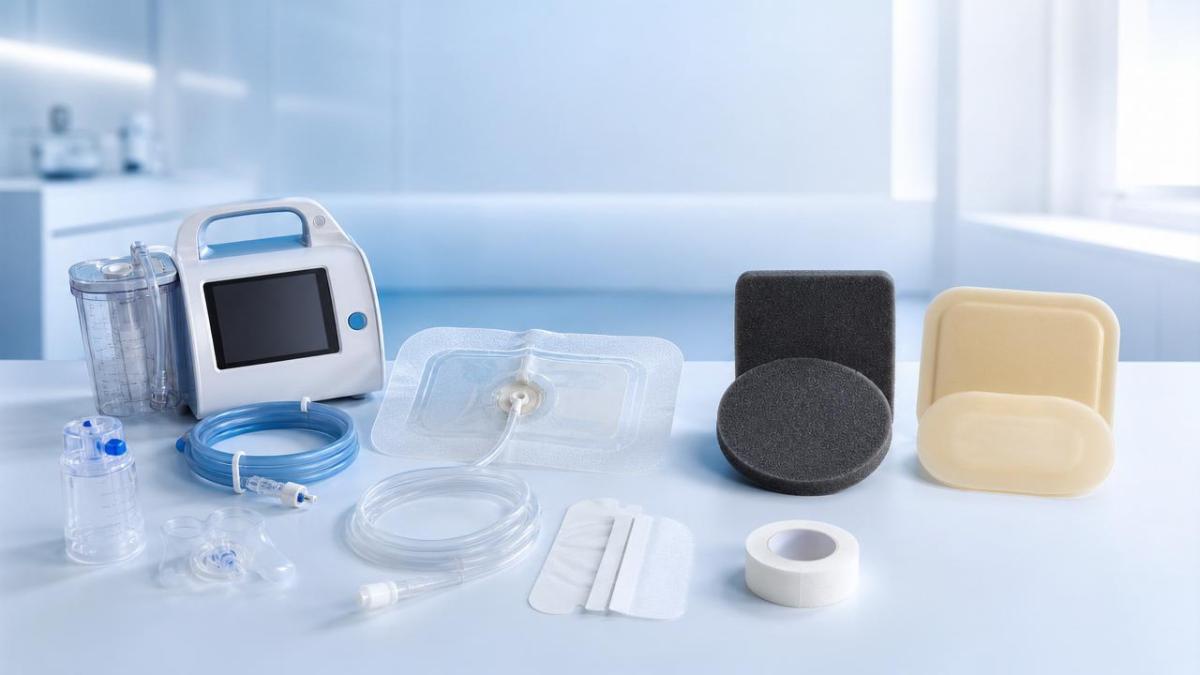
NPWT, or negative pressure wound therapy, is most useful when the wound environment requires active fluid removal and structural support.
It helps draw wound edges inward, protect granulation tissue, and reduce maceration risks around the periwound area.
However, advanced wound care should remain selective. Overuse may increase cost without improving outcomes in simple, shallow wounds.
When NPWT adds real value in high-exudate and deep cavity wounds
Complex wounds with moderate to heavy exudate are classic candidates for this category of wound healing technologies.
Examples include post-surgical dehiscence, traumatic tissue defects, pressure injuries, and deep diabetic foot wounds.
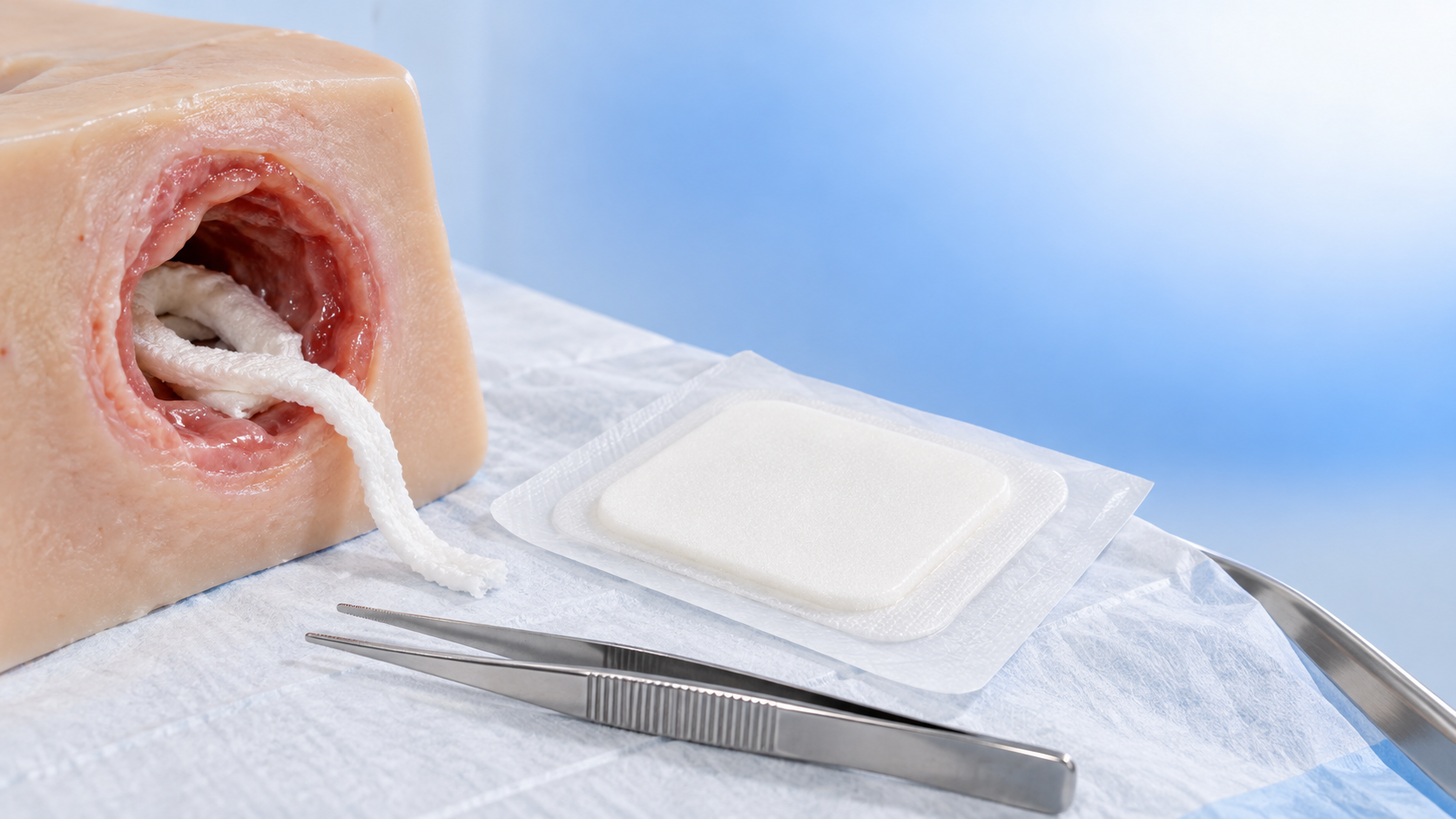
In these cases, standard foam or hydrofiber dressings may absorb fluid, but they do not actively evacuate it.
NPWT supports drainage continuity. That matters when exudate threatens skin integrity, dressing seal stability, or visual wound progression.
Key judgment points
- The wound produces persistent exudate between dressing changes.
- There is measurable depth, undermining, or a cavity needing support.
- Periwound skin shows maceration risk.
- Granulation progress is slow under passive dressings.
- Frequent changes are disturbing the healing environment.
Here, NPWT contributes beyond coverage. It becomes a functional therapy within modern wound healing technologies.
Where surgical incisions and closed sites benefit from upgraded wound healing technologies
NPWT is not limited to open wounds. Closed incision management has become an important application area.
High-risk incisions may benefit when edema, drainage, or tension could compromise closure quality.
This is relevant after orthopedic reconstruction, vascular procedures, or other interventions involving vulnerable soft tissue conditions.
In such settings, wound healing technologies must align with the reality that prevention can be more efficient than delayed correction.
Useful risk indicators
Consider NPWT when the incision is under tension, the patient has impaired healing potential, or fluid collection is expected.
Obesity, diabetes, revision surgery, and prolonged procedures often increase concern around incision stability.
The value lies in supporting approximation, fluid control, and a more protected healing microenvironment.
Scenarios where standard dressings may be enough
Not all wounds justify NPWT. Some conditions respond well to simpler wound healing technologies and moisture-retentive dressings.
A superficial wound with low exudate and healthy granulation may not gain meaningful benefit from negative pressure.
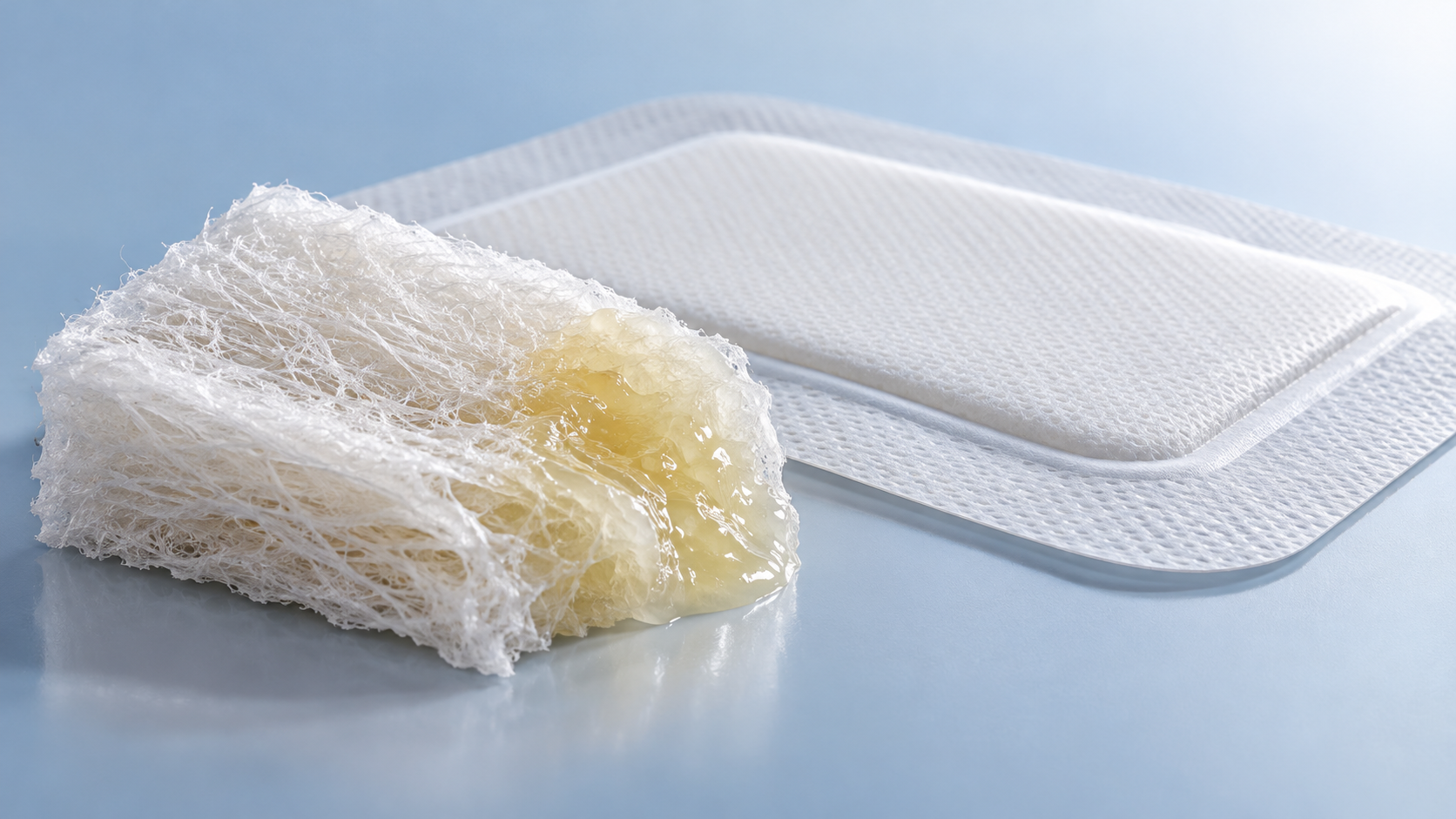
Small clean ulcers, minor skin tears, and uncomplicated donor sites often progress well with foam, alginate, silicone, or hydrocolloid strategies.
The better decision is the one that fits wound biology, not the most advanced device on the shelf.
Signs NPWT may be unnecessary
- Minimal drainage and stable wound dimensions.
- No cavity, tunneling, or undermining.
- Healthy surrounding skin without maceration.
- Easy dressing adherence and infrequent change needs.
How wound healing technologies differ by scenario
The table below highlights practical differences between common wound scenarios and the likely value of NPWT.
Practical adaptation advice for selecting wound healing technologies
A useful selection process should move from wound assessment to therapy fit, then to monitoring frequency and dressing pathway.
- Assess depth, exudate level, tissue quality, and periwound condition.
- Rule out untreated necrosis, uncontrolled bleeding, or unresolved perfusion issues.
- Estimate whether active pressure therapy solves a clear problem.
- Match consumables to seal reliability and anatomical complexity.
- Review progress at planned intervals, not only when complications appear.
This approach supports better use of wound healing technologies across hospitals, outpatient care, and home-based recovery systems.
It also aligns with the broader IMCS view that advanced medical consumables create value when materials, indications, and workflows are stitched together precisely.
Common misjudgments that reduce NPWT value
One frequent mistake is using NPWT simply because a wound looks severe, without checking whether negative pressure addresses the real barrier.
Another is delaying therapy until exudate, tissue collapse, or repeated dressing failure has already prolonged healing time.
Seal quality is often underestimated. Poor anatomical fit can reduce effectiveness and increase interruption risk.
It is also important not to confuse advanced wound healing technologies with standalone solutions.
Debridement, infection control, offloading, vascular assessment, and nutrition remain decisive in many complex wound journeys.
A practical next step for better wound care decisions
When reviewing wound pathways, start by identifying cases with heavy exudate, tissue depth, closure tension, or repeated dressing breakdown.
These are the scenarios where wound healing technologies like NPWT most often add measurable value.
Then compare outcomes against simpler dressing approaches in lower-risk wounds to keep therapy allocation rational and evidence-based.
For a medical consumables strategy, the real goal is not using more technology. It is using the right technology at the right wound stage.
That is where NPWT proves its place within today’s most effective wound healing technologies.
Get weekly intelligence in your inbox.
No noise. No sponsored content. Pure intelligence.
News Recommendations
 Oct 26, 2026Can a single approval cover life science product sales worldwide?Can a single approval cover life science product sales worldwide?
 Oct 25, 2026When is sensitization testing needed for medical device biocompatibility?When is sensitization testing needed for medical device biocompatibility?
 Oct 24, 2026How is biocompatibility tested for implantable polymer biomaterials?How is biocompatibility tested for implantable polymer biomaterials?
 Oct 23, 2026How to build reimbursement into an implant commercialization strategyHow to build reimbursement into an implant commercialization strategy
 Oct 22, 2026What clinical evidence do implants need for CE marking under EU MDR?What clinical evidence do implants need for CE marking under EU MDR?
 Oct 21, 2026How to choose disposable laparoscopic stapler reloads for thick tissueHow to choose disposable laparoscopic stapler reloads for thick tissue
 Oct 20, 2026How to assess medical polymer biocompatibility under ISO 10993How to assess medical polymer biocompatibility under ISO 10993
 Oct 19, 2026How do interventional device categories differ in clinical use?How do interventional device categories differ in clinical use?
 Oct 18, 2026When to choose alginate dressings for heavily exuding chronic woundsWhen to choose alginate dressings for heavily exuding chronic wounds
 Oct 17, 2026How is biocompatibility tested for custom medical-grade PEEK implants?How is biocompatibility tested for custom medical-grade PEEK implants?
 Oct 16, 2026How to check a wound healing materials supplier’s biocompatibility dataHow to check a wound healing materials supplier’s biocompatibility data
 Oct 15, 2026How to verify the FDA clearance status of silver wound dressingsHow to verify the FDA clearance status of silver wound dressings
 Oct 14, 2026How to register orthopedic implants and instruments in Latin AmericaHow to register orthopedic implants and instruments in Latin America
 Oct 13, 2026How to use a device market intelligence database to benchmark VBP pricesHow to use a device market intelligence database to benchmark VBP prices
 Oct 12, 2026When should stainless steel orthopedic instruments be replaced?When should stainless steel orthopedic instruments be replaced?
 Oct 11, 2026When are alginate dressings rope the right choice for cavity wounds?When are alginate dressings rope the right choice for cavity wounds?
 Oct 10, 2026When smart minimally invasive technology improves catheter accessWhen smart minimally invasive technology improves catheter access
 Oct 08, 2026Clinical evaluation requirements for cardiovascular implant devices in EuropeClinical evaluation requirements for cardiovascular implant devices in Europe
 Oct 07, 2026What to verify before appointing an artificial joint implants distributorWhat to verify before appointing an artificial joint implants distributor
 Oct 06, 2026How ISO 10993 guides biocompatibility testing for medical materialsHow ISO 10993 guides biocompatibility testing for medical materials
 Oct 05, 2026How to verify an orthopedic implants and instruments exporterHow to verify an orthopedic implants and instruments exporter
 Oct 04, 2026What drives surgical stapling devices price differences in hospital tenders?What drives surgical stapling devices price differences in hospital tenders?
 Oct 03, 2026How to assess a central venous catheter manufacturer's infection-control evidenceHow to assess a central venous catheter manufacturer's infection-control evidence
 Oct 02, 2026How to assess an advanced wound care factory’s quality systemHow to assess an advanced wound care factory’s quality system
 Oct 01, 2026What is driving global medical consumables demand in emerging markets?What is driving global medical consumables demand in emerging markets?
 Sep 30, 2026Implant Material Compliance Testing: Evidence Needed for Regulatory SubmissionImplant Material Compliance Testing: Evidence Needed for Regulatory Submission
 Sep 30, 2026From Corrosion to Fatigue: What Implant Materials Testing Should MeasureFrom Corrosion to Fatigue: What Implant Materials Testing Should Measure