Surgical Consumables Innovation and VBP Margin Pressure
As VBP reshapes pricing across high-value devices, surgical consumables innovation is becoming a practical shield for margin preservation. It supports differentiation, compliance resilience, and stronger premium narratives in cost-controlled procurement cycles.
For IMCS, this topic sits at the intersection of biomaterials, precision manufacturing, Class III regulation, and bidding strategy. The key issue is not only price erosion, but return durability across distinct surgical use scenarios.
When VBP hits core categories, surgical consumables innovation matters by scenario
VBP does not affect every clinical pathway equally. Margin pressure varies by procedure complexity, switching cost, physician preference, and the evidence burden behind performance claims.
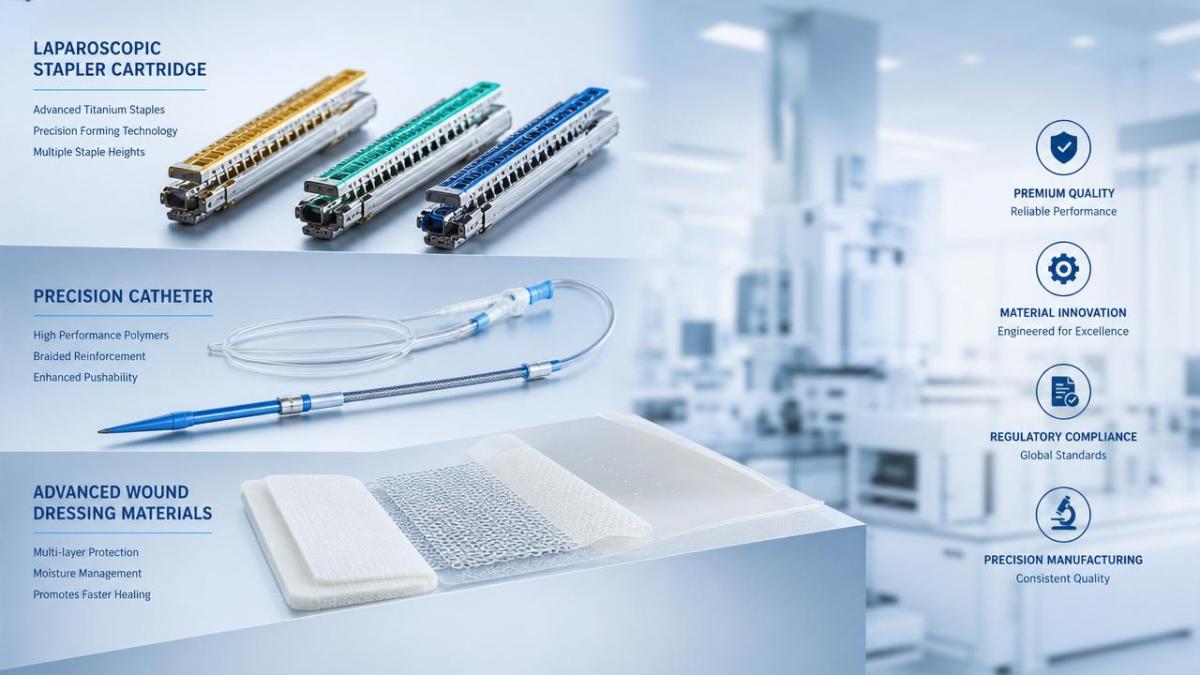
That is why surgical consumables innovation must be judged in context. A stapler reload, a coated catheter, and an advanced dressing face different pricing ceilings and adoption triggers.
In comprehensive healthcare markets, five forces shape value capture:
- procedure criticality and failure cost
- biocompatibility and material complexity
- regulatory evidence depth
- manufacturing yield and precision tolerance
- hospital substitution flexibility under bidding rules
These variables decide whether innovation becomes a real margin defense or merely an expensive feature set with weak reimbursement support.
Scenario one: minimally invasive stapling where precision justifies premium
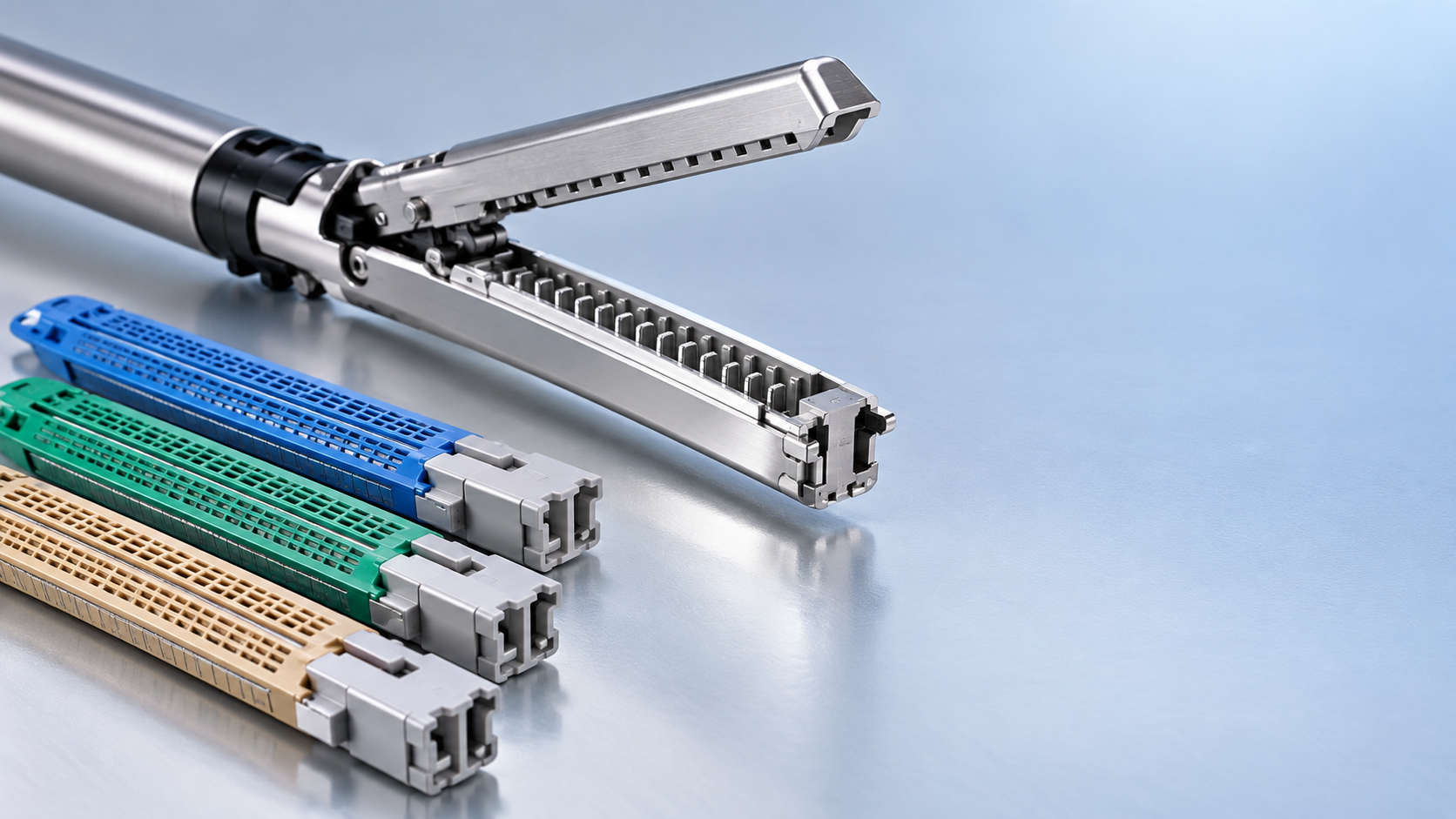
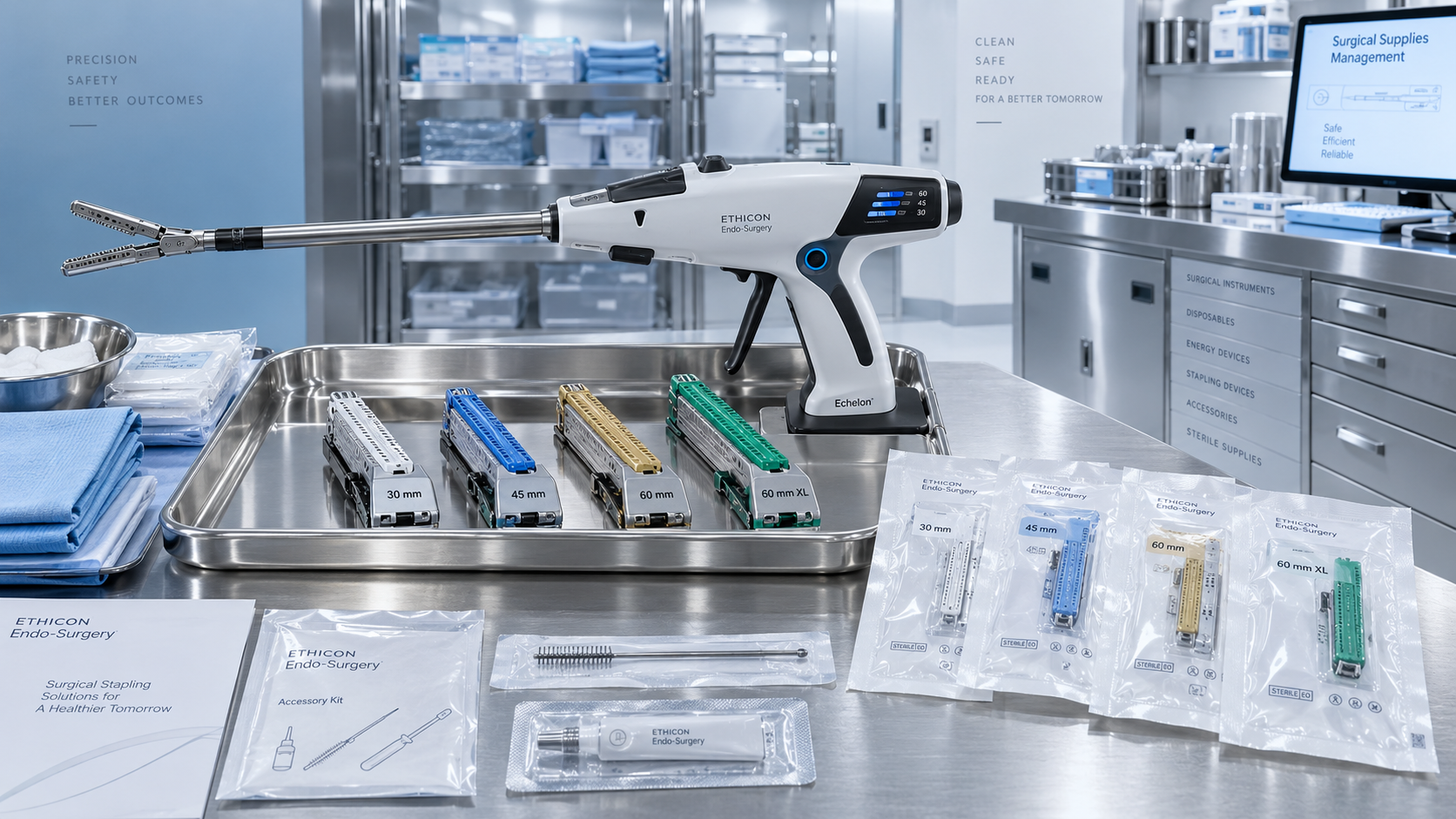
In laparoscopic and thoracoscopic surgery, stapling devices sit close to workflow risk. Misfire probability, staple line integrity, and tissue compatibility directly influence complication cost.
Here, surgical consumables innovation can defend margins if it improves measurable outcomes. Examples include tighter formation consistency, better articulation, reduced firing force, and tissue-adaptive compression.
Core judgment points in this scenario
- Can the design reduce leaks, bleeding, or conversion rates?
- Does the innovation shorten operating time in a repeatable way?
- Is there strong usability evidence across complex anatomies?
- Can premium claims survive VBP tender comparison rules?
If outcome evidence is weak, premium positioning collapses quickly. If evidence is strong, switching becomes harder, especially in demanding colorectal and bariatric procedures.
Scenario two: polymer catheters where material science protects value
Catheters face intense price scrutiny, yet performance remains highly scenario-sensitive. Neurovascular, cardiovascular, and central venous pathways require different balances of trackability, pushability, and thrombosis resistance.
Surgical consumables innovation creates value when polymer engineering solves procedural pain points. Hydrophilic coatings, layered shafts, kink resistance, and hemocompatible surfaces can still support premium tiers.
Where margin defense is strongest
Premiums hold better in tortuous anatomy, extended dwell scenarios, and high-risk access pathways. In such cases, adverse event reduction has clear operational and economic relevance.
However, simple line extensions or low-complexity drainage uses often become commodity segments. In those tenders, scale efficiency matters more than advanced feature density.
Scenario three: advanced wound care where evidence determines price elasticity
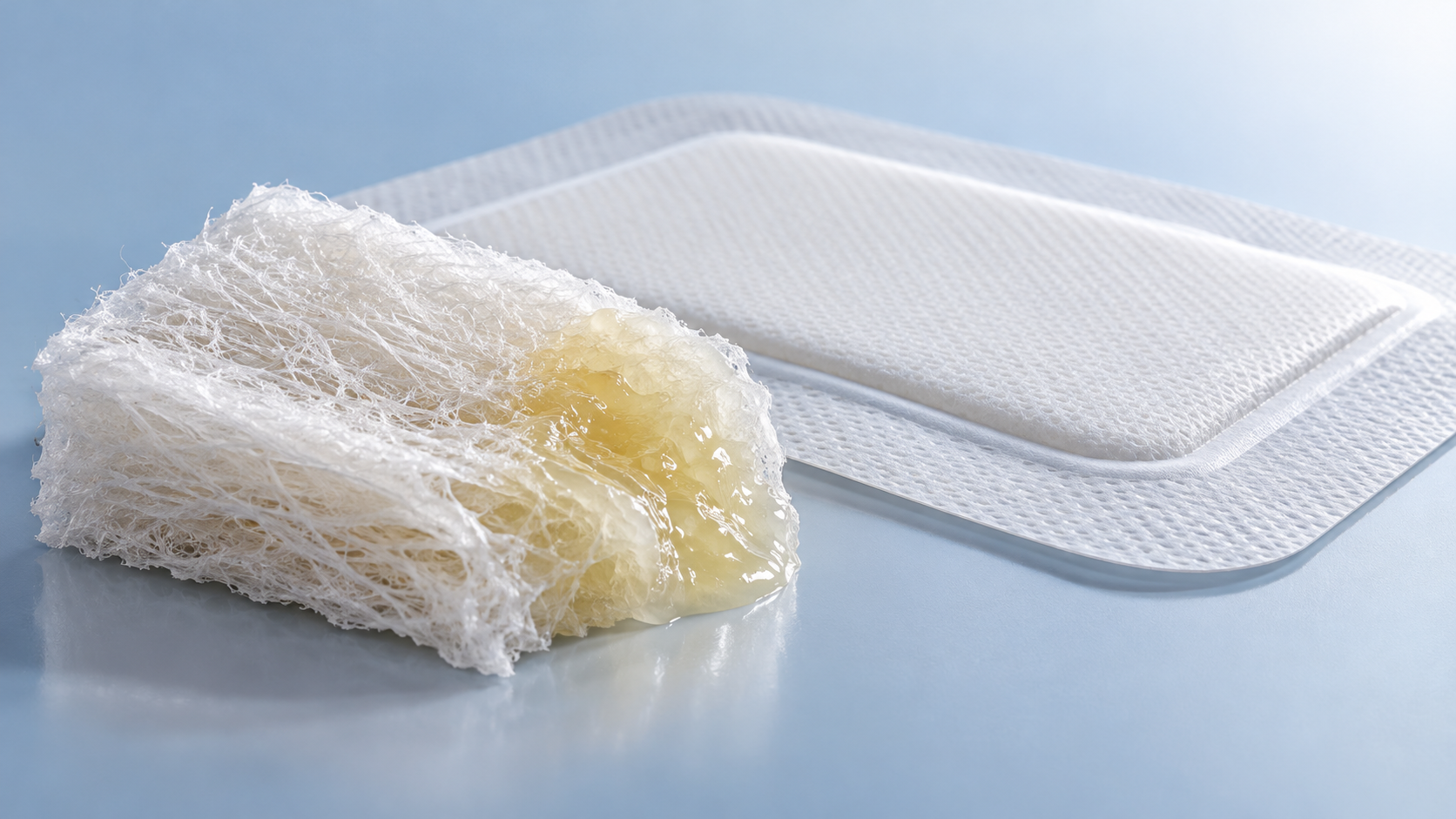
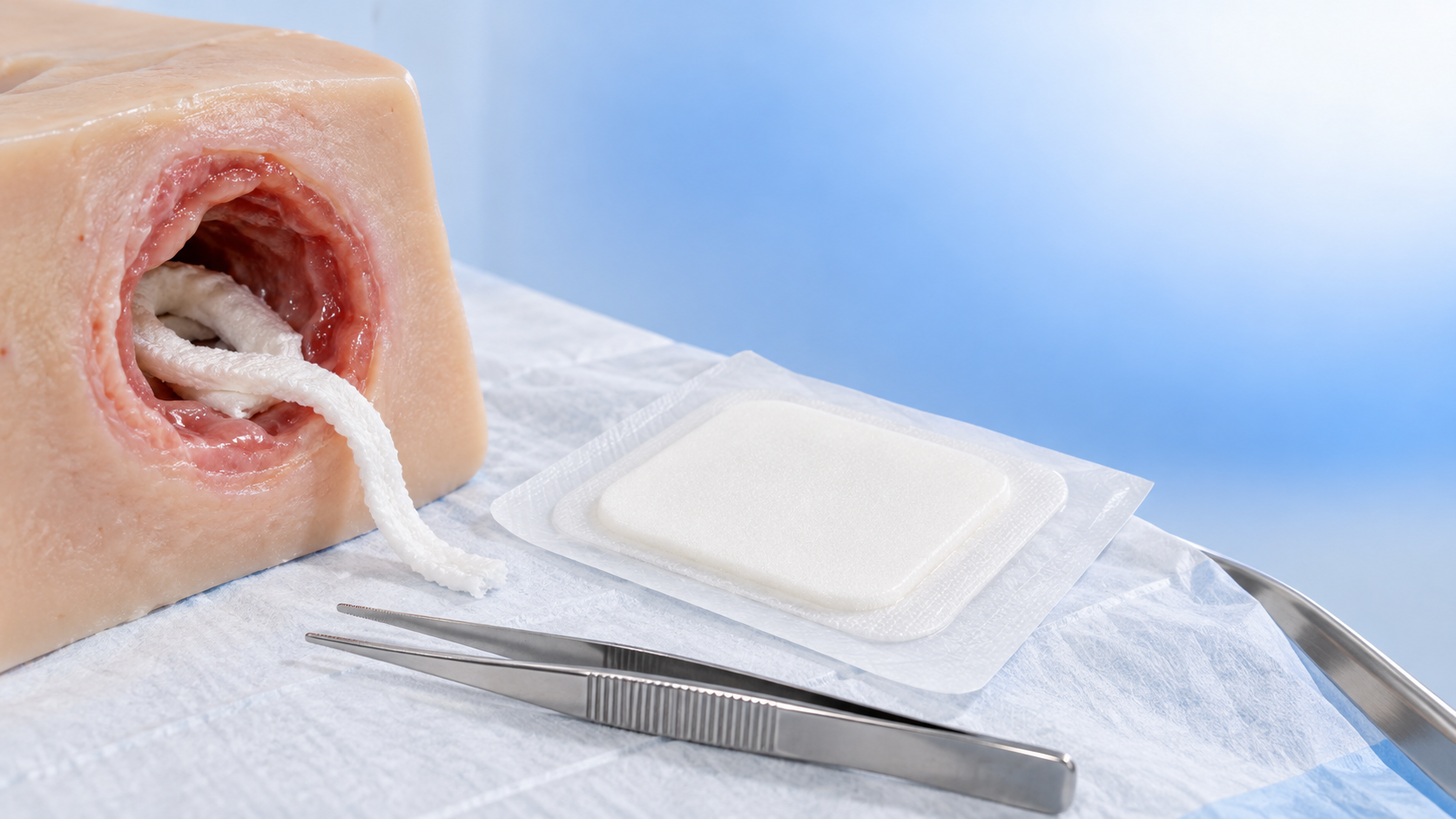
Advanced dressings and NPWT systems are often discussed as clinical upgrades, yet VBP-like logic still pressures broad categories. Not every silver foam or alginate receives the same economic recognition.
Surgical consumables innovation works best when healing acceleration is visible in hard endpoints. Diabetic foot ulcers, severe burns, and complex postoperative wounds are stronger premium environments.
Key proof requirements
- faster granulation or epithelialization
- lower infection-related intervention rates
- reduced dressing change burden
- better total treatment economics, not only unit price
Without health-economic support, innovative wound care may be grouped with lower-value substitutes during procurement review.
Scenario four: implants and interventional devices where compliance becomes part of margin
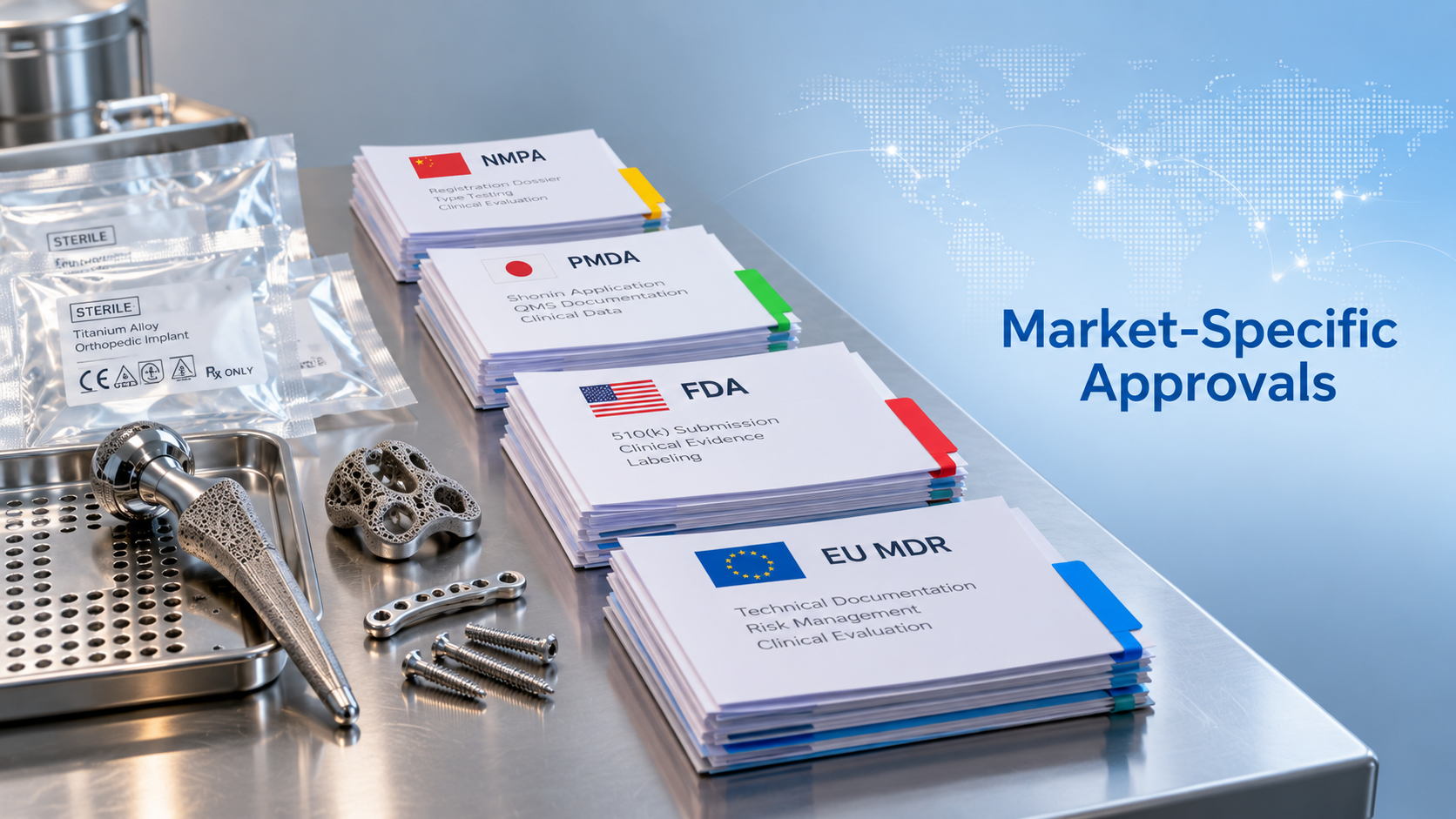
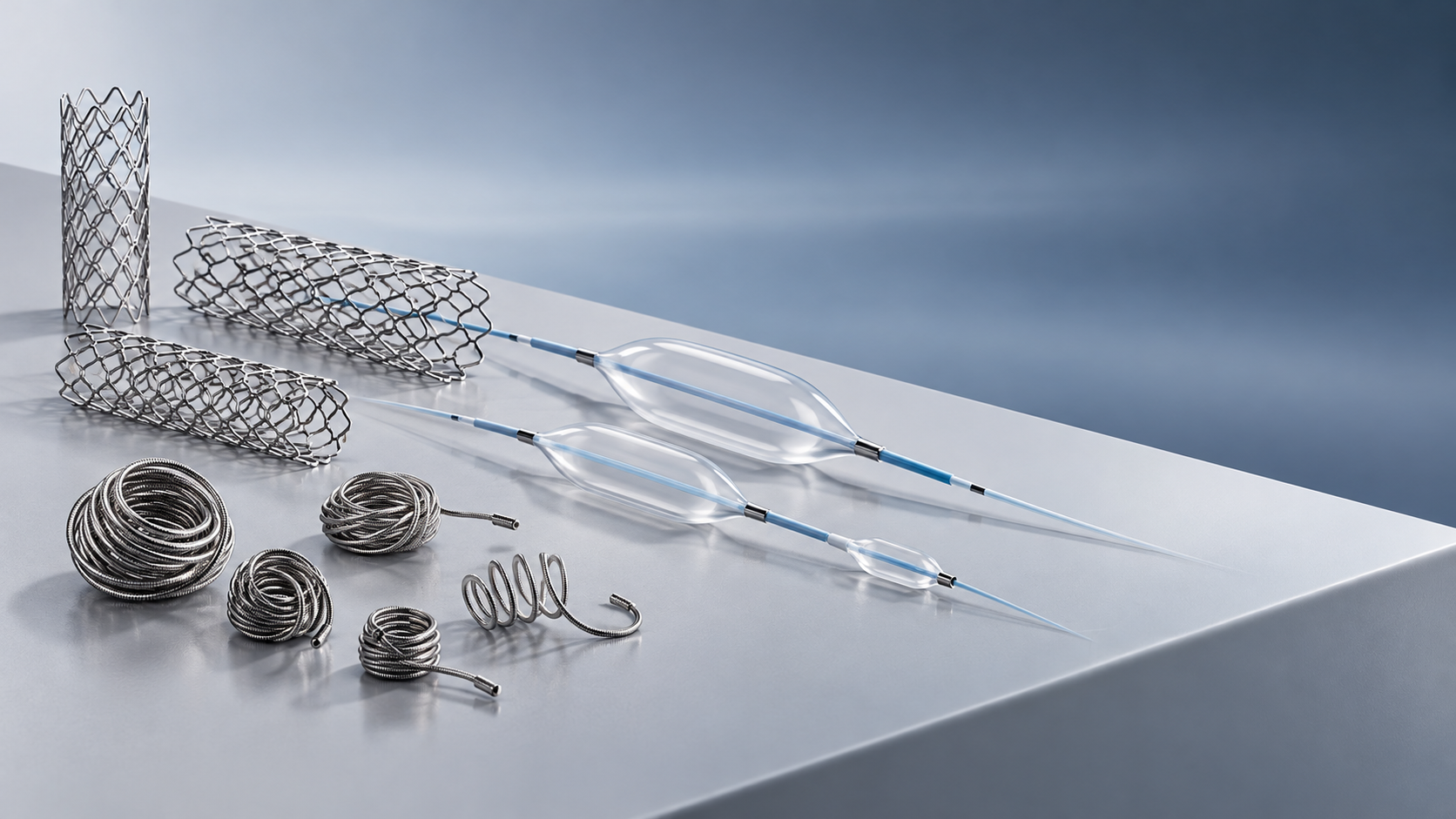
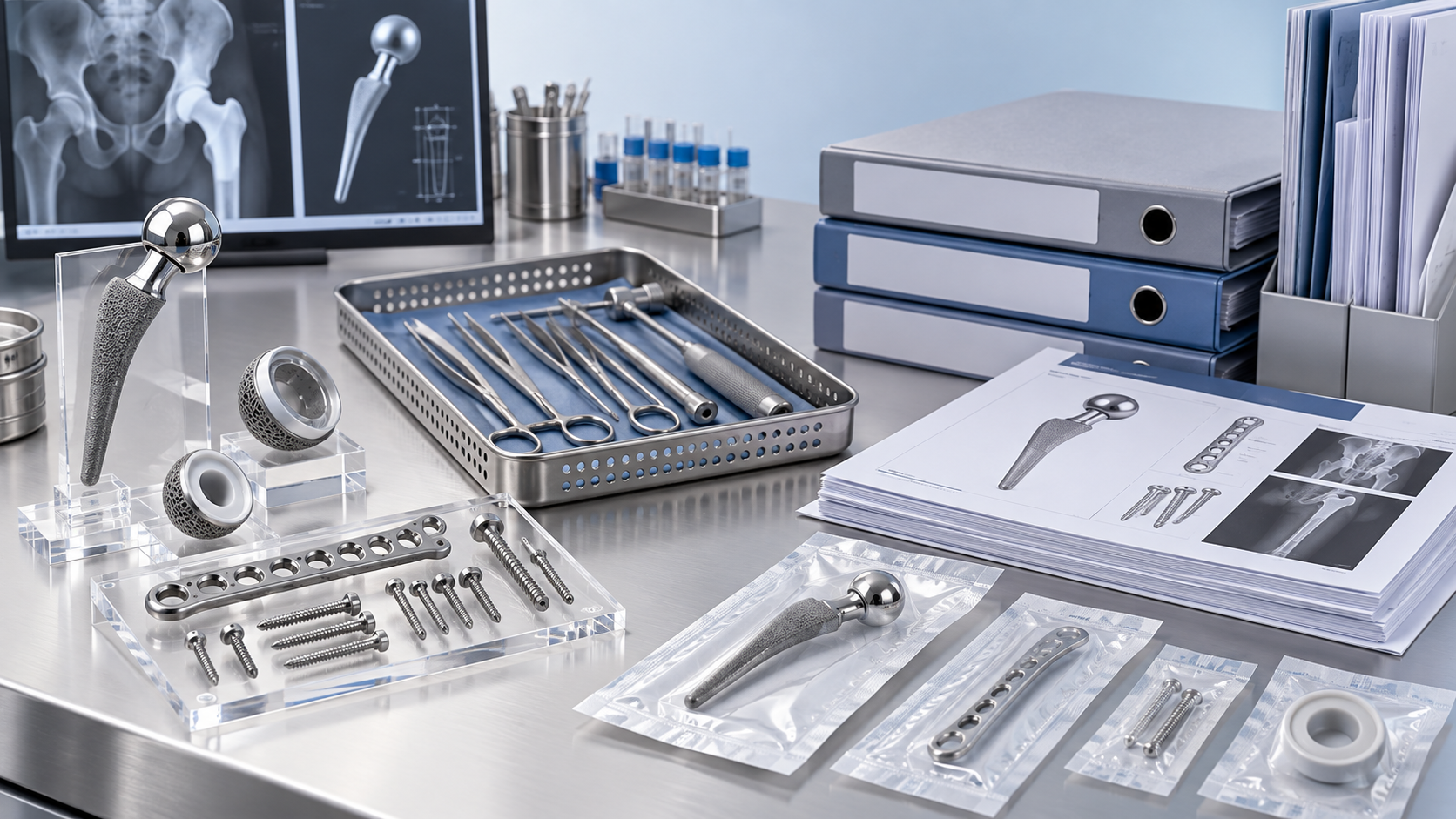
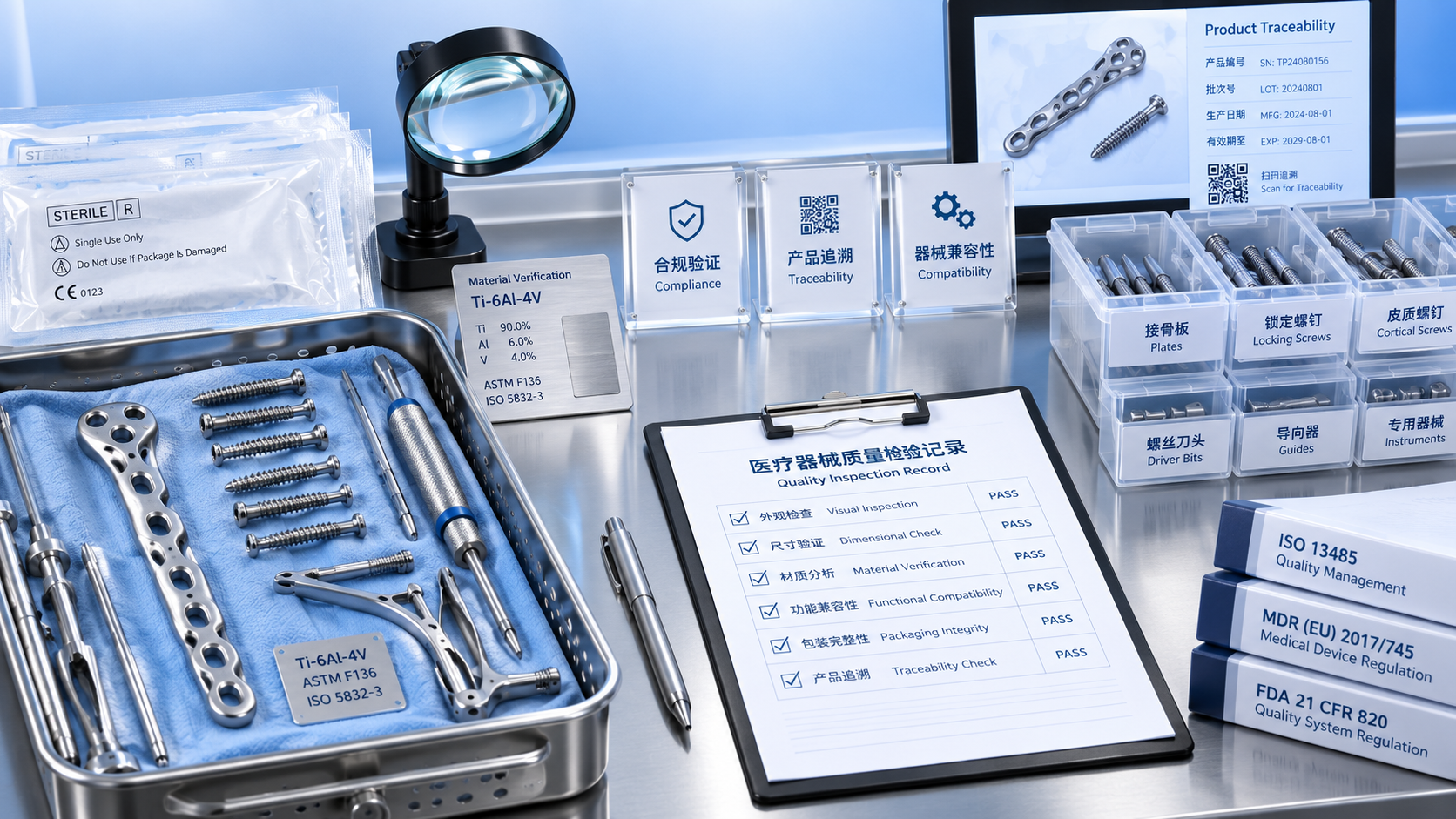
Orthopedic implants, DES, and TAVR devices face heavy clinical and regulatory burdens. In these categories, surgical consumables innovation is inseparable from evidence architecture and lifecycle surveillance.
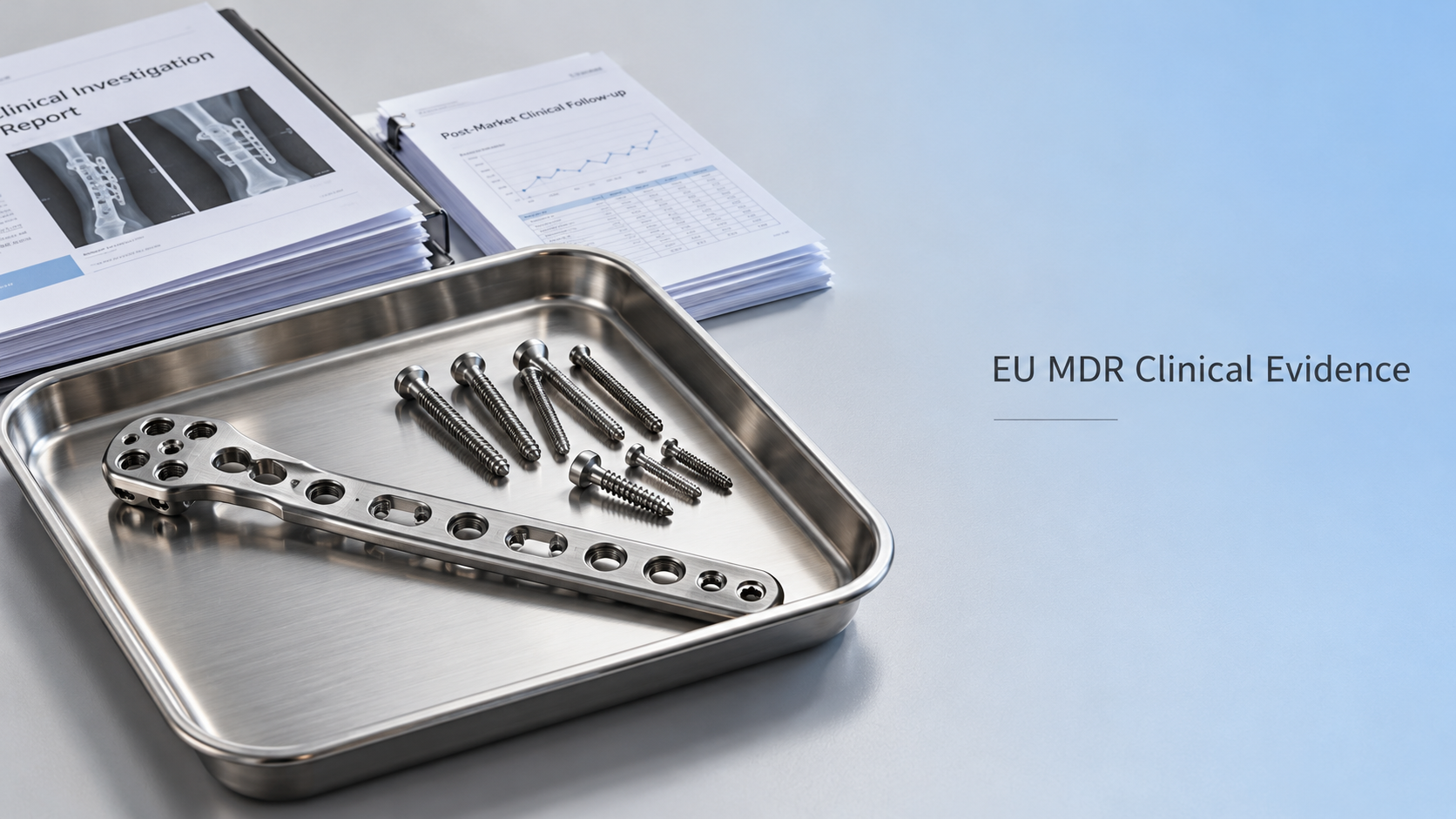
Porous structures, fatigue durability, drug release control, and delivery precision can justify value. Yet the margin story fails if post-market vigilance and CER support remain underbuilt.
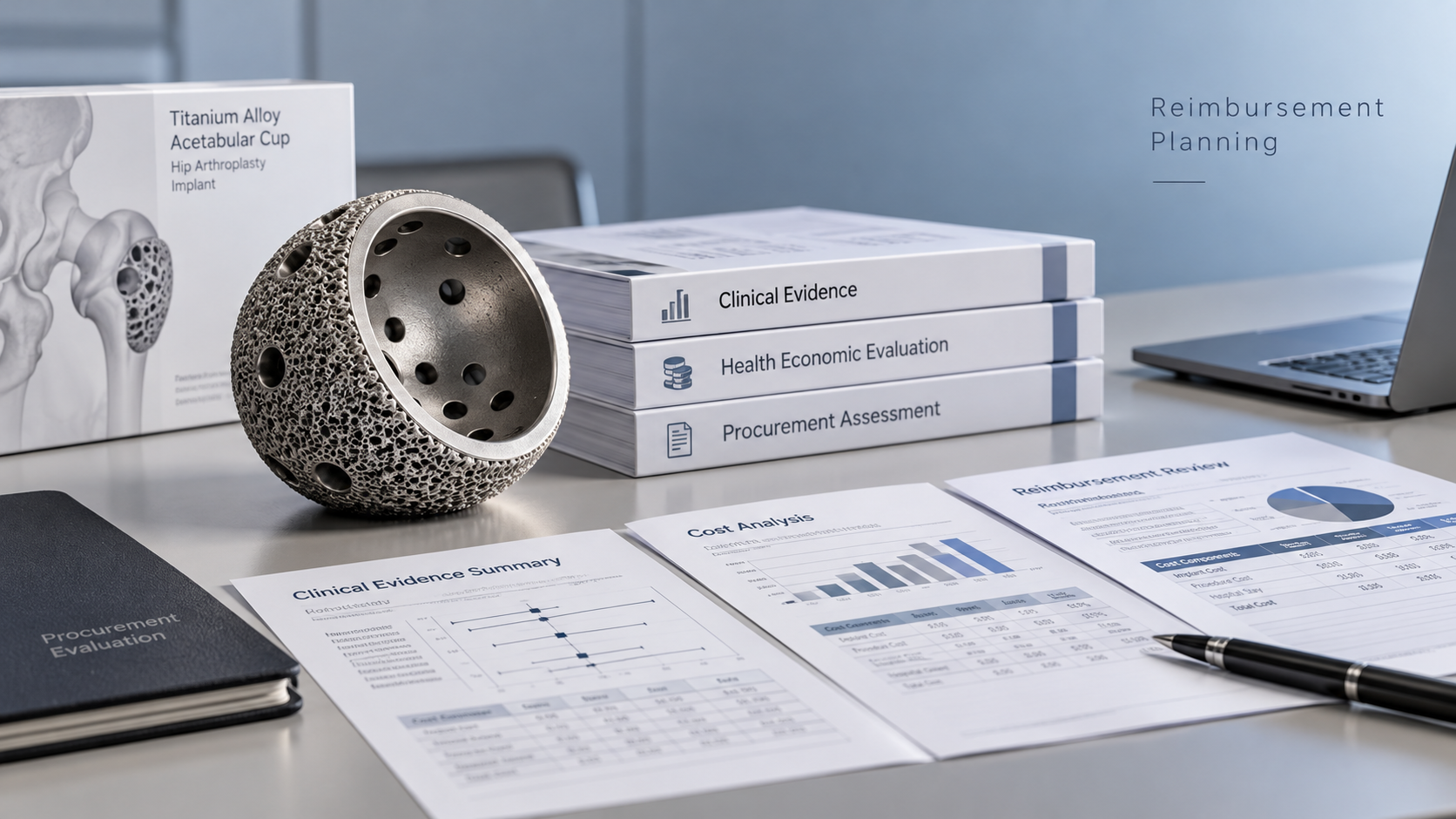
In practice, compliance capability becomes a monetizable asset. Products backed by stronger ISO 10993 strategy, traceability, and clinical logic retain better credibility under reimbursement and tender pressure.
Different scenarios, different demand patterns for surgical consumables innovation
How to match innovation strategy to each pricing scenario
A useful framework is to divide investment into three layers. Each layer should answer a different procurement and margin question.
1. Defendable technical differentiation
- focus on failure-sensitive product attributes
- avoid cosmetic upgrades with low switching friction
- design features that are difficult to replicate quickly
2. Regulatory and clinical monetization
- align material claims with ISO 10993 evidence plans
- build CER logic early for high-risk pathways
- translate safety data into tender-ready value narratives
3. Manufacturing economics under tender pressure
- improve yield for precision parts and coatings
- reduce validation rework through process control
- protect gross margin with modular platforms
This layered approach makes surgical consumables innovation less vulnerable to blunt price cuts, because it links engineering, evidence, and cost discipline.
Common misjudgments when evaluating surgical consumables innovation
One frequent error is assuming every advanced material deserves a premium. In reality, value depends on the clinical scenario and the procurement language used to compare alternatives.
Another error is overestimating patents while underestimating evidence. Tender success often depends more on usable proof than on broad technical novelty.
A third mistake is treating VBP as purely a pricing issue. It also exposes weak quality systems, unstable supply capacity, and thin post-market support structures.
Finally, some strategies ignore portfolio architecture. A company may need one category for scale, another for premium margin, and a third for regulatory leadership.
Practical next steps for stronger returns in a cost-controlled market
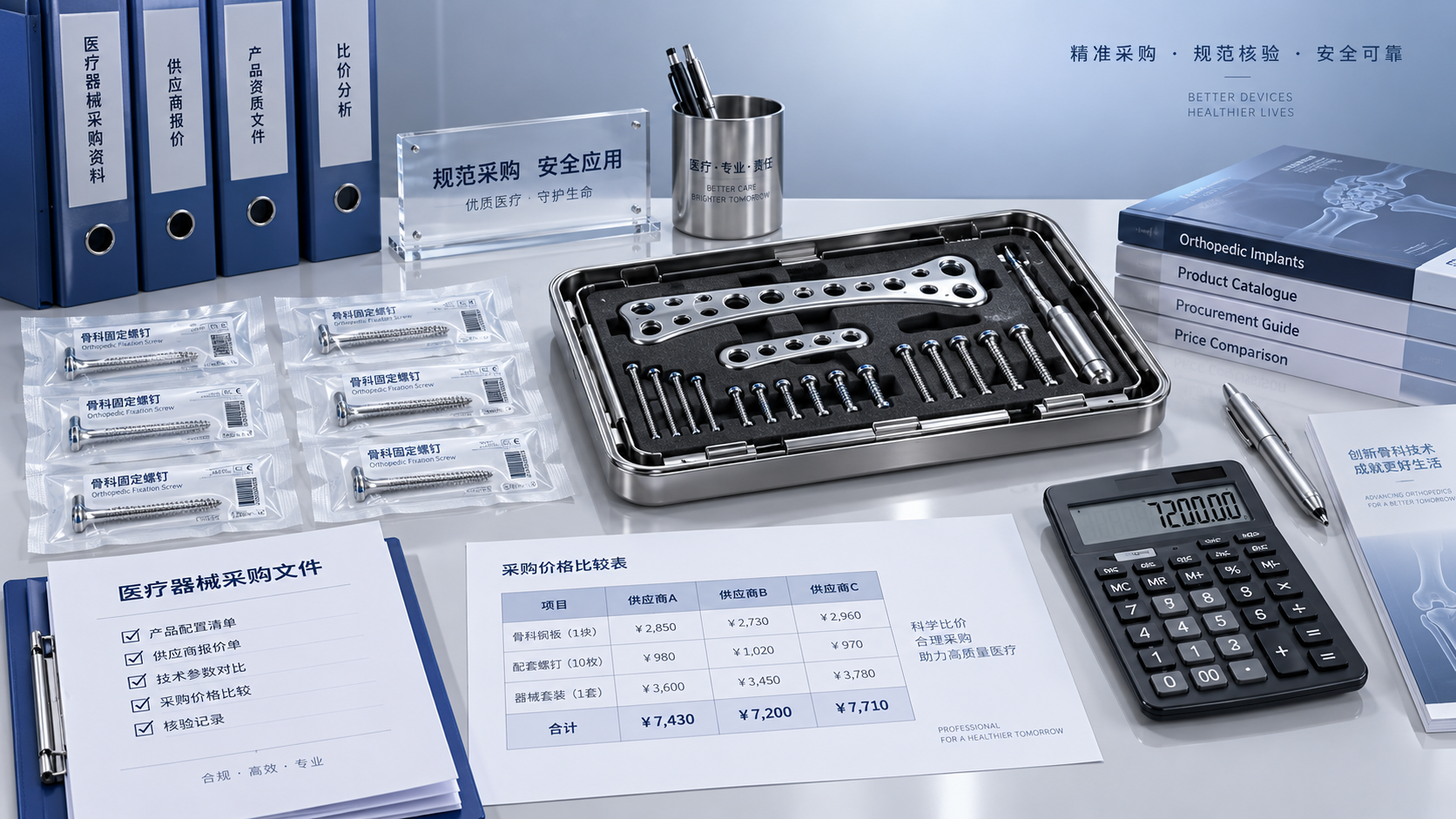
The most effective next move is a scenario audit. Map each product line against procedure risk, substitution pressure, compliance burden, and evidence strength.
Then rank where surgical consumables innovation can still command defensible returns. In many cases, premium survival comes from narrow, high-consequence use cases, not broad feature inflation.
IMCS supports this analysis by connecting biomaterial validation, clinical evaluation logic, and VBP pricing simulation. That combined view helps identify where innovation still wins, and where commoditization is already irreversible.
In today’s market, the best strategy is not innovation at any cost. It is surgical consumables innovation targeted at the right scenario, backed by evidence, and engineered for margin durability.
Get weekly intelligence in your inbox.
No noise. No sponsored content. Pure intelligence.
News Recommendations
 Oct 26, 2026Can a single approval cover life science product sales worldwide?Can a single approval cover life science product sales worldwide?
 Oct 25, 2026When is sensitization testing needed for medical device biocompatibility?When is sensitization testing needed for medical device biocompatibility?
 Oct 24, 2026How is biocompatibility tested for implantable polymer biomaterials?How is biocompatibility tested for implantable polymer biomaterials?
 Oct 23, 2026How to build reimbursement into an implant commercialization strategyHow to build reimbursement into an implant commercialization strategy
 Oct 22, 2026What clinical evidence do implants need for CE marking under EU MDR?What clinical evidence do implants need for CE marking under EU MDR?
 Oct 21, 2026How to choose disposable laparoscopic stapler reloads for thick tissueHow to choose disposable laparoscopic stapler reloads for thick tissue
 Oct 20, 2026How to assess medical polymer biocompatibility under ISO 10993How to assess medical polymer biocompatibility under ISO 10993
 Oct 19, 2026How do interventional device categories differ in clinical use?How do interventional device categories differ in clinical use?
 Oct 18, 2026When to choose alginate dressings for heavily exuding chronic woundsWhen to choose alginate dressings for heavily exuding chronic wounds
 Oct 17, 2026How is biocompatibility tested for custom medical-grade PEEK implants?How is biocompatibility tested for custom medical-grade PEEK implants?
 Oct 16, 2026How to check a wound healing materials supplier’s biocompatibility dataHow to check a wound healing materials supplier’s biocompatibility data
 Oct 15, 2026How to verify the FDA clearance status of silver wound dressingsHow to verify the FDA clearance status of silver wound dressings
 Oct 14, 2026How to register orthopedic implants and instruments in Latin AmericaHow to register orthopedic implants and instruments in Latin America
 Oct 13, 2026How to use a device market intelligence database to benchmark VBP pricesHow to use a device market intelligence database to benchmark VBP prices
 Oct 12, 2026When should stainless steel orthopedic instruments be replaced?When should stainless steel orthopedic instruments be replaced?
 Oct 11, 2026When are alginate dressings rope the right choice for cavity wounds?When are alginate dressings rope the right choice for cavity wounds?
 Oct 10, 2026When smart minimally invasive technology improves catheter accessWhen smart minimally invasive technology improves catheter access
 Oct 08, 2026Clinical evaluation requirements for cardiovascular implant devices in EuropeClinical evaluation requirements for cardiovascular implant devices in Europe
 Oct 07, 2026What to verify before appointing an artificial joint implants distributorWhat to verify before appointing an artificial joint implants distributor
 Oct 06, 2026How ISO 10993 guides biocompatibility testing for medical materialsHow ISO 10993 guides biocompatibility testing for medical materials
 Oct 05, 2026How to verify an orthopedic implants and instruments exporterHow to verify an orthopedic implants and instruments exporter
 Oct 04, 2026What drives surgical stapling devices price differences in hospital tenders?What drives surgical stapling devices price differences in hospital tenders?
 Oct 03, 2026How to assess a central venous catheter manufacturer's infection-control evidenceHow to assess a central venous catheter manufacturer's infection-control evidence
 Oct 02, 2026How to assess an advanced wound care factory’s quality systemHow to assess an advanced wound care factory’s quality system
 Oct 01, 2026What is driving global medical consumables demand in emerging markets?What is driving global medical consumables demand in emerging markets?
 Sep 30, 2026Implant Material Compliance Testing: Evidence Needed for Regulatory SubmissionImplant Material Compliance Testing: Evidence Needed for Regulatory Submission
 Sep 30, 2026From Corrosion to Fatigue: What Implant Materials Testing Should MeasureFrom Corrosion to Fatigue: What Implant Materials Testing Should Measure