Medical Cost-Control Solutions That Preserve Clinical Value
Medical cost-control solutions: what do they really mean in high-value care?

Medical cost-control solutions are often misunderstood as simple price reduction tools. In reality, the stronger approach is spend discipline without weakening patient outcomes, procedural confidence, or regulatory safety.
That distinction matters most in high-value consumables. A lower invoice price can look attractive, yet hidden clinical failure, revision risk, or workflow disruption may erase the savings.
This is especially visible in orthopedic implants, DES, TAVR systems, staplers, catheters, and advanced wound care. These categories influence healing, recovery time, and long-term quality of life.
In practical terms, medical cost-control solutions should connect procurement data, clinical evidence, manufacturing quality, and policy signals such as VBP. Cost control without context is only a temporary accounting result.
That is why intelligence platforms such as IMCS matter in today’s market. They help interpret how biocompatibility, precision machining, CER expectations, and pricing pressure interact across global medical consumables.
Why do cheap substitutions so often fail to preserve clinical value?
The common mistake is treating all devices in one category as clinically interchangeable. On paper, two products may share a function. In use, their outcomes can differ significantly.
Take orthopedic implants. Surface structure, porous design, fixation logic, and material selection affect osseointegration. A product that saves upfront cost may increase pain, loosening, or revision exposure later.
The same pattern appears in cardiovascular intervention. Stent strut thickness, coating quality, deliverability, and lesion-specific performance influence not only procedure success, but also restenosis risk.
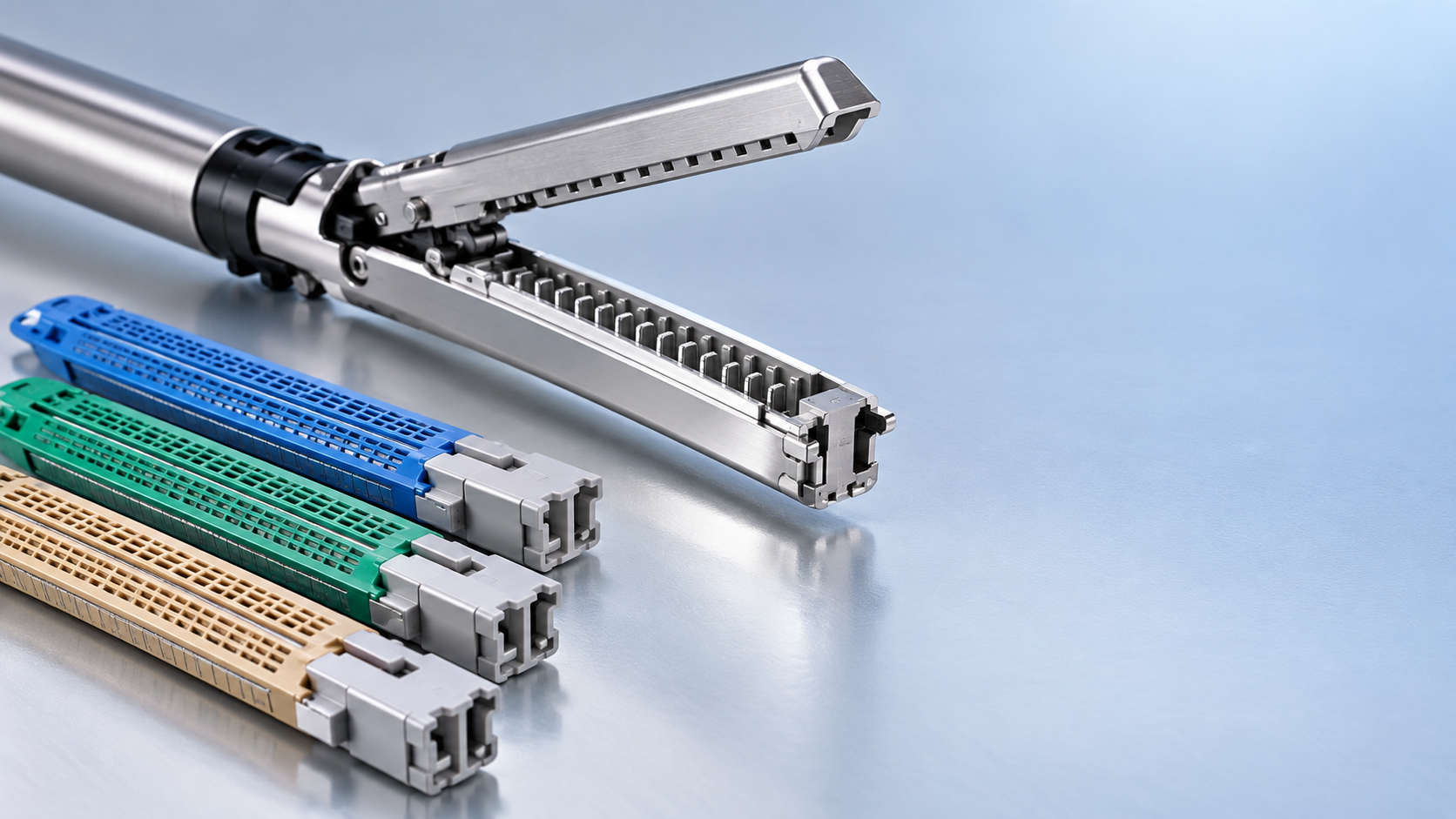
For staplers and polymer catheters, the issue is not always dramatic failure. More often, it is small friction in deployment, closure consistency, flexibility, or thrombosis prevention that creates cumulative inefficiency.
Advanced dressings provide another example. If a lower-cost option cannot maintain moisture balance or infection control, healing slows. The result may be longer care episodes and higher total treatment expense.
So, effective medical cost-control solutions do not start with “What is cheaper?” They start with “What level of evidence supports safe substitution in this exact clinical context?”
How can medical cost-control solutions be evaluated without losing the full picture?
A useful evaluation model combines price, performance, and policy. Looking at only one dimension usually creates blind spots.
In actual decision-making, the following table helps separate superficial savings from durable value.
This is where medical cost-control solutions become more strategic. They stop being a one-time negotiation and become a repeatable method for judging true value.
IMCS reflects this broader lens well. Its focus on toxicology validation, CER interpretation, and VBP simulations makes cost decisions more evidence-based and less reactive.
Which categories need the most caution when controlling cost?
Not every category carries the same substitution risk. Some consumables tolerate standardization more easily. Others are tightly linked to anatomy, healing response, and physician technique.
The highest caution usually applies to products where clinical value depends on material behavior inside the body for months or years.
- Orthopedic implants, where fixation quality and long-term wear matter.
- Cardiovascular devices, where small design differences affect life-critical pathways.
- Neuro or vascular catheters, where flexibility and coating reliability shape procedural success.
- Advanced wound care systems, where healing progression determines total episode cost.
By contrast, some lower-risk consumables may support stronger price standardization, provided quality consistency and supply continuity are verified.
A balanced portfolio strategy often works better than broad cuts. Use stricter medical cost-control solutions in standardized categories, while applying evidence-led protection in performance-sensitive ones.
What role do regulation and VBP play in real-world cost control?
They shape the market far more than many expect. Medical cost-control solutions now sit between two powerful forces: tighter reimbursement logic and tougher device evidence requirements.
VBP can reduce price quickly, especially in stents, orthopedic consumables, and other volume-driven categories. Yet aggressive pricing also raises questions about margin durability, supply resilience, and quality consistency.
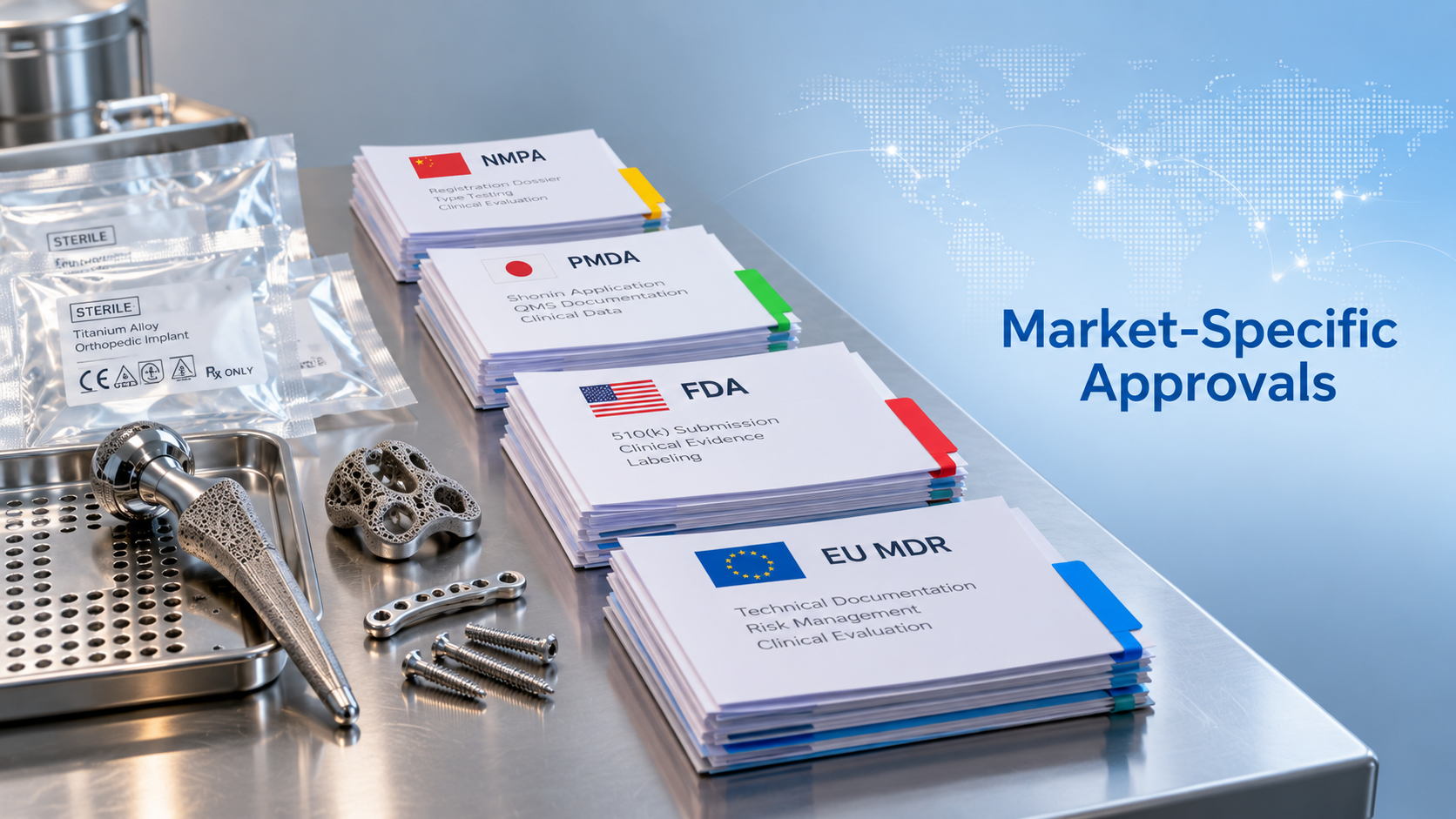
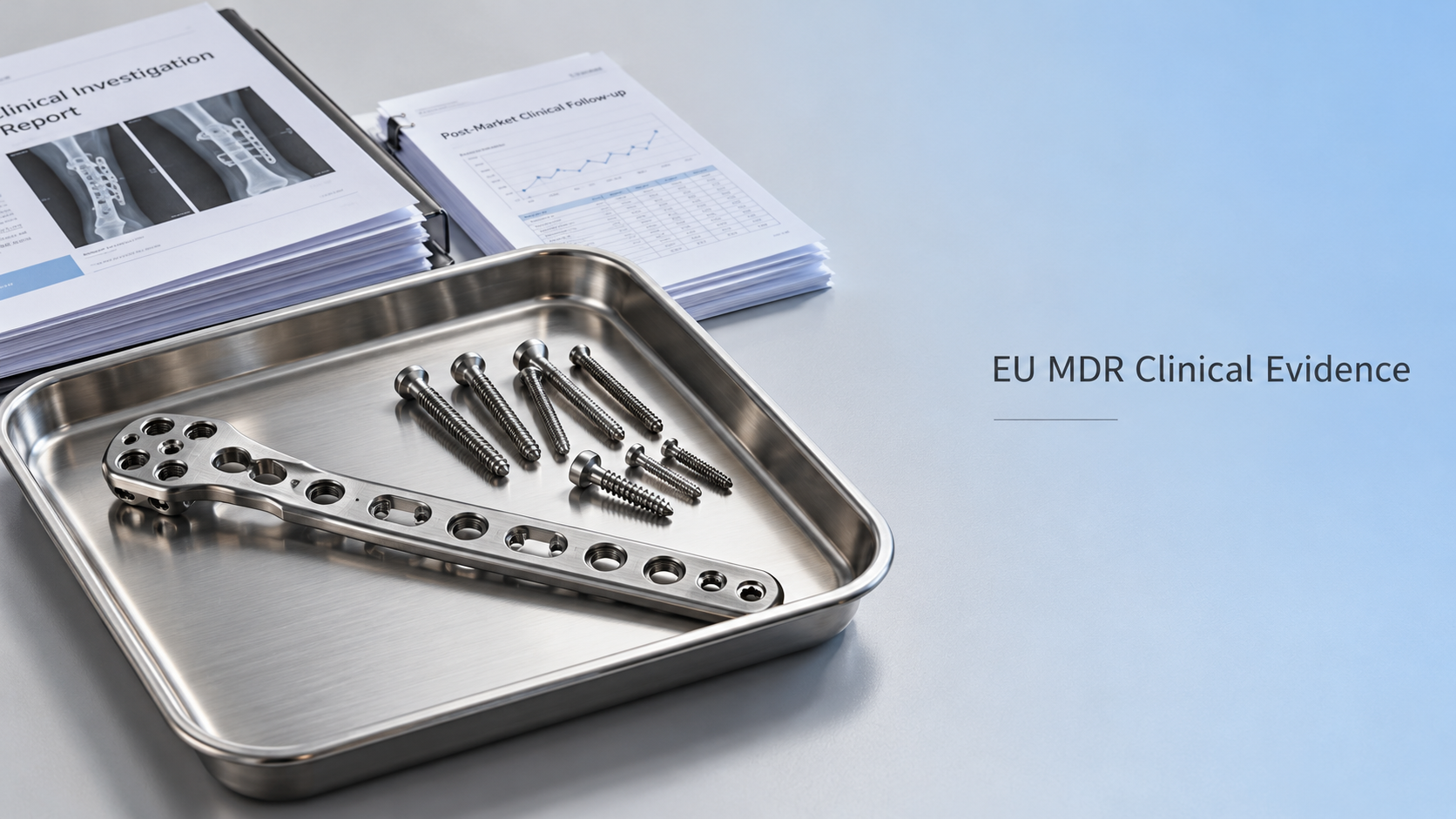
On the regulatory side, Class III devices face deeper scrutiny. Biological safety under ISO 10993, clinical evaluation under CE MDR, and post-market evidence all influence whether a low-cost option is truly dependable.
This is why policy-aware sourcing matters. A product that wins on bid price but struggles with documentation, manufacturing stability, or adverse event tracking may create future disruption.
IMCS’s Strategic Intelligence Center offers a useful model here. It connects toxicology, clinical science, and VBP economics rather than treating them as separate conversations.
In short, medical cost-control solutions work best when reimbursement pressure and compliance pressure are analyzed together, not in isolation.
How do you implement medical cost-control solutions without disrupting care?
Implementation succeeds when changes are staged, measured, and reversible. Sudden category-wide switches usually create resistance and hidden risk.
A practical rollout often includes several checkpoints.
- Define which outcomes must not worsen, such as revision, restenosis, leakage, or delayed healing.
- Separate categories by clinical sensitivity rather than by spend alone.
- Run limited conversions first, then compare procedural data and complication signals.
- Confirm regulatory files, shelf-life, sterilization method, and supply depth before scale-up.
- Track total episode cost, not just unit purchase price.
One useful habit is to document “non-negotiable value markers” for each category. For implants, that may be fixation performance. For catheters, trackability and coating behavior may be critical.
This method turns medical cost-control solutions into a disciplined process. It also reduces the chance that savings today create avoidable clinical expense tomorrow.
So what should be reviewed first before choosing a cost-control path?
Start with category mapping. Identify where costs are high, where evidence is weak, and where product performance directly affects long-term outcomes.
Then review whether current medical cost-control solutions are based on invoice savings alone or on full-cycle value. That single distinction changes many decisions.
In high-value consumables, the most reliable path is usually data-led sourcing supported by regulatory insight, clinical comparison, and supply-risk analysis. That is especially true under global VBP and stricter Class III oversight.
Medical cost-control solutions should preserve what matters most: biocompatibility, procedural reliability, healing quality, and durable patient benefit.
A sensible next step is to build a review sheet for each major consumable category. Compare evidence strength, compliance status, total cost impact, and substitution risk side by side.
When those signals are visible, cost control becomes more precise, more defensible, and far more likely to protect clinical value.
Get weekly intelligence in your inbox.
No noise. No sponsored content. Pure intelligence.
News Recommendations
 Oct 26, 2026Can a single approval cover life science product sales worldwide?Can a single approval cover life science product sales worldwide?
 Oct 25, 2026When is sensitization testing needed for medical device biocompatibility?When is sensitization testing needed for medical device biocompatibility?
 Oct 24, 2026How is biocompatibility tested for implantable polymer biomaterials?How is biocompatibility tested for implantable polymer biomaterials?
 Oct 23, 2026How to build reimbursement into an implant commercialization strategyHow to build reimbursement into an implant commercialization strategy
 Oct 22, 2026What clinical evidence do implants need for CE marking under EU MDR?What clinical evidence do implants need for CE marking under EU MDR?
 Oct 21, 2026How to choose disposable laparoscopic stapler reloads for thick tissueHow to choose disposable laparoscopic stapler reloads for thick tissue
 Oct 20, 2026How to assess medical polymer biocompatibility under ISO 10993How to assess medical polymer biocompatibility under ISO 10993
 Oct 19, 2026How do interventional device categories differ in clinical use?How do interventional device categories differ in clinical use?
 Oct 18, 2026When to choose alginate dressings for heavily exuding chronic woundsWhen to choose alginate dressings for heavily exuding chronic wounds
 Oct 17, 2026How is biocompatibility tested for custom medical-grade PEEK implants?How is biocompatibility tested for custom medical-grade PEEK implants?
 Oct 16, 2026How to check a wound healing materials supplier’s biocompatibility dataHow to check a wound healing materials supplier’s biocompatibility data
 Oct 15, 2026How to verify the FDA clearance status of silver wound dressingsHow to verify the FDA clearance status of silver wound dressings
 Oct 14, 2026How to register orthopedic implants and instruments in Latin AmericaHow to register orthopedic implants and instruments in Latin America
 Oct 13, 2026How to use a device market intelligence database to benchmark VBP pricesHow to use a device market intelligence database to benchmark VBP prices
 Oct 12, 2026When should stainless steel orthopedic instruments be replaced?When should stainless steel orthopedic instruments be replaced?
 Oct 11, 2026When are alginate dressings rope the right choice for cavity wounds?When are alginate dressings rope the right choice for cavity wounds?
 Oct 10, 2026When smart minimally invasive technology improves catheter accessWhen smart minimally invasive technology improves catheter access
 Oct 08, 2026Clinical evaluation requirements for cardiovascular implant devices in EuropeClinical evaluation requirements for cardiovascular implant devices in Europe
 Oct 07, 2026What to verify before appointing an artificial joint implants distributorWhat to verify before appointing an artificial joint implants distributor
 Oct 06, 2026How ISO 10993 guides biocompatibility testing for medical materialsHow ISO 10993 guides biocompatibility testing for medical materials
 Oct 05, 2026How to verify an orthopedic implants and instruments exporterHow to verify an orthopedic implants and instruments exporter
 Oct 04, 2026What drives surgical stapling devices price differences in hospital tenders?What drives surgical stapling devices price differences in hospital tenders?
 Oct 03, 2026How to assess a central venous catheter manufacturer's infection-control evidenceHow to assess a central venous catheter manufacturer's infection-control evidence
 Oct 02, 2026How to assess an advanced wound care factory’s quality systemHow to assess an advanced wound care factory’s quality system
 Oct 01, 2026What is driving global medical consumables demand in emerging markets?What is driving global medical consumables demand in emerging markets?
 Sep 30, 2026Implant Material Compliance Testing: Evidence Needed for Regulatory SubmissionImplant Material Compliance Testing: Evidence Needed for Regulatory Submission
 Sep 30, 2026From Corrosion to Fatigue: What Implant Materials Testing Should MeasureFrom Corrosion to Fatigue: What Implant Materials Testing Should Measure