Global Medical Consumables Trends Reshaping Hospital Sourcing in 2026
Global medical consumables trends are rapidly changing hospital sourcing in 2026. Evaluation no longer centers on price alone. Clinical evidence, regulatory readiness, supply resilience, and product fit now shape shortlists.
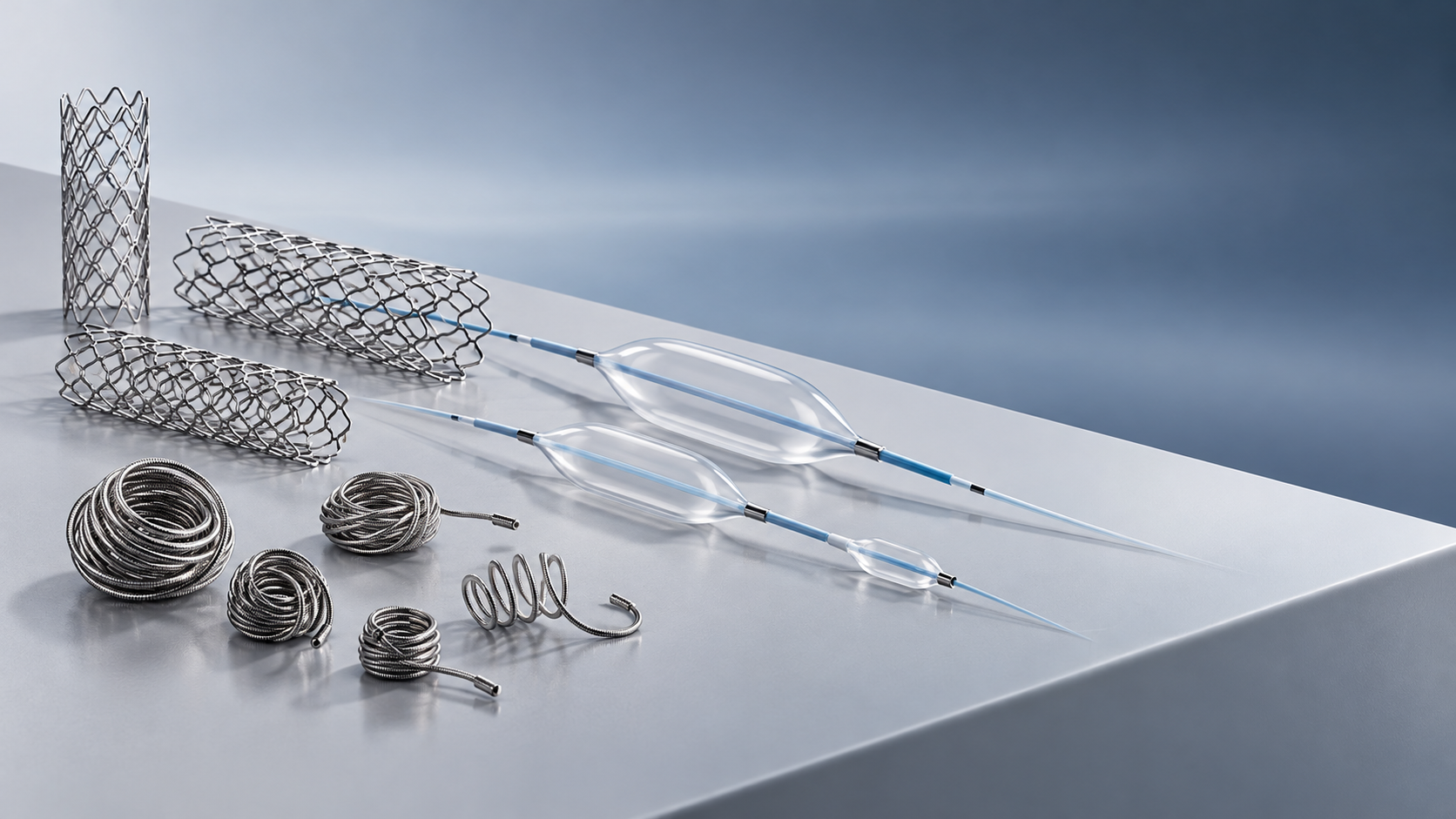
Across orthopedic implants, cardiovascular devices, minimally invasive consumables, polymer catheters, and advanced wound care, buyers are asking sharper questions. They want proof of safety, continuity, and measurable patient value.
This article answers the most important questions behind global medical consumables trends. It explains what is changing, why sourcing models are shifting, and how to judge market signals with confidence.
What do global medical consumables trends really mean in 2026?

In 2026, global medical consumables trends mean a move from transactional purchasing toward evidence-based sourcing. Hospitals expect products to support outcomes, compliance, operational efficiency, and long-term value.
This shift affects high-value consumables most strongly. Orthopedic replacements, drug-eluting stents, TAVR systems, staplers, coated catheters, and advanced dressings face deeper review than basic supplies.
Several forces are driving these changes:
- Tighter Class III device regulation across major markets
- Volume-Based Procurement and broader cost-control policies
- Demand for stronger clinical and post-market evidence
- Pressure to avoid stockouts and unstable lead times
- Preference for products supporting minimally invasive care
In practical terms, global medical consumables trends are merging medical quality with business intelligence. Technical performance alone is not enough if documentation, reimbursement logic, or supply execution remain weak.
Why are hospitals changing supplier evaluation criteria?
Supplier evaluation has become broader because risk has become broader. A low quote can lose value quickly if a product triggers delays, revision surgeries, shortages, or nonconformity findings.
Global medical consumables trends show that hospitals now compare suppliers across four linked dimensions: product, proof, policy, and performance.
1. Product capability
Hospitals want technology that solves real clinical problems. Examples include porous trabecular implants for osseointegration, low-profile DES systems, reliable stapling lines, and anti-thrombotic catheter surfaces.
2. Evidence quality
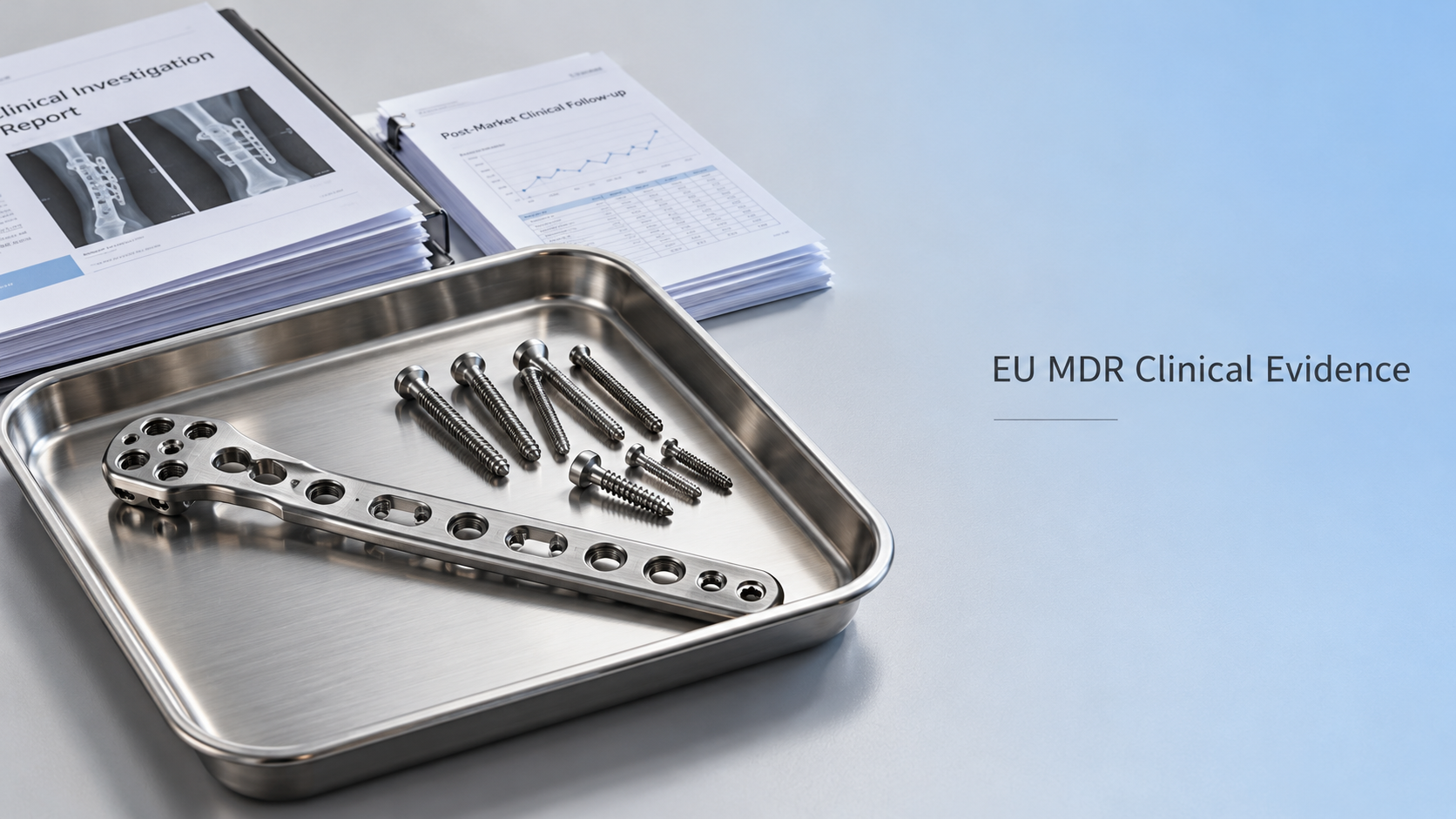
Clinical evaluation, biocompatibility, sterility validation, and post-market data now influence sourcing more directly. Products with incomplete evidence face slower adoption and greater internal scrutiny.
3. Policy alignment
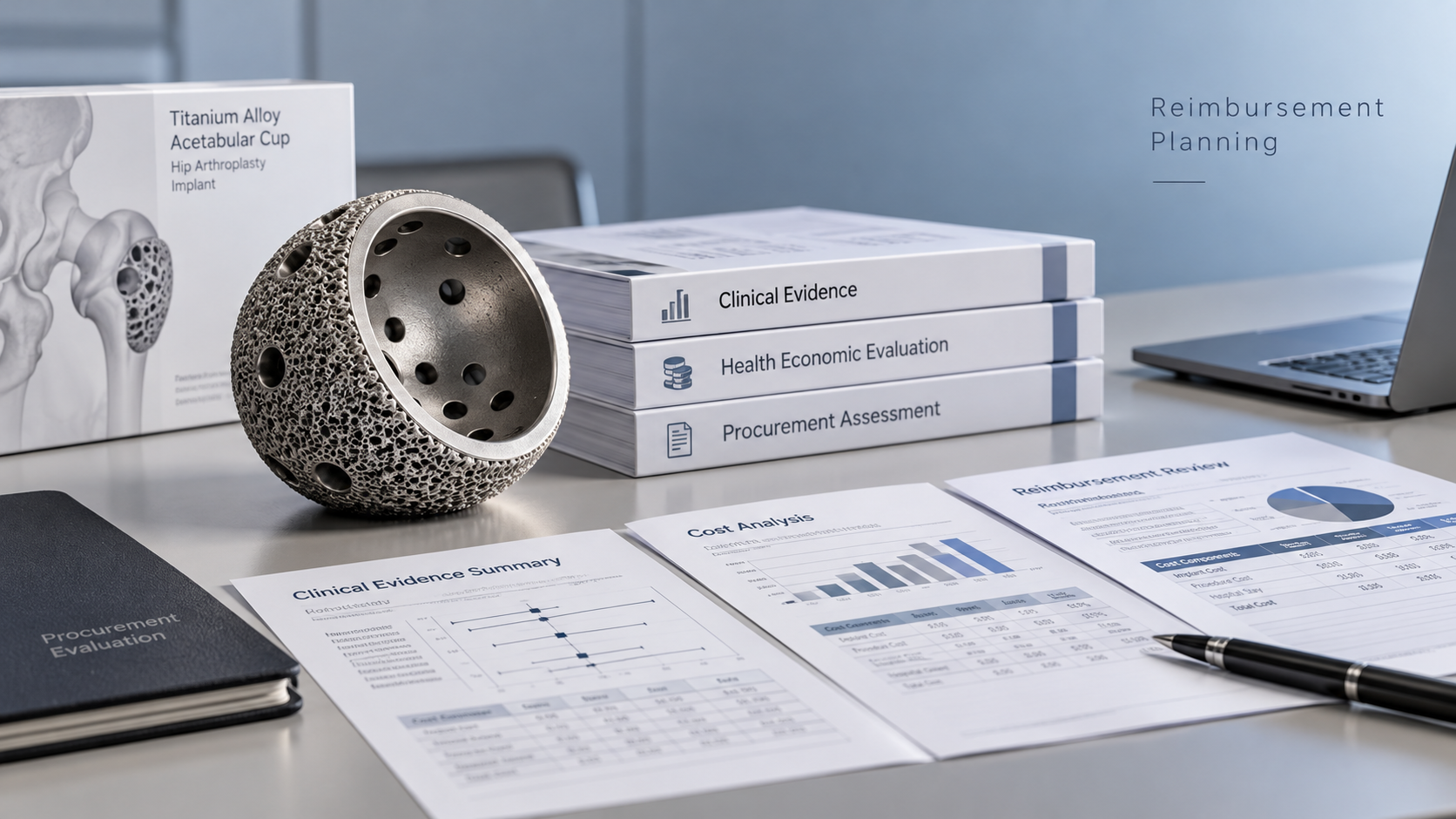
A product may be strong clinically but weak commercially if it cannot survive procurement rules. Global medical consumables trends increasingly reward suppliers that understand VBP, tenders, and reimbursement logic.
4. Execution reliability
Hospitals now assess lot consistency, lead time control, training support, complaint response, and continuity plans. Reliability often determines whether a product remains approved after initial entry.
Which product categories are most affected by global medical consumables trends?
Not every category is changing at the same speed. High-risk and high-cost consumables are seeing the strongest sourcing transformation because they combine clinical sensitivity with reimbursement pressure.
Orthopedic implants and instruments
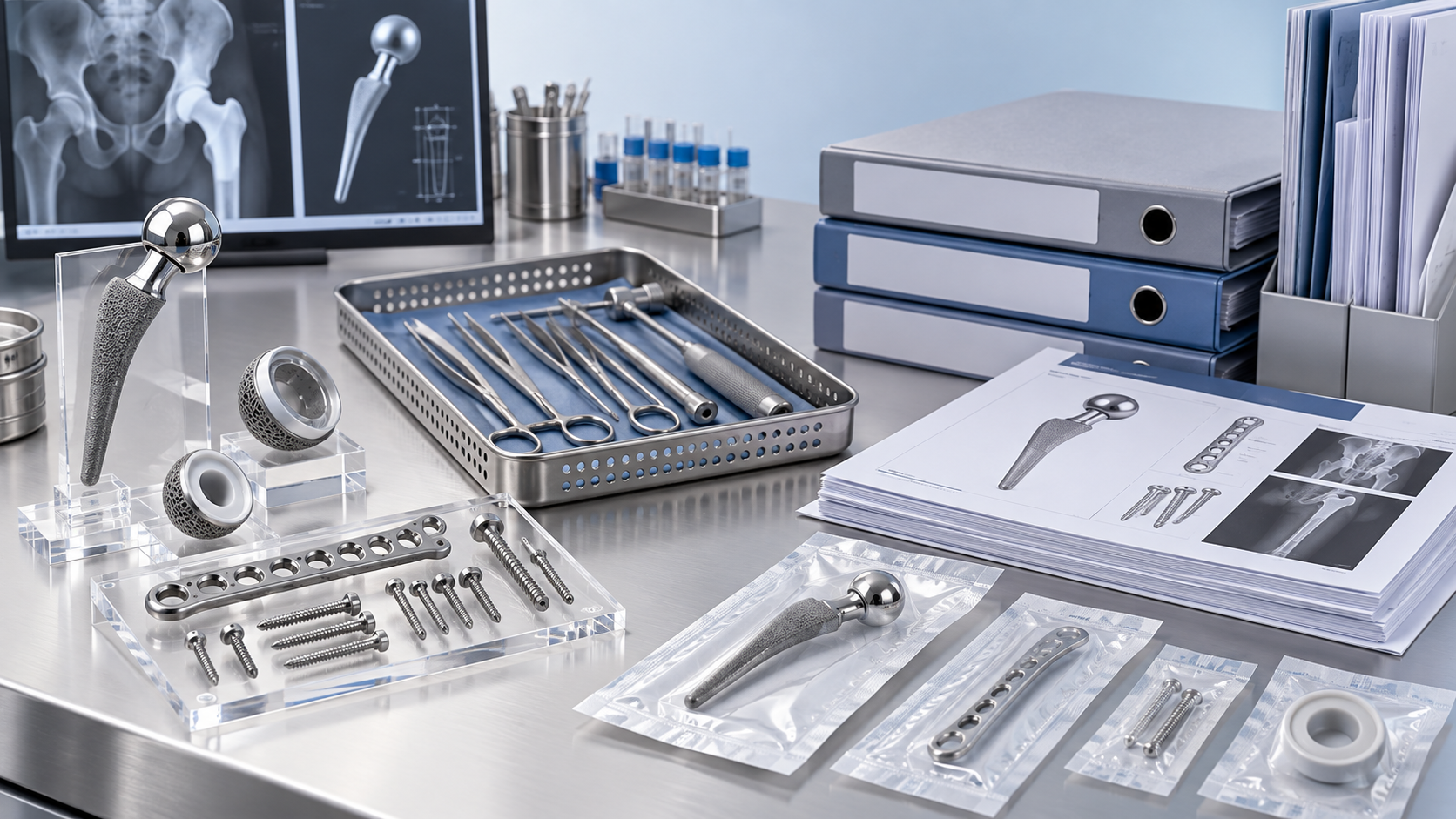
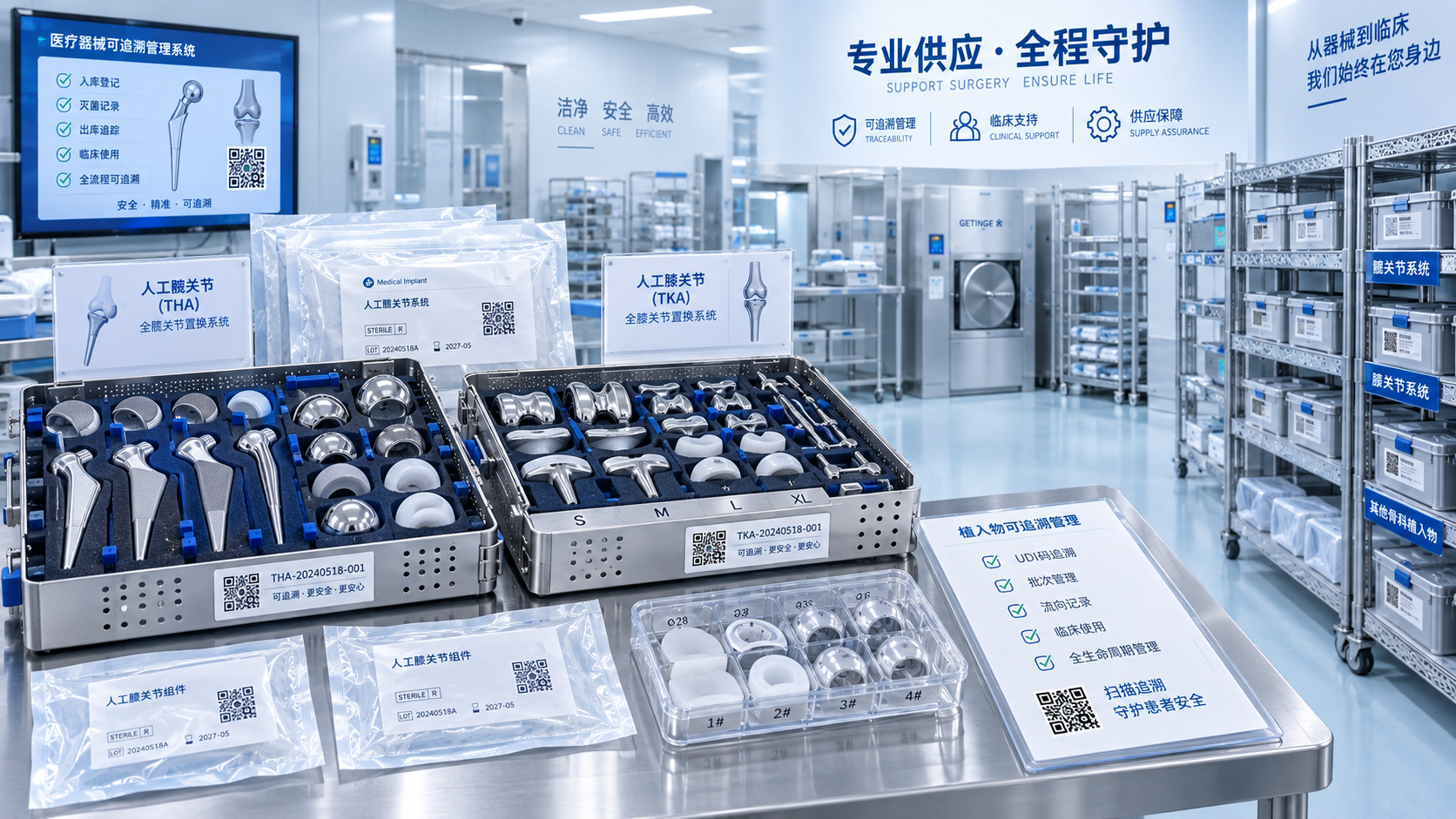
Demand is shifting toward implants with stronger fixation logic, better material compatibility, and clearer long-term performance. 3D printing, PEEK applications, and revision-friendly design are major decision points.
Cardiovascular interventional consumables
DES, balloon systems, guidewires, and TAVR products remain under intense review. Hospitals closely compare deliverability, procedural success, restenosis data, and real-world safety profiles.
Minimally invasive surgical staplers
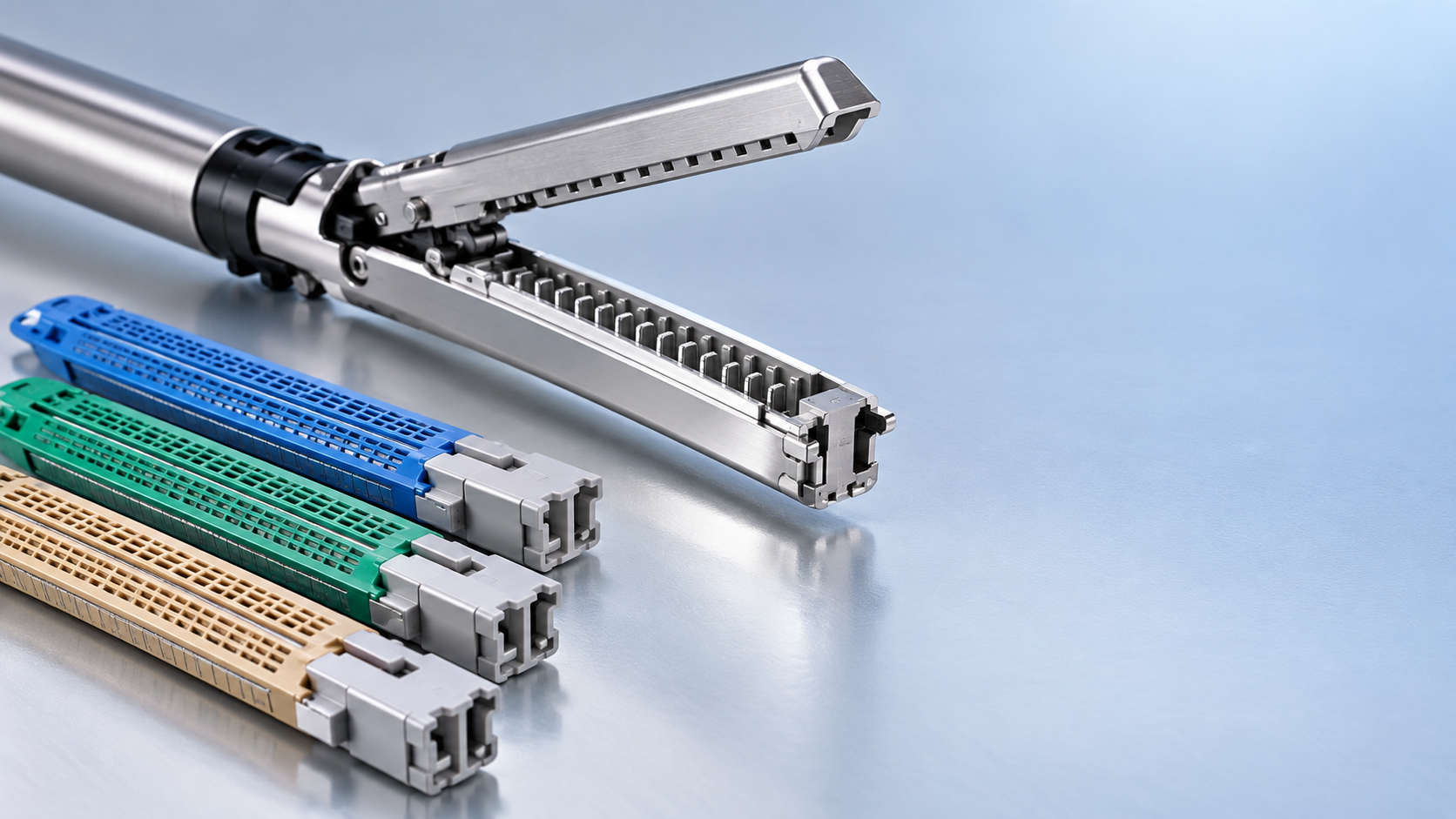
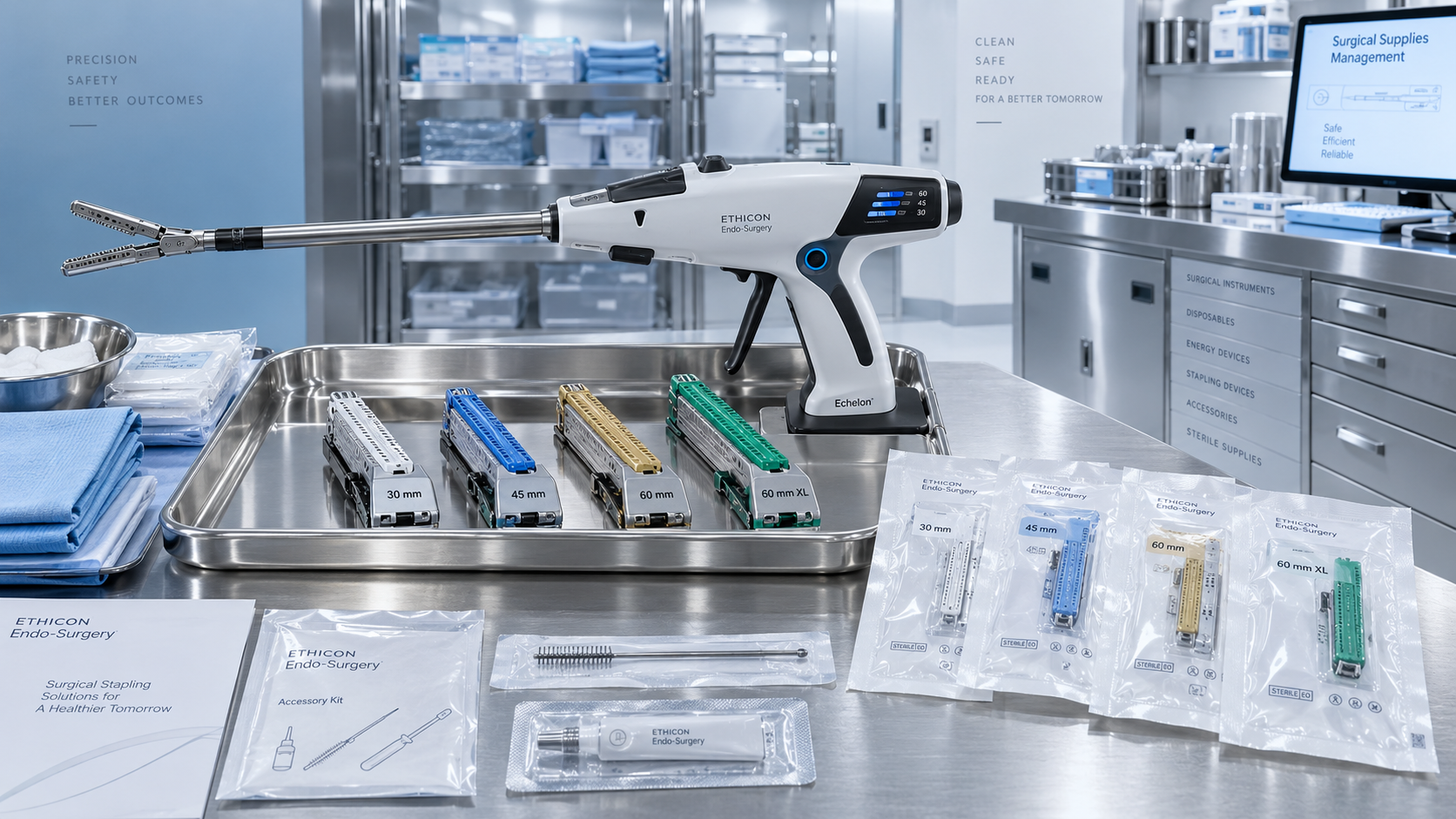
Staplers are judged on consistency, tissue interaction, reload design, and leak risk reduction. Global medical consumables trends favor systems that support faster procedures and fewer intraoperative complications.
Medical polymer catheters
Catheters face rising expectations for flexibility, kink resistance, coating durability, and hemocompatibility. Hospitals increasingly ask whether performance claims are verified under realistic use conditions.
Advanced dressings and wound care
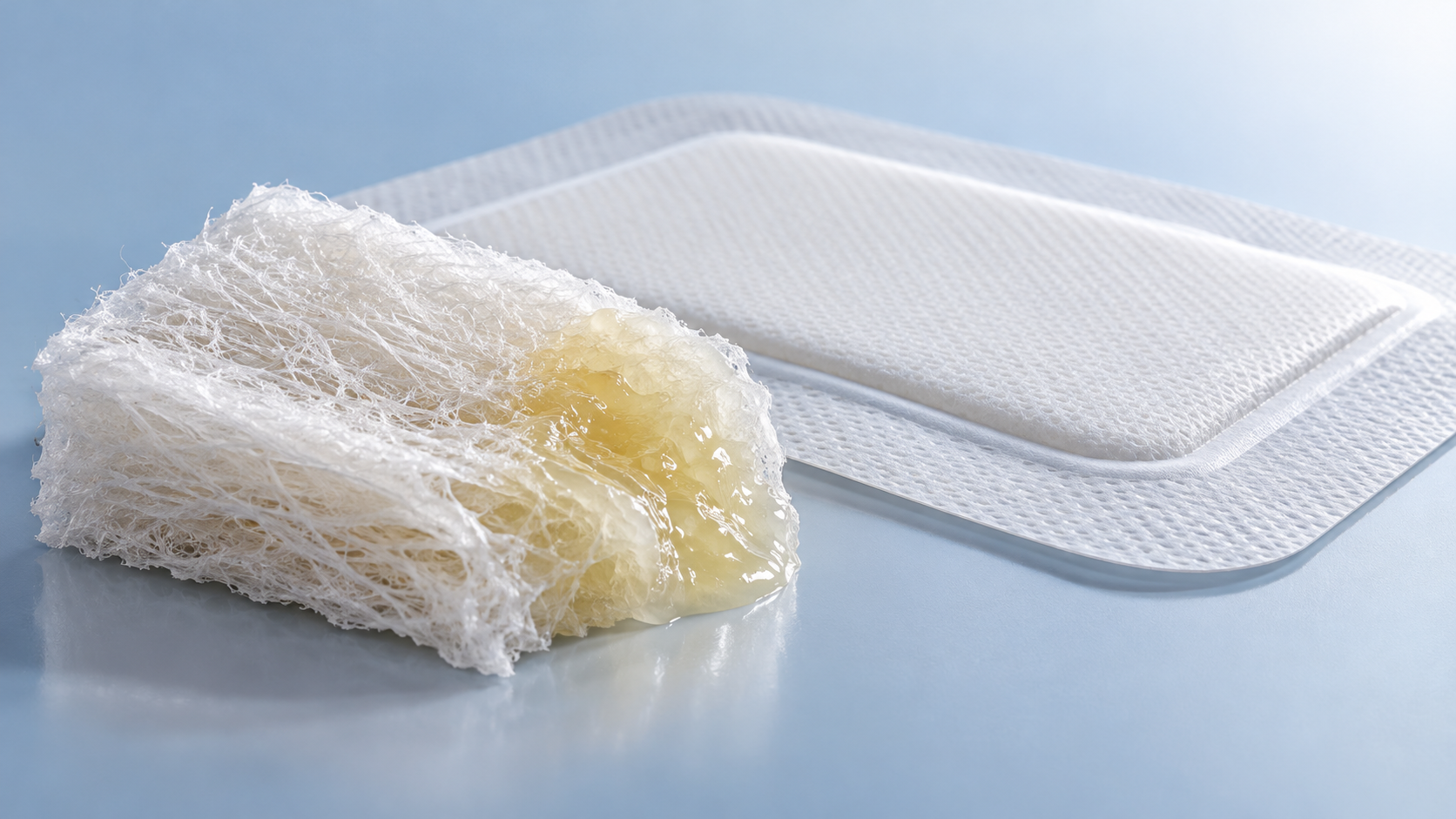
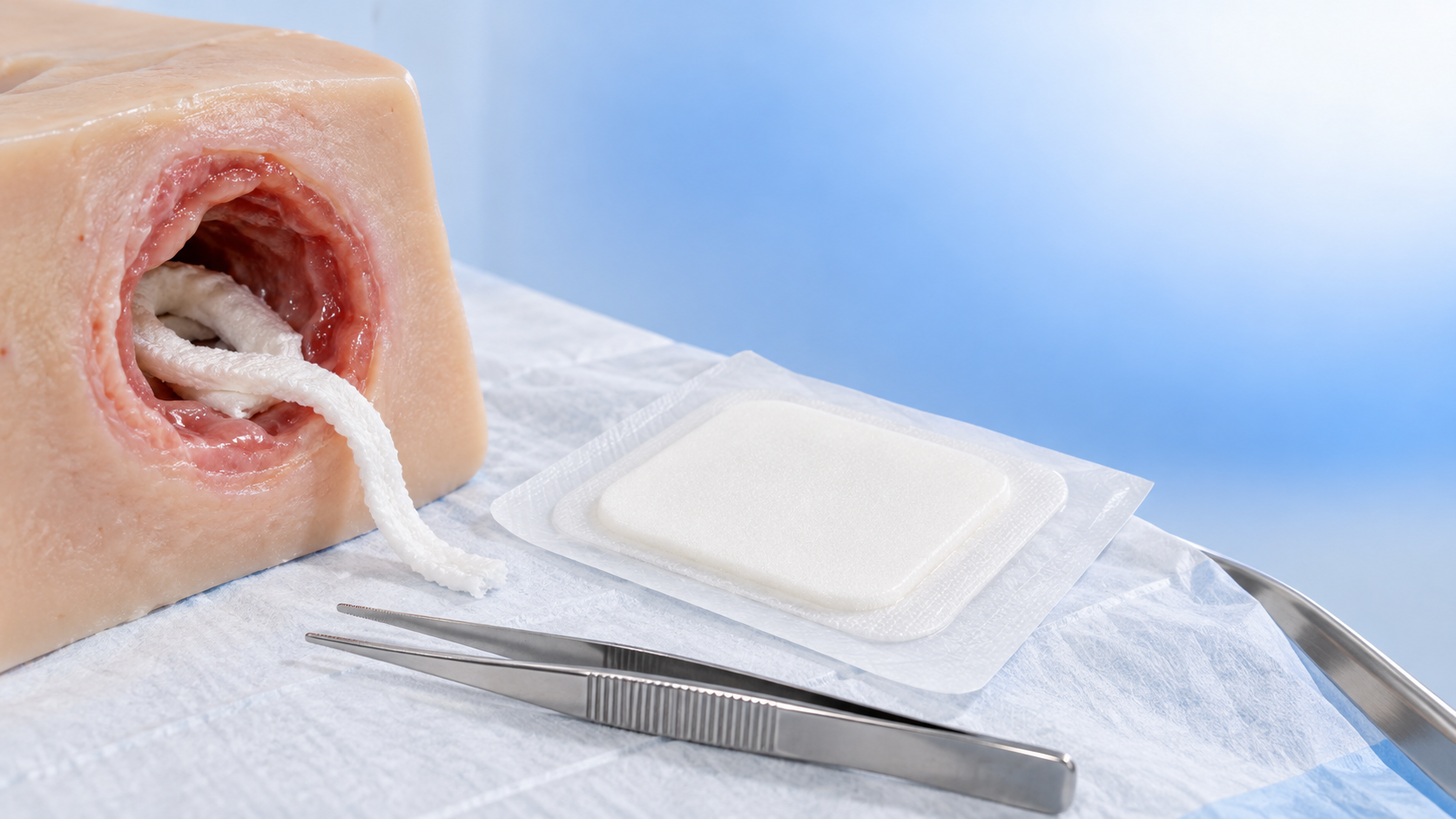
Moist healing systems, silver foams, alginates, and NPWT are gaining attention where chronic wounds increase treatment burden. Cost evaluation now includes healing speed and complication avoidance.
How should sourcing decisions balance price, compliance, and clinical value?
A common mistake is treating these factors as separate. Global medical consumables trends show they must be assessed together because each one changes the true cost of adoption.
A lower unit price can become expensive if revision rates rise, staff retraining expands, or procurement eligibility weakens. Likewise, premium pricing needs defensible outcome advantages.
A practical review model includes the following questions:
- Is the product supported by current regulatory documentation?
- Does clinical evidence match the intended patient population?
- Can the supplier sustain volumes during tender cycles?
- Does product design reduce downstream procedural or healing risks?
- Will procurement policy favor or limit this category in the next cycle?
This balanced view is especially important in categories covered by cost-control programs. Global medical consumables trends increasingly punish weak preparation, even when the product itself appears competitive.
What risks and misunderstandings are shaping sourcing mistakes?
The biggest sourcing mistakes often come from incomplete comparisons. Decision teams may focus on visible pricing while underestimating hidden clinical, regulatory, or supply-chain costs.
Several misunderstandings appear repeatedly within global medical consumables trends:
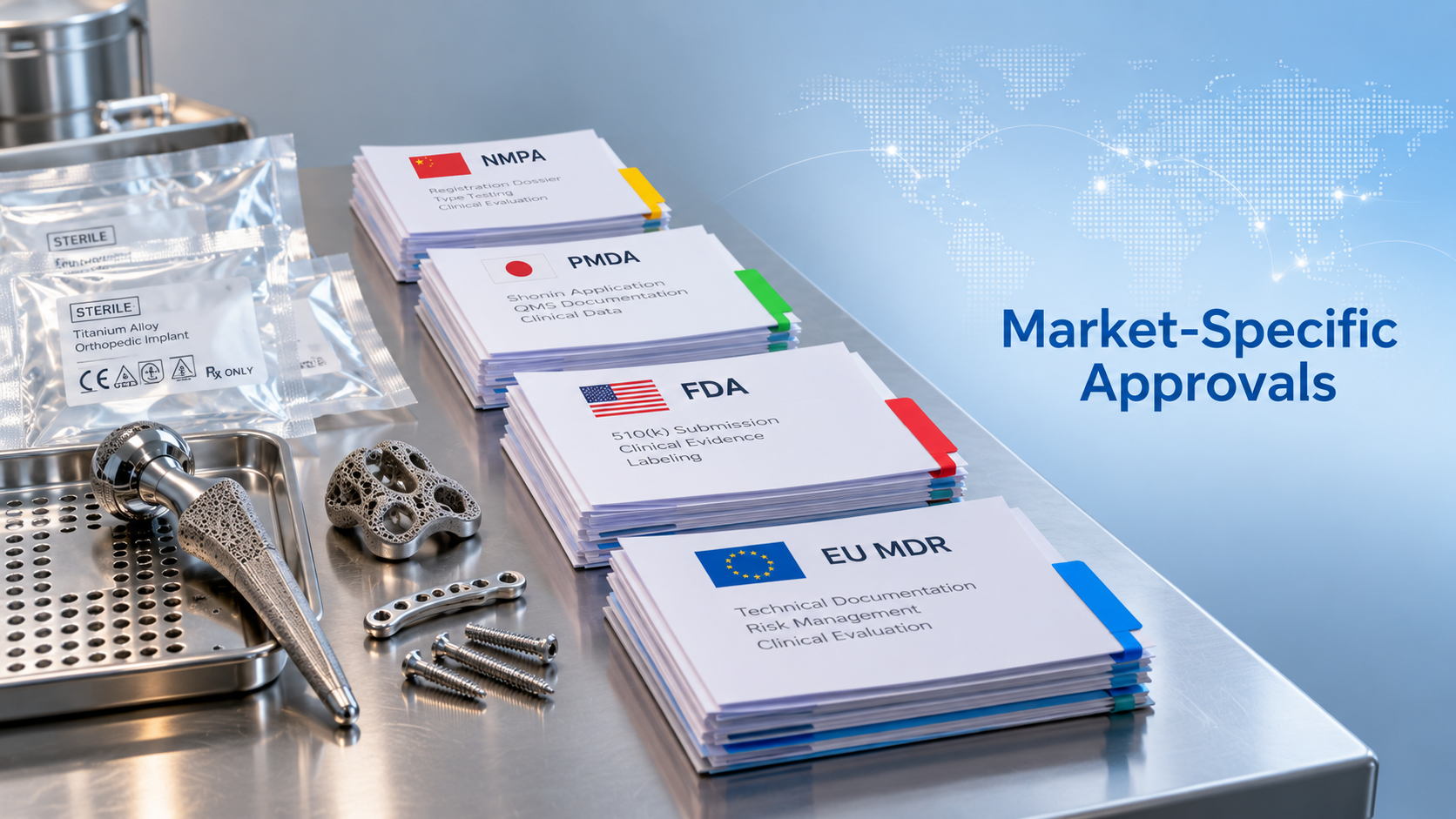
- Assuming CE, FDA, or local approval automatically proves market fit
- Treating biocompatibility data as interchangeable across materials
- Ignoring tender exposure when evaluating premium technologies
- Overlooking training needs for new MIS consumables
- Relying on single-region supply for critical categories
Another risk is weak horizon scanning. By the time a policy or evidence gap becomes urgent, switching suppliers can be slow, expensive, and clinically disruptive.
How can organizations prepare for global medical consumables trends over the next 12 months?
Preparation starts with segmentation. High-value consumables should not be reviewed with the same method used for routine low-risk items. The sourcing logic must match clinical and regulatory exposure.
A strong 12-month plan can follow five steps:
- Map critical categories by risk, spend, and policy sensitivity.
- Review evidence packages for implants, stents, staplers, catheters, and dressings.
- Stress-test supplier capacity, localization, and continuity plans.
- Track tender, VBP, and reimbursement changes by market.
- Build comparison tools that include clinical and operational outcomes.
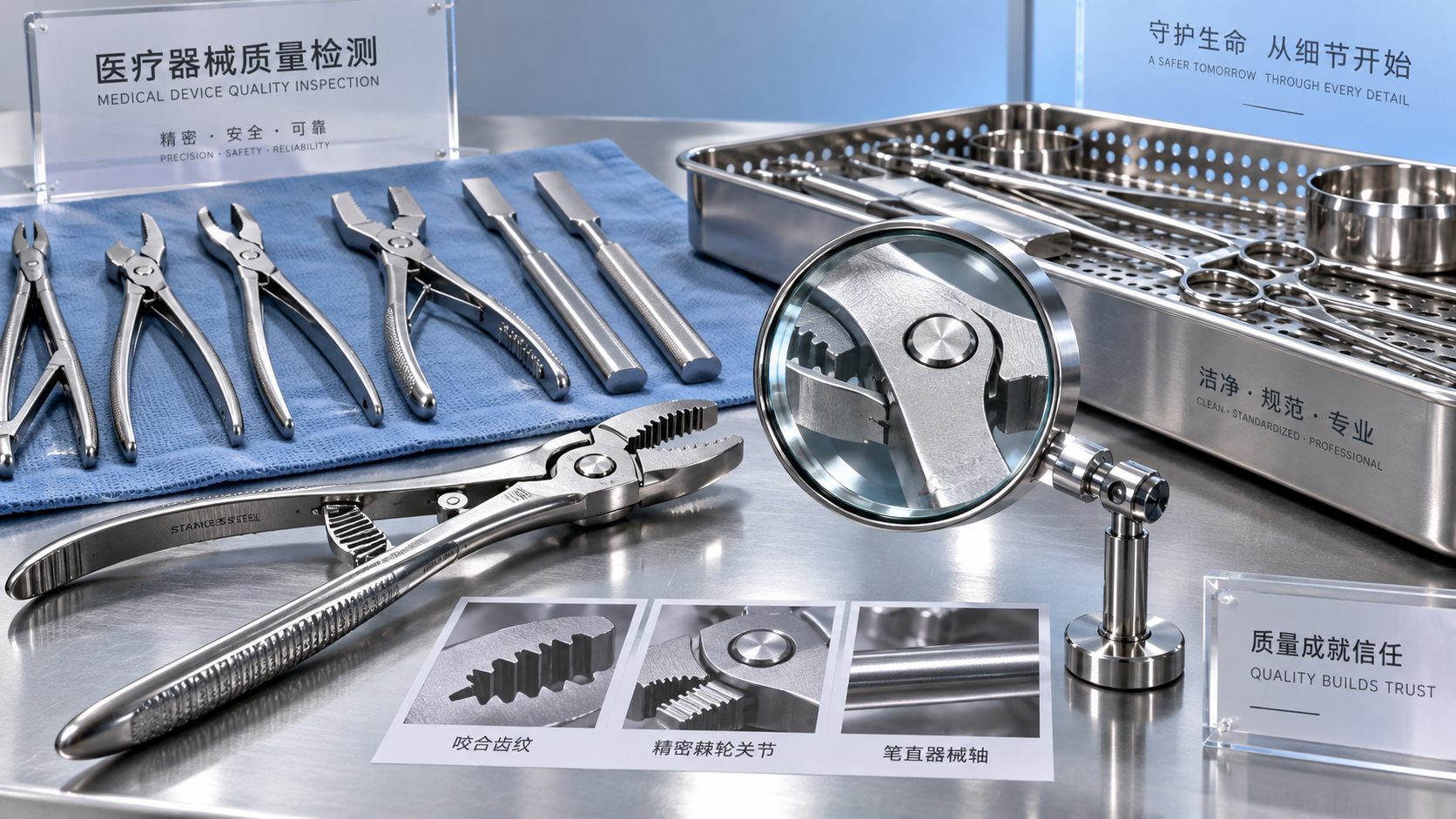
Organizations following global medical consumables trends also benefit from deeper technical intelligence. Material safety, micron-level machining, and clinical evaluation quality now influence commercial success more than before.
Quick comparison table for 2026 sourcing priorities
Global medical consumables trends in 2026 are not a temporary fluctuation. They reflect a deeper reset in how hospitals define value, control risk, and select long-term supply partners.
The strongest sourcing outcomes will come from combining policy awareness, regulatory discipline, and category-level clinical insight. That is especially true in implants, cardiovascular systems, MIS consumables, catheters, and advanced wound care.
For the next step, review priority categories against current evidence, tender exposure, and supply resilience. Then align each decision with the real direction of global medical consumables trends rather than yesterday’s price logic.
Get weekly intelligence in your inbox.
No noise. No sponsored content. Pure intelligence.
News Recommendations
 Oct 26, 2026Can a single approval cover life science product sales worldwide?Can a single approval cover life science product sales worldwide?
 Oct 25, 2026When is sensitization testing needed for medical device biocompatibility?When is sensitization testing needed for medical device biocompatibility?
 Oct 24, 2026How is biocompatibility tested for implantable polymer biomaterials?How is biocompatibility tested for implantable polymer biomaterials?
 Oct 23, 2026How to build reimbursement into an implant commercialization strategyHow to build reimbursement into an implant commercialization strategy
 Oct 22, 2026What clinical evidence do implants need for CE marking under EU MDR?What clinical evidence do implants need for CE marking under EU MDR?
 Oct 21, 2026How to choose disposable laparoscopic stapler reloads for thick tissueHow to choose disposable laparoscopic stapler reloads for thick tissue
 Oct 20, 2026How to assess medical polymer biocompatibility under ISO 10993How to assess medical polymer biocompatibility under ISO 10993
 Oct 19, 2026How do interventional device categories differ in clinical use?How do interventional device categories differ in clinical use?
 Oct 18, 2026When to choose alginate dressings for heavily exuding chronic woundsWhen to choose alginate dressings for heavily exuding chronic wounds
 Oct 17, 2026How is biocompatibility tested for custom medical-grade PEEK implants?How is biocompatibility tested for custom medical-grade PEEK implants?
 Oct 16, 2026How to check a wound healing materials supplier’s biocompatibility dataHow to check a wound healing materials supplier’s biocompatibility data
 Oct 15, 2026How to verify the FDA clearance status of silver wound dressingsHow to verify the FDA clearance status of silver wound dressings
 Oct 14, 2026How to register orthopedic implants and instruments in Latin AmericaHow to register orthopedic implants and instruments in Latin America
 Oct 13, 2026How to use a device market intelligence database to benchmark VBP pricesHow to use a device market intelligence database to benchmark VBP prices
 Oct 12, 2026When should stainless steel orthopedic instruments be replaced?When should stainless steel orthopedic instruments be replaced?
 Oct 11, 2026When are alginate dressings rope the right choice for cavity wounds?When are alginate dressings rope the right choice for cavity wounds?
 Oct 10, 2026When smart minimally invasive technology improves catheter accessWhen smart minimally invasive technology improves catheter access
 Oct 08, 2026Clinical evaluation requirements for cardiovascular implant devices in EuropeClinical evaluation requirements for cardiovascular implant devices in Europe
 Oct 07, 2026What to verify before appointing an artificial joint implants distributorWhat to verify before appointing an artificial joint implants distributor
 Oct 06, 2026How ISO 10993 guides biocompatibility testing for medical materialsHow ISO 10993 guides biocompatibility testing for medical materials
 Oct 05, 2026How to verify an orthopedic implants and instruments exporterHow to verify an orthopedic implants and instruments exporter
 Oct 04, 2026What drives surgical stapling devices price differences in hospital tenders?What drives surgical stapling devices price differences in hospital tenders?
 Oct 03, 2026How to assess a central venous catheter manufacturer's infection-control evidenceHow to assess a central venous catheter manufacturer's infection-control evidence
 Oct 02, 2026How to assess an advanced wound care factory’s quality systemHow to assess an advanced wound care factory’s quality system
 Oct 01, 2026What is driving global medical consumables demand in emerging markets?What is driving global medical consumables demand in emerging markets?
 Sep 30, 2026Implant Material Compliance Testing: Evidence Needed for Regulatory SubmissionImplant Material Compliance Testing: Evidence Needed for Regulatory Submission
 Sep 30, 2026From Corrosion to Fatigue: What Implant Materials Testing Should MeasureFrom Corrosion to Fatigue: What Implant Materials Testing Should Measure