Where Smart Minimally Invasive Technology Is Heading in 2026
Where smart minimally invasive technology starts to look different in 2026
In 2026, smart minimally invasive technology is no longer defined by incision size alone.
The stronger signal is integration.
Devices, consumables, software, materials, and regulatory evidence are being evaluated as one connected value chain.
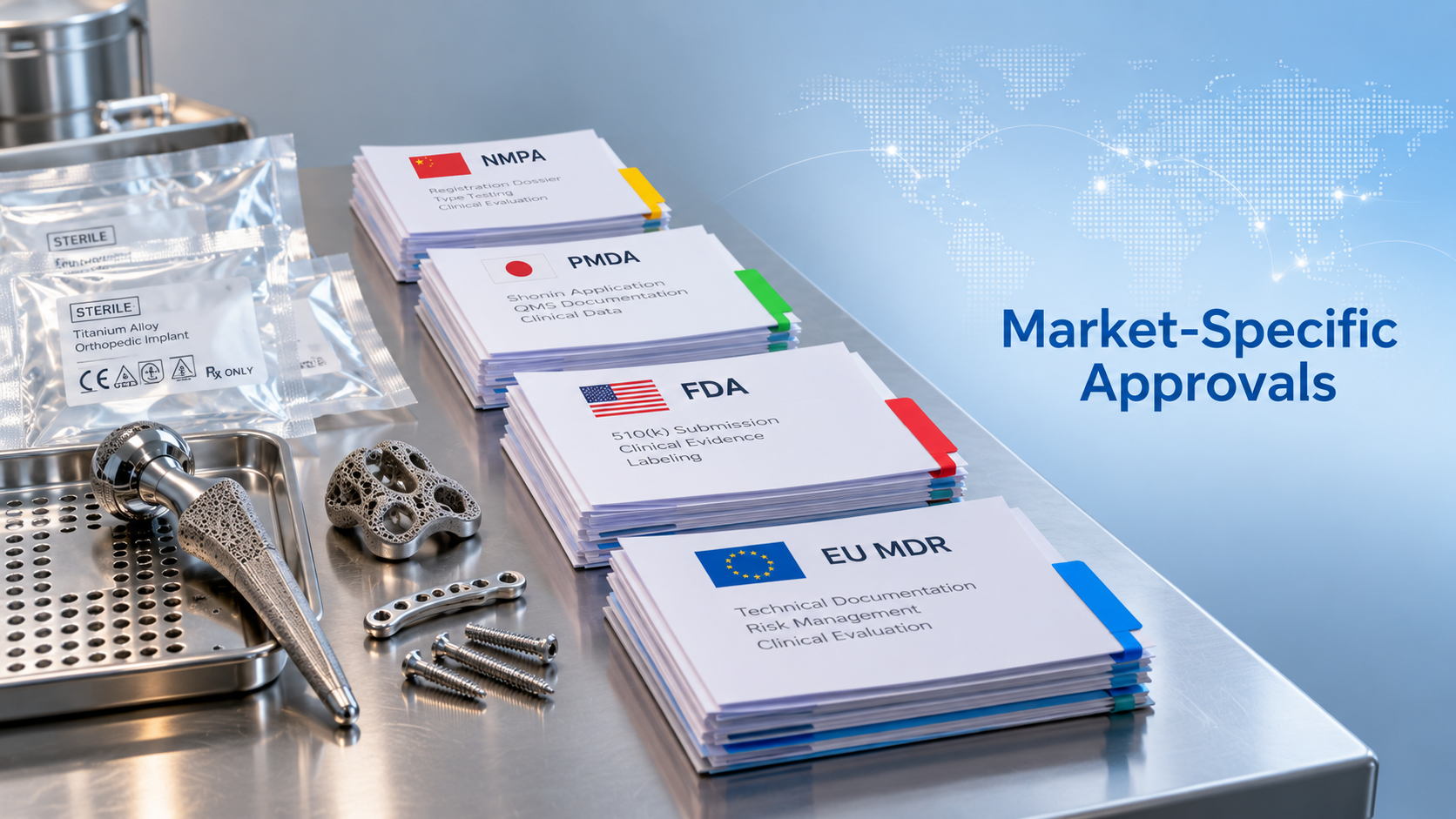
That shift matters across orthopedic implants, cardiovascular intervention, stapling systems, catheters, and advanced wound care.
For the broader medical consumables market, the question is no longer whether smart minimally invasive technology will expand.
The question is where premium value will still survive under tighter pricing, tougher evidence demands, and faster product iteration.
This is also why intelligence-led platforms such as IMCS are becoming more relevant.
The market now rewards those who can connect biocompatibility, precision manufacturing, clinical logic, and procurement pressure in one view.
The market is moving from smaller tools to smarter procedure ecosystems
A few years ago, smart minimally invasive technology was often framed around access reduction.
Today, hospitals and developers expect more.
They want devices that shorten procedure time, improve navigation, reduce tissue trauma, and produce cleaner recovery data.
That expectation is especially visible in high-value consumables.
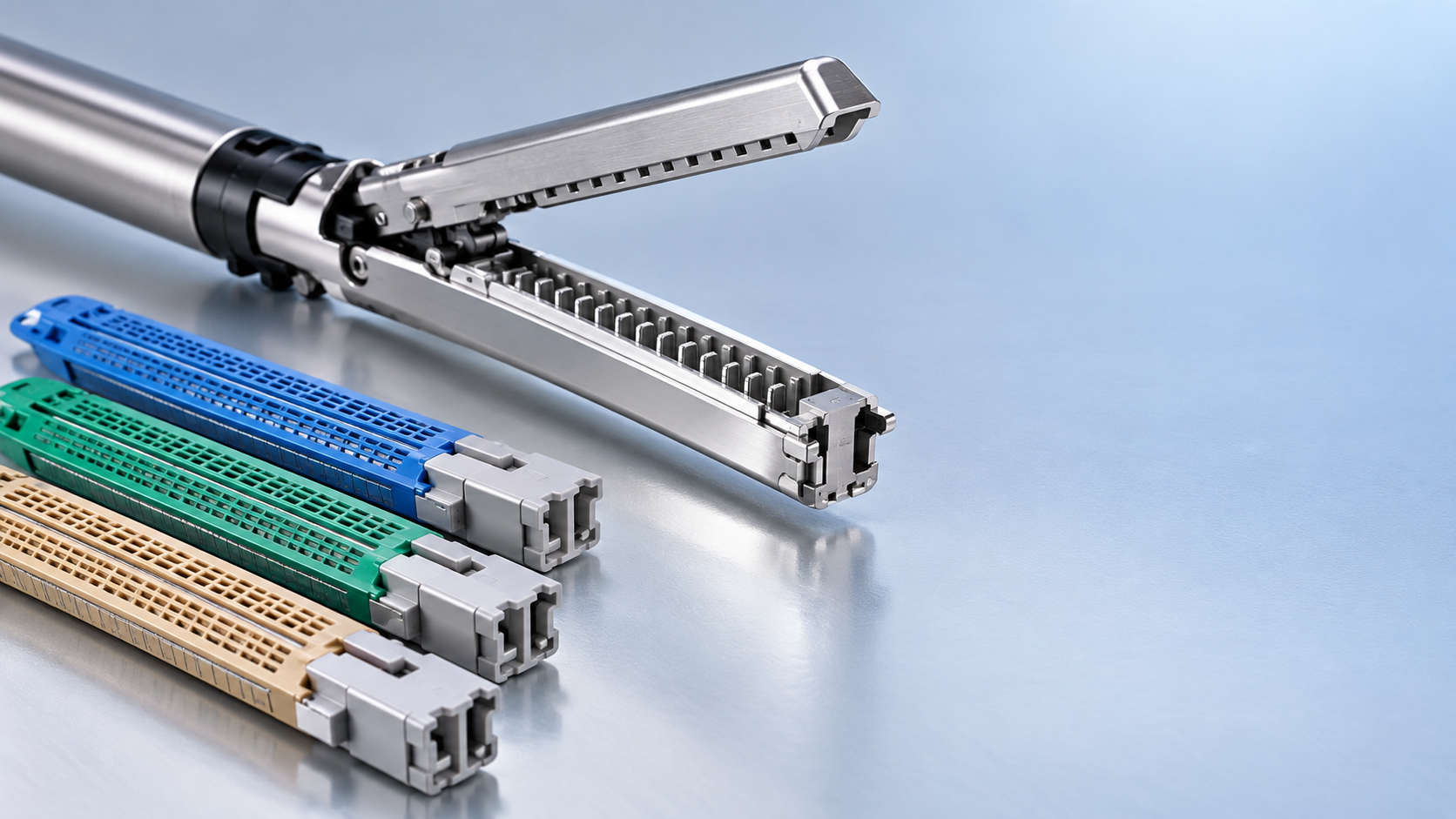
Staplers are being judged by firing consistency and tissue response, not only mechanics.
Catheters are being compared through trackability, coating stability, and thrombus-control performance.
Cardiovascular systems are increasingly assessed on navigation precision, imaging compatibility, and long-term clinical evidence.
Even dressings and tissue regeneration materials are entering this conversation.
Recovery is becoming a measurable extension of the procedure itself.
Why this change is becoming more visible now
Three forces are converging at the same time.
- Clinical teams want predictable outcomes across more complex patient profiles.
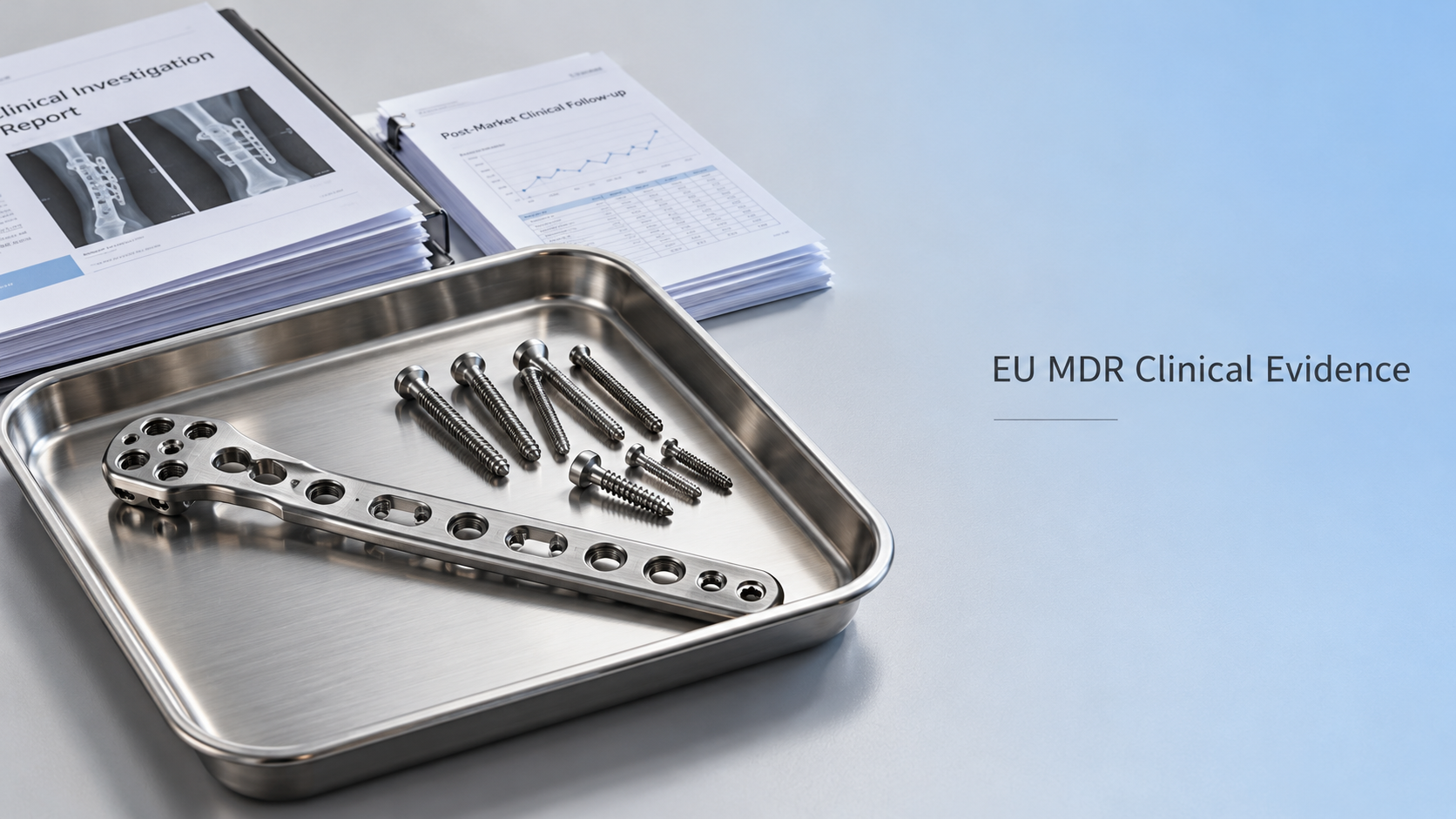
- Regulators want stronger proof linking design claims to biological and clinical performance.
- Pricing systems, including VBP logic, are forcing sharper differentiation beyond brand reputation.
As a result, smart minimally invasive technology is entering a more disciplined growth phase.
Innovation still matters, but unsupported innovation is losing ground.
The real drivers sit at the intersection of data, materials, and compliance
The next wave of smart minimally invasive technology is being built on quiet technical advances.
Some come from software, but many come from materials and process control.
This is where market narratives become more practical.
That combination explains why some seemingly mature categories are becoming innovative again.
A stapler with better tissue interaction can defend value.
A catheter with stable hydrophilic behavior can shift adoption patterns.
A dressing linked to faster tissue reconstruction can change the economics of recovery.
Impact is spreading across five closely watched application zones
The effects of smart minimally invasive technology are not evenly distributed.
Some categories gain through procedural sophistication.
Others gain through better healing quality and lower complication risk.
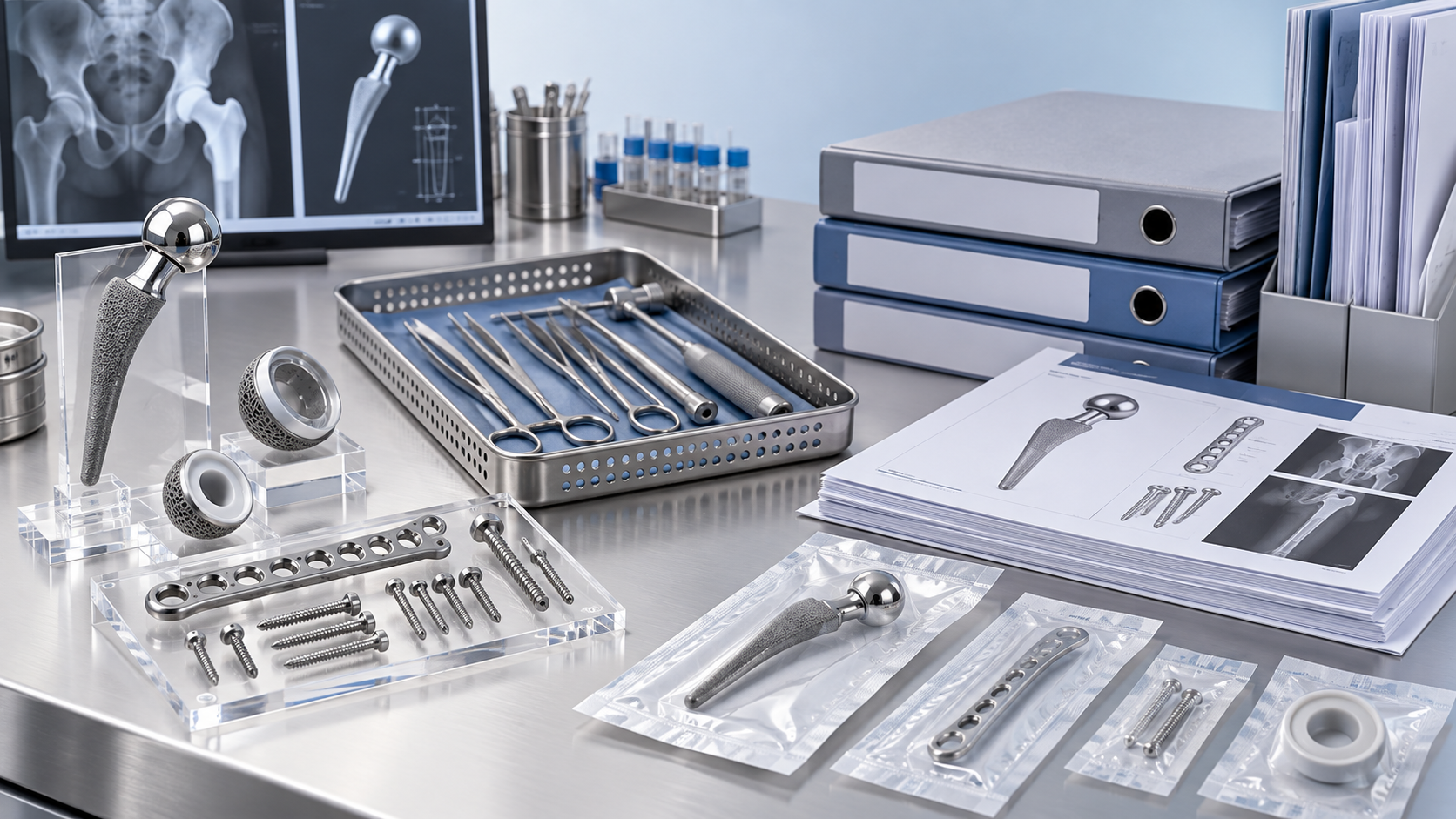
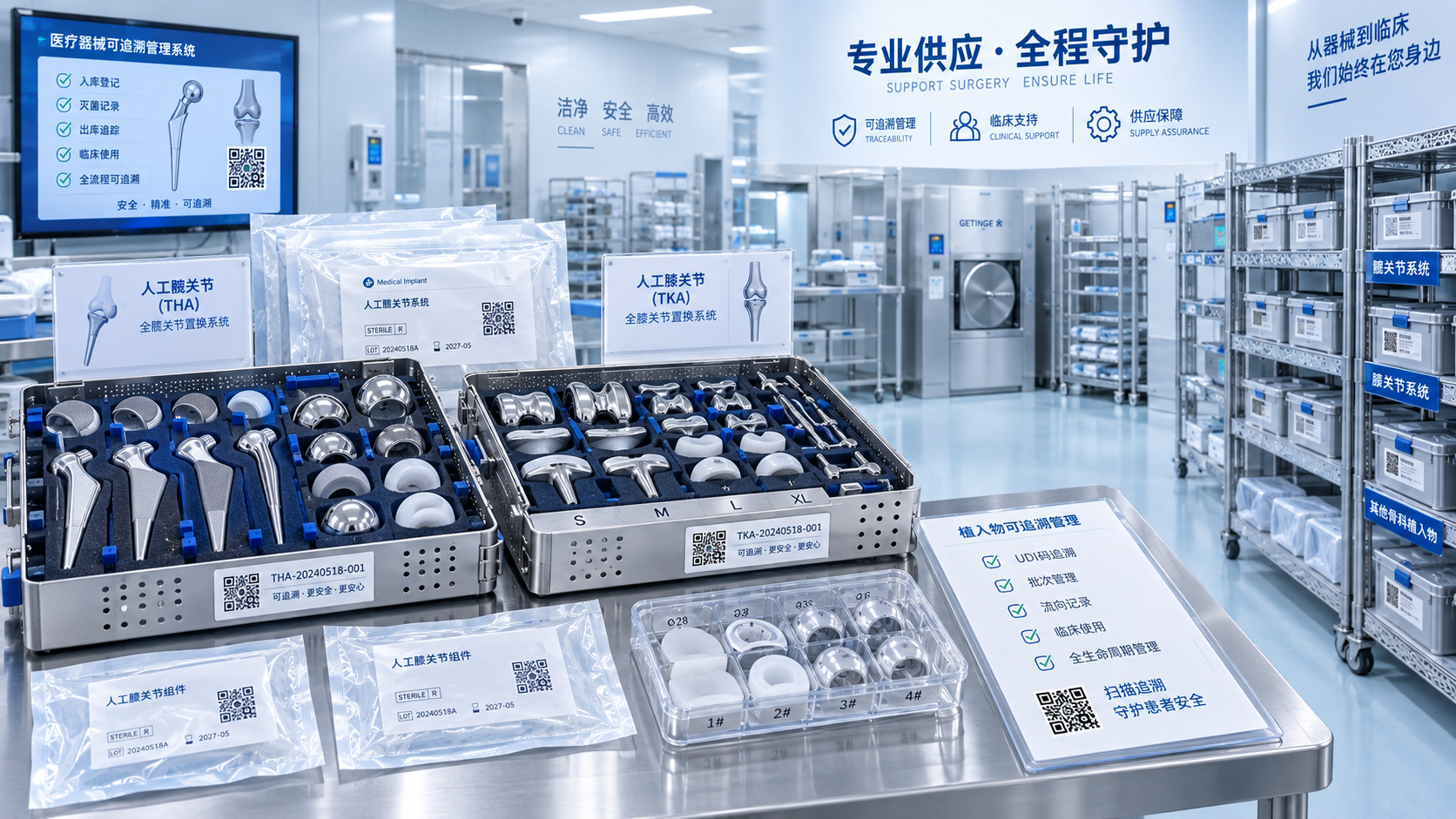
Orthopedic implants and instruments
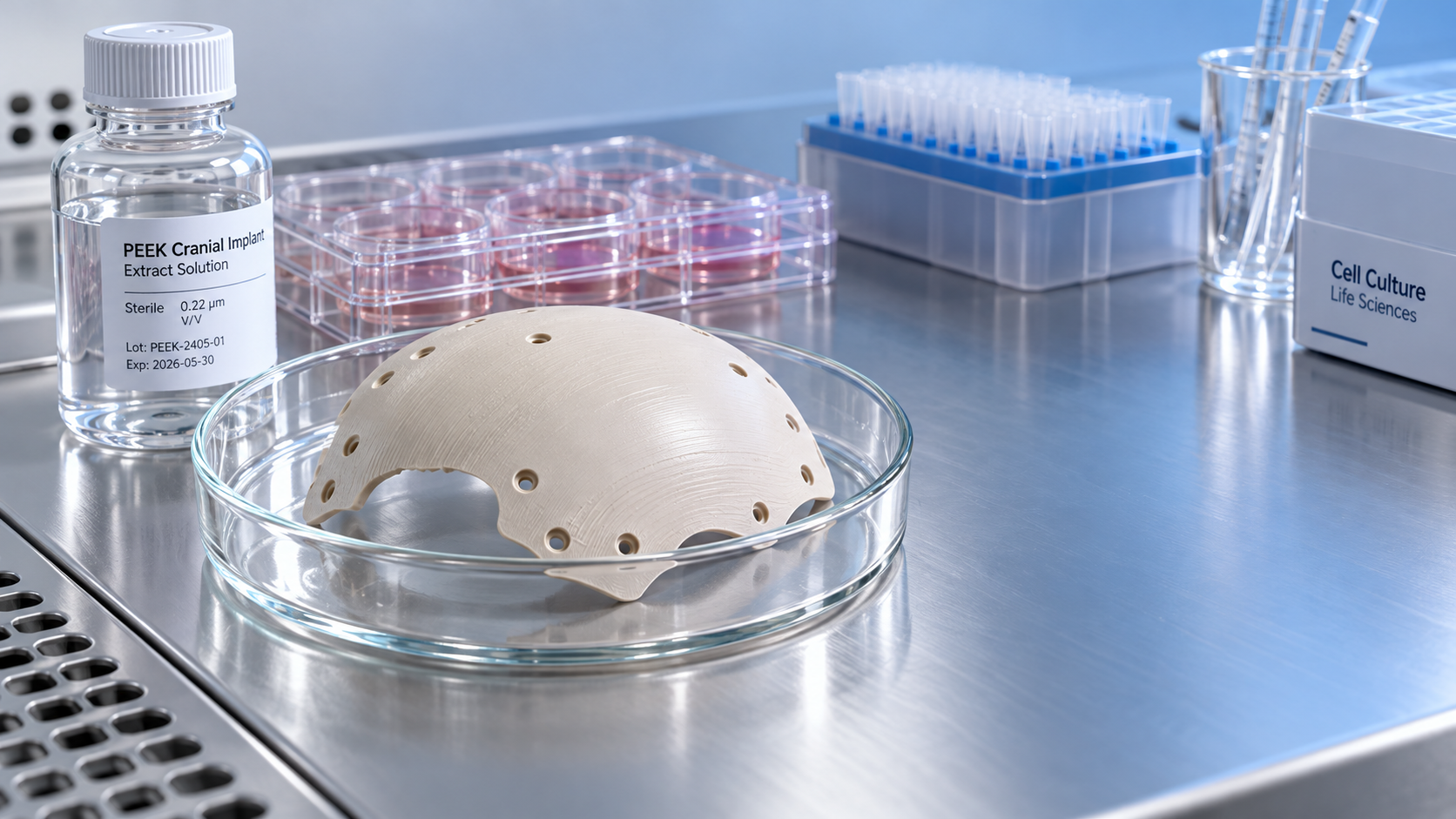
Navigation, personalized fit, and porous structures are becoming commercially linked.
The opportunity is not just implantation efficiency.
It is better osseointegration with fewer downstream revisions.
Cardiovascular intervention
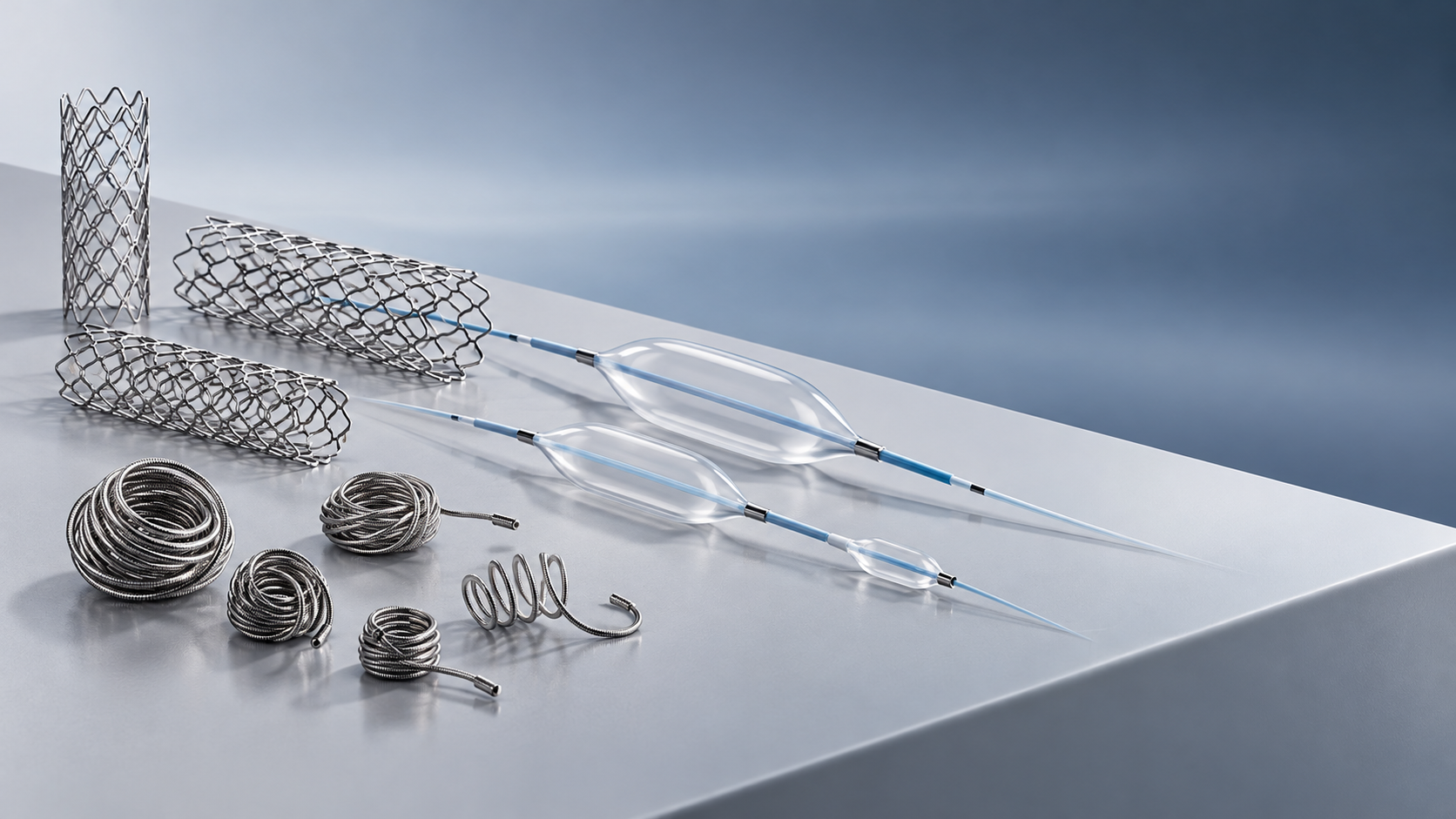
Smart minimally invasive technology is pushing DES, TAVR, and delivery systems toward higher procedural confidence.
In this segment, tiny design improvements can have major market consequences.
Trackability, crossing profile, and deployment accuracy now influence value discussions more than headline novelty.
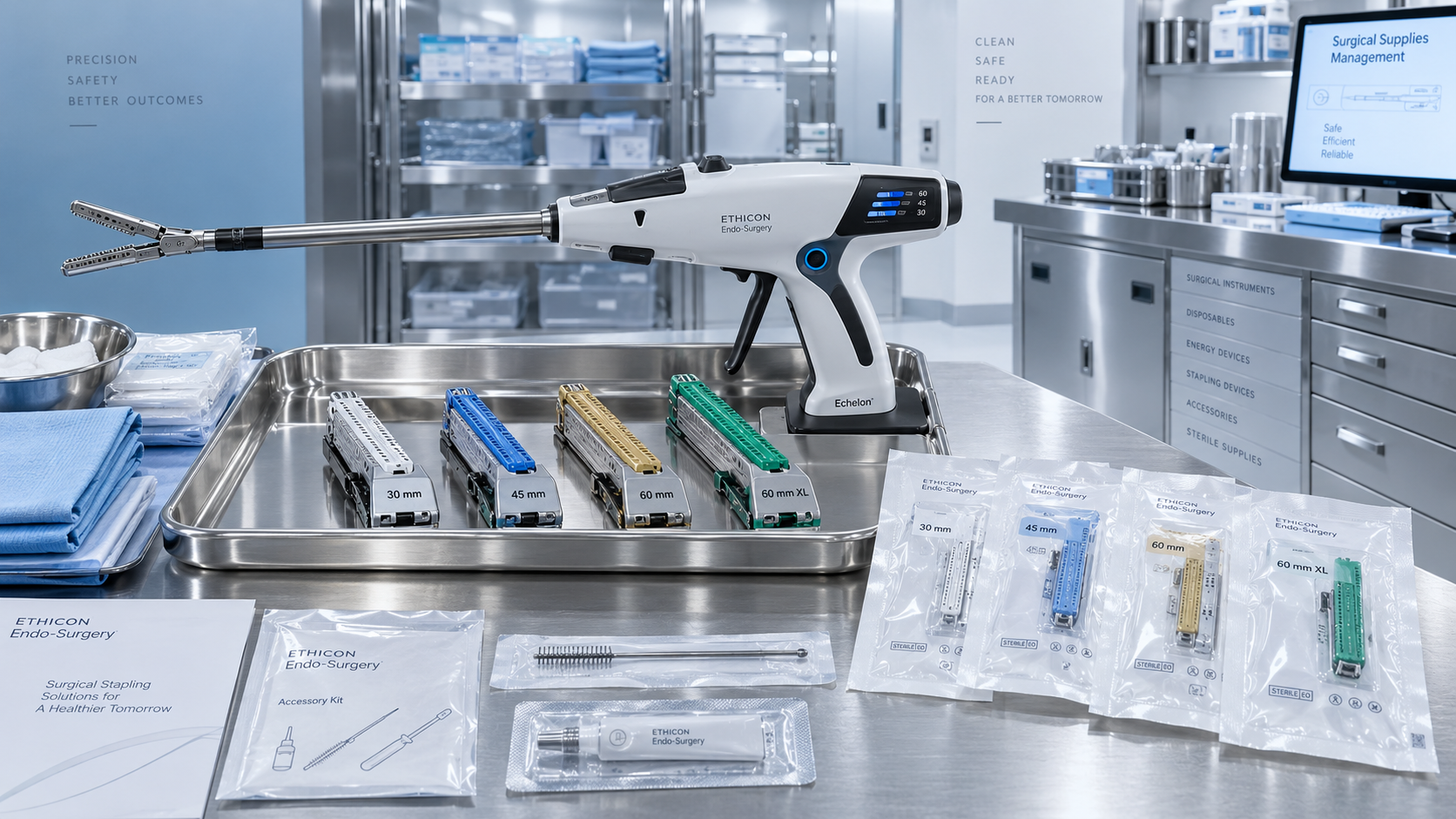
Stapling systems
This category is moving from mechanical reliability toward intelligent consistency.
Pressure distribution, staple formation quality, and leak-risk reduction are becoming stronger differentiators.
Polymer catheters
Catheter competition is increasingly material-driven.
Flexibility without kinking, anti-thrombotic behavior, and coating durability are central to future positioning.
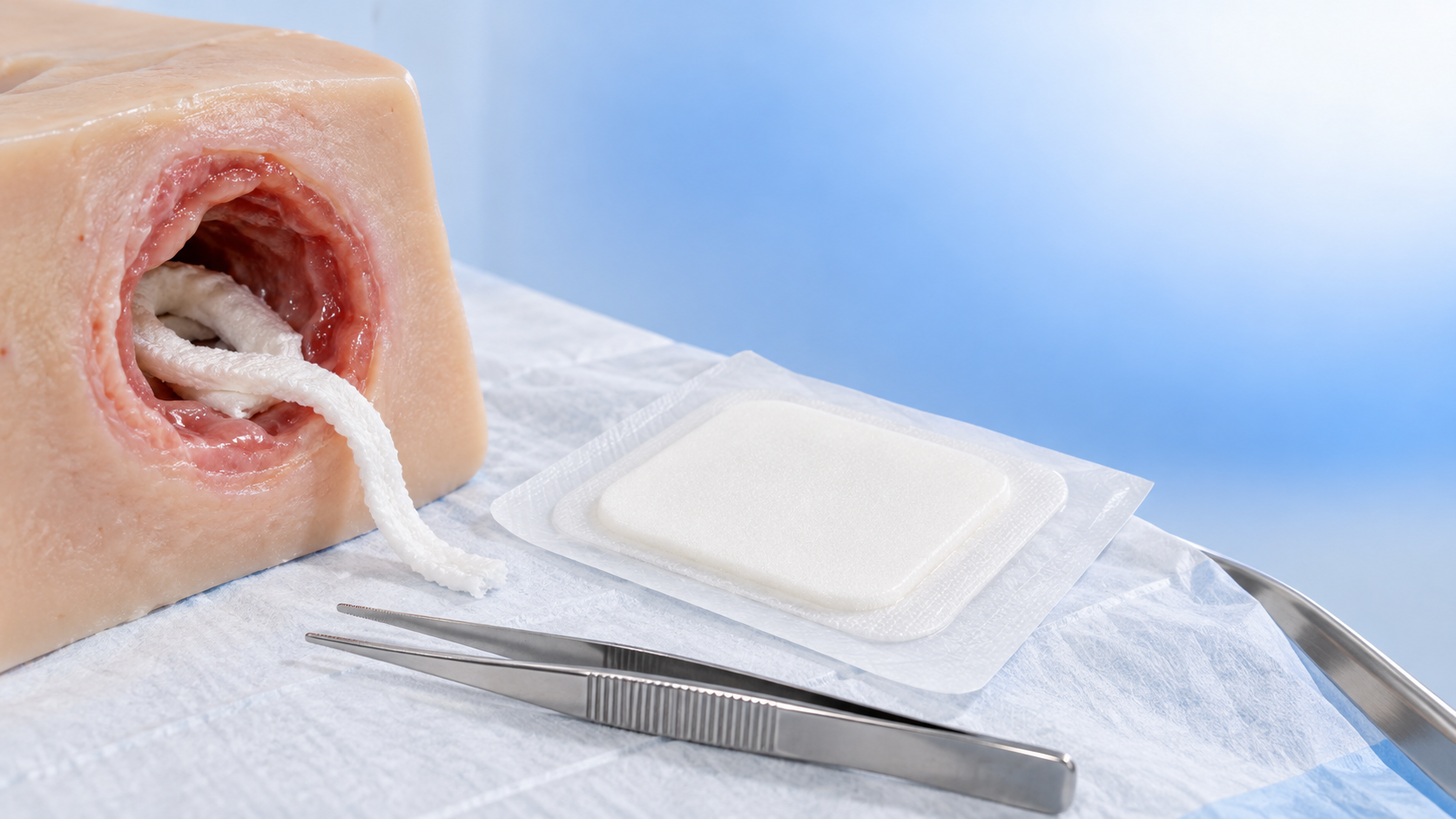
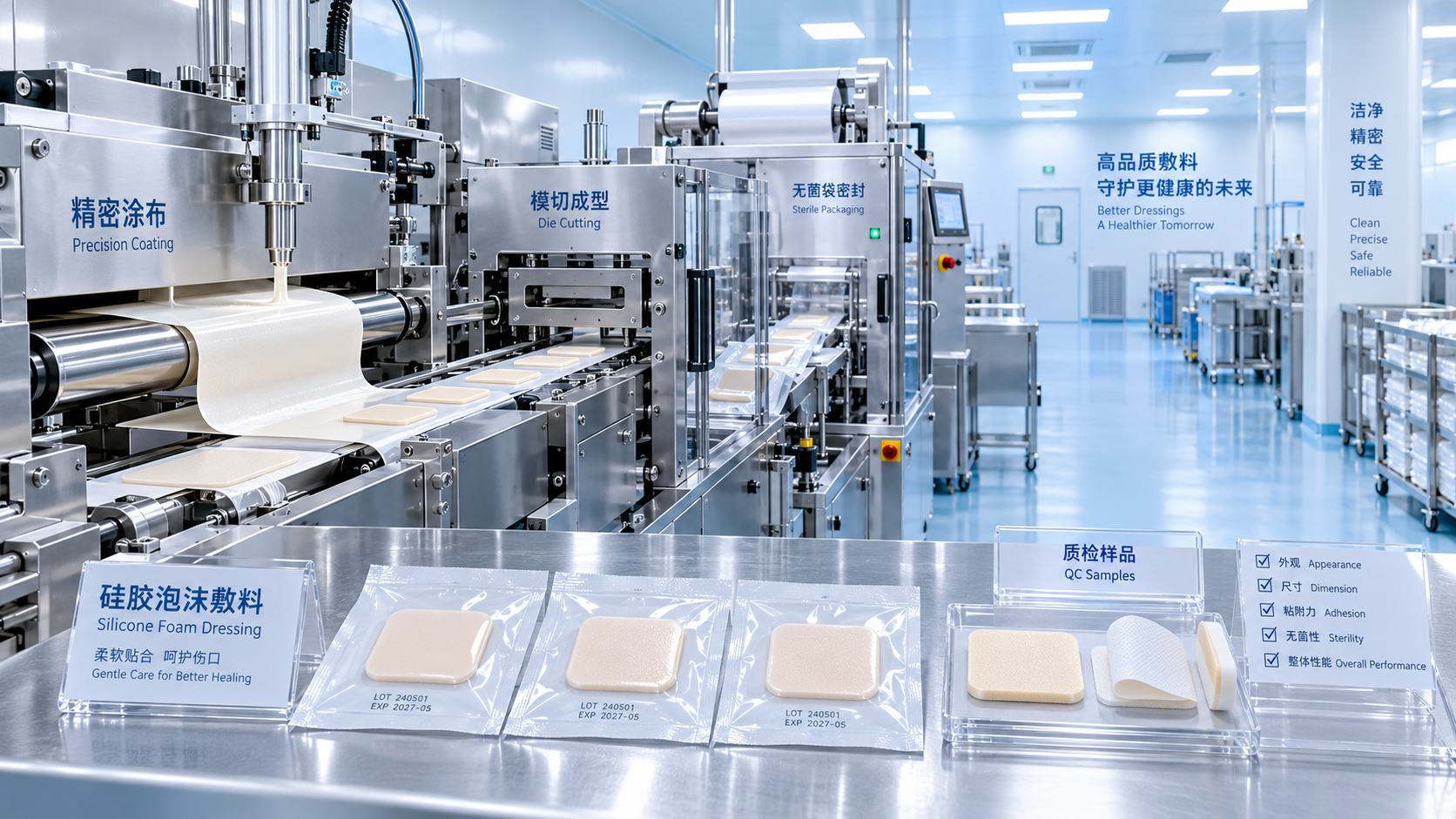
Advanced dressings and wound care
This area benefits from the same logic as intervention.
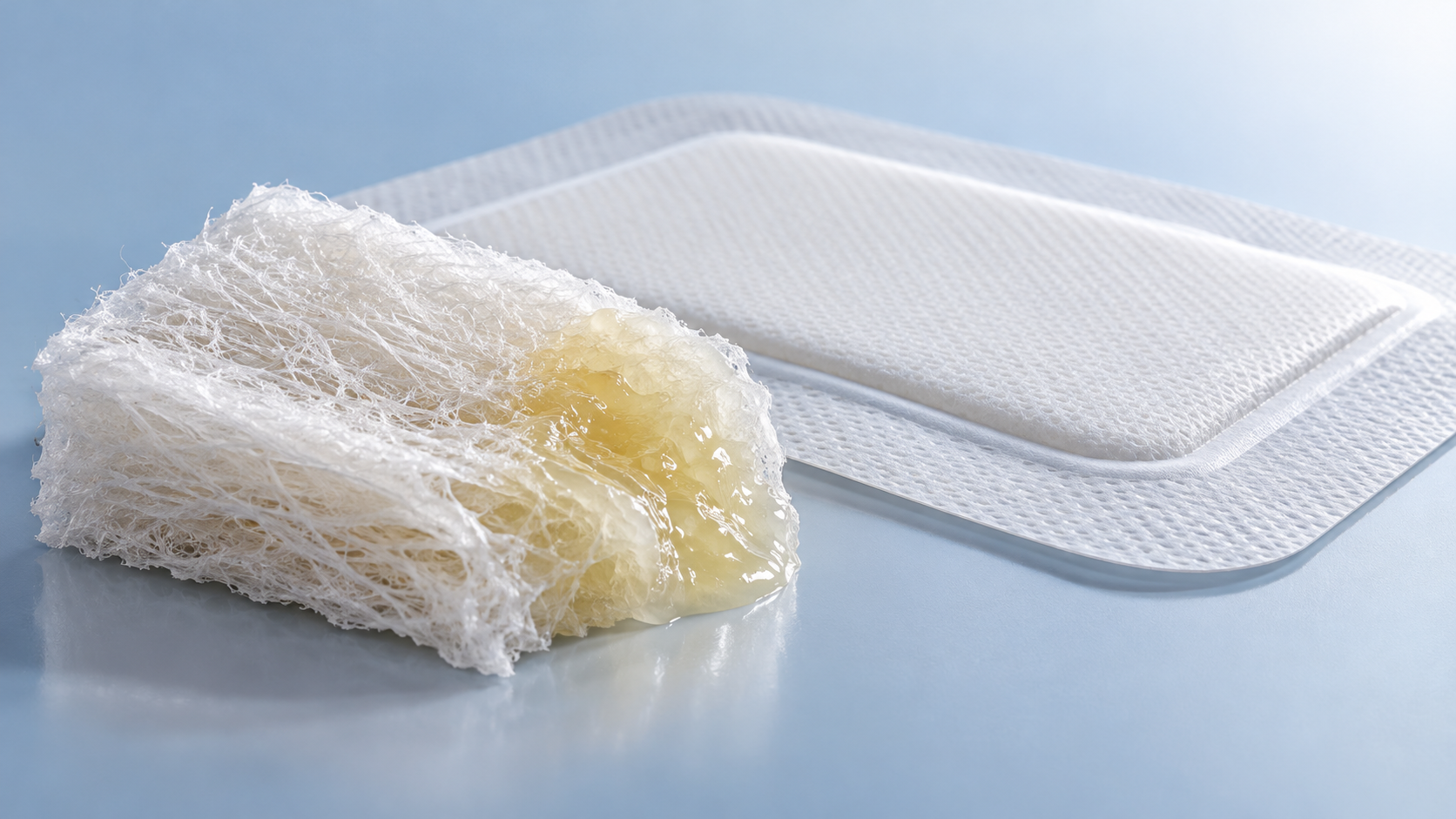
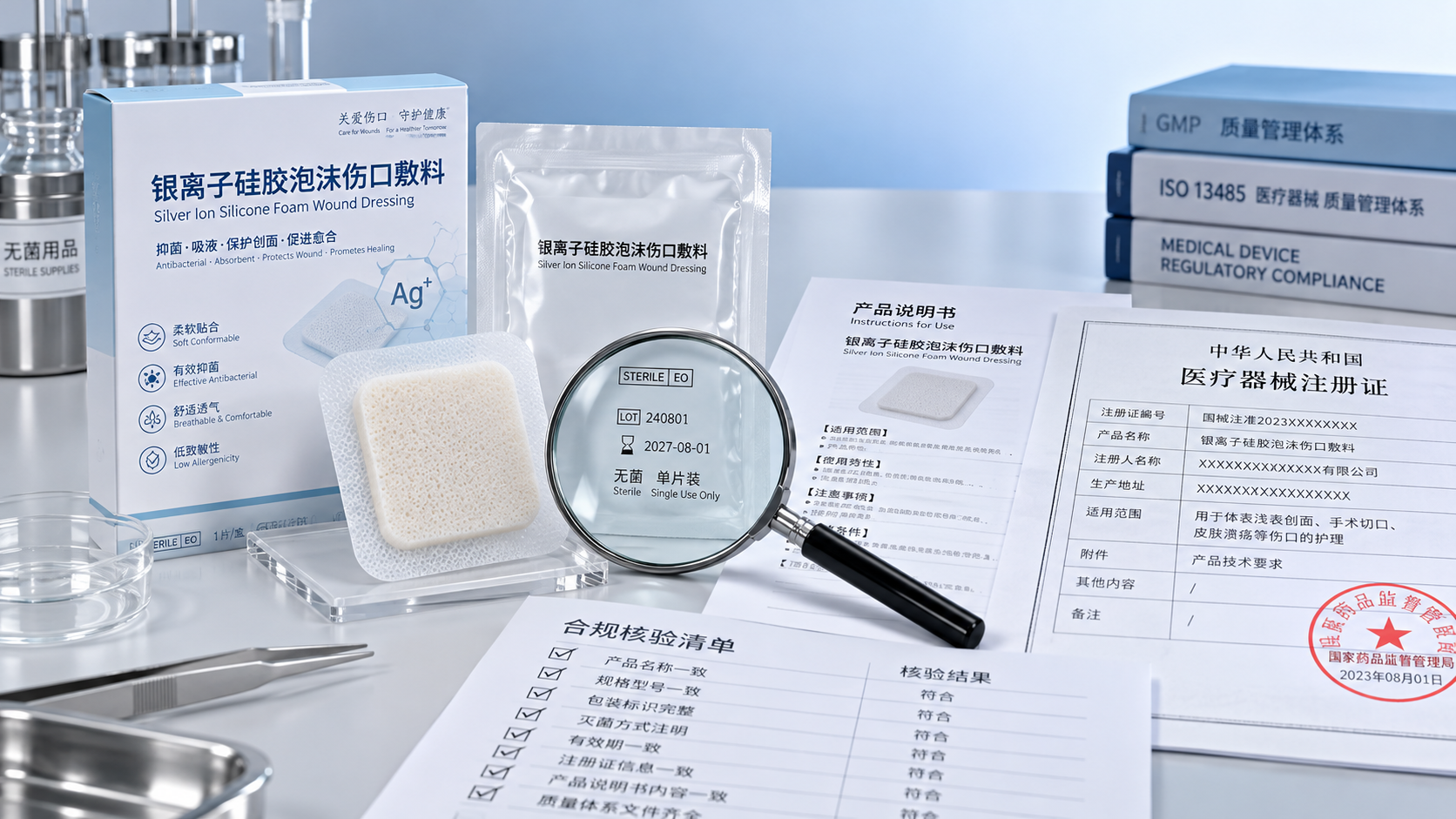
If recovery quality becomes a strategic metric, then NPWT, silicone foams, silver-ion systems, and alginates gain broader relevance.
The pricing environment is forcing a sharper definition of premium value
One of the biggest 2026 realities is that smart minimally invasive technology must justify itself under cost control.
That changes how value is framed.
A premium position cannot rely only on engineering language.
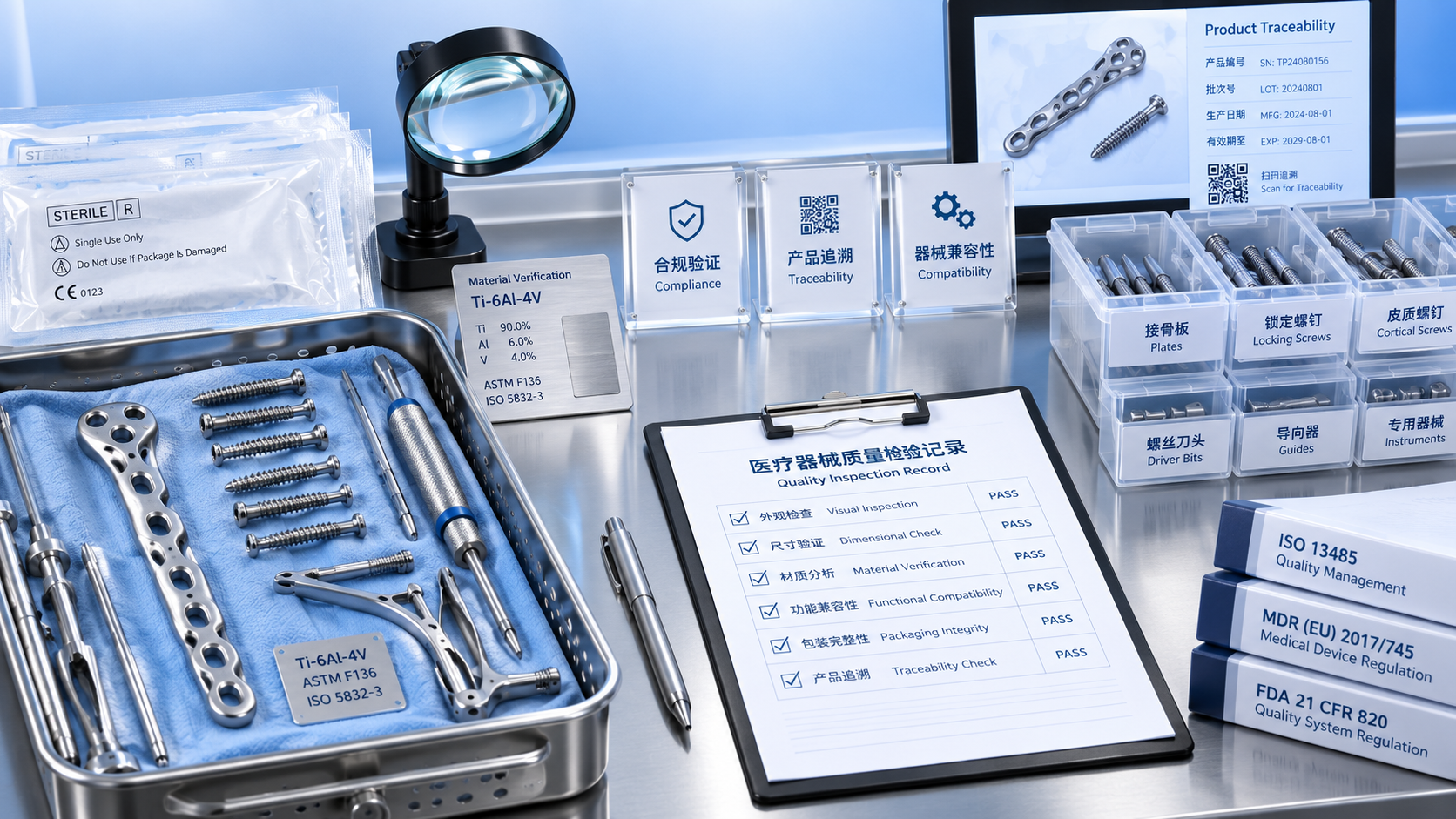
It needs clinical durability, regulatory resilience, and procurement logic that survives scrutiny.
This is where the IMCS perspective becomes useful.
The portal’s focus on toxicology validation, CER interpretation, and VBP scenario mapping reflects the actual decision environment.
In practical terms, smart minimally invasive technology wins when it can prove three things at once.
- The material system remains biologically safe over the intended use cycle.
- The procedure outcome is measurably better or more predictable.
- The economic profile still makes sense in a tender-sensitive market.
If one of these three pillars is missing, premium positioning becomes fragile.
What deserves closer attention over the next planning cycle
From a forward-looking view, the most useful signals are often operational rather than promotional.
Several deserve sustained tracking.
- Whether smart minimally invasive technology is reducing complications, not just shortening procedures.
- Whether coating, polymer, or porous material innovations create new validation burdens.
- Whether regulatory pathways are becoming easier for incremental upgrades or harder for hybrid designs.
- Whether VBP-style pricing pressure shifts volume toward standardized products or preserves islands of technical premium.
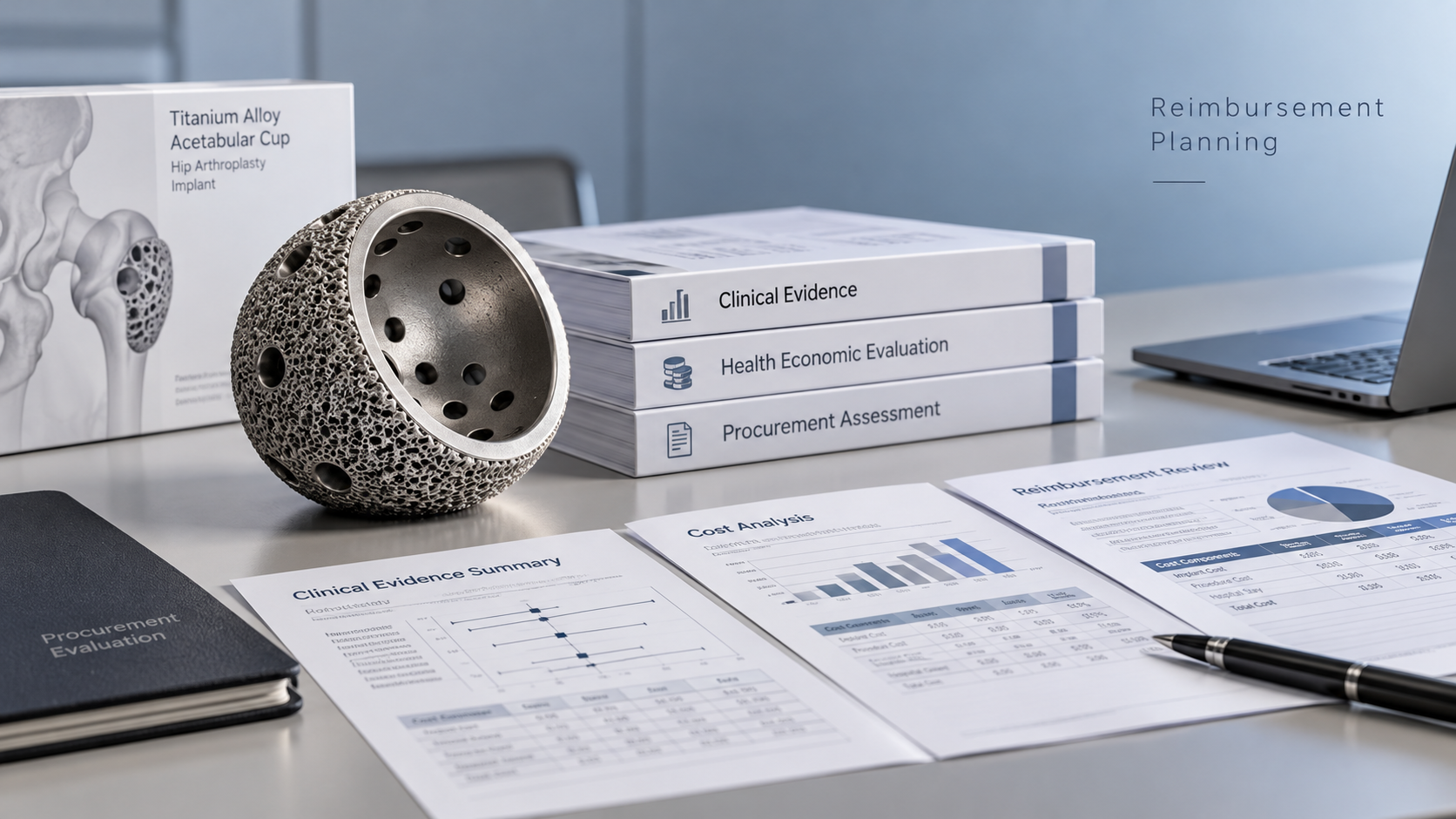
- Whether post-procedure recovery data can be converted into defendable reimbursement and procurement arguments.
More importantly, these signals should be read together.
A strong product story without regulatory depth is vulnerable.
A compliant product without measurable clinical differentiation is equally exposed.
A practical reading of where smart minimally invasive technology is heading
The 2026 direction is clearer than it first appears.
Smart minimally invasive technology is becoming less about isolated device intelligence and more about integrated procedural credibility.
The winners are likely to be those that combine material science, precision engineering, recovery impact, and evidence discipline.
That is especially true in sectors where every micron, coating layer, and biological interaction affects downstream performance.
A sensible next step is to map opportunity by category, then test each category against three filters.
Check where clinical need is becoming more complex.
Check where evidence standards are tightening fastest.
Check where premium value can still be defended against pricing pressure.
That framework gives smart minimally invasive technology a clearer commercial meaning than trend language alone ever could.
Get weekly intelligence in your inbox.
No noise. No sponsored content. Pure intelligence.
News Recommendations
 Oct 26, 2026Can a single approval cover life science product sales worldwide?Can a single approval cover life science product sales worldwide?
 Oct 25, 2026When is sensitization testing needed for medical device biocompatibility?When is sensitization testing needed for medical device biocompatibility?
 Oct 24, 2026How is biocompatibility tested for implantable polymer biomaterials?How is biocompatibility tested for implantable polymer biomaterials?
 Oct 23, 2026How to build reimbursement into an implant commercialization strategyHow to build reimbursement into an implant commercialization strategy
 Oct 22, 2026What clinical evidence do implants need for CE marking under EU MDR?What clinical evidence do implants need for CE marking under EU MDR?
 Oct 21, 2026How to choose disposable laparoscopic stapler reloads for thick tissueHow to choose disposable laparoscopic stapler reloads for thick tissue
 Oct 20, 2026How to assess medical polymer biocompatibility under ISO 10993How to assess medical polymer biocompatibility under ISO 10993
 Oct 19, 2026How do interventional device categories differ in clinical use?How do interventional device categories differ in clinical use?
 Oct 18, 2026When to choose alginate dressings for heavily exuding chronic woundsWhen to choose alginate dressings for heavily exuding chronic wounds
 Oct 17, 2026How is biocompatibility tested for custom medical-grade PEEK implants?How is biocompatibility tested for custom medical-grade PEEK implants?
 Oct 16, 2026How to check a wound healing materials supplier’s biocompatibility dataHow to check a wound healing materials supplier’s biocompatibility data
 Oct 15, 2026How to verify the FDA clearance status of silver wound dressingsHow to verify the FDA clearance status of silver wound dressings
 Oct 14, 2026How to register orthopedic implants and instruments in Latin AmericaHow to register orthopedic implants and instruments in Latin America
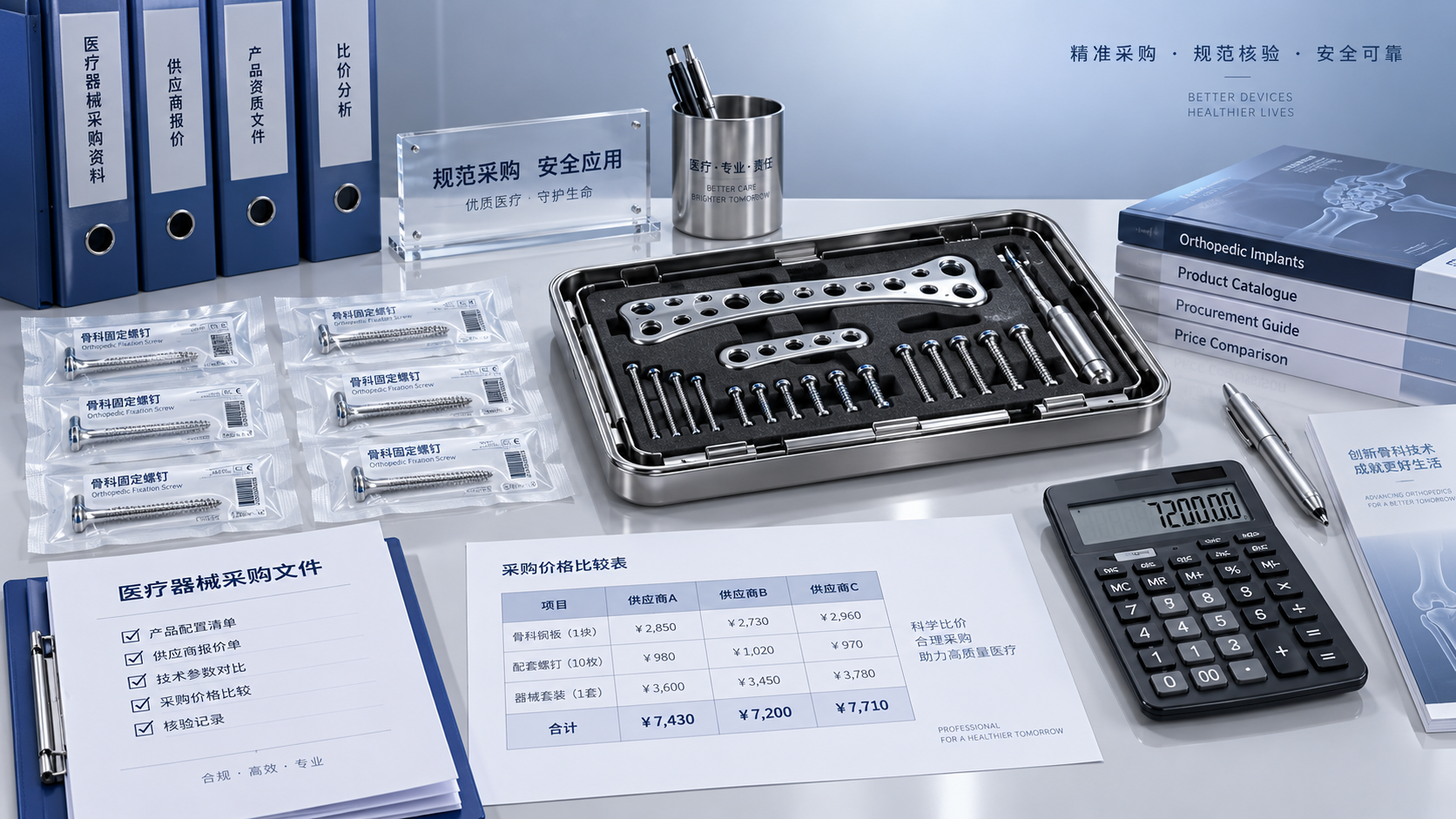
 Oct 13, 2026How to use a device market intelligence database to benchmark VBP pricesHow to use a device market intelligence database to benchmark VBP prices
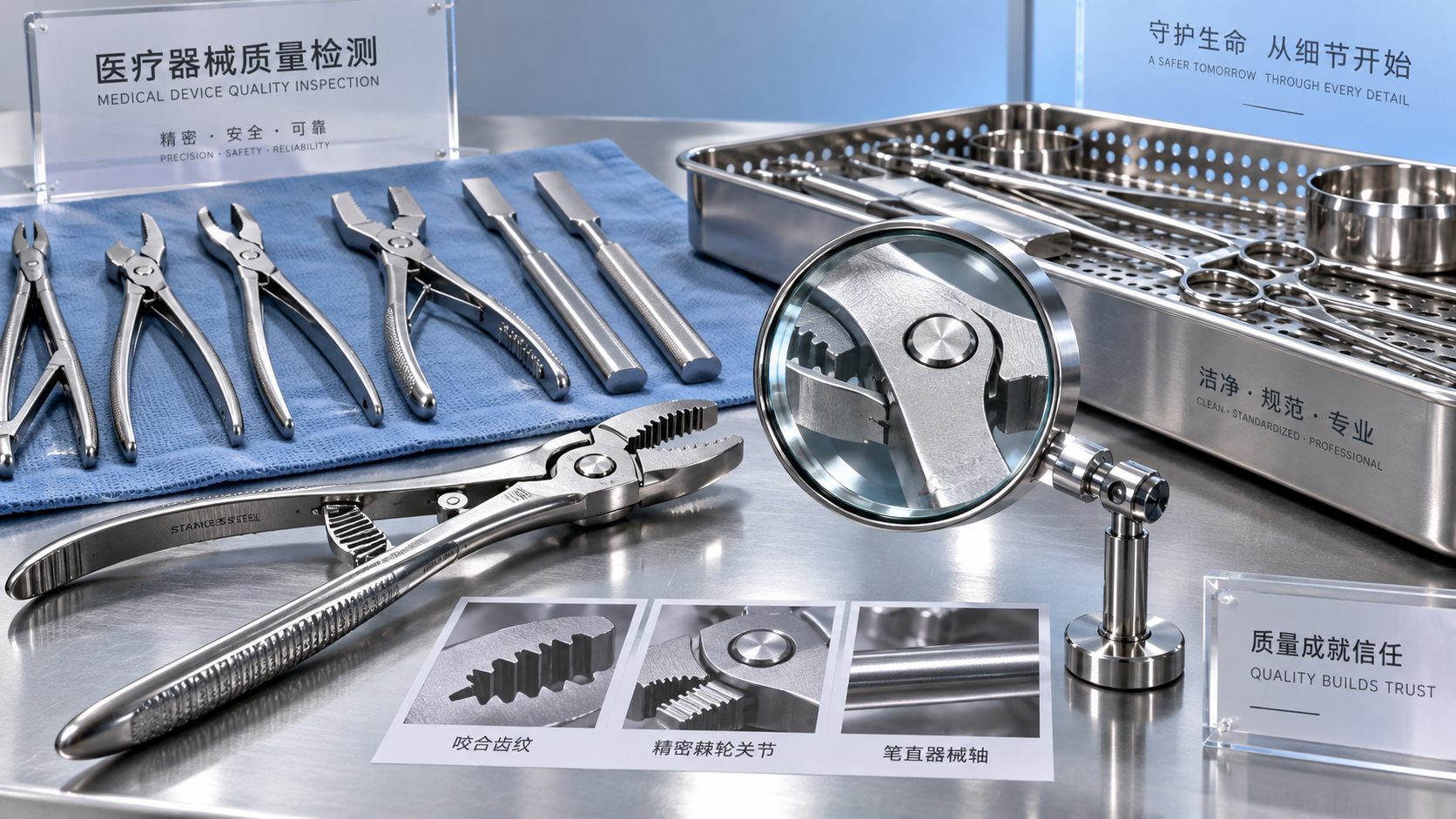
 Oct 12, 2026When should stainless steel orthopedic instruments be replaced?When should stainless steel orthopedic instruments be replaced?
 Oct 11, 2026When are alginate dressings rope the right choice for cavity wounds?When are alginate dressings rope the right choice for cavity wounds?
 Oct 10, 2026When smart minimally invasive technology improves catheter accessWhen smart minimally invasive technology improves catheter access
 Oct 08, 2026Clinical evaluation requirements for cardiovascular implant devices in EuropeClinical evaluation requirements for cardiovascular implant devices in Europe
 Oct 07, 2026What to verify before appointing an artificial joint implants distributorWhat to verify before appointing an artificial joint implants distributor
 Oct 06, 2026How ISO 10993 guides biocompatibility testing for medical materialsHow ISO 10993 guides biocompatibility testing for medical materials
 Oct 05, 2026How to verify an orthopedic implants and instruments exporterHow to verify an orthopedic implants and instruments exporter
 Oct 04, 2026What drives surgical stapling devices price differences in hospital tenders?What drives surgical stapling devices price differences in hospital tenders?
 Oct 03, 2026How to assess a central venous catheter manufacturer's infection-control evidenceHow to assess a central venous catheter manufacturer's infection-control evidence
 Oct 02, 2026How to assess an advanced wound care factory’s quality systemHow to assess an advanced wound care factory’s quality system
 Oct 01, 2026What is driving global medical consumables demand in emerging markets?What is driving global medical consumables demand in emerging markets?
 Sep 30, 2026Implant Material Compliance Testing: Evidence Needed for Regulatory SubmissionImplant Material Compliance Testing: Evidence Needed for Regulatory Submission
 Sep 30, 2026From Corrosion to Fatigue: What Implant Materials Testing Should MeasureFrom Corrosion to Fatigue: What Implant Materials Testing Should Measure