Medical Regulatory Intelligence: How to Track Access Risks Early
Medical regulatory intelligence is moving from compliance support to market radar

In high-value medical devices, market access is no longer shaped only by approval outcomes.
It is increasingly shaped by earlier signals that appear long before a formal rejection, delay, or reimbursement cut.
That is why medical regulatory intelligence now matters well beyond the regulatory function.
For implant and consumables categories, weak signals often emerge in guidance drafts, clinical evidence expectations, tender language, and post-market scrutiny.
When those signals are missed, pricing assumptions, launch timing, and portfolio expansion plans can deteriorate quickly.
This shift is especially visible in orthopedic implants, cardiovascular intervention, MIS staplers, polymer catheters, and advanced wound care.
These are the same pressure points tracked closely by IMCS, where materials science, clinical logic, and policy direction increasingly intersect.
The practical value of medical regulatory intelligence is simple.
It helps identify access risks early enough to adjust evidence strategy, pricing posture, and country sequencing before barriers become expensive.
The market is not just tightening; it is becoming more interpretive
Recent changes are not limited to stricter regulation.
A more important shift is that regulators and payers are reading similar products through different evidence lenses.
A Class III implant may meet technical expectations in one market, yet face new clinical comparability questions in another.
A device once viewed as established can suddenly be treated as evidence-sensitive after an adverse event pattern or reimbursement review.
This is where medical regulatory intelligence becomes more than policy monitoring.
It becomes interpretation tracking.
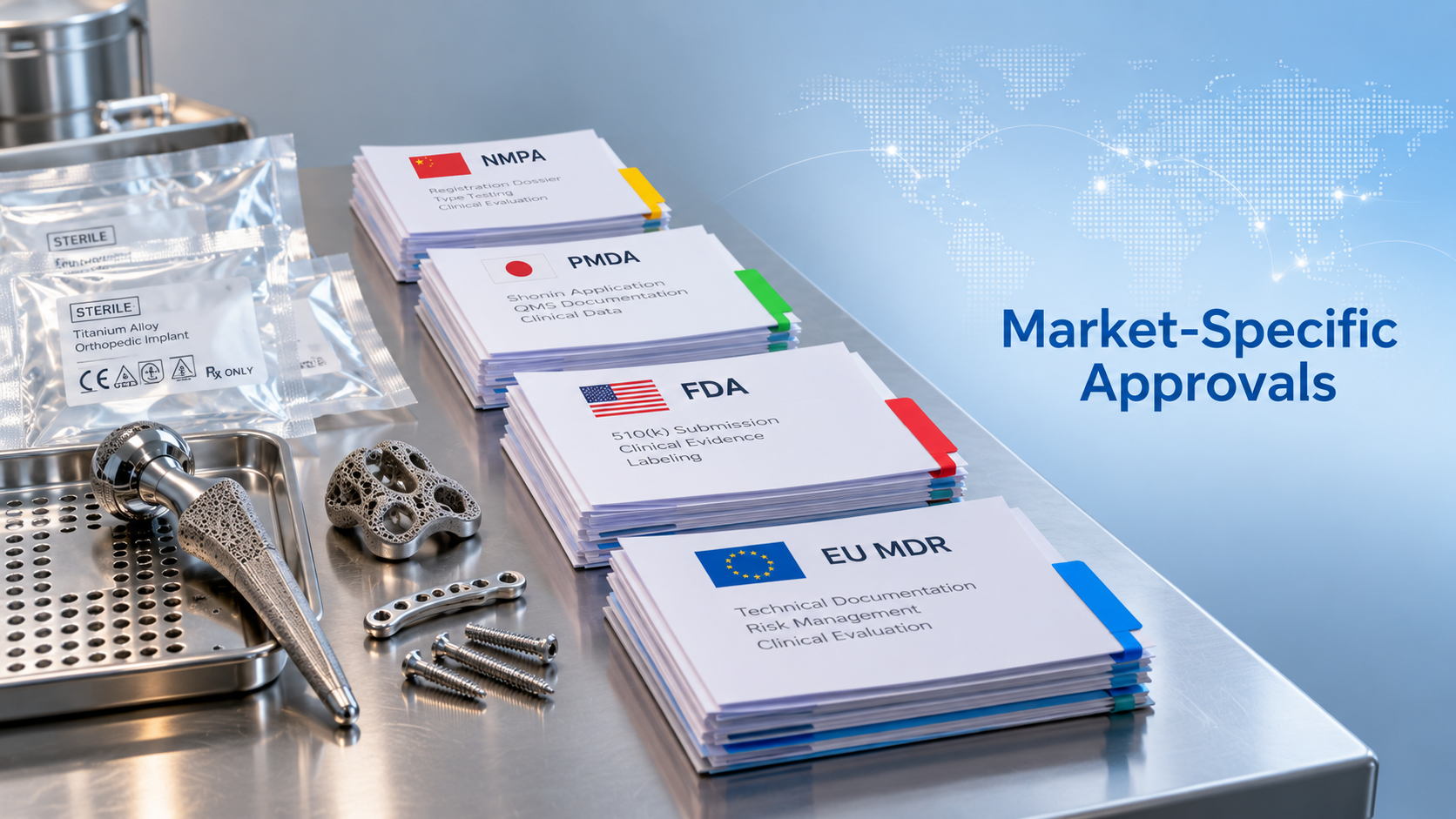
For example, CE MDR has raised the burden around CER quality and clinical depth for high-risk implants.
At the same time, VBP dynamics can push commercially successful categories into aggressive price compression, even when technology remains differentiated.
The result is a more volatile access environment.
Approval, reimbursement, and procurement no longer move as separate tracks.
The signals now appear earlier than many teams expect
From recent market behavior, several early indicators are appearing before formal disruption.
- Clinical reviewers ask for stronger subgroup relevance, not just larger evidence volume.
- Biocompatibility discussions move upstream when new coatings, polymers, or porous structures are introduced.
- Tender specifications begin favoring standardized outcomes over broad feature claims.
- Post-market vigilance language becomes more product-specific, especially in long-term implant categories.
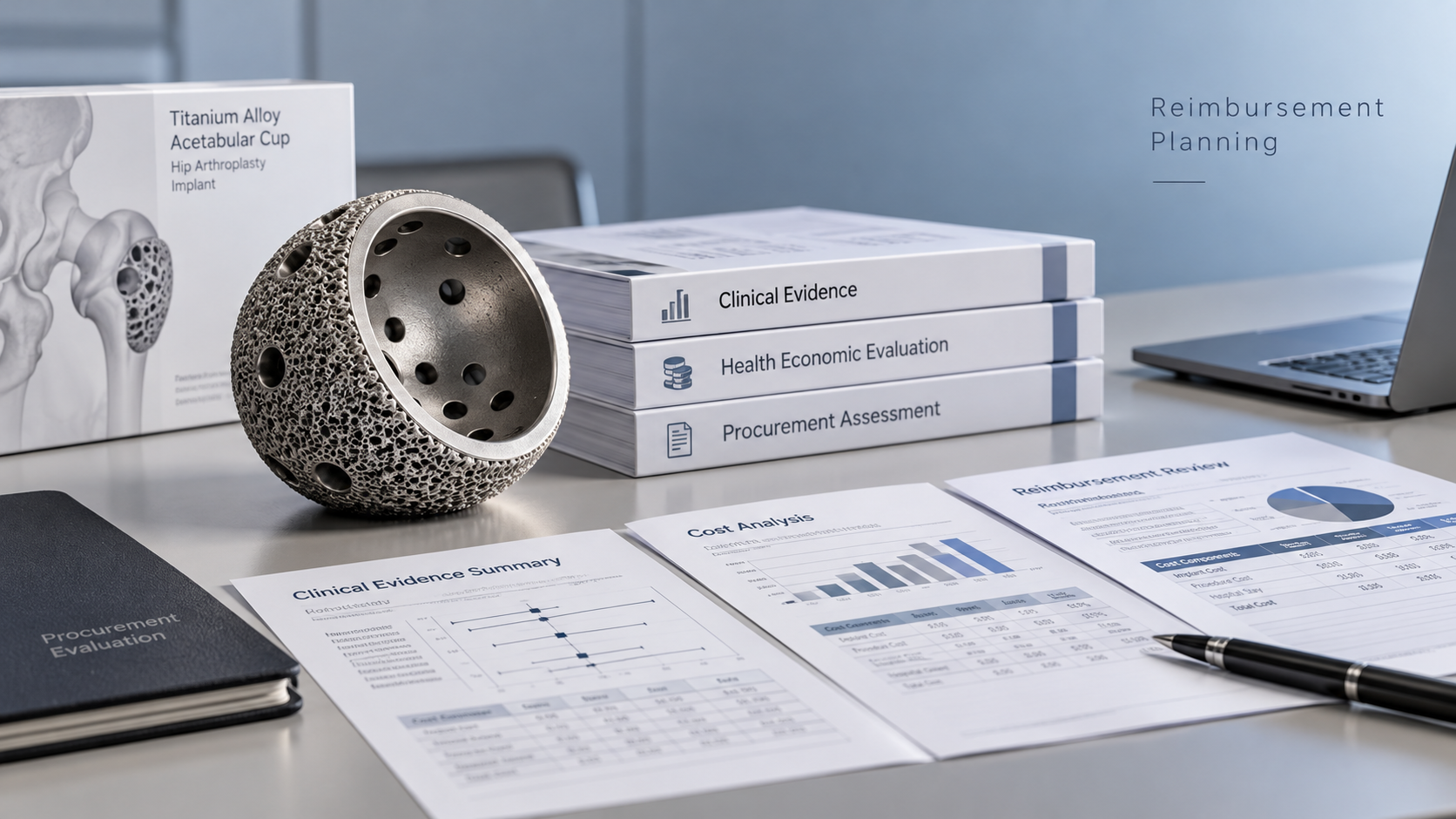
- Reimbursement reviews increasingly question premium pricing without durable utilization evidence.
Each of these shifts can look minor in isolation.
Together, they often signal future access friction.
Why the pressure is intensifying across high-value consumables
The current environment is being shaped by several forces at once.
Cost control is one driver, but it is not the only one.
The deeper change is that safety, evidence, manufacturing precision, and budget accountability now interact more directly.
This combination is especially consequential for products that sit at the border of engineering complexity and long-term patient dependency.
That includes stents, TAVR systems, spinal implants, porous joints, staplers, catheters, and advanced dressings with active healing functions.
The impact does not stay inside regulatory teams
One of the most overlooked realities is how quickly access risk spreads across business assumptions.
A delayed evidence requirement can change valuation models.
A revised tender rule can alter manufacturing utilization forecasts.
A narrower reimbursement interpretation can compress gross margin before volume scales.
Medical regulatory intelligence is therefore most useful when it informs decisions before budgets and timelines harden.
Different product groups feel the pressure differently
Orthopedic implants often face durability, revision burden, and biomaterial questions.
Cardiovascular devices carry intense clinical endpoint sensitivity and procurement exposure.
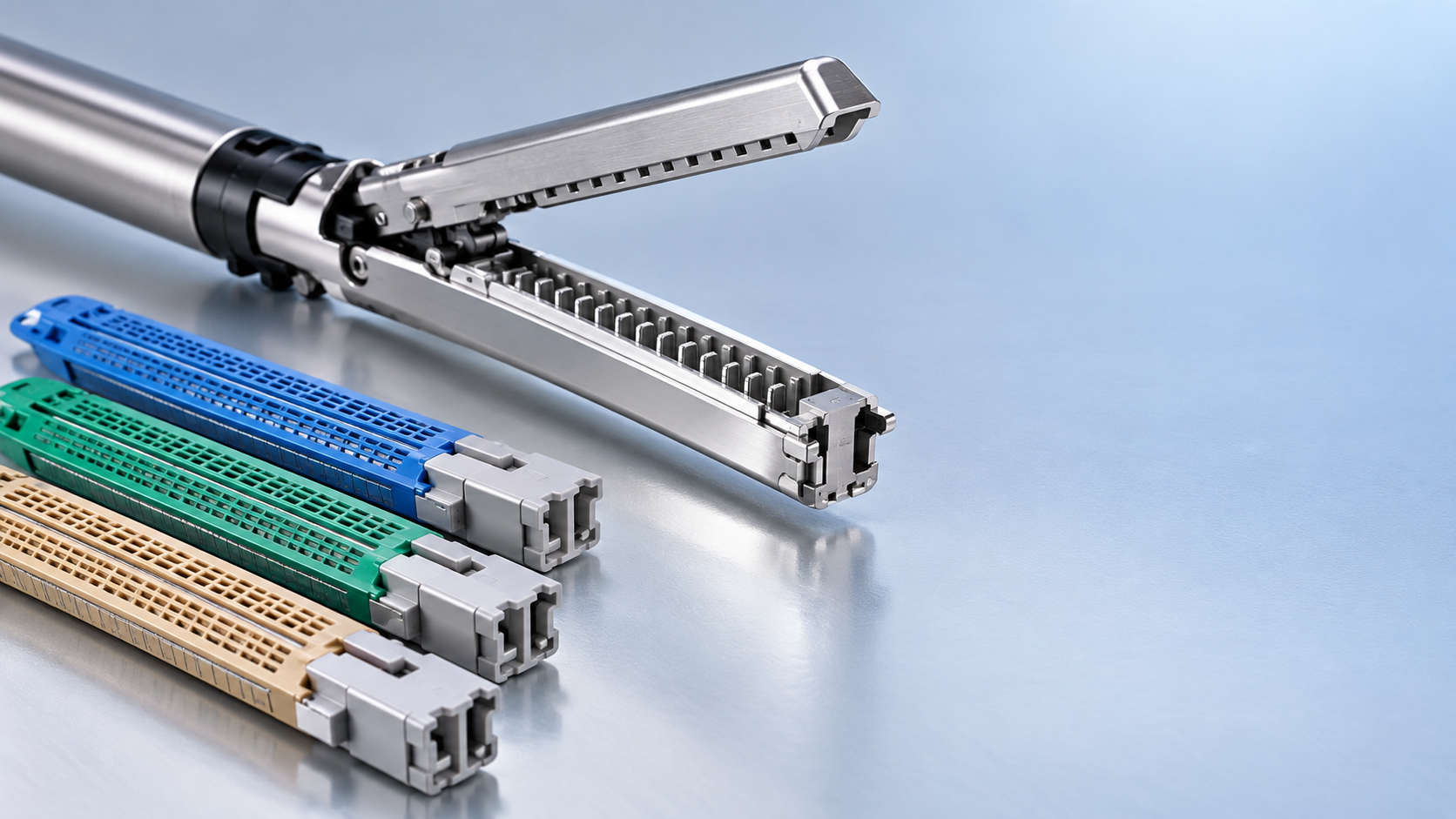
MIS staplers and catheters may look operationally mature, yet tender definitions can quickly reshape perceived substitutability.
Advanced wound care products encounter another pattern.
Their access path can shift when payers demand stronger healing economics rather than broad therapeutic narratives.
This is why category-specific intelligence matters.
The IMCS approach is relevant here because it follows not only rules, but how different device classes absorb policy pressure.
What deserves closer watching over the next planning cycle
Not every policy update becomes a commercial threat.
The more useful question is which signals are likely to change access assumptions within the next planning window.
- Shifts in equivalence logic for Class III devices under stricter clinical review.
- Growing emphasis on ISO 10993 interpretation for new materials and surface technologies.
- Tender language that redefines categories into more price-comparable clusters.
- Reimbursement assessments linking premium claims to long-term outcomes, not short-term adoption.
- Real-world evidence expectations that move from optional support to strategic necessity.
More importantly, these signals should not be read one by one.
Medical regulatory intelligence becomes powerful when evidence, pricing, and policy signals are stitched into one decision view.
A stronger response starts with earlier interpretation, not later reaction
The best response is rarely a larger compliance checklist.
It is usually a better early reading of how regulation, reimbursement, and procurement are converging.
In practice, that means mapping access risk before finalizing launch priorities or price corridors.
It also means testing whether a device’s differentiation is still visible under new tender or evidence frameworks.
For businesses operating in complex implant and consumables segments, three habits are becoming essential.
- Build a signal list that includes drafts, CER interpretation, VBP movement, and post-market alerts.
- Review access assumptions by product category, not by using one global regulatory template.
- Translate medical regulatory intelligence into scenario decisions for timeline, price, and evidence investment.
That is where early warning becomes strategic advantage.
The next step is not to watch more data indiscriminately.
It is to watch the right signals, compare them across markets, and revisit assumptions before access friction becomes visible in revenue.
In a field where biocompatibility, micron-level precision, and Class III scrutiny meet cost control, medical regulatory intelligence is no longer optional background work.
It is one of the clearest ways to protect market entry quality and long-term portfolio resilience.
Get weekly intelligence in your inbox.
No noise. No sponsored content. Pure intelligence.
News Recommendations
 Oct 26, 2026Can a single approval cover life science product sales worldwide?Can a single approval cover life science product sales worldwide?
 Oct 25, 2026When is sensitization testing needed for medical device biocompatibility?When is sensitization testing needed for medical device biocompatibility?
 Oct 24, 2026How is biocompatibility tested for implantable polymer biomaterials?How is biocompatibility tested for implantable polymer biomaterials?
 Oct 23, 2026How to build reimbursement into an implant commercialization strategyHow to build reimbursement into an implant commercialization strategy
 Oct 22, 2026What clinical evidence do implants need for CE marking under EU MDR?What clinical evidence do implants need for CE marking under EU MDR?
 Oct 21, 2026How to choose disposable laparoscopic stapler reloads for thick tissueHow to choose disposable laparoscopic stapler reloads for thick tissue
 Oct 20, 2026How to assess medical polymer biocompatibility under ISO 10993How to assess medical polymer biocompatibility under ISO 10993
 Oct 19, 2026How do interventional device categories differ in clinical use?How do interventional device categories differ in clinical use?
 Oct 18, 2026When to choose alginate dressings for heavily exuding chronic woundsWhen to choose alginate dressings for heavily exuding chronic wounds
 Oct 17, 2026How is biocompatibility tested for custom medical-grade PEEK implants?How is biocompatibility tested for custom medical-grade PEEK implants?
 Oct 16, 2026How to check a wound healing materials supplier’s biocompatibility dataHow to check a wound healing materials supplier’s biocompatibility data
 Oct 15, 2026How to verify the FDA clearance status of silver wound dressingsHow to verify the FDA clearance status of silver wound dressings
 Oct 14, 2026How to register orthopedic implants and instruments in Latin AmericaHow to register orthopedic implants and instruments in Latin America
 Oct 13, 2026How to use a device market intelligence database to benchmark VBP pricesHow to use a device market intelligence database to benchmark VBP prices
 Oct 12, 2026When should stainless steel orthopedic instruments be replaced?When should stainless steel orthopedic instruments be replaced?
 Oct 11, 2026When are alginate dressings rope the right choice for cavity wounds?When are alginate dressings rope the right choice for cavity wounds?
 Oct 10, 2026When smart minimally invasive technology improves catheter accessWhen smart minimally invasive technology improves catheter access
 Oct 08, 2026Clinical evaluation requirements for cardiovascular implant devices in EuropeClinical evaluation requirements for cardiovascular implant devices in Europe
 Oct 07, 2026What to verify before appointing an artificial joint implants distributorWhat to verify before appointing an artificial joint implants distributor
 Oct 06, 2026How ISO 10993 guides biocompatibility testing for medical materialsHow ISO 10993 guides biocompatibility testing for medical materials
 Oct 05, 2026How to verify an orthopedic implants and instruments exporterHow to verify an orthopedic implants and instruments exporter
 Oct 04, 2026What drives surgical stapling devices price differences in hospital tenders?What drives surgical stapling devices price differences in hospital tenders?
 Oct 03, 2026How to assess a central venous catheter manufacturer's infection-control evidenceHow to assess a central venous catheter manufacturer's infection-control evidence
 Oct 02, 2026How to assess an advanced wound care factory’s quality systemHow to assess an advanced wound care factory’s quality system
 Oct 01, 2026What is driving global medical consumables demand in emerging markets?What is driving global medical consumables demand in emerging markets?
 Sep 30, 2026Implant Material Compliance Testing: Evidence Needed for Regulatory SubmissionImplant Material Compliance Testing: Evidence Needed for Regulatory Submission
 Sep 30, 2026From Corrosion to Fatigue: What Implant Materials Testing Should MeasureFrom Corrosion to Fatigue: What Implant Materials Testing Should Measure