Smart Minimally Invasive Technology Trends Shaping Device Adoption in 2026
Smart minimally invasive technology is becoming a market signal, not just a clinical upgrade
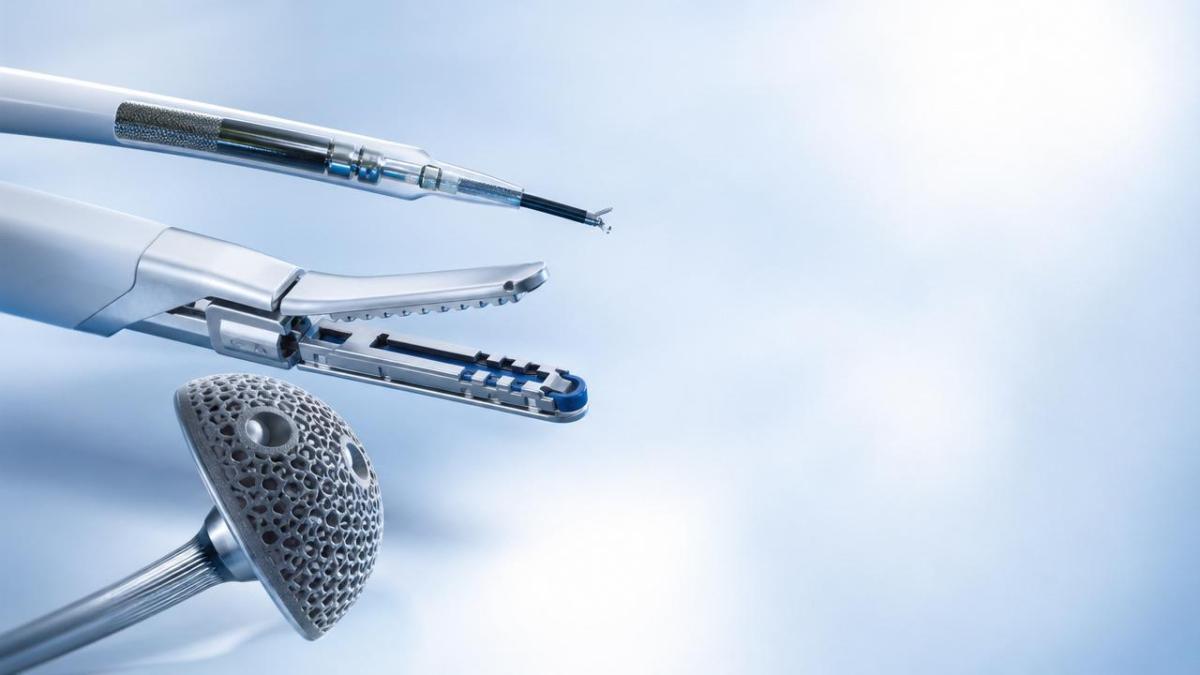
In 2026, smart minimally invasive technology is no longer discussed only in operating rooms or R&D centers.
It is becoming a strategic force behind device adoption, portfolio planning, and capital allocation across medical consumables.
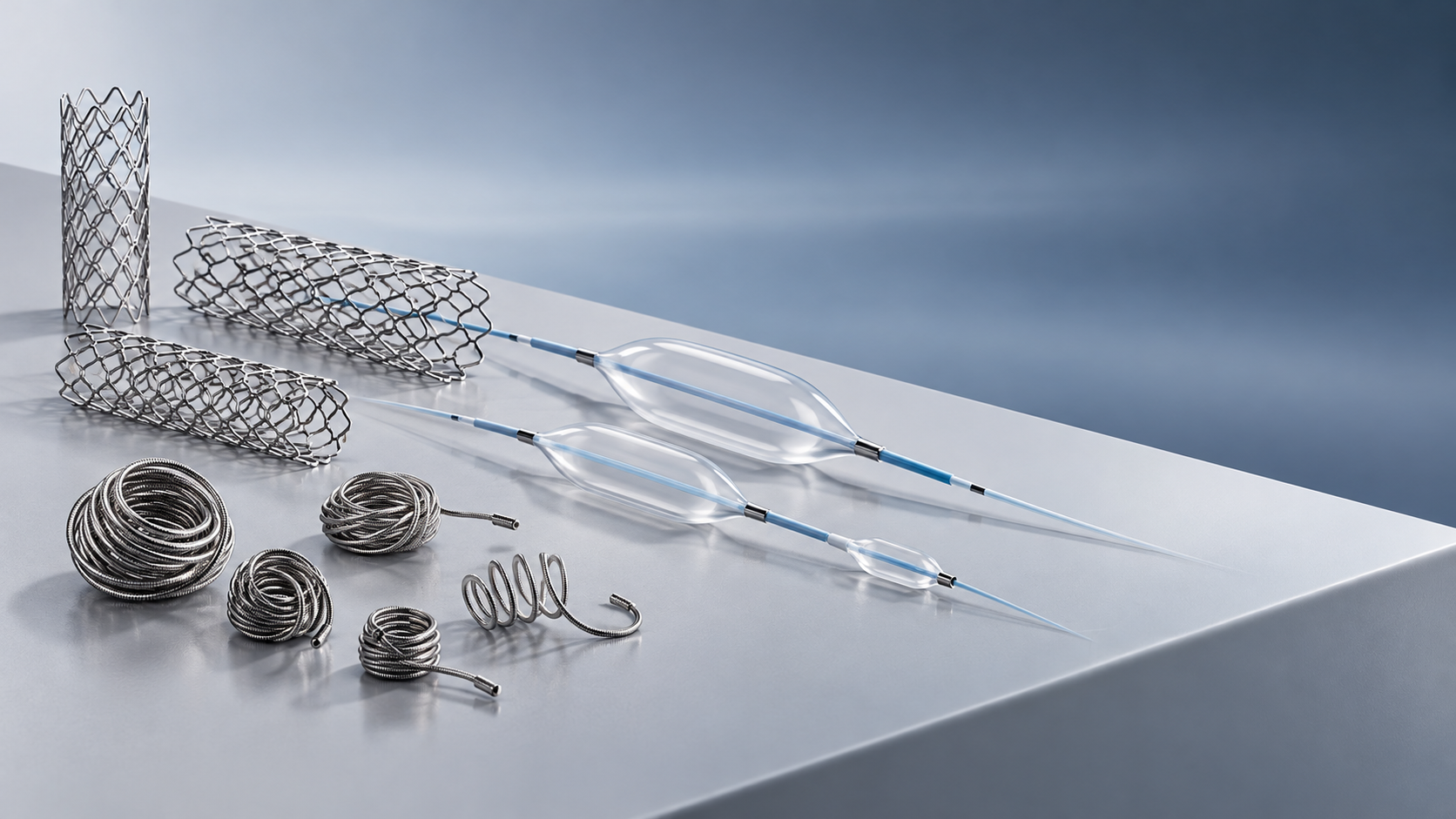
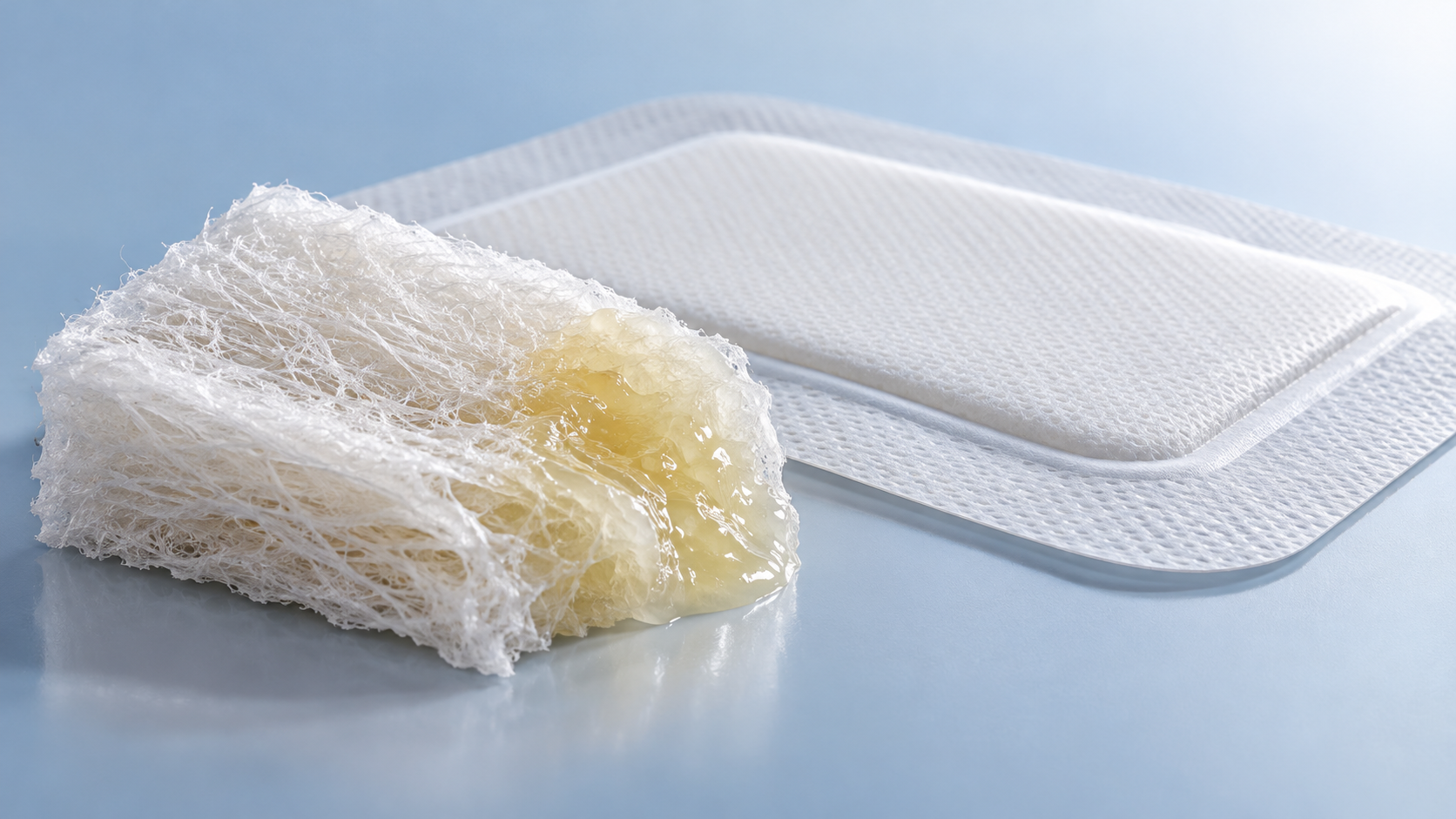
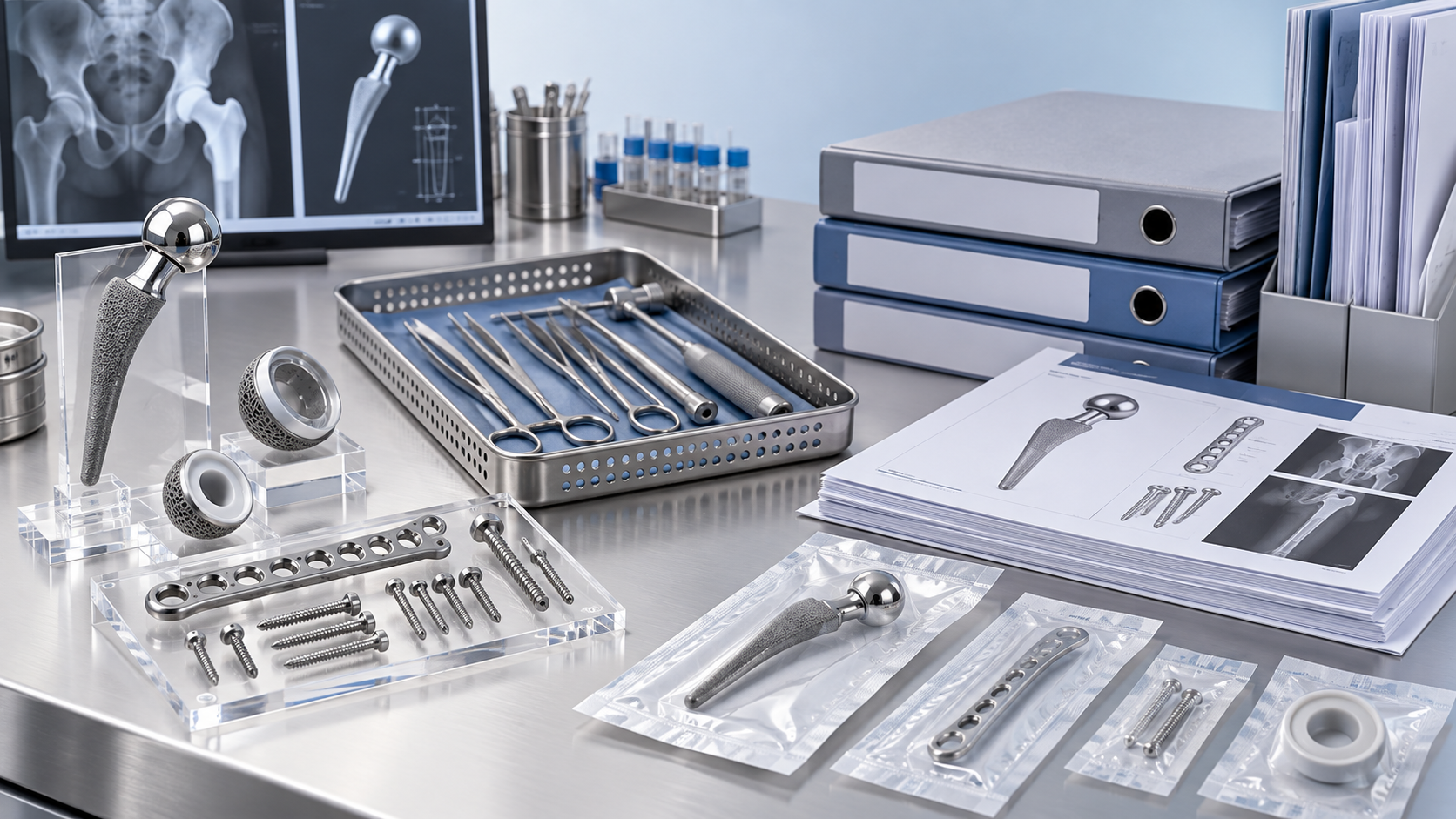
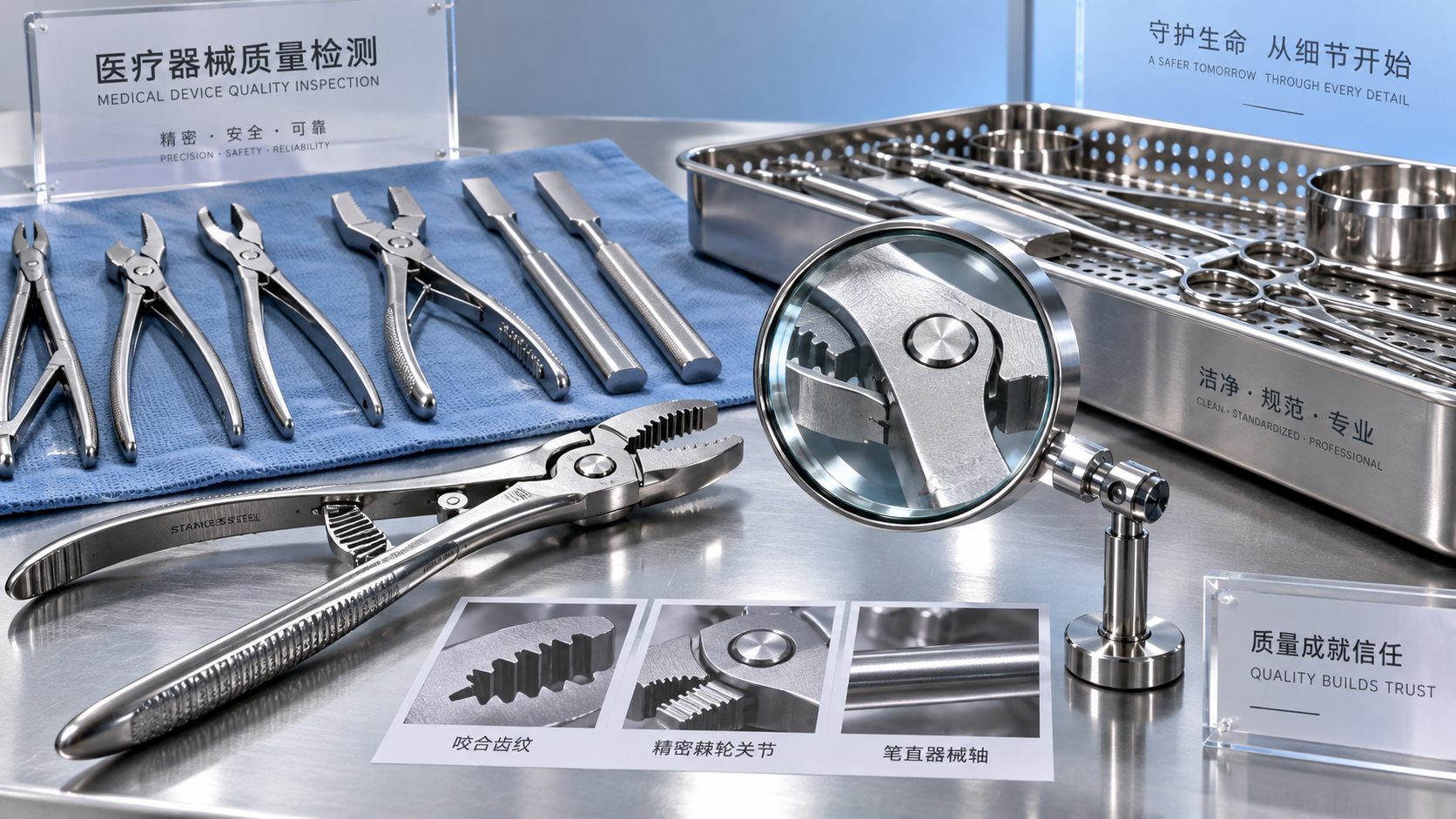
The shift is visible across orthopedic implants, interventional cardiovascular devices, surgical staplers, polymer catheters, and advanced wound care.
What changed is not a single breakthrough.
It is the convergence of precision sensing, micron-level manufacturing, material science, and tighter evidence expectations.
That combination is pushing smart minimally invasive technology from promising innovation into a practical adoption standard.
From the IMCS perspective, this matters because device value is now judged across a wider chain.
Clinical outcomes, biocompatibility, regulatory resilience, and procurement economics are becoming inseparable.
The companies gaining ground are not merely adding intelligence features.
They are redesigning how smart minimally invasive technology fits real treatment pathways and cost-control environments.
Why this change is now becoming more visible
Several market signals explain why adoption is accelerating in 2026.
The first is procedural pressure.
Health systems want shorter stays, fewer complications, and more predictable recovery profiles.
Smart minimally invasive technology supports that goal by improving navigation, tissue handling, and procedural consistency.
The second signal is material maturity.
Porous 3D-printed structures, advanced polymers, hydrophilic coatings, and bioactive surfaces now support smarter device architectures.
The third is evidence discipline.
Class III pathways, CE MDR scrutiny, ISO 10993 testing, and CER expectations are forcing clearer proof of safety and function.
That favors solutions where digital guidance, precision mechanics, and biomaterial performance are integrated from the start.
- Clinical demand is shifting toward less trauma, faster discharge, and lower revision risk.
- Manufacturing capability now supports tighter tolerances and smaller, more capable device formats.
- Regulation increasingly rewards traceable performance, not broad innovation claims.
- VBP and global cost controls are pushing suppliers to defend premium value with measurable outcomes.
This is why smart minimally invasive technology is attracting attention beyond specialty niches.
It is being evaluated as an adoption lever for the broader consumables ecosystem.
The strongest demand signals are coming from high-value consumables
Recent demand patterns show that smart minimally invasive technology is not spreading evenly.
It is concentrating first in categories where precision changes patient outcomes quickly and visibly.
In cardiovascular intervention, thinner deliverability profiles and more responsive guidance systems improve access through difficult anatomy.
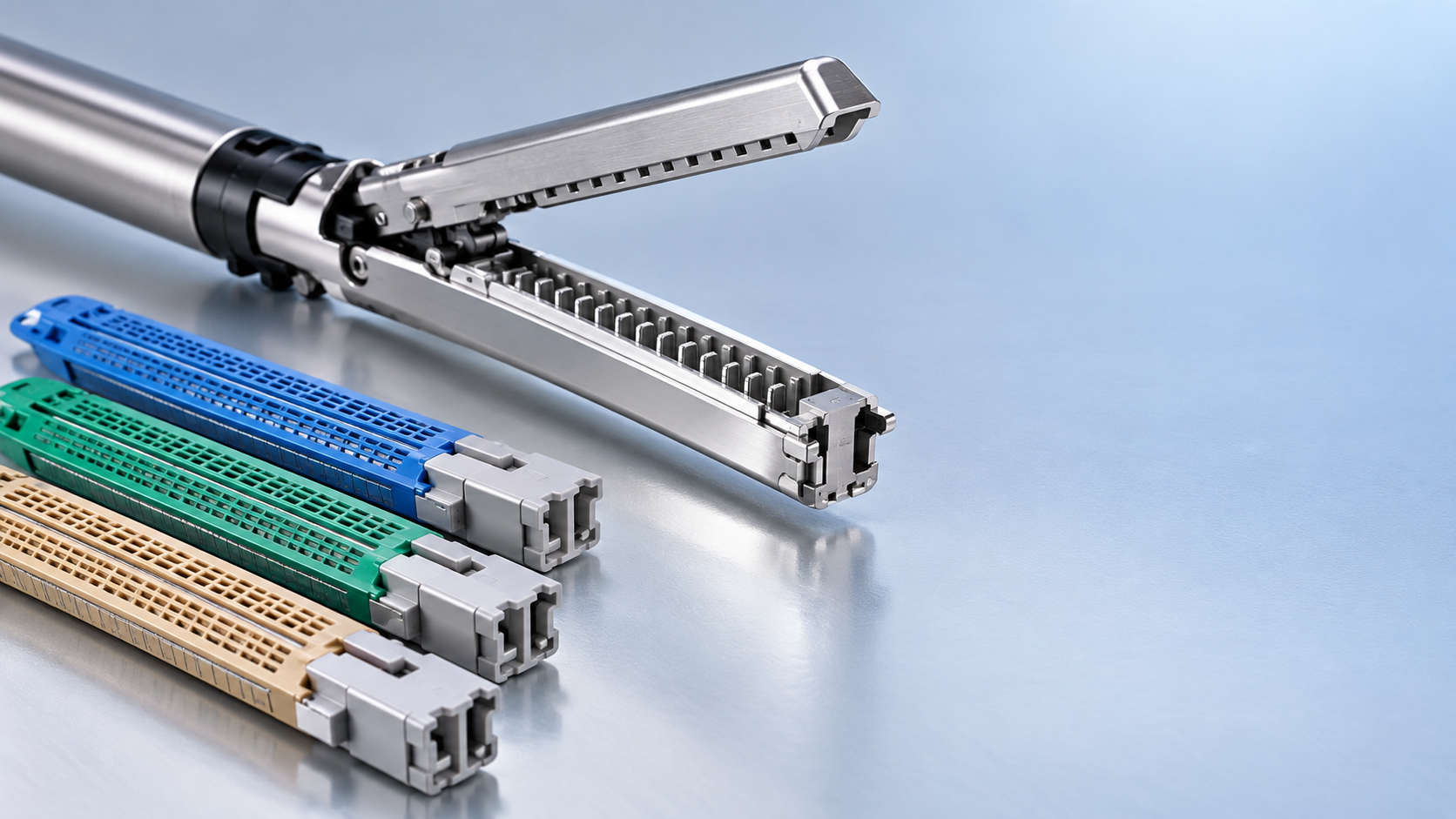
In MIS stapling, intelligence is increasingly linked to staple formation consistency, tissue feedback, and leak-risk reduction.
In polymer catheter systems, flexibility is no longer enough.
Anti-thrombotic behavior, coating durability, and navigation precision now shape adoption decisions.
Orthopedic and tissue repair segments are also changing, though on a different timeline.
Here, smart minimally invasive technology increasingly connects implantation precision with long-term osseointegration or wound healing quality.
The pattern is clear.
Adoption rises fastest where smart minimally invasive technology solves a known clinical bottleneck and supports reimbursement logic.
Regulation and procurement are no longer separate from technology decisions
A more important shift is happening behind product launches.
Smart minimally invasive technology is being filtered through regulatory feasibility and purchasing realism much earlier.
That is especially true for Class III devices and high-risk consumables.
At IMCS, the recurring insight is that commercial timing now depends on technical proof chains.
Biocompatibility, cytotoxicity thresholds, sensitization risks, and mechanical reliability must align with clinical claims.
If they do not, smart features become a burden rather than an advantage.
Procurement pressure adds another layer.
Under VBP-style environments, premium pricing survives only when performance differences are provable and difficult to replace.
This changes boardroom questions.
The issue is not whether smart minimally invasive technology sounds advanced.
The issue is whether the full evidence package can protect adoption at scale.
What now matters more in evaluation
- Whether intelligence features improve the procedure, not merely the brochure.
- Whether materials remain stable under long-term biological exposure.
- Whether manufacturing precision is reproducible across volume expansion.
- Whether premium positioning can survive price compression and tender comparison.
The impact is spreading across design, supply chains, and evidence strategy
The effect of smart minimally invasive technology is broader than device engineering.
Design teams are being pushed to co-optimize sensors, structure, coatings, and usability.
Supply chains are being judged on tighter consistency, sterilization compatibility, and material traceability.
Clinical teams need stronger real-world evidence to support differentiated adoption claims.
In practice, the companies adapting well are reducing internal silos.
They connect engineering choices with CER preparation, toxicology validation, and post-market data planning early.
That operating model fits the IMCS view of intelligence stitching.
It links materials science, precision machining, clinical logic, and policy pressure into one adoption framework.
This integrated approach is becoming a hidden differentiator in 2026.
Competitors can copy features faster than they can copy a validated evidence system.
What deserves close attention over the next planning cycle
The next phase of smart minimally invasive technology will likely be defined by selective expansion, not blanket adoption.
The most attractive areas are those where intelligence directly reduces anatomical complexity, failure rates, or follow-up burden.
More value may also emerge where biodegradable concepts, personalized geometry, and smart delivery systems intersect.
Still, not every upgrade will justify a premium.
A practical review should focus on a few questions.
- Which smart minimally invasive technology features improve measurable outcomes within a realistic care pathway?
- Which material or coating changes may create new regulatory or toxicology burdens?
- Which categories are most exposed to VBP-style price erosion despite technical sophistication?
- Which evidence gaps could slow market access even when engineering performance looks strong?
Those questions help separate durable opportunity from short-cycle excitement.
They also support clearer decisions on partnership, localization, and pipeline sequencing.
A grounded response starts with sharper signal tracking
Smart minimally invasive technology is shaping 2026 through a combination of clinical necessity and market discipline.
The opportunity is real, but so is the pressure to prove safety, precision, and economic relevance together.
That is why the most useful next step is not broad enthusiasm.
It is structured observation.
Track where clinical adoption is accelerating, where evidence standards are tightening, and where procurement rules are redefining value.
Then compare those signals against material capability, regulatory readiness, and application fit.
For organizations watching the high-value consumables space, that discipline will matter more than headlines.
It is also the clearest way to judge where smart minimally invasive technology can create lasting adoption instead of temporary attention.
Get weekly intelligence in your inbox.
No noise. No sponsored content. Pure intelligence.
News Recommendations
 Oct 26, 2026Can a single approval cover life science product sales worldwide?Can a single approval cover life science product sales worldwide?
 Oct 25, 2026When is sensitization testing needed for medical device biocompatibility?When is sensitization testing needed for medical device biocompatibility?
 Oct 24, 2026How is biocompatibility tested for implantable polymer biomaterials?How is biocompatibility tested for implantable polymer biomaterials?
 Oct 23, 2026How to build reimbursement into an implant commercialization strategyHow to build reimbursement into an implant commercialization strategy
 Oct 22, 2026What clinical evidence do implants need for CE marking under EU MDR?What clinical evidence do implants need for CE marking under EU MDR?
 Oct 21, 2026How to choose disposable laparoscopic stapler reloads for thick tissueHow to choose disposable laparoscopic stapler reloads for thick tissue
 Oct 20, 2026How to assess medical polymer biocompatibility under ISO 10993How to assess medical polymer biocompatibility under ISO 10993
 Oct 19, 2026How do interventional device categories differ in clinical use?How do interventional device categories differ in clinical use?
 Oct 18, 2026When to choose alginate dressings for heavily exuding chronic woundsWhen to choose alginate dressings for heavily exuding chronic wounds
 Oct 17, 2026How is biocompatibility tested for custom medical-grade PEEK implants?How is biocompatibility tested for custom medical-grade PEEK implants?
 Oct 16, 2026How to check a wound healing materials supplier’s biocompatibility dataHow to check a wound healing materials supplier’s biocompatibility data
 Oct 15, 2026How to verify the FDA clearance status of silver wound dressingsHow to verify the FDA clearance status of silver wound dressings
 Oct 14, 2026How to register orthopedic implants and instruments in Latin AmericaHow to register orthopedic implants and instruments in Latin America
 Oct 13, 2026How to use a device market intelligence database to benchmark VBP pricesHow to use a device market intelligence database to benchmark VBP prices
 Oct 12, 2026When should stainless steel orthopedic instruments be replaced?When should stainless steel orthopedic instruments be replaced?
 Oct 11, 2026When are alginate dressings rope the right choice for cavity wounds?When are alginate dressings rope the right choice for cavity wounds?
 Oct 10, 2026When smart minimally invasive technology improves catheter accessWhen smart minimally invasive technology improves catheter access
 Oct 08, 2026Clinical evaluation requirements for cardiovascular implant devices in EuropeClinical evaluation requirements for cardiovascular implant devices in Europe
 Oct 07, 2026What to verify before appointing an artificial joint implants distributorWhat to verify before appointing an artificial joint implants distributor
 Oct 06, 2026How ISO 10993 guides biocompatibility testing for medical materialsHow ISO 10993 guides biocompatibility testing for medical materials
 Oct 05, 2026How to verify an orthopedic implants and instruments exporterHow to verify an orthopedic implants and instruments exporter
 Oct 04, 2026What drives surgical stapling devices price differences in hospital tenders?What drives surgical stapling devices price differences in hospital tenders?
 Oct 03, 2026How to assess a central venous catheter manufacturer's infection-control evidenceHow to assess a central venous catheter manufacturer's infection-control evidence
 Oct 02, 2026How to assess an advanced wound care factory’s quality systemHow to assess an advanced wound care factory’s quality system
 Oct 01, 2026What is driving global medical consumables demand in emerging markets?What is driving global medical consumables demand in emerging markets?
 Sep 30, 2026Implant Material Compliance Testing: Evidence Needed for Regulatory SubmissionImplant Material Compliance Testing: Evidence Needed for Regulatory Submission
 Sep 30, 2026From Corrosion to Fatigue: What Implant Materials Testing Should MeasureFrom Corrosion to Fatigue: What Implant Materials Testing Should Measure