Medical Device Clinical Evaluation: Key Evidence Gaps to Fix
Medical device clinical evaluation often fails not because a device lacks promise, but because the evidence story is incomplete. In high-risk implants, interventional consumables, and advanced wound technologies, even a small gap can slow approval, weaken a CER, or trigger deeper regulatory questions. What matters is not only having data, but showing that clinical, technical, and biological evidence fit together in a defensible way.
Why evidence gaps matter more now
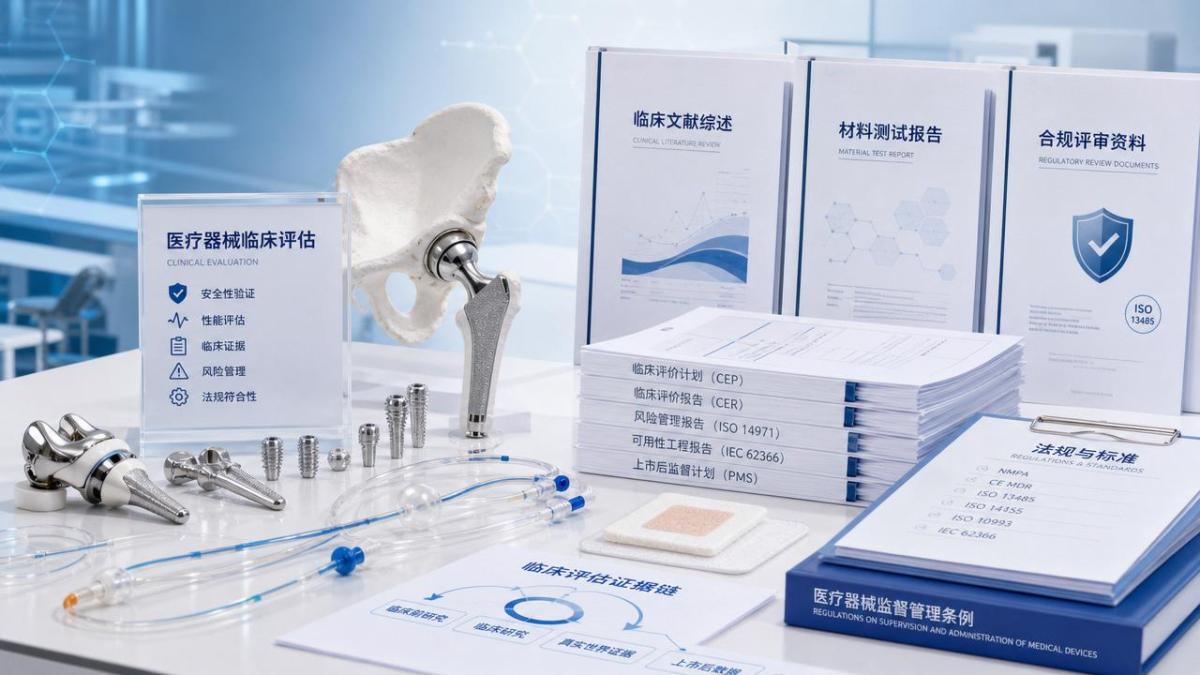
Clinical evaluation has become a strategic function rather than a filing exercise. Under CE MDR and other stricter frameworks, regulators expect traceable logic, current literature, robust PMS inputs, and justified claims.
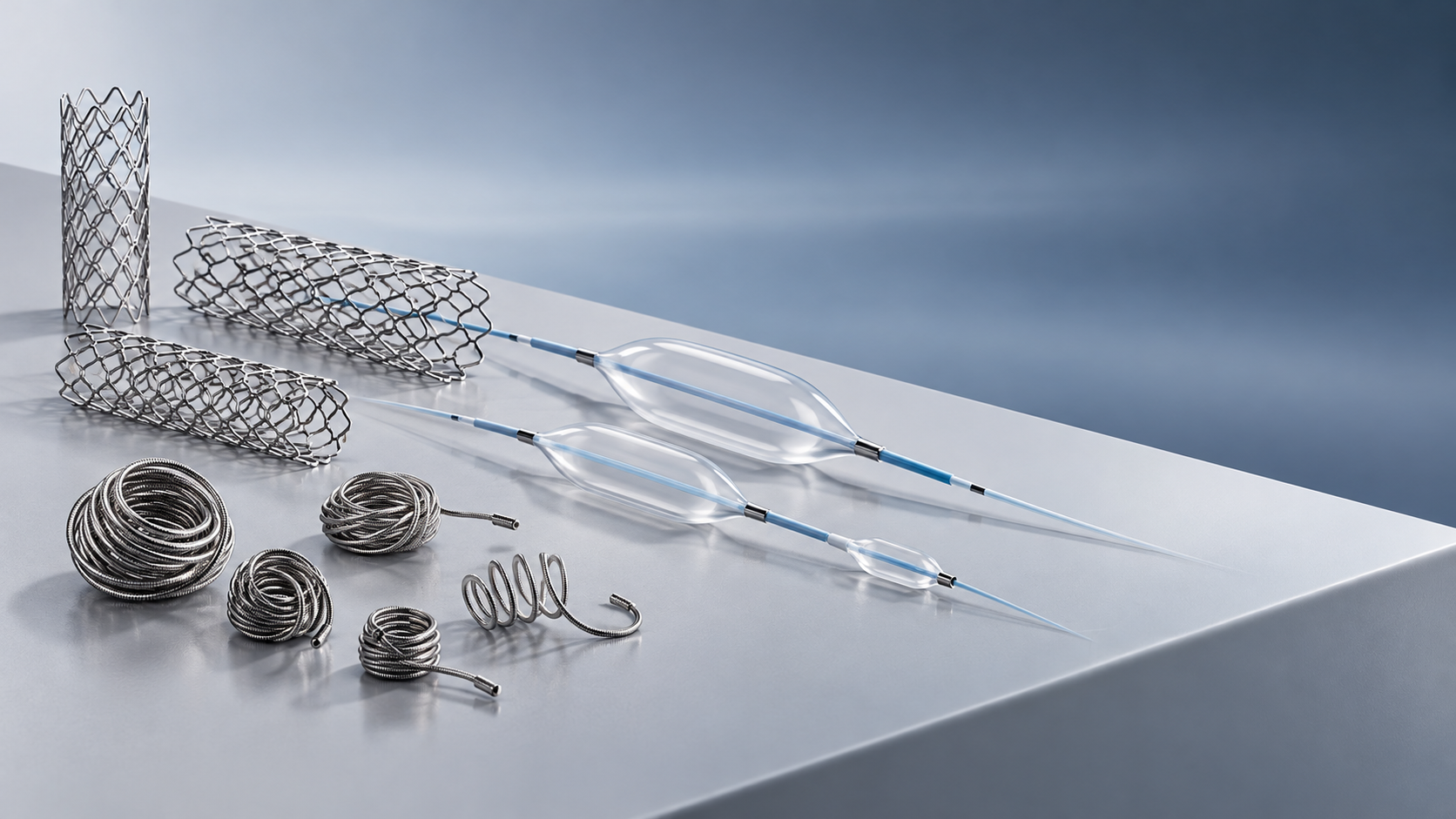
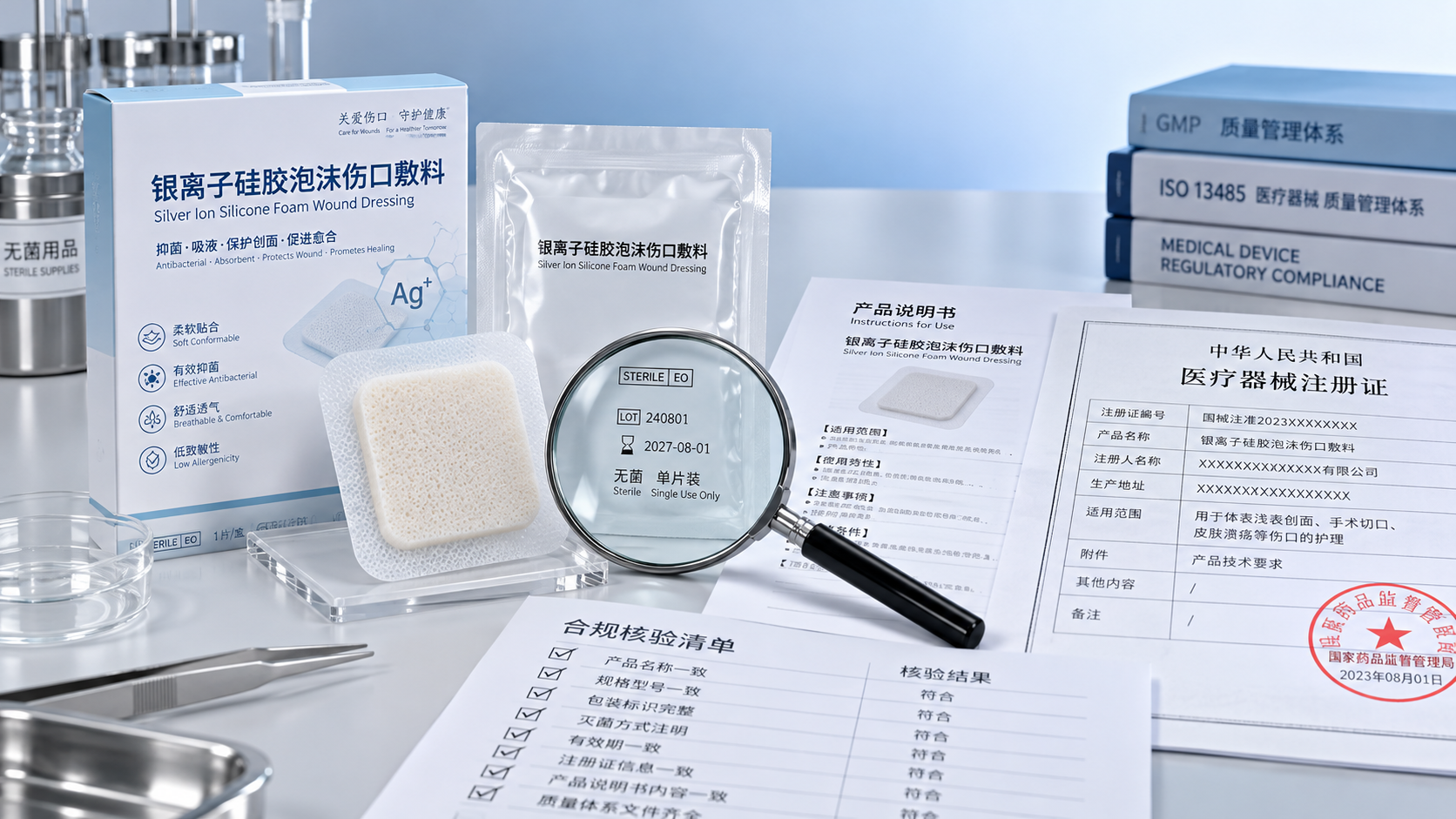
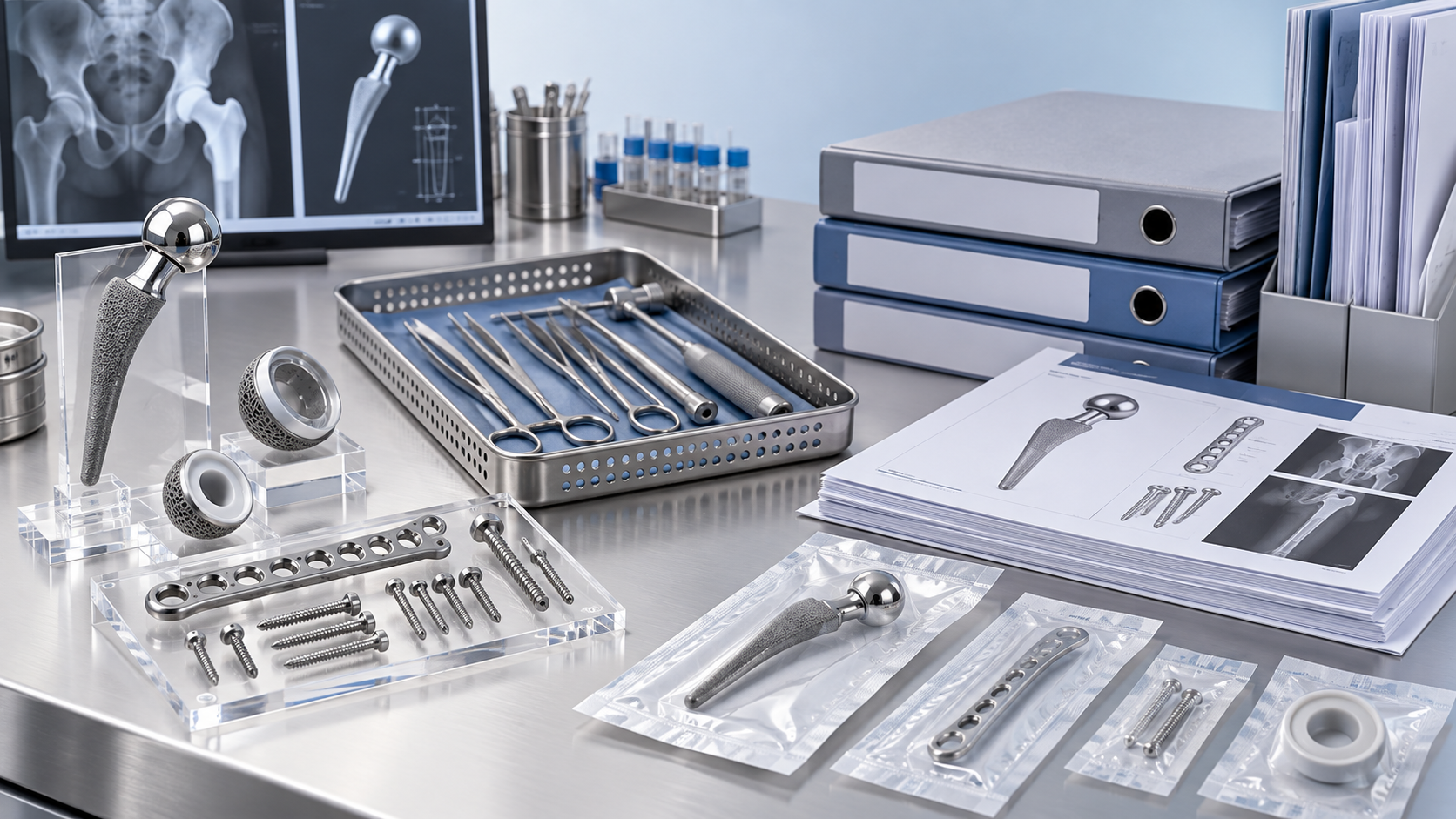
That pressure is strongest in fields where IMCS focuses its intelligence work: orthopedic implants, cardiovascular devices, stapling systems, polymer catheters, and regenerative wound materials.
These products directly affect long-term safety, healing quality, device durability, and procedural outcomes. Evidence weaknesses therefore become regulatory risks, reimbursement risks, and market access risks at the same time.
What medical device clinical evaluation really needs to prove
At its core, medical device clinical evaluation is a structured demonstration that a device achieves its intended purpose with an acceptable benefit-risk profile.
For many devices, that means answering five connected questions clearly:
- Is the intended use precise and stable across documents?
- Do technical characteristics support the claimed performance?
- Is clinical evidence relevant to the exact patient population and procedure?
- Are safety signals understood over the expected use duration?
- Does post-market information confirm the pre-market narrative?
When one answer is weak, the whole evaluation becomes unstable. Regulators rarely view gaps in isolation.
The most common evidence gaps in practice
1. Intended use and claim mismatch
A frequent problem is that labeling, risk files, IFU, literature strategy, and CER do not describe the same clinical use case.
For example, a catheter may be assessed using broad vascular access literature while its coating, dwell time, or thrombosis-related claims imply a narrower evaluation burden.
2. Weak equivalence arguments
Many submissions still rely on equivalence without proving real similarity in design, material, biological interaction, and clinical use.
This is especially fragile for Class III implants, DES platforms, TAVR systems, porous orthopedic structures, and hydrophilic-coated neuro devices.
3. Literature that is broad but not decision-grade
A large bibliography does not automatically support medical device clinical evaluation. The issue is often relevance, not quantity.
Studies may involve different generations, altered materials, outdated procedures, or endpoints that do not support current claims.
4. Missing bridge between bench, biology, and clinic
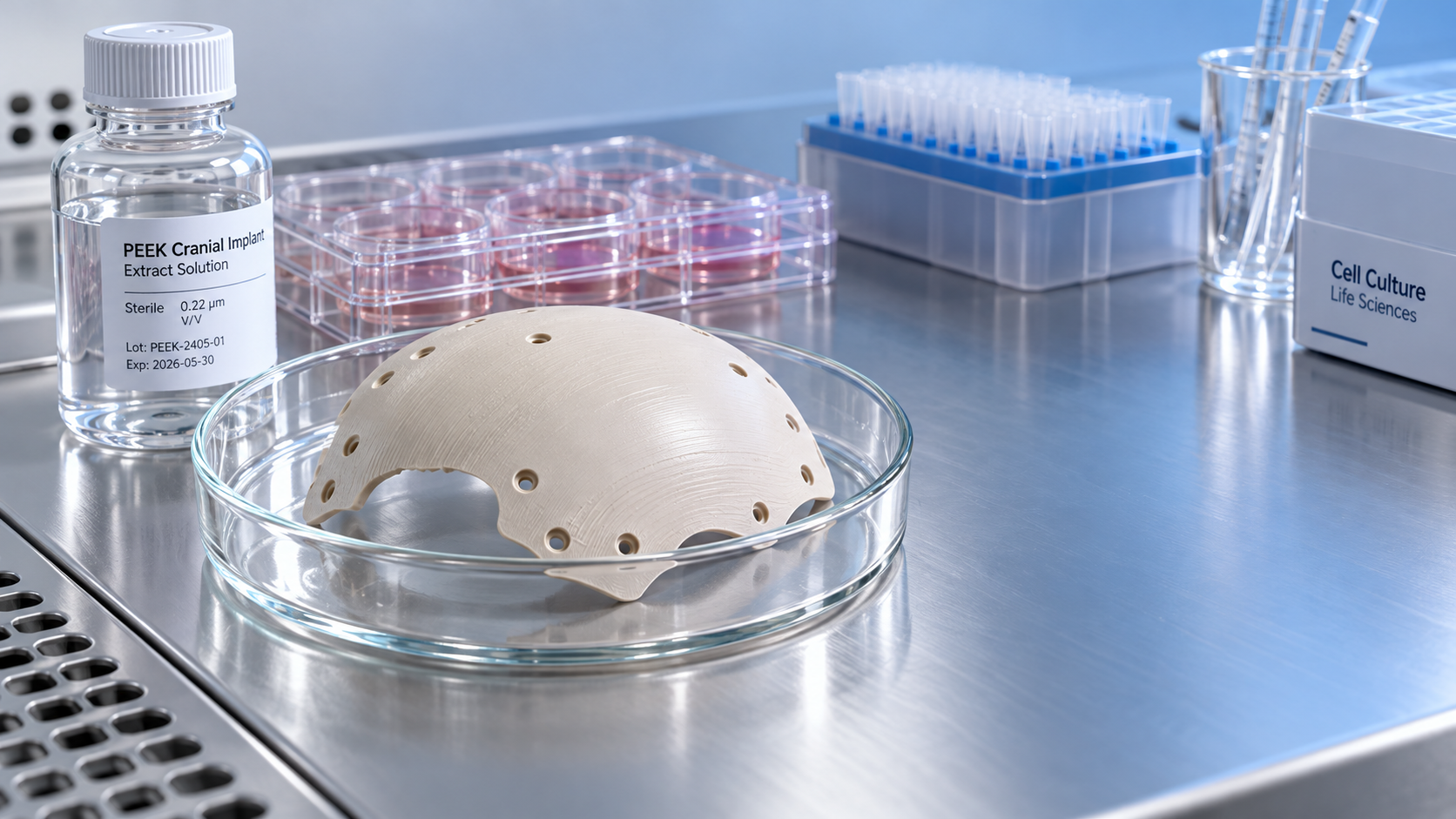
Clinical evidence becomes vulnerable when mechanical testing, ISO 10993 outputs, and real-world outcomes are presented as separate boxes.
In reality, they must explain each other. A new polymer blend, surface treatment, or porous lattice changes the evidence burden.
5. Underpowered post-market evidence
Complaints data alone rarely satisfies current expectations. Trend analysis, vigilance interpretation, PMCF plans, and literature updates must work together.
If the post-market layer is thin, regulators may question whether the benefit-risk conclusion is still current.
Where these gaps appear across major device areas
The same medical device clinical evaluation principles apply widely, but the weak points differ by product category.
This is why intelligence-led review matters. IMCS, for example, sits at the intersection of materials science, device regulation, and clinical logic.
That perspective is useful because evidence gaps are rarely just clinical. They often begin with material change, manufacturing precision, or an overstated market claim.
How to fix evidence gaps before they become findings
Start with a claim map
List every explicit and implied claim from labeling, IFU, marketing text, risk files, and technical documentation.
Then match each claim to evidence. Unsupported claims should be narrowed, reworded, or backed by new data.
Test equivalence like a regulator would
Do not ask whether two devices seem similar. Ask whether differences could affect safety, performance, tissue response, or clinical decision-making.
If the answer is uncertain, direct clinical evidence or PMCF usually becomes necessary.
Upgrade the literature strategy
A solid search protocol is only the start. The screening logic must show why each source is clinically relevant to the current device version.
Meta-analyses can help, but device-specific granularity often matters more than broad pooled conclusions.
Build the biological-clinical bridge
For implantables and blood-contacting devices, toxicology, ISO 10993 interpretation, extractables, surface chemistry, and wear behavior should not stay isolated.
They should explain why clinical safety outcomes are expected, where uncertainty remains, and how post-market surveillance will monitor that uncertainty.
Use post-market data as an evidence engine
Complaint summaries are useful, but stronger medical device clinical evaluation needs context.
- Trend events by indication, geography, and device version
- Correlate complaints with known failure modes
- Compare event rates with literature benchmarks
- Feed findings back into CER and PMCF updates
A practical review framework for technical assessment
In daily work, it helps to review medical device clinical evaluation through a short sequence rather than a document-by-document checklist.
- Define the exact device, version, accessories, and intended population.
- Confirm what claims require proof and what risks require surveillance.
- Check whether equivalence is still valid after design or material changes.
- Trace literature relevance to the specific clinical scenario.
- Link bench, biocompatibility, and clinical outcomes into one narrative.
- Challenge whether post-market evidence is current and decision-ready.
This method is especially helpful when reviewing implants expected to function for years, or consumables where micro-design changes alter biological exposure.
What stronger evaluation changes for the business
Better medical device clinical evaluation does more than satisfy regulators. It improves internal alignment across R&D, clinical affairs, quality, toxicology, and market access.
That matters in sectors facing pricing pressure, VBP dynamics, and tighter scrutiny of premium claims.
When evidence is coherent, it becomes easier to defend product differentiation, prioritize study spending, and avoid expensive late-stage remediation.
Where to look next
The next useful step is usually not writing more text into the CER. It is identifying the exact missing link in the evidence chain.
That may be a claim map, a cleaner equivalence rationale, stronger PMCF design, or a better bridge from ISO 10993 results to clinical relevance.
For teams working across implants, interventional systems, and advanced consumables, an intelligence-based review of those gaps often reveals where regulatory risk is concentrated.
Once the weak points are visible, medical device clinical evaluation becomes far more than compliance. It becomes a disciplined way to protect approval timelines, product credibility, and long-term clinical trust.
Get weekly intelligence in your inbox.
No noise. No sponsored content. Pure intelligence.
News Recommendations
 Oct 26, 2026Can a single approval cover life science product sales worldwide?Can a single approval cover life science product sales worldwide?
 Oct 25, 2026When is sensitization testing needed for medical device biocompatibility?When is sensitization testing needed for medical device biocompatibility?
 Oct 24, 2026How is biocompatibility tested for implantable polymer biomaterials?How is biocompatibility tested for implantable polymer biomaterials?
 Oct 23, 2026How to build reimbursement into an implant commercialization strategyHow to build reimbursement into an implant commercialization strategy
 Oct 22, 2026What clinical evidence do implants need for CE marking under EU MDR?What clinical evidence do implants need for CE marking under EU MDR?
 Oct 21, 2026How to choose disposable laparoscopic stapler reloads for thick tissueHow to choose disposable laparoscopic stapler reloads for thick tissue
 Oct 20, 2026How to assess medical polymer biocompatibility under ISO 10993How to assess medical polymer biocompatibility under ISO 10993
 Oct 19, 2026How do interventional device categories differ in clinical use?How do interventional device categories differ in clinical use?
 Oct 18, 2026When to choose alginate dressings for heavily exuding chronic woundsWhen to choose alginate dressings for heavily exuding chronic wounds
 Oct 17, 2026How is biocompatibility tested for custom medical-grade PEEK implants?How is biocompatibility tested for custom medical-grade PEEK implants?
 Oct 16, 2026How to check a wound healing materials supplier’s biocompatibility dataHow to check a wound healing materials supplier’s biocompatibility data
 Oct 15, 2026How to verify the FDA clearance status of silver wound dressingsHow to verify the FDA clearance status of silver wound dressings
 Oct 14, 2026How to register orthopedic implants and instruments in Latin AmericaHow to register orthopedic implants and instruments in Latin America
 Oct 13, 2026How to use a device market intelligence database to benchmark VBP pricesHow to use a device market intelligence database to benchmark VBP prices
 Oct 12, 2026When should stainless steel orthopedic instruments be replaced?When should stainless steel orthopedic instruments be replaced?
 Oct 11, 2026When are alginate dressings rope the right choice for cavity wounds?When are alginate dressings rope the right choice for cavity wounds?
 Oct 10, 2026When smart minimally invasive technology improves catheter accessWhen smart minimally invasive technology improves catheter access
 Oct 08, 2026Clinical evaluation requirements for cardiovascular implant devices in EuropeClinical evaluation requirements for cardiovascular implant devices in Europe
 Oct 07, 2026What to verify before appointing an artificial joint implants distributorWhat to verify before appointing an artificial joint implants distributor
 Oct 06, 2026How ISO 10993 guides biocompatibility testing for medical materialsHow ISO 10993 guides biocompatibility testing for medical materials
 Oct 05, 2026How to verify an orthopedic implants and instruments exporterHow to verify an orthopedic implants and instruments exporter
 Oct 04, 2026What drives surgical stapling devices price differences in hospital tenders?What drives surgical stapling devices price differences in hospital tenders?
 Oct 03, 2026How to assess a central venous catheter manufacturer's infection-control evidenceHow to assess a central venous catheter manufacturer's infection-control evidence
 Oct 02, 2026How to assess an advanced wound care factory’s quality systemHow to assess an advanced wound care factory’s quality system
 Oct 01, 2026What is driving global medical consumables demand in emerging markets?What is driving global medical consumables demand in emerging markets?
 Sep 30, 2026Implant Material Compliance Testing: Evidence Needed for Regulatory SubmissionImplant Material Compliance Testing: Evidence Needed for Regulatory Submission
 Sep 30, 2026From Corrosion to Fatigue: What Implant Materials Testing Should MeasureFrom Corrosion to Fatigue: What Implant Materials Testing Should Measure