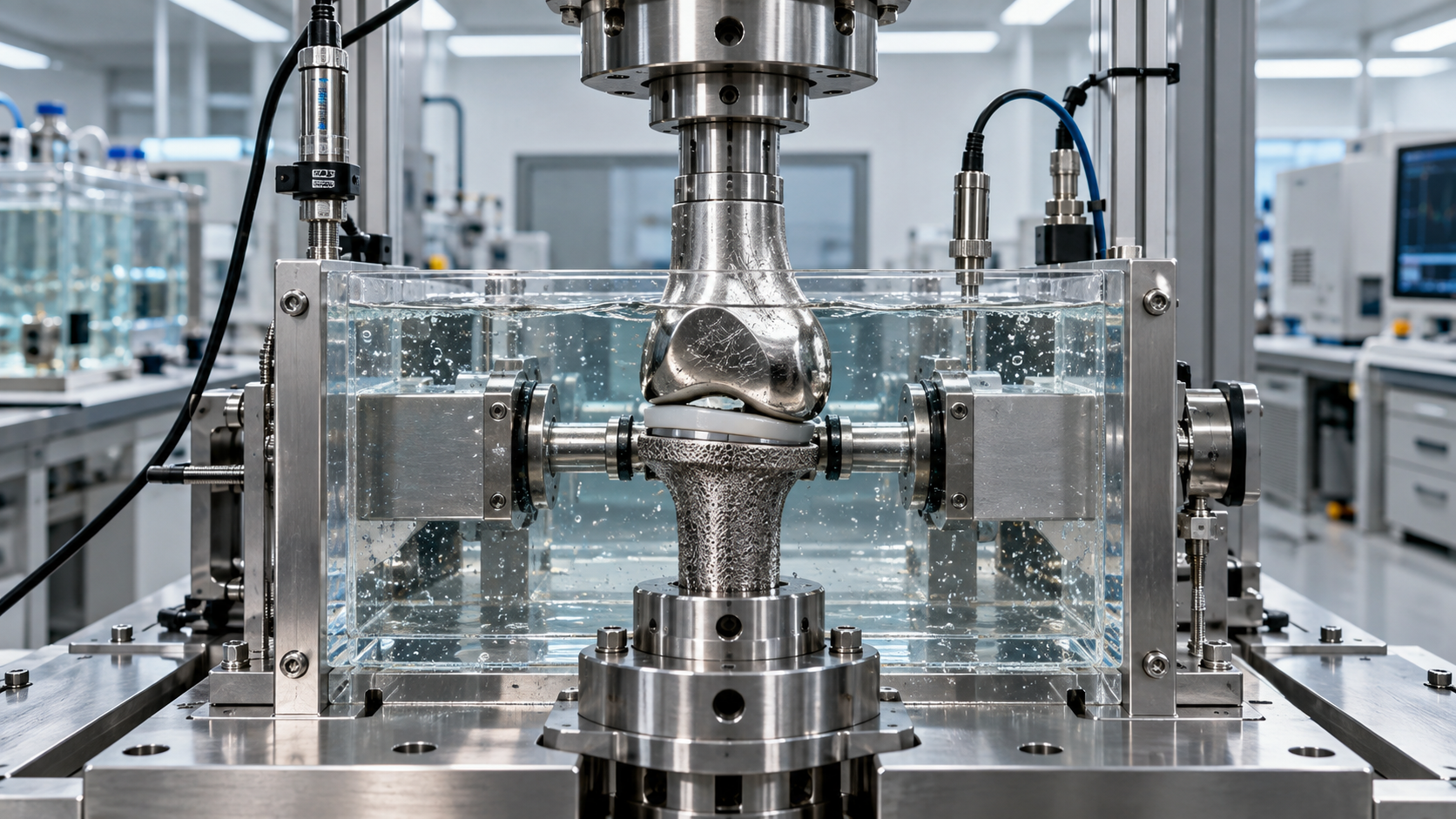
PEEK Medical Implants: Key Biocompatibility Risks to Review Early
For quality and safety teams, PEEK medical implants can appear highly promising, yet early biocompatibility review is critical to avoid costly regulatory and clinical setbacks. From cytotoxicity and sensitization to surface contamination, sterilization effects, and long-term tissue response, understanding the key risk points upfront helps strengthen design control, supplier oversight, and compliance readiness.
Why early biocompatibility review matters for PEEK medical implants
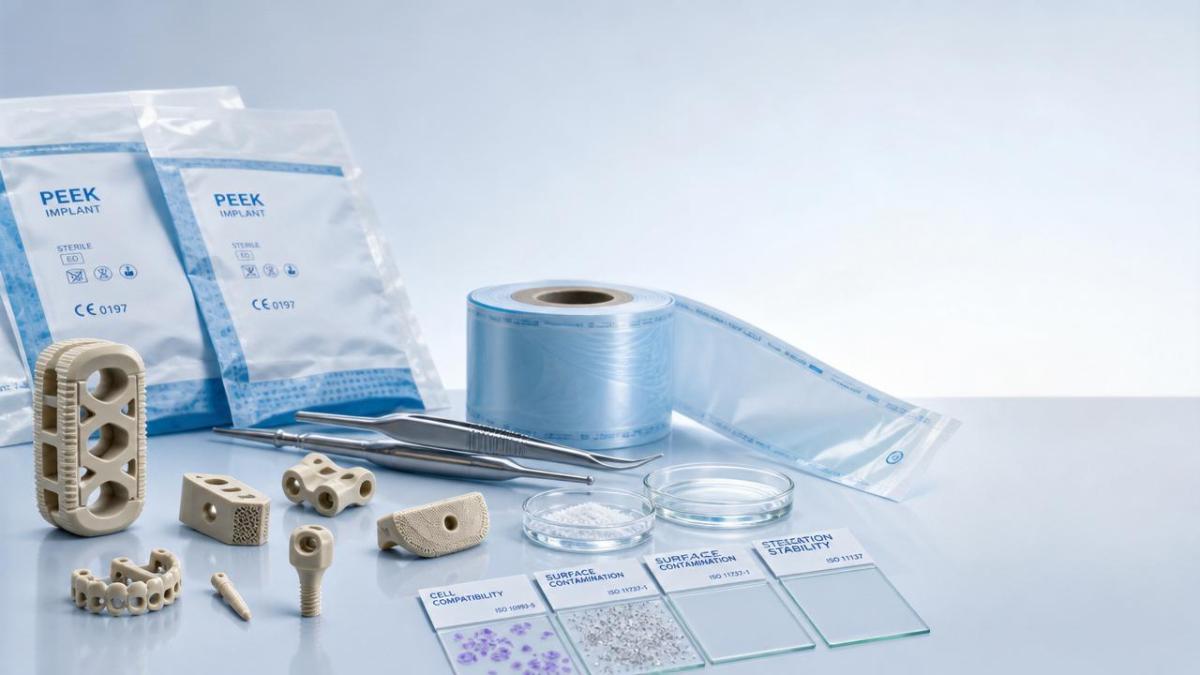
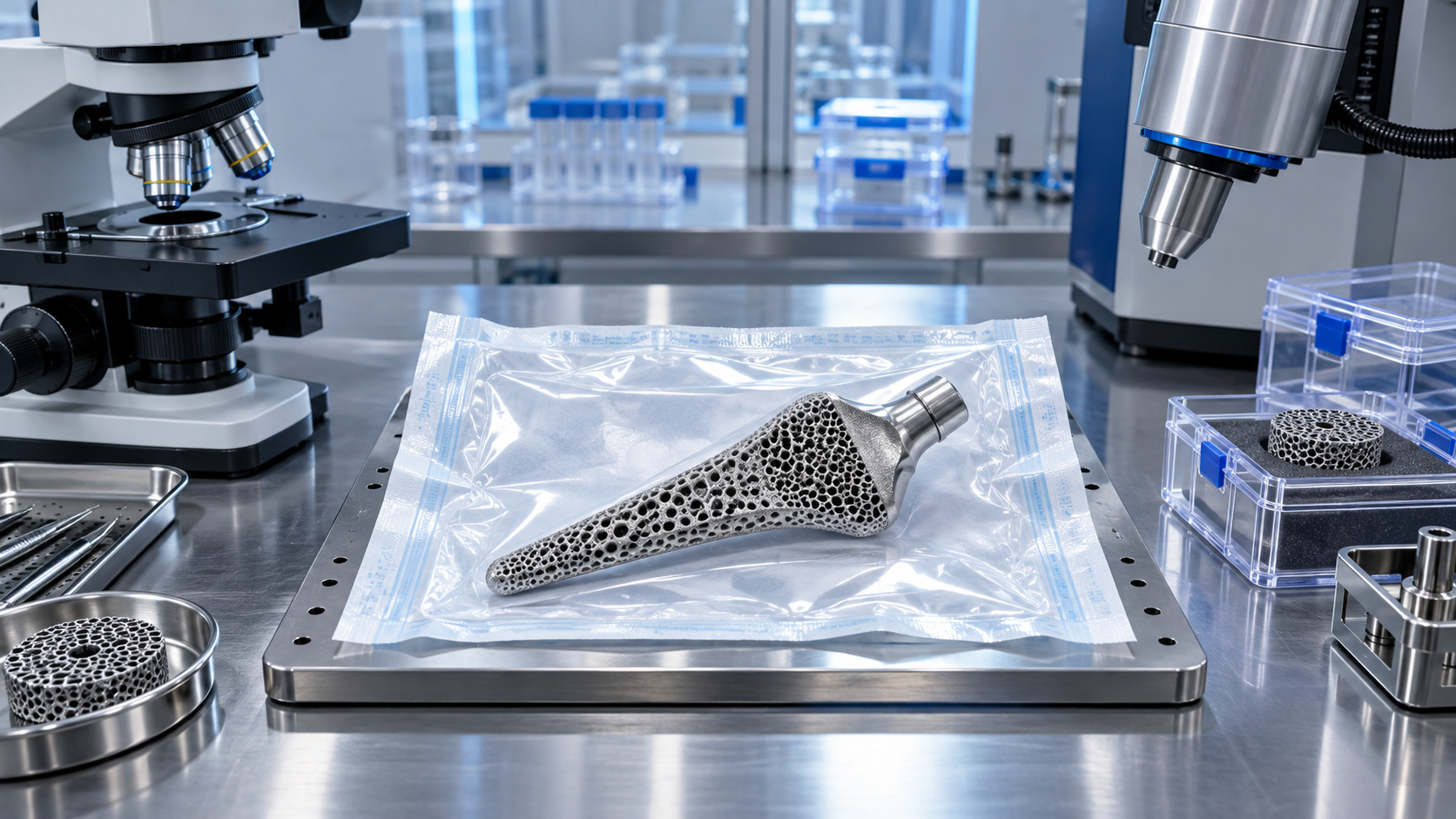
PEEK medical implants are widely considered for spinal cages, trauma components, dental structures, and other load-sharing applications because the polymer offers radiolucency, mechanical stability, and compatibility with precision machining. For quality and safety managers, however, material reputation alone is not enough.
A PEEK implant can pass an incoming material check and still fail later because the real biological risk often comes from formulation changes, processing residues, additive packages, cleaning chemistry, packaging interactions, or sterilization-induced surface shifts. Early review reduces the chance of discovering these issues during verification, validation, or post-market surveillance.
In the implant and medical consumables sector, this is especially important where Class III expectations, design history documentation, supplier traceability, and clinical justification are tightly linked. IMCS tracks these links across orthopedic implants, polymer devices, and high-risk consumables, helping teams connect material science decisions with practical compliance consequences.
- Biocompatibility problems are often process-driven rather than polymer-driven.
- Supplier documents may describe generic PEEK, not the exact medical-grade and finished-device condition.
- Regulatory reviewers typically expect biological evaluation to reflect final manufacturing, sterilization, and clinical contact duration.
What quality teams should ask at project kickoff
The first question is not whether PEEK is biocompatible in general. The better question is whether the exact finished implant, in its final form and patient-contact condition, has a justified biological safety profile. That distinction prevents expensive false confidence.
Which biocompatibility risks are most often missed in PEEK medical implants?
For procurement, quality assurance, and EHS leaders, the most frequent gaps appear in the transition from raw material qualification to finished implant release. The table below summarizes the early-stage risk areas that deserve review before protocol approval and supplier lock-in.
This risk map shows why PEEK medical implants should be reviewed as complete systems, not only as polymer stock shapes. A strong quality file links material grade, process route, cleaning validation, packaging, and sterilization into one biological risk narrative.
The hidden problem: “medical grade” does not close the case
A common misconception is that a supplier certificate for medical-grade PEEK automatically covers every downstream implant application. It does not. Different machining fluids, annealing steps, fillers, colorants, and post-processing conditions can significantly change extractable profiles and tissue response expectations.
How to review PEEK implant risks across the manufacturing chain
Quality teams need a chain-based review method. This is particularly relevant in orthopedic and high-value implant programs where multiple contract manufacturers and sterilization partners may touch the product before release.
1. Raw material and formulation control
- Confirm the exact resin or stock-shape grade, not just the brand family.
- Check whether fillers such as carbon fiber or radiopaque modifiers are present, because they may alter test strategy and particulate behavior.
- Review lot traceability, change notification rules, and residual monomer or additive declarations where available.
2. Machining, cleaning, and packaging control
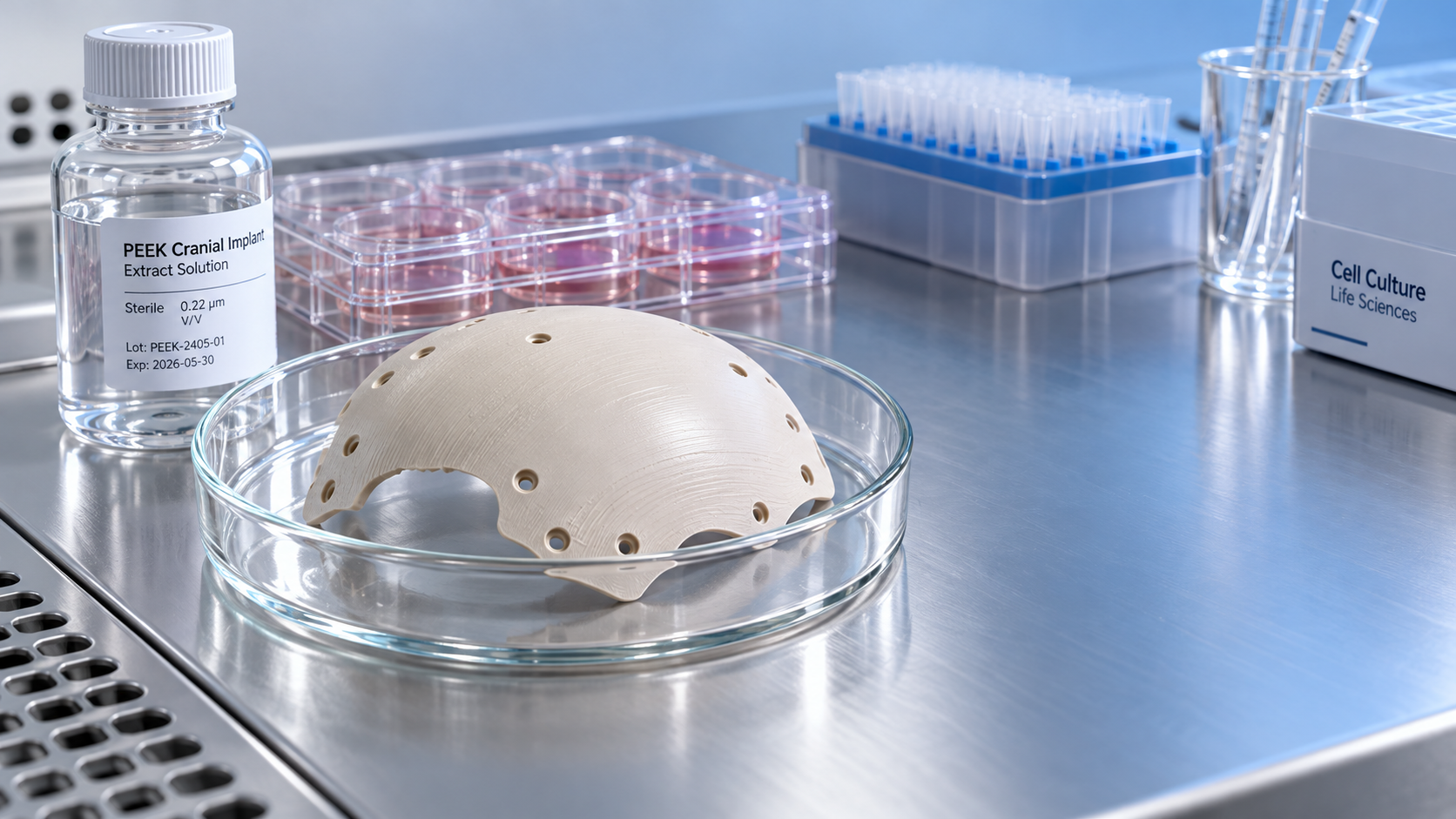
PEEK medical implants are often machined to precise dimensions for spinal, trauma, or custom implant applications. That precision can introduce oils, particulates, burrs, and trapped residues. Cleaning validation must prove removal effectiveness without introducing new risk from detergents or rinse water quality.
Packaging also matters. Barrier materials, adhesives, labels, and transit conditions may influence extractables or surface cleanliness. If the biological evaluation ignores packaging interaction, the file may look complete but remain scientifically weak.
3. Sterilization and shelf-life impact
Sterilization is not only a microbiological step. It can affect oxidation, residuals, discoloration, and mechanical performance over time. Teams should compare pre-sterilization and post-sterilization conditions when selecting representative samples for ISO 10993 testing and chemical characterization.
PEEK medical implants versus metal implants: what changes in quality review?
Many organizations evaluate PEEK medical implants using assumptions built around titanium or cobalt-chrome devices. That creates blind spots. The comparison below helps teams distinguish where the review logic should differ.
The key takeaway is simple: do not transfer metal-implant review habits directly to PEEK implant programs. Material-specific risk logic improves both internal decisions and external regulatory communication.
Which standards and compliance checkpoints should safety teams review?
For implantable devices, biological evaluation usually depends on intended use, contact type, duration, and finished-device characteristics. Teams often start with ISO 10993, but they should not stop at a checklist approach. The objective is a defensible biological evaluation plan tied to real manufacturing conditions.
- Use ISO 10993 series logic to determine endpoints such as cytotoxicity, sensitization, irritation, systemic toxicity, implantation, and chemical characterization as applicable.
- Align biological review with ISO 14971 risk management so hazards, controls, and residual risks are connected.
- For CE MDR and similar high-scrutiny pathways, ensure consistency between biological evidence, clinical evaluation, and technical documentation.
- Maintain supplier and process change controls because even a small cleaning or packaging revision can trigger re-evaluation.
Where IMCS adds practical value
IMCS helps teams interpret the overlap between implant materials, toxicology, precision processing, and regulatory submission pressure. This is especially useful when quality managers need to decide whether a test failure points to a lab issue, a process residue issue, or a deeper design-control problem.
Procurement and supplier qualification: what should you verify before approval?
PEEK medical implants often involve global sourcing, outsourced machining, and cost pressure from reimbursement or VBP-style purchasing environments. In that context, supplier approval must go beyond price and lead time.
The checklist below can support procurement, quality, and safety teams when comparing suppliers or contract manufacturers for PEEK implant programs.
This type of structured qualification is valuable when budgets are tight and teams are under pressure to approve a supplier quickly. It reduces the chance of selecting a low-cost option that later creates test failure, rework, or release delays.
Common mistakes quality teams make with PEEK implant programs
Mistake 1: treating literature as a substitute for finished-device evidence
Published data on PEEK can support a rationale, but it cannot automatically replace finished-device justification. Surface finish, sterilization method, and accessory materials may differ significantly from literature conditions.
Mistake 2: ignoring worst-case family selection
If multiple implant sizes or variants exist, teams should define the worst-case sample scientifically. The largest mass, highest surface area, roughest finish, or most processing exposure may not always be the same unit.
Mistake 3: postponing toxicology review until after testing starts
A reactive approach is costly. Early toxicology review can identify whether extractables data, threshold assessment, or supplemental characterization is needed before committing to a test sequence.
FAQ: practical questions about PEEK medical implants for quality and safety teams
How should we evaluate a supplier claiming “implant-grade PEEK”?
Ask for exact grade identification, intended medical use statements, lot traceability, process controls, and change notification commitments. Then compare that information against the finished-device process route. A material claim is only one part of the evidence package.
Are PEEK medical implants always lower risk than metal implants for biocompatibility?
Not always. The risk profile is different, not automatically lower. Metal implants raise corrosion and ion-release concerns, while PEEK implants may require closer attention to residues, particulate generation, and surface-condition variability.
What should be reviewed before choosing sterilization for a PEEK implant?
Review packaging compatibility, residual expectations, aging impact, surface chemistry sensitivity, and whether testing will be performed on the final sterilized state. Sterilization cannot be treated as an isolated downstream decision.
When do we need deeper regulatory support?
If your team faces a failed cytotoxicity result, uncertain test matrix, supplier change, or conflicting expectations between clinical, regulatory, and manufacturing groups, expert review can prevent repeated testing and weak submission logic.
Why choose us for PEEK medical implant intelligence and review support?
IMCS supports manufacturers, sourcing teams, and safety leaders working across orthopedic implants, polymer devices, cardiovascular consumables, and advanced medical materials. Our value is not limited to material commentary. We connect biocompatibility risk, processing detail, regulatory logic, and commercial pressure into one decision framework.
If you are reviewing PEEK medical implants, you can consult us on specific topics such as biological evaluation strategy, supplier documentation gaps, material and process risk mapping, sterilization-related concerns, regulatory evidence structure, sample selection logic, and procurement-side comparison of competing manufacturing routes.
- Confirm critical parameters that affect biocompatibility and finished-device consistency.
- Discuss product selection paths for spinal, orthopedic, or other implant applications.
- Review delivery timing risks when testing, sterilization, and packaging decisions are interdependent.
- Explore customized review support for certification requirements, sample planning, and quotation-stage technical clarification.
For teams that need faster alignment between quality, safety, sourcing, and regulatory functions, a focused early review of PEEK medical implants can prevent avoidable rework and strengthen market-readiness from the start.
Get weekly intelligence in your inbox.
No noise. No sponsored content. Pure intelligence.
News Recommendations
 Oct 26, 2026Can a single approval cover life science product sales worldwide?Can a single approval cover life science product sales worldwide?
 Oct 25, 2026When is sensitization testing needed for medical device biocompatibility?When is sensitization testing needed for medical device biocompatibility?
 Oct 24, 2026How is biocompatibility tested for implantable polymer biomaterials?How is biocompatibility tested for implantable polymer biomaterials?
 Oct 23, 2026How to build reimbursement into an implant commercialization strategyHow to build reimbursement into an implant commercialization strategy
 Oct 22, 2026What clinical evidence do implants need for CE marking under EU MDR?What clinical evidence do implants need for CE marking under EU MDR?
 Oct 21, 2026How to choose disposable laparoscopic stapler reloads for thick tissueHow to choose disposable laparoscopic stapler reloads for thick tissue
 Oct 20, 2026How to assess medical polymer biocompatibility under ISO 10993How to assess medical polymer biocompatibility under ISO 10993
 Oct 19, 2026How do interventional device categories differ in clinical use?How do interventional device categories differ in clinical use?
 Oct 18, 2026When to choose alginate dressings for heavily exuding chronic woundsWhen to choose alginate dressings for heavily exuding chronic wounds
 Oct 17, 2026How is biocompatibility tested for custom medical-grade PEEK implants?How is biocompatibility tested for custom medical-grade PEEK implants?
 Oct 16, 2026How to check a wound healing materials supplier’s biocompatibility dataHow to check a wound healing materials supplier’s biocompatibility data
 Oct 15, 2026How to verify the FDA clearance status of silver wound dressingsHow to verify the FDA clearance status of silver wound dressings
 Oct 14, 2026How to register orthopedic implants and instruments in Latin AmericaHow to register orthopedic implants and instruments in Latin America
 Oct 13, 2026How to use a device market intelligence database to benchmark VBP pricesHow to use a device market intelligence database to benchmark VBP prices
 Oct 12, 2026When should stainless steel orthopedic instruments be replaced?When should stainless steel orthopedic instruments be replaced?
 Oct 11, 2026When are alginate dressings rope the right choice for cavity wounds?When are alginate dressings rope the right choice for cavity wounds?
 Oct 10, 2026When smart minimally invasive technology improves catheter accessWhen smart minimally invasive technology improves catheter access
 Oct 08, 2026Clinical evaluation requirements for cardiovascular implant devices in EuropeClinical evaluation requirements for cardiovascular implant devices in Europe
 Oct 07, 2026What to verify before appointing an artificial joint implants distributorWhat to verify before appointing an artificial joint implants distributor
 Oct 06, 2026How ISO 10993 guides biocompatibility testing for medical materialsHow ISO 10993 guides biocompatibility testing for medical materials
 Oct 05, 2026How to verify an orthopedic implants and instruments exporterHow to verify an orthopedic implants and instruments exporter
 Oct 04, 2026What drives surgical stapling devices price differences in hospital tenders?What drives surgical stapling devices price differences in hospital tenders?
 Oct 03, 2026How to assess a central venous catheter manufacturer's infection-control evidenceHow to assess a central venous catheter manufacturer's infection-control evidence
 Oct 02, 2026How to assess an advanced wound care factory’s quality systemHow to assess an advanced wound care factory’s quality system
 Oct 01, 2026What is driving global medical consumables demand in emerging markets?What is driving global medical consumables demand in emerging markets?
 Sep 30, 2026Implant Material Compliance Testing: Evidence Needed for Regulatory SubmissionImplant Material Compliance Testing: Evidence Needed for Regulatory Submission
 Sep 30, 2026From Corrosion to Fatigue: What Implant Materials Testing Should MeasureFrom Corrosion to Fatigue: What Implant Materials Testing Should Measure