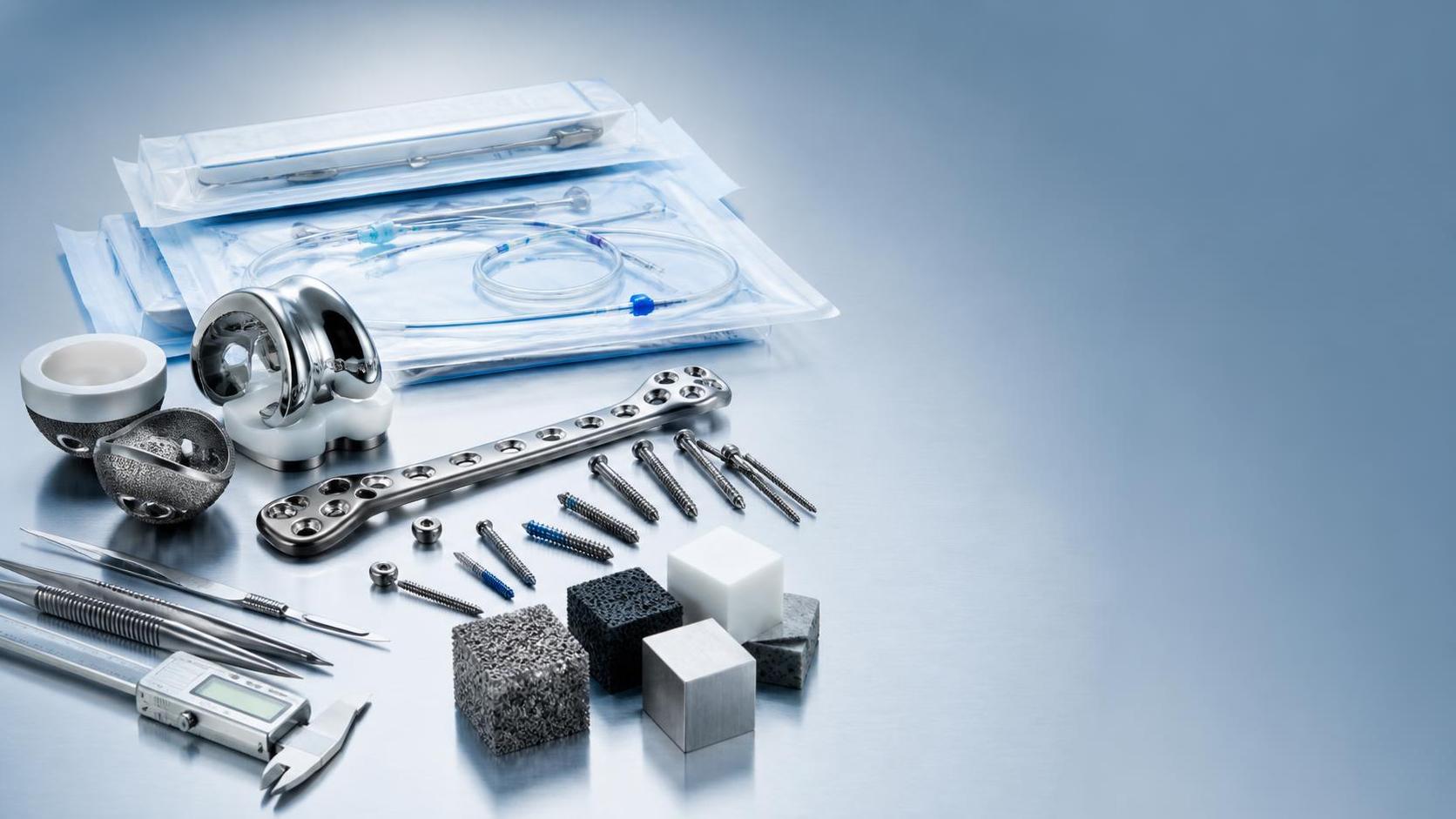
Medical Material Science Basics: What Determines Biocompatibility and Failure Risk
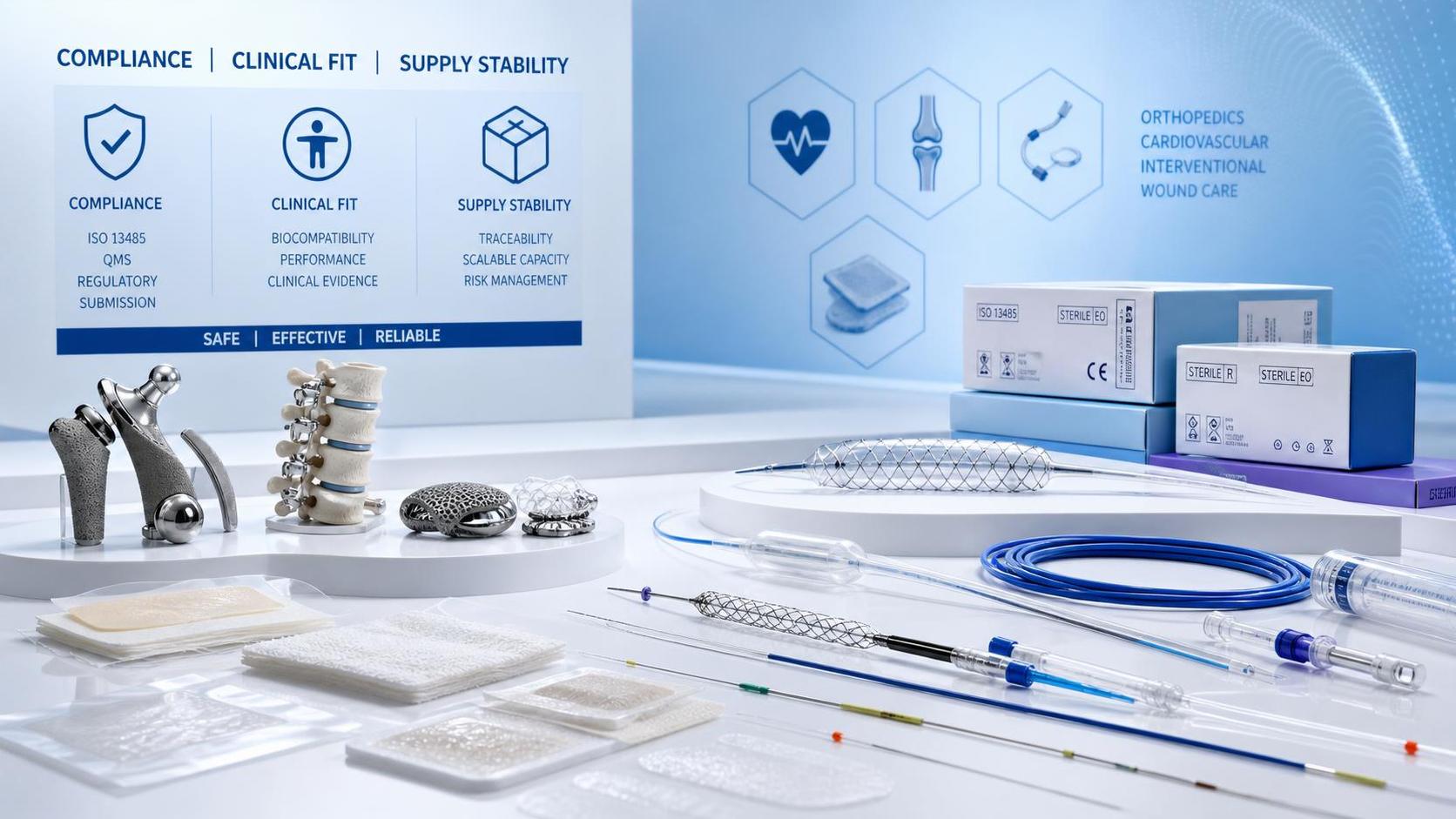
Medical material science sits at the point where chemistry, mechanics, biology, and regulation meet. A device may look stable on paper, yet real biocompatibility depends on how surfaces, structures, processing quality, and tissue reactions behave together over time.
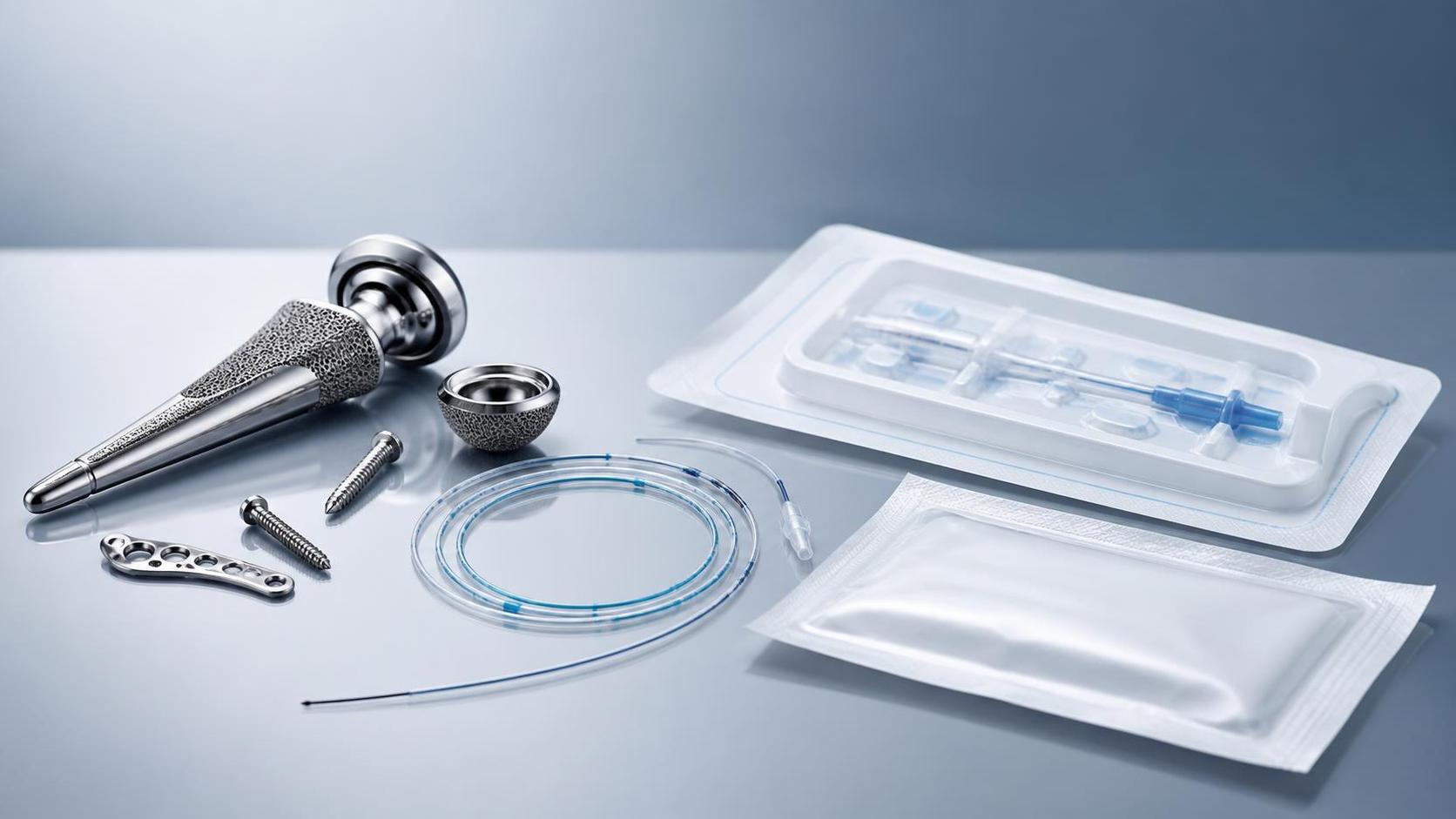
That is why failure risk remains a central industry concern. In implants, catheters, staplers, and wound care systems, small material decisions can shape healing speed, inflammatory burden, thrombosis risk, wear behavior, and long-term clinical outcomes.
Across the sectors tracked by IMCS, the most useful view is practical rather than purely academic: what truly determines whether a material integrates, irritates, degrades safely, or fails under real use conditions.
Biocompatibility starts with context, not with a label

In medical material science, “biocompatible” never means universally safe. It means a material performs an intended function in a specific anatomical site, for a defined duration, without causing unacceptable local or systemic harm.
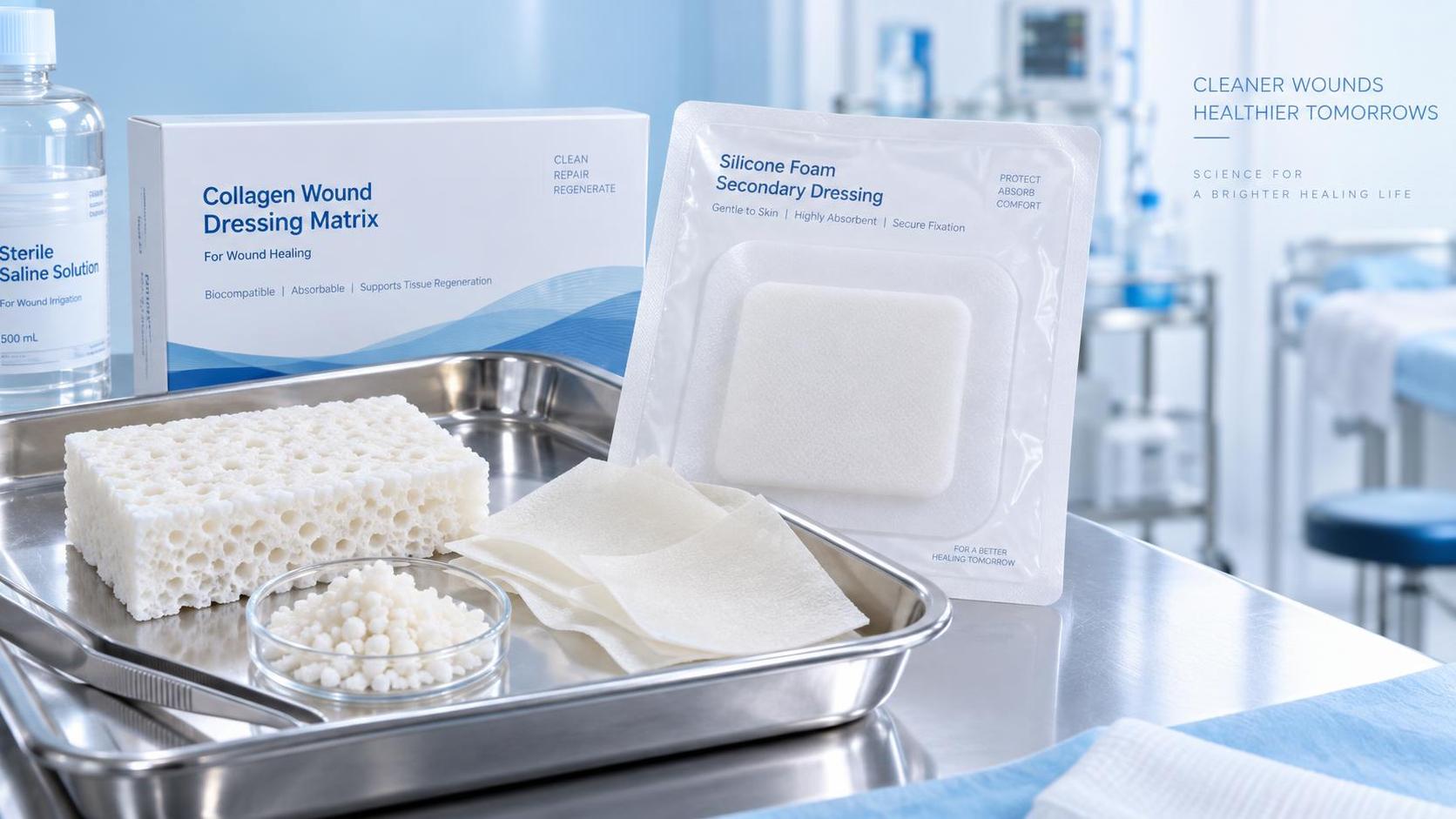
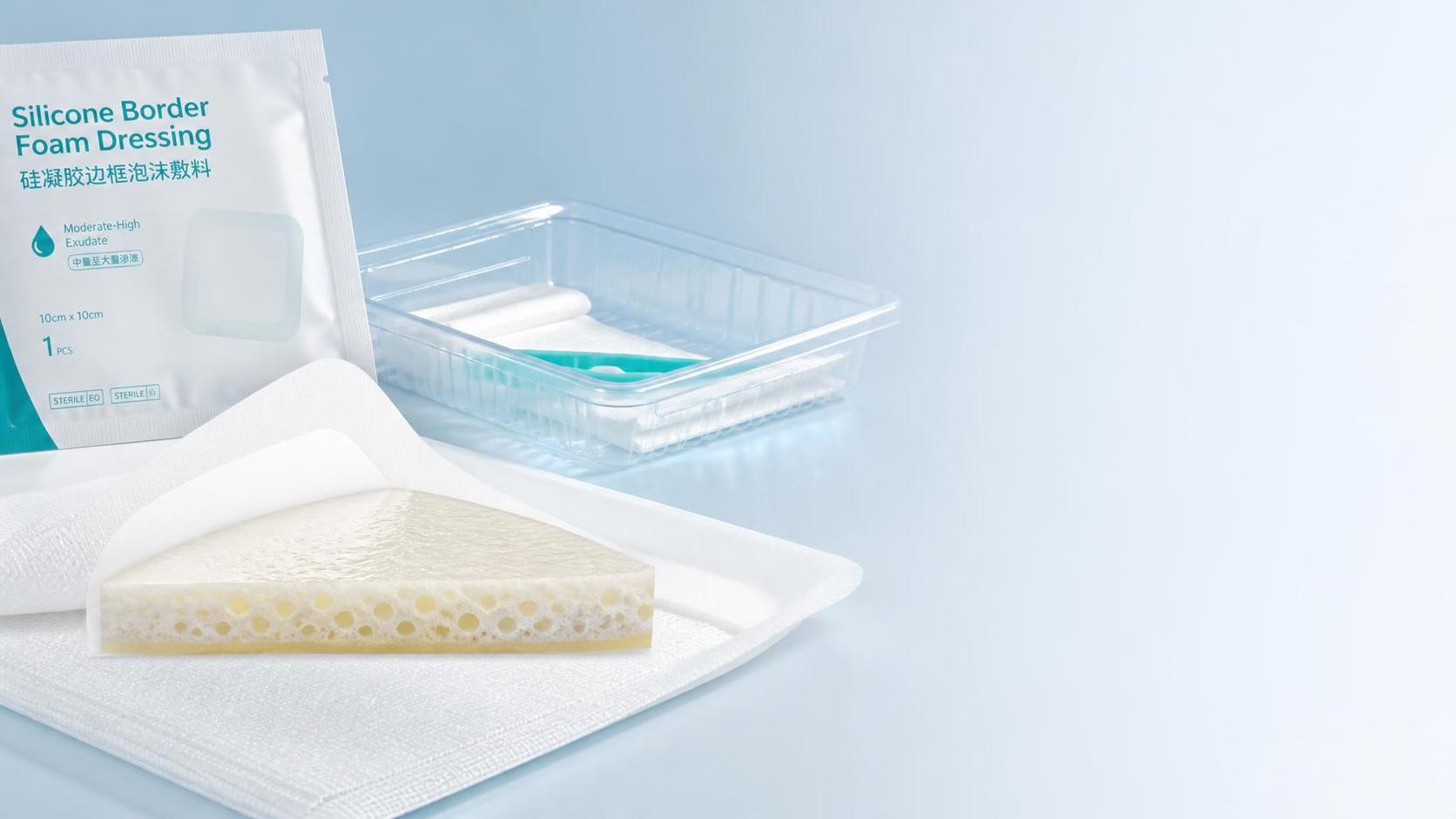
A titanium alloy for a hip stem faces very different demands than a drug-eluting coronary stent. A silicone foam dressing interacts with damaged skin, while a neurovascular microcatheter must move smoothly through delicate vessels.
The same base material can succeed in one setting and fail in another. Contact type, implantation time, motion, fluid exposure, and sterilization history all change the biological response.
This is a core principle in medical material science: properties only matter when matched to the clinical environment they must survive.
The four forces behind failure risk
Failure rarely comes from one cause alone. More often, it emerges from the interaction of material selection, manufacturing precision, host response, and validation discipline.
Material composition and microstructure
Composition defines corrosion resistance, fatigue strength, flexibility, wear behavior, and degradation pattern. Microstructure adds another layer, especially in porous implants, coated surfaces, and polymer blends.
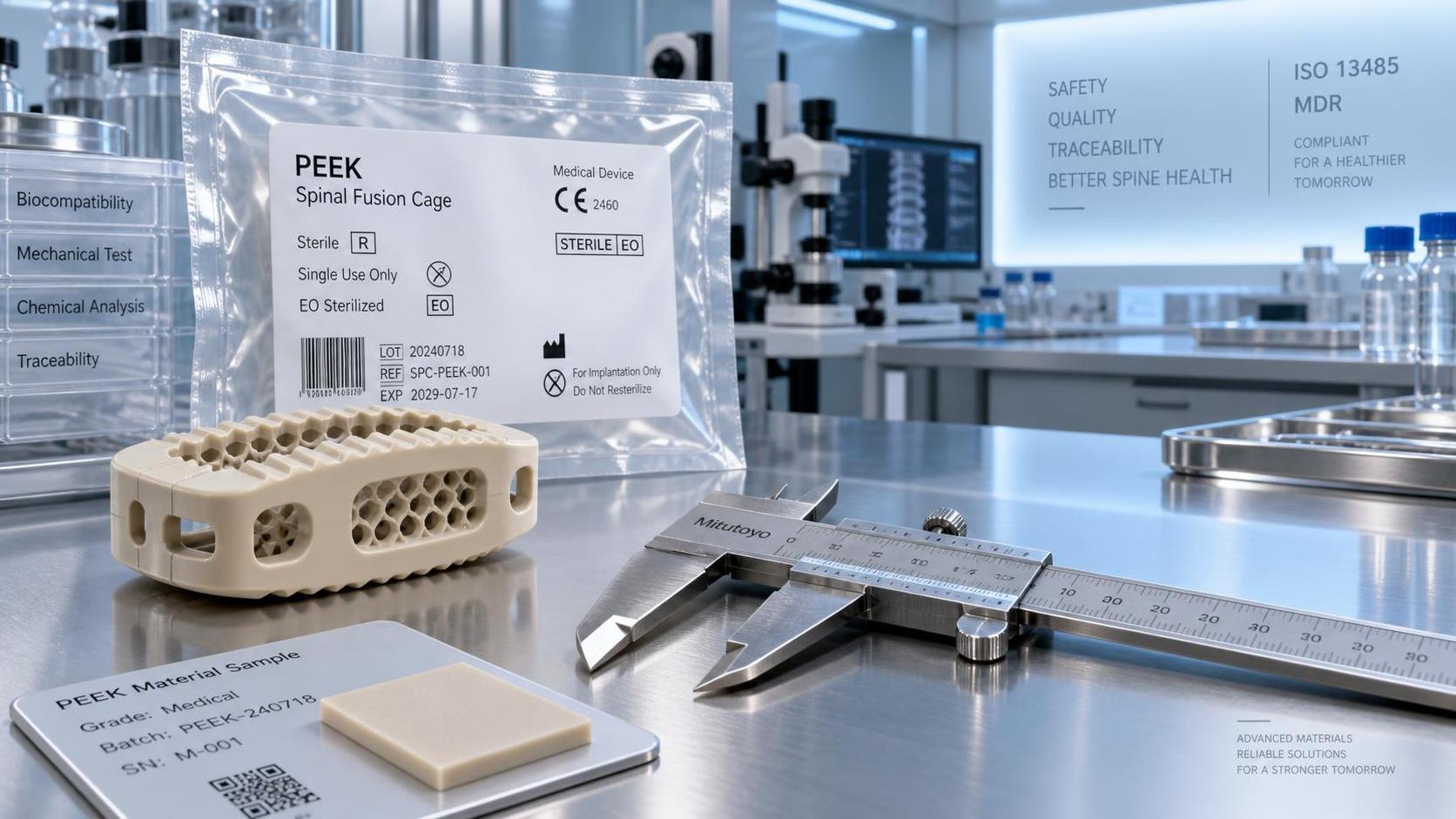
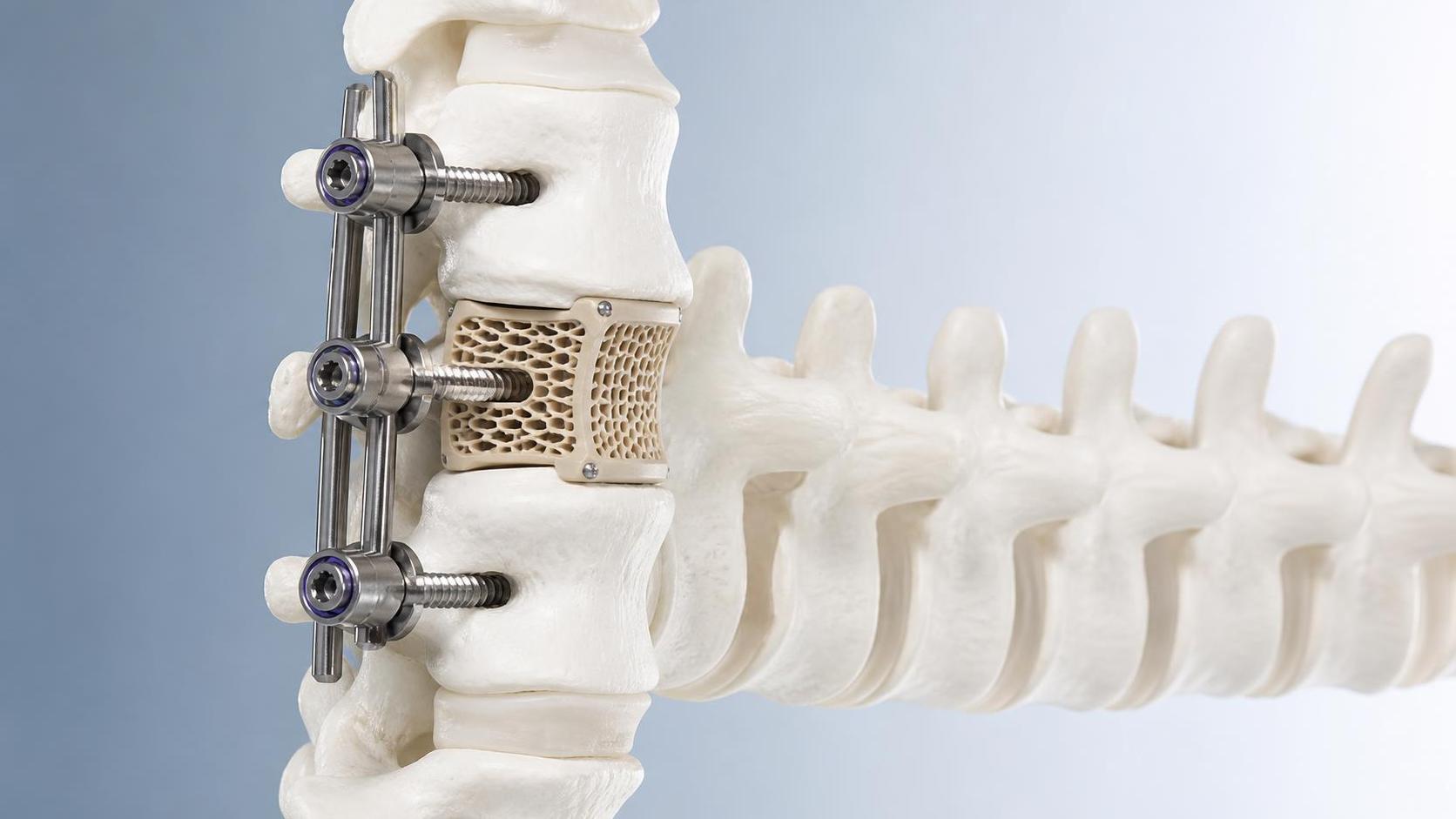
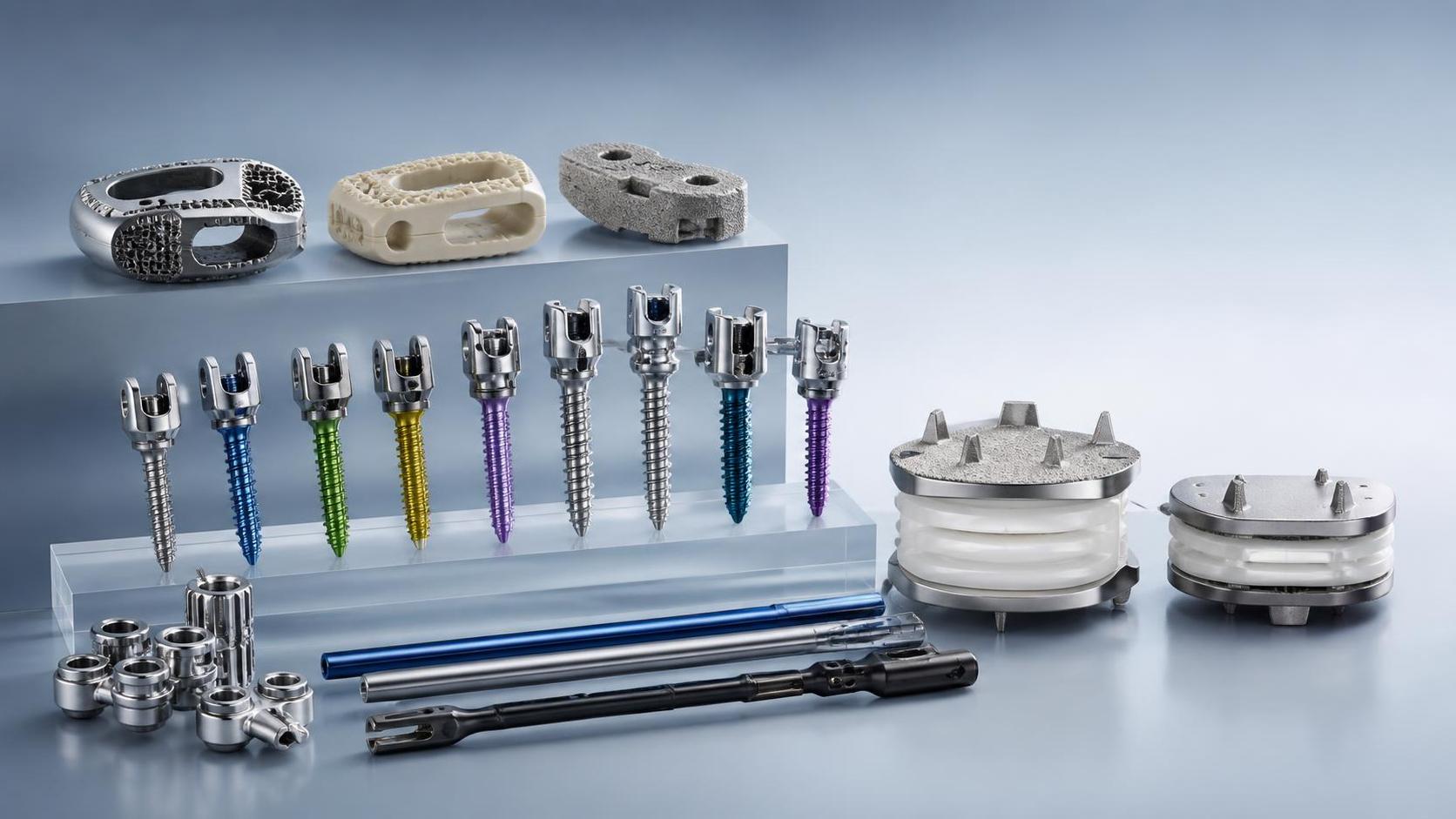
In orthopedic systems, porous titanium and PEEK serve different healing logics. One may encourage osseointegration through architecture. The other may reduce stiffness mismatch, but surface design becomes more critical.
Manufacturing and surface precision
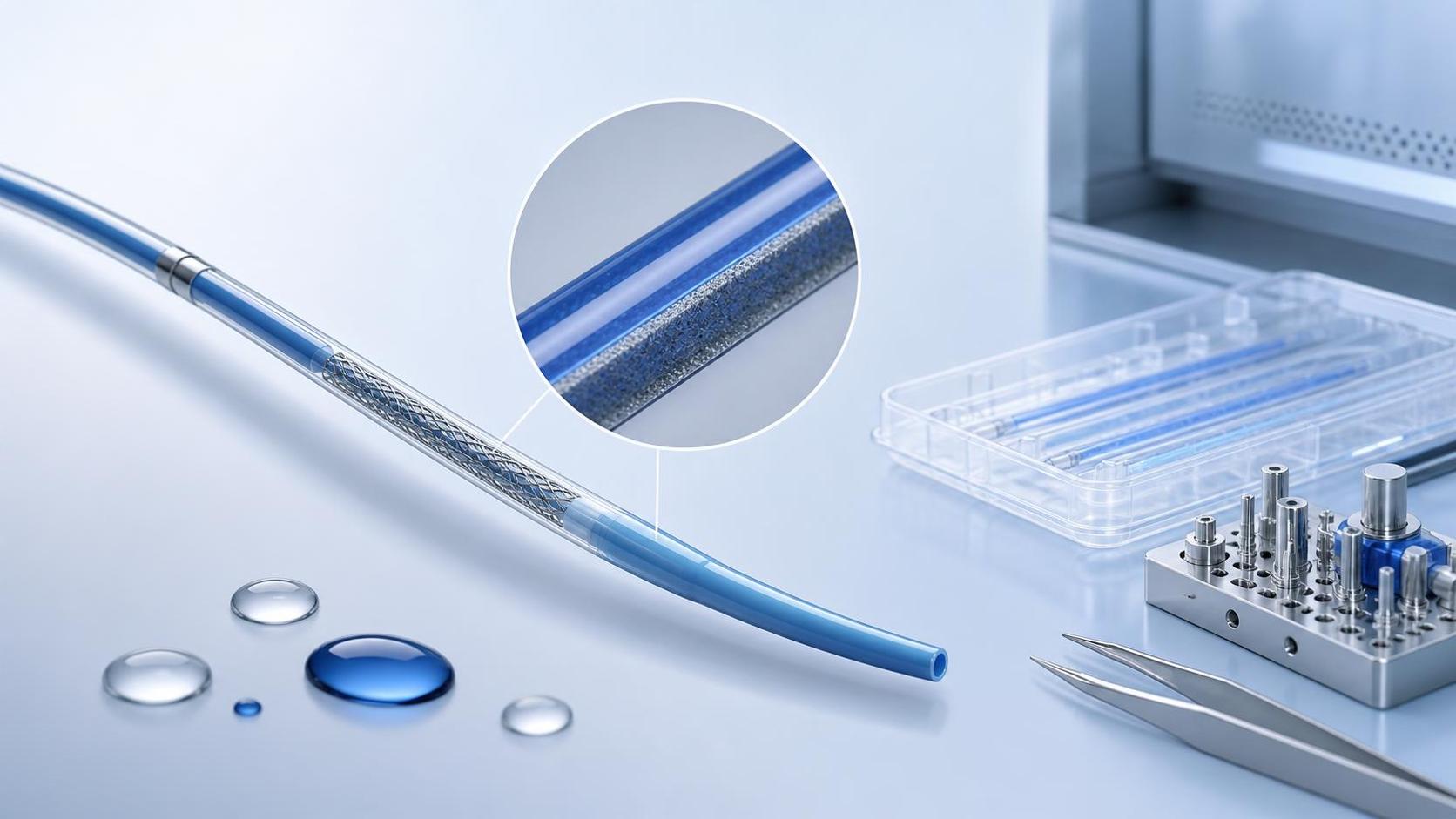
Micron-level variation changes clinical behavior. Surface roughness, residual particles, coating uniformity, edge quality, and dimensional tolerance can directly affect thrombogenicity, tissue trauma, leakage, fretting, or crack initiation.
This matters across IMCS focus areas, from stapler staple formation to stent strut finishing and catheter coating integrity.
Tissue response over time
Early compatibility is not enough. Acute inflammation, chronic foreign body reaction, thrombus formation, bacterial adhesion, and long-term tissue remodeling all influence whether a device keeps functioning safely.
A dressing that manages exudate well on day one may still fail if it macerates tissue later. A valve frame may deploy properly but still face calcification or fatigue concerns years later.
Regulatory and validation depth
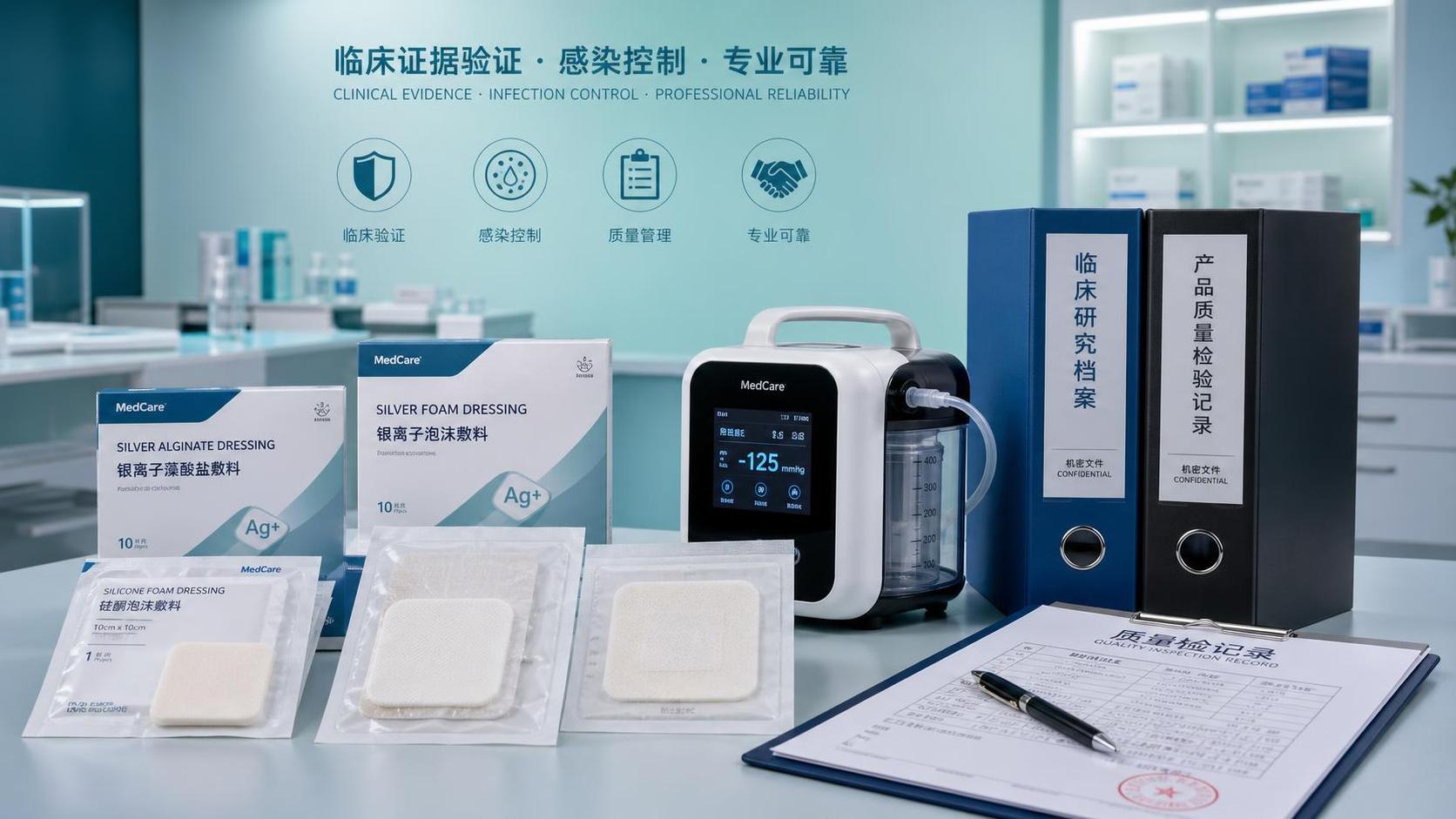
Medical material science becomes commercially meaningful only when claims are supported by testing and clinical evidence. ISO 10993 biological evaluation, extractables assessment, sensitization data, and clinical follow-up convert theory into usable risk judgment.
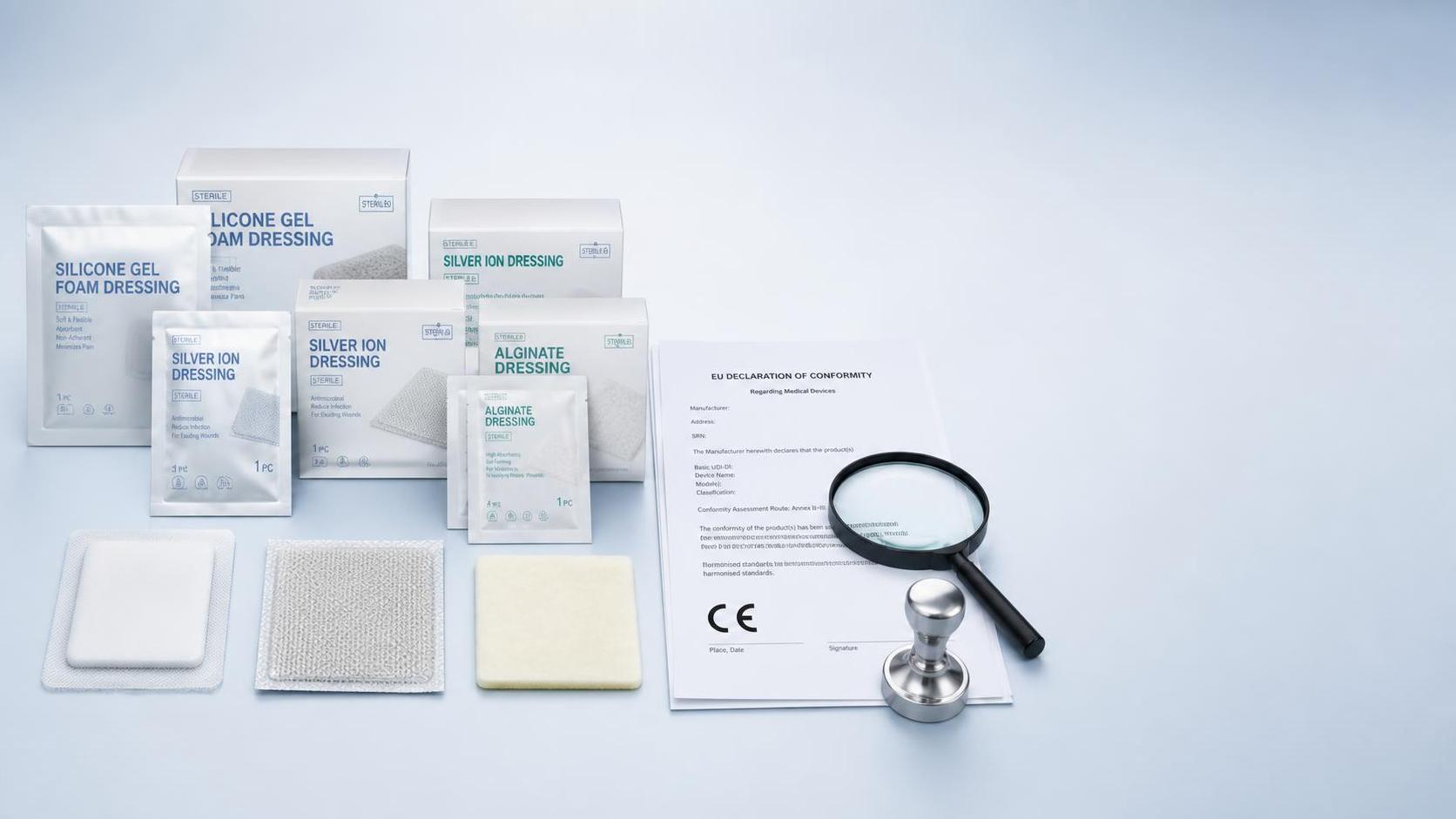
For Class III devices, CE MDR and comparable frameworks demand more than material datasheets. They require a defensible story linking composition, processing, clinical evidence, and post-market performance.
Why the topic matters more now
The current medical consumables market rewards proof, not assumptions. Price pressure, VBP dynamics, and stricter review standards are compressing margins while raising the cost of quality failure.
That makes medical material science a strategic issue, not just an R&D subject. Poor material choices can trigger recalls, delayed approvals, weak clinical adoption, and lower confidence in premium positioning.
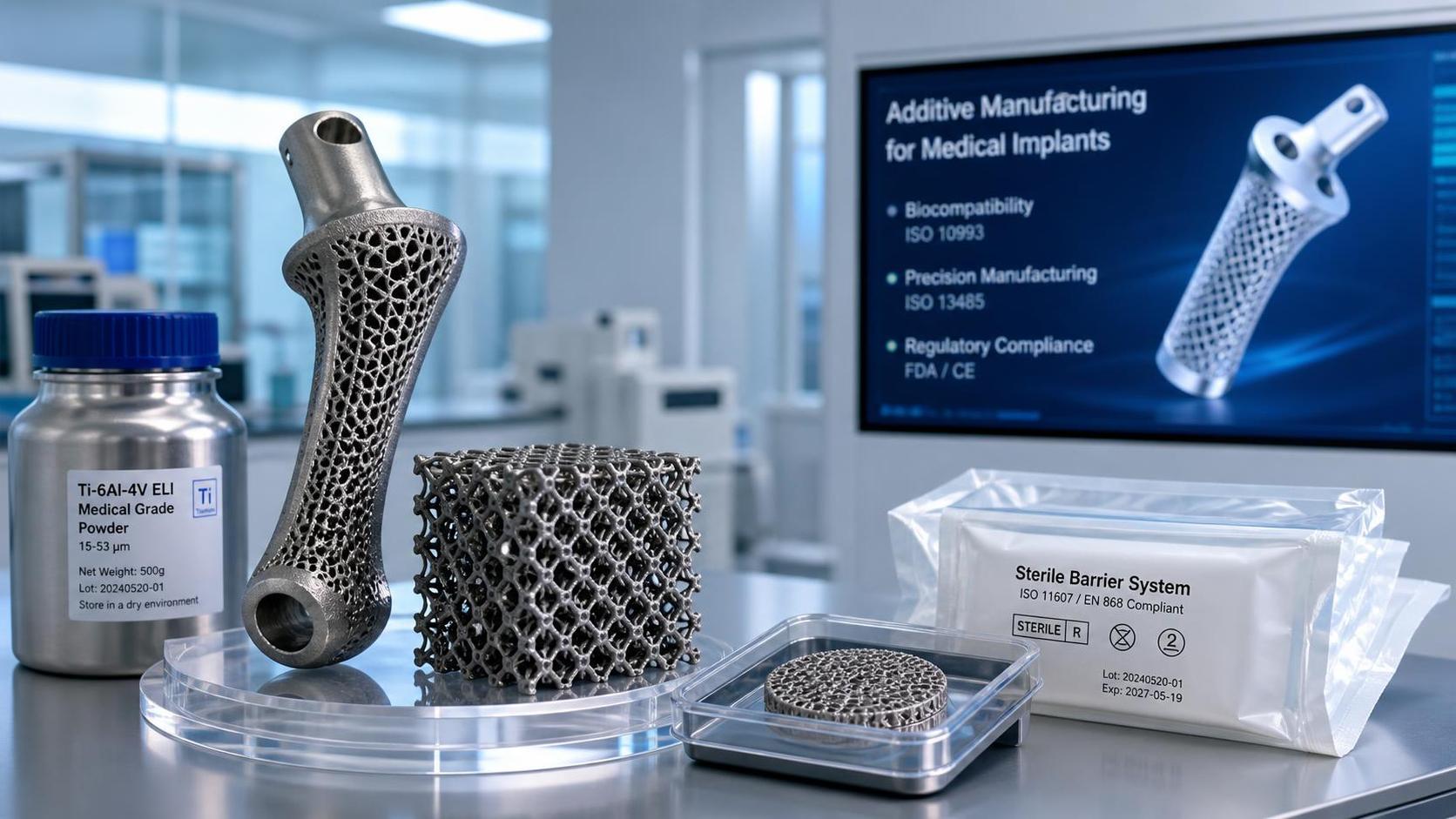
At the same time, product designs are becoming more ambitious. Drug coatings, bioactive surfaces, absorbable polymers, 3D-printed lattices, and multifunctional wound matrices introduce new performance opportunities, but also new interfaces where failure can begin.
This is where an intelligence-led view helps. IMCS connects material behavior with regulatory logic, clinical interpretation, and market consequences, which is often how real decisions are made.
How medical material science plays out across major device categories
The risk profile changes by application. Looking at category-specific demands often reveals what should be tested, compared, or monitored first.
These differences explain why medical material science cannot be assessed through one generic checklist. The intended pathway of contact changes everything from test design to acceptable trade-offs.
What to look at when judging a material decision
In practice, a strong evaluation framework usually combines biological, mechanical, and process evidence. The most informative questions are often simple, but specific.
- What tissue, fluid, or blood environment will the material contact?
- How long will that contact last: minutes, months, or decades?
- Does the final surface match the intended biological response?
- Which manufacturing steps could introduce particles, residues, or stress?
- What failure mode is most clinically costly: thrombosis, loosening, leakage, or infection support?
- Do validation data reflect actual use conditions, not only bench convenience?
This kind of review is especially useful when comparing seemingly similar products. Two devices may share the same alloy or polymer family, yet differ sharply because of porosity, coating chemistry, sterilization effects, or manufacturing control.
From research signal to business judgment
For market analysis, medical material science offers a way to separate durable value from short-term claims. Better materials do not always mean exotic materials. Often they mean tighter process control, cleaner interfaces, and clearer evidence.
That distinction matters in high-value consumables. A premium position is easier to defend when biocompatibility advantages can be linked to lower revision risk, faster healing, safer deployment, or better long-term tissue response.
It also matters under procurement pressure. When prices tighten, material and validation strategy become part of resilience. Products with weak evidence or marginal process consistency tend to suffer first.
IMCS addresses this gap by reading materials through several lenses at once: toxicology boundaries, clinical evaluation logic, and the market impact of regulation and VBP-driven competition.
Useful next steps for deeper assessment
A good next move is to map one device category against its dominant failure pathways. In orthopedic systems, that may mean focusing on fixation, wear, and corrosion couples. In catheters, surface integrity and thrombotic response may come first.
Then compare the material story with the evidence story. If a product claims superior medical material science, the question is whether bench data, ISO 10993 endpoints, clinical follow-up, and manufacturing discipline all point in the same direction.
For ongoing tracking, it helps to watch not only innovation headlines, but also recall patterns, CER expectations, coating failures, particulate issues, and long-term post-market signals.
That approach keeps medical material science grounded in what matters most: whether a material remains safe, functional, and clinically credible when it leaves the lab and enters the body.
A careful review of material selection, surface engineering, validation depth, and use-specific risk is usually the clearest starting point for any further comparison, investment screen, or product assessment.
Get weekly intelligence in your inbox.
No noise. No sponsored content. Pure intelligence.
News Recommendations
 Sep 13, 2026What a medical device market insights platform reveals about market accessWhat a medical device market insights platform reveals about market access
 Sep 12, 2026When are collagen-based tissue healing materials suitable for wound care?When are collagen-based tissue healing materials suitable for wound care?
 Sep 11, 2026How catheter material selection affects total cost of ownershipHow catheter material selection affects total cost of ownership
 Sep 10, 2026What FDA clearance means for medical grade PEEK implantsWhat FDA clearance means for medical grade PEEK implants
 Sep 09, 2026When do hydrogel wound healing technologies suit dry wounds?When do hydrogel wound healing technologies suit dry wounds?
 Sep 07, 2026How to assess medical consumables for surgical useHow to assess medical consumables for surgical use
 Sep 07, 2026How to verify CE MDR compliance for single-use medical consumablesHow to verify CE MDR compliance for single-use medical consumables
 Sep 05, 2026How to evaluate an antithrombotic catheter factory for qualityHow to evaluate an antithrombotic catheter factory for quality
 Sep 04, 2026When do minimally invasive surgical staplers improve GI access?When do minimally invasive surgical staplers improve GI access?
 Sep 03, 2026When are foam moist wound healing dressings appropriate for exuding wounds?When are foam moist wound healing dressings appropriate for exuding wounds?
 Sep 02, 2026How implant pricing affects access to advanced medical careHow implant pricing affects access to advanced medical care
 Sep 01, 2026What is driving price pressure in the North American medical consumables market?What is driving price pressure in the North American medical consumables market?
 Aug 31, 2026Comparing medical devices in Southeast Asia when market access differsComparing medical devices in Southeast Asia when market access differs
 Aug 30, 2026When are 3D printed PEEK implants suitable for spinal reconstruction?When are 3D printed PEEK implants suitable for spinal reconstruction?
 Aug 29, 2026How global medical device regulations shape clinical evidence requirementsHow global medical device regulations shape clinical evidence requirements
 Aug 28, 2026How to verify a burn care dressings exporter meets EU MDR requirementsHow to verify a burn care dressings exporter meets EU MDR requirements
 Aug 27, 2026How to verify a diabetic foot wound care supplier’s clinical evidenceHow to verify a diabetic foot wound care supplier’s clinical evidence
 Aug 26, 2026What drives spinal implants price differences across implant typesWhat drives spinal implants price differences across implant types
 Aug 25, 2026What matters most in a medical consumables platform comparisonWhat matters most in a medical consumables platform comparison
 Aug 24, 2026What a medical device intelligence guide should cover before market accessWhat a medical device intelligence guide should cover before market access
 Aug 23, 2026What drives catheter coating technology cost in early device designWhat drives catheter coating technology cost in early device design
 Aug 22, 2026How custom 3D printed medical implants meet biocompatibility requirementsHow custom 3D printed medical implants meet biocompatibility requirements
 Aug 21, 2026What makes an implant commercialization strategy in Europe fail at market accessWhat makes an implant commercialization strategy in Europe fail at market access
 Aug 20, 2026What drives catheter coating technology cost in product developmentWhat drives catheter coating technology cost in product development
 Aug 19, 2026What drives medical device compliance cost during market entryWhat drives medical device compliance cost during market entry
 Aug 18, 2026When does an antimicrobial central venous catheter lower infection risk?When does an antimicrobial central venous catheter lower infection risk?
 Aug 17, 2026What ISO 13485 means for medical precision machining suppliersWhat ISO 13485 means for medical precision machining suppliers