Implantable Medical Devices: Key Biocompatibility Risks to Check Early
Why early checks matter before implantable medical devices reach validation

Implantable medical devices rarely fail because one test was missed.
More often, trouble starts earlier, when material behavior is judged too narrowly.
A polymer looks acceptable in bench screening, yet changes after sterilization.
A metal surface passes chemistry review, yet sheds particles under cyclic loading.
That is why early biocompatibility review matters for implantable medical devices.
It reduces redesign risk, protects timelines, and prevents avoidable patient harm.
In practice, the right starting point is not the standard alone.
The right starting point is the real use scenario.
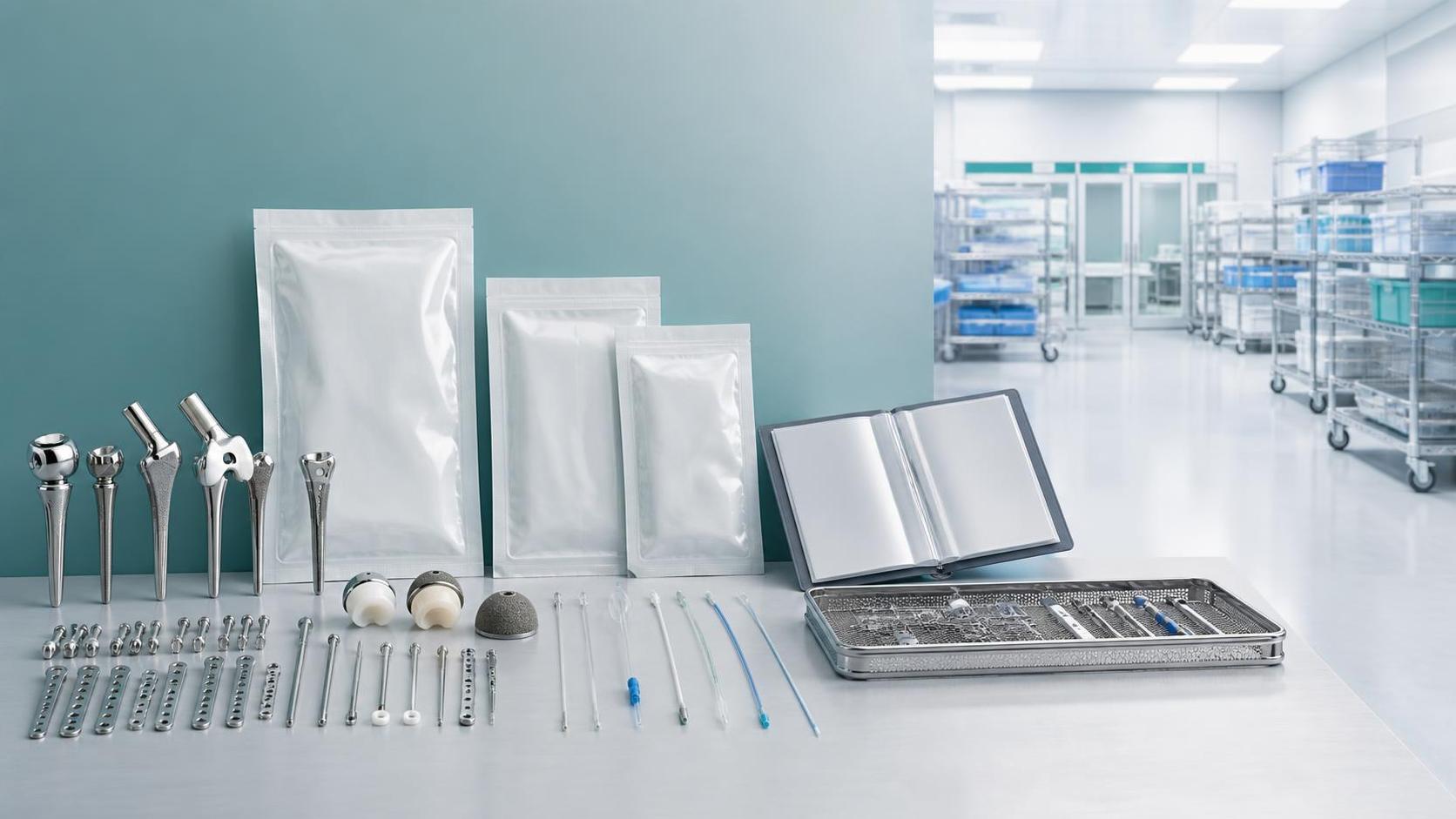
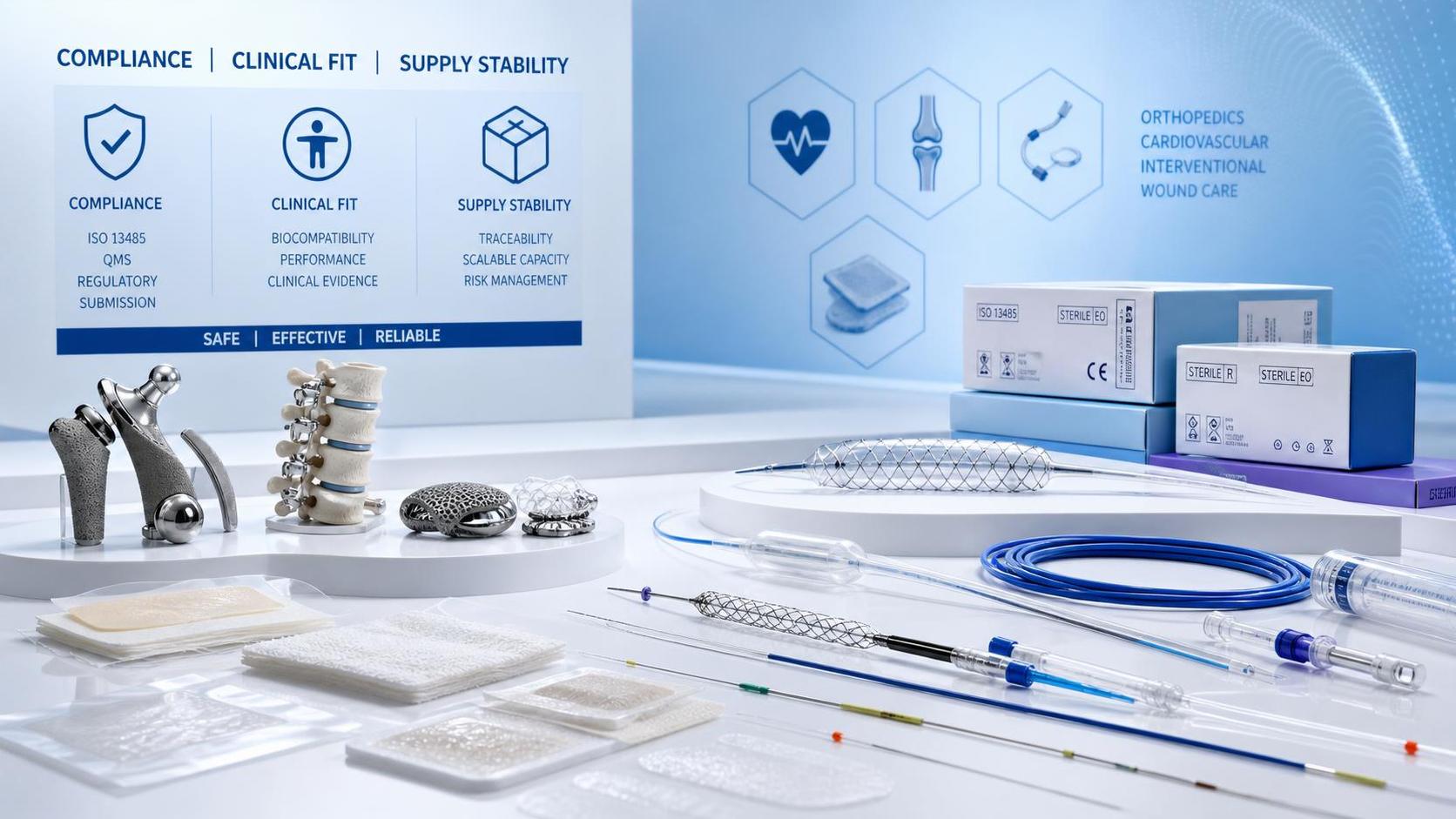
IMCS follows this logic across orthopedic implants, cardiovascular devices, catheters, stapling systems, and advanced wound materials.
The common thread is simple: biological safety depends on contact type, duration, mechanical stress, and processing history.
For implantable medical devices, early risk framing is rarely a paperwork exercise.
It is a development decision that shapes testing, clinical logic, and cost exposure.
Different implant settings create different biocompatibility questions
Two products may both be classified as implantable medical devices, yet their risks differ sharply.
A spinal cage, a coronary stent, and a long-term catheter do not challenge the body in the same way.
The first distinction is tissue environment.
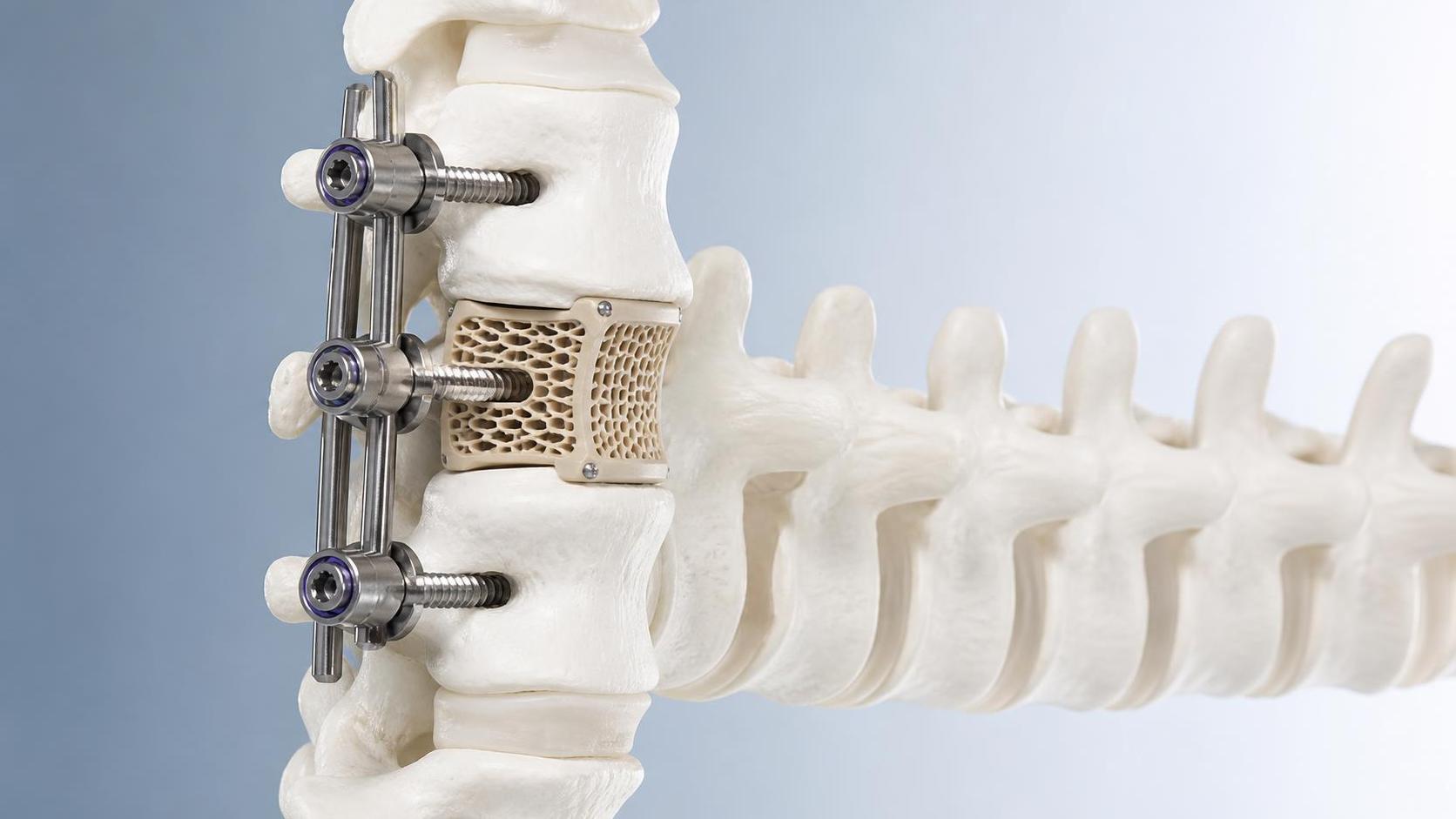
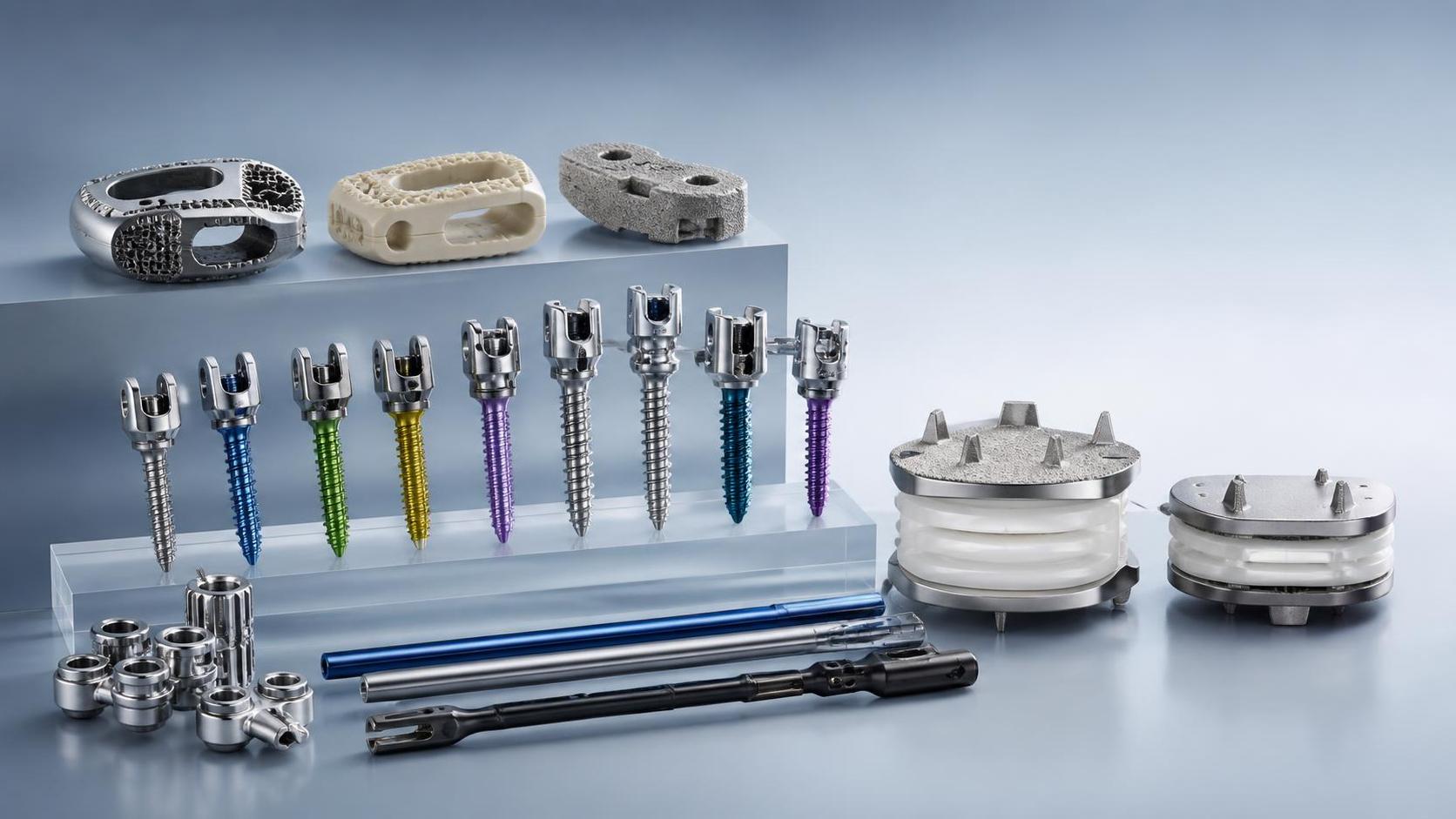
Bone-facing materials raise questions about osseointegration, wear debris, and chronic local response.
Blood-contacting systems bring hemolysis, thrombogenicity, complement activation, and leachable burden to the front.
Soft tissue closure devices may appear simple, yet compression, coatings, and metal ion release still matter.
The second distinction is product evolution during use.
Some implantable medical devices remain structurally stable for years.
Others degrade, swell, elute drugs, or experience friction at micro-interfaces.
In actual development, early review should ask how the device changes after implantation, not just what it is on day one.
Orthopedic implants need more than a clean material data sheet
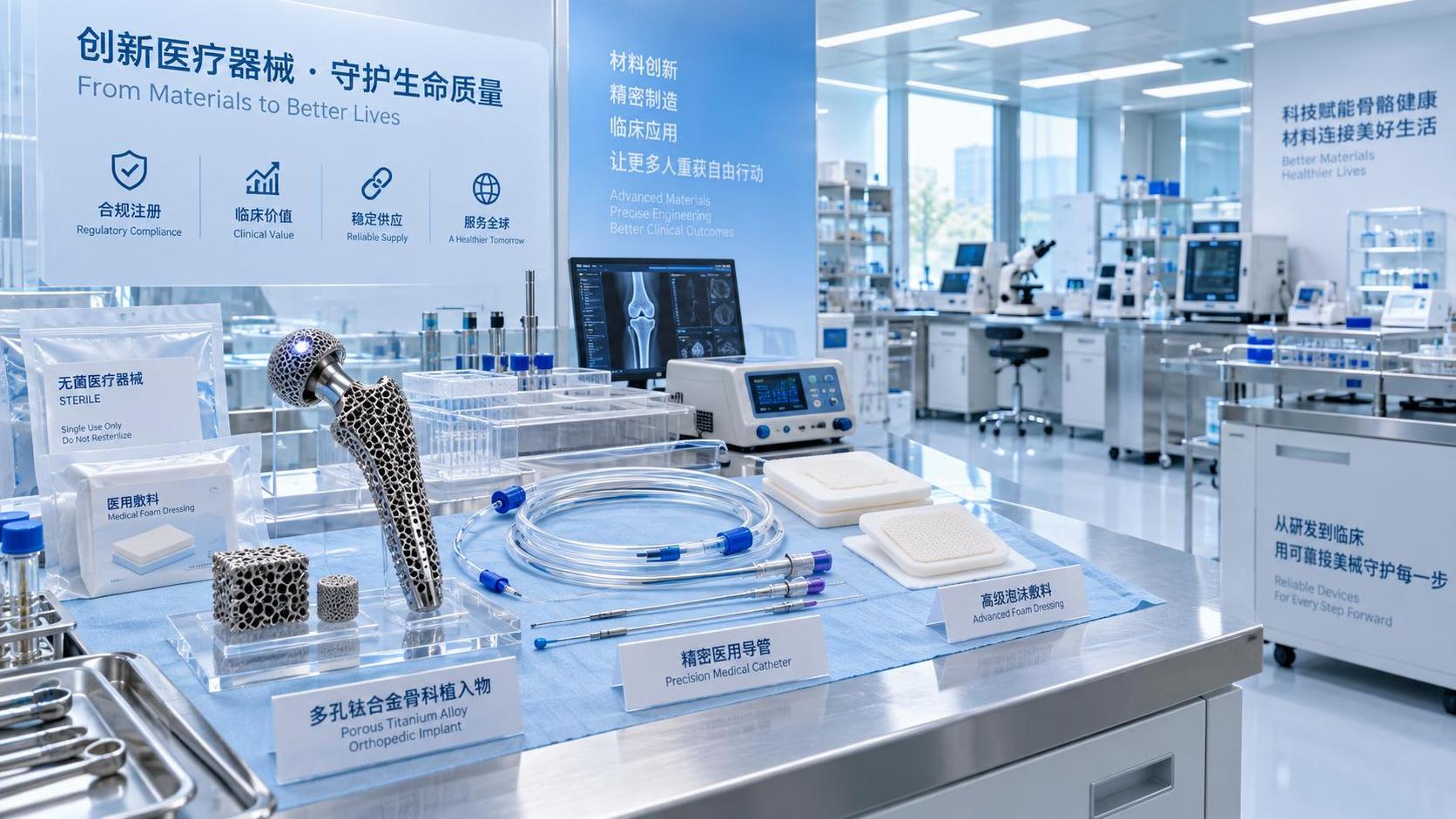
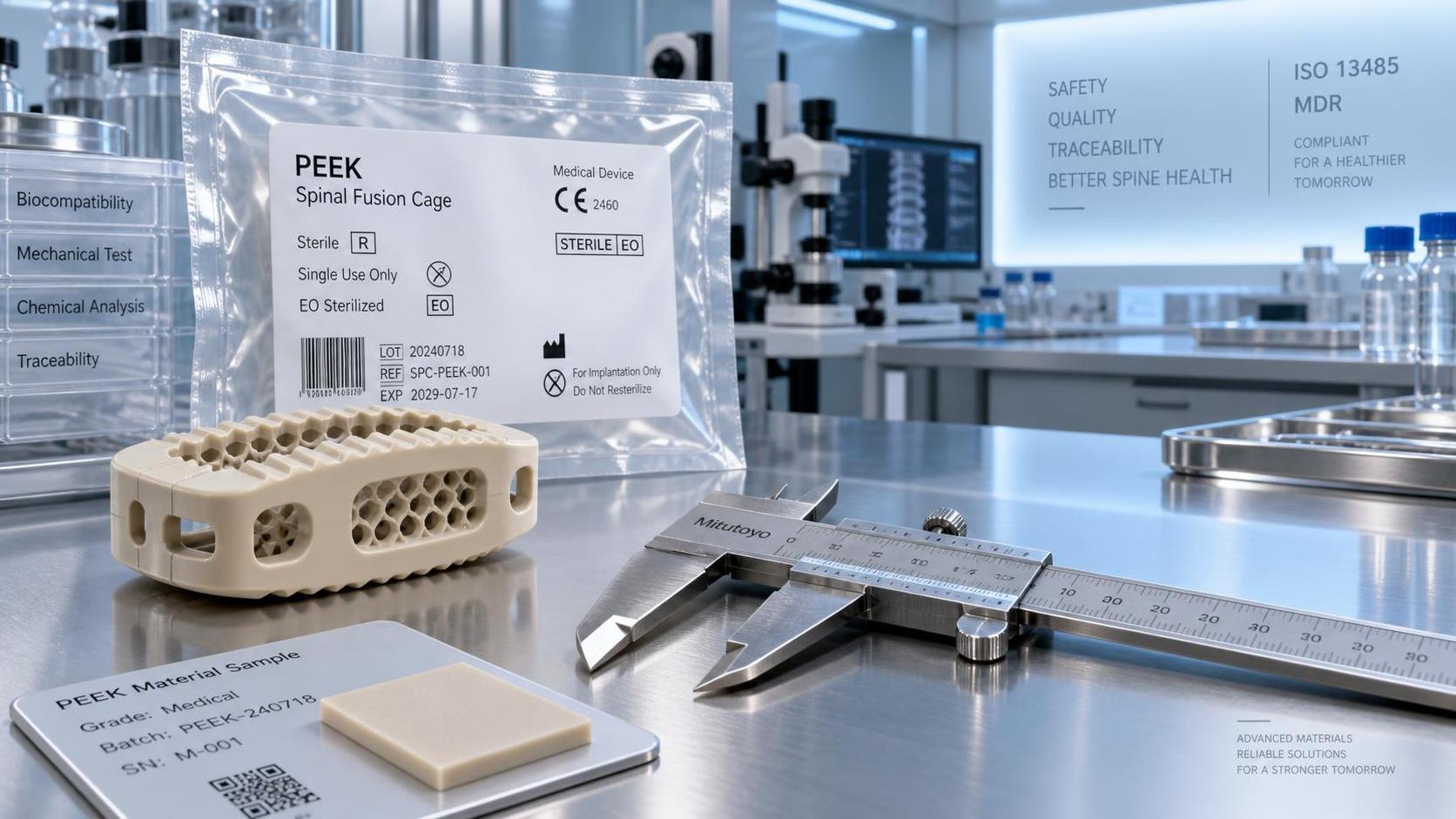
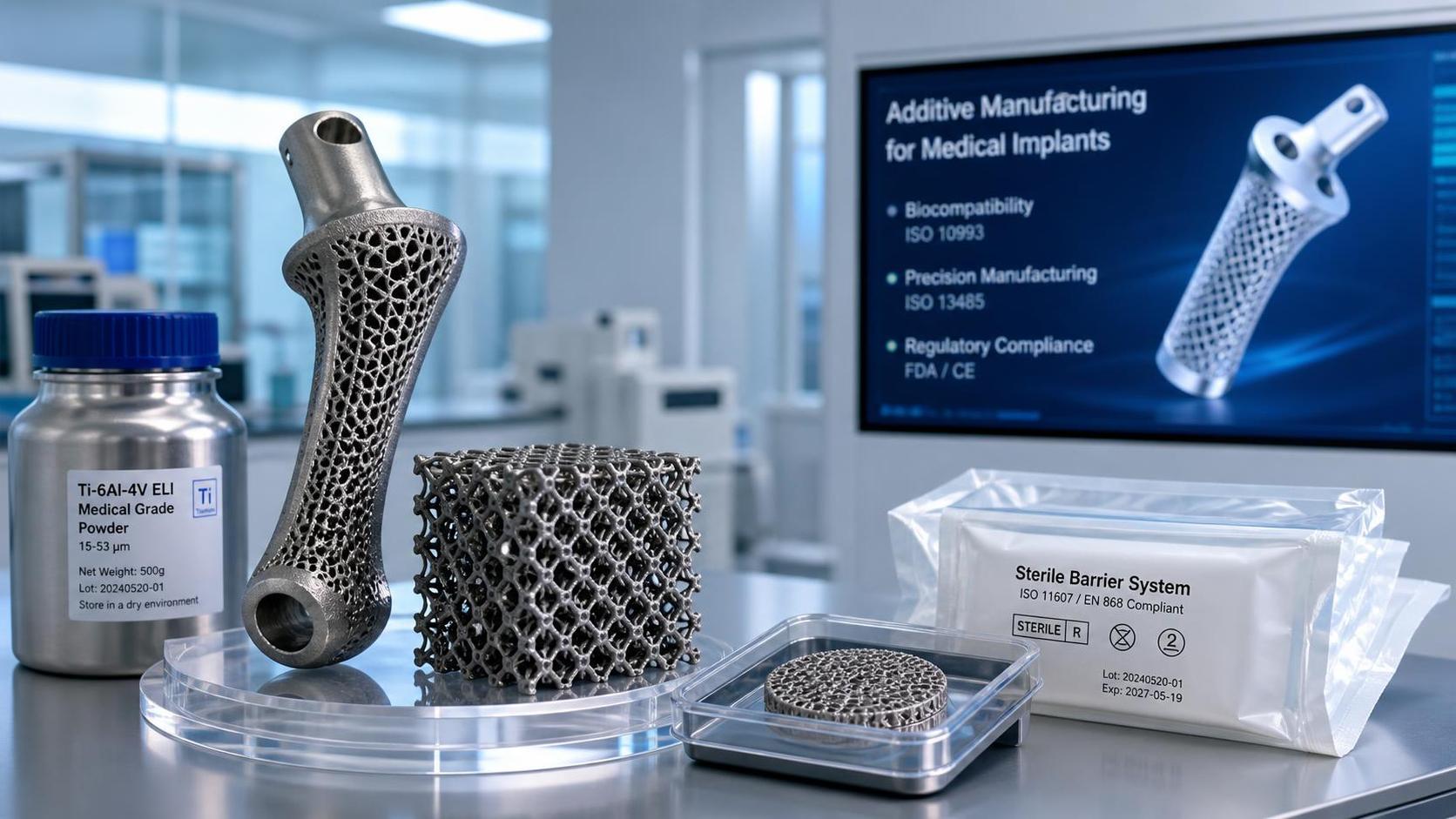
Orthopedic implantable medical devices often begin with trusted materials such as titanium alloys or PEEK.
That familiarity can create false confidence.
In real projects, risk often shifts from bulk material to surface design and process residues.
Porous 3D-printed structures improve fixation, but they also complicate cleaning validation and extractables assessment.
Micron-level machining can improve fit, yet finishing steps may introduce contamination or alter local chemistry.
A useful early question is whether the biological response will be driven by intended integration or unintended debris.
For joint systems, wear particles deserve attention much earlier than many teams expect.
For spinal systems, repeated loading and interface stability often shape the long-term tissue response.
This is where implantable medical devices benefit from combining ISO 10993 logic with realistic mechanical exposure assumptions.
What to check early in bone-contact applications
- Residual powders, lubricants, and cleaning agents trapped in porous or complex geometries.
- Particle generation from articulation, insertion, or revision-related handling.
- Surface treatment consistency, especially where osseointegration claims are central.
- Long-term local tolerance rather than short-term cytotoxicity alone.
Blood-contacting devices change the risk picture quickly
Cardiovascular implantable medical devices operate in a narrower biological margin.
A small material inconsistency can become a thrombosis problem, not just a documentation issue.
Stents, valves, and coated delivery systems demand special attention to hemocompatibility from the beginning.
In these settings, extractables are only part of the story.
Surface energy, coating integrity, and blood flow interaction influence protein adsorption and platelet activation.
Drug-eluting platforms add another layer.
The polymer carrier, release kinetics, and degradation byproducts can shift the toxicological profile over time.
For implantable medical devices in this category, early review should mirror the clinical pathway.
What touches blood during insertion may differ from what remains implanted for years.
That difference often determines which endpoints deserve priority.
Polymer-heavy systems often fail at the interface, not the core resin
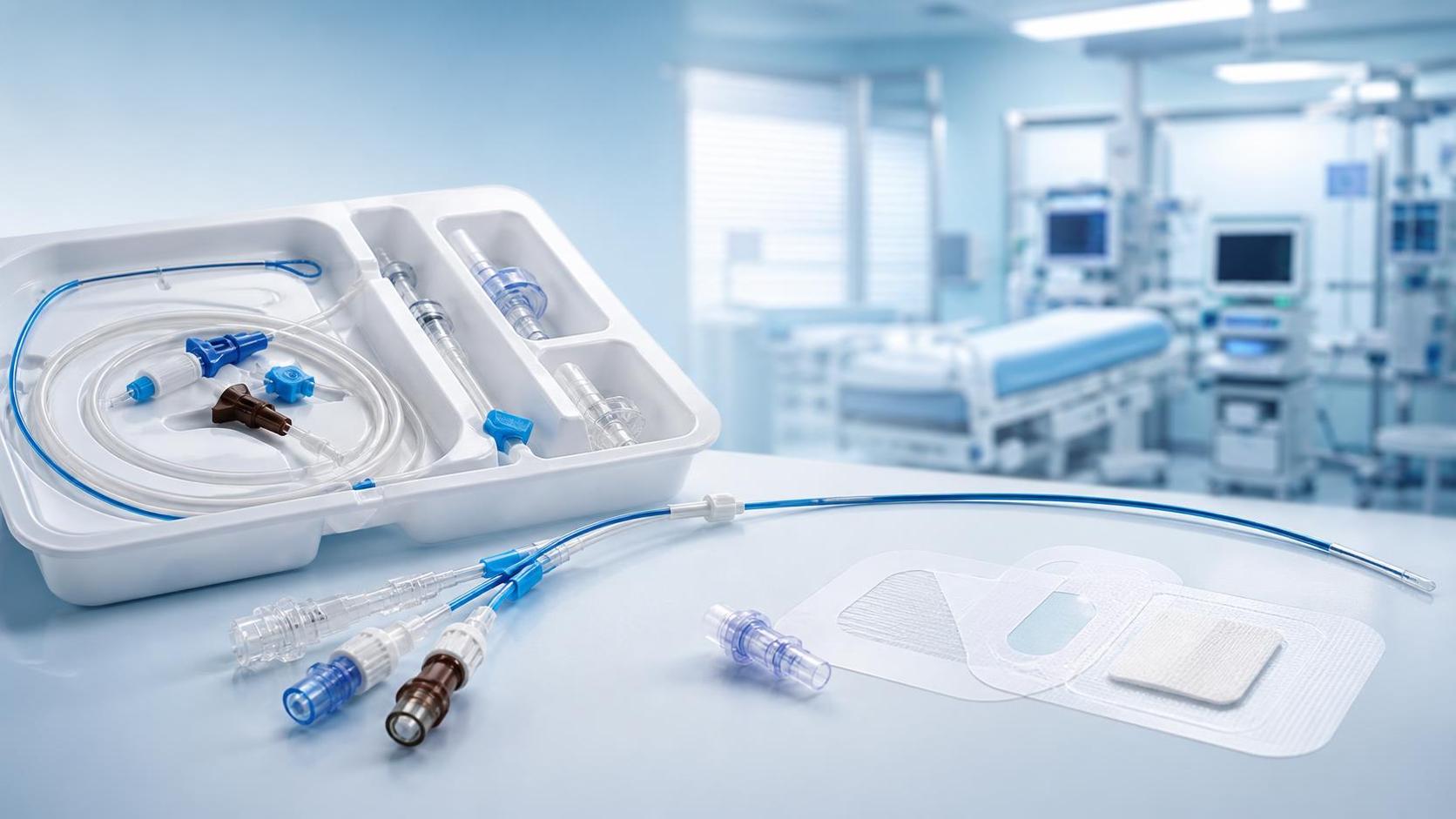
Many implantable medical devices rely on advanced polymers for flexibility and navigation.
Catheters, neurovascular micro-systems, and hybrid access devices are good examples.
The practical mistake is to evaluate only the base polymer certificate.
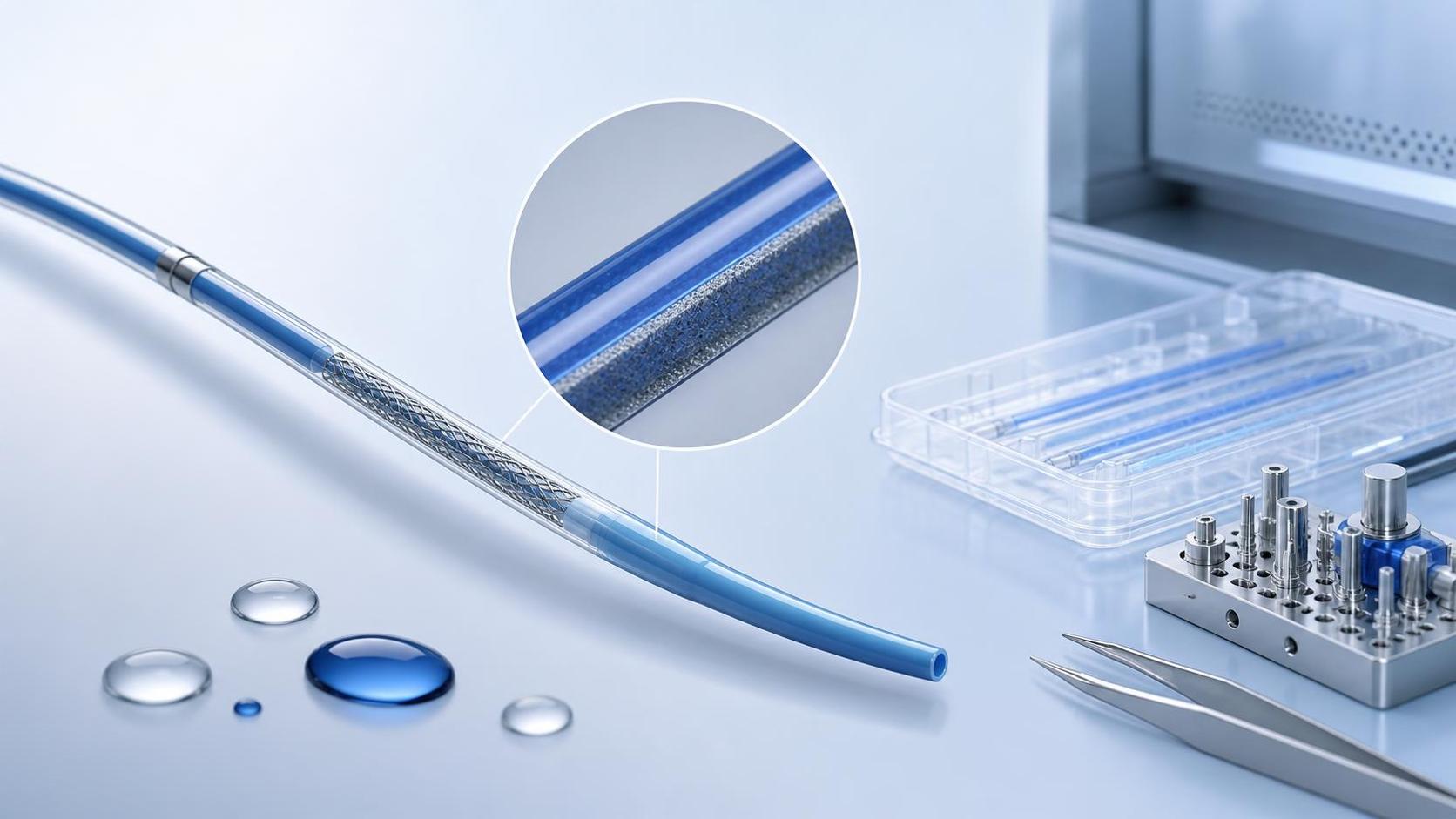
Actual patient exposure may come from tie layers, colorants, hydrophilic coatings, radiopaque fillers, or adhesive junctions.
These interfaces are where friction, swelling, flaking, and chemical migration often appear first.
Long-term vascular access creates another shift in judgment.
A device that performs well in short procedures may still trigger clot formation or inflammatory reaction during prolonged residence.
For implantable medical devices with coatings, early shelf-life simulation is especially valuable.
A stable formulation on release day can behave differently after aging and sterilization.
Closure devices and regenerative materials deserve a broader lens
Some implantable medical devices are underestimated because they look familiar.
Titanium staples, absorbable fixation parts, and tissue-contact regenerative materials often enter review with fewer questions than they deserve.
Yet the clinical context is complex.
Staple lines combine metal contact, compression injury, healing variability, and contamination sensitivity.
Absorbable components add time-dependent chemistry that changes the local environment during healing.
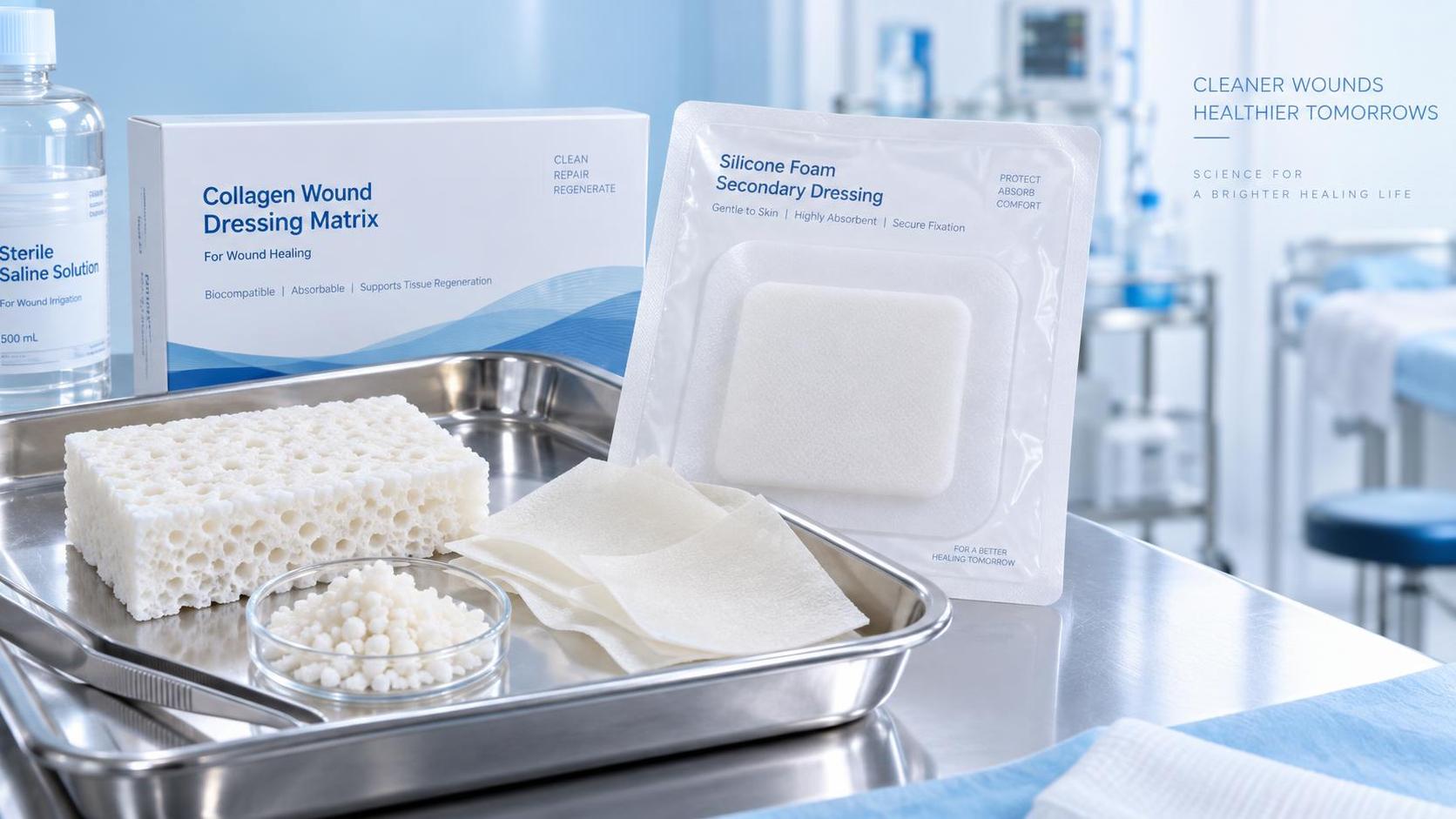
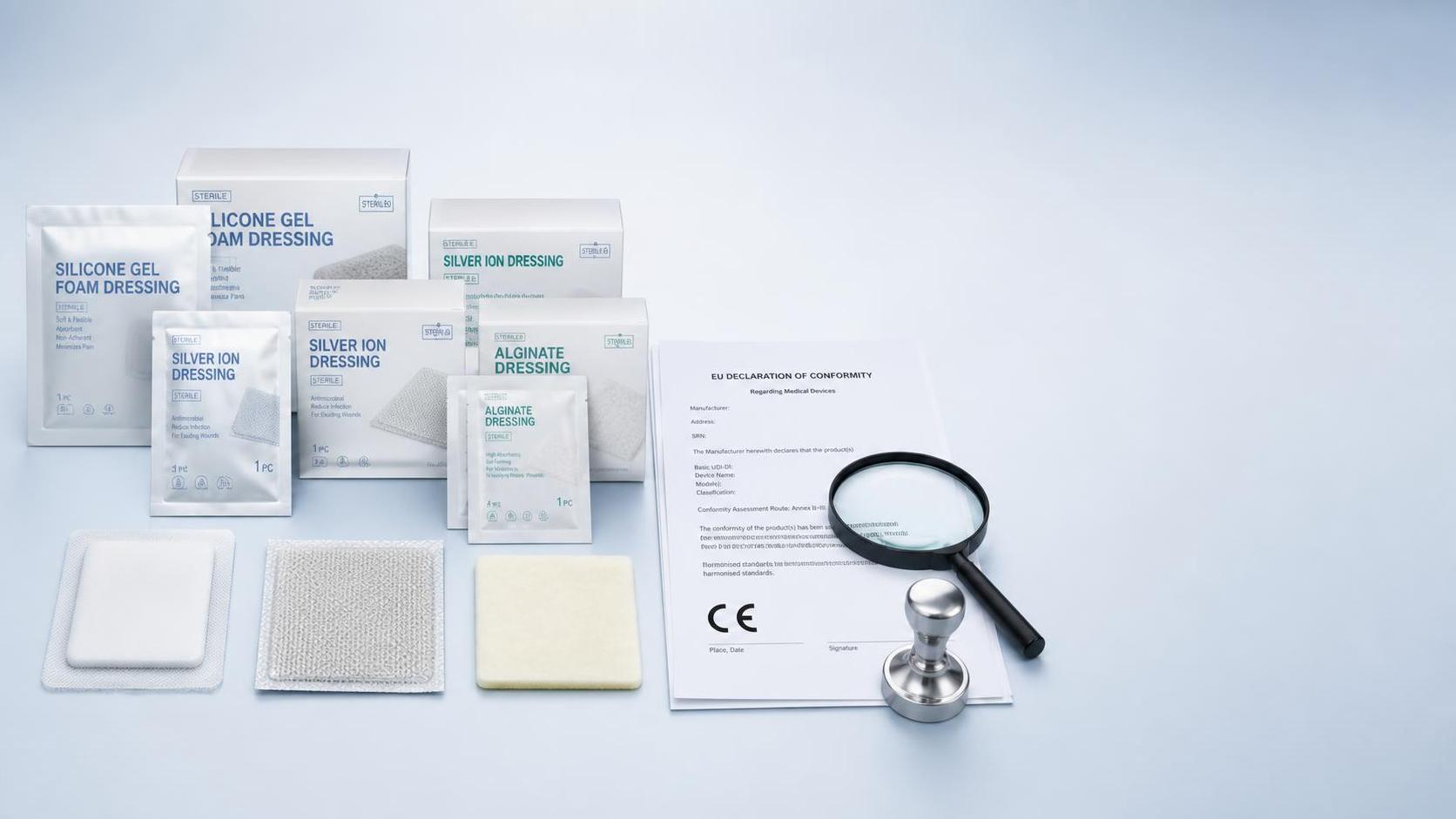
Regenerative matrices may support tissue recovery, but their biological promise raises the bar for characterization.
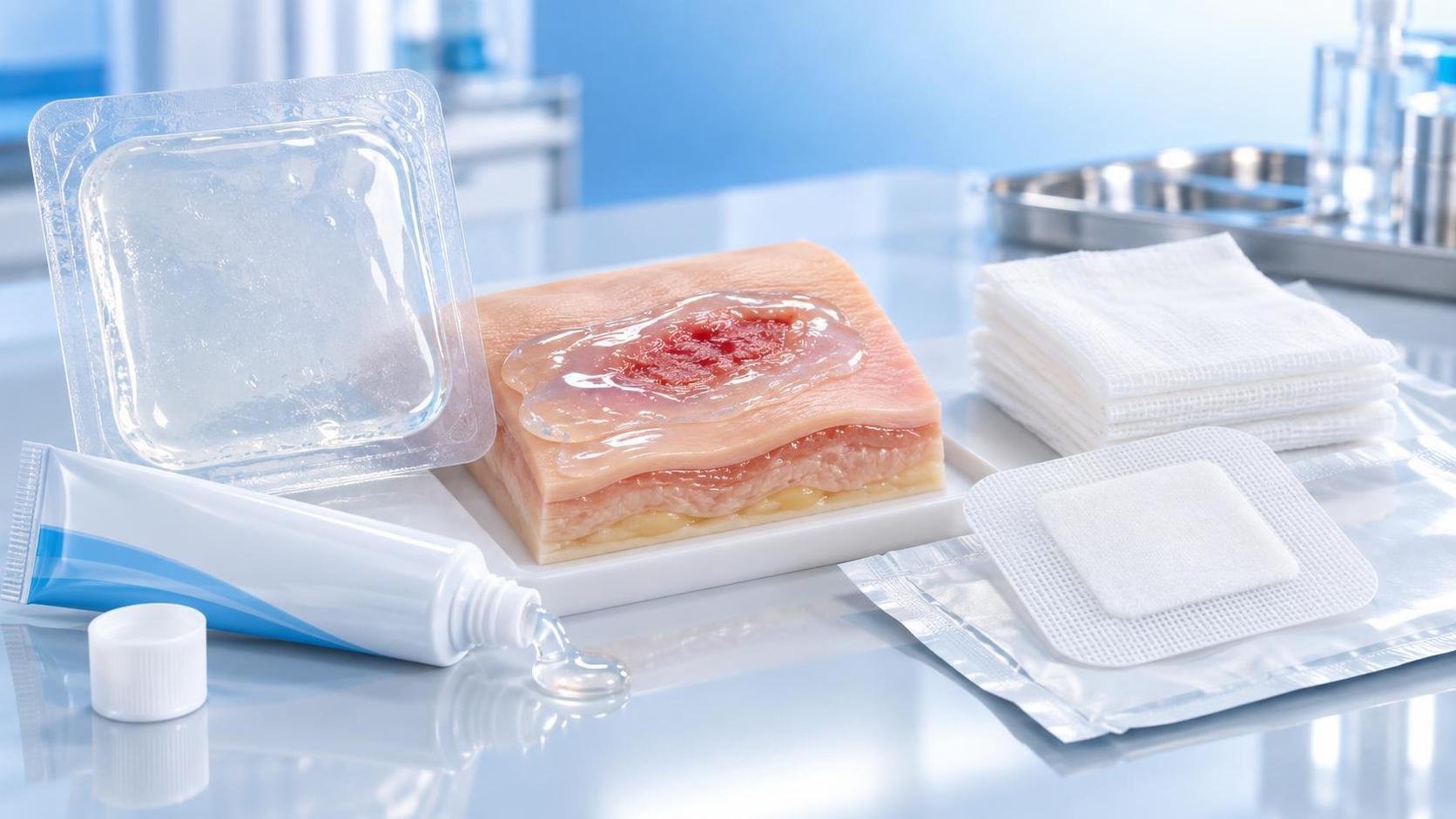
When a product interacts with compromised tissue, diabetic wounds, or post-surgical inflammation, conventional assumptions become less reliable.
In these scenarios, implantable medical devices should be judged against both intended benefit and the fragility of the surrounding tissue.
Where early programs usually misjudge risk
The most common error is treating similar products as biologically identical.
A legacy material history helps, but geometry, processing, and contact pathway can still change the risk profile.
Another misstep is relying on pass or fail thinking.
For implantable medical devices, a passing cytotoxicity result does not settle sensitization, thrombogenicity, or chronic response questions.
There is also a cost-driven shortcut that appears practical but backfires later.
Teams may postpone extractables work, aging studies, or particulate review until verification feels closer.
By then, material choices are harder to change, and regulatory narratives are less flexible.
In markets shaped by strict Class III expectations and VBP pressure, late discovery creates both compliance strain and pricing pressure.
Practical signals that deeper review is needed
- New surface treatment or additive package enters a previously known platform.
- Sterilization changes alter color, texture, lubricity, or residue profile.
- Device performance depends on coatings, elution, absorption, or tissue integration claims.
- Clinical contact duration differs from the original comparison device.
A workable path for choosing the right early checks
A strong program starts by mapping the full contact journey of implantable medical devices.
That means insertion, implantation, degradation, wear, and potential revision.
Next, separate bulk material confidence from process-specific uncertainty.
Machining oils, powders, coatings, adhesives, and packaging interactions deserve their own review path.
Then align biological questions with realistic use conditions.
Blood-contacting devices need a different emphasis than bone-integrating systems.
Absorbable products need a different timeline than permanent implants.
This scenario-based approach is where IMCS creates practical value.
By connecting toxicology logic, clinical evaluation expectations, and commercial realities, early decisions become easier to defend.
The next useful step is to build a concise matrix for each device family.
List contact type, material layers, process changes, likely endpoints, and evidence gaps.
That simple exercise often reveals where implantable medical devices need deeper testing, cleaner comparability, or earlier design adjustment.
Get weekly intelligence in your inbox.
No noise. No sponsored content. Pure intelligence.
News Recommendations
 Sep 13, 2026What a medical device market insights platform reveals about market accessWhat a medical device market insights platform reveals about market access
 Sep 12, 2026When are collagen-based tissue healing materials suitable for wound care?When are collagen-based tissue healing materials suitable for wound care?
 Sep 11, 2026How catheter material selection affects total cost of ownershipHow catheter material selection affects total cost of ownership
 Sep 10, 2026What FDA clearance means for medical grade PEEK implantsWhat FDA clearance means for medical grade PEEK implants
 Sep 09, 2026When do hydrogel wound healing technologies suit dry wounds?When do hydrogel wound healing technologies suit dry wounds?
 Sep 07, 2026How to assess medical consumables for surgical useHow to assess medical consumables for surgical use
 Sep 07, 2026How to verify CE MDR compliance for single-use medical consumablesHow to verify CE MDR compliance for single-use medical consumables
 Sep 05, 2026How to evaluate an antithrombotic catheter factory for qualityHow to evaluate an antithrombotic catheter factory for quality
 Sep 04, 2026When do minimally invasive surgical staplers improve GI access?When do minimally invasive surgical staplers improve GI access?
 Sep 03, 2026When are foam moist wound healing dressings appropriate for exuding wounds?When are foam moist wound healing dressings appropriate for exuding wounds?
 Sep 02, 2026How implant pricing affects access to advanced medical careHow implant pricing affects access to advanced medical care
 Sep 01, 2026What is driving price pressure in the North American medical consumables market?What is driving price pressure in the North American medical consumables market?
 Aug 31, 2026Comparing medical devices in Southeast Asia when market access differsComparing medical devices in Southeast Asia when market access differs
 Aug 30, 2026When are 3D printed PEEK implants suitable for spinal reconstruction?When are 3D printed PEEK implants suitable for spinal reconstruction?
 Aug 29, 2026How global medical device regulations shape clinical evidence requirementsHow global medical device regulations shape clinical evidence requirements
 Aug 28, 2026How to verify a burn care dressings exporter meets EU MDR requirementsHow to verify a burn care dressings exporter meets EU MDR requirements
 Aug 27, 2026How to verify a diabetic foot wound care supplier’s clinical evidenceHow to verify a diabetic foot wound care supplier’s clinical evidence
 Aug 26, 2026What drives spinal implants price differences across implant typesWhat drives spinal implants price differences across implant types
 Aug 25, 2026What matters most in a medical consumables platform comparisonWhat matters most in a medical consumables platform comparison
 Aug 24, 2026What a medical device intelligence guide should cover before market accessWhat a medical device intelligence guide should cover before market access
 Aug 23, 2026What drives catheter coating technology cost in early device designWhat drives catheter coating technology cost in early device design
 Aug 22, 2026How custom 3D printed medical implants meet biocompatibility requirementsHow custom 3D printed medical implants meet biocompatibility requirements
 Aug 21, 2026What makes an implant commercialization strategy in Europe fail at market accessWhat makes an implant commercialization strategy in Europe fail at market access
 Aug 20, 2026What drives catheter coating technology cost in product developmentWhat drives catheter coating technology cost in product development
 Aug 19, 2026What drives medical device compliance cost during market entryWhat drives medical device compliance cost during market entry
 Aug 18, 2026When does an antimicrobial central venous catheter lower infection risk?When does an antimicrobial central venous catheter lower infection risk?
 Aug 17, 2026What ISO 13485 means for medical precision machining suppliersWhat ISO 13485 means for medical precision machining suppliers