Implantable Medical Devices: Common Material Safety Gaps Before Launch
Before launch, implantable medical devices face a sharper safety spotlight than ever. Material gaps once treated as technical details now shape approval speed, lifecycle risk, and long-term clinical confidence.
Across orthopedics, cardiovascular intervention, surgical consumables, and advanced polymers, small inconsistencies can trigger major consequences. A trace residue, coating instability, or corrosion mismatch may become a failed test, complaint, or recall.
For teams managing quality, safety, and launch readiness, the challenge is no longer only meeting minimum standards. It is proving that implantable medical devices remain safe across materials, processes, sterilization, storage, and real use conditions.
Material safety gaps in implantable medical devices are moving from hidden issue to launch barrier
The market is changing quickly. Regulators, clinicians, and payers now expect deeper evidence on material behavior, not just final product performance.
This trend is especially visible in Class III products. Implantable medical devices must show biocompatibility, chemical safety, mechanical stability, and process consistency as one connected safety story.
Global review frameworks also evolved. ISO 10993 biological evaluation, extractables and leachables analysis, particulate assessment, and post-market vigilance increasingly influence launch decisions.
As a result, material safety gaps often surface earlier. They are found during design transfer, verification, clinical evaluation, or supplier qualification, rather than after commercialization.
Several trend signals explain why implantable medical devices face stricter pre-launch scrutiny
The shift is not random. It is driven by technical, regulatory, and commercial pressures that are converging across the medical consumables industry.
In this environment, implantable medical devices need material evidence that survives technical review, not just internal confidence.
The most common safety gaps appear before launch, but often start much earlier
Most launch problems do not begin in final testing. They begin in early assumptions about material equivalence, process stability, or biological risk.
1. Incomplete understanding of extractables and leachables
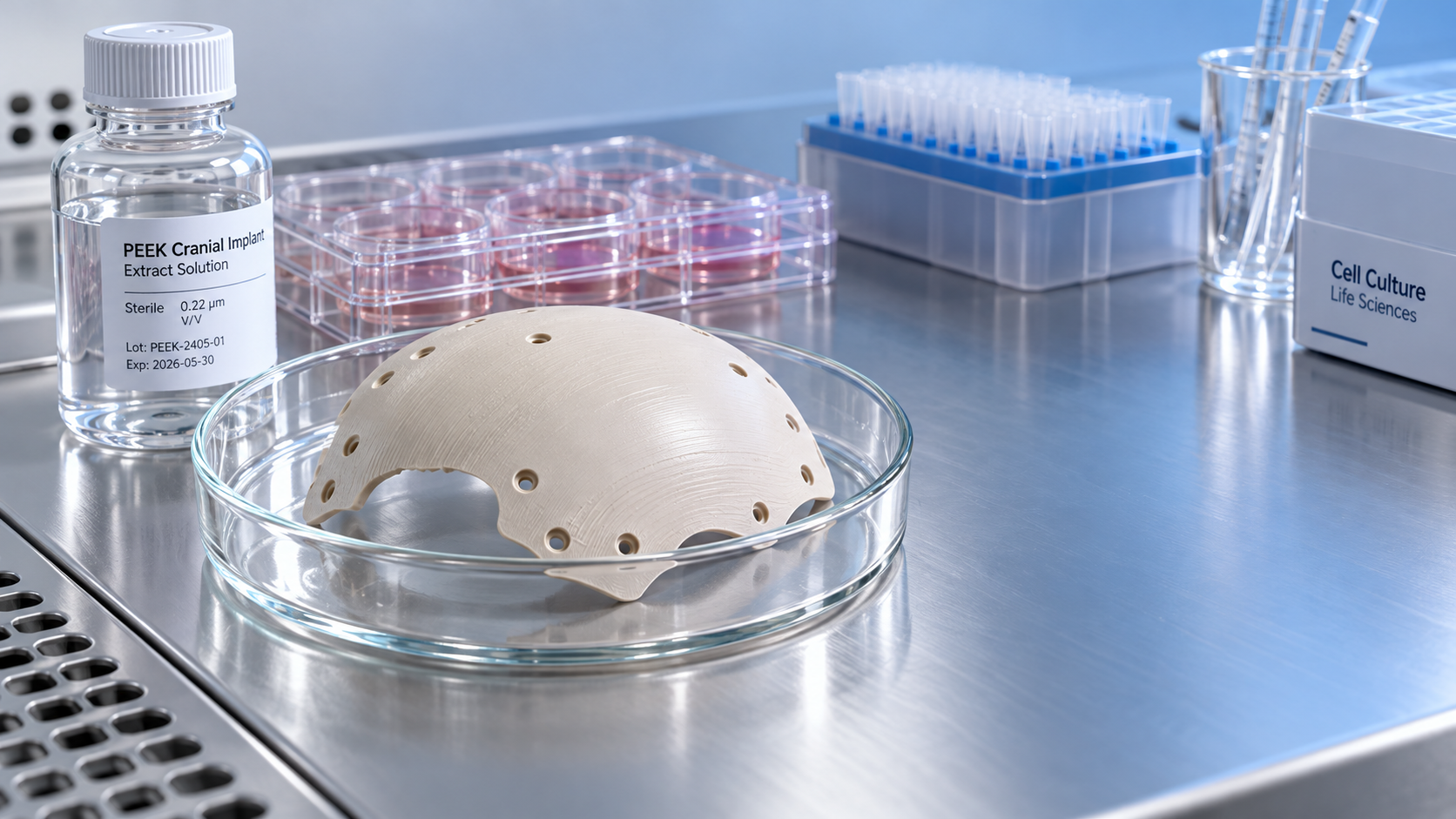
Implantable medical devices may contain additives, processing aids, monomer residues, or degradation byproducts. If these are poorly characterized, toxicological assessment becomes fragile.
This is common in polymers, adhesives, coatings, and drug-device interfaces. Sterilization can also change the chemical profile in unexpected ways.
2. Surface condition is controlled in theory, not in production reality
A titanium alloy may be acceptable on paper, yet surface roughness, passivation quality, contamination, or oxide variation can shift cell response and corrosion behavior.
For implantable medical devices, micro-level surface inconsistency often matters more than nominal alloy selection.
3. Supplier change control is too narrow
Many teams review dimensions and certificates, but not subtle chemistry differences. A resin grade update or lubricant change can invalidate prior safety assumptions.
4. Biological evaluation is disconnected from actual exposure
Testing plans sometimes copy a standard matrix without reflecting implant duration, tissue contact, degradation pattern, or repeat exposure pathways.
That creates weak justification, even when test reports look complete.
5. Aging, packaging, and sterilization interactions are underestimated
Material stability must extend through shelf life. Barrier materials, residual sterilant, radiation effects, and oxidation can alter implantable medical devices before first use.
These gaps affect more than compliance and can reshape performance, evidence quality, and market timing
The immediate impact is usually regulatory delay. Requests for additional chemistry, toxicology, or simulated-use data can interrupt planned launch windows.
The deeper impact is evidence erosion. If material assumptions appear weak, reviewers may question bench data relevance, equivalence claims, or even clinical predictability.
- Design teams may need to reopen material selection decisions.
- Quality systems may face wider validation and traceability demands.
- Clinical arguments may become less persuasive under MDR-style review logic.
- Commercial planning may suffer from delayed registration or relabeling.
For high-value implantable medical devices, even a short delay can affect bidding readiness, portfolio sequencing, and hospital adoption momentum.
The strongest pre-launch focus areas are becoming clearer across implantable medical devices
Several priority areas now deserve early and structured review. These points repeatedly determine whether a launch package is resilient or vulnerable.
- Map all material-contact pathways, including temporary process contacts.
- Build a chemical characterization strategy before biotesting begins.
- Connect ISO 10993 rationale to real exposure duration and tissue environment.
- Verify surface cleanliness, residues, and particulate burden at production scale.
- Assess sterilization, packaging, and aging as interacting variables.
- Strengthen supplier change intelligence beyond certificate review.
- Document material equivalence with evidence, not assumption.
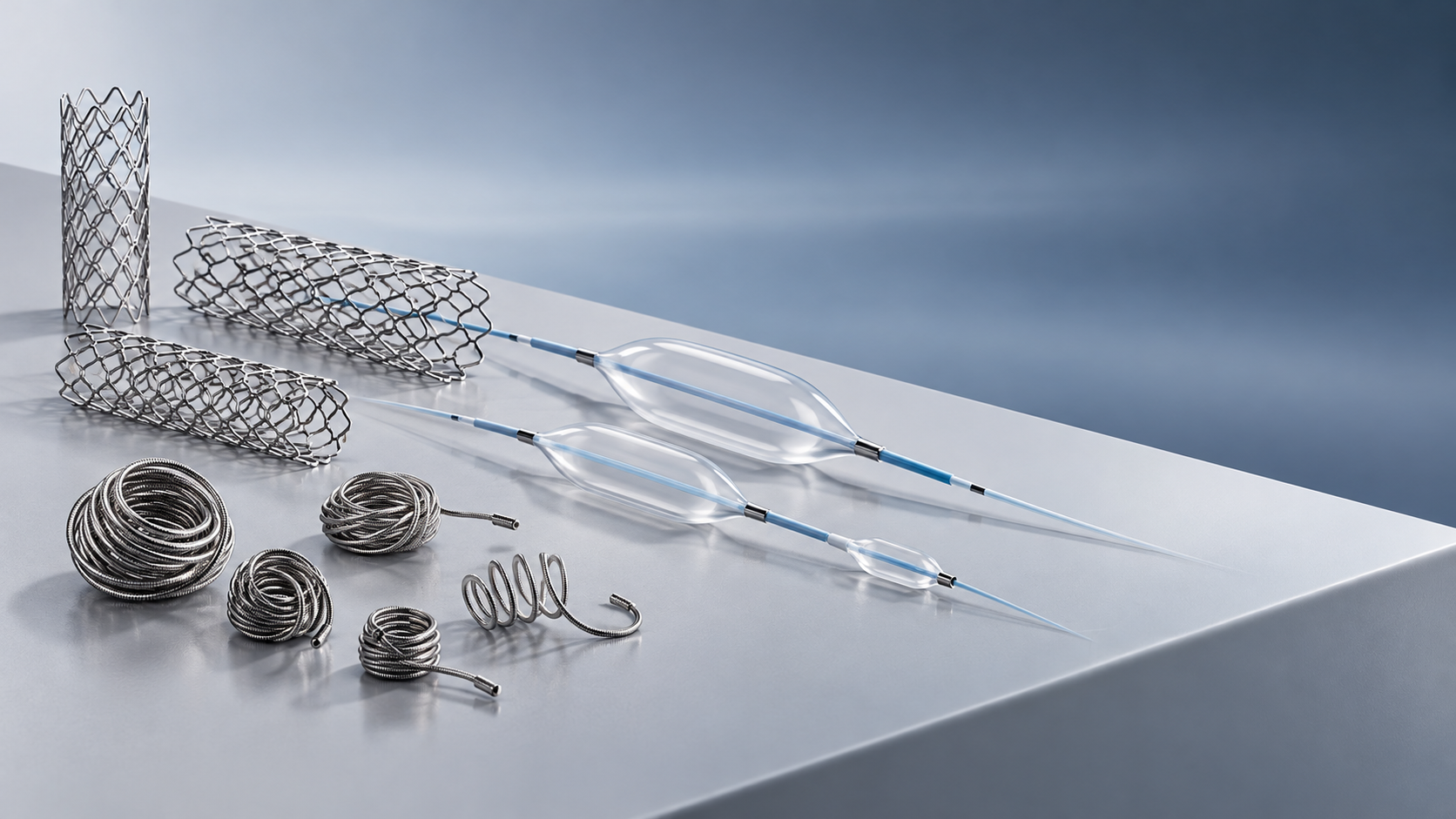
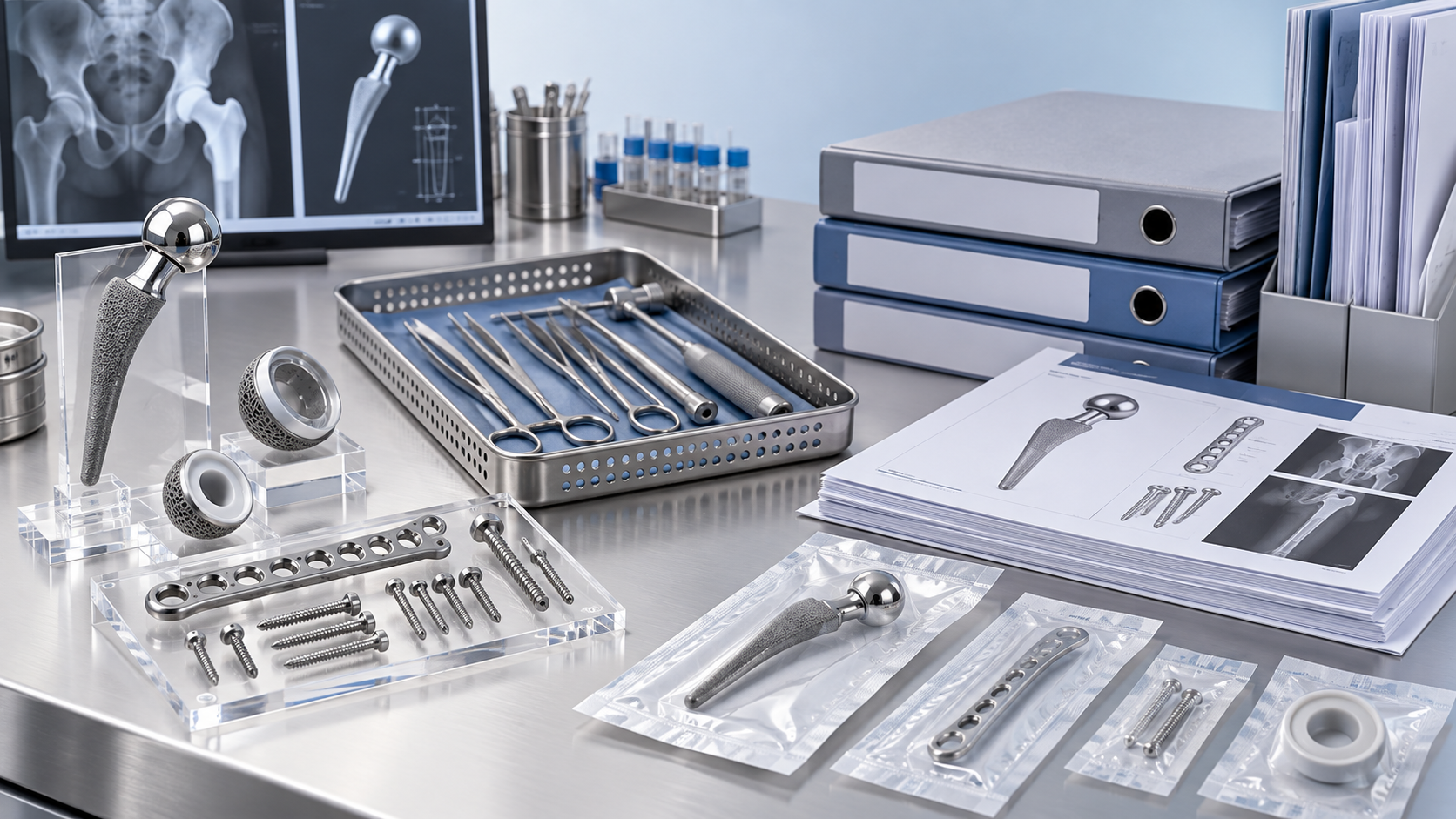
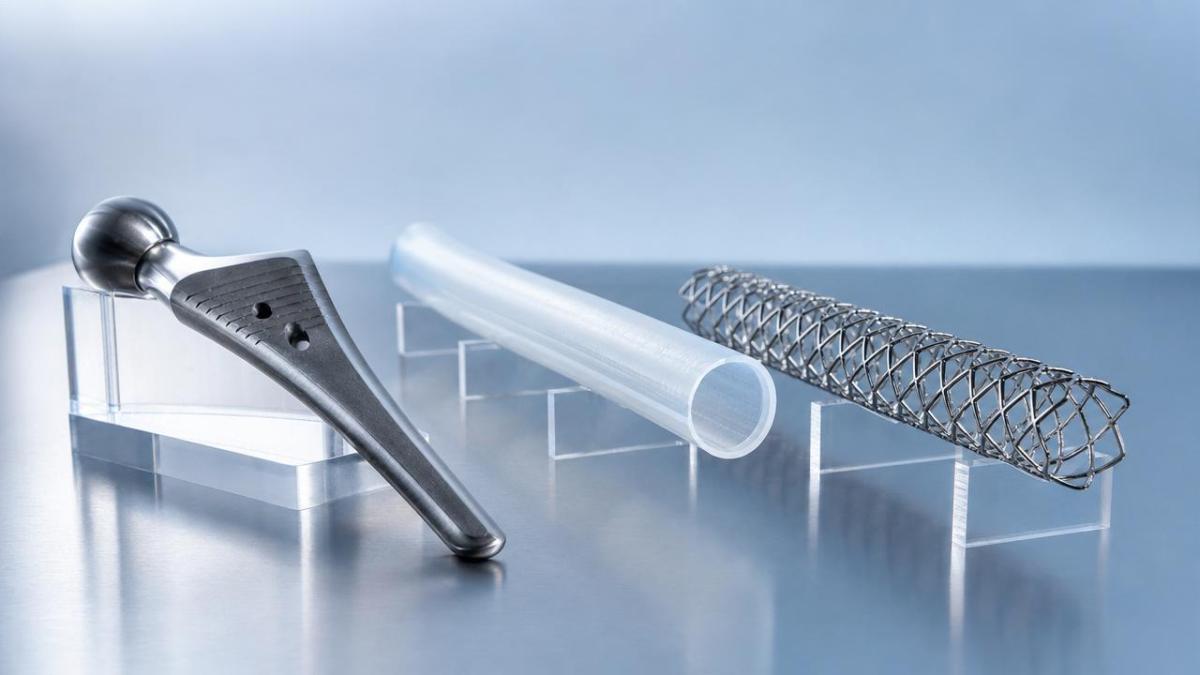
This approach is highly relevant for orthopedic implants, DES platforms, TAVR components, surgical staplers, polymer catheters, and tissue-contacting regenerative materials.
A practical response starts with staged judgment instead of late-stage correction
A useful way to manage implantable medical devices is to review material safety in stages. Each stage should answer a specific risk question before the next investment step.
This staged model reduces rework. It also helps implantable medical devices maintain alignment between R&D, quality, toxicology, regulatory strategy, and manufacturing execution.
The next competitive advantage will come from earlier material intelligence, not only faster testing
The future direction is clear. Implantable medical devices will increasingly compete on proof quality, material transparency, and lifecycle consistency.
Organizations that identify safety gaps early can reduce approval friction, protect product credibility, and support stronger long-term outcomes in global markets.
A practical next step is to review one active project against three questions: what contacts the body, what can migrate, and what changes after processing and aging.
That simple discipline often reveals the real launch risk. For implantable medical devices, early material clarity is no longer optional. It is becoming the foundation of safe growth.
Get weekly intelligence in your inbox.
No noise. No sponsored content. Pure intelligence.
News Recommendations
 Oct 26, 2026Can a single approval cover life science product sales worldwide?Can a single approval cover life science product sales worldwide?
 Oct 25, 2026When is sensitization testing needed for medical device biocompatibility?When is sensitization testing needed for medical device biocompatibility?
 Oct 24, 2026How is biocompatibility tested for implantable polymer biomaterials?How is biocompatibility tested for implantable polymer biomaterials?
 Oct 23, 2026How to build reimbursement into an implant commercialization strategyHow to build reimbursement into an implant commercialization strategy
 Oct 22, 2026What clinical evidence do implants need for CE marking under EU MDR?What clinical evidence do implants need for CE marking under EU MDR?
 Oct 21, 2026How to choose disposable laparoscopic stapler reloads for thick tissueHow to choose disposable laparoscopic stapler reloads for thick tissue
 Oct 20, 2026How to assess medical polymer biocompatibility under ISO 10993How to assess medical polymer biocompatibility under ISO 10993
 Oct 19, 2026How do interventional device categories differ in clinical use?How do interventional device categories differ in clinical use?
 Oct 18, 2026When to choose alginate dressings for heavily exuding chronic woundsWhen to choose alginate dressings for heavily exuding chronic wounds
 Oct 17, 2026How is biocompatibility tested for custom medical-grade PEEK implants?How is biocompatibility tested for custom medical-grade PEEK implants?
 Oct 16, 2026How to check a wound healing materials supplier’s biocompatibility dataHow to check a wound healing materials supplier’s biocompatibility data
 Oct 15, 2026How to verify the FDA clearance status of silver wound dressingsHow to verify the FDA clearance status of silver wound dressings
 Oct 14, 2026How to register orthopedic implants and instruments in Latin AmericaHow to register orthopedic implants and instruments in Latin America
 Oct 13, 2026How to use a device market intelligence database to benchmark VBP pricesHow to use a device market intelligence database to benchmark VBP prices
 Oct 12, 2026When should stainless steel orthopedic instruments be replaced?When should stainless steel orthopedic instruments be replaced?
 Oct 11, 2026When are alginate dressings rope the right choice for cavity wounds?When are alginate dressings rope the right choice for cavity wounds?
 Oct 10, 2026When smart minimally invasive technology improves catheter accessWhen smart minimally invasive technology improves catheter access
 Oct 08, 2026Clinical evaluation requirements for cardiovascular implant devices in EuropeClinical evaluation requirements for cardiovascular implant devices in Europe
 Oct 07, 2026What to verify before appointing an artificial joint implants distributorWhat to verify before appointing an artificial joint implants distributor
 Oct 06, 2026How ISO 10993 guides biocompatibility testing for medical materialsHow ISO 10993 guides biocompatibility testing for medical materials
 Oct 05, 2026How to verify an orthopedic implants and instruments exporterHow to verify an orthopedic implants and instruments exporter
 Oct 04, 2026What drives surgical stapling devices price differences in hospital tenders?What drives surgical stapling devices price differences in hospital tenders?
 Oct 03, 2026How to assess a central venous catheter manufacturer's infection-control evidenceHow to assess a central venous catheter manufacturer's infection-control evidence
 Oct 02, 2026How to assess an advanced wound care factory’s quality systemHow to assess an advanced wound care factory’s quality system
 Oct 01, 2026What is driving global medical consumables demand in emerging markets?What is driving global medical consumables demand in emerging markets?
 Sep 30, 2026Implant Material Compliance Testing: Evidence Needed for Regulatory SubmissionImplant Material Compliance Testing: Evidence Needed for Regulatory Submission
 Sep 30, 2026From Corrosion to Fatigue: What Implant Materials Testing Should MeasureFrom Corrosion to Fatigue: What Implant Materials Testing Should Measure