Surgical Consumables Innovation: Where Cost Savings Actually Come From
Surgical Consumables Innovation: where do real savings begin?

Price still matters, but it rarely explains the full economics of surgical consumables innovation.
In practice, the largest savings often appear after the invoice is paid.
They show up in cleaner procedures, fewer adverse events, shorter operating time, and lower revision exposure.
That is why smarter evaluation goes beyond unit price and asks a harder question.
Which innovations reduce total treatment cost without creating regulatory or supply risk?
Across implants, catheters, staplers, and advanced wound care, the answer is rarely identical.
Still, the same pattern holds.
Well-designed surgical consumables innovation saves money when performance, compliance, and adoption improve together.
This is also where IMCS adds value.
Its intelligence approach links biocompatibility, precision manufacturing, Class III regulation, and VBP pressure into one decision framework.
Is surgical consumables innovation really a cost topic, or mostly a clinical one?
It is both, and separating the two often leads to weak procurement decisions.
A device that improves tissue handling, sealing strength, navigability, or healing conditions changes downstream spending.
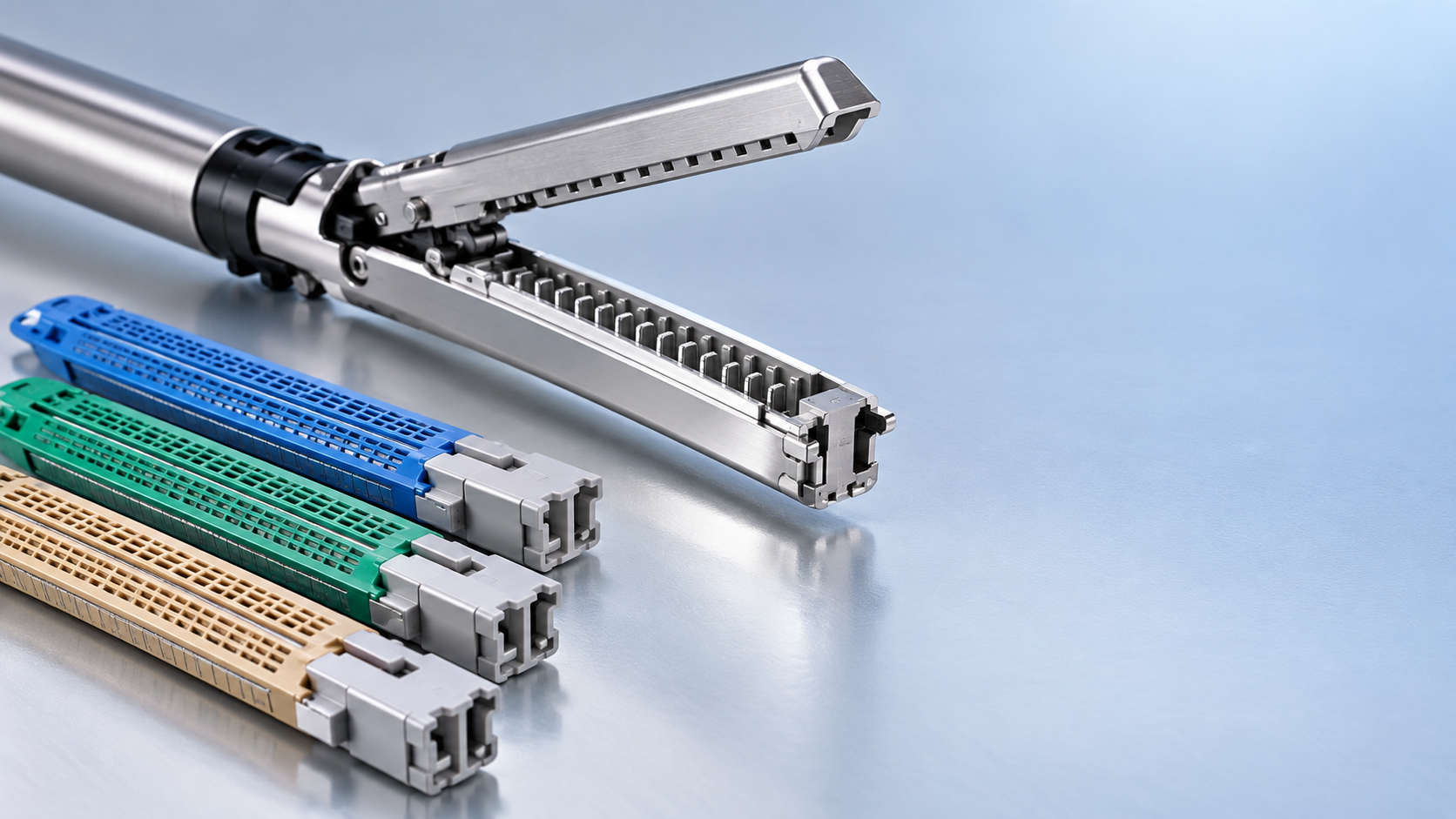
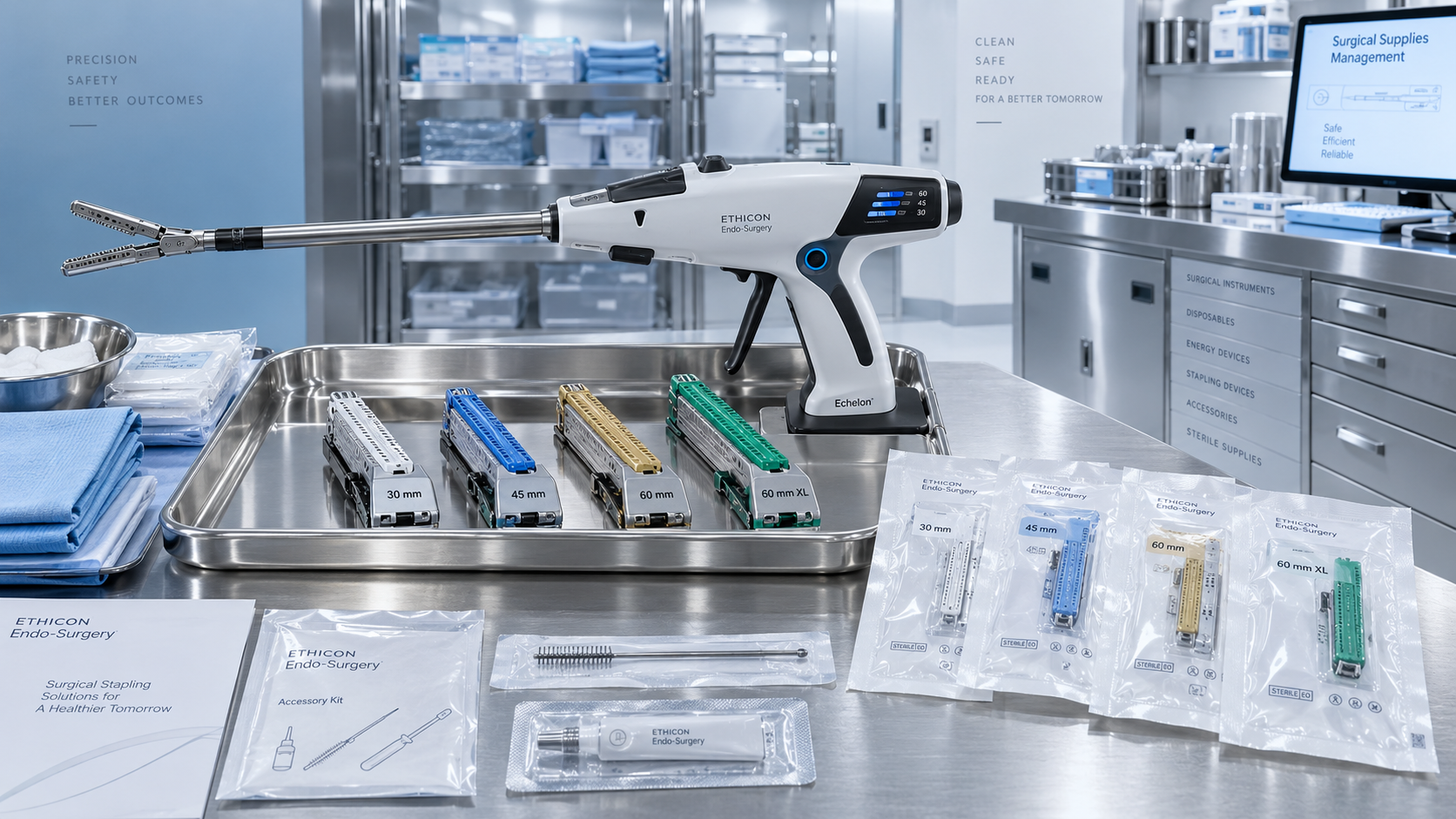
Consider minimally invasive staplers.
A more reliable firing profile can reduce leaks, bleeding, and rework during laparoscopy.
That may shorten procedure time and limit intensive postoperative monitoring.
The same logic applies to polymer catheters.
Hydrophilic coatings and better kink resistance may reduce placement difficulty and replacement frequency.
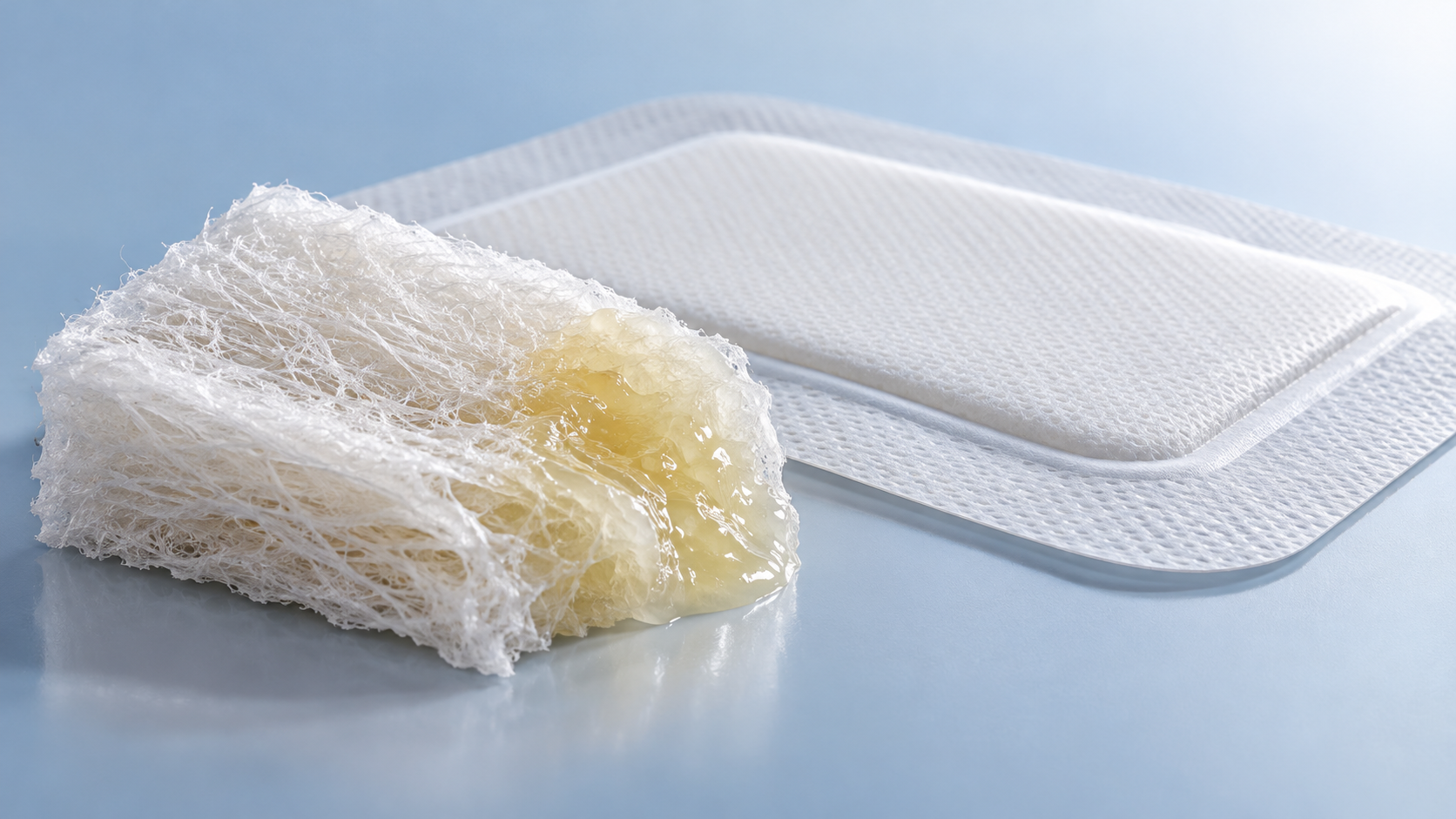
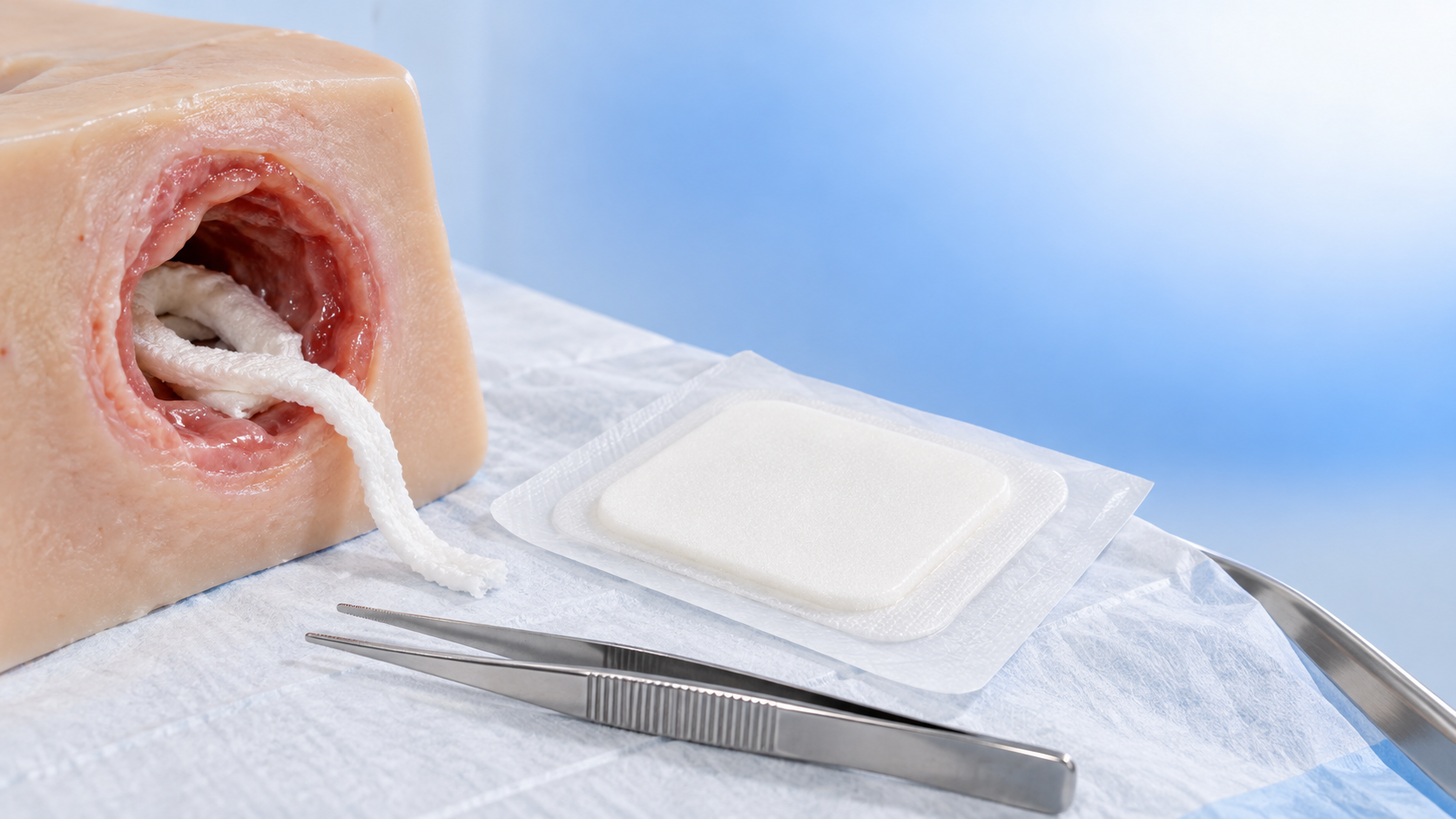
For advanced dressings, improved moisture control can accelerate wound closure and lower dressing change intensity.
In other words, surgical consumables innovation becomes a cost lever when it changes care pathways, not just product specifications.
That is why evidence should include operative efficiency, complication rates, revision trends, and resource utilization.
Where do measurable savings actually come from?
The easiest mistake is to expect one universal savings source.
More often, value is built from several smaller gains that accumulate over the product lifecycle.
A practical way to view surgical consumables innovation is through five savings channels.
This table matters because many cost reviews stop after the first column.
The stronger decisions usually come from testing the second and third columns with actual clinical and operational evidence.
Why can the lowest-priced option become the most expensive choice?
Because price compression and value erosion are not the same thing.
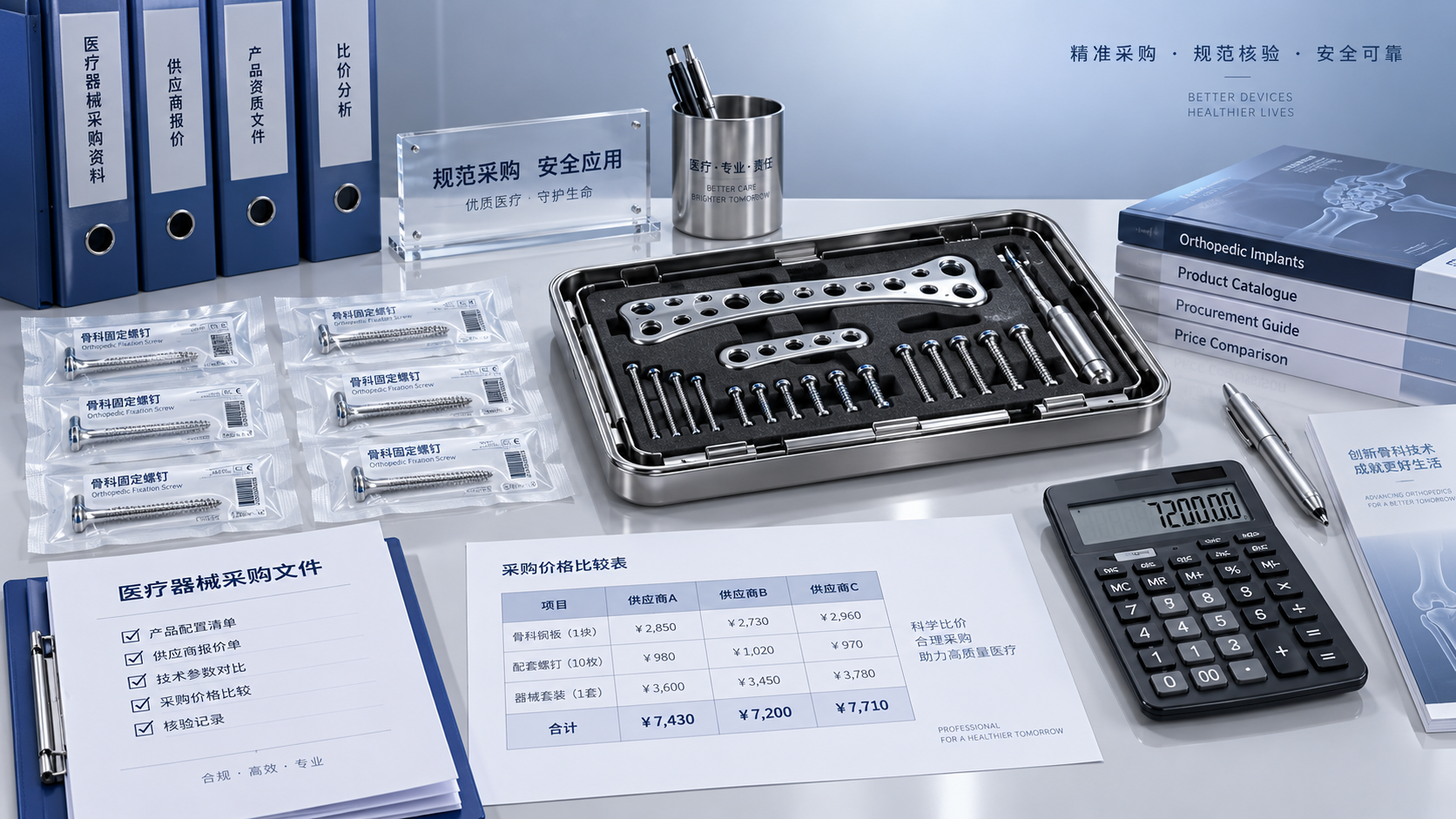
Under cost-control programs and VBP dynamics, the market often rewards aggressive bidding.
Yet aggressive pricing can hide future costs if clinical consistency, materials quality, or service support weaken.
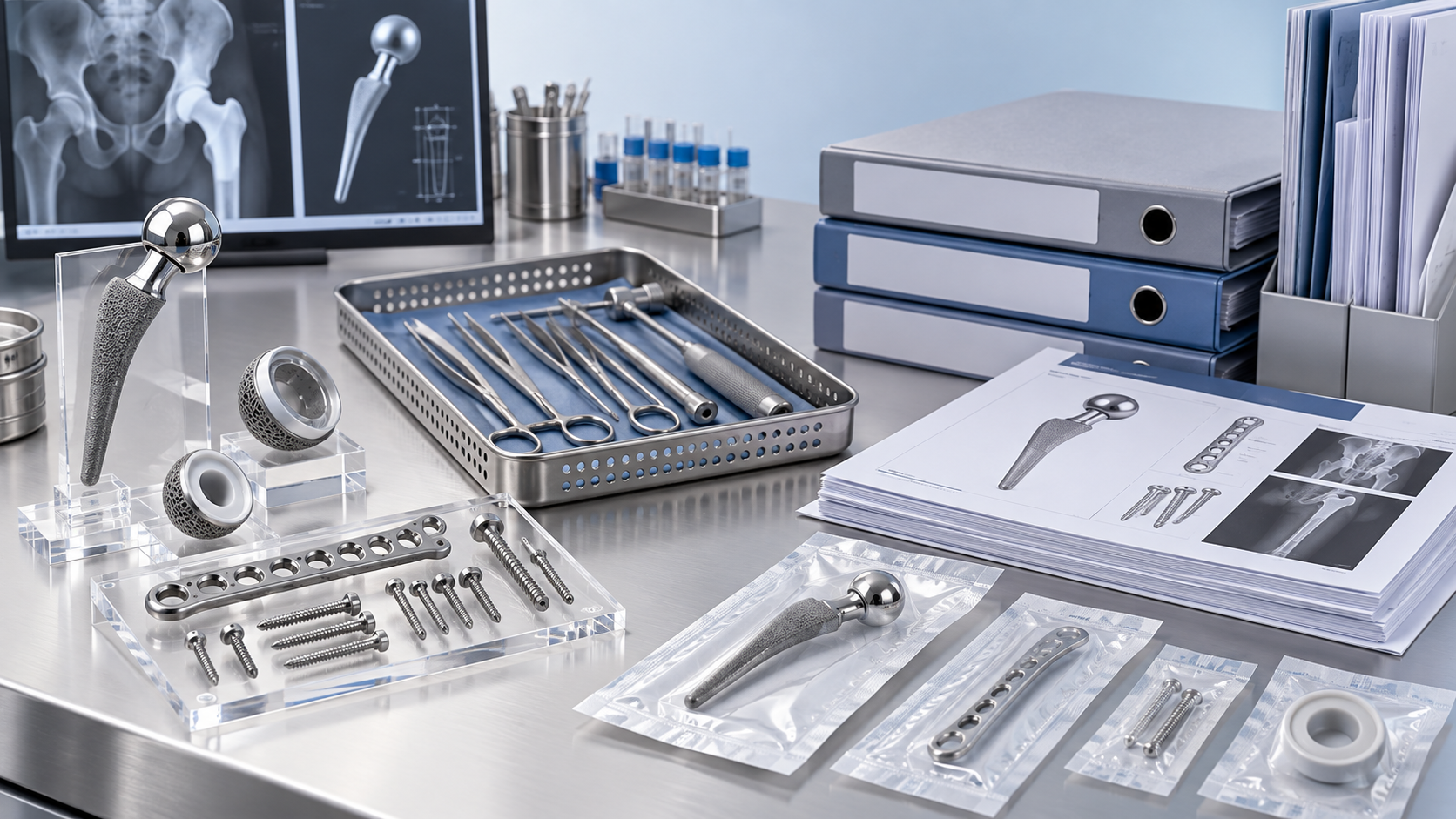
For orthopedic systems, a cheaper implant may look attractive upfront.
But porous structure quality, machining precision, and osseointegration performance still determine long-term burden.
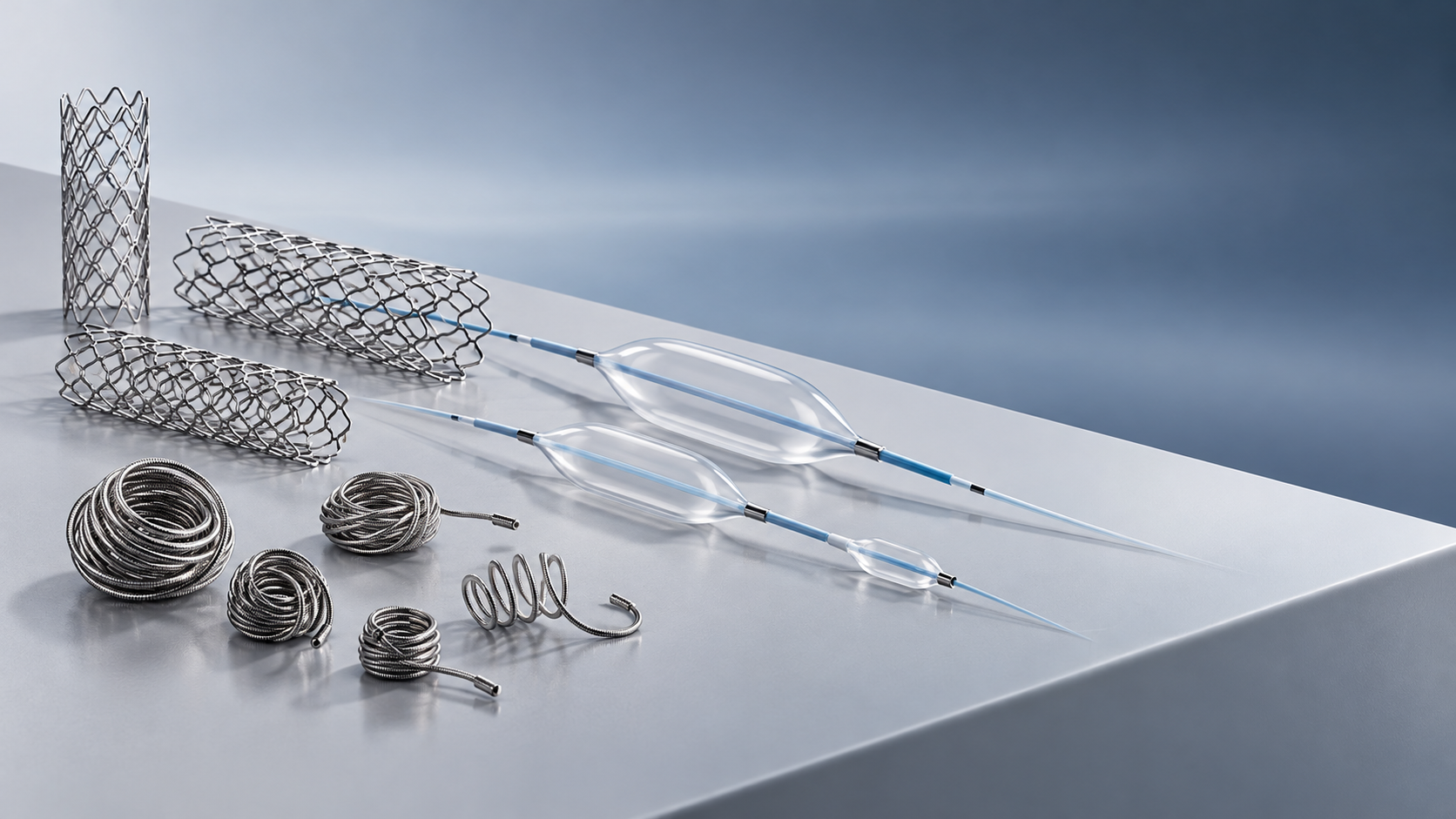
For cardiovascular consumables, small delivery differences can affect placement success and complication management costs.
For staplers, small inconsistency in staple formation may create very expensive downstream consequences.
A more balanced view compares not only acquisition price, but also failure sensitivity.
The higher the clinical consequence of failure, the less useful simple price ranking becomes.
This is where intelligence from IMCS is useful.
Its analysis connects biocompatibility limits, clinical evaluation logic, and tender economics rather than treating them as separate conversations.
How should surgical consumables innovation be evaluated before approval?
The most reliable approach is to test claims against a short list of decision signals.
That keeps evaluation practical while avoiding a narrow price-only review.
- Check whether the innovation changes a measurable outcome, not just a feature description.
- Ask for evidence on complication avoidance, revision reduction, or procedure time savings.
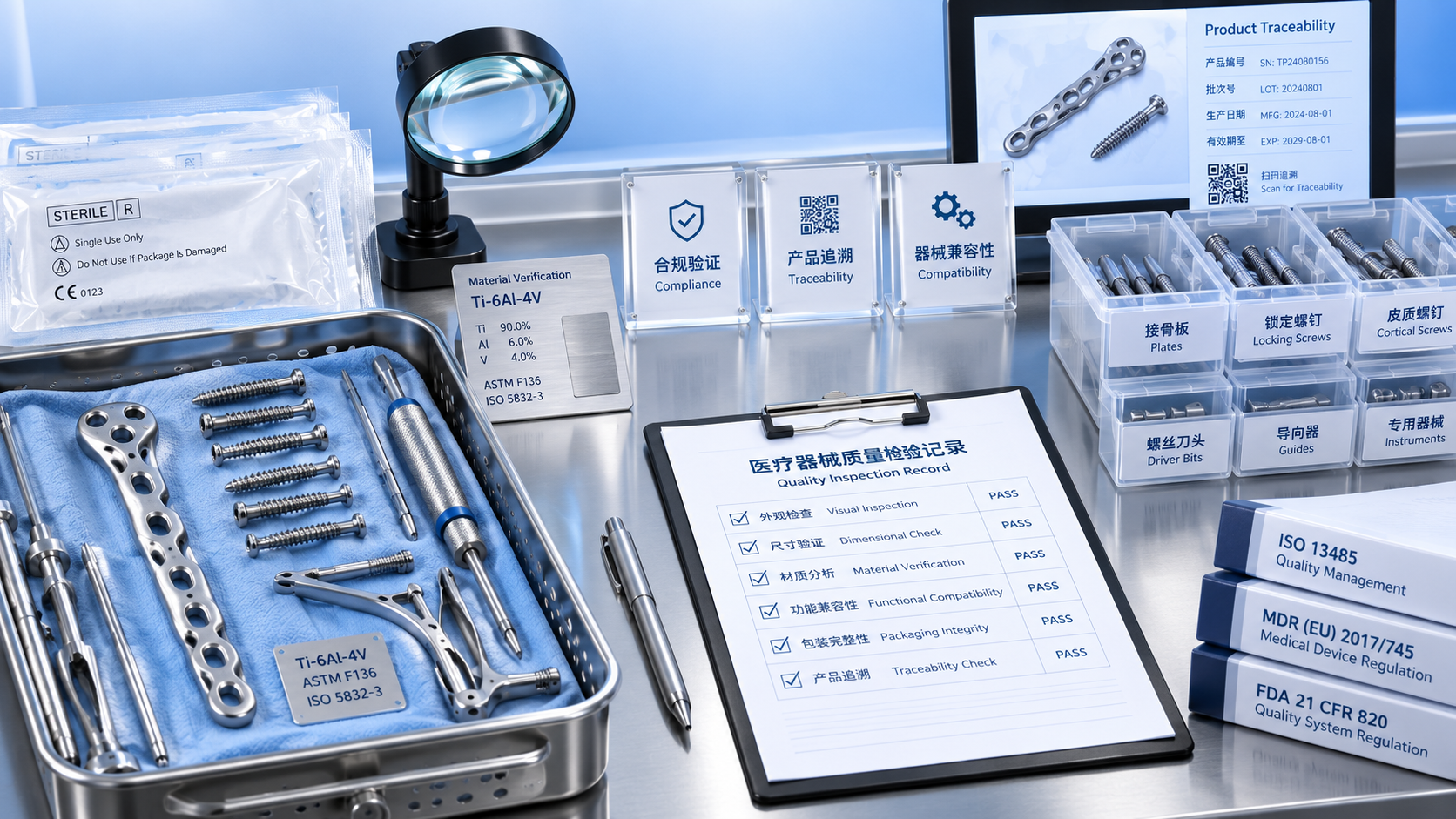
- Review material safety and validation depth, especially for long-contact or implantable products.
- Confirm regulatory durability, including CER quality, traceability, and post-market surveillance readiness.
- Test supply continuity under tender pressure, allocation changes, or volume spikes.
- Estimate switching cost, including training, workflow adjustment, and inventory transition risk.
In actual reviews, the strongest proposals are not always the most complex ones.
They are usually the ones that connect technical performance to operational and financial consequences.
For example, an advanced dressing should not be assessed only by absorbency claims.
A better question is whether it reduces dressing frequency, infection exposure, or healing delay in high-burden wounds.
What risks are easy to miss when comparing innovative surgical consumables?
The hidden risks are usually not dramatic at the start.
They appear gradually through adoption friction, incomplete evidence, or unstable compliance support.
A common issue is overvaluing headline innovation.
A novel coating, scaffold, or delivery design may sound compelling, yet still lack broad procedural consistency.
Another issue is underestimating lifecycle obligations.
For Class III and adjacent high-risk segments, evidence quality, toxicology boundaries, and surveillance discipline matter as much as launch performance.
That is particularly relevant in categories followed by IMCS, from DES and TAVR to porous orthopedic implants.
There is also a practical risk in assuming all savings appear immediately.
Some forms of surgical consumables innovation create value over several quarters through lower revisions or better healing trajectories.
When evaluation windows are too short, good options can be rejected for the wrong reason.
A quick judgment guide
If two options look similar on price, these questions usually separate them faster.
What is the smartest next step if savings need to be proven, not assumed?
Start with one category and map its full cost pathway.
That could be staplers, catheters, interventional devices, implants, or advanced wound care.
Then define which outcomes drive the largest avoidable spending.
In some settings, the priority is revision prevention.
In others, it is procedure time, infection control, or smoother compliance management.
Next, compare suppliers using the same evidence framework.
That means clinical performance, material safety, regulatory depth, tender resilience, and implementation burden should be reviewed together.
This is exactly why surgical consumables innovation deserves a structured review rather than a simple price negotiation.
The real savings usually come from preventing expensive clinical and operational failures before they happen.
A useful next move is to build a short approval checklist for high-impact consumables and validate it against category-specific evidence.
When that checklist is informed by market intelligence like IMCS, decisions tend to become faster, more defensible, and more durable.
Get weekly intelligence in your inbox.
No noise. No sponsored content. Pure intelligence.
News Recommendations
 Oct 26, 2026Can a single approval cover life science product sales worldwide?Can a single approval cover life science product sales worldwide?
 Oct 25, 2026When is sensitization testing needed for medical device biocompatibility?When is sensitization testing needed for medical device biocompatibility?
 Oct 24, 2026How is biocompatibility tested for implantable polymer biomaterials?How is biocompatibility tested for implantable polymer biomaterials?
 Oct 23, 2026How to build reimbursement into an implant commercialization strategyHow to build reimbursement into an implant commercialization strategy
 Oct 22, 2026What clinical evidence do implants need for CE marking under EU MDR?What clinical evidence do implants need for CE marking under EU MDR?
 Oct 21, 2026How to choose disposable laparoscopic stapler reloads for thick tissueHow to choose disposable laparoscopic stapler reloads for thick tissue
 Oct 20, 2026How to assess medical polymer biocompatibility under ISO 10993How to assess medical polymer biocompatibility under ISO 10993
 Oct 19, 2026How do interventional device categories differ in clinical use?How do interventional device categories differ in clinical use?
 Oct 18, 2026When to choose alginate dressings for heavily exuding chronic woundsWhen to choose alginate dressings for heavily exuding chronic wounds
 Oct 17, 2026How is biocompatibility tested for custom medical-grade PEEK implants?How is biocompatibility tested for custom medical-grade PEEK implants?
 Oct 16, 2026How to check a wound healing materials supplier’s biocompatibility dataHow to check a wound healing materials supplier’s biocompatibility data
 Oct 15, 2026How to verify the FDA clearance status of silver wound dressingsHow to verify the FDA clearance status of silver wound dressings
 Oct 14, 2026How to register orthopedic implants and instruments in Latin AmericaHow to register orthopedic implants and instruments in Latin America
 Oct 13, 2026How to use a device market intelligence database to benchmark VBP pricesHow to use a device market intelligence database to benchmark VBP prices
 Oct 12, 2026When should stainless steel orthopedic instruments be replaced?When should stainless steel orthopedic instruments be replaced?
 Oct 11, 2026When are alginate dressings rope the right choice for cavity wounds?When are alginate dressings rope the right choice for cavity wounds?
 Oct 10, 2026When smart minimally invasive technology improves catheter accessWhen smart minimally invasive technology improves catheter access
 Oct 08, 2026Clinical evaluation requirements for cardiovascular implant devices in EuropeClinical evaluation requirements for cardiovascular implant devices in Europe
 Oct 07, 2026What to verify before appointing an artificial joint implants distributorWhat to verify before appointing an artificial joint implants distributor
 Oct 06, 2026How ISO 10993 guides biocompatibility testing for medical materialsHow ISO 10993 guides biocompatibility testing for medical materials
 Oct 05, 2026How to verify an orthopedic implants and instruments exporterHow to verify an orthopedic implants and instruments exporter
 Oct 04, 2026What drives surgical stapling devices price differences in hospital tenders?What drives surgical stapling devices price differences in hospital tenders?
 Oct 03, 2026How to assess a central venous catheter manufacturer's infection-control evidenceHow to assess a central venous catheter manufacturer's infection-control evidence
 Oct 02, 2026How to assess an advanced wound care factory’s quality systemHow to assess an advanced wound care factory’s quality system
 Oct 01, 2026What is driving global medical consumables demand in emerging markets?What is driving global medical consumables demand in emerging markets?
 Sep 30, 2026Implant Material Compliance Testing: Evidence Needed for Regulatory SubmissionImplant Material Compliance Testing: Evidence Needed for Regulatory Submission
 Sep 30, 2026From Corrosion to Fatigue: What Implant Materials Testing Should MeasureFrom Corrosion to Fatigue: What Implant Materials Testing Should Measure