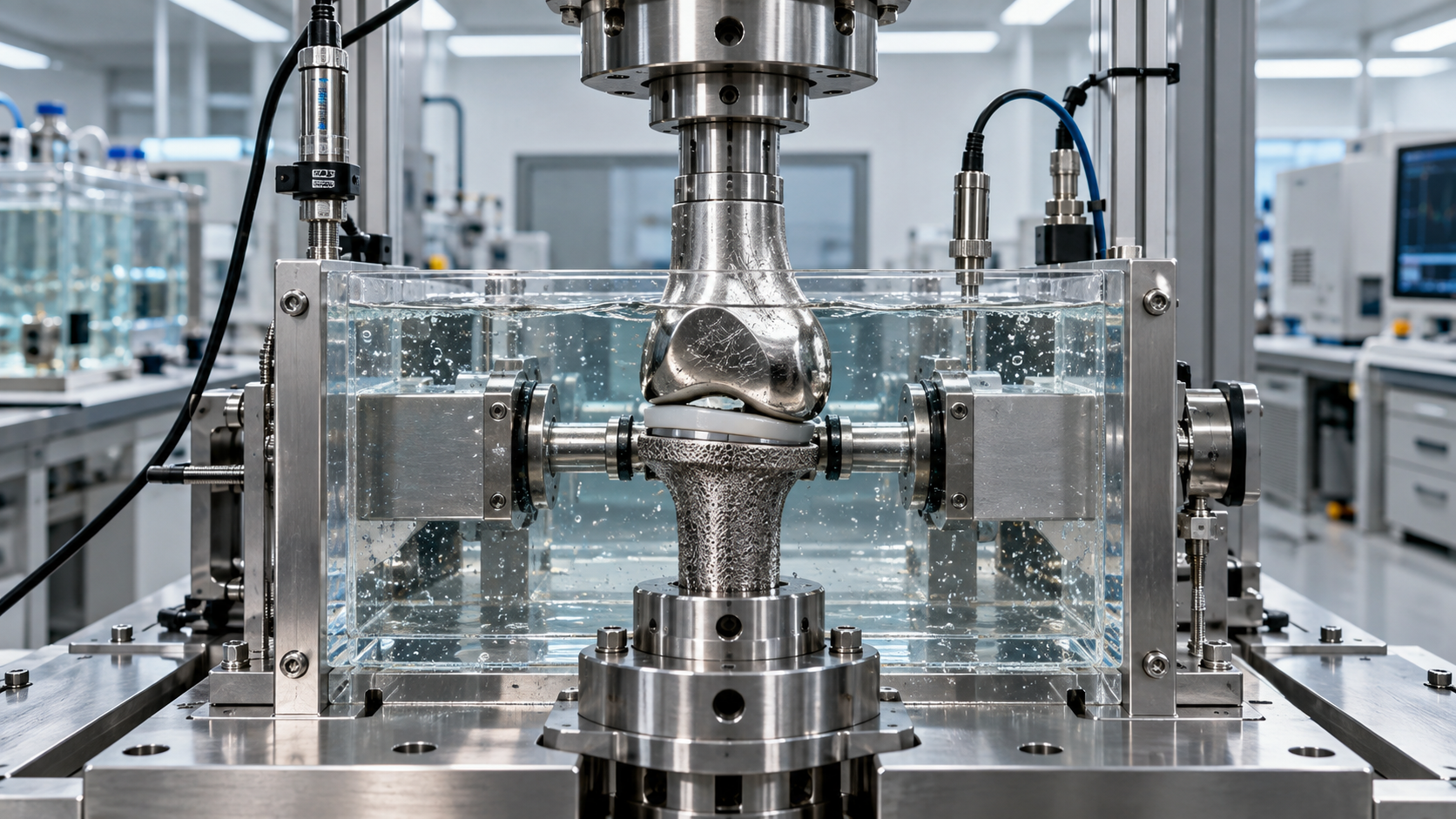
3D Printed Porous Implants: Selection Guide
Why 3D Printed Porous Implants Matter Now
Selecting 3D printed porous implants is no longer a narrow engineering comparison.
It is a decision that connects clinical performance, regulatory exposure, manufacturing reliability, and total lifecycle cost.
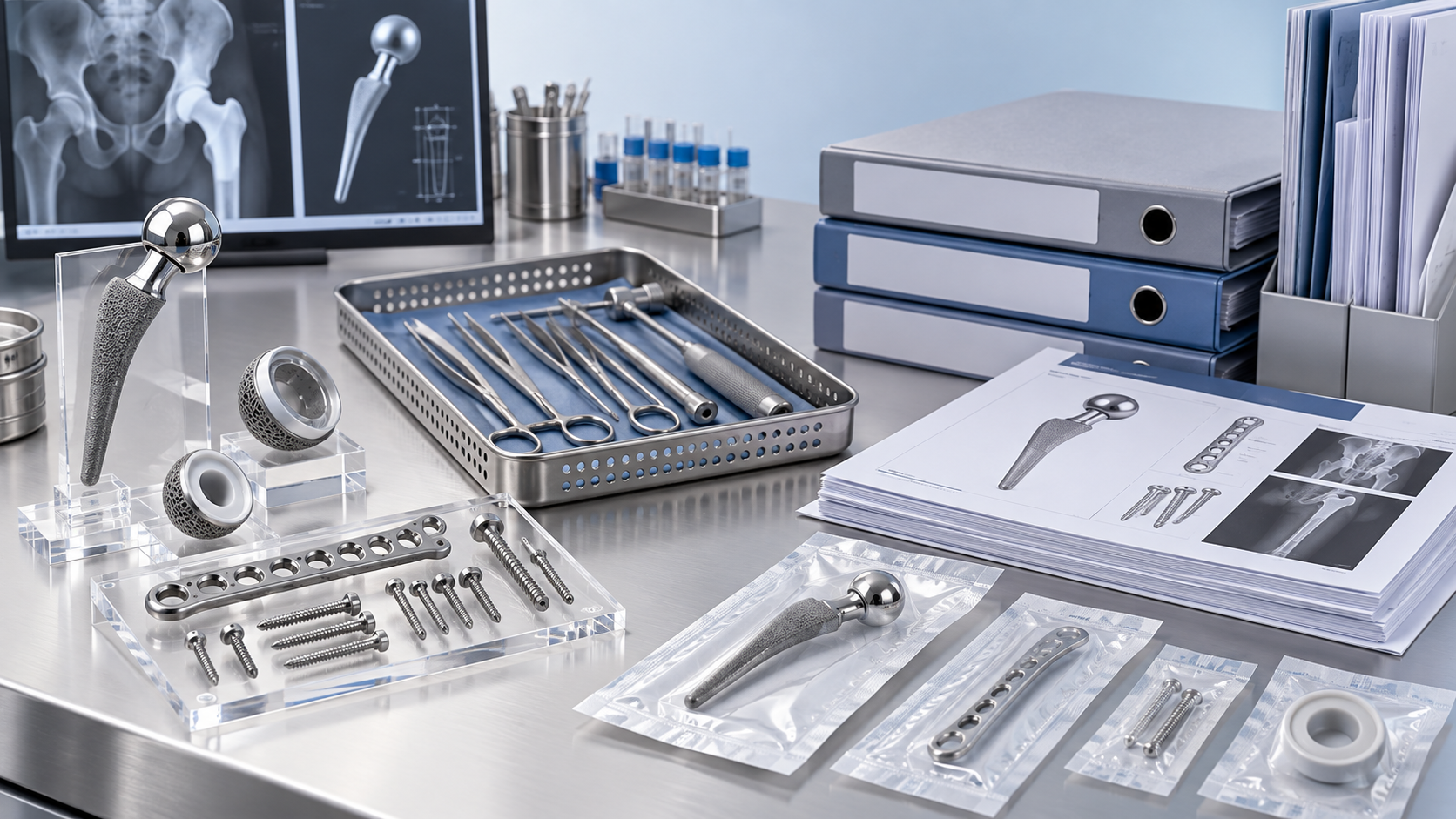
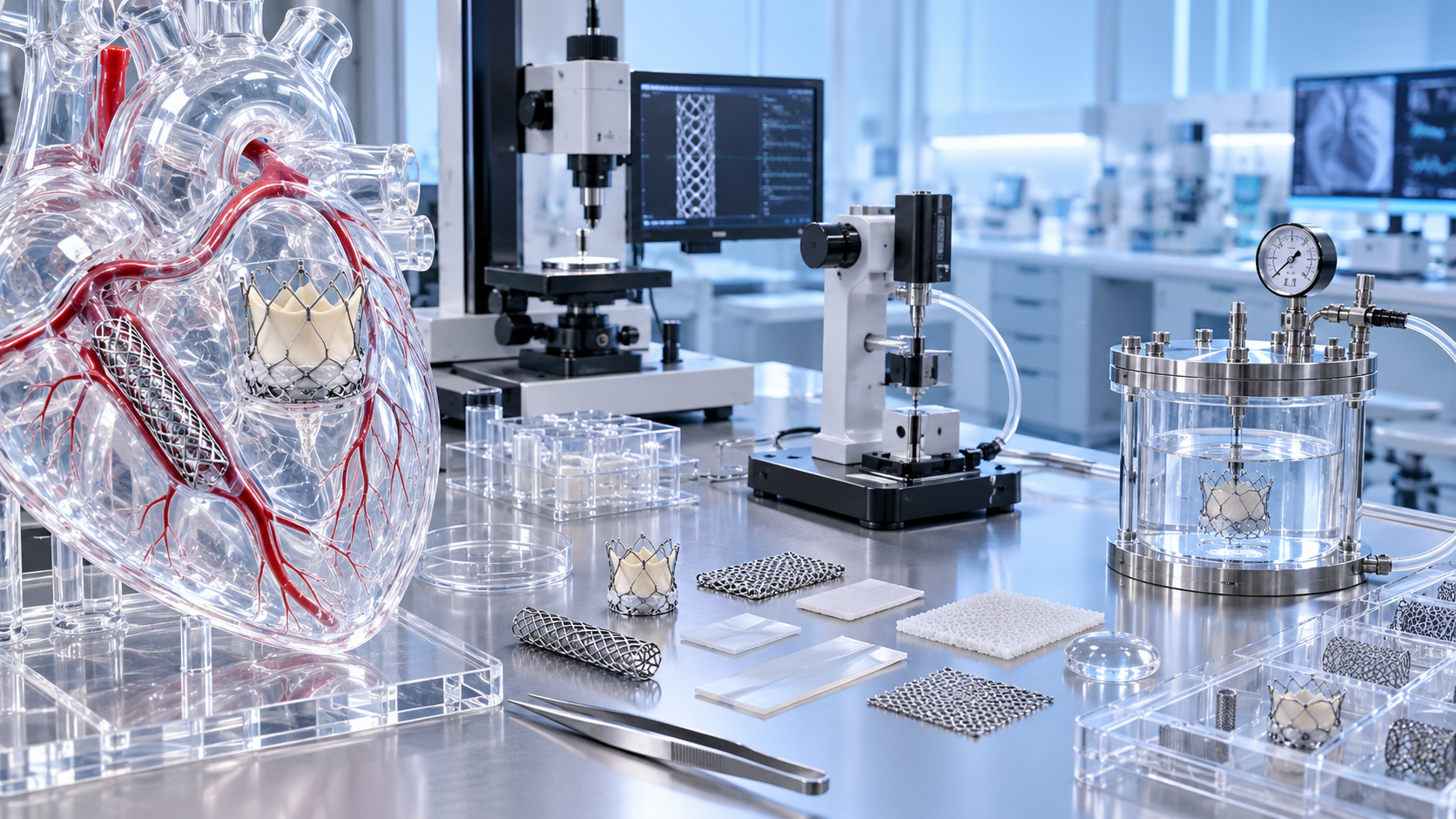
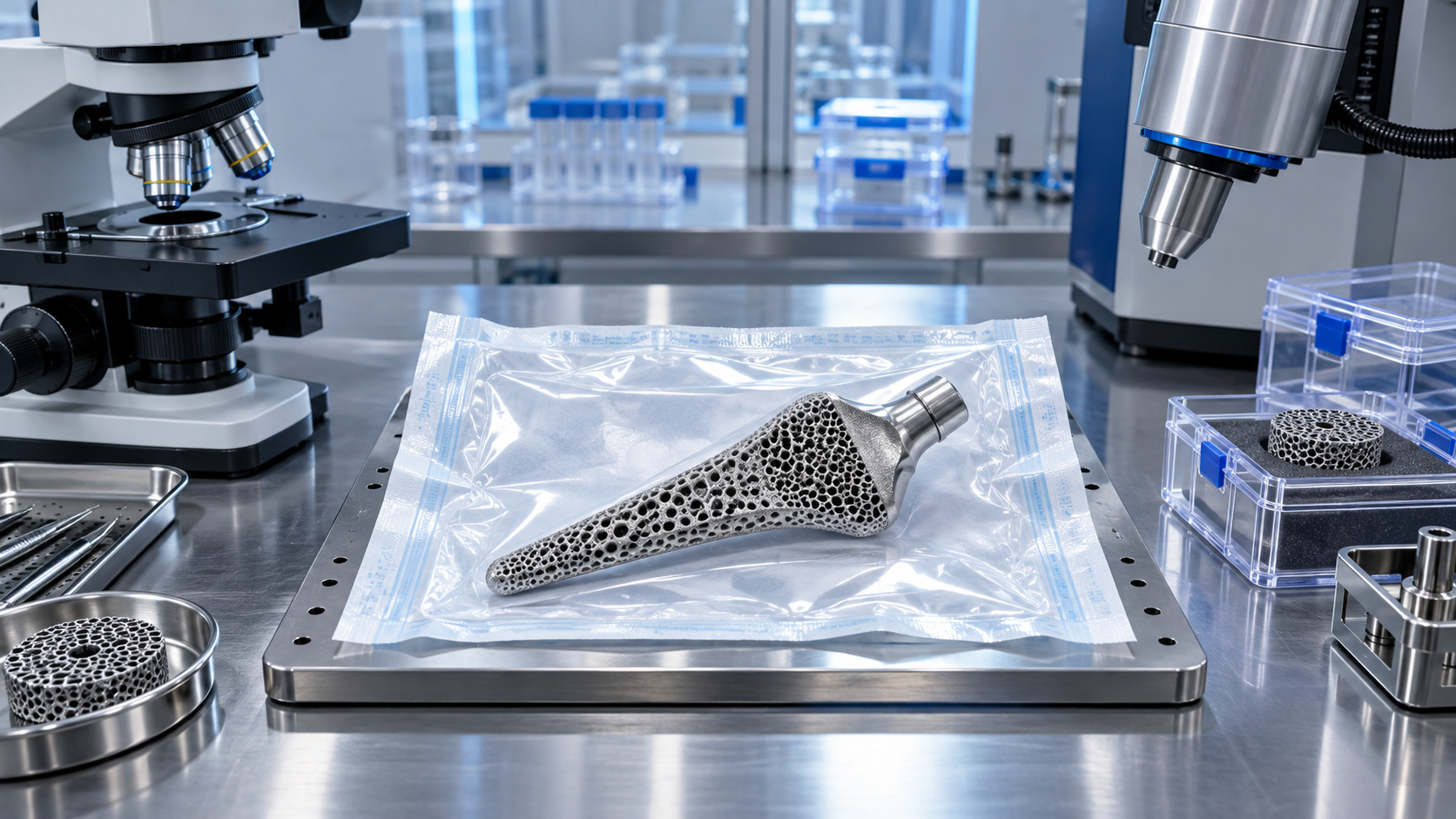
The following visual context is often useful when comparing porous implant structures and osseointegration pathways.
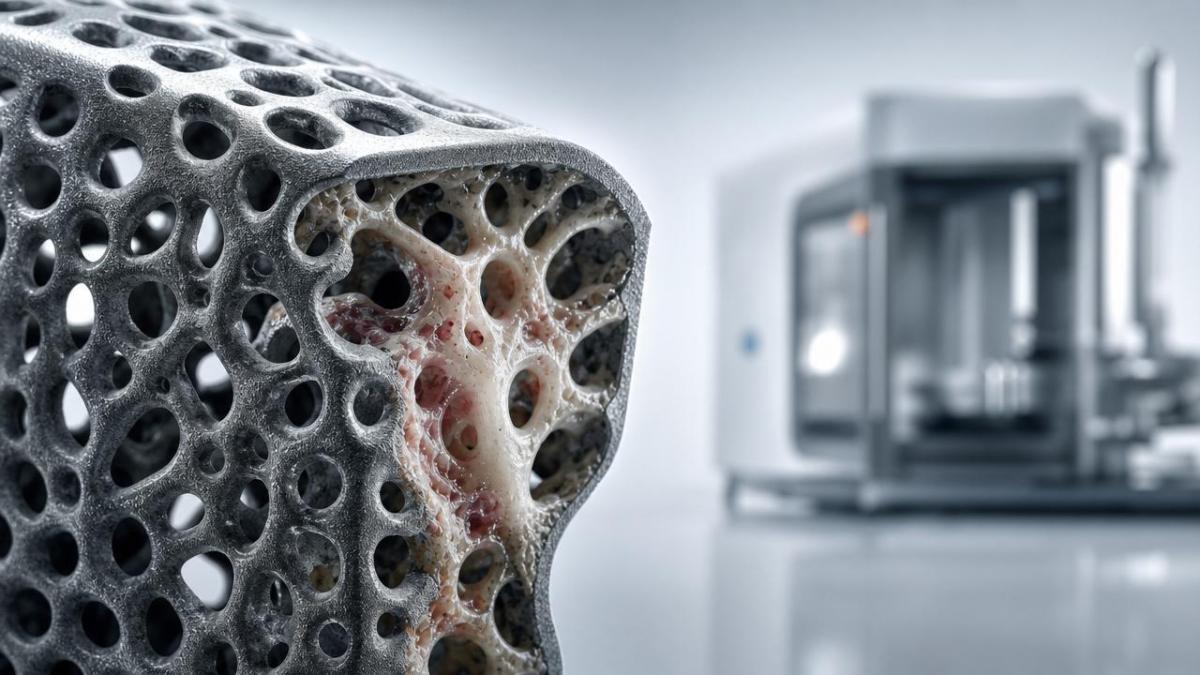
In orthopedic reconstruction, porous titanium and trabecular structures are changing how implants interact with living bone.
Instead of relying only on surface coating, 3D printed porous implants can integrate architecture into the implant body.
That matters in hip cups, spinal cages, knee components, revision systems, and patient-specific bone defect solutions.
The value is not simply that the implant is printed.
The value comes from controlled pore size, interconnected channels, mechanical compatibility, and validated biological response.
For high-value medical consumables, this selection has become more sensitive under Class III device rules and cost-control policies.
Understanding the Core Concept Without Oversimplifying It
3D printed porous implants are medical implants manufactured with additive processes that create designed internal or surface porosity.
Common processes include electron beam melting, selective laser melting, and laser powder bed fusion.
The most common material is titanium alloy, especially Ti-6Al-4V, because of its strength and biocompatibility profile.
PEEK and hybrid designs may also appear in certain spinal and reconstruction applications.
The defining feature is the engineered porous structure.
A well-designed structure supports bone ingrowth, vascularization, and stable load transfer after implantation.
This is why 3D printed porous implants are often discussed together with osseointegration and trabecular bone mimicking.
However, porosity alone is not a guarantee of performance.
If pore geometry is poorly controlled, fatigue resistance, debris risk, and early fixation may become problematic.
The best evaluation treats design, material, processing, cleaning, sterilization, and evidence as one connected system.
Where the Industry Is Paying Closer Attention
Several forces are raising expectations for 3D printed porous implants.
One is the demand for better long-term fixation in aging populations with complex orthopedic conditions.
Another is the shift toward personalized implants for tumor reconstruction, trauma, deformity, and revision surgery.
Regulation is also tightening.
Class III implants require convincing biological safety, mechanical validation, clinical evidence, and post-market surveillance.
ISO 10993 testing remains central for cytotoxicity, sensitization, irritation, systemic toxicity, and material-mediated risks.
CE MDR has increased expectations for clinical evaluation reports and equivalence arguments.
Commercial pressure adds another layer.
Volume-Based Procurement and hospital tender systems can compress margins while demanding stable quality and supply continuity.
This makes evidence quality and manufacturing resilience as important as unit price.
IMCS often views this field through three lenses: biocompatibility, micron-level manufacturing precision, and policy-driven market access.
Clinical Value Begins With the Bone-Implant Interface
The central promise of 3D printed porous implants is improved biological fixation.
In practical terms, the implant surface should invite bone to grow into a stable, interconnected structure.
Pore size, pore interconnectivity, surface roughness, and elastic modulus influence that response.
A structure too dense may limit tissue ingrowth.
A structure too open may sacrifice mechanical strength or create manufacturing inconsistency.
The implant must also match the loading environment.
A spinal cage faces different compression, subsidence, and migration risks than an acetabular shell.
A revision implant may need stronger fixation options and defect-filling geometry.
This is why comparing 3D printed porous implants only by pore percentage can be misleading.
The more relevant question is whether the structure is clinically appropriate for the intended anatomical load case.
Typical Application Areas and Selection Priorities
Different implant categories use porosity for different clinical and commercial reasons.
The same evaluation checklist should not be copied across every indication.
This comparison shows why 3D printed porous implants should be assessed by indication, not as one uniform product family.
A technically impressive lattice may still be unsuitable if it fails the clinical use case.
Manufacturing Precision Is a Risk Control Issue
Additive manufacturing creates design freedom, but it also creates process sensitivity.
Powder quality, laser parameters, build orientation, heat treatment, and post-processing can all affect final performance.
For 3D printed porous implants, small deviations may influence pore morphology and fatigue life.
Residual powder removal is especially important in complex porous structures.
Unremoved particles can raise concerns around debris, inflammation, and cleaning validation.
A reliable supplier should demonstrate repeatable manufacturing controls rather than only presenting attractive microscopy images.
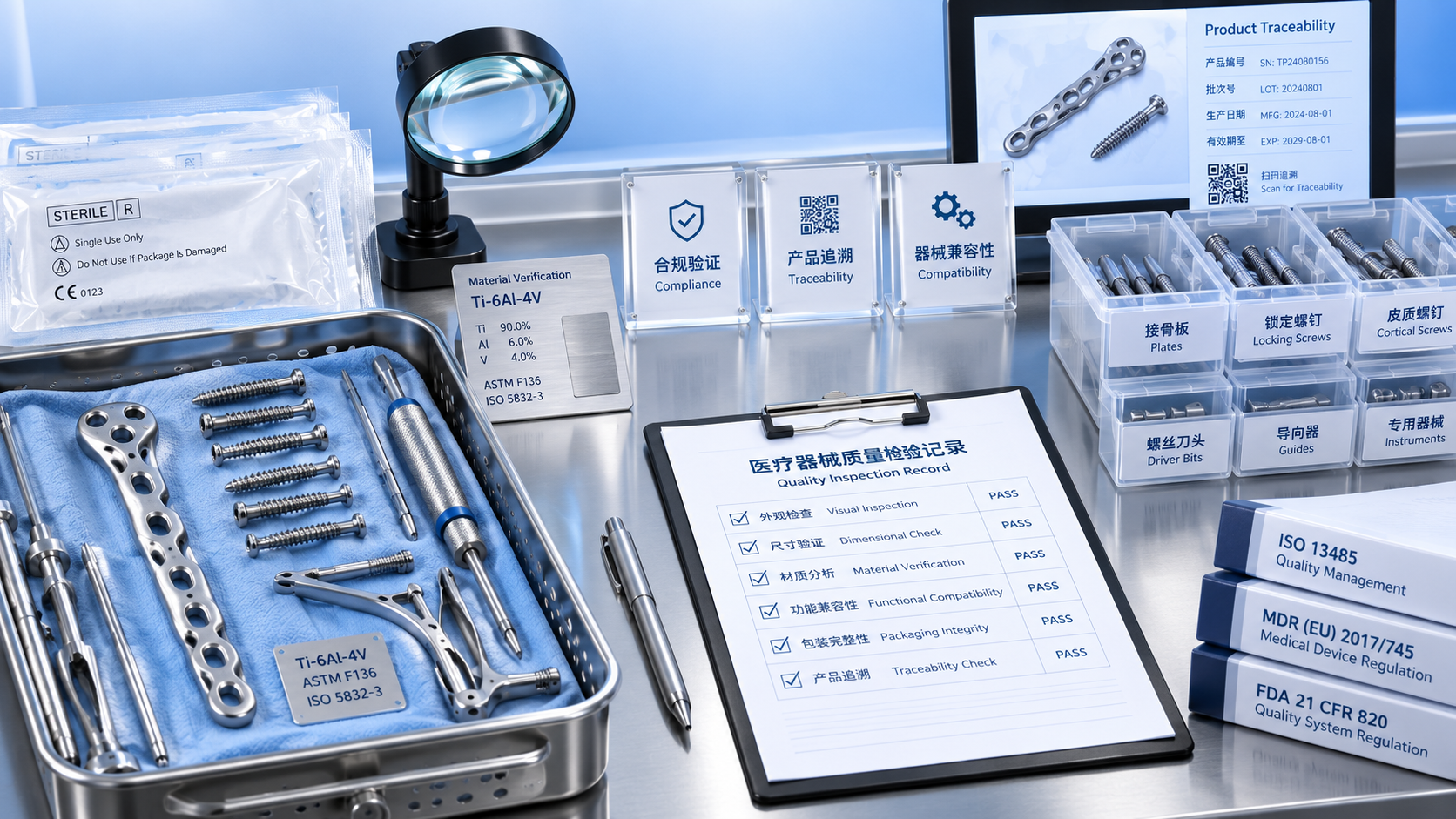
Useful evidence often includes dimensional inspection, porosity verification, mechanical testing, and validated cleaning processes.
Batch traceability also matters.
For high-risk implants, documentation should connect raw material, machine parameters, inspection records, and sterilization lots.
This level of traceability supports both regulatory audits and field issue investigations.
Biocompatibility and Evidence Should Be Read Together
Biocompatibility cannot be reduced to a single certificate.
For 3D printed porous implants, biological safety depends on material chemistry, surface state, residues, and intended contact duration.
ISO 10993 testing provides a framework, but the biological evaluation plan must match the final device.
Changes in powder source, post-processing, passivation, or sterilization may require reassessment.
Clinical evidence is another deciding layer.
Published outcomes, registry data, surgeon feedback, and complaint trends can reveal risks not visible in bench testing.
Under CE MDR, clinical evaluation must be more than a literature collection.
It should justify safety and performance for the exact intended use and patient population.
When comparing 3D printed porous implants, a strong technical file often signals lower downstream uncertainty.
That uncertainty can affect approval timing, tender eligibility, hospital acceptance, and post-market obligations.
Commercial Resilience Beyond the Unit Price
Price matters, but it is rarely the whole economic picture.
3D printed porous implants may carry different costs across design, validation, inventory, training, and revision management.
A low initial quote may become expensive if supply reliability is weak.
Lead times, production capacity, instrument availability, and packaging stability all influence operational continuity.
Tender environments add further pressure.
When reimbursement and procurement policies push prices down, differentiated evidence becomes more valuable.
A product with credible outcomes can defend clinical adoption more effectively than one supported only by cost claims.
For international markets, regulatory alignment should be reviewed early.
FDA expectations, CE MDR requirements, local registration pathways, and VBP-style policies may create different evidence burdens.
IMCS tracks these intersections because implant selection increasingly depends on both science and market access logic.
Practical Criteria for Comparing Implant Options
A structured review helps prevent overreliance on brochures or isolated performance claims.
The following criteria are useful when screening 3D printed porous implants for orthopedic applications.
- Confirm the intended indication, anatomical load case, and fixation strategy.
- Review pore size, porosity, interconnectivity, surface roughness, and modulus claims.
- Check fatigue, compression, shear, migration, and wear-related testing.
- Assess powder control, build validation, heat treatment, and post-processing records.
- Verify cleaning validation for residual powder and surface contaminants.
- Review ISO 10993 biological evaluation and any change-control implications.
- Compare clinical evidence, registry signals, complaints, and revision-related data.
- Evaluate lead time, capacity, packaging, sterilization, and instrument ecosystem.
No single item proves quality by itself.
The strongest options show consistency across engineering, biology, documentation, and real-world usability.
Red Flags That Deserve Early Clarification
Some issues should be clarified before deeper commercial negotiation.
One warning sign is vague language around “bone-like porosity” without measurable parameters.
Another is limited fatigue data for implants expected to carry significant cyclic loads.
Unclear cleaning validation is also important, especially in deep lattice structures.
If the supplier cannot explain residual powder control, further review is necessary.
A weak clinical evaluation package can create registration or tender problems later.
The same applies when equivalence claims are stretched across dissimilar devices or indications.
3D printed porous implants also require careful change management.
A process adjustment that looks minor internally may affect regulatory files and biological justification externally.
Early clarification reduces the risk of late-stage disqualification or unexpected revalidation.
How to Build a More Reliable Selection Path
A practical selection path begins with the clinical scenario, not the manufacturing method.
Define the target indication, defect pattern, fixation need, and expected surgical workflow.
Then compare how different 3D printed porous implants address those requirements.
The next step is evidence mapping.
Separate design claims, bench testing, biological safety, clinical evidence, and regulatory status.
This makes gaps visible before price discussions dominate the process.
Commercial review should include supply stability, tender exposure, market authorization, and lifecycle support.
For complex portfolios, independent intelligence can help benchmark claims against standards and market signals.
IMCS focuses on this type of cross-disciplinary stitching across materials, clinical logic, regulation, and high-value consumables policy.
The goal is not to choose the most advanced-sounding implant.
The goal is to choose a solution that can perform safely, consistently, and defensibly over time.
Before committing, compare shortlisted 3D printed porous implants through a documented matrix of clinical fit, validation depth, regulatory readiness, and supply resilience.
That approach creates a clearer basis for negotiation, adoption, and long-term implant portfolio planning.
Get weekly intelligence in your inbox.
No noise. No sponsored content. Pure intelligence.
News Recommendations
 Oct 26, 2026Can a single approval cover life science product sales worldwide?Can a single approval cover life science product sales worldwide?
 Oct 25, 2026When is sensitization testing needed for medical device biocompatibility?When is sensitization testing needed for medical device biocompatibility?
 Oct 24, 2026How is biocompatibility tested for implantable polymer biomaterials?How is biocompatibility tested for implantable polymer biomaterials?
 Oct 23, 2026How to build reimbursement into an implant commercialization strategyHow to build reimbursement into an implant commercialization strategy
 Oct 22, 2026What clinical evidence do implants need for CE marking under EU MDR?What clinical evidence do implants need for CE marking under EU MDR?
 Oct 21, 2026How to choose disposable laparoscopic stapler reloads for thick tissueHow to choose disposable laparoscopic stapler reloads for thick tissue
 Oct 20, 2026How to assess medical polymer biocompatibility under ISO 10993How to assess medical polymer biocompatibility under ISO 10993
 Oct 19, 2026How do interventional device categories differ in clinical use?How do interventional device categories differ in clinical use?
 Oct 18, 2026When to choose alginate dressings for heavily exuding chronic woundsWhen to choose alginate dressings for heavily exuding chronic wounds
 Oct 17, 2026How is biocompatibility tested for custom medical-grade PEEK implants?How is biocompatibility tested for custom medical-grade PEEK implants?
 Oct 16, 2026How to check a wound healing materials supplier’s biocompatibility dataHow to check a wound healing materials supplier’s biocompatibility data
 Oct 15, 2026How to verify the FDA clearance status of silver wound dressingsHow to verify the FDA clearance status of silver wound dressings
 Oct 14, 2026How to register orthopedic implants and instruments in Latin AmericaHow to register orthopedic implants and instruments in Latin America
 Oct 13, 2026How to use a device market intelligence database to benchmark VBP pricesHow to use a device market intelligence database to benchmark VBP prices
 Oct 12, 2026When should stainless steel orthopedic instruments be replaced?When should stainless steel orthopedic instruments be replaced?
 Oct 11, 2026When are alginate dressings rope the right choice for cavity wounds?When are alginate dressings rope the right choice for cavity wounds?
 Oct 10, 2026When smart minimally invasive technology improves catheter accessWhen smart minimally invasive technology improves catheter access
 Oct 08, 2026Clinical evaluation requirements for cardiovascular implant devices in EuropeClinical evaluation requirements for cardiovascular implant devices in Europe
 Oct 07, 2026What to verify before appointing an artificial joint implants distributorWhat to verify before appointing an artificial joint implants distributor
 Oct 06, 2026How ISO 10993 guides biocompatibility testing for medical materialsHow ISO 10993 guides biocompatibility testing for medical materials
 Oct 05, 2026How to verify an orthopedic implants and instruments exporterHow to verify an orthopedic implants and instruments exporter
 Oct 04, 2026What drives surgical stapling devices price differences in hospital tenders?What drives surgical stapling devices price differences in hospital tenders?
 Oct 03, 2026How to assess a central venous catheter manufacturer's infection-control evidenceHow to assess a central venous catheter manufacturer's infection-control evidence
 Oct 02, 2026How to assess an advanced wound care factory’s quality systemHow to assess an advanced wound care factory’s quality system
 Oct 01, 2026What is driving global medical consumables demand in emerging markets?What is driving global medical consumables demand in emerging markets?
 Sep 30, 2026Implant Material Compliance Testing: Evidence Needed for Regulatory SubmissionImplant Material Compliance Testing: Evidence Needed for Regulatory Submission
 Sep 30, 2026From Corrosion to Fatigue: What Implant Materials Testing Should MeasureFrom Corrosion to Fatigue: What Implant Materials Testing Should Measure