Medical Polymer Technology in Implants: What Affects Long-Term Stability?
Medical polymer technology shapes how implants flex, seal, glide, and survive inside the body for years. Yet long-term stability is never defined by resin choice alone. It emerges from the interaction between chemistry, processing, sterilization, device design, clinical use, and regulatory evidence. In high-value implants and consumables, that interaction now matters more because payers, regulators, and clinical teams all expect longer service life with fewer complications. For platforms such as IMCS, which track orthopedic systems, cardiovascular devices, surgical consumables, polymer catheters, and tissue-regeneration materials, stability is the point where materials science meets real-world risk.
Why long-term stability has become a central issue
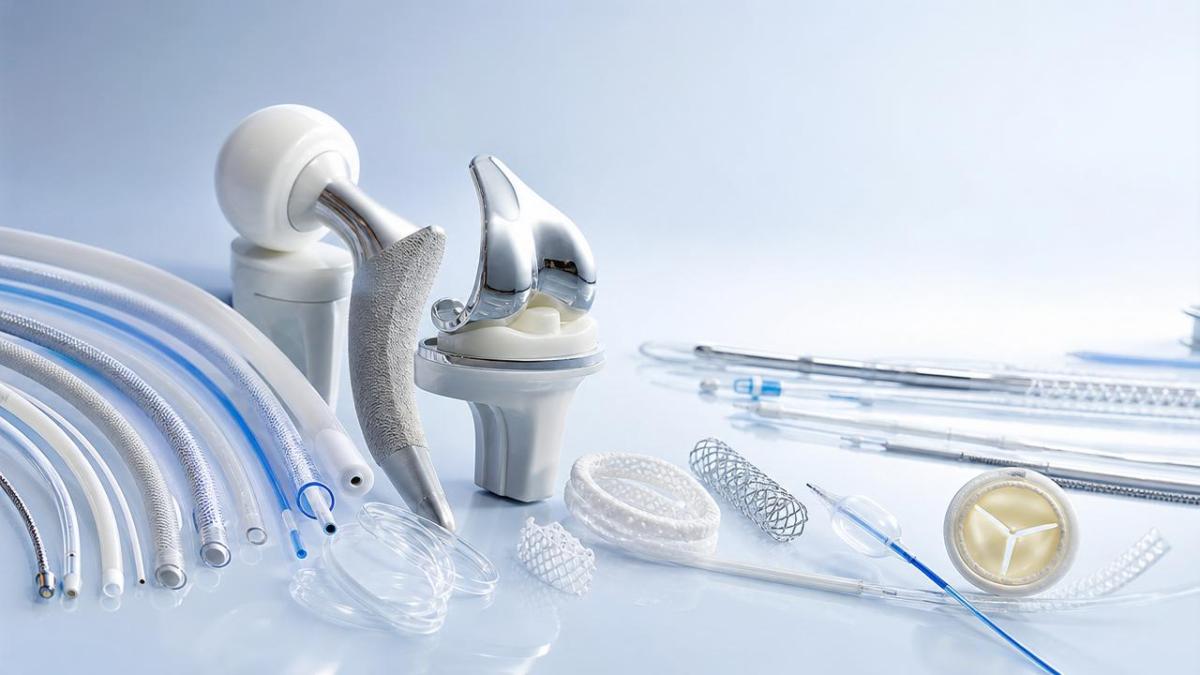
Implants are no longer judged only by immediate function. They are judged by how reliably they perform after repeated loading, chemical exposure, sterilization, and tissue contact.
This is especially visible in Class III devices. A polymer component may appear stable in bench testing, but fail later through oxidation, creep, wear debris, coating loss, or environmental stress cracking.
The issue also crosses categories. In orthopedic implants, wear and fatigue dominate discussion. In cardiovascular systems, hemocompatibility and surface integrity often matter more. In catheters, flexibility must remain consistent without leachables or thrombotic risk.
Medical polymer technology therefore sits at the center of both performance and liability. It affects lifecycle cost, complaint trends, post-market surveillance findings, and even pricing resilience under cost-control environments such as VBP.
What stability means in medical polymer technology
In implants, stability means more than keeping original shape. A stable polymer preserves critical properties throughout storage, implantation, and long-term use.
Those properties include mechanical strength, elongation, surface lubricity, dimensional accuracy, chemical resistance, and biological response. A small drift in any one of them can change device behavior.
For example, a polymer may retain tensile strength while losing oxidation resistance. Another may remain biocompatible but become too brittle after gamma sterilization. A third may pass short-term cytotoxicity testing yet generate problematic particles under articulation.
That is why medical polymer technology should be evaluated as a system. Base resin, additives, fillers, reinforcements, coatings, and joining methods all contribute to the stability profile.
The main factors that affect long-term performance
Several variables repeatedly determine whether an implant polymer performs as intended over time.
Material chemistry and molecular structure
Polymer backbone chemistry defines resistance to hydrolysis, oxidation, and enzymatic attack. Crystallinity, crosslink density, and molecular weight distribution also change toughness, creep resistance, and crack propagation behavior.
Additives, fillers, and impurities
Stabilizers, plasticizers, pigments, radiopacifiers, and reinforcing fibers may improve one property while weakening another. Residual monomers, catalysts, and processing impurities can also alter biocompatibility and aging behavior.
Processing history
Extrusion, injection molding, machining, annealing, and additive manufacturing leave a structural fingerprint. Internal stress, orientation, and thermal exposure often explain why identical materials show different field performance.
Sterilization and packaging
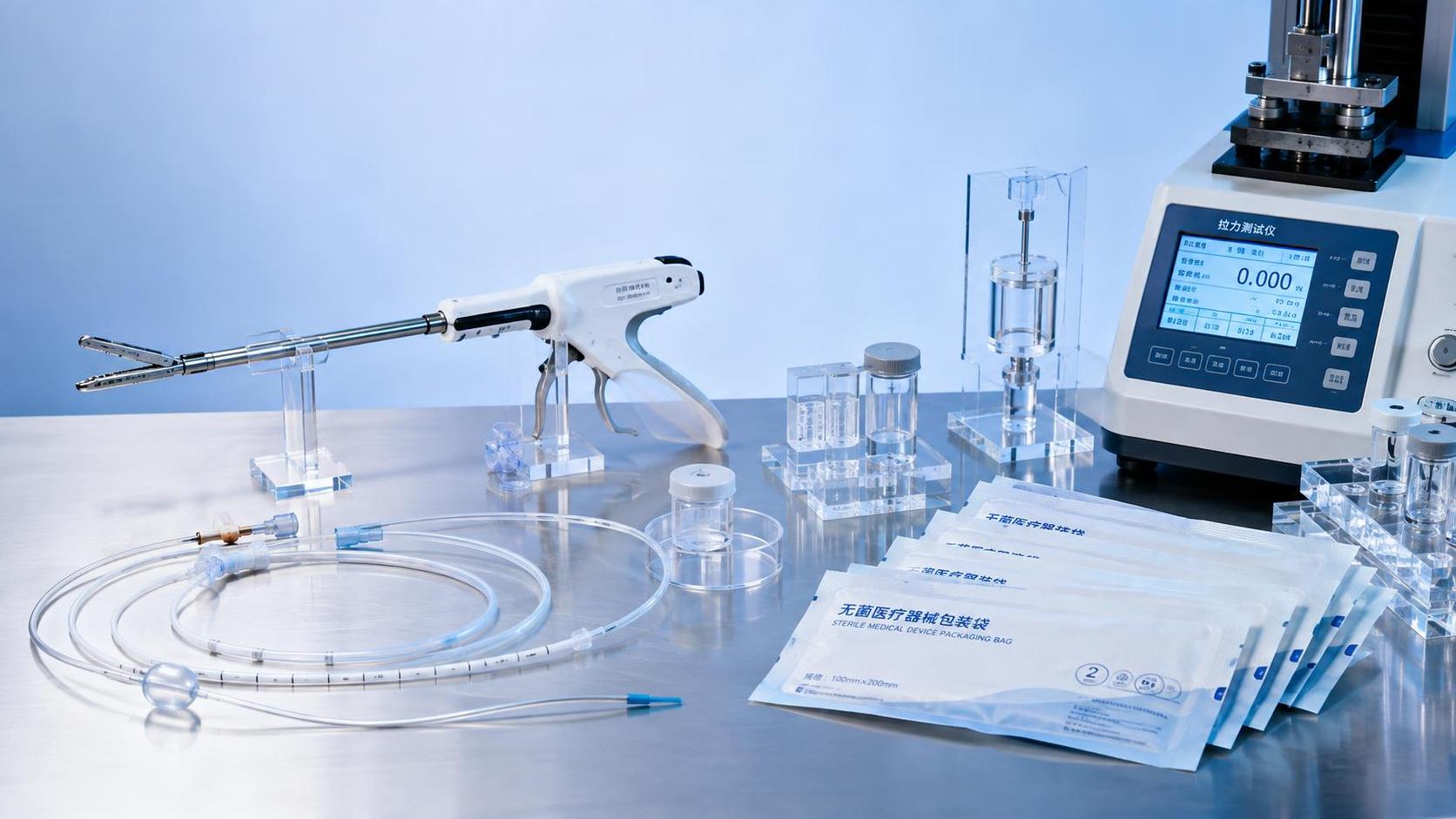
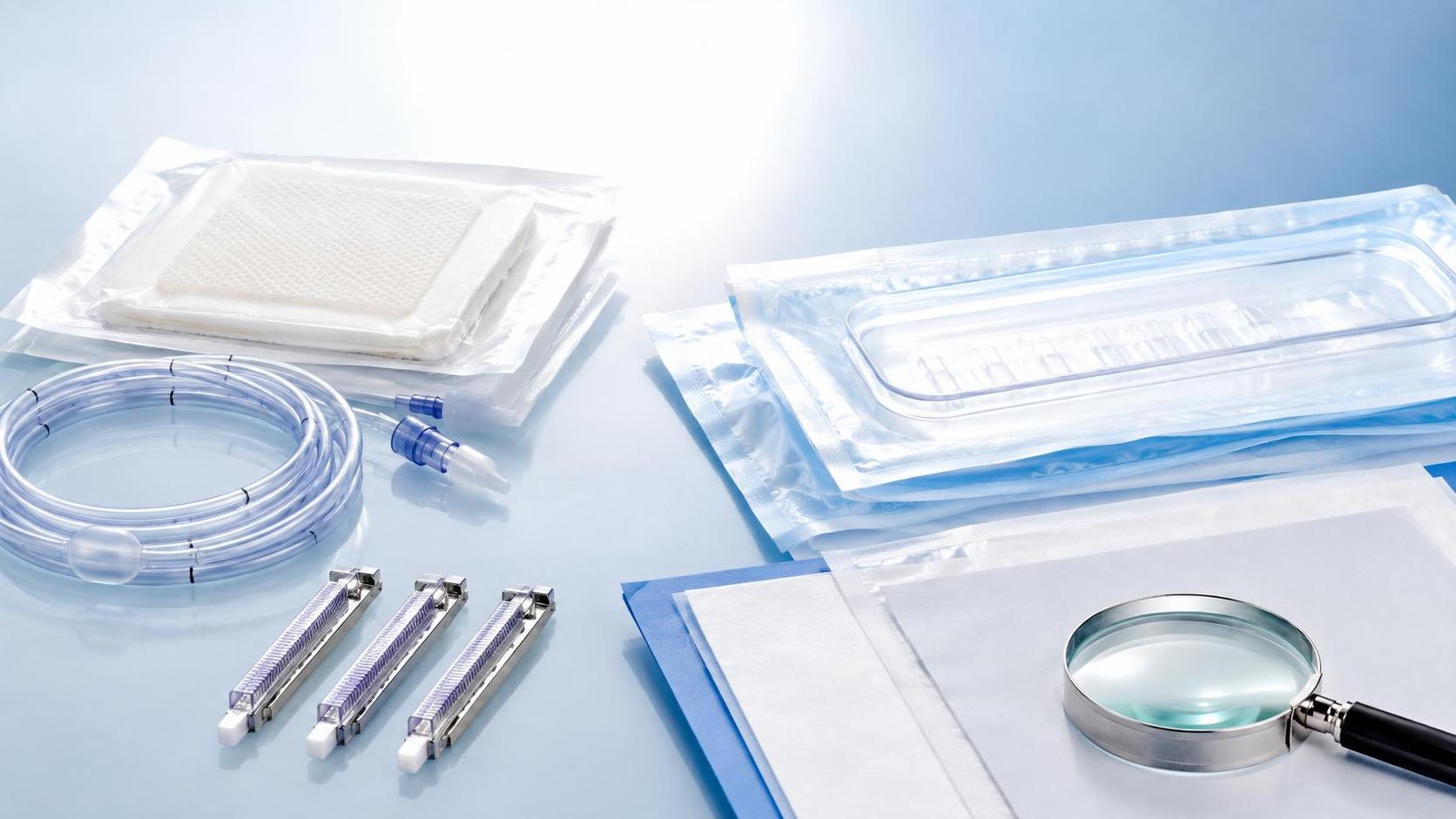
Ethylene oxide, gamma, e-beam, and steam do not affect polymers equally. Shelf-life packaging, oxygen exposure, and moisture barrier design may either protect the material or accelerate degradation before use.
In vivo mechanical and chemical exposure
Implants face cyclic stress, friction, body fluids, inflammatory species, lipid absorption, and local pH shifts. In real practice, these conditions rarely act one at a time.
How these risks appear across implant categories
Medical polymer technology does not fail in the same way across all applications. The dominant failure modes depend on anatomy, load path, and therapeutic purpose.
Orthopedic systems
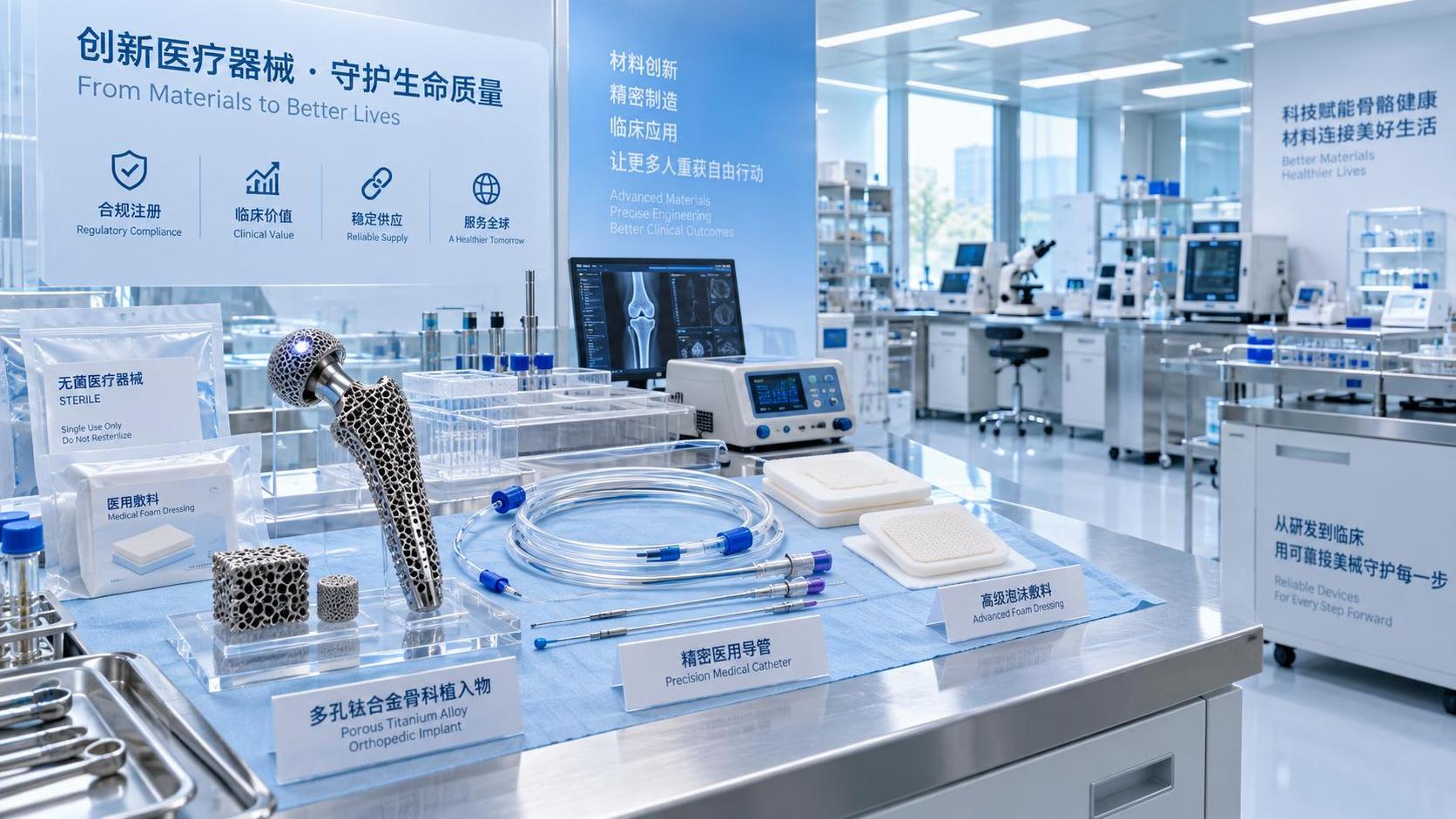
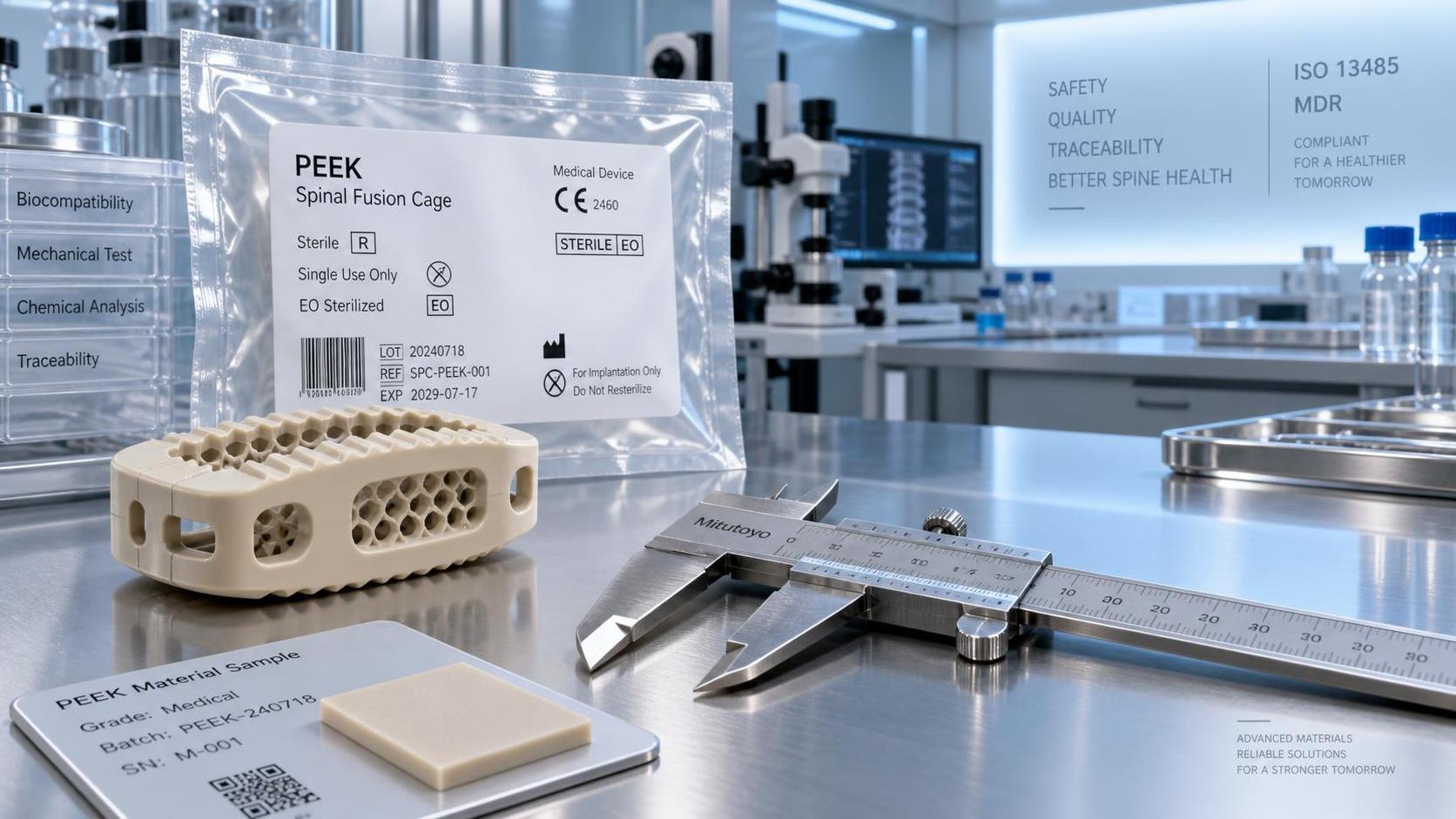
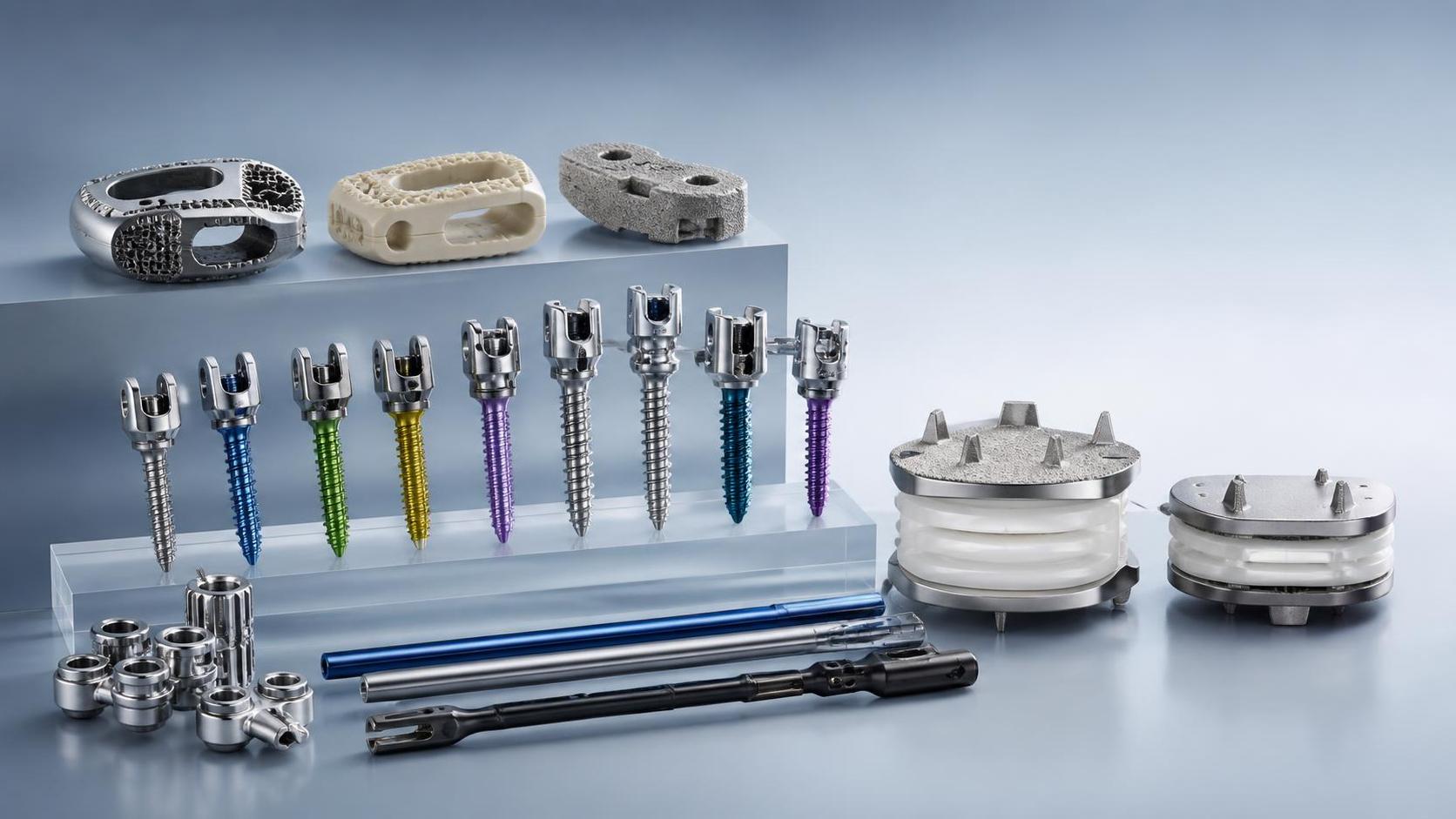
PEEK, UHMWPE, and related polymers are valued for strength-to-weight ratio and imaging advantages. Long-term questions usually center on oxidation stability, wear debris, fatigue, and fixation behavior near bone.
Cardiovascular devices
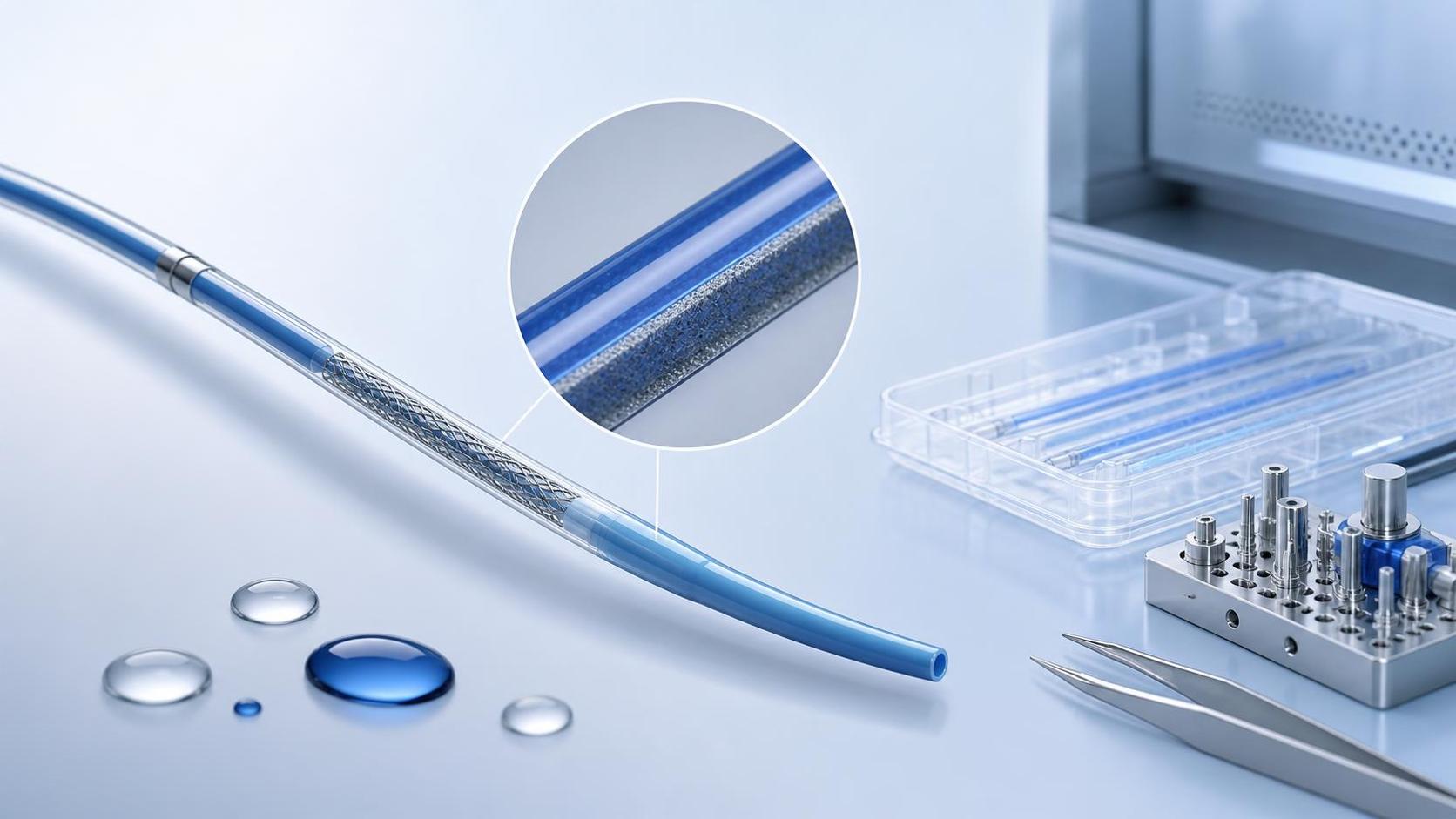
Here, surface performance becomes critical. Coating adhesion, thromboresistance, catheter lubricity, and resistance to kink-induced microdamage may be more important than bulk stiffness alone.
Minimally invasive consumables
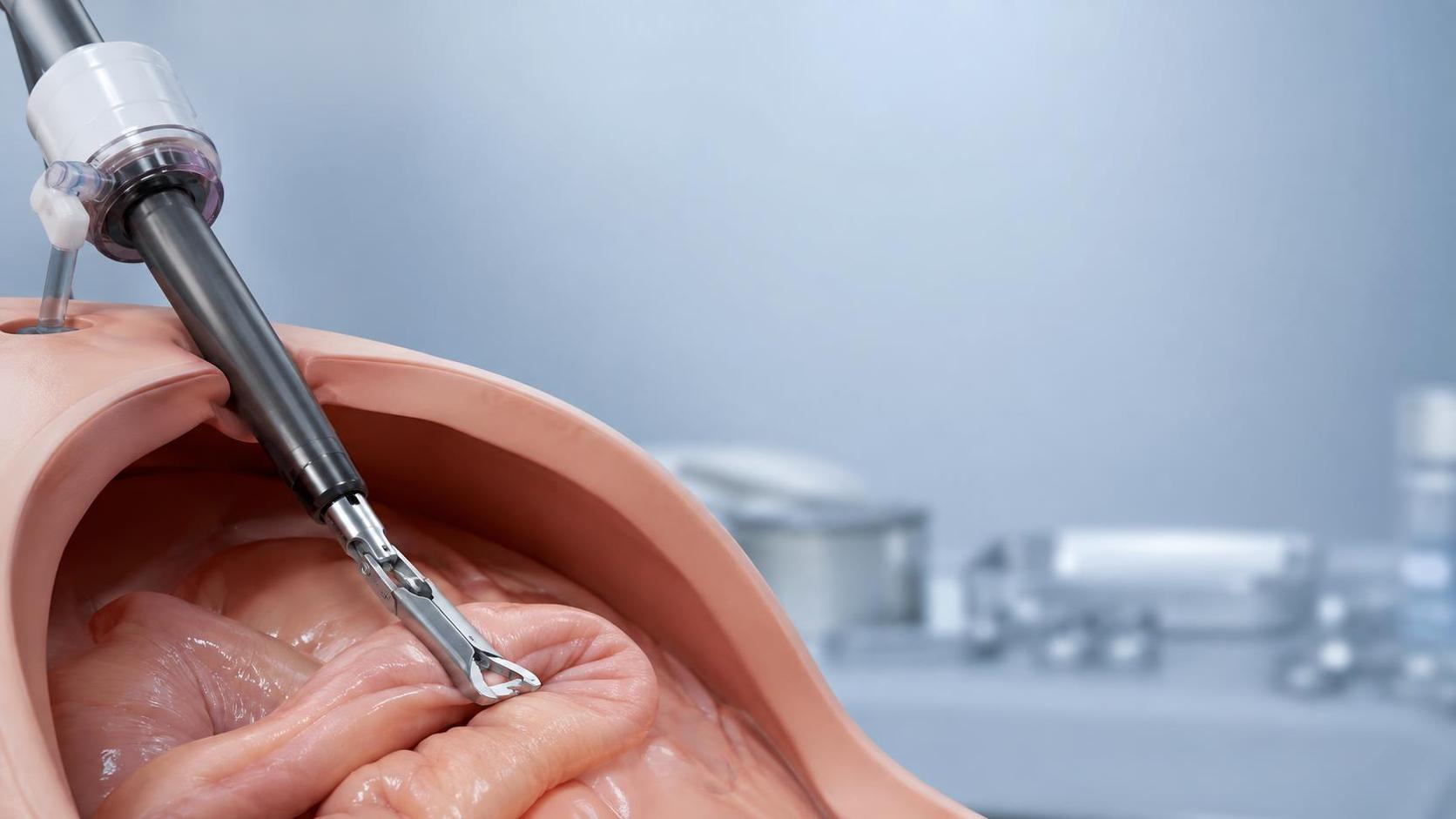
Stapler components, seals, and polymer interfaces face repeated stress and sterilization effects. Dimensional drift can alter deployment accuracy even when the polymer still looks intact.
Regenerative and wound-contact materials
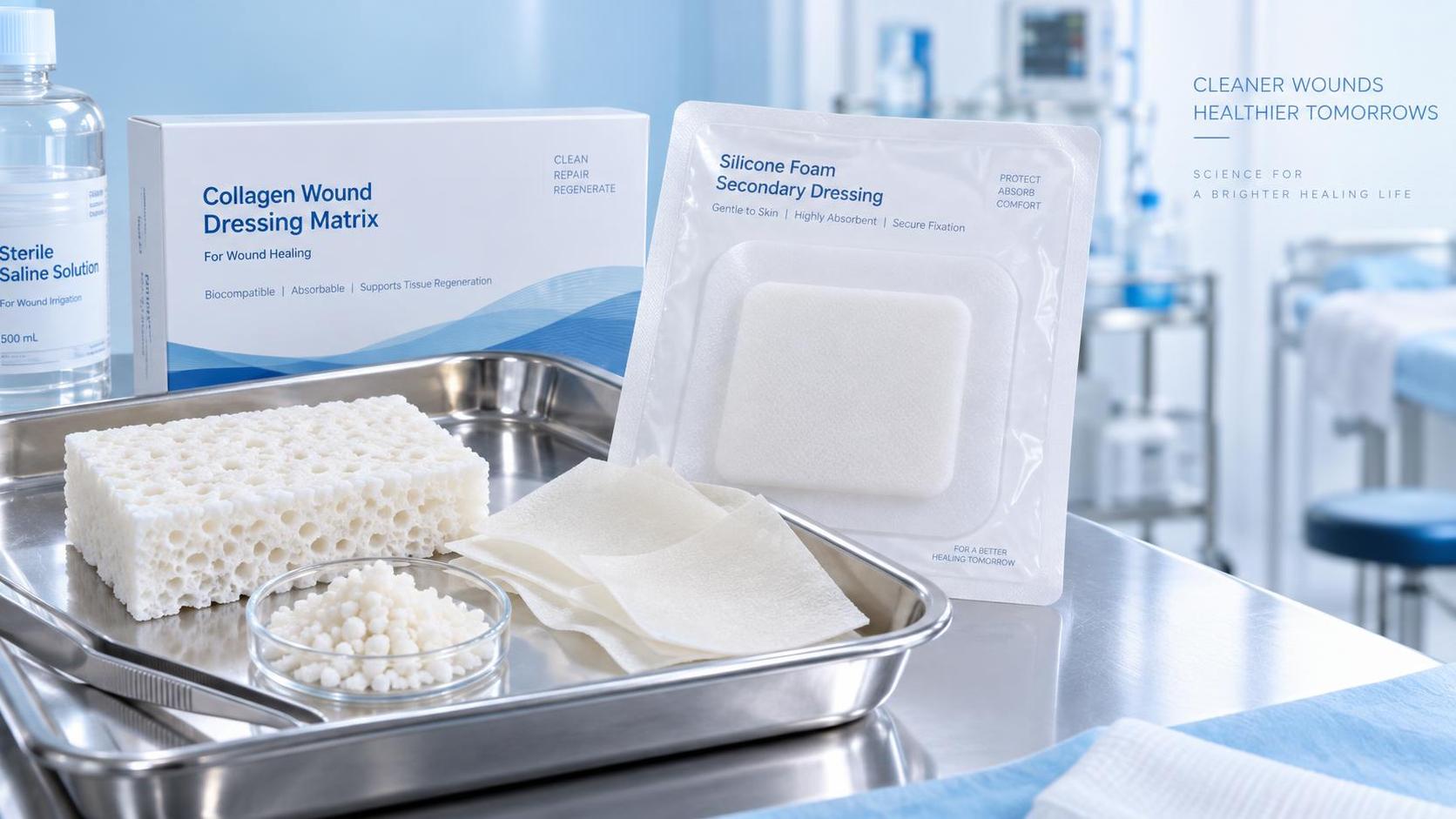
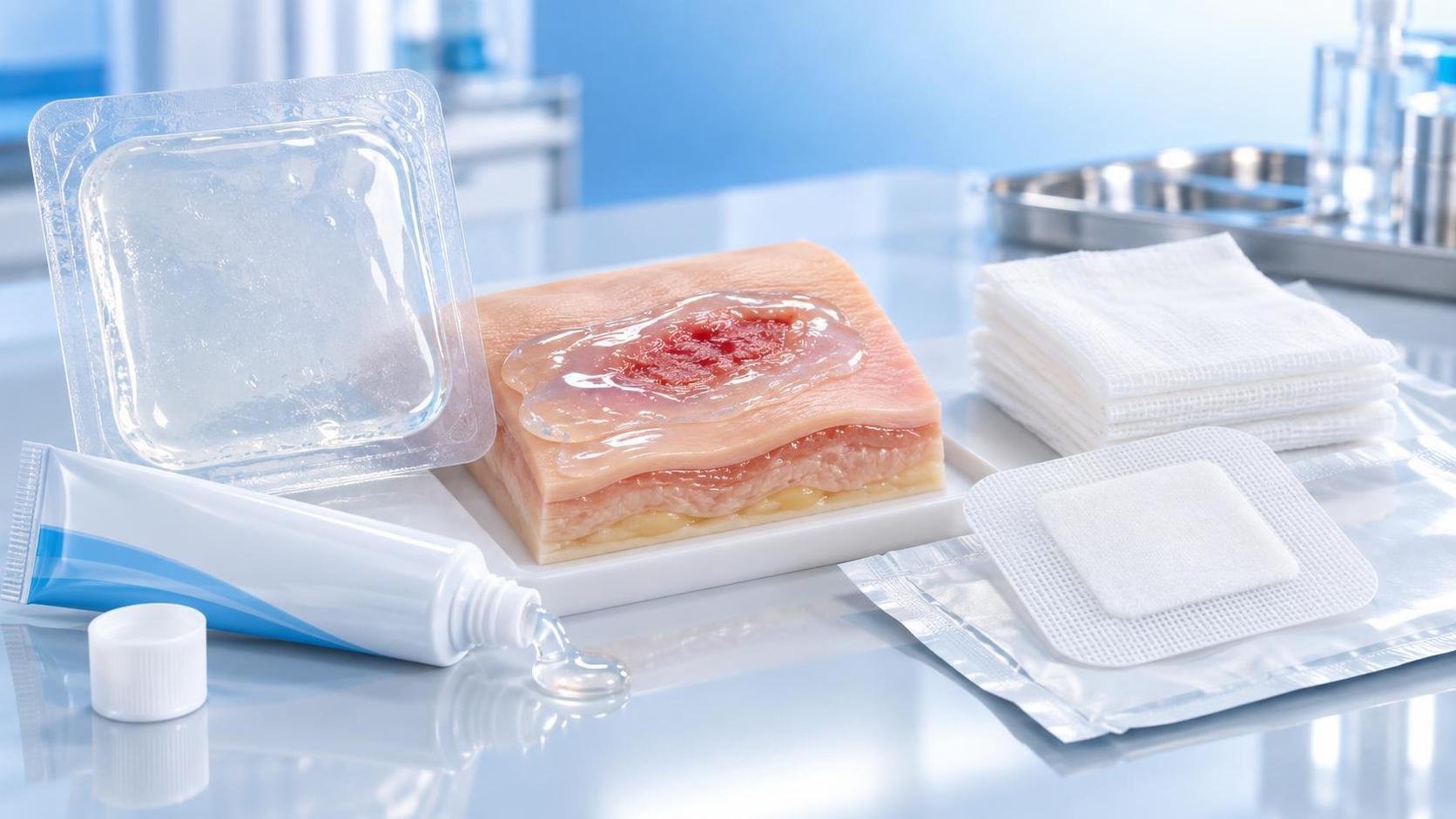
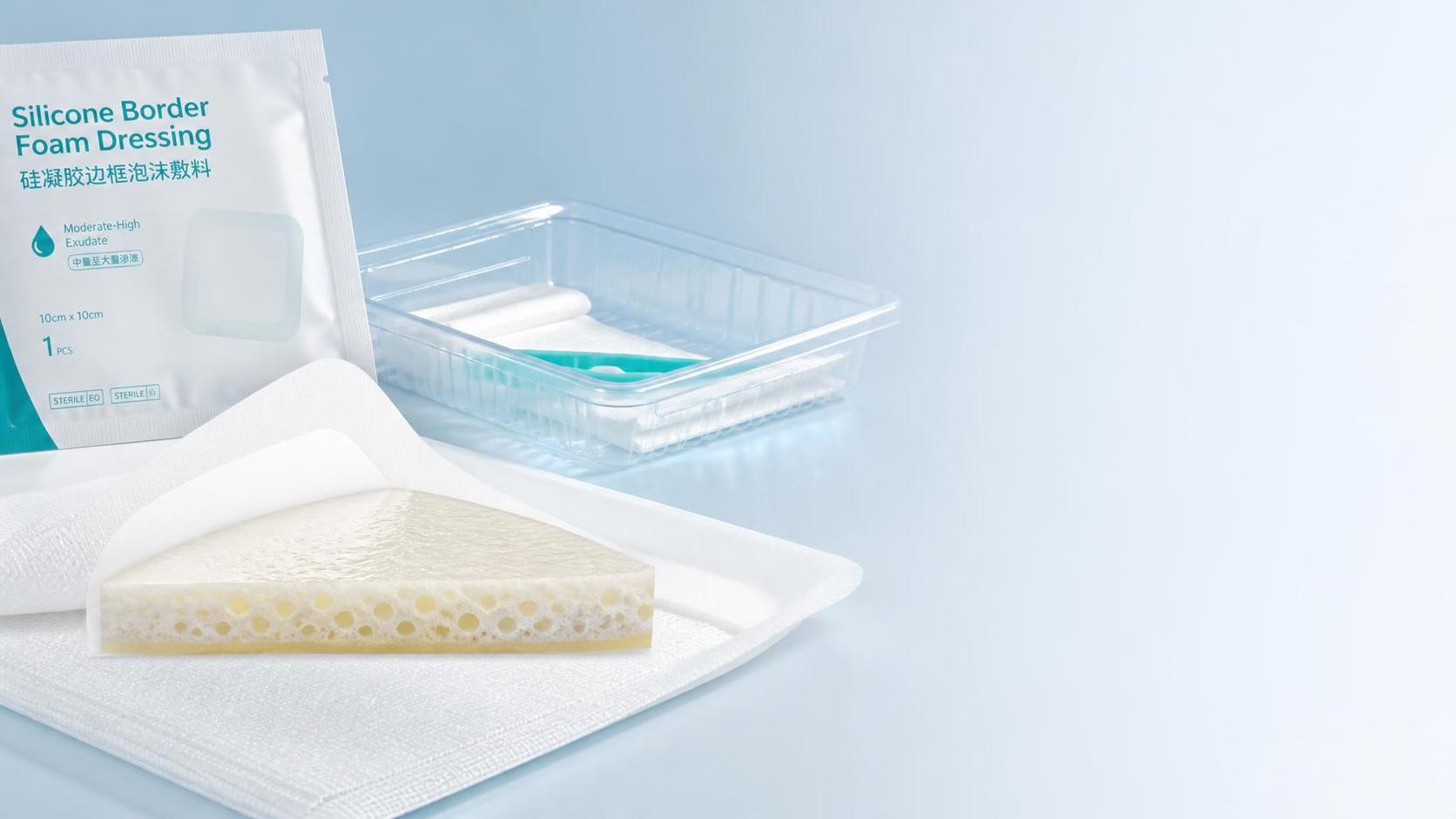
In these systems, stability may need to be controlled rather than maximized. A material should maintain function long enough to support healing, then degrade within a safe and predictable window.
Why regulatory and clinical evidence matter as much as lab data
Bench data often provides the first signal, not the final answer. Long-term stability claims in medical polymer technology need support from biological evaluation, simulated use, aging studies, and clinical evidence.
ISO 10993 remains essential for biological safety, but passing cytotoxicity or sensitization tests does not prove decades of stable performance. Real evaluation must link chemistry to failure modes and use conditions.
This is where intelligence-led review becomes valuable. IMCS highlights the connection between material toxicology, CE MDR clinical logic, and commercialization pressure. That combined view helps prevent narrow decisions based only on datasheets.
The practical question is simple: does the evidence package explain how the polymer behaves after sterilization, aging, implantation, and clinically realistic stress?
A practical framework for evaluating medical polymer technology
A useful assessment does not start with a brand name polymer. It starts with the device function and the harm that follows if a property drifts.
- Map the critical function first, such as articulation, sealing, vessel navigation, or load transfer.
- Identify the dominant aging mechanisms expected in storage and in vivo use.
- Check how manufacturing and sterilization modify the original material profile.
- Review extractables, leachables, wear particles, and coating durability together.
- Look for consistency between bench results, risk files, and clinical follow-up data.
- Assess whether cost optimization has introduced hidden material or process trade-offs.
This framework is particularly useful when comparing premium and cost-pressured alternatives. Under VBP or similar procurement environments, the cheapest stable-looking option is not always the lowest-risk option.
Signals that deserve closer attention
Certain signals often indicate that medical polymer technology may require deeper review before selection or approval.
- Aging data generated on plaques rather than final device geometry.
- Sterilization validation that does not include post-aging property checks.
- Claims of biocompatibility without extractables or particle characterization context.
- Design changes that alter wall thickness, stress concentration, or coating adhesion.
- Clinical equivalence arguments built on material names alone.
These are not automatic disqualifiers. They are signals that the stability story may be incomplete.
Where to focus next
Long-term implant reliability depends on whether medical polymer technology is reviewed in context, not in isolation. Chemistry, process control, sterilization route, biological response, and clinical evidence should be read as one chain.
A strong next step is to build a comparison matrix for each candidate material and device design. Include degradation pathway, sterilization sensitivity, wear profile, biological evidence, and post-market signals.
That approach makes trade-offs visible early. It also supports better decisions across orthopedic implants, cardiovascular systems, minimally invasive consumables, and advanced regenerative materials where long-term stability directly shapes patient outcomes.
When the evidence is organized this way, medical polymer technology becomes easier to judge, easier to compare, and far more useful in predicting durable clinical performance.
Get weekly intelligence in your inbox.
No noise. No sponsored content. Pure intelligence.
News Recommendations
 Sep 13, 2026What a medical device market insights platform reveals about market accessWhat a medical device market insights platform reveals about market access
 Sep 12, 2026When are collagen-based tissue healing materials suitable for wound care?When are collagen-based tissue healing materials suitable for wound care?
 Sep 11, 2026How catheter material selection affects total cost of ownershipHow catheter material selection affects total cost of ownership
 Sep 10, 2026What FDA clearance means for medical grade PEEK implantsWhat FDA clearance means for medical grade PEEK implants
 Sep 09, 2026When do hydrogel wound healing technologies suit dry wounds?When do hydrogel wound healing technologies suit dry wounds?
 Sep 07, 2026How to assess medical consumables for surgical useHow to assess medical consumables for surgical use
 Sep 07, 2026How to verify CE MDR compliance for single-use medical consumablesHow to verify CE MDR compliance for single-use medical consumables
 Sep 05, 2026How to evaluate an antithrombotic catheter factory for qualityHow to evaluate an antithrombotic catheter factory for quality
 Sep 04, 2026When do minimally invasive surgical staplers improve GI access?When do minimally invasive surgical staplers improve GI access?
 Sep 03, 2026When are foam moist wound healing dressings appropriate for exuding wounds?When are foam moist wound healing dressings appropriate for exuding wounds?
 Sep 02, 2026How implant pricing affects access to advanced medical careHow implant pricing affects access to advanced medical care
 Sep 01, 2026What is driving price pressure in the North American medical consumables market?What is driving price pressure in the North American medical consumables market?
 Aug 31, 2026Comparing medical devices in Southeast Asia when market access differsComparing medical devices in Southeast Asia when market access differs
 Aug 30, 2026When are 3D printed PEEK implants suitable for spinal reconstruction?When are 3D printed PEEK implants suitable for spinal reconstruction?
 Aug 29, 2026How global medical device regulations shape clinical evidence requirementsHow global medical device regulations shape clinical evidence requirements
 Aug 28, 2026How to verify a burn care dressings exporter meets EU MDR requirementsHow to verify a burn care dressings exporter meets EU MDR requirements
 Aug 27, 2026How to verify a diabetic foot wound care supplier’s clinical evidenceHow to verify a diabetic foot wound care supplier’s clinical evidence
 Aug 26, 2026What drives spinal implants price differences across implant typesWhat drives spinal implants price differences across implant types
 Aug 25, 2026What matters most in a medical consumables platform comparisonWhat matters most in a medical consumables platform comparison
 Aug 24, 2026What a medical device intelligence guide should cover before market accessWhat a medical device intelligence guide should cover before market access
 Aug 23, 2026What drives catheter coating technology cost in early device designWhat drives catheter coating technology cost in early device design
 Aug 22, 2026How custom 3D printed medical implants meet biocompatibility requirementsHow custom 3D printed medical implants meet biocompatibility requirements
 Aug 21, 2026What makes an implant commercialization strategy in Europe fail at market accessWhat makes an implant commercialization strategy in Europe fail at market access
 Aug 20, 2026What drives catheter coating technology cost in product developmentWhat drives catheter coating technology cost in product development
 Aug 19, 2026What drives medical device compliance cost during market entryWhat drives medical device compliance cost during market entry
 Aug 18, 2026When does an antimicrobial central venous catheter lower infection risk?When does an antimicrobial central venous catheter lower infection risk?
 Aug 17, 2026What ISO 13485 means for medical precision machining suppliersWhat ISO 13485 means for medical precision machining suppliers