Medical Material Biocompatibility: Common Test Failures and Fixes
Why does medical material biocompatibility fail even when the design looks correct?
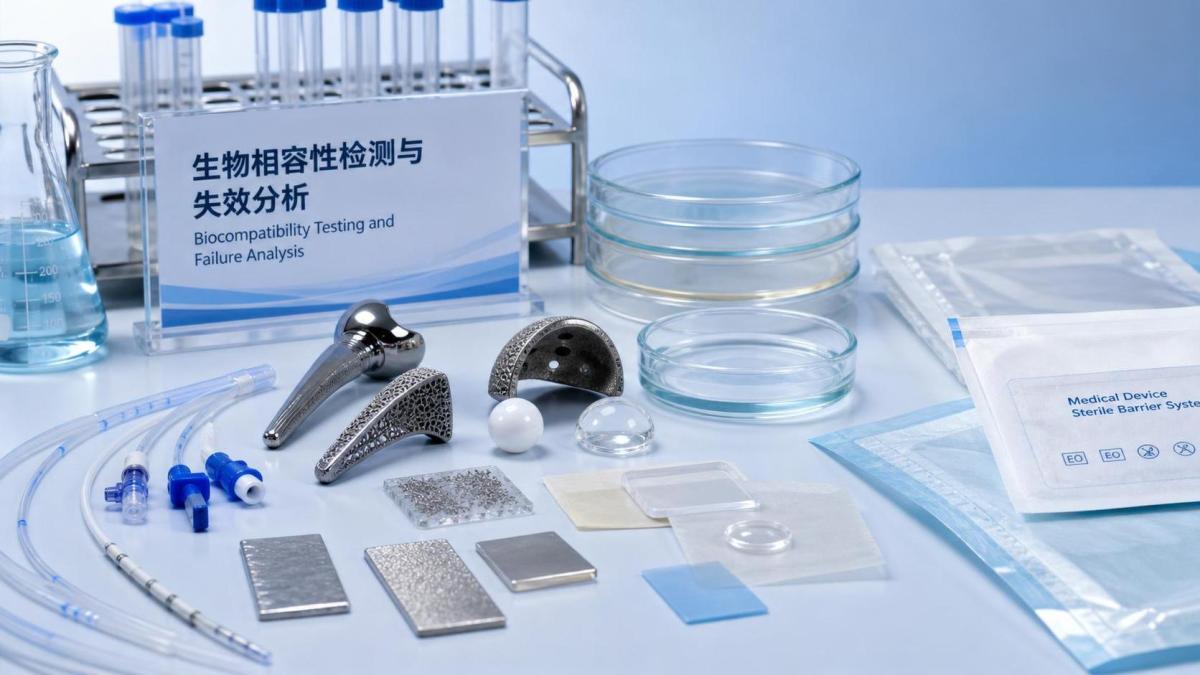
Medical material biocompatibility rarely fails because of one dramatic mistake.
More often, failure starts in small decisions made across materials, processing, packaging, sterilization, and supplier change control.
That is why a device can pass bench testing yet still trigger cytotoxicity, irritation, or sensitization concerns.
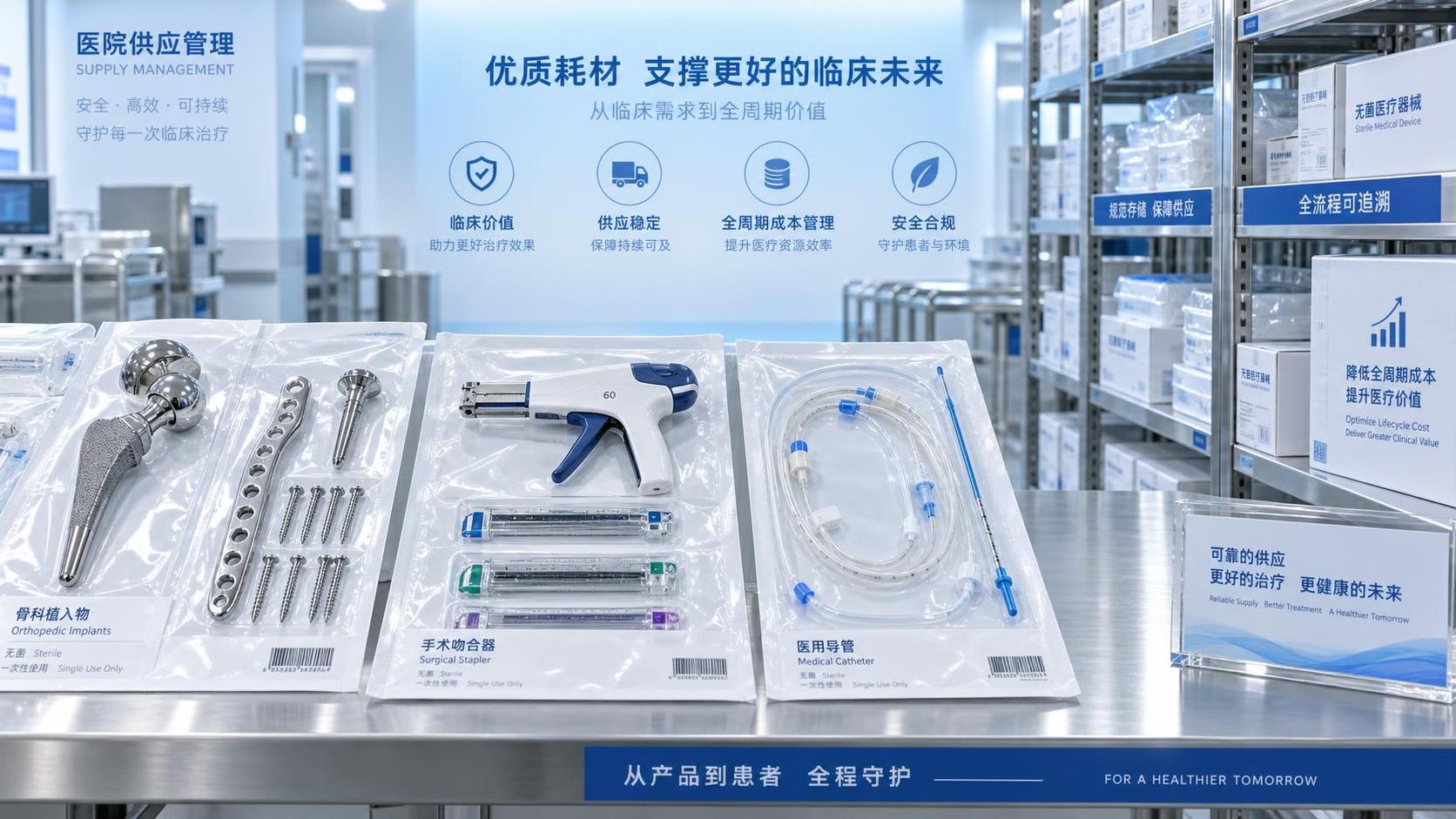
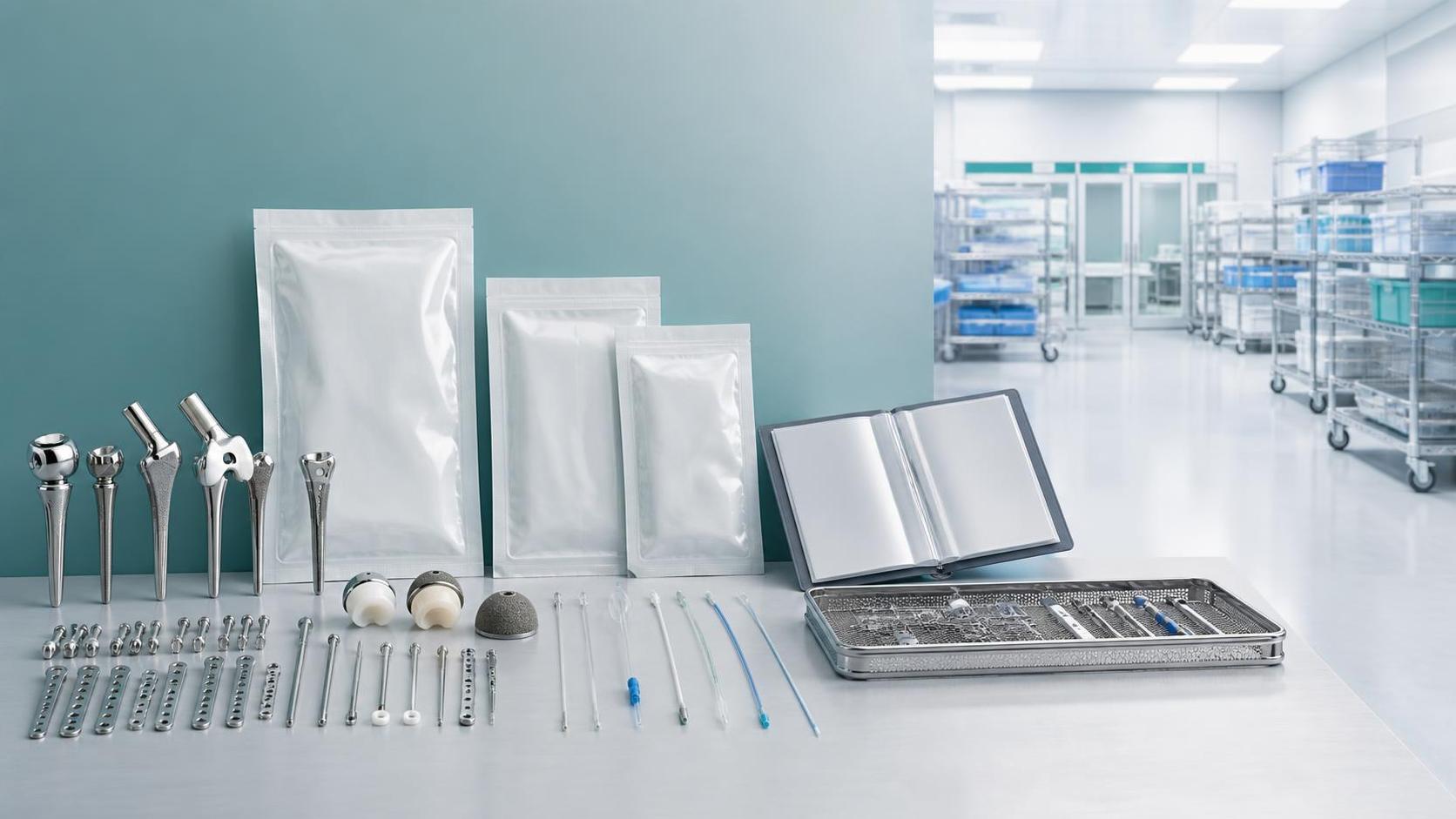
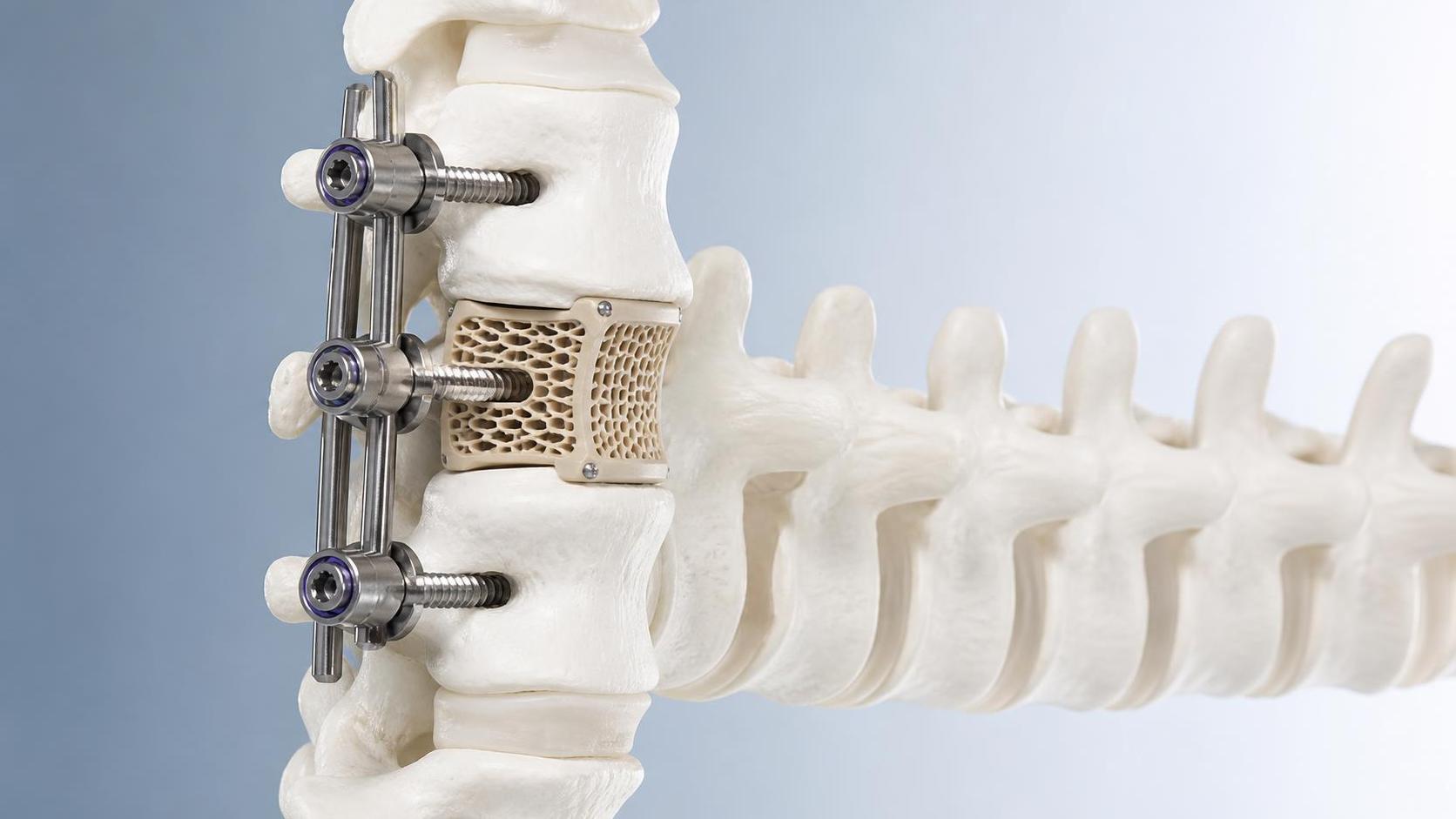
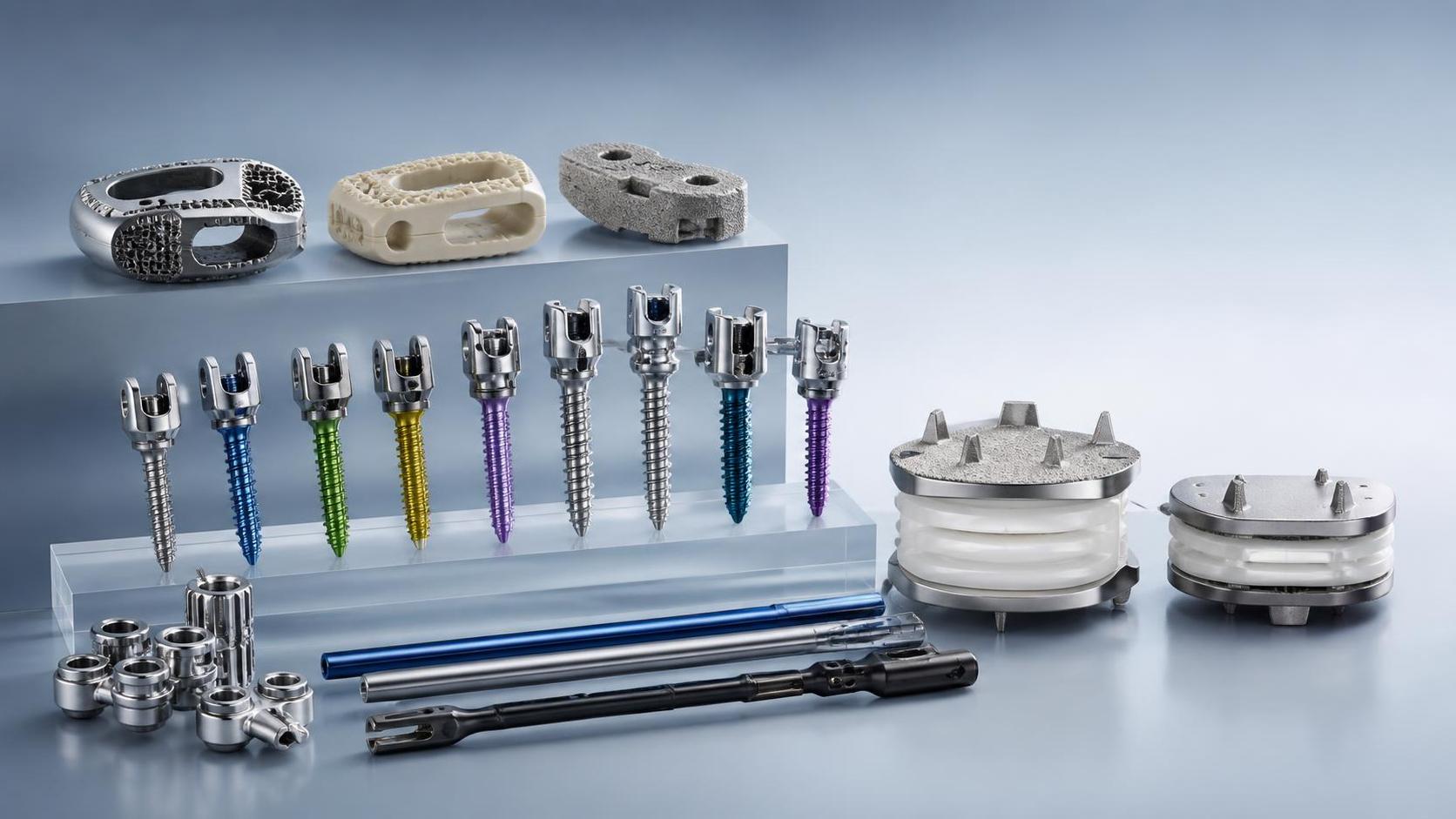
In orthopedic implants, porous structures, coatings, and machining residues may alter extractables.
In cardiovascular devices, thin polymer layers, drug matrices, and lubricant systems create additional biological interfaces.
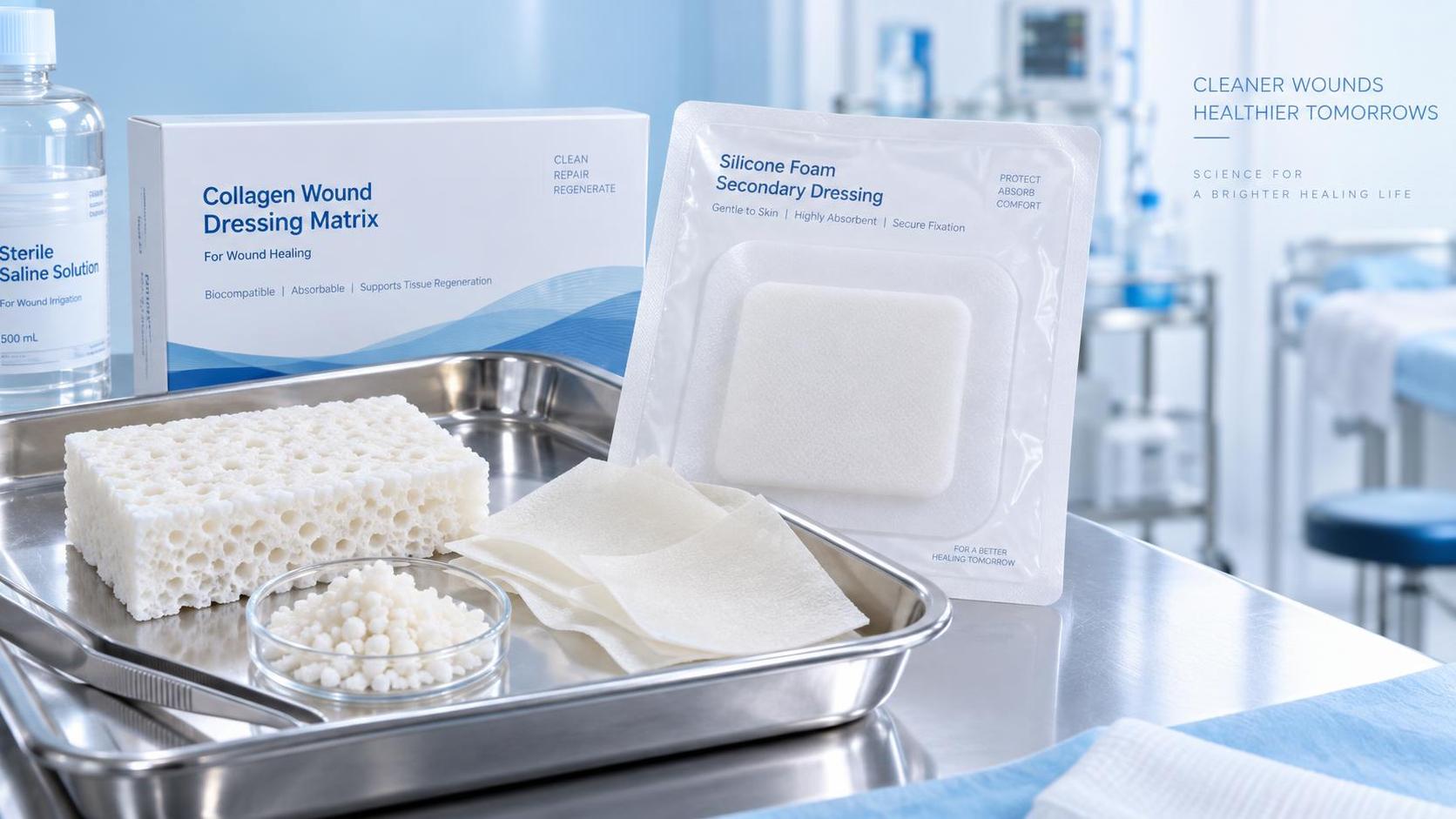
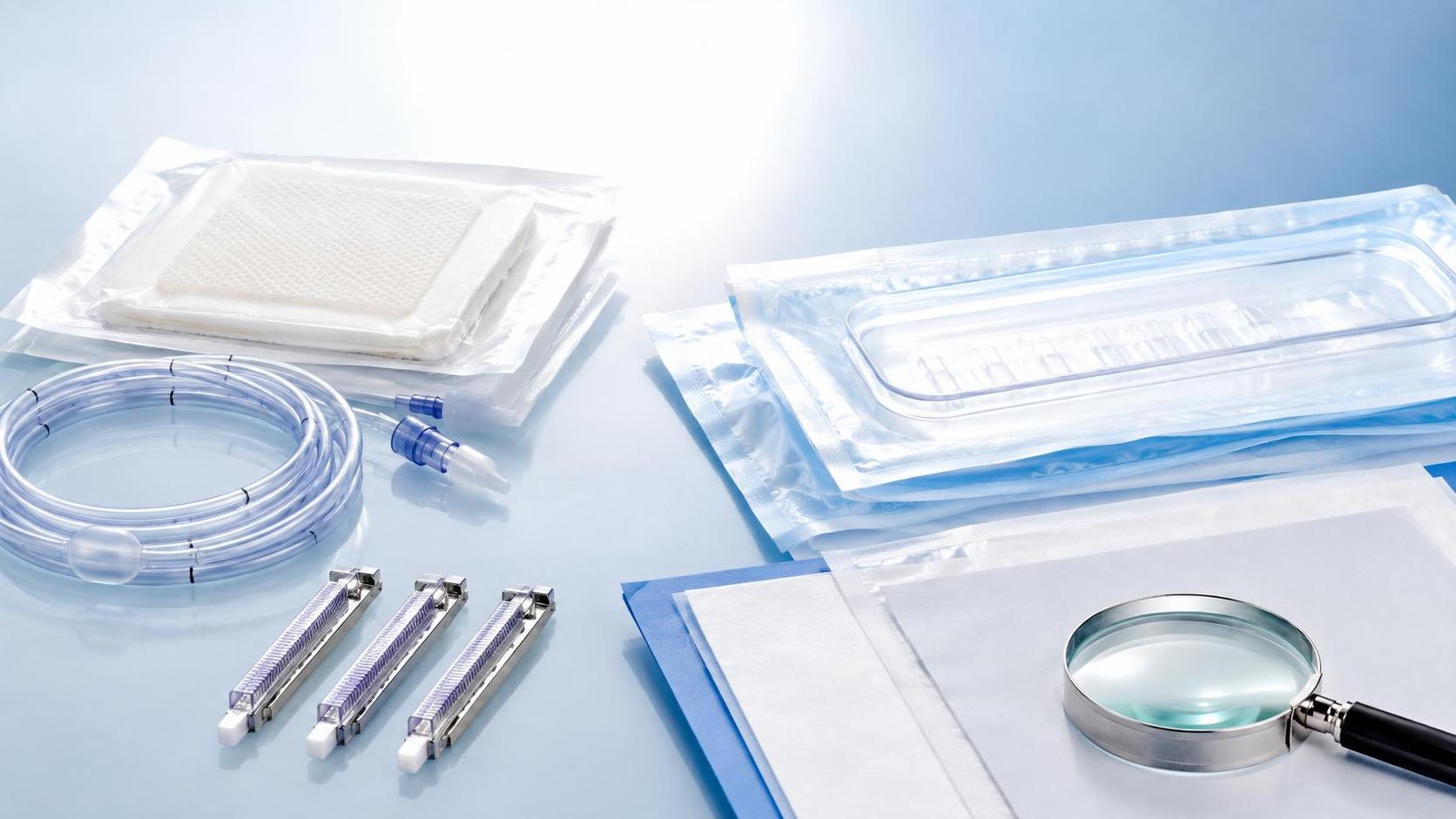
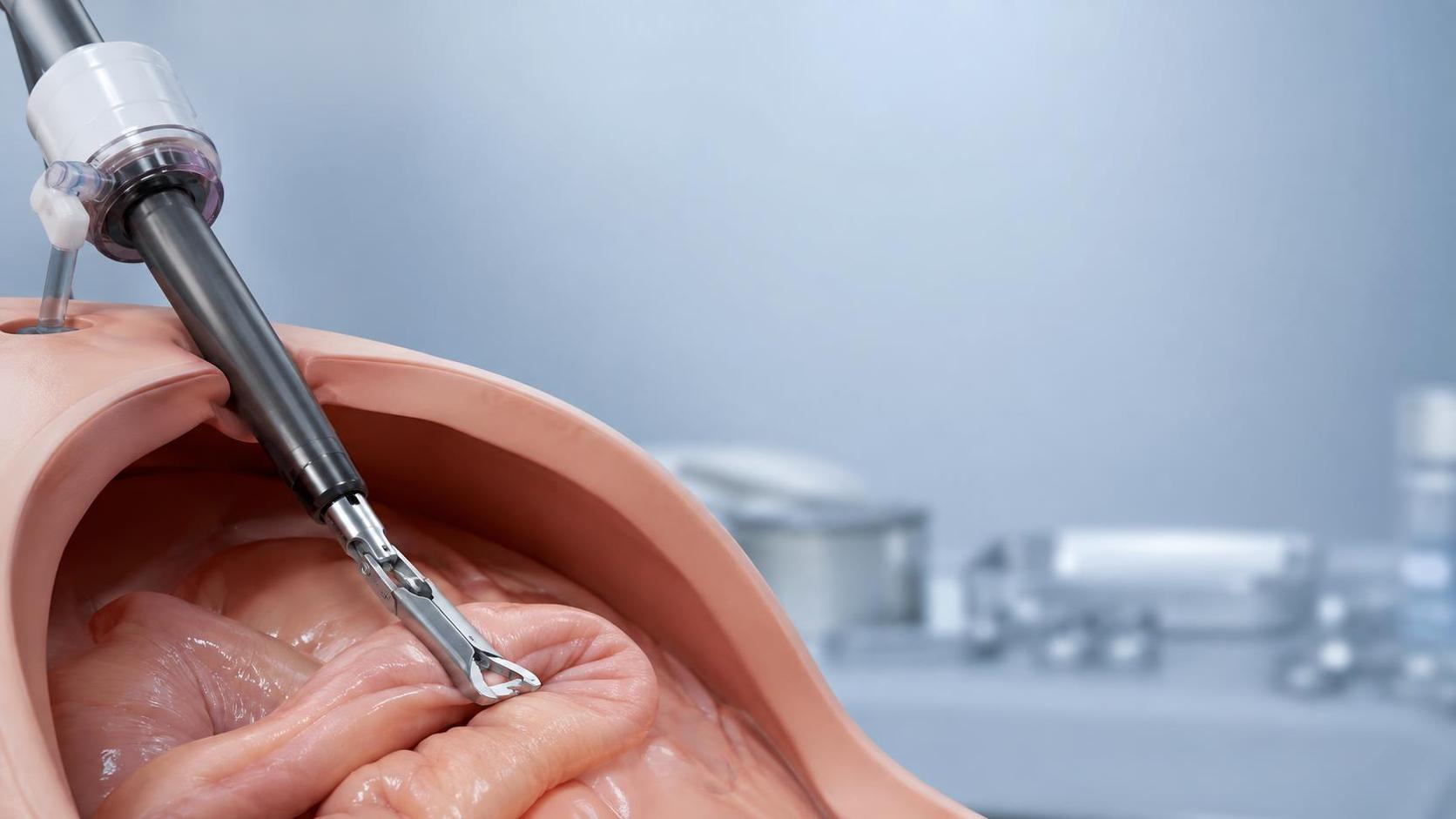
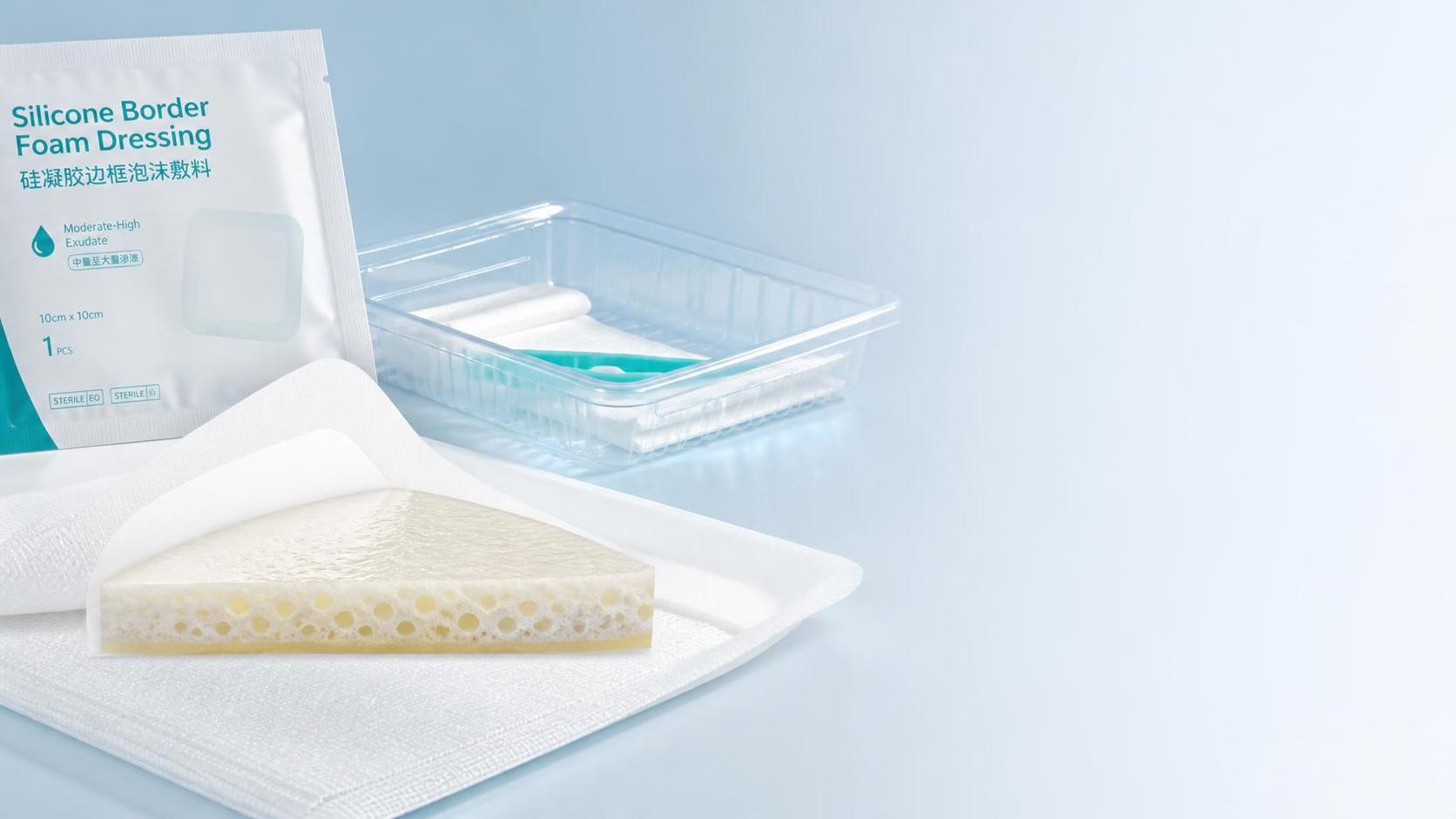
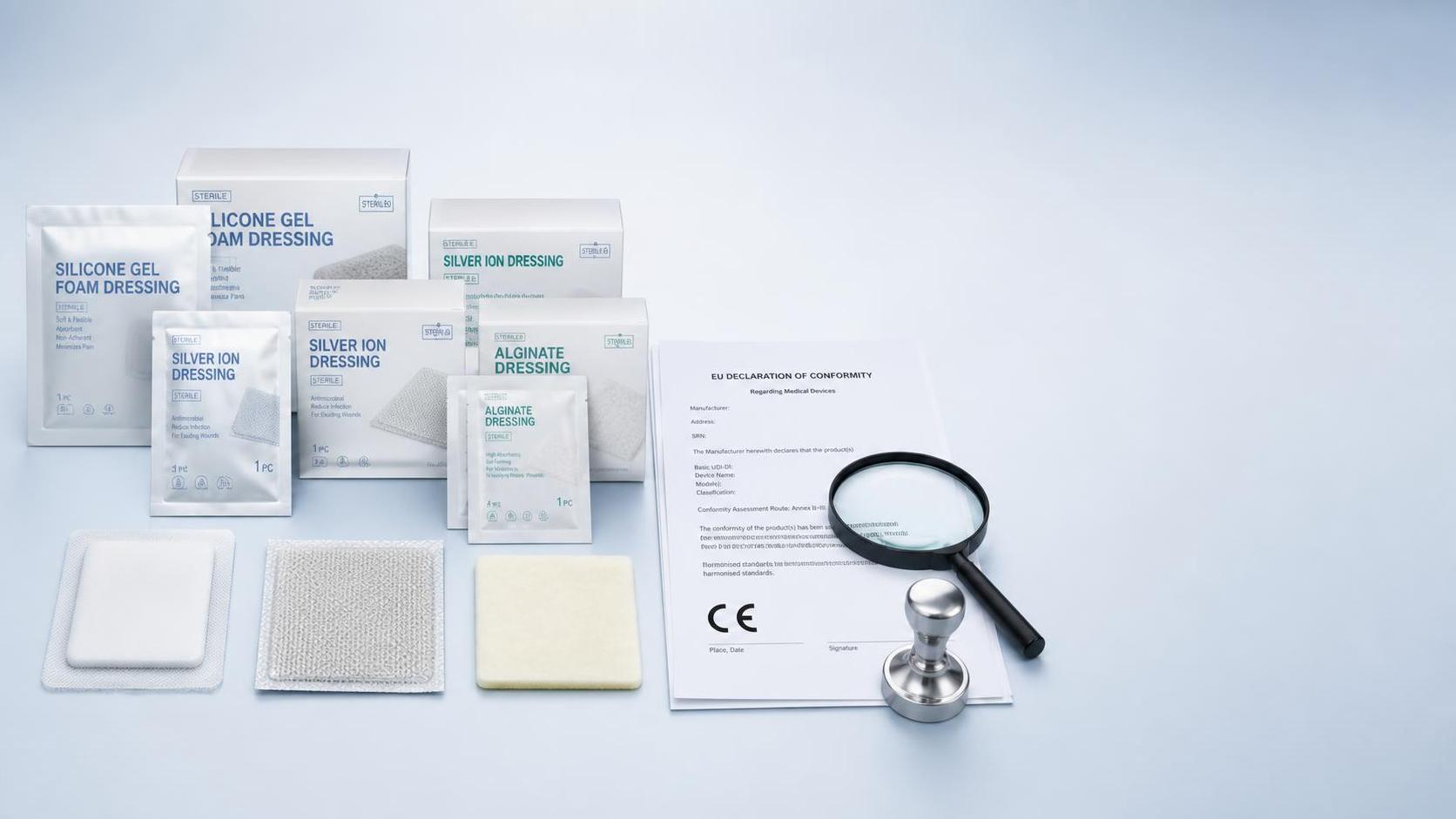
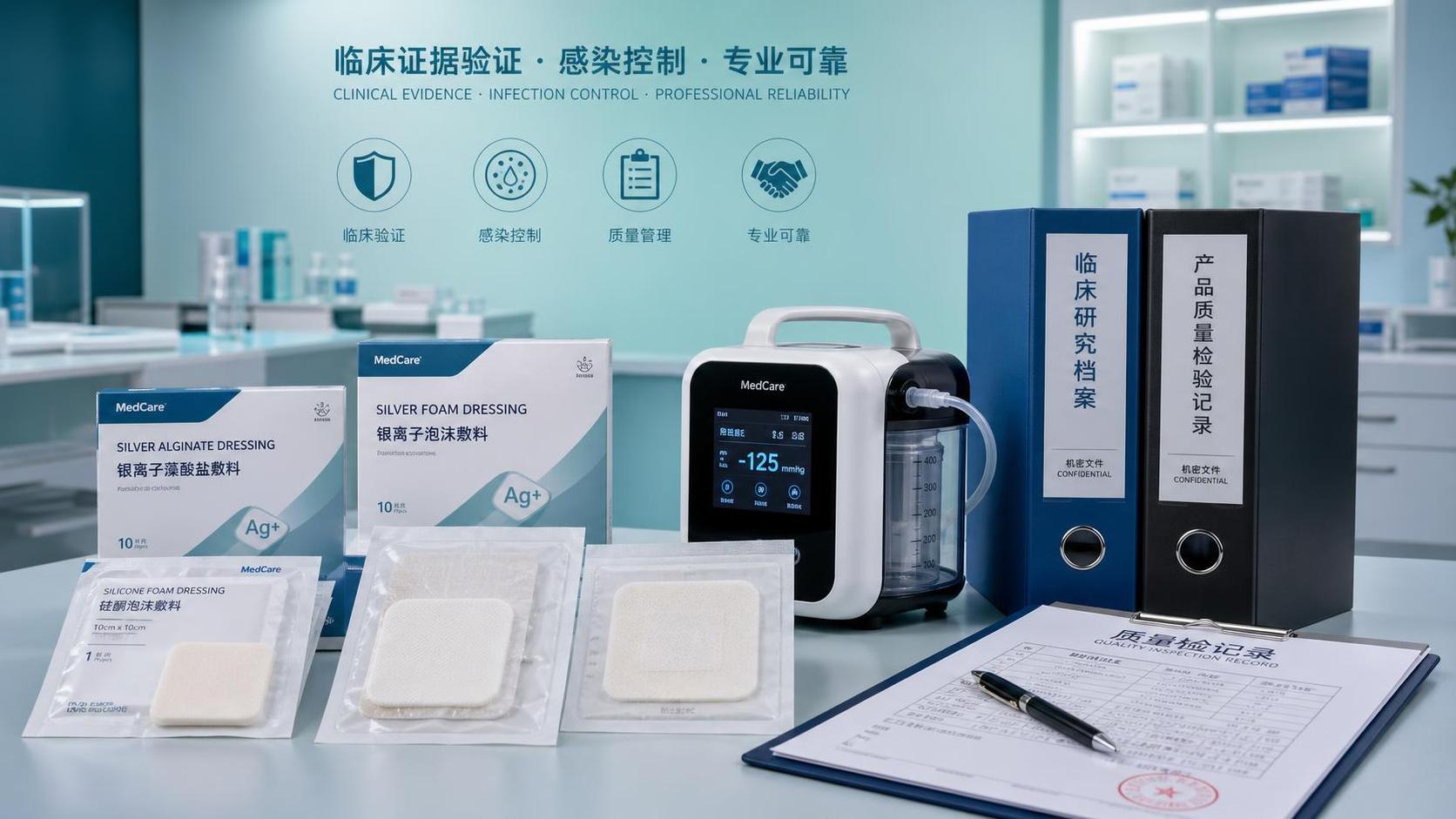
Staplers, catheters, and advanced wound dressings face similar issues, especially when multiple materials contact tissue or blood.
A practical way to read medical material biocompatibility results is to treat them as a system signal, not a lab accident.
This is also where IMCS adds value.
Its industry intelligence approach connects ISO 10993 interpretation, Class III regulatory logic, and real manufacturing constraints.
That connection matters when timelines are tight and redesign costs are rising under global pricing pressure.
Which test failures show up most often in real programs?
The most common medical material biocompatibility failures are not always the most severe.
They are simply the ones most likely to appear when development controls are uneven.
Cytotoxicity leads the list.
Residual solvents, cleaning agents, processing oils, unstable additives, or sterilization byproducts can reduce cell viability quickly.
Sensitization issues often emerge later, especially when adhesives, inks, coatings, or trace leachables were underestimated.
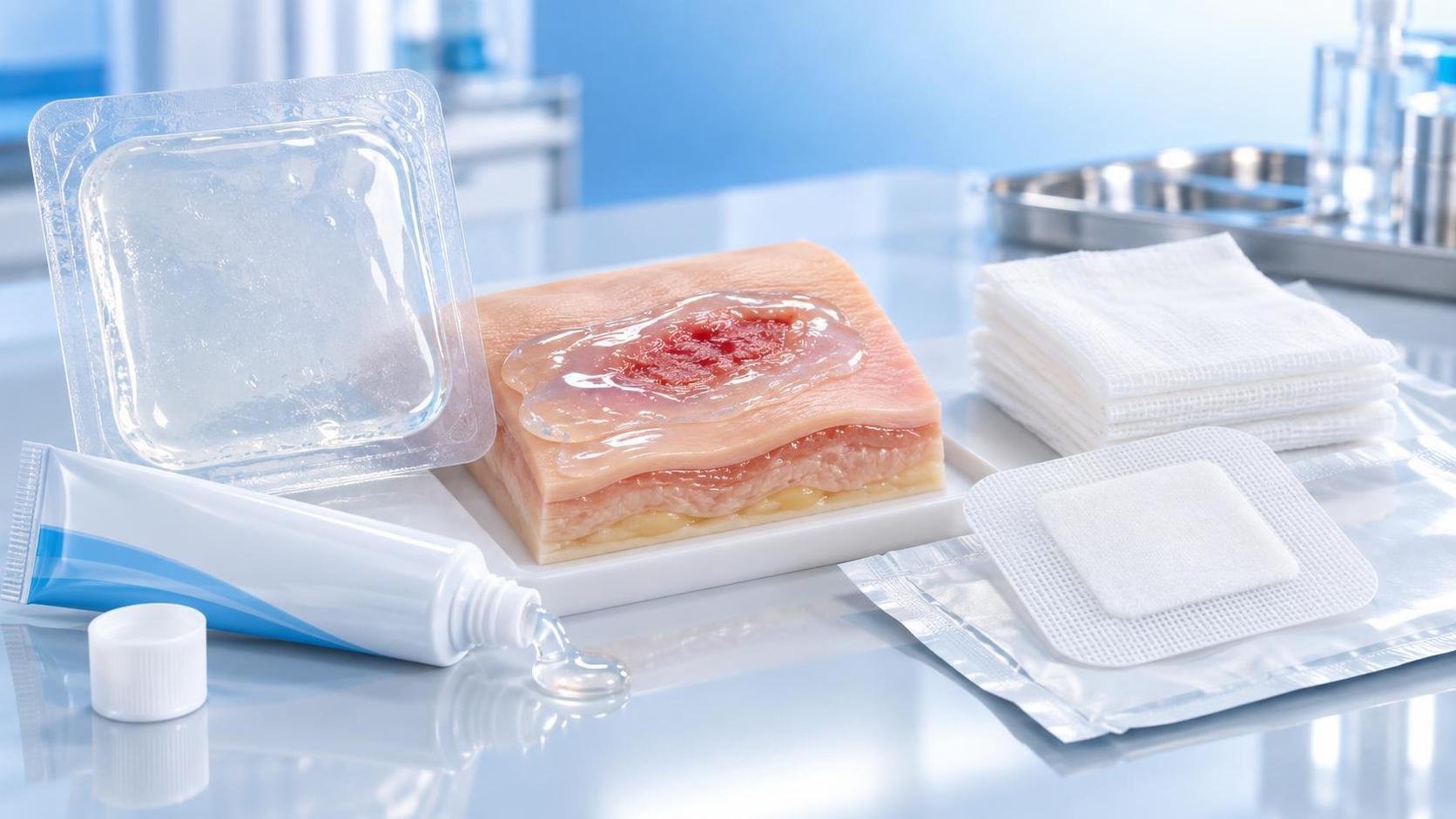
Irritation failures are common in dressings, catheters, and short-term contact devices where local tissue response is sensitive.
Hemocompatibility becomes critical for blood-contacting polymers, cardiovascular interventional consumables, and anti-thrombotic catheter systems.
Implants may also run into material-mediated inflammation concerns when surface finish or debris generation is not well characterized.
The table below helps separate typical failure patterns from likely root causes and corrective actions.
When medical material biocompatibility fails, this kind of comparison saves time because it narrows the search before repeating expensive studies.
Are labs usually the problem, or is the root cause upstream?
In most cases, the root cause sits upstream.
A failing result may appear in the lab, but the trigger often begins in sourcing, process transfer, or packaging design.
One frequent issue is assuming material equivalence based only on a supplier datasheet.
Medical grade labels do not guarantee identical additive packages, extractables behavior, or post-sterilization stability.
Another trap appears after process optimization.
A better cycle time, a new mold release strategy, or a revised passivation step may quietly change biological risk.
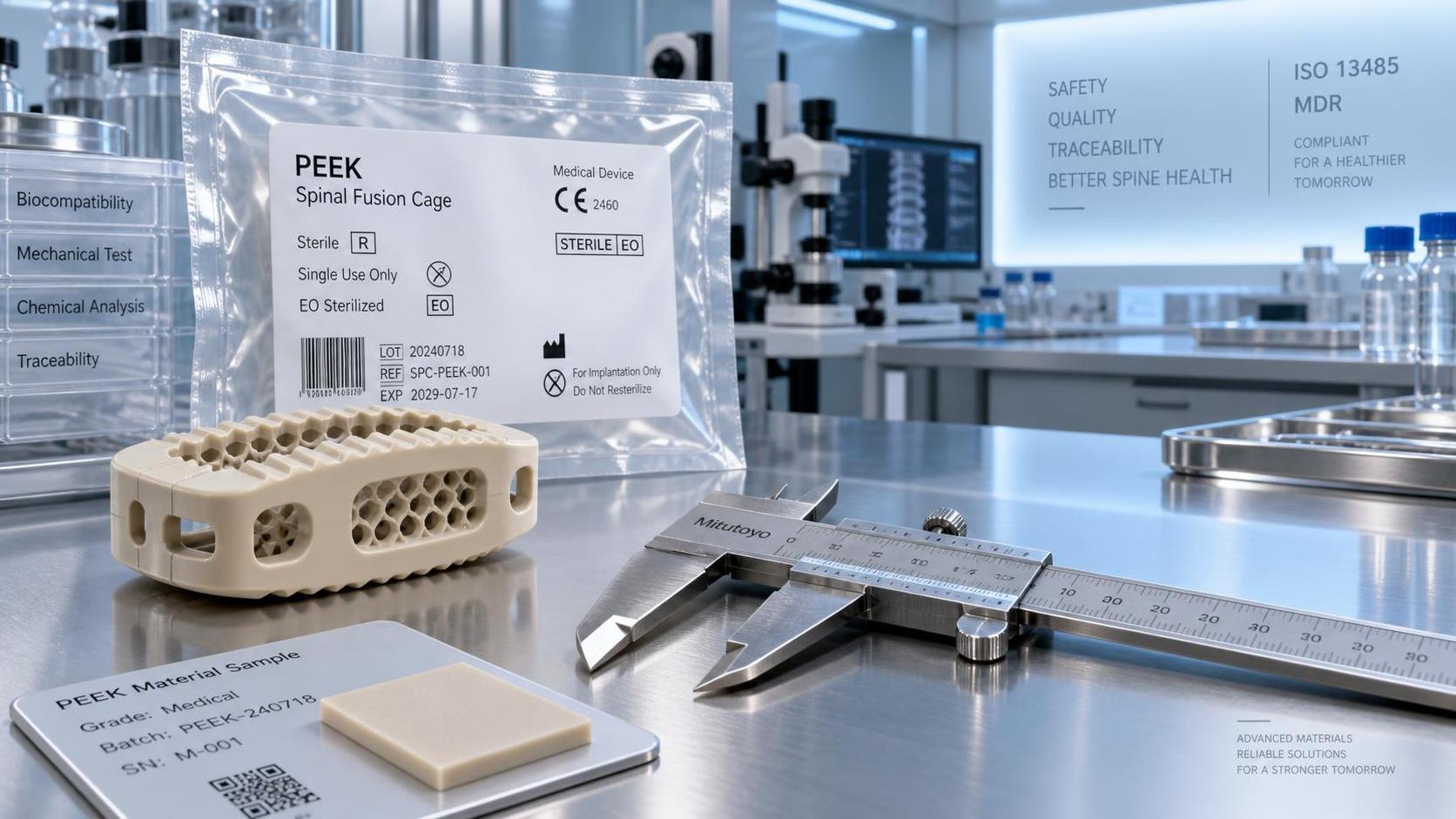
This is especially relevant for titanium implants, PEEK components, coated catheters, and silver-based wound care materials.
Packaging can also be overlooked.
Ink migration, sealant transfer, or aging-related interactions can affect medical material biocompatibility long after assembly is complete.
A useful internal check is simple: if a failure cannot be tied to one direct-contact part, widen the map to include the full patient-contact pathway.
What fixes work fastest without creating a new regulatory problem?
The fastest fix is not always a material swap.
A rushed substitution may solve one test and create a larger documentation burden under ISO 10993 and regional regulatory review.
A better sequence starts with exposure definition.
Confirm exactly which parts contact tissue, blood, breached surfaces, or circulating fluids, and for how long.
Then compare the failing endpoint against recent changes in four areas:
- Raw material formulation or supplier lot variation
- Cleaning, lubrication, machining, or coating steps
- Sterilization method, dose, or aeration condition
- Packaging materials and shelf-life aging status
In practical terms, many successful corrections come from tighter cleaning validation, better residue limits, or a revised post-sterilization hold time.
Those actions often move faster than qualifying a brand-new polymer, adhesive, or coating.
When a material change is necessary, document why the old risk controls failed.
That rationale supports later regulatory discussions and reduces repeated questioning during submission review.
IMCS frequently frames this challenge as an intelligence stitching exercise.
The idea is simple: link toxicology signals, clinical use logic, process realities, and cost pressure before the next test round begins.
How should timelines and budgets be adjusted after a biocompatibility setback?
A failed medical material biocompatibility test is rarely just a lab retest cost.
It can affect design freeze, verification sequencing, clinical evidence strategy, and even launch pricing assumptions.
That is particularly true for Class III programs facing strict approval windows and VBP-related margin pressure.
The smartest response is to split the impact into two tracks.
Track one is technical containment.
Track two is program reforecasting.
Technical containment asks whether the issue is isolated, formulation-wide, or platform-wide.
Program reforecasting asks how much evidence must be regenerated if the fix changes material composition or patient contact assumptions.
A short working checklist helps.
- Freeze nonessential process changes until root cause is clear
- Rebuild the material and contact inventory from finished device backward
- Separate quick verification tasks from long-lead biological studies
- Estimate whether the correction affects CER, MDR, or market-specific filings
- Update cost scenarios if redesign touches premium materials or coating yield
This prevents a common mistake: solving the lab result while ignoring the downstream submission burden.
What should be checked early to prevent the same failure again?
Prevention starts long before formal testing.
The strongest teams build medical material biocompatibility into material selection, supplier qualification, and process validation from day one.
In real programs, early prevention usually depends on five habits.
- Define patient-contact pathways at component level, not only device level
- Capture every additive, coating, adhesive, lubricant, and packaging interface
- Treat sterilization and aging as biological variables, not only shelf-life variables
- Use change control rules that trigger biological review before implementation
- Align toxicology interpretation with clinical use, especially for implants and blood-contact devices
This is highly relevant across IMCS focus areas.
A porous spinal implant, a DES platform, a hydrophilic microcatheter, or an alginate dressing all carry different exposure realities.
Yet the prevention logic is similar.
You need a joined view of materials science, biological safety, clinical context, and regulatory consequence.
When medical material biocompatibility is managed that way, failures become easier to predict and cheaper to fix.
If a program is already under pressure, the next sensible step is to rebuild the risk map, verify recent changes, and prioritize fixes that reduce both retest risk and submission delay.
Get weekly intelligence in your inbox.
No noise. No sponsored content. Pure intelligence.
News Recommendations
 Sep 15, 2026What drives medical device category pricing in value-based purchasing?What drives medical device category pricing in value-based purchasing?
 Sep 14, 2026High value consumables insights for evaluating total cost of careHigh value consumables insights for evaluating total cost of care
 Sep 13, 2026What a medical device market insights platform reveals about market accessWhat a medical device market insights platform reveals about market access
 Sep 12, 2026When are collagen-based tissue healing materials suitable for wound care?When are collagen-based tissue healing materials suitable for wound care?
 Sep 11, 2026How catheter material selection affects total cost of ownershipHow catheter material selection affects total cost of ownership
 Sep 10, 2026What FDA clearance means for medical grade PEEK implantsWhat FDA clearance means for medical grade PEEK implants
 Sep 09, 2026When do hydrogel wound healing technologies suit dry wounds?When do hydrogel wound healing technologies suit dry wounds?
 Sep 07, 2026How to assess medical consumables for surgical useHow to assess medical consumables for surgical use
 Sep 07, 2026How to verify CE MDR compliance for single-use medical consumablesHow to verify CE MDR compliance for single-use medical consumables
 Sep 05, 2026How to evaluate an antithrombotic catheter factory for qualityHow to evaluate an antithrombotic catheter factory for quality
 Sep 04, 2026When do minimally invasive surgical staplers improve GI access?When do minimally invasive surgical staplers improve GI access?
 Sep 03, 2026When are foam moist wound healing dressings appropriate for exuding wounds?When are foam moist wound healing dressings appropriate for exuding wounds?
 Sep 02, 2026How implant pricing affects access to advanced medical careHow implant pricing affects access to advanced medical care
 Sep 01, 2026What is driving price pressure in the North American medical consumables market?What is driving price pressure in the North American medical consumables market?
 Aug 31, 2026Comparing medical devices in Southeast Asia when market access differsComparing medical devices in Southeast Asia when market access differs
 Aug 30, 2026When are 3D printed PEEK implants suitable for spinal reconstruction?When are 3D printed PEEK implants suitable for spinal reconstruction?
 Aug 29, 2026How global medical device regulations shape clinical evidence requirementsHow global medical device regulations shape clinical evidence requirements
 Aug 28, 2026How to verify a burn care dressings exporter meets EU MDR requirementsHow to verify a burn care dressings exporter meets EU MDR requirements
 Aug 27, 2026How to verify a diabetic foot wound care supplier’s clinical evidenceHow to verify a diabetic foot wound care supplier’s clinical evidence
 Aug 26, 2026What drives spinal implants price differences across implant typesWhat drives spinal implants price differences across implant types
 Aug 25, 2026What matters most in a medical consumables platform comparisonWhat matters most in a medical consumables platform comparison
 Aug 24, 2026What a medical device intelligence guide should cover before market accessWhat a medical device intelligence guide should cover before market access
 Aug 23, 2026What drives catheter coating technology cost in early device designWhat drives catheter coating technology cost in early device design
 Aug 22, 2026How custom 3D printed medical implants meet biocompatibility requirementsHow custom 3D printed medical implants meet biocompatibility requirements
 Aug 21, 2026What makes an implant commercialization strategy in Europe fail at market accessWhat makes an implant commercialization strategy in Europe fail at market access
 Aug 20, 2026What drives catheter coating technology cost in product developmentWhat drives catheter coating technology cost in product development
 Aug 19, 2026What drives medical device compliance cost during market entryWhat drives medical device compliance cost during market entry