How to Evaluate Implantable Biomaterials for Long-Term Safety
Evaluating implantable biomaterials for long-term safety starts well before market launch and continues long after first implantation. Initial biocompatibility data matters, but it is only one layer of proof.
The real question is whether a material can remain stable, functional, and clinically acceptable inside the body for years under mechanical stress, chemical exposure, and strict Class III oversight.
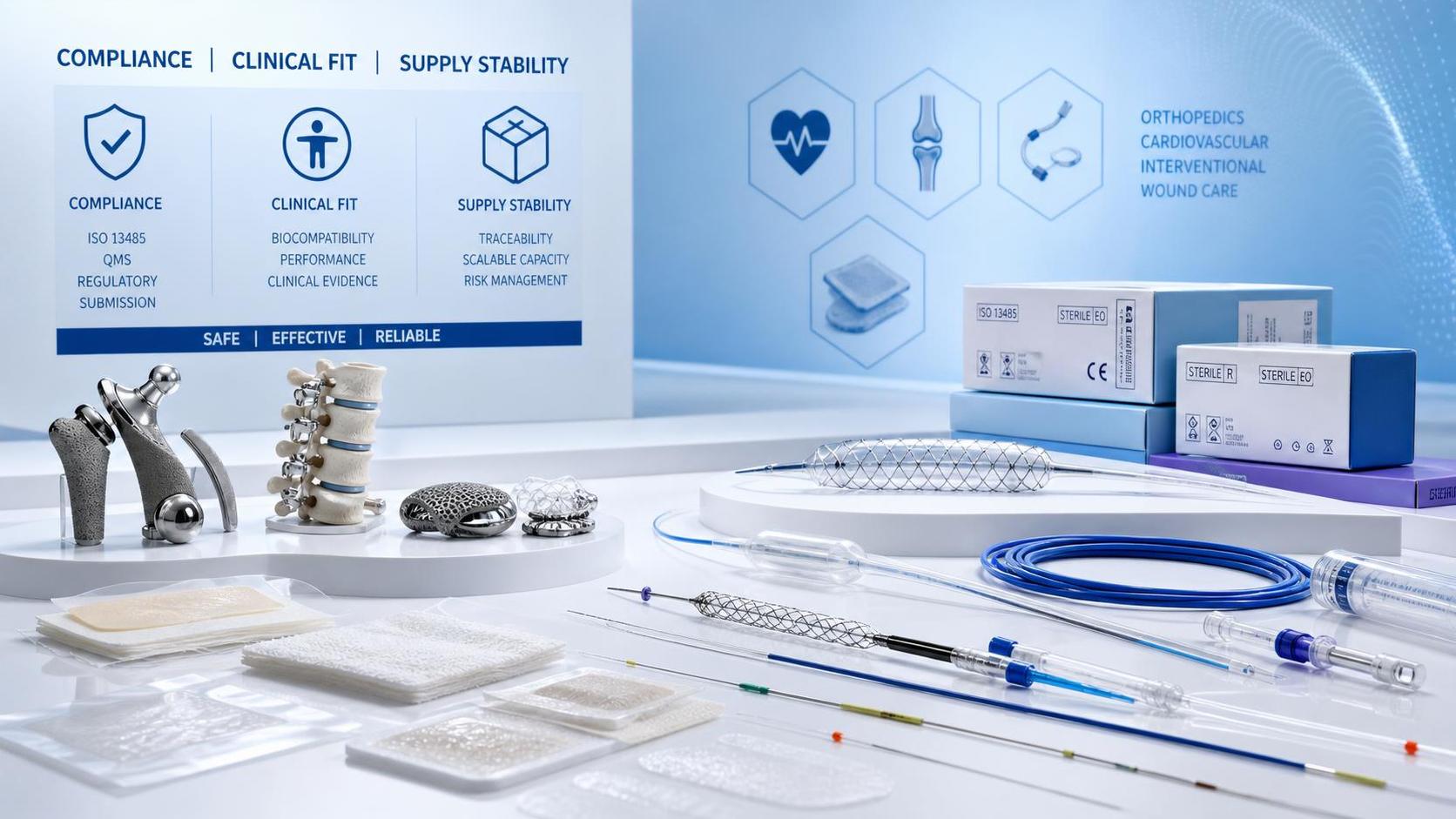
That question now carries more weight across orthopedic implants, cardiovascular devices, polymer catheters, tissue repair materials, and other advanced consumables tracked by IMCS. Long-term safety affects outcomes, submissions, recalls, and procurement confidence at the same time.
Why long-term safety has become a sharper industry issue

Implantable biomaterials are no longer simple passive substances. Many now combine surface engineering, drug release, porous structures, coatings, or hybrid polymer-metal interfaces.
That complexity creates new benefits, but it also introduces more failure pathways. A device may pass bench screening and still underperform after repeated loading, corrosion, wear, or inflammatory exposure.
In orthopedics, the concern may be osseointegration, fretting, and particle generation. In cardiovascular use, the focus often shifts to thrombogenicity, endothelial healing, and coating durability.
For polymer catheters or regenerative materials, hydrolysis, extractables, leachables, and tissue response over time become equally important. The same safety logic applies, even when the clinical setting changes.
Regulation has also matured. ISO 10993 remains central, but regulators increasingly expect a lifecycle view that links biological safety, manufacturing control, post-market evidence, and real clinical performance.
This is one reason intelligence platforms such as IMCS emphasize both material science and regulatory interpretation. Long-term safety is not owned by one department. It sits at the intersection of design, validation, surveillance, and market access.
What should be evaluated beyond basic biocompatibility
A useful assessment framework for implantable biomaterials needs to ask how the material behaves in the body, how it changes over time, and how those changes affect clinical risk.
Cytotoxicity, sensitization, irritation, and systemic toxicity remain essential starting points. However, long-term safety depends on more than passing those early checkpoints.
Material stability in the intended environment
Every implant environment is different. Bone, blood, soft tissue, cerebrospinal fluid, and wound beds place distinct chemical and mechanical demands on implantable biomaterials.
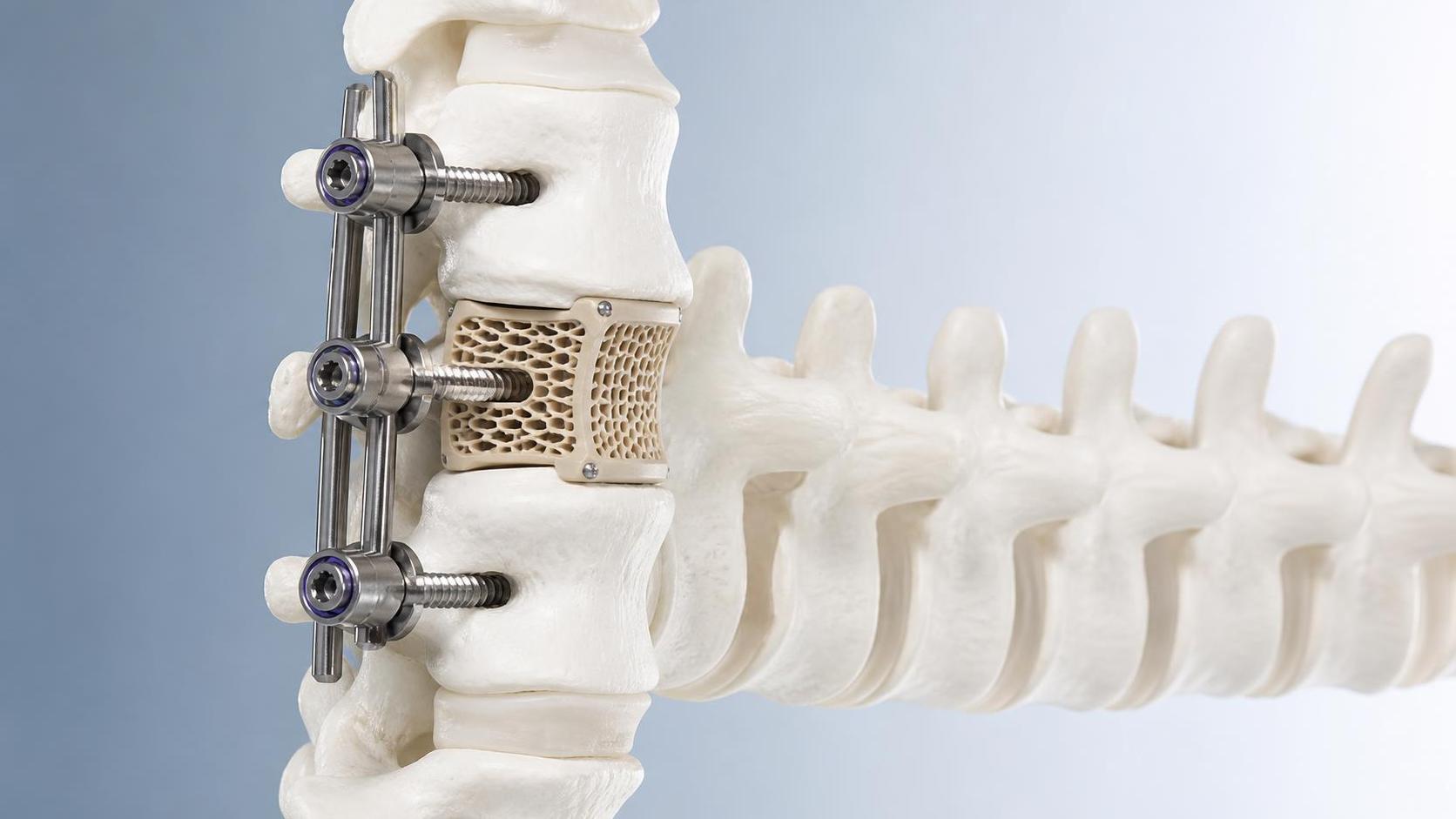
A titanium alloy in a spinal implant faces different risks than a drug-eluting stent or a bioresorbable scaffold. Safety evaluation should reflect the actual use environment, not a generic category.
Degradation and byproduct profile
If a material corrodes, hydrolyzes, swells, cracks, or releases particles, the degradation products need independent attention. The main material may appear safe while the byproducts create local or systemic problems.
This is especially relevant for coated devices, absorbable polymers, composite structures, and porous designs with high surface area.
Mechanical integrity over time
A biologically acceptable material can still fail clinically if fatigue resistance drops during use. Cyclic loading, micro-motion, creep, staple deformation, or catheter kinking all influence long-term safety.
Mechanical testing should therefore connect with biological testing. Wear debris, fracture surfaces, and surface roughness changes often explain adverse tissue reactions later.
Process-related variability
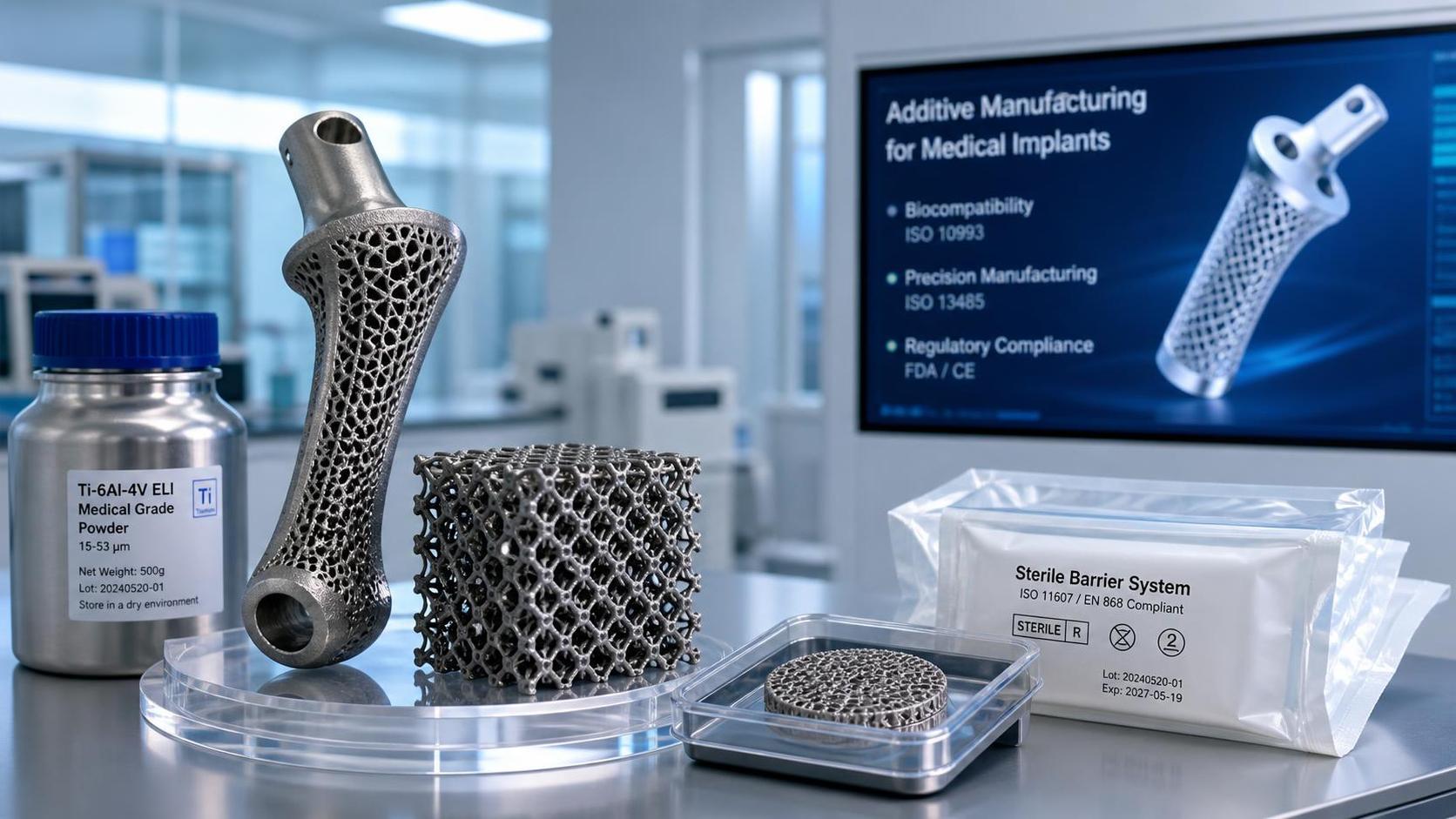
Implantable biomaterials are shaped by machining, sterilization, cleaning, additive manufacturing, surface treatment, and packaging. Process drift can alter chemistry without changing the material name.
That is why quality review should track residuals, endotoxin burden, particulate contamination, and sterilization effects with the same seriousness as raw material certification.
A practical evaluation lens for everyday decisions
In practice, long-term safety is easier to judge when the review is structured around a few linked dimensions rather than isolated tests.
This lens helps convert scattered reports into a risk narrative. It also improves readiness for audits, technical files, and internal review meetings.
Where evaluation priorities differ by product type
The phrase implantable biomaterials covers a broad family of products. Evaluation should stay consistent in logic, but priorities change by anatomy, duration, and function.
Orthopedic and spinal implants
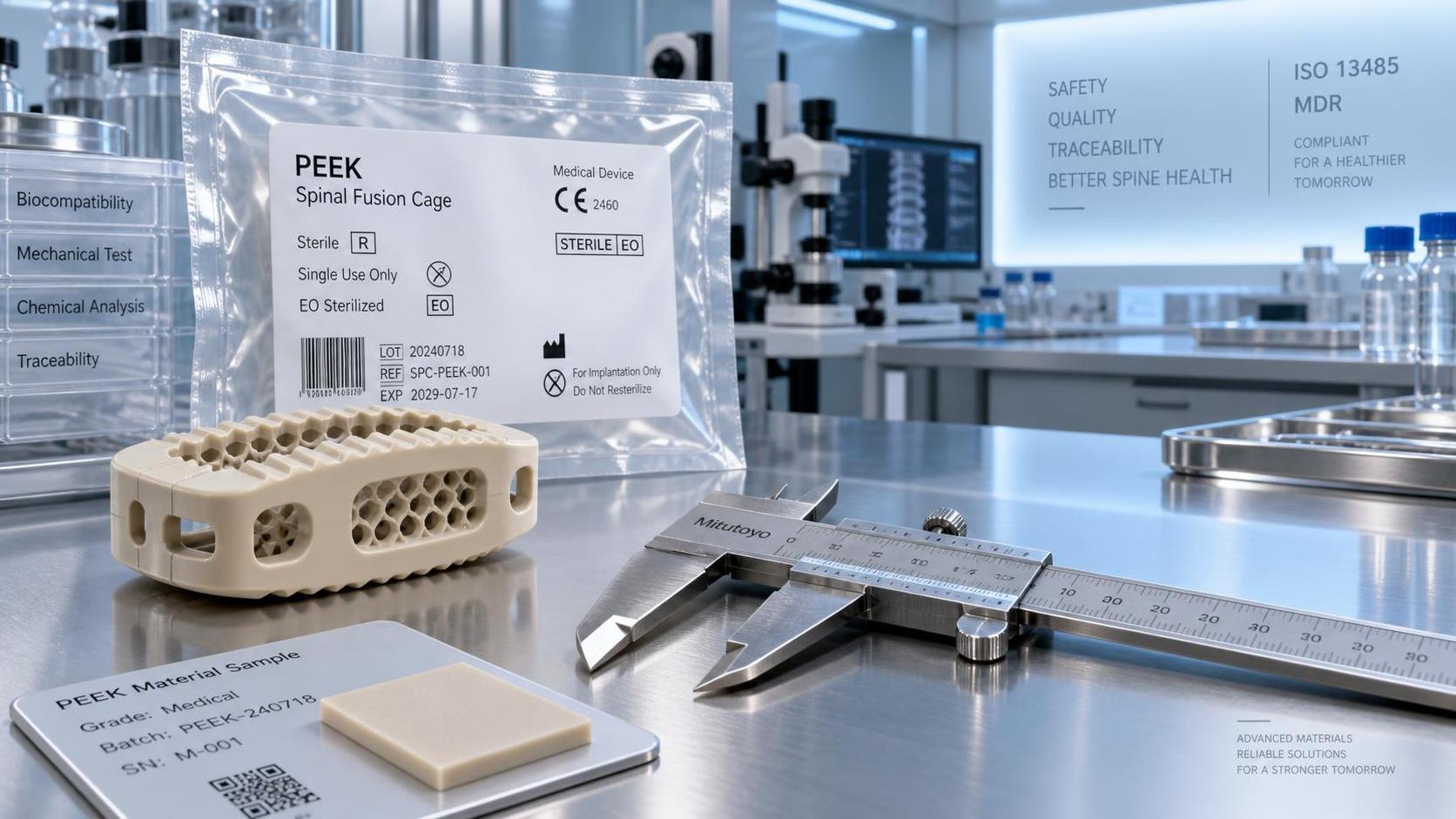
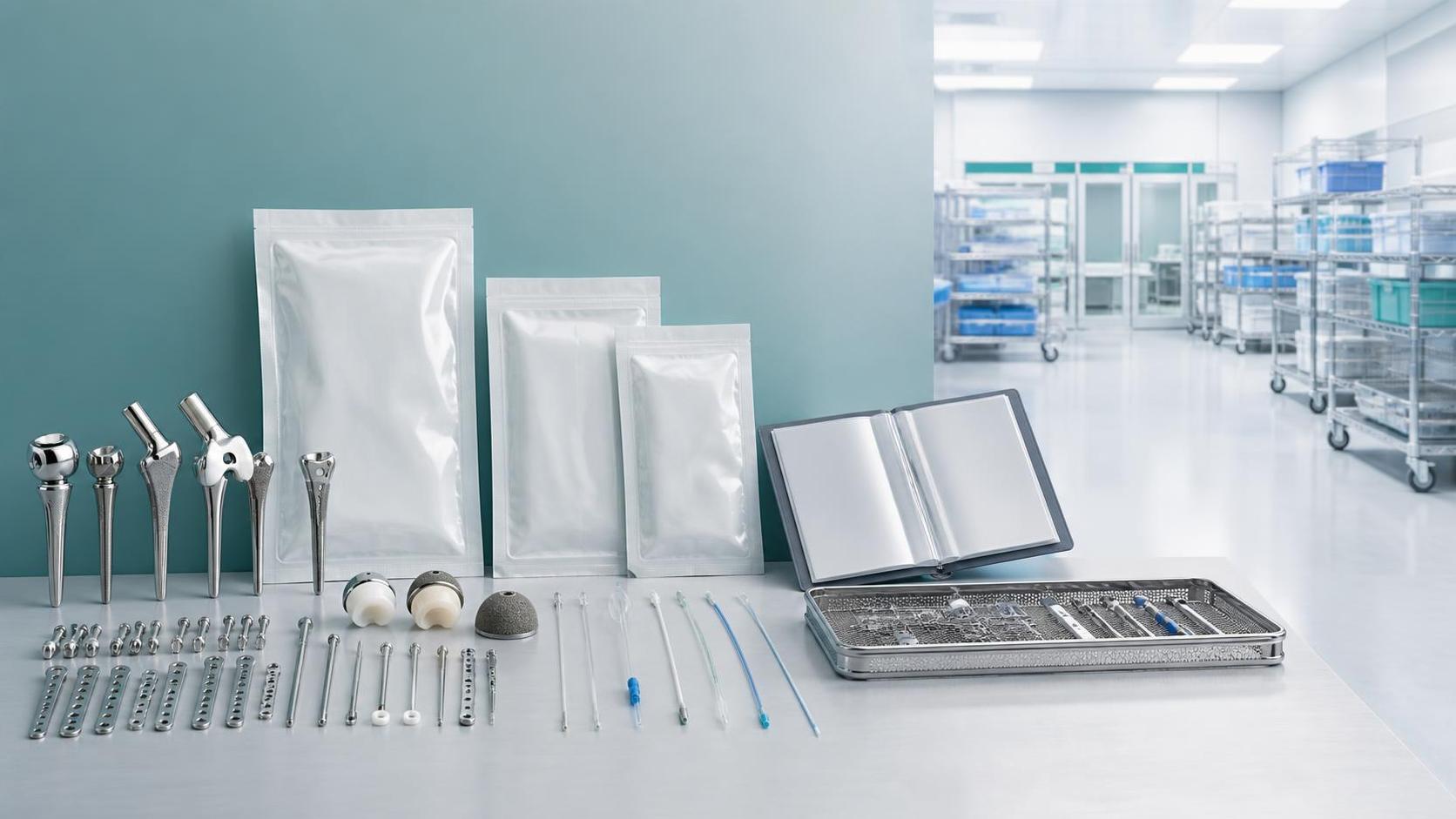
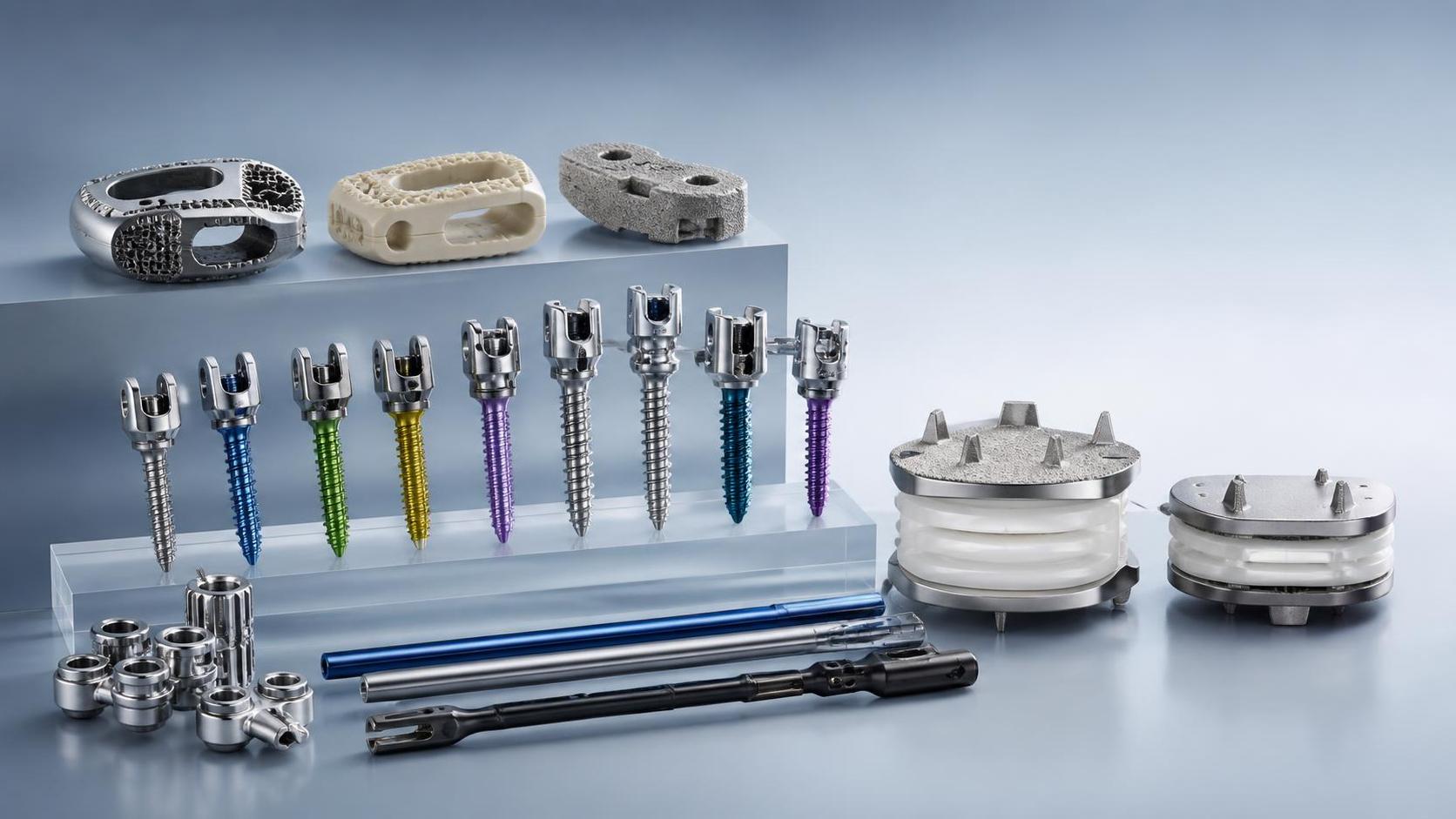
Porous titanium, cobalt-chromium, ceramics, and PEEK each raise different questions. Wear debris, fixation stability, metal ion release, and bone integration usually dominate the review.
Cardiovascular interventional devices
For stents, valves, and vascular implants, surface thrombogenicity and endothelial response matter as much as structural endurance. A small coating defect can have a large downstream effect.
Minimally invasive consumables and catheters
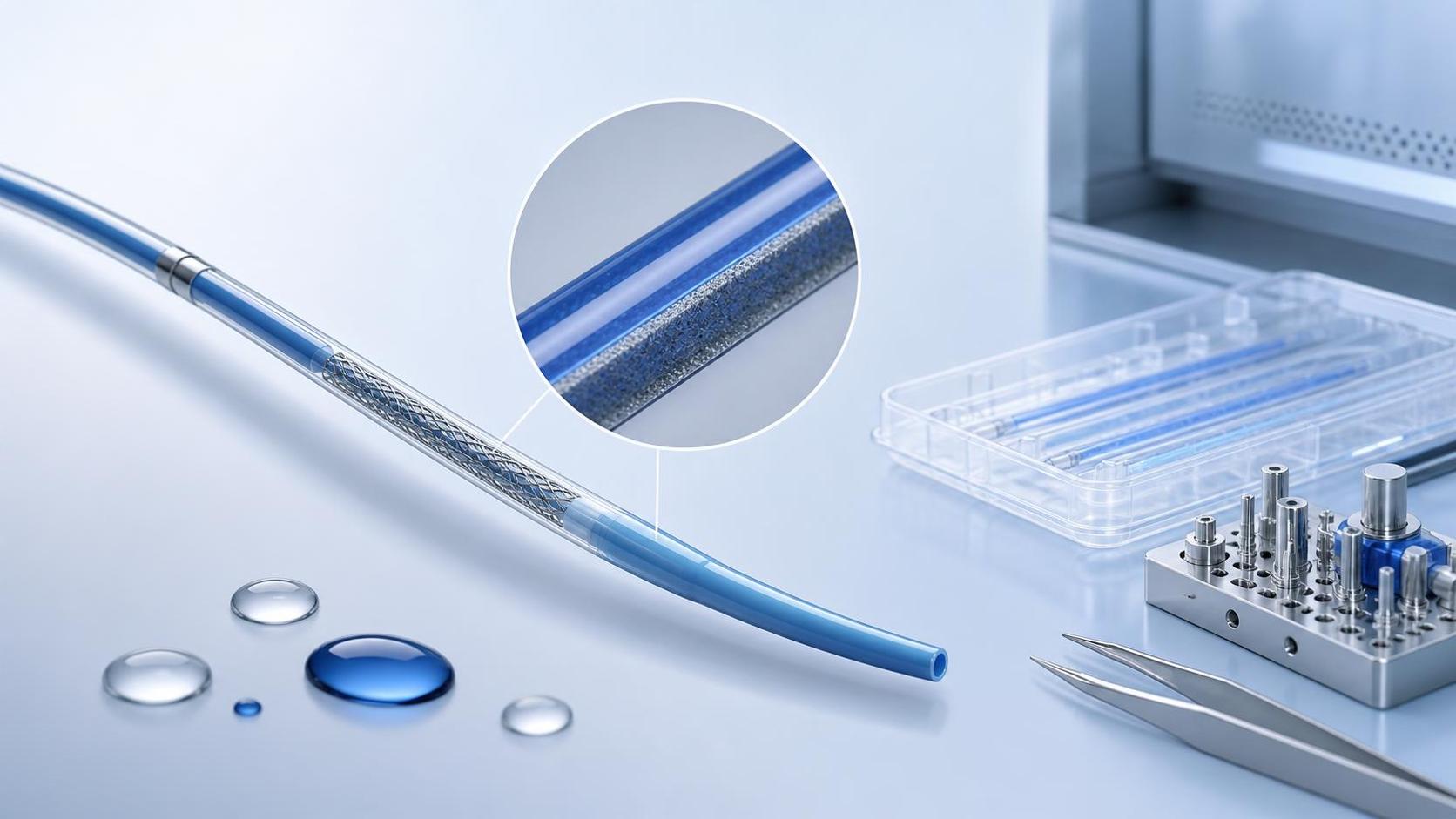
Some devices are implanted briefly, yet still demand serious evaluation. Polymer stability, lubricious coating retention, blood contact safety, and particulate shedding become central.
Regenerative and wound-facing materials
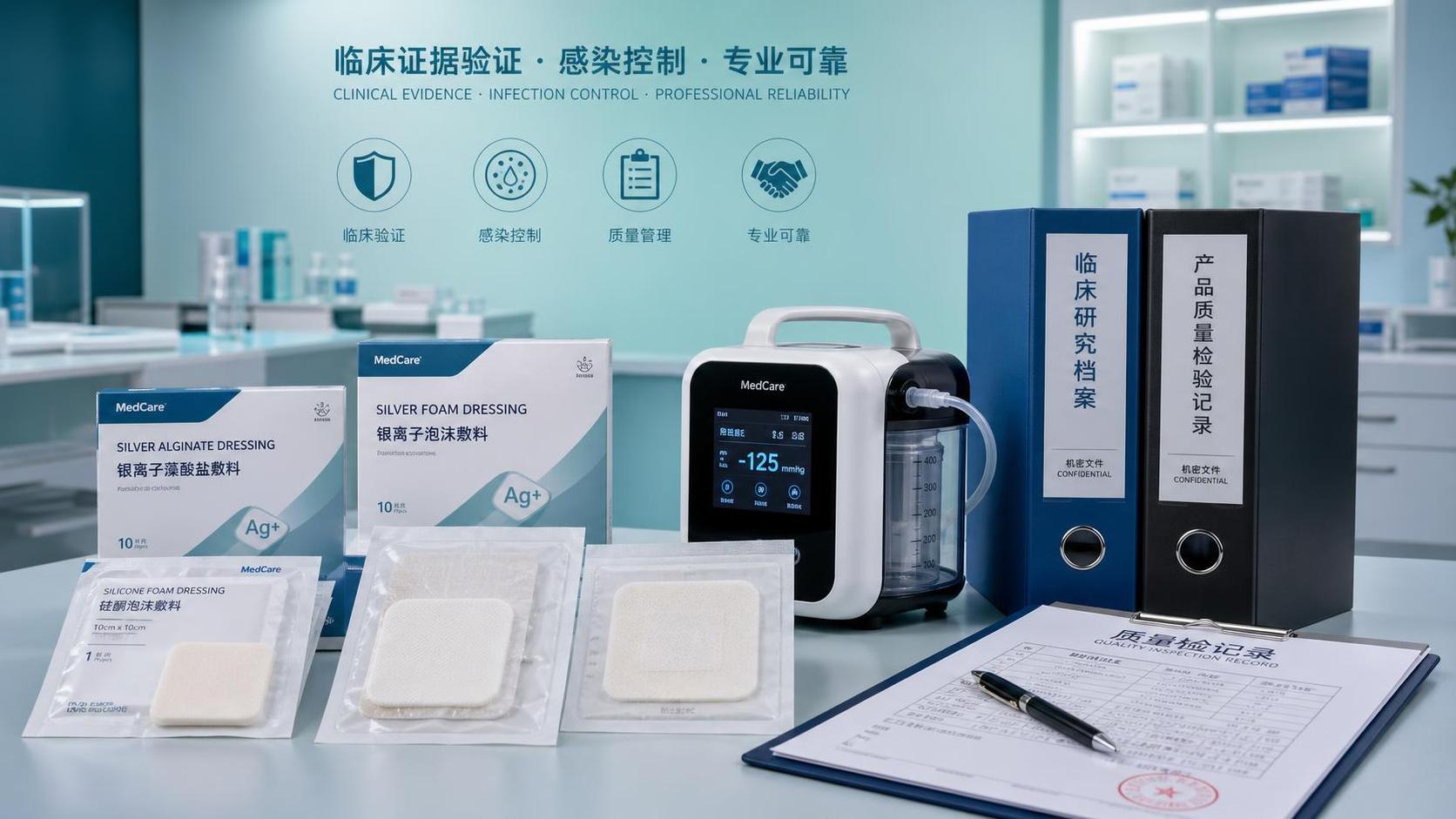
Tissue regeneration products may involve active healing environments rather than inert support. Here, degradation timing, immunologic signaling, and infection-related performance can shape long-term outcomes.
This cross-category perspective is increasingly valuable in a market where materials, coatings, and hybrid device concepts move quickly from one segment to another.
Signals that deserve closer scrutiny during review
Not every risk is obvious in headline test results. Several patterns usually deserve a second look when assessing implantable biomaterials for long-term safety.
- A favorable ISO 10993 profile, but weak evidence on aging, fatigue, or wear debris.
- A new coating or additive process introduced late in development.
- Supplier changes that appear minor, yet alter resin grade, surface finish, or impurity profile.
- Animal data that does not match the final design, final sterilization route, or final packaging state.
- Clinical equivalence claims that rely on materials with different degradation or interface behavior.
- Post-market complaints involving inflammation, fracture, occlusion, migration, or unexplained revision trends.
These signals do not automatically mean failure. They indicate that material safety should be reconnected to use conditions, evidence quality, and residual risk logic.
How stronger evidence supports compliance and business resilience
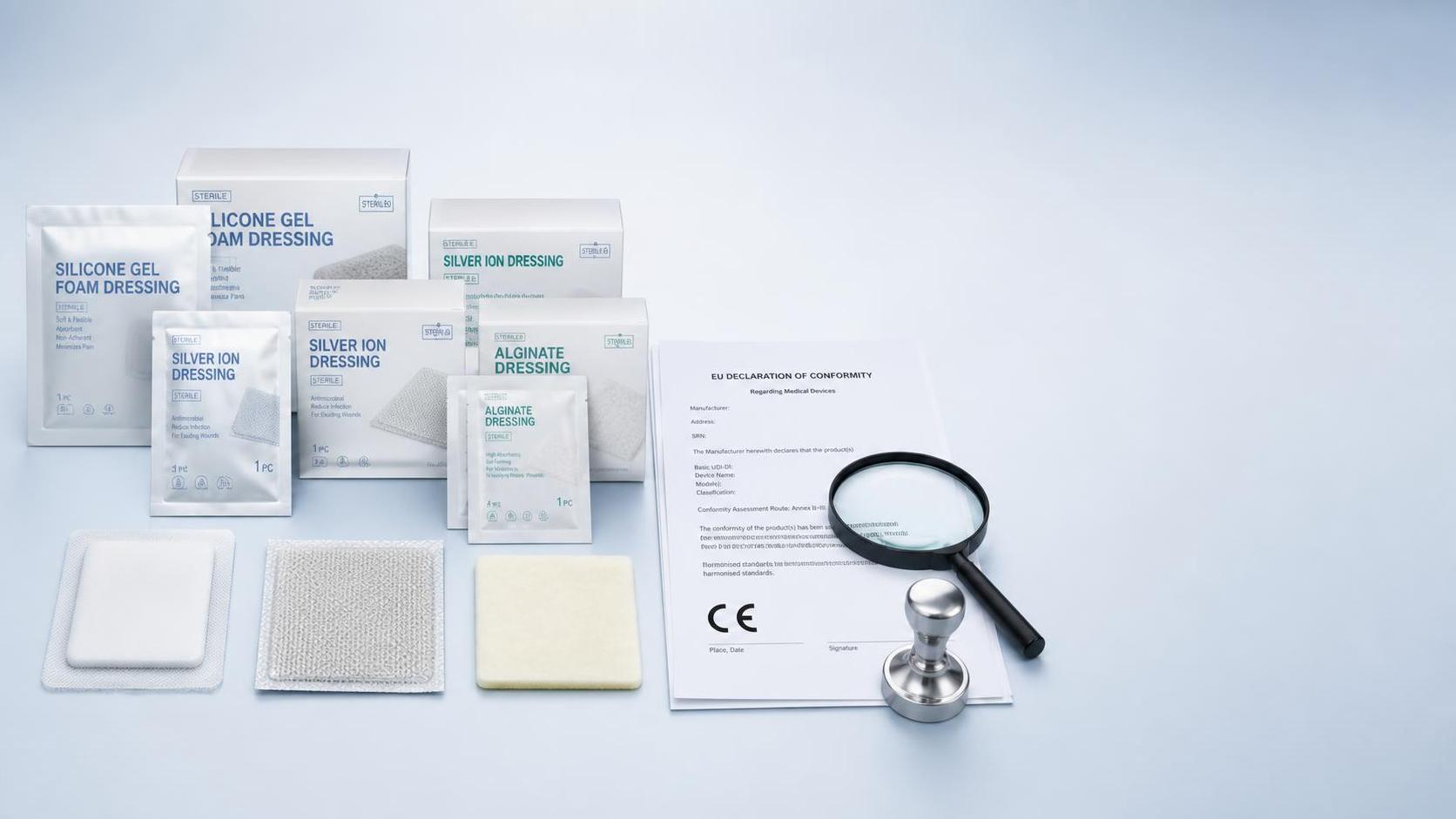
Better evaluation of implantable biomaterials does more than reduce patient risk. It also strengthens regulatory positioning under CE MDR, FDA review, and other high-risk device pathways.
A clear long-term safety rationale makes technical documentation easier to defend. It also helps explain why a material choice remains valid after design changes, supplier updates, or manufacturing scale-up.
From a broader market view, the benefit is strategic. In cost-sensitive procurement settings, products with durable clinical logic and well-supported safety profiles are better placed to defend value.
That is especially relevant in sectors observed by IMCS, where precision machining, advanced biomaterials, and price pressure often move together rather than separately.
A sensible next step for evaluation teams
A practical way forward is to map each material against three timelines: preclinical assumptions, validated process controls, and post-market evidence. Gaps usually appear when those timelines are reviewed side by side.
It also helps to revisit whether test conditions still reflect the final device, final surface state, and final clinical use. Many long-term issues begin as a mismatch between laboratory logic and real use conditions.
For teams working across implants, interventional devices, and advanced consumables, the goal is not to collect more data without direction. It is to build a sharper judgment framework for implantable biomaterials that stays reliable under scrutiny.
When the evidence chain is coherent, long-term safety becomes easier to explain, easier to monitor, and easier to improve. That is the point where material choice supports both patient protection and durable product confidence.
Get weekly intelligence in your inbox.
No noise. No sponsored content. Pure intelligence.
News Recommendations
 Sep 17, 2026How a medical device sourcing strategy can reduce total acquisition costHow a medical device sourcing strategy can reduce total acquisition cost
 Sep 16, 2026When are silver foam burn care dressings appropriate for exuding burns?When are silver foam burn care dressings appropriate for exuding burns?
 Sep 15, 2026What drives medical device category pricing in value-based purchasing?What drives medical device category pricing in value-based purchasing?
 Sep 14, 2026High value consumables insights for evaluating total cost of careHigh value consumables insights for evaluating total cost of care
 Sep 13, 2026What a medical device market insights platform reveals about market accessWhat a medical device market insights platform reveals about market access
 Sep 12, 2026When are collagen-based tissue healing materials suitable for wound care?When are collagen-based tissue healing materials suitable for wound care?
 Sep 11, 2026How catheter material selection affects total cost of ownershipHow catheter material selection affects total cost of ownership
 Sep 10, 2026What FDA clearance means for medical grade PEEK implantsWhat FDA clearance means for medical grade PEEK implants
 Sep 09, 2026When do hydrogel wound healing technologies suit dry wounds?When do hydrogel wound healing technologies suit dry wounds?
 Sep 07, 2026How to assess medical consumables for surgical useHow to assess medical consumables for surgical use
 Sep 07, 2026How to verify CE MDR compliance for single-use medical consumablesHow to verify CE MDR compliance for single-use medical consumables
 Sep 05, 2026How to evaluate an antithrombotic catheter factory for qualityHow to evaluate an antithrombotic catheter factory for quality
 Sep 04, 2026When do minimally invasive surgical staplers improve GI access?When do minimally invasive surgical staplers improve GI access?
 Sep 03, 2026When are foam moist wound healing dressings appropriate for exuding wounds?When are foam moist wound healing dressings appropriate for exuding wounds?
 Sep 02, 2026How implant pricing affects access to advanced medical careHow implant pricing affects access to advanced medical care
 Sep 01, 2026What is driving price pressure in the North American medical consumables market?What is driving price pressure in the North American medical consumables market?
 Aug 31, 2026Comparing medical devices in Southeast Asia when market access differsComparing medical devices in Southeast Asia when market access differs
 Aug 30, 2026When are 3D printed PEEK implants suitable for spinal reconstruction?When are 3D printed PEEK implants suitable for spinal reconstruction?
 Aug 29, 2026How global medical device regulations shape clinical evidence requirementsHow global medical device regulations shape clinical evidence requirements
 Aug 28, 2026How to verify a burn care dressings exporter meets EU MDR requirementsHow to verify a burn care dressings exporter meets EU MDR requirements
 Aug 27, 2026How to verify a diabetic foot wound care supplier’s clinical evidenceHow to verify a diabetic foot wound care supplier’s clinical evidence
 Aug 26, 2026What drives spinal implants price differences across implant typesWhat drives spinal implants price differences across implant types
 Aug 25, 2026What matters most in a medical consumables platform comparisonWhat matters most in a medical consumables platform comparison
 Aug 24, 2026What a medical device intelligence guide should cover before market accessWhat a medical device intelligence guide should cover before market access
 Aug 23, 2026What drives catheter coating technology cost in early device designWhat drives catheter coating technology cost in early device design
 Aug 22, 2026How custom 3D printed medical implants meet biocompatibility requirementsHow custom 3D printed medical implants meet biocompatibility requirements
 Aug 21, 2026What makes an implant commercialization strategy in Europe fail at market accessWhat makes an implant commercialization strategy in Europe fail at market access