Medical Polymer Technology: Key Biocompatibility Risks to Evaluate
Medical Polymer Technology: Key Biocompatibility Risks to Evaluate

In medical polymer technology, biocompatibility is never a simple checklist item.
It directly affects device safety, submission timelines, and long-term clinical performance.
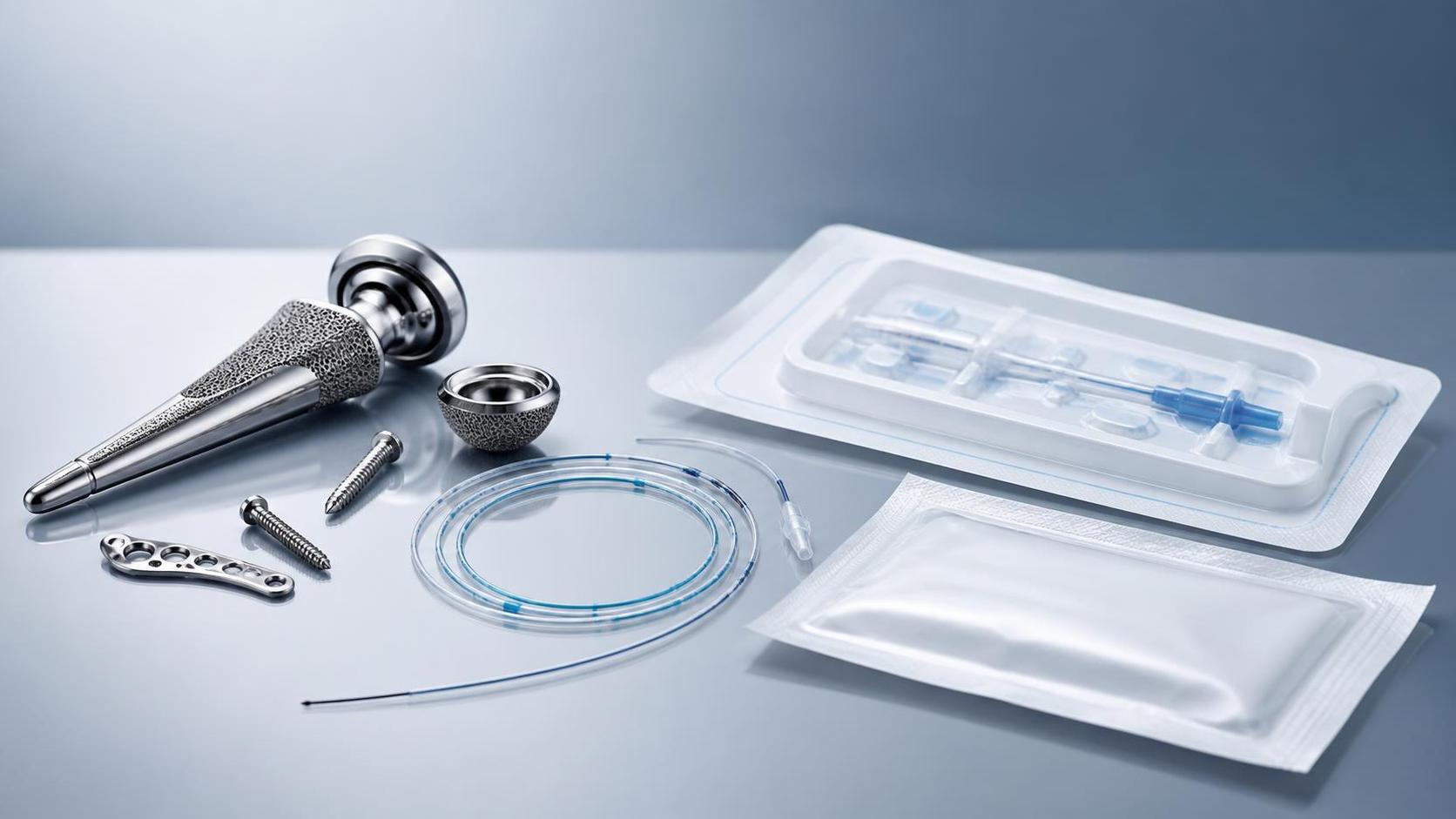
That matters even more for implants, catheters, wound care systems, and surgical consumables.
A polymer may look stable in the lab, yet behave differently in blood, tissue, or a sterilized package.
This is why medical polymer technology sits at the intersection of materials science, toxicology, and regulation.
For IMCS, this intersection is strategic, not academic.
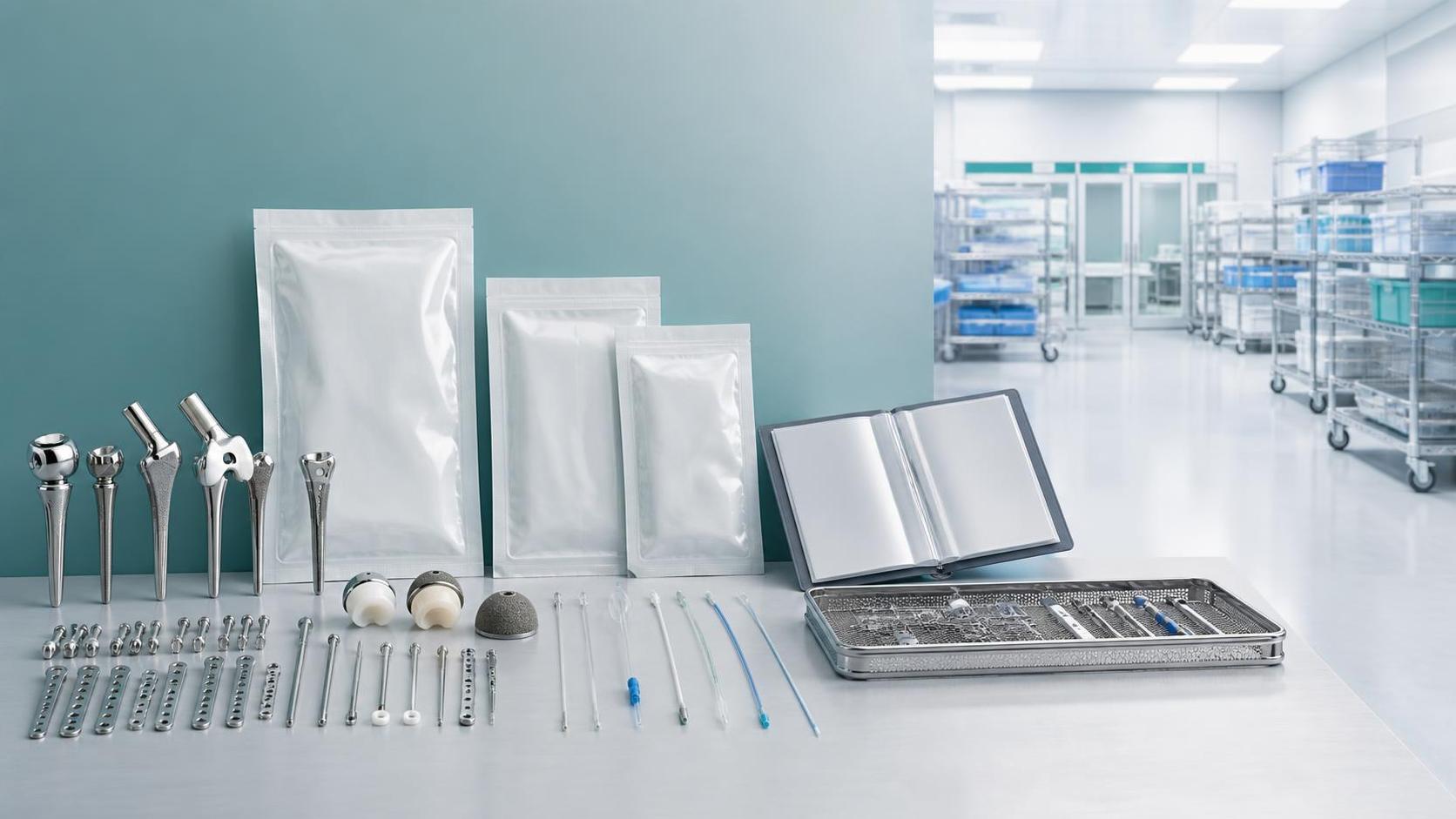
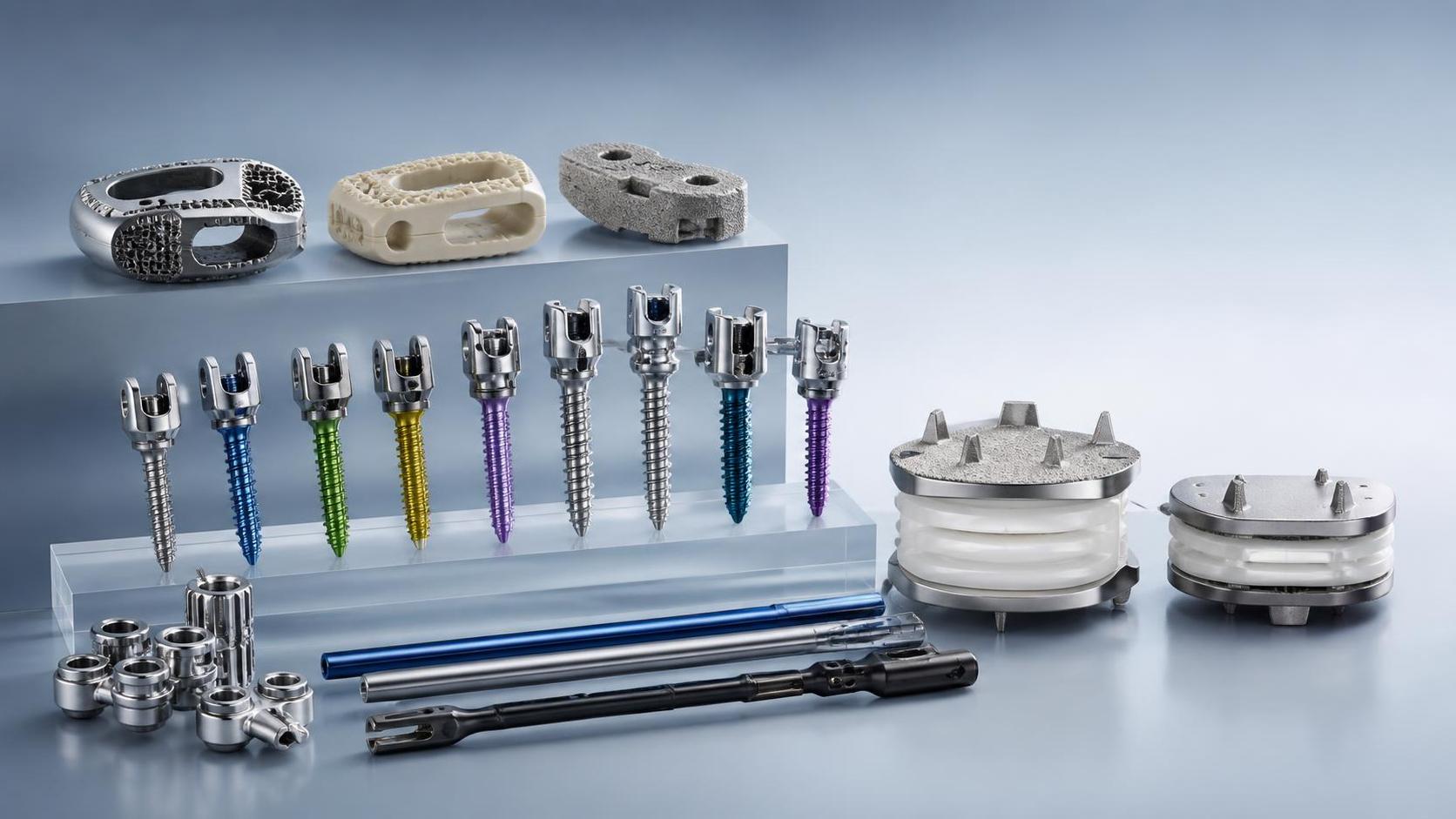
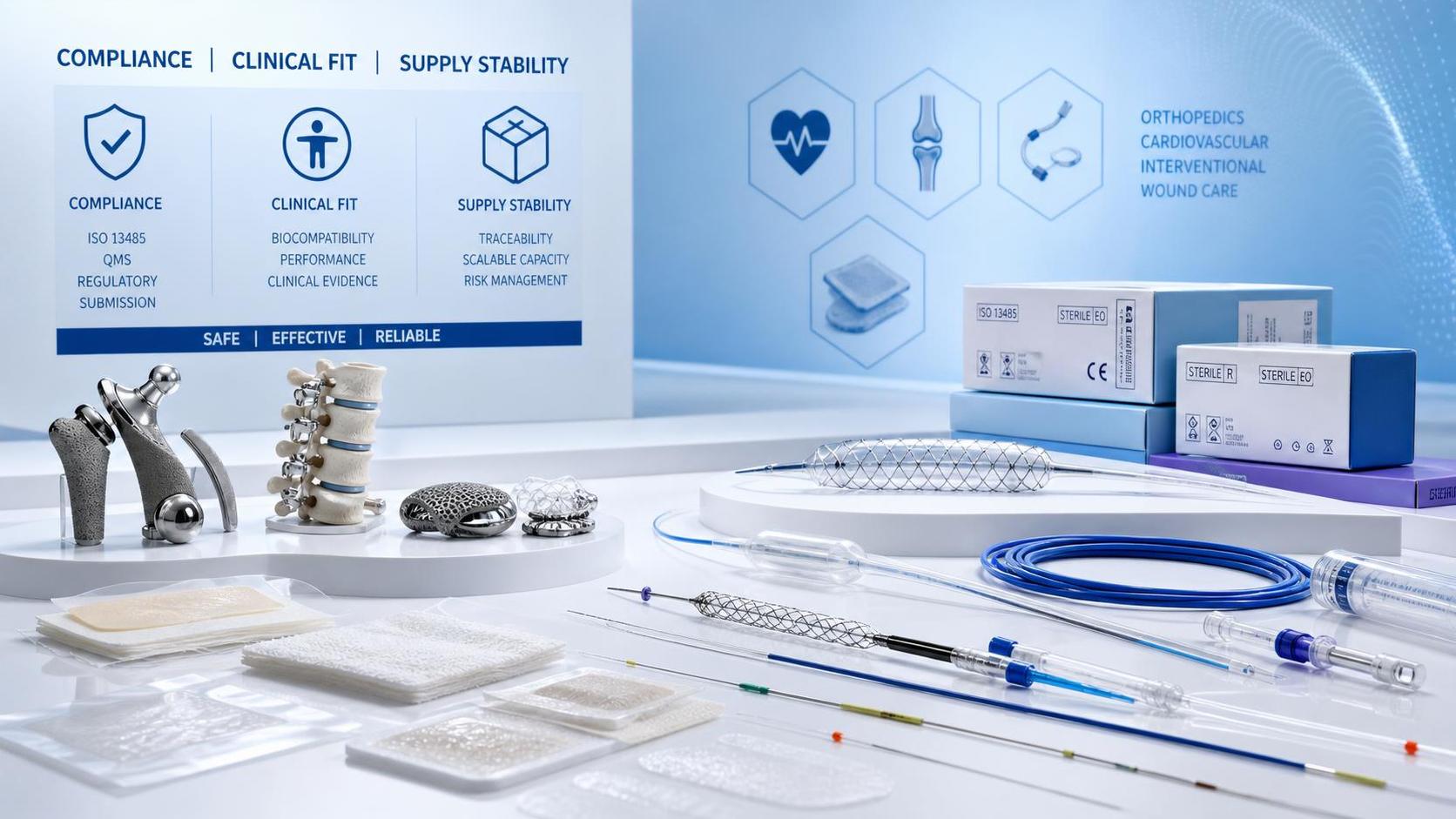
Across orthopedic implants, cardiovascular devices, minimally invasive consumables, and advanced dressings, polymer safety shapes outcomes that patients actually feel.
A failed biocompatibility decision can mean inflammation, thrombosis, delayed healing, or a costly redesign.
From a quality standpoint, the goal is clear.
Identify the real risks early, build evidence around intended use, and avoid testing that adds noise instead of confidence.
Why biocompatibility risk starts with material reality
Medical polymer technology covers far more than the base resin named on a datasheet.
The real risk profile also includes additives, processing aids, colorants, lubricants, coatings, and residual solvents.
Sterilization can further change chemistry.
Gamma, EtO, and steam may create degradation products, alter surface energy, or shift extractables.
In practice, two devices using the same polymer family may show very different biological responses.
Contact duration also changes the evaluation logic.
A short-term guidewire and a permanent spinal implant cannot share the same risk assumptions.
That is where ISO 10993 becomes useful, but only when applied with discipline.
The standard supports a risk-based approach, not blind test accumulation.
Core questions to ask before testing
- What tissues will the device contact, and for how long?
- Will the polymer touch circulating blood, bone, mucosa, or damaged skin?
- What manufacturing residues could remain after cleaning and packaging?
- Does sterilization change the surface or create new chemical species?
- Can prior supplier data support equivalence, or is the finished device materially different?
The four biocompatibility risks that deserve the closest attention
In medical polymer technology, several endpoints appear again and again because they drive both clinical risk and regulatory scrutiny.
1. Cytotoxicity
Cytotoxicity is often the first warning sign that something is wrong in formulation or processing.
It may reveal leachables, unreacted monomers, degraded stabilizers, or contamination introduced during manufacturing.
A passing resin certificate does not guarantee a passing finished device.
The more useful question is whether extraction conditions reflect clinical exposure realistically.
2. Sensitization and irritation
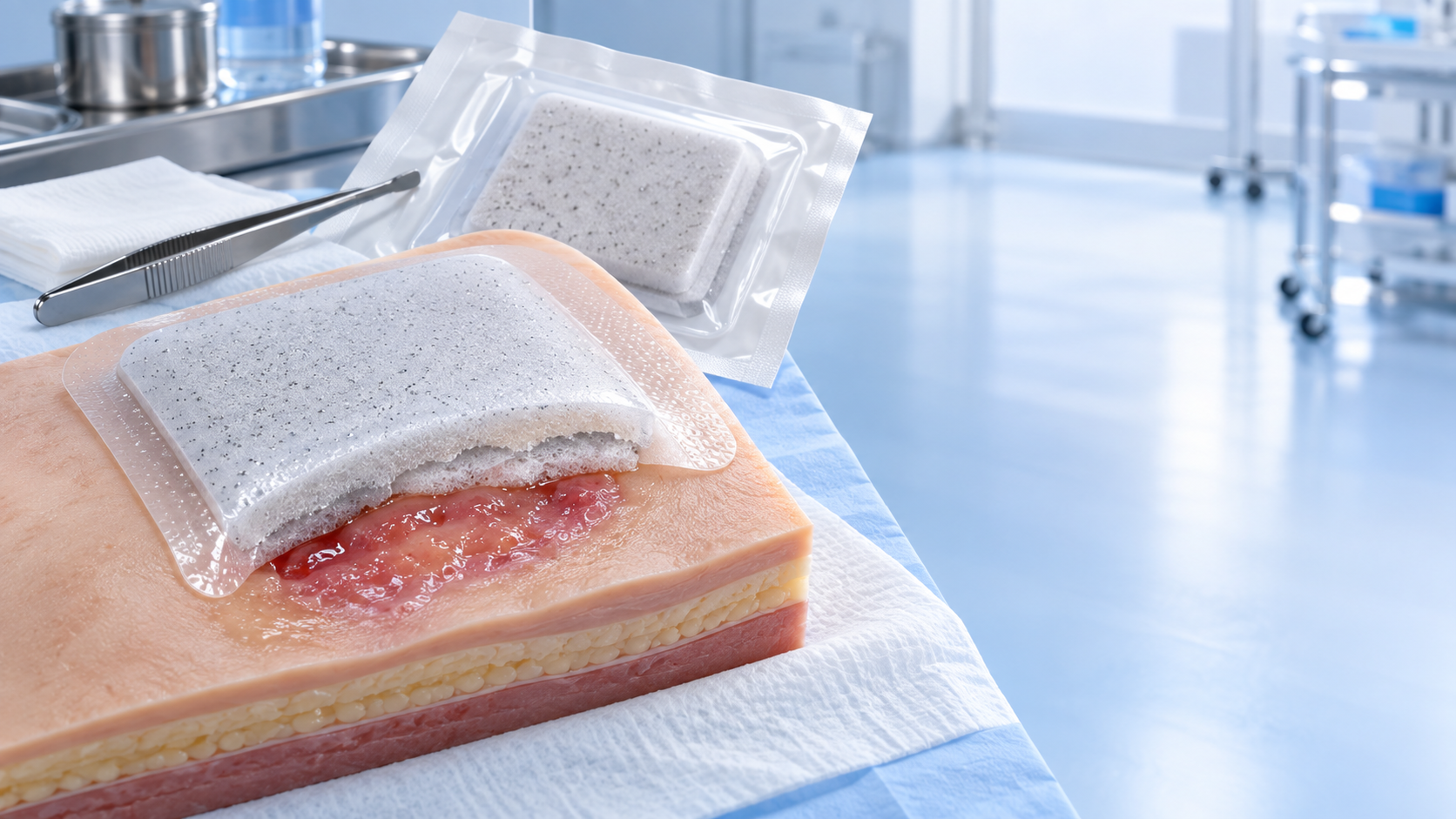
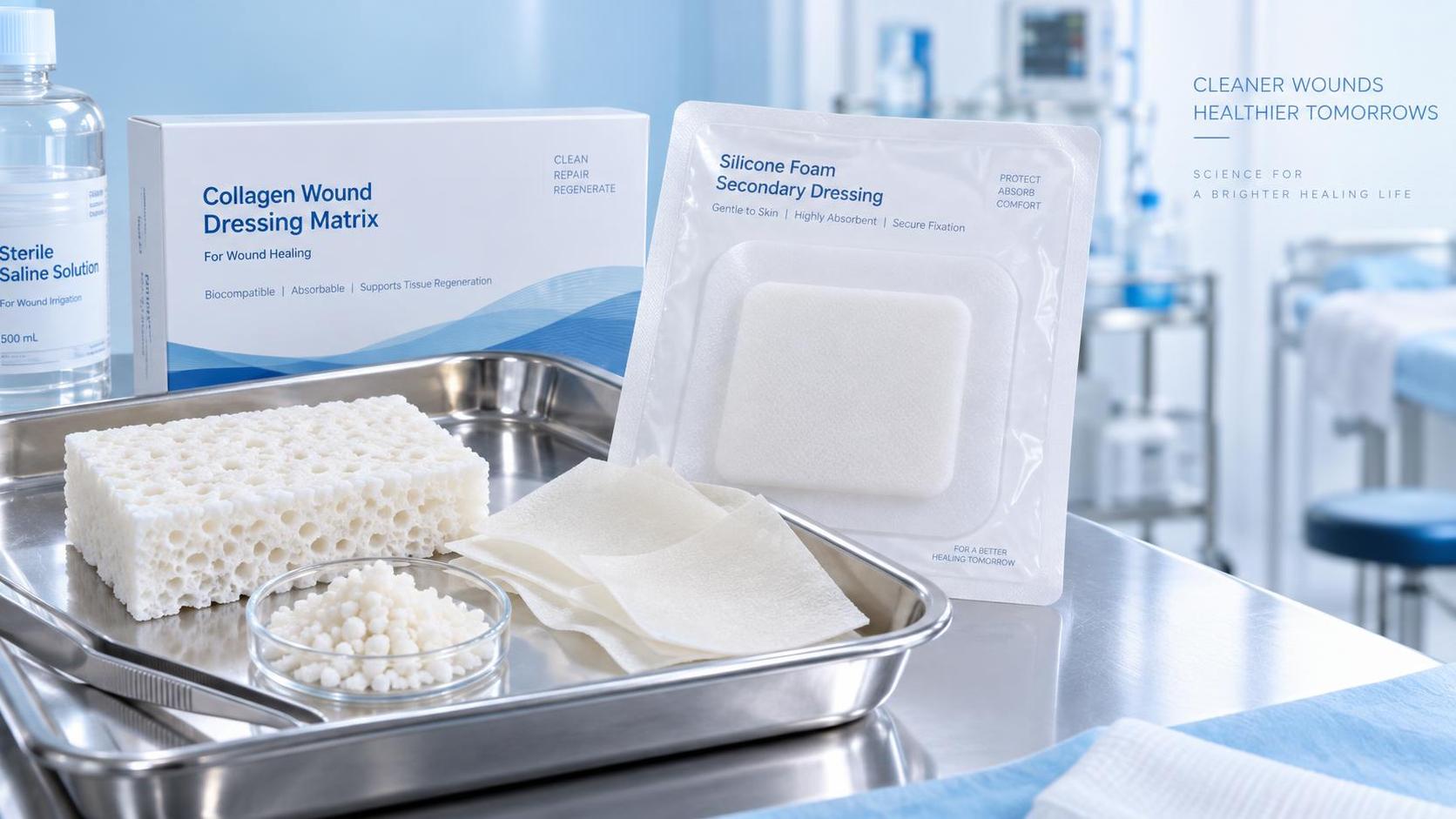
These endpoints matter greatly for wound dressings, catheters, seals, coatings, and wearable-contact components.
Low-level chemicals can trigger disproportionate reactions in sensitive patients.
Adhesives, plasticizers, residual EtO byproducts, and coating ingredients are common trouble spots.
A product that seems gentle in bench use may still provoke local tissue response after repeated contact.
3. Hemocompatibility
For blood-contacting devices, hemocompatibility is central to safe medical polymer technology.
Surface roughness, hydrophilicity, charge, and protein adsorption all influence thrombosis risk.
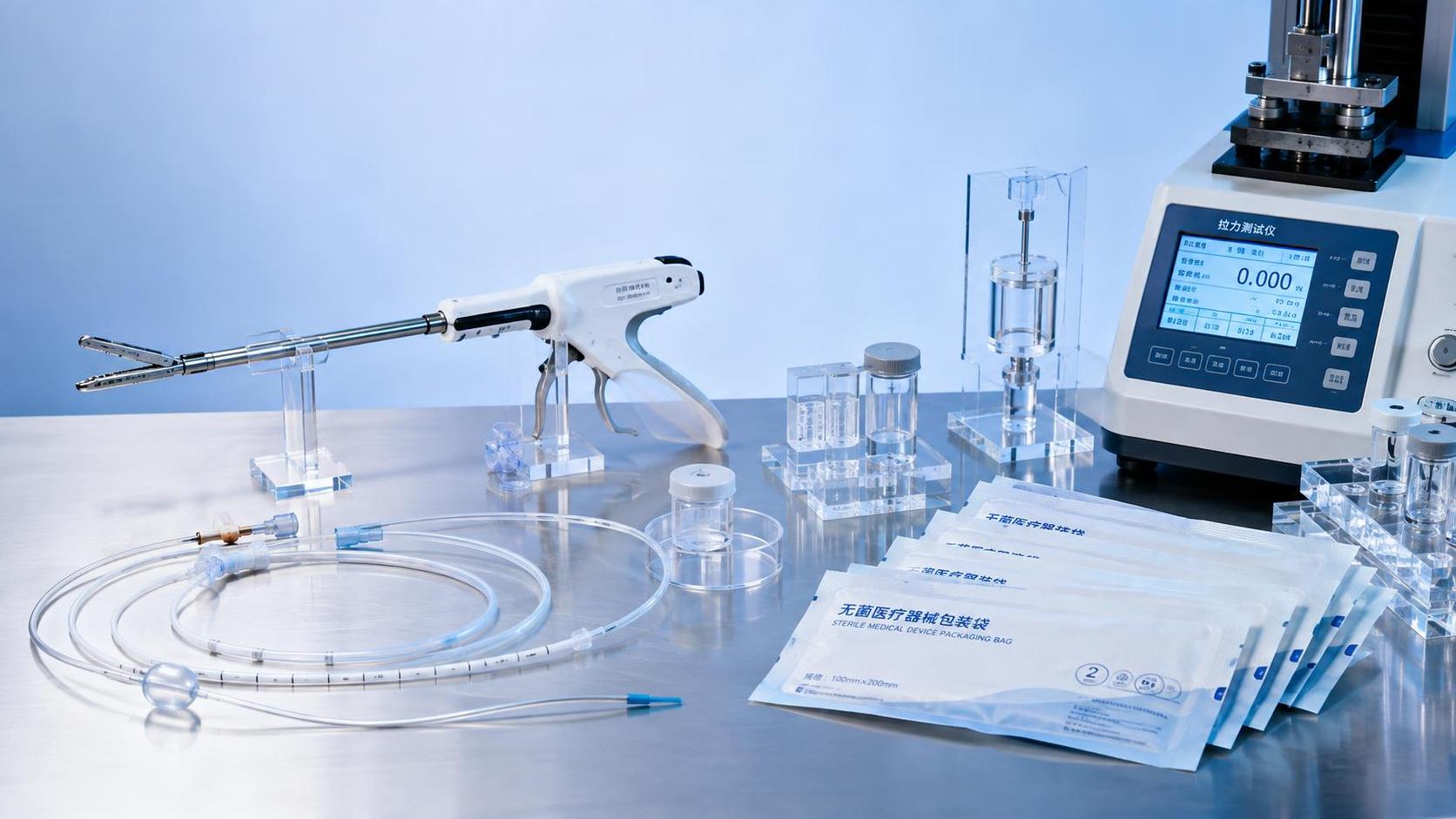
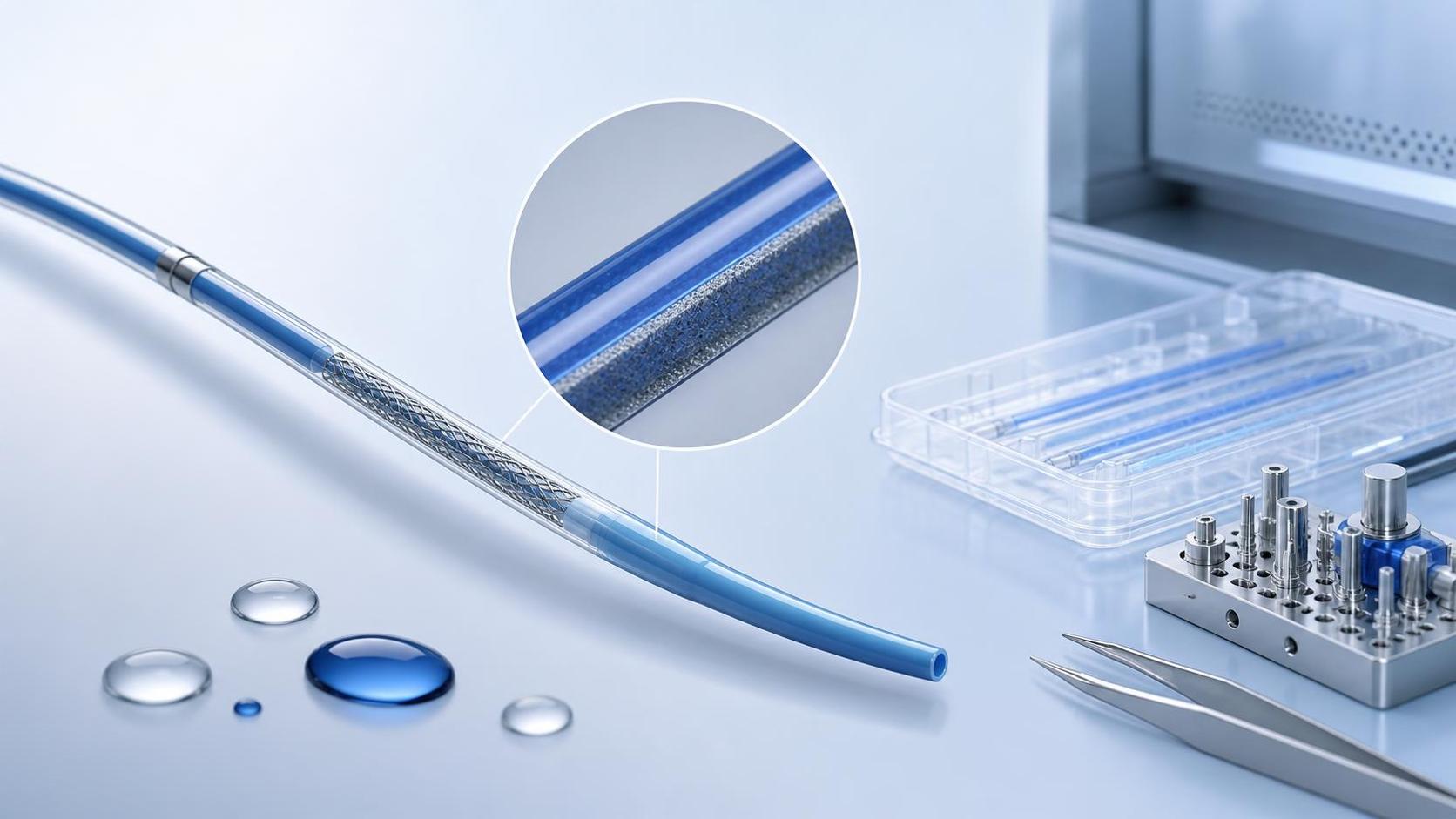
This is especially relevant for central venous catheters, neurovascular microcatheters, and cardiovascular components.
A flexible polymer is not automatically a blood-friendly polymer.
4. Long-term implantation effects
For long-duration use, the concern shifts from immediate toxicity to chronic interaction.
Will the material crack, oxidize, absorb fluid, shed particles, or trigger foreign body response over time?
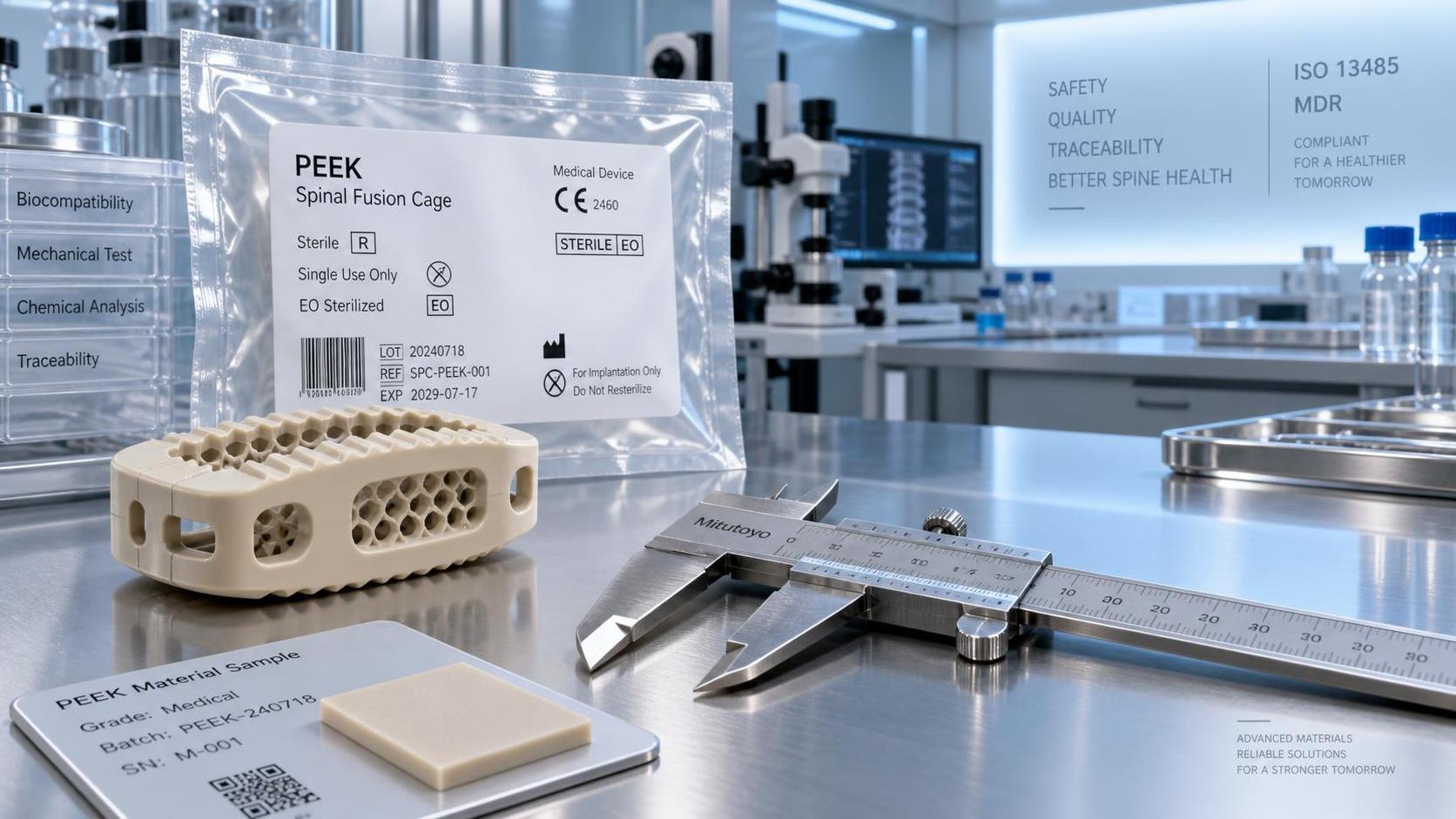
PEEK, silicone, polyurethane, and fluoropolymers each have different long-term behavior patterns.
The evaluation should reflect real loading, real contact media, and real shelf-life conditions.
How standards guide a better evaluation strategy
The strongest medical polymer technology programs combine testing with toxicological reasoning.
ISO 10993 remains the backbone, especially ISO 10993-1, ISO 10993-5, ISO 10993-10, and ISO 10993-17.
More recently, chemical characterization has gained even more weight.
That shift is practical.
If extractables and leachables are well understood, some biological questions become easier to justify and prioritize.
For high-risk Class III devices, regulators increasingly expect consistency between material data, clinical claims, and manufacturing controls.
That means a gap in polymer characterization can slow far more than the test report itself.
A practical review sequence
- Define device contact category and duration clearly.
- Map every material, additive, coating, and process aid.
- Review sterilization impact and package interaction.
- Build a chemical characterization plan first.
- Select biological tests based on remaining uncertainty.
- Link conclusions to risk management files and design controls.
Common failure points in medical polymer technology projects
From recent industry patterns, the bigger problem is often not missing data, but misaligned data.
Teams may test the raw polymer, while the final product includes coatings, inks, bonds, or post-processing residues.
Others rely too heavily on supplier letters without confirming manufacturing equivalence.
Another frequent issue is underestimating change control.
A new pigment, lubricant, or sterilization cycle may reopen the biocompatibility file.
This is where quality systems need tighter connection with materials decisions.
Where IMCS adds value to risk evaluation
IMCS tracks medical polymer technology where materials, devices, and policy pressures meet.
That perspective matters when premium materials face cost compression and tighter evidence expectations.
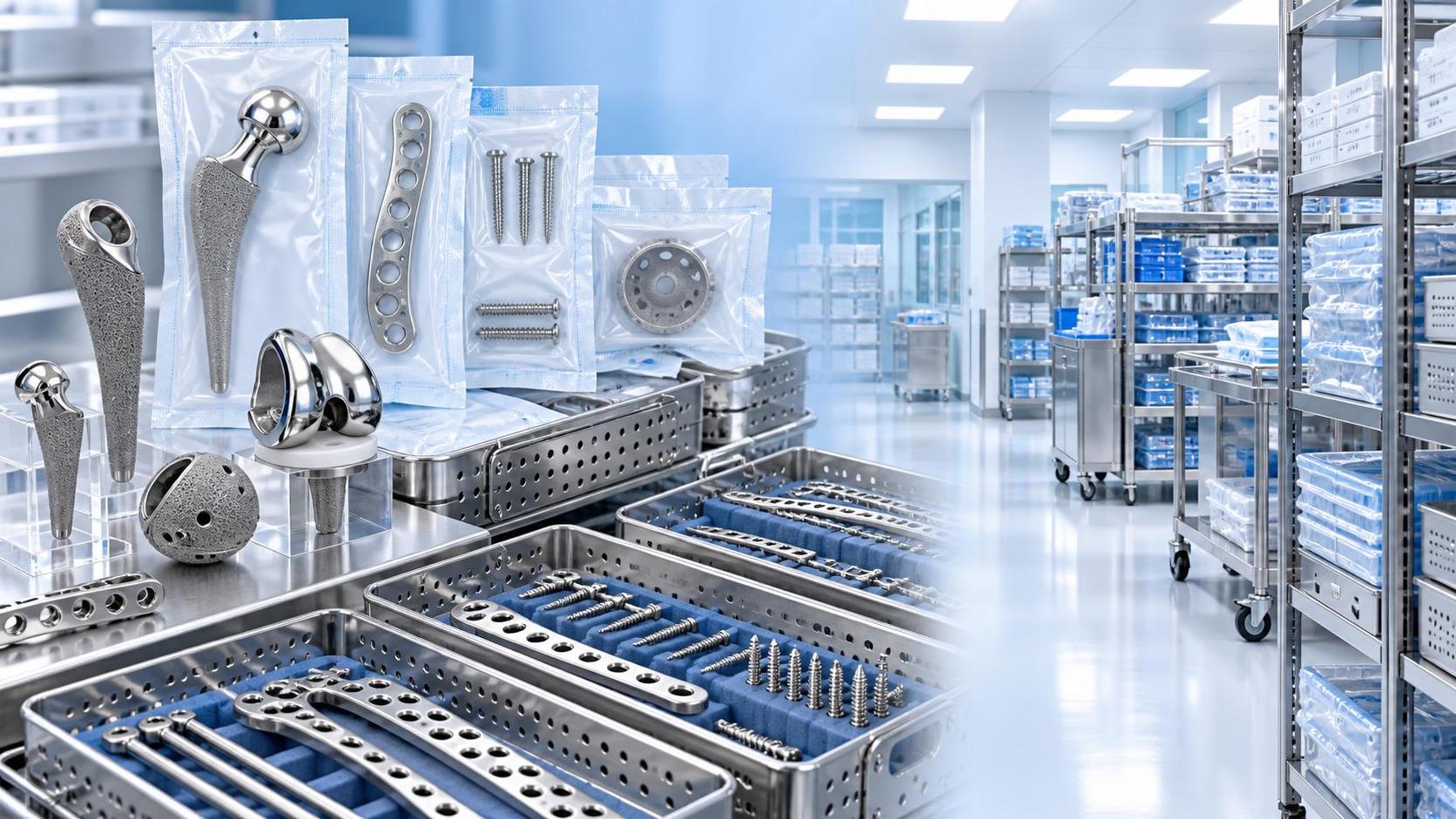
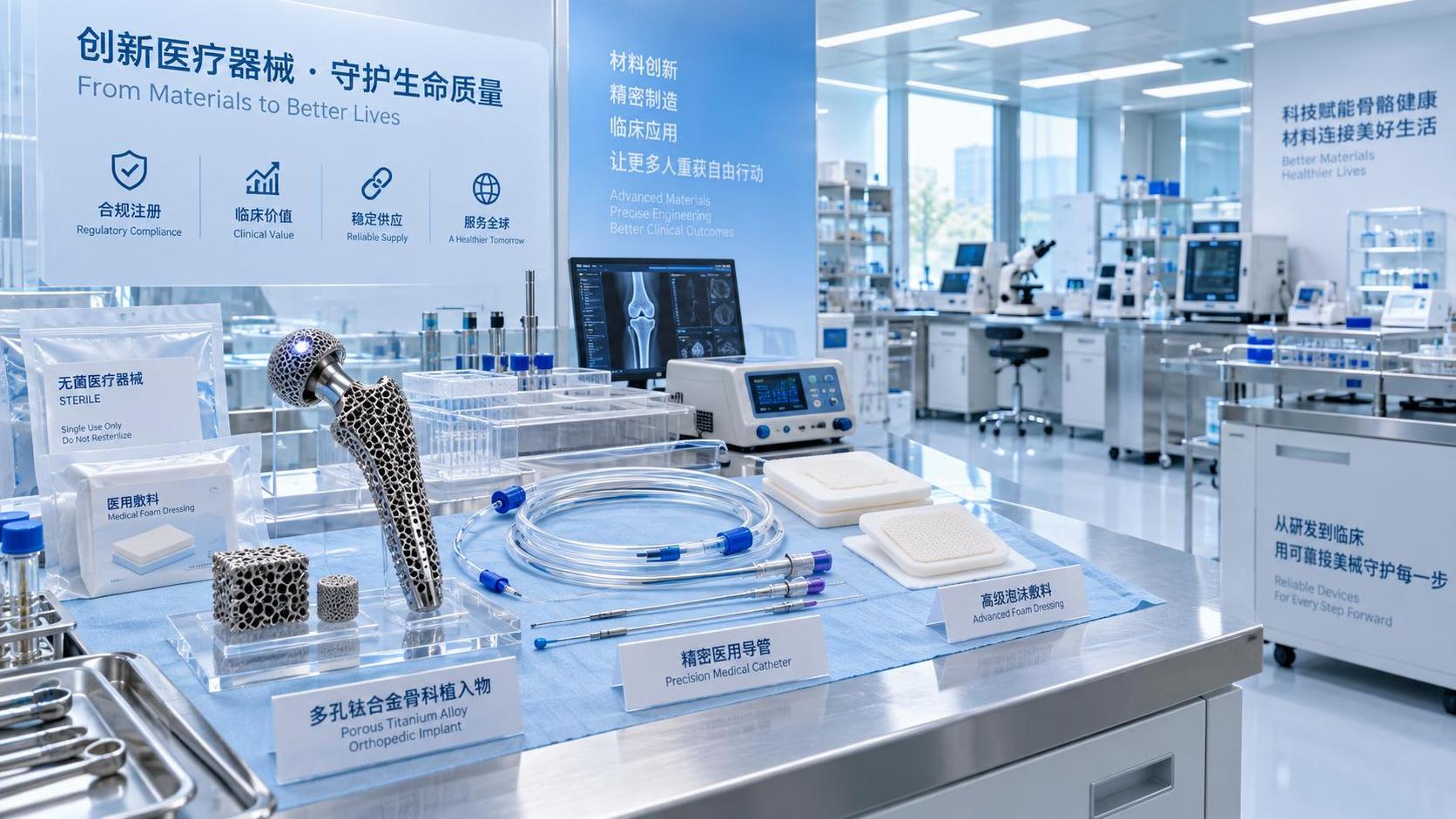
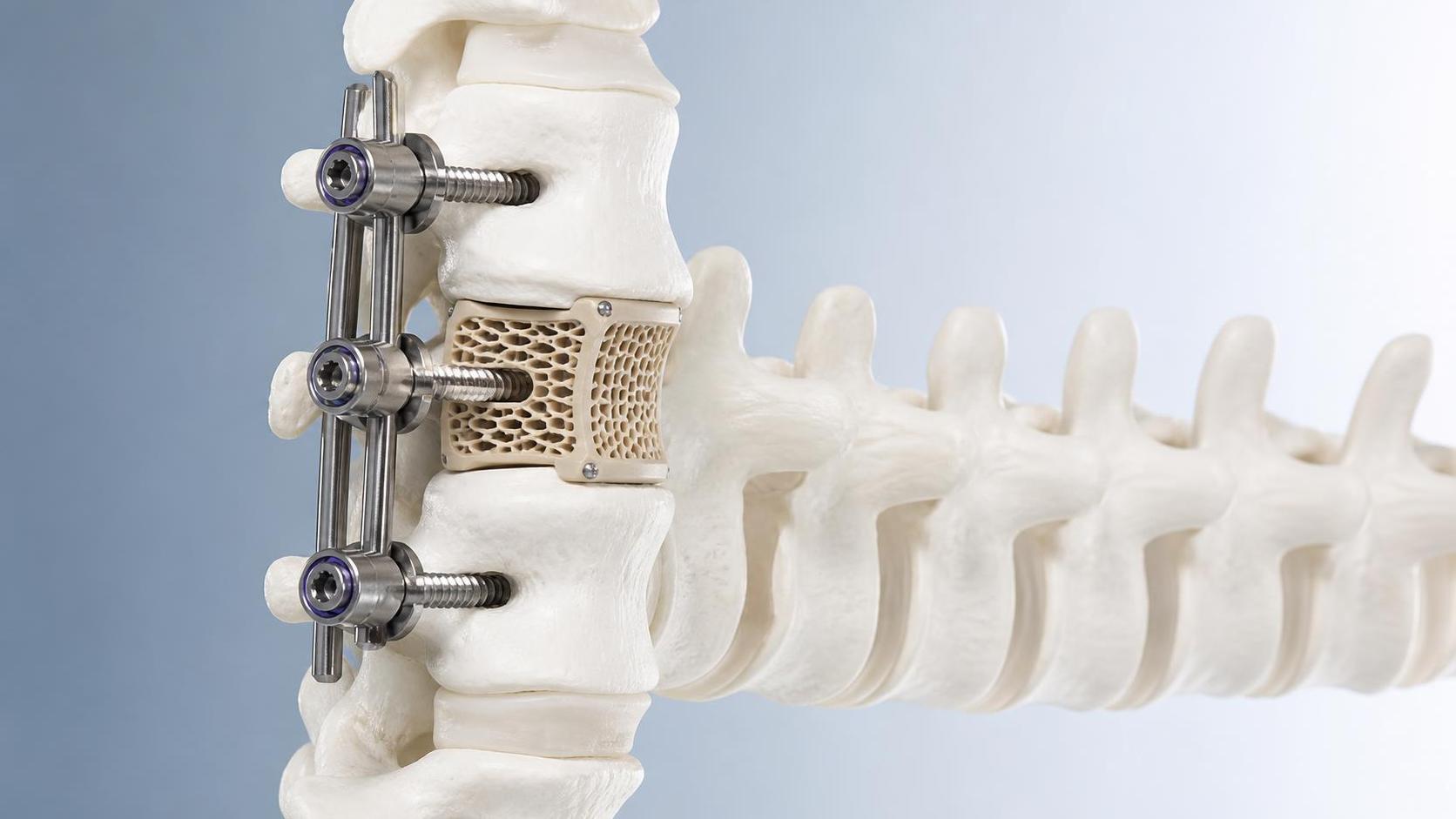
For orthopedic systems, porous structures and PEEK solutions must balance mechanical integration with proven biological safety.
For cardiovascular consumables, polymer coatings and blood-contact surfaces demand a more exact hemocompatibility logic.
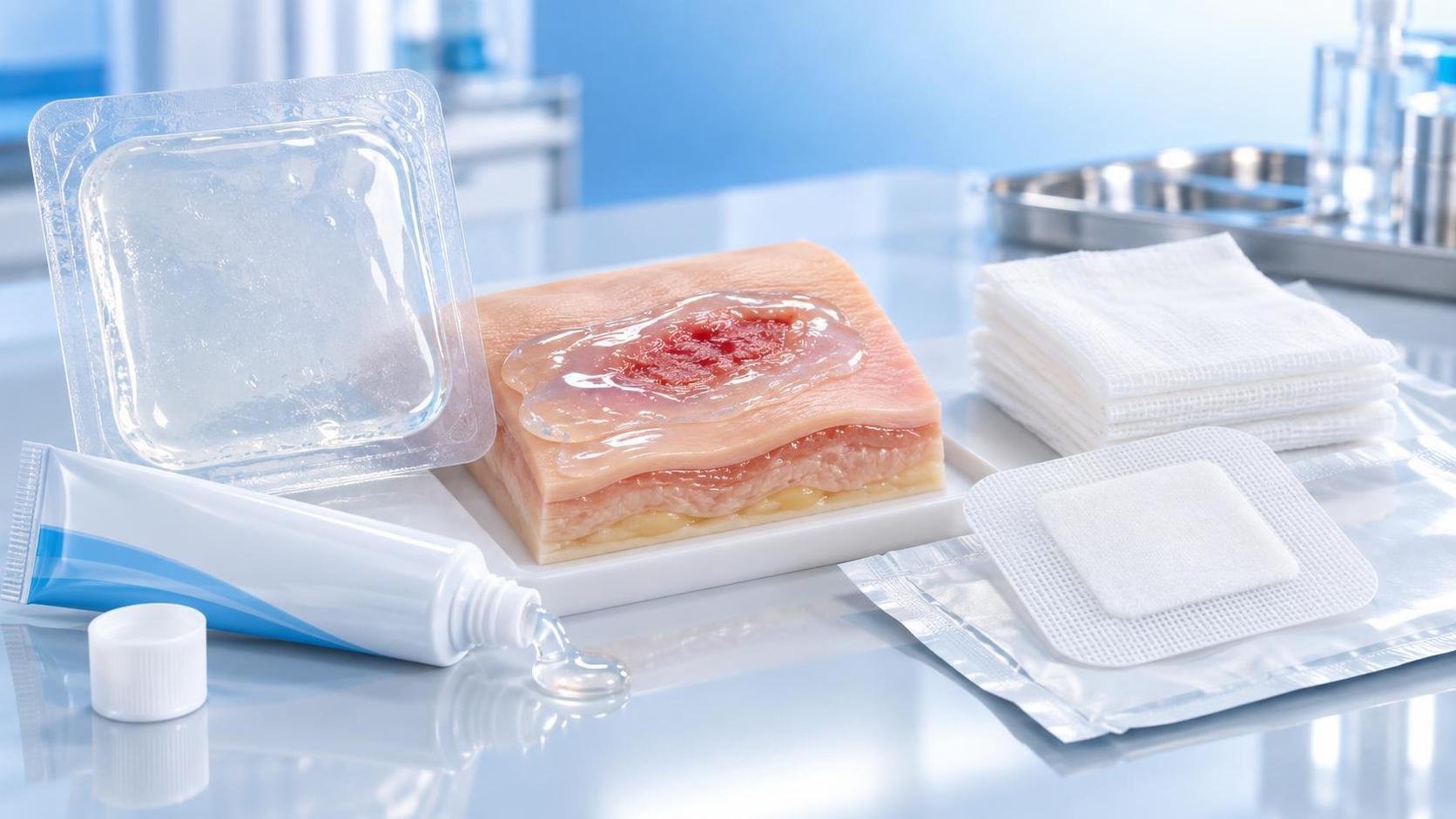
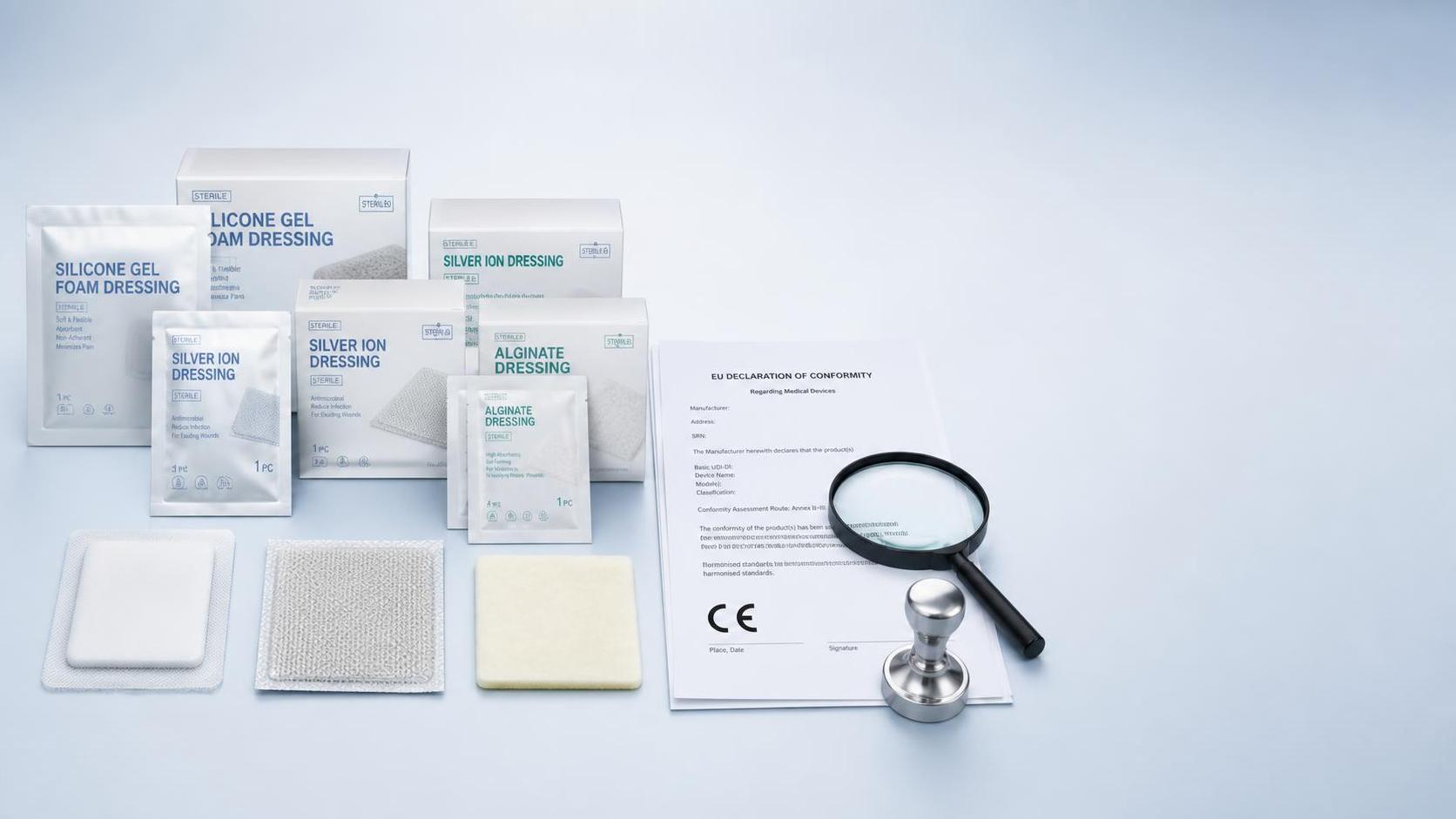
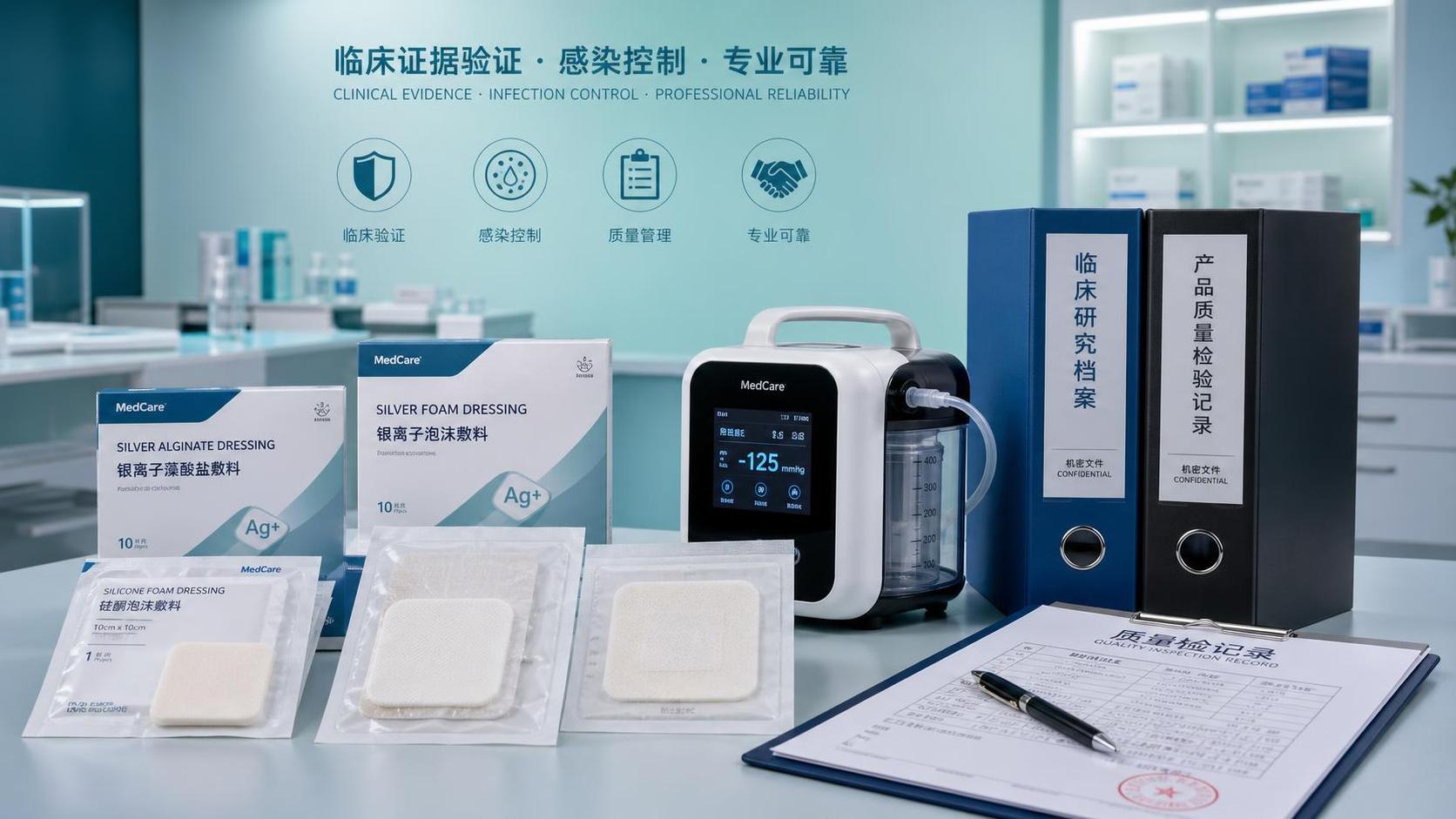
For minimally invasive tools and advanced dressings, local tissue response can influence both outcomes and reimbursement acceptance.
This also explains why intelligence stitching is so important.
Biocompatibility decisions should not sit alone in a lab report.
They should connect with clinical evaluation, regulatory positioning, supplier controls, and manufacturing economics.
A sharper action plan for safer polymer decisions
A strong medical polymer technology review does not begin at the test lab.
It begins with a disciplined material story.
- Treat the finished device as the true evaluation unit.
- Use chemical characterization to narrow uncertainty early.
- Challenge assumptions after sterilization or supplier changes.
- Match endpoints to tissue contact and exposure duration.
- Keep risk management, testing, and regulatory claims tightly aligned.
As medical polymer technology keeps advancing, the winners will not be the teams that simply test more.
They will be the teams that understand which risks matter most, why they matter, and how to control them before clinical exposure.
That is the practical path to safer devices, smoother submissions, and stronger long-term product value.
Get weekly intelligence in your inbox.
No noise. No sponsored content. Pure intelligence.
News Recommendations
 Sep 17, 2026How a medical device sourcing strategy can reduce total acquisition costHow a medical device sourcing strategy can reduce total acquisition cost
 Sep 16, 2026When are silver foam burn care dressings appropriate for exuding burns?When are silver foam burn care dressings appropriate for exuding burns?
 Sep 15, 2026What drives medical device category pricing in value-based purchasing?What drives medical device category pricing in value-based purchasing?
 Sep 14, 2026High value consumables insights for evaluating total cost of careHigh value consumables insights for evaluating total cost of care
 Sep 13, 2026What a medical device market insights platform reveals about market accessWhat a medical device market insights platform reveals about market access
 Sep 12, 2026When are collagen-based tissue healing materials suitable for wound care?When are collagen-based tissue healing materials suitable for wound care?
 Sep 11, 2026How catheter material selection affects total cost of ownershipHow catheter material selection affects total cost of ownership
 Sep 10, 2026What FDA clearance means for medical grade PEEK implantsWhat FDA clearance means for medical grade PEEK implants
 Sep 09, 2026When do hydrogel wound healing technologies suit dry wounds?When do hydrogel wound healing technologies suit dry wounds?
 Sep 07, 2026How to assess medical consumables for surgical useHow to assess medical consumables for surgical use
 Sep 07, 2026How to verify CE MDR compliance for single-use medical consumablesHow to verify CE MDR compliance for single-use medical consumables
 Sep 05, 2026How to evaluate an antithrombotic catheter factory for qualityHow to evaluate an antithrombotic catheter factory for quality
 Sep 04, 2026When do minimally invasive surgical staplers improve GI access?When do minimally invasive surgical staplers improve GI access?
 Sep 03, 2026When are foam moist wound healing dressings appropriate for exuding wounds?When are foam moist wound healing dressings appropriate for exuding wounds?
 Sep 02, 2026How implant pricing affects access to advanced medical careHow implant pricing affects access to advanced medical care
 Sep 01, 2026What is driving price pressure in the North American medical consumables market?What is driving price pressure in the North American medical consumables market?
 Aug 31, 2026Comparing medical devices in Southeast Asia when market access differsComparing medical devices in Southeast Asia when market access differs
 Aug 30, 2026When are 3D printed PEEK implants suitable for spinal reconstruction?When are 3D printed PEEK implants suitable for spinal reconstruction?
 Aug 29, 2026How global medical device regulations shape clinical evidence requirementsHow global medical device regulations shape clinical evidence requirements
 Aug 28, 2026How to verify a burn care dressings exporter meets EU MDR requirementsHow to verify a burn care dressings exporter meets EU MDR requirements
 Aug 27, 2026How to verify a diabetic foot wound care supplier’s clinical evidenceHow to verify a diabetic foot wound care supplier’s clinical evidence
 Aug 26, 2026What drives spinal implants price differences across implant typesWhat drives spinal implants price differences across implant types
 Aug 25, 2026What matters most in a medical consumables platform comparisonWhat matters most in a medical consumables platform comparison
 Aug 24, 2026What a medical device intelligence guide should cover before market accessWhat a medical device intelligence guide should cover before market access
 Aug 23, 2026What drives catheter coating technology cost in early device designWhat drives catheter coating technology cost in early device design
 Aug 22, 2026How custom 3D printed medical implants meet biocompatibility requirementsHow custom 3D printed medical implants meet biocompatibility requirements
 Aug 21, 2026What makes an implant commercialization strategy in Europe fail at market accessWhat makes an implant commercialization strategy in Europe fail at market access