Medical Material Biocompatibility: Key Tests, Risks, and Standards
Why does medical material biocompatibility decide so much more than a test result?

Medical material biocompatibility sits at the center of device safety, product release, and regulatory confidence.
That matters even more for implants and high-risk consumables that remain in contact with blood, tissue, bone, or healing wounds.
A small resin change, coating residue, or sterilization shift can alter biological response far beyond what routine physical inspection shows.
In practical terms, medical material biocompatibility is not only about passing ISO 10993 tests.
It is about proving that a finished device performs safely in its intended clinical environment and over its expected exposure period.
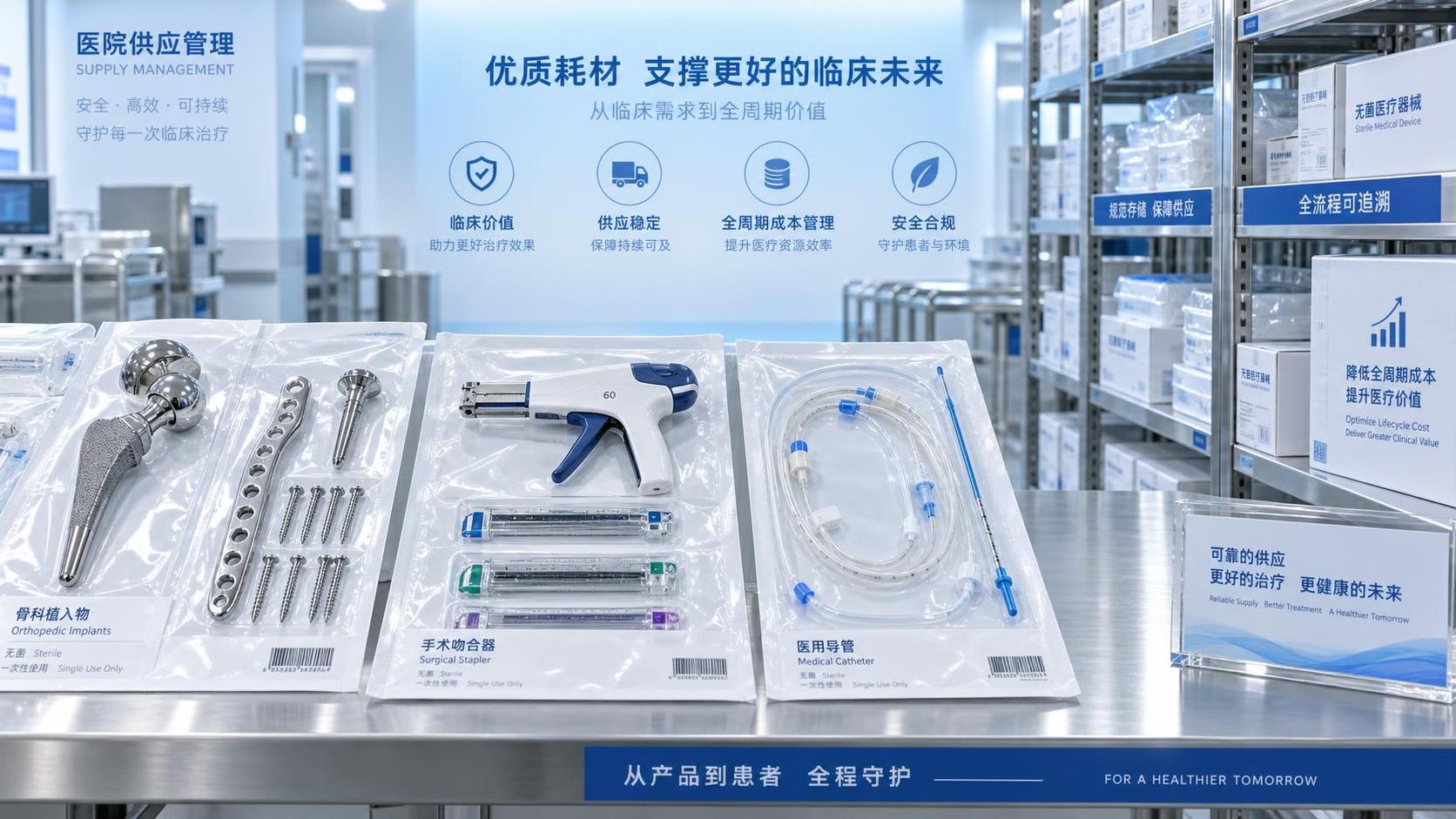
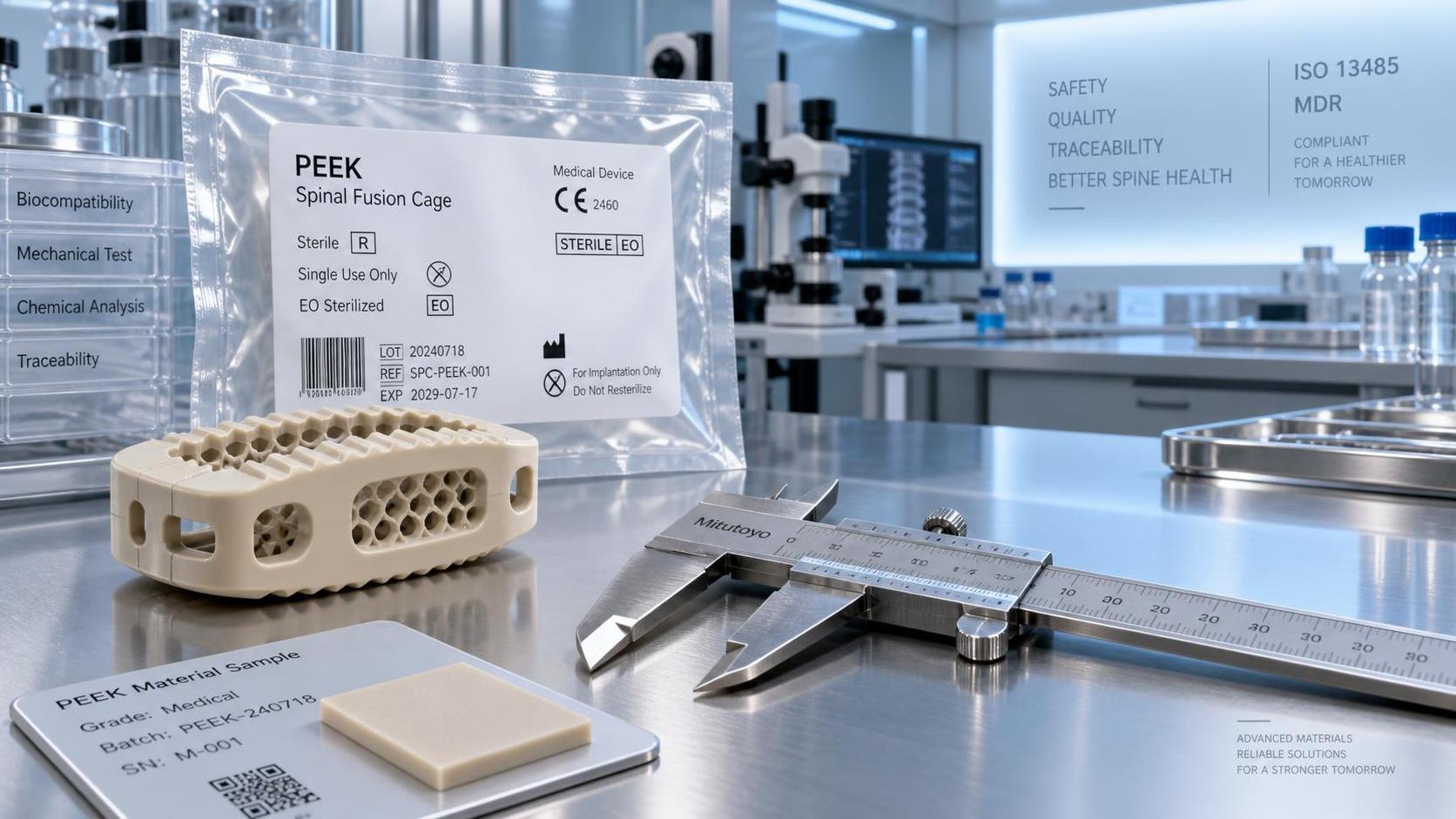
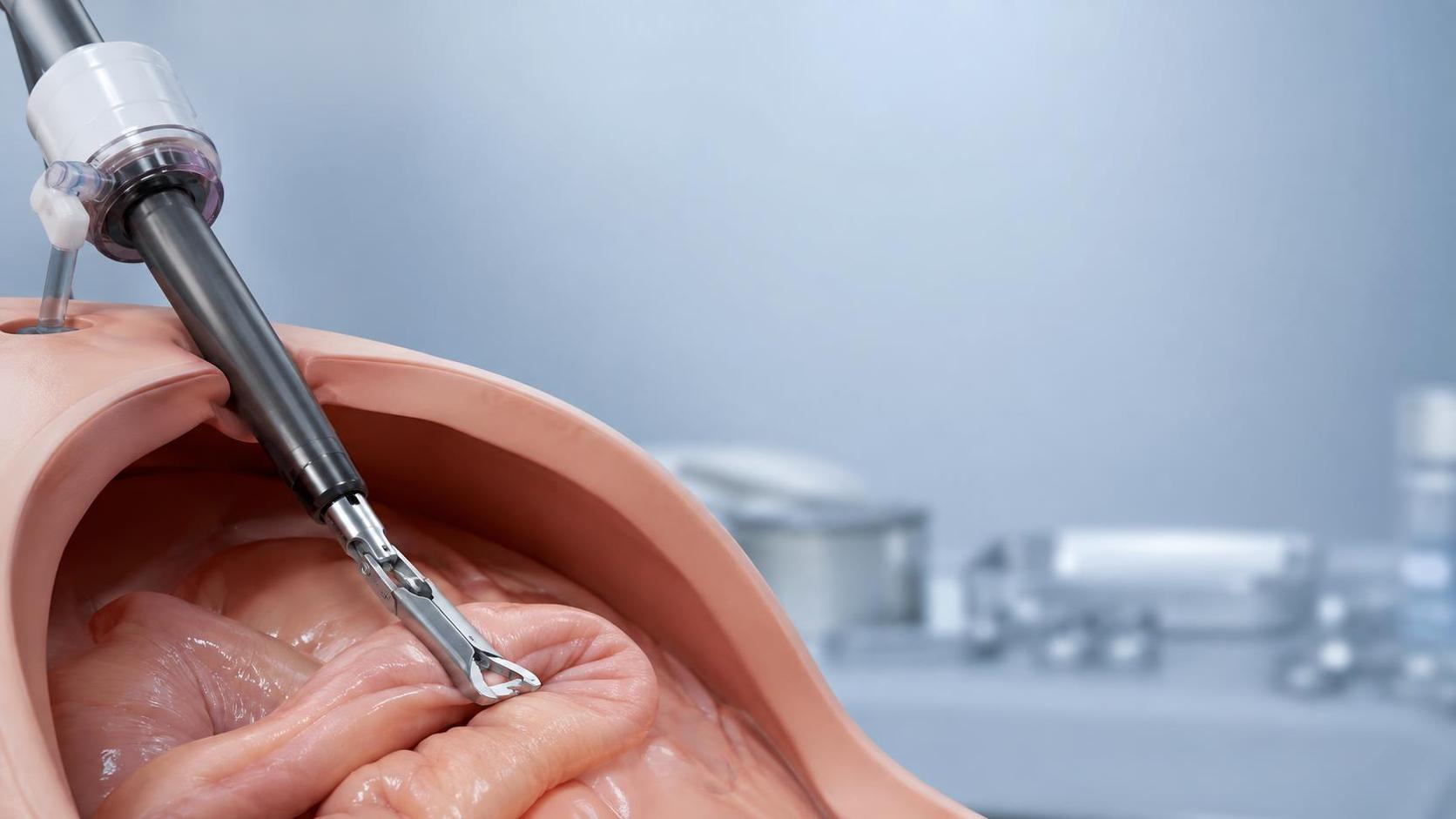
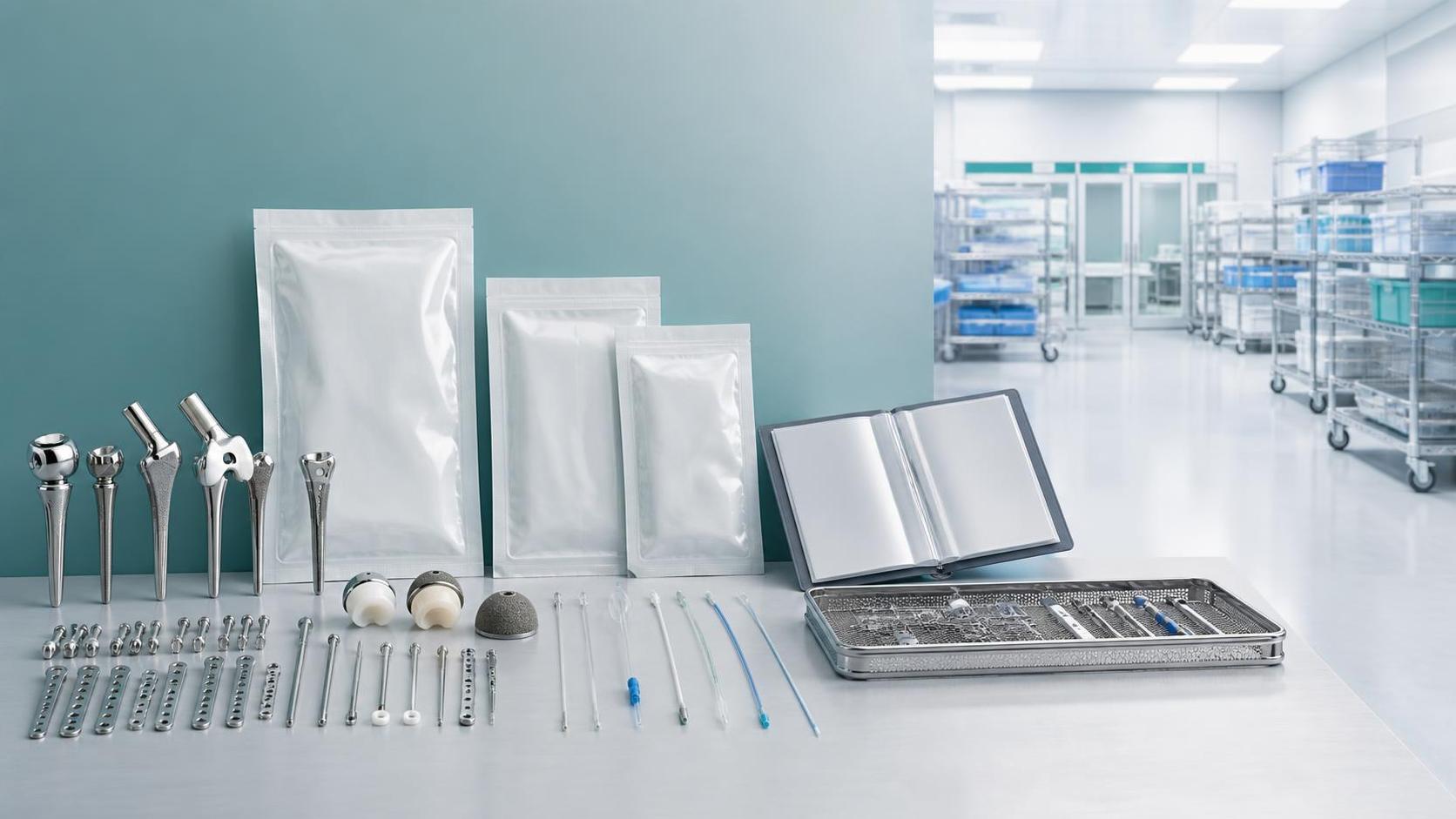
This is why orthopedic implants, DES, TAVR systems, staplers, polymer catheters, and advanced wound dressings all need different evidence packages.
IMCS often frames this issue as a junction point.
Material science, precision machining, sterilization control, and Class III medical device rules all meet here.
If one side is weak, lifecycle control becomes fragile.
Which tests usually define a credible medical material biocompatibility program?
Many teams ask whether there is a single standard checklist.
The short answer is no.
A credible medical material biocompatibility strategy starts with contact type, contact duration, material composition, and clinical function.
Still, several tests appear again and again because they address the most common early safety concerns.
What are the core tests people usually look for?
For many devices, cytotoxicity is the first biological red flag.
It helps reveal whether leachables or material surfaces damage cultured cells under controlled extraction conditions.
Sensitization and irritation follow closely.
These tests matter when repeated contact or residual chemicals could trigger allergic or inflammatory reactions.
For catheters, stents, and blood-contacting pathways, hemocompatibility becomes critical.
That includes hemolysis, thrombogenicity, coagulation, and sometimes complement activation.
Implantables often require systemic toxicity, implantation studies, and, where appropriate, subchronic or chronic evaluation.
If degradation is expected, degradation products and toxicological risk assessment cannot be skipped.
A quick judgment table helps
The table below is not a substitute for a biological evaluation plan.
It does help organize discussions before formal test mapping begins.
Where do medical material biocompatibility failures usually begin?
Most failures do not begin inside the test lab.
They begin much earlier, often in poorly controlled change management.
A resin supplier update, pigment adjustment, lubricant residue, or packaging interaction can shift biological performance without changing the product name.
That is why medical material biocompatibility should be tied to the full manufacturing chain, not treated as a one-time submission task.
In actual use, several risk sources appear repeatedly.
- Raw material variability, especially in polymers, additives, adhesives, and colorants.
- Surface contamination from machining fluids, mold release agents, or cleaning residues.
- Sterilization effects that create new byproducts or change extractable profiles.
- Coating instability under simulated use, particularly in vascular and neuro-interventional devices.
- Aging or shelf-life shifts that alter degradation, pH response, or tissue compatibility.
A common misconception is that biocompatibility means the base material is already known and therefore always safe.
Regulators rarely accept that shortcut for finished devices.
They want evidence connected to the final product, final process, and final exposure route.
Which standards shape the global baseline, and where do teams get confused?
ISO 10993 remains the best-known framework for medical material biocompatibility.
Yet confusion appears when it is treated like a menu of mandatory tests rather than a risk-based evaluation system.
ISO 10993-1 sets the logic.
It links biological endpoints to nature and duration of body contact.
Other parts, including ISO 10993-5, ISO 10993-10, ISO 10993-12, ISO 10993-17, and ISO 10993-18, support testing and toxicological interpretation.
For U.S. submissions, FDA guidance often expects the same risk logic with clear justification for every included or omitted endpoint.
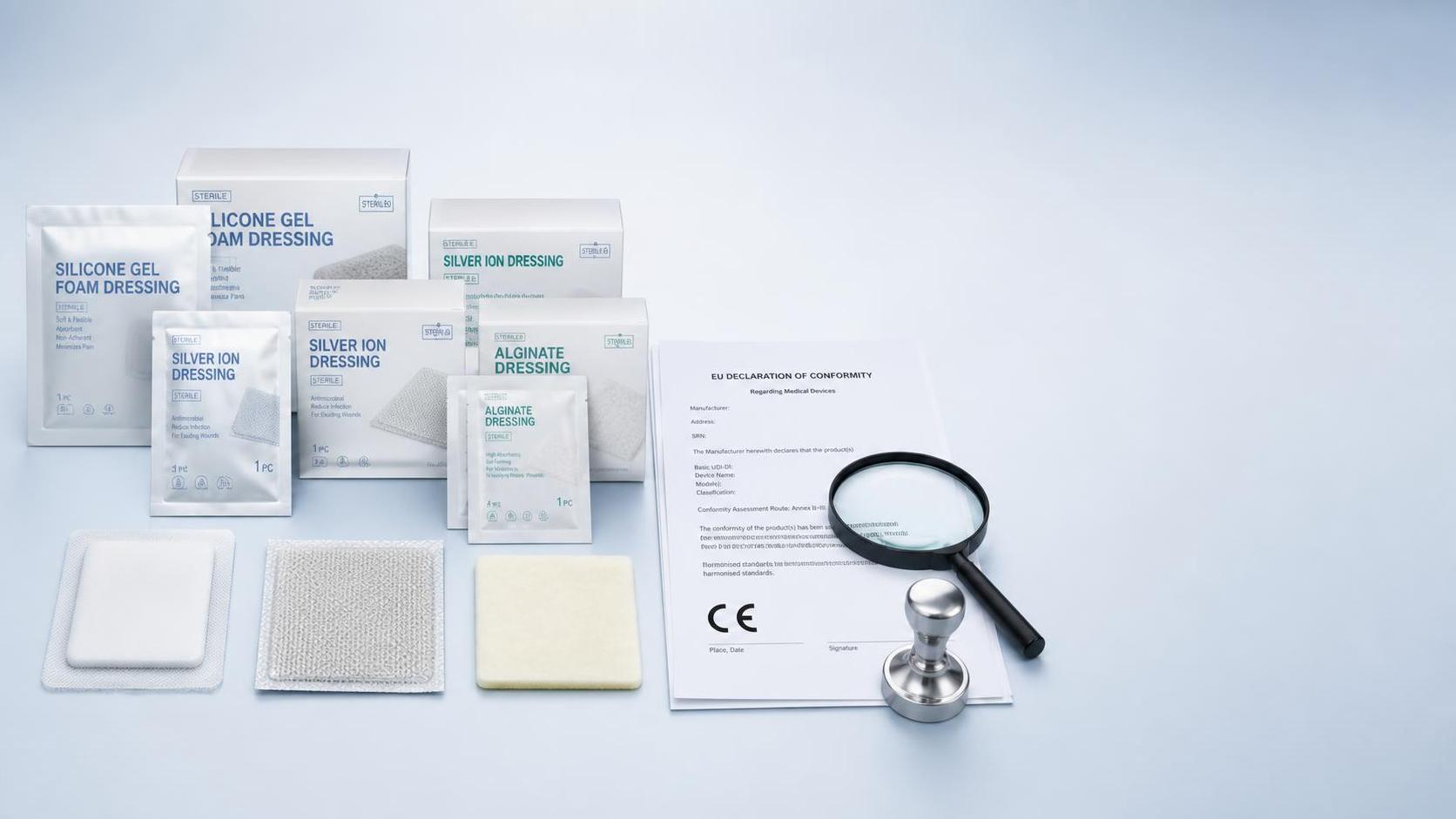
For Europe, CE MDR raises the bar by demanding stronger alignment between biological safety, clinical evaluation, and post-market evidence.
That alignment is especially important for Class III implants and novel surface technologies.
This is where IMCS adds useful context across orthopedic, cardiovascular, MIS, and wound care segments.
Its intelligence approach connects toxicology validation, CER expectations, and cost-control realities instead of treating them as separate tracks.
What usually causes confusion in standard application?
- Using material literature to replace finished-device evidence without sufficient equivalence proof.
- Ignoring manufacturing residues while focusing only on nominal material composition.
- Treating extractables and leachables as optional for long-term or drug-device systems.
- Separating biological evaluation from design changes, supplier controls, and shelf-life studies.
How should medical material biocompatibility be judged across different device categories?
The right answer depends on how the body meets the device.
Bone-contacting implants, blood-contacting consumables, and wound-contact dressings do not fail in the same way.
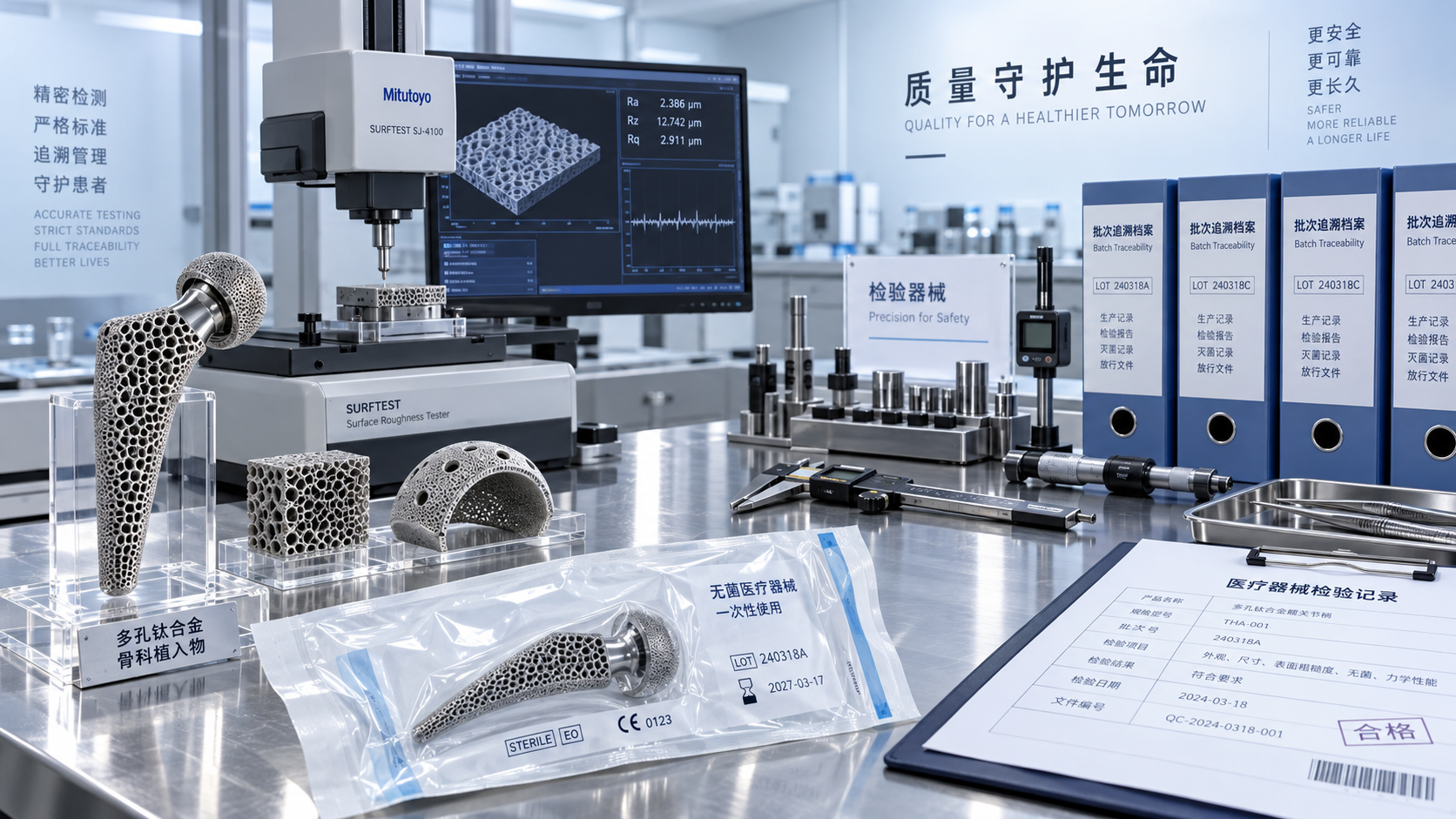
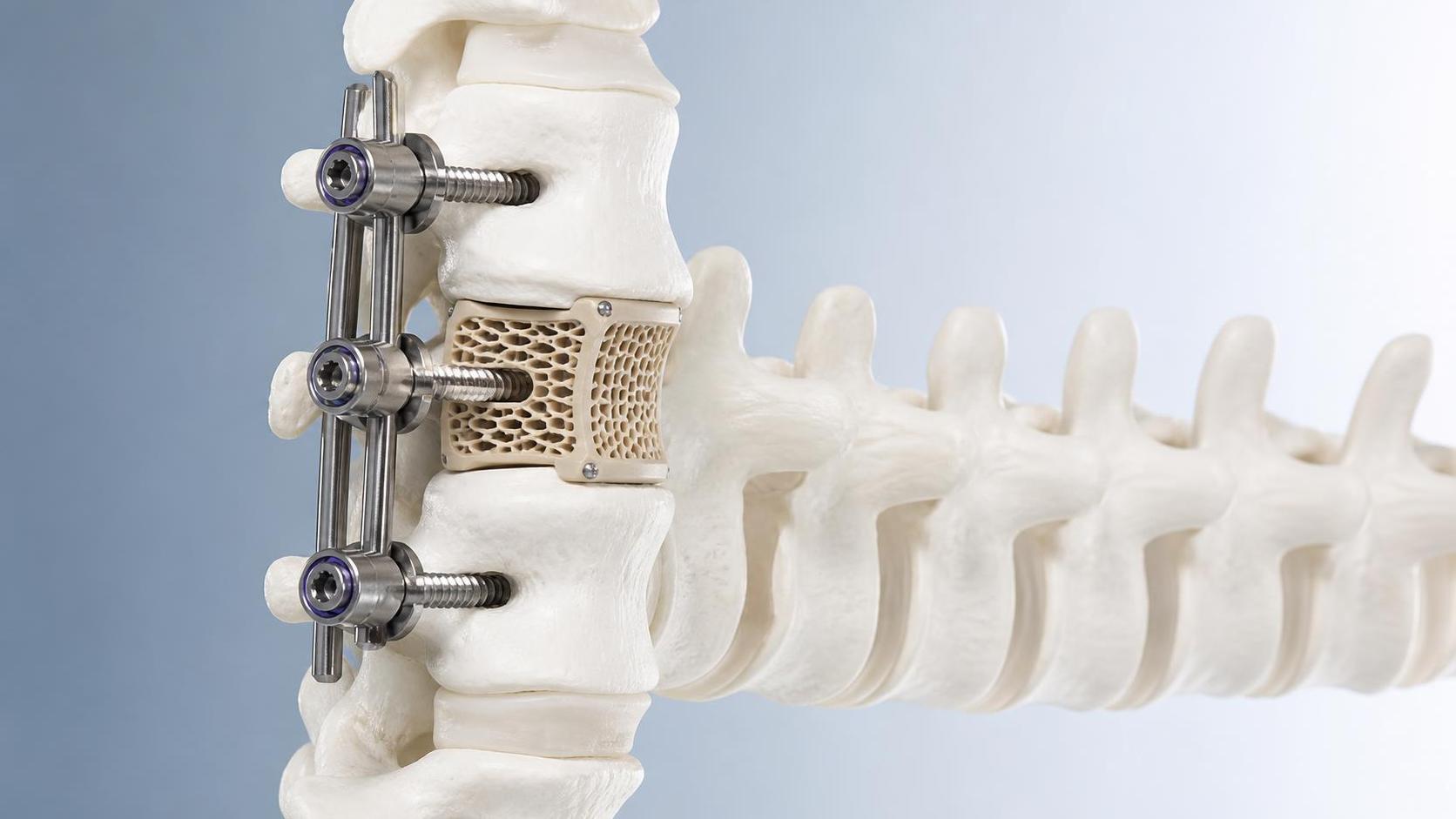
A titanium alloy implant may look stable chemically, yet porous structures and surface treatments can change tissue response.
A polymer catheter may pass simple screening, yet still create thrombogenic or coating-shedding concerns during use.
Dressings add another layer.
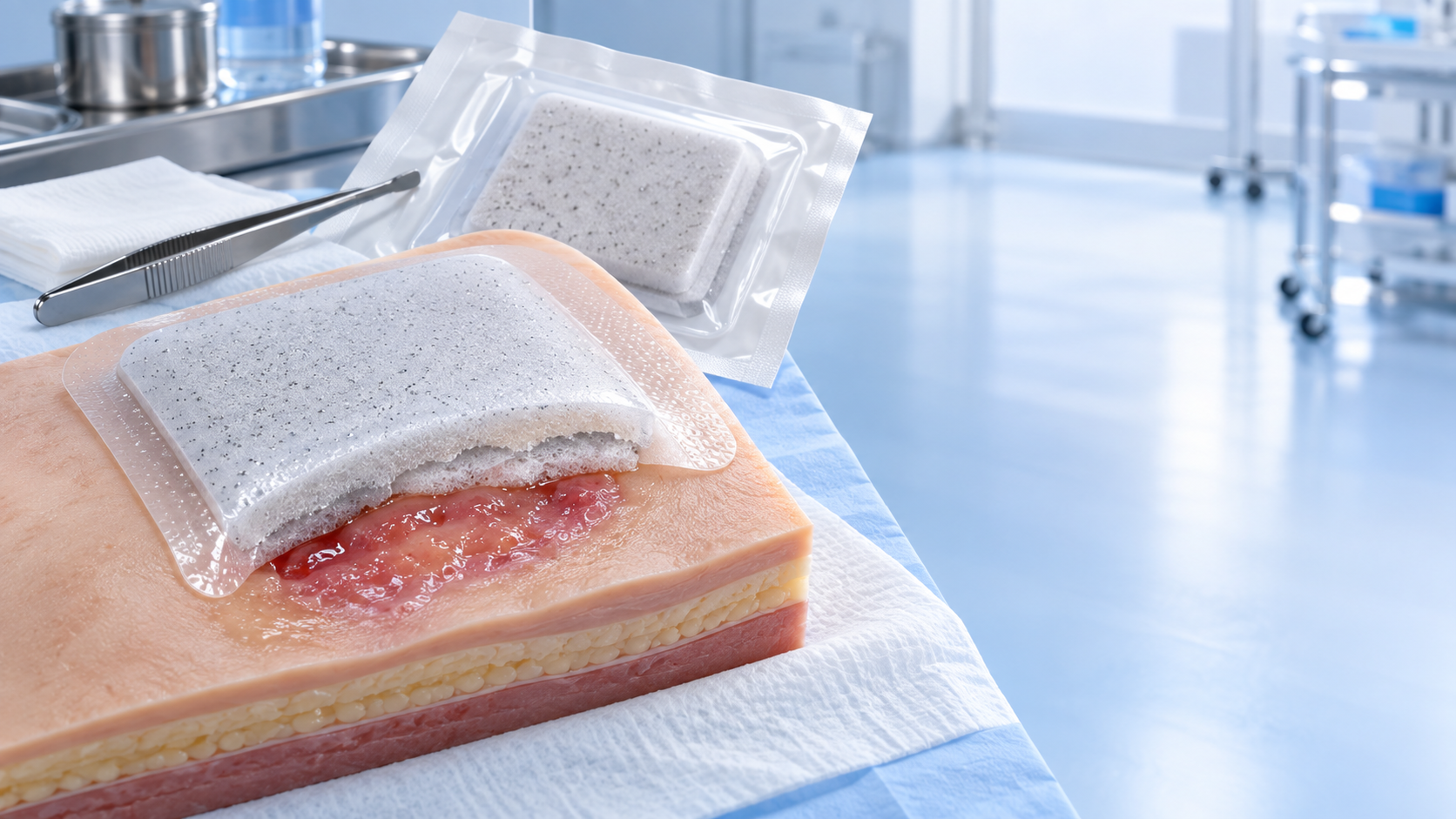
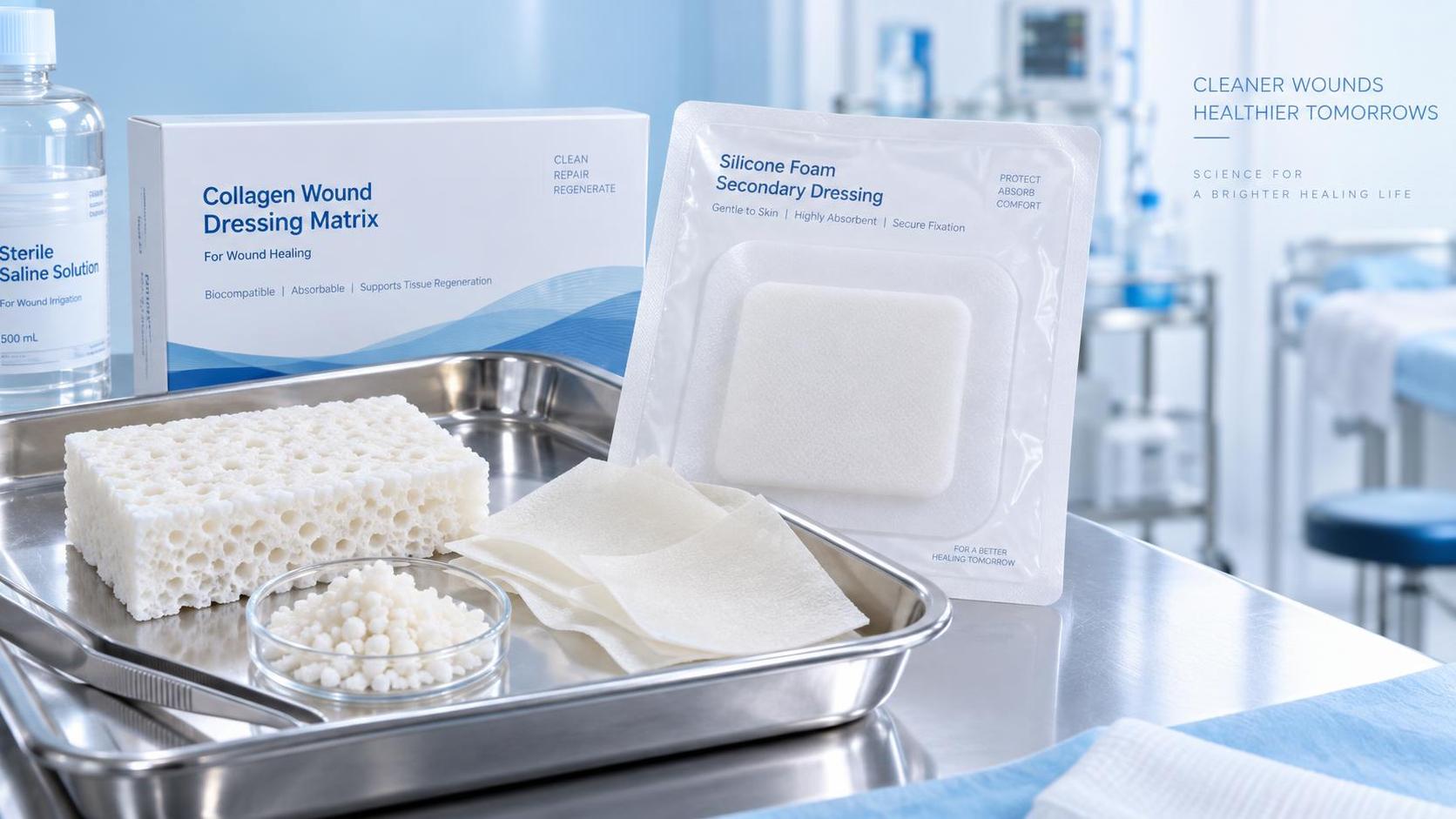
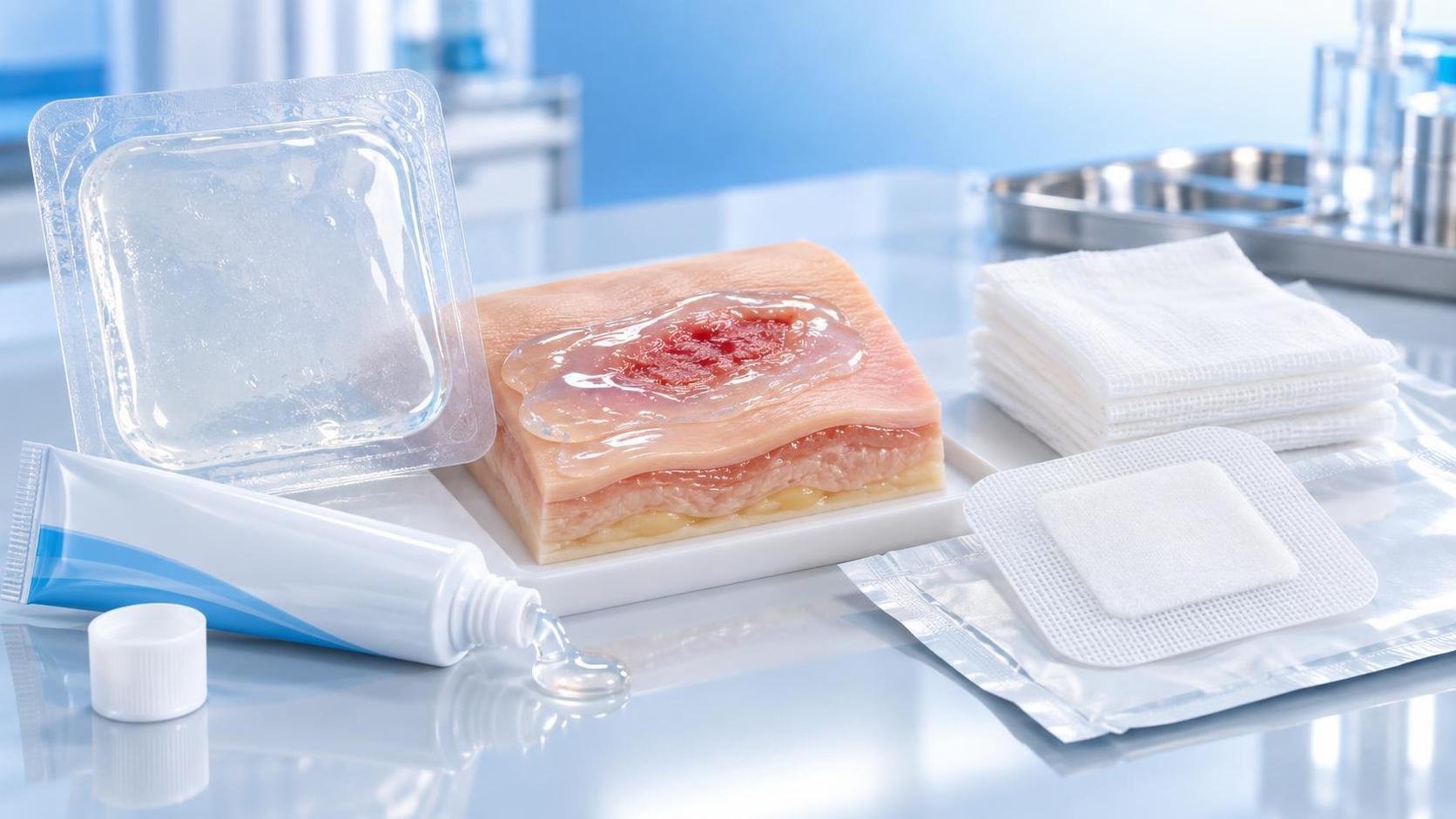
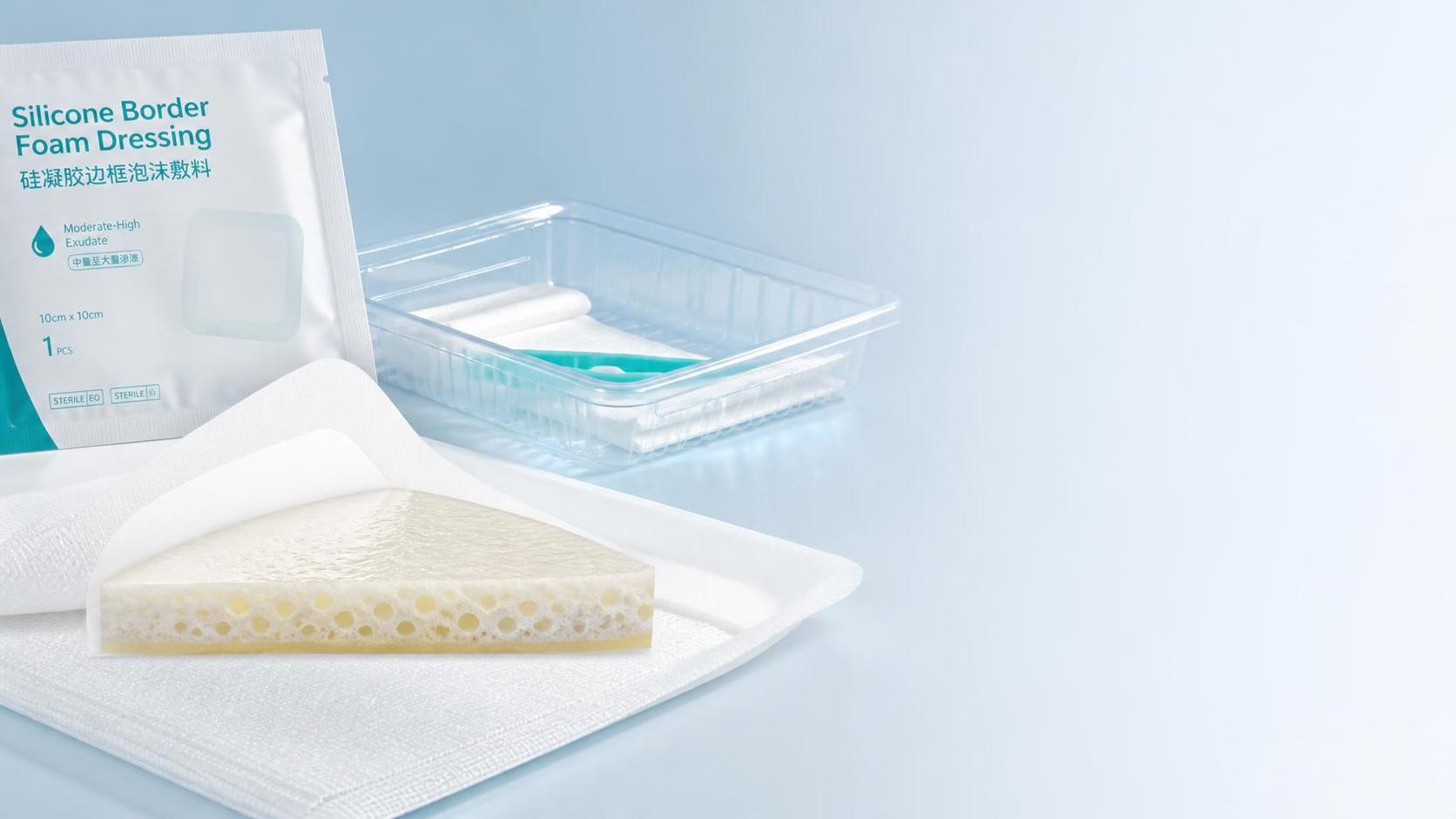
Antimicrobial ingredients, moisture control, and prolonged wound contact can reshape irritation and sensitization profiles.
A practical review often asks four linked questions.
- What exactly touches the body, and for how long?
- Which process steps can introduce or transform chemicals?
- Does actual use add friction, heat, blood contact, or degradation stress?
- Can existing data truly represent the marketed configuration?
When these questions are answered early, medical material biocompatibility becomes easier to defend during audits and submissions.
How do you balance testing depth, timeline pressure, and lifecycle control?
This is usually where technical intent meets operational reality.
Overtesting wastes time and budget.
Undertesting creates delayed findings, rework, and sometimes blocked approvals.
The better approach is to build a living biological evaluation file.
That file should connect design inputs, supplier data, extractables evidence, test reports, toxicological assessment, and post-market signals.
For organizations working across premium implants and cost-sensitive procurement environments, this also supports smarter resource allocation.
Biocompatibility then becomes part of strategic decision-making, not just a compliance checkpoint.
A workable next-step checklist
- Map every patient-contacting material, coating, residue source, and sterilization route.
- Review whether prior medical material biocompatibility data matches the current finished device.
- Flag changes in suppliers, additives, cleaning, packaging, and shelf-life assumptions.
- Use ISO 10993 endpoints with written justification, not habit-based test selection.
- Connect biological evidence with CER, risk management, and post-market feedback loops.
In the end, medical material biocompatibility is best managed as a continuing control system.
It protects patient outcomes, reduces regulatory friction, and supports more confident decisions across the full device lifecycle.
If the next review cycle is approaching, start by checking evidence gaps against actual contact conditions rather than against an old test list.
That single shift often reveals the most important actions first.
Get weekly intelligence in your inbox.
No noise. No sponsored content. Pure intelligence.
News Recommendations
 Sep 23, 2026How to verify the sterility assurance of surgical devicesHow to verify the sterility assurance of surgical devices
 Sep 22, 2026How to assess a spinal implants manufacturer’s quality systemHow to assess a spinal implants manufacturer’s quality system
 Sep 21, 2026How to assess an osseointegration technology manufacturer’s quality systemHow to assess an osseointegration technology manufacturer’s quality system
 Sep 20, 2026Medical material science trends reshaping biocompatibility testingMedical material science trends reshaping biocompatibility testing
 Sep 19, 2026What North American regulators expect in implant clinical evaluationsWhat North American regulators expect in implant clinical evaluations
 Sep 18, 2026When should plate and screw systems be selected for fracture fixation?When should plate and screw systems be selected for fracture fixation?
 Sep 17, 2026How a medical device sourcing strategy can reduce total acquisition costHow a medical device sourcing strategy can reduce total acquisition cost
 Sep 16, 2026When are silver foam burn care dressings appropriate for exuding burns?When are silver foam burn care dressings appropriate for exuding burns?
 Sep 15, 2026What drives medical device category pricing in value-based purchasing?What drives medical device category pricing in value-based purchasing?
 Sep 14, 2026High value consumables insights for evaluating total cost of careHigh value consumables insights for evaluating total cost of care
 Sep 13, 2026What a medical device market insights platform reveals about market accessWhat a medical device market insights platform reveals about market access
 Sep 12, 2026When are collagen-based tissue healing materials suitable for wound care?When are collagen-based tissue healing materials suitable for wound care?
 Sep 11, 2026How catheter material selection affects total cost of ownershipHow catheter material selection affects total cost of ownership
 Sep 10, 2026What FDA clearance means for medical grade PEEK implantsWhat FDA clearance means for medical grade PEEK implants
 Sep 09, 2026When do hydrogel wound healing technologies suit dry wounds?When do hydrogel wound healing technologies suit dry wounds?
 Sep 07, 2026How to assess medical consumables for surgical useHow to assess medical consumables for surgical use
 Sep 07, 2026How to verify CE MDR compliance for single-use medical consumablesHow to verify CE MDR compliance for single-use medical consumables
 Sep 05, 2026How to evaluate an antithrombotic catheter factory for qualityHow to evaluate an antithrombotic catheter factory for quality
 Sep 04, 2026When do minimally invasive surgical staplers improve GI access?When do minimally invasive surgical staplers improve GI access?
 Sep 03, 2026When are foam moist wound healing dressings appropriate for exuding wounds?When are foam moist wound healing dressings appropriate for exuding wounds?
 Sep 02, 2026How implant pricing affects access to advanced medical careHow implant pricing affects access to advanced medical care
 Sep 01, 2026What is driving price pressure in the North American medical consumables market?What is driving price pressure in the North American medical consumables market?
 Aug 31, 2026Comparing medical devices in Southeast Asia when market access differsComparing medical devices in Southeast Asia when market access differs
 Aug 30, 2026When are 3D printed PEEK implants suitable for spinal reconstruction?When are 3D printed PEEK implants suitable for spinal reconstruction?
 Aug 29, 2026How global medical device regulations shape clinical evidence requirementsHow global medical device regulations shape clinical evidence requirements
 Aug 28, 2026How to verify a burn care dressings exporter meets EU MDR requirementsHow to verify a burn care dressings exporter meets EU MDR requirements
 Aug 27, 2026How to verify a diabetic foot wound care supplier’s clinical evidenceHow to verify a diabetic foot wound care supplier’s clinical evidence