Surgical Consumables Innovation: What Lowers OR Waste and Cost?
Surgical Consumables Innovation: What Lowers OR Waste and Cost?

For many hospitals, OR waste is no longer a side issue. It now sits beside labor, compliance, and case profitability.
That is why surgical consumables innovation matters. It affects product usage, setup time, stock rotation, and postoperative resource use.
The biggest savings rarely come from unit price alone. They come from fewer opened but unused items, fewer intraoperative disruptions, and better fit for real procedures.
In practice, the best purchasing decisions connect clinical performance with waste control. That link is where surgical consumables innovation creates measurable value.
From staplers and catheters to wound care and implant-adjacent tools, the question is simple: which innovations truly lower cost without adding risk?
Why OR Waste Costs More Than It Looks
Visible waste is only one layer. Discarded packs, expired stock, and damaged sterile barriers are easy to count.
The harder costs hide inside workflow. Case delays, extra device exchanges, and inconsistent product familiarity all raise total procedure expense.
This also means procurement should look beyond invoice savings. A lower quote can still create higher cost per case.
Surgical consumables innovation becomes useful when it reduces one or more of these loss points:
- unopened inventory that expires before use
- opened products discarded during setup changes
- excess SKU complexity across service lines
- device failures or replacements during procedures
- postoperative complications linked to poor consumable fit
When these factors improve together, cost reduction becomes sustainable rather than temporary.
Which Surgical Consumables Innovation Delivers Real Savings?
Not every new feature lowers waste. Some add complexity without improving utilization.
The most valuable surgical consumables innovation usually supports standardization, precision, and fewer product touchpoints.
1. Procedure-specific stapling systems
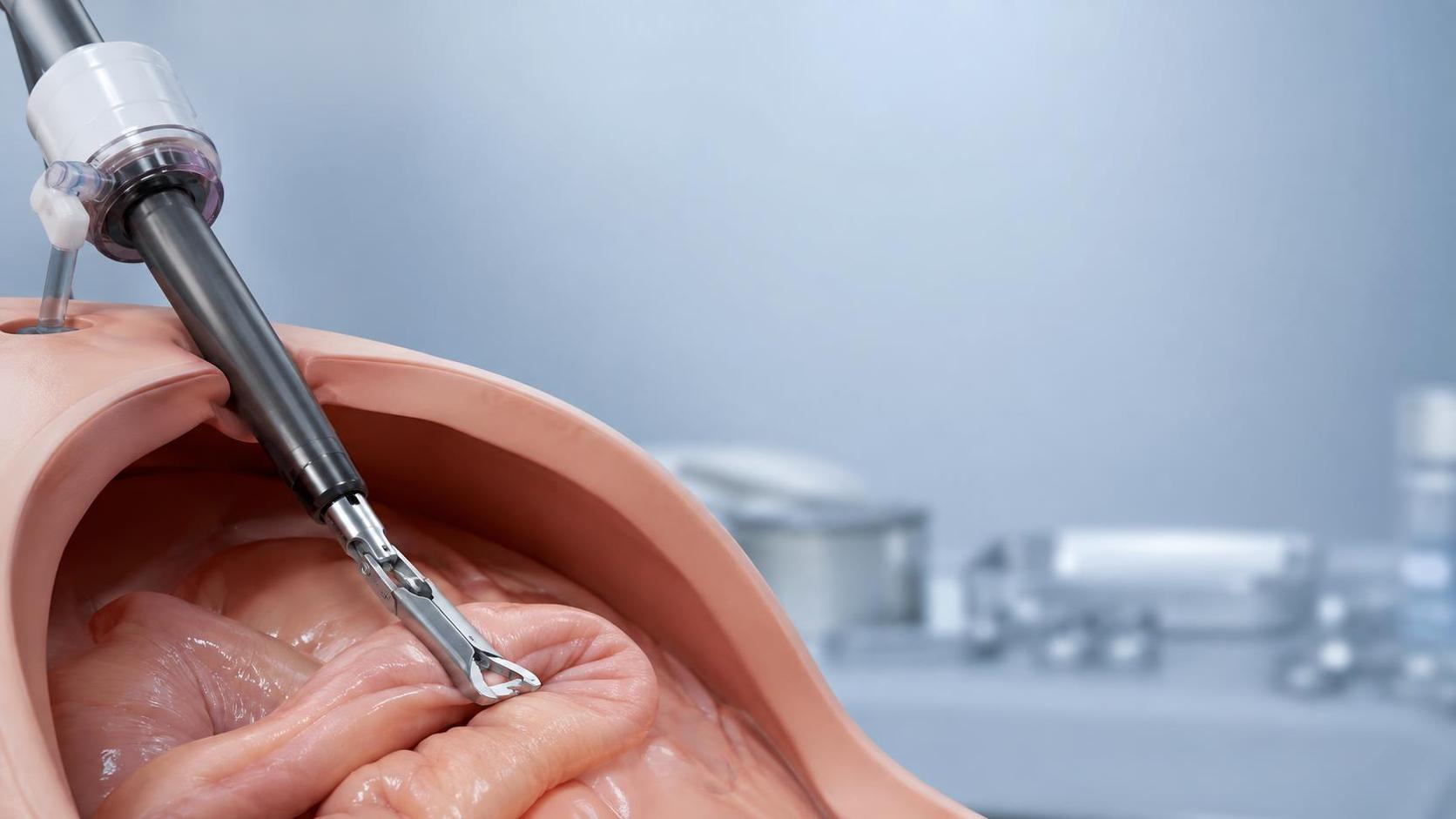
Staplers remain a major spend category in minimally invasive surgery. They also create avoidable waste when reload selection is inconsistent.
Newer systems improve cartridge guidance, tissue feedback, and firing consistency. That reduces unnecessary reload use and conversion-related disruption.
A smart buying approach compares cost per completed case, not cost per handle or reload alone.
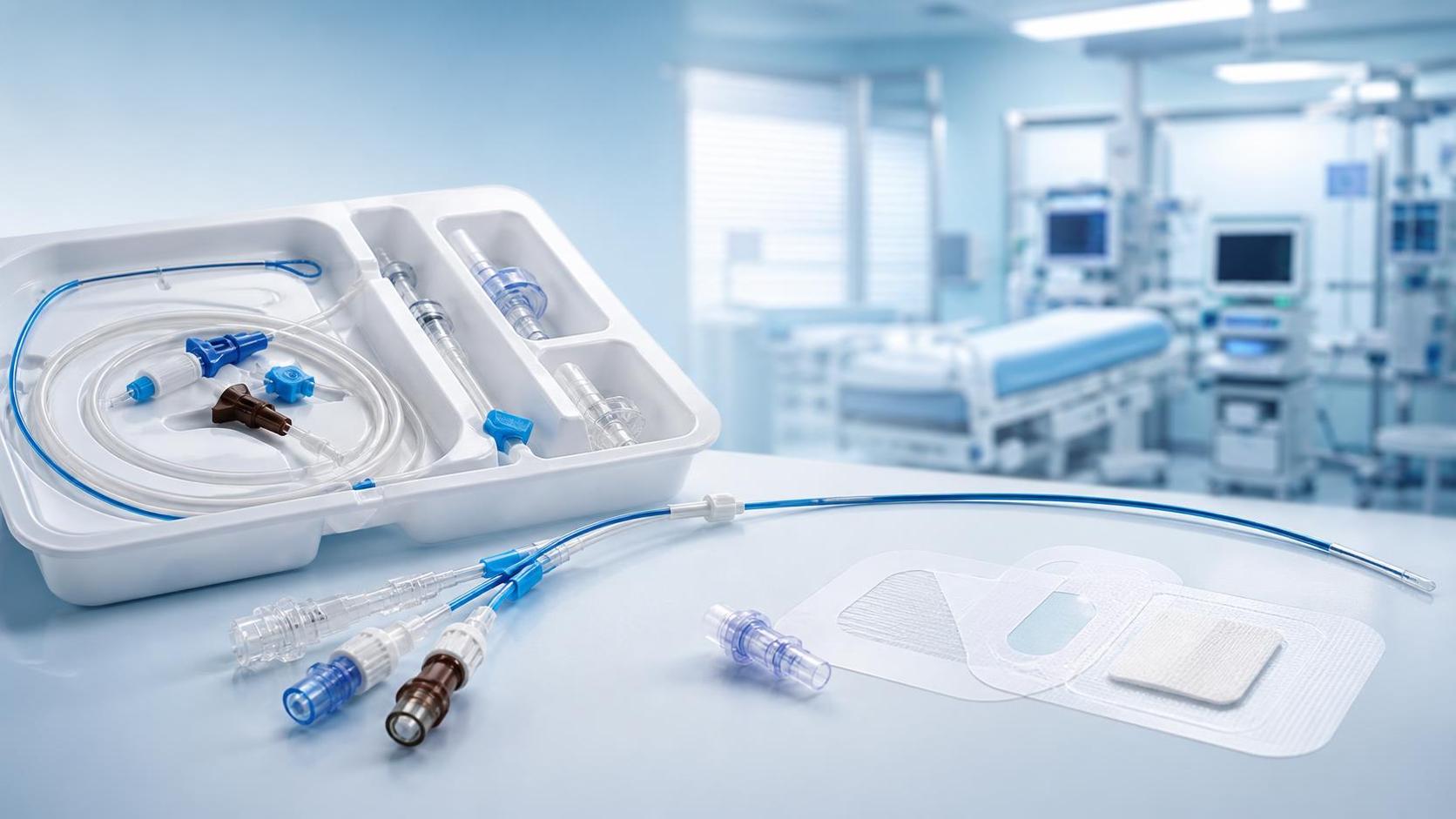
2. Catheters with better navigation and coating durability
In cardiovascular and neurovascular procedures, catheter replacement drives both waste and time loss.
Hydrophilic coatings, kink resistance, and stable pushability improve first-pass success. That often means fewer opened backup devices.
Here, surgical consumables innovation lowers cost by making one device perform reliably across more anatomy variations.
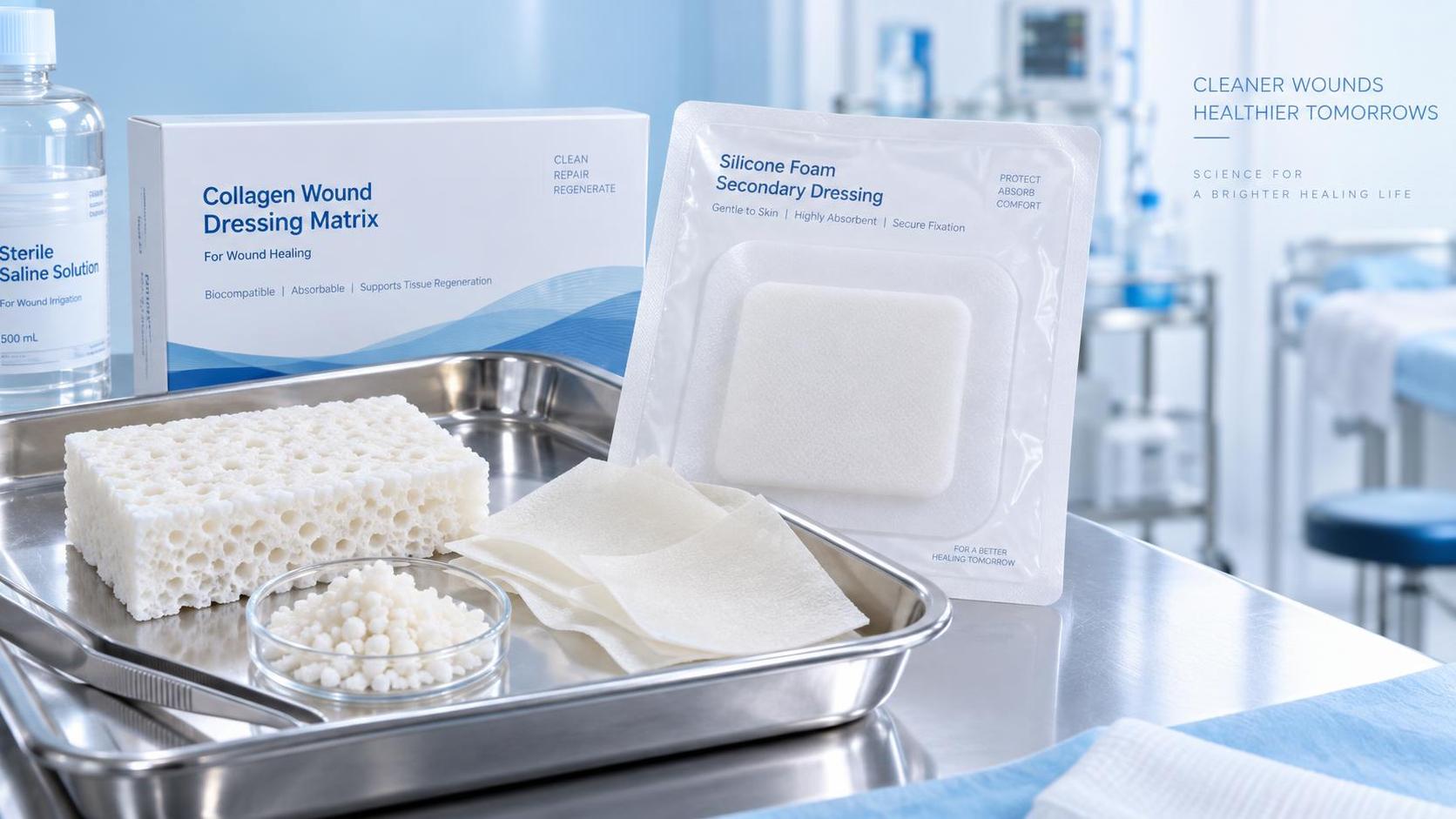
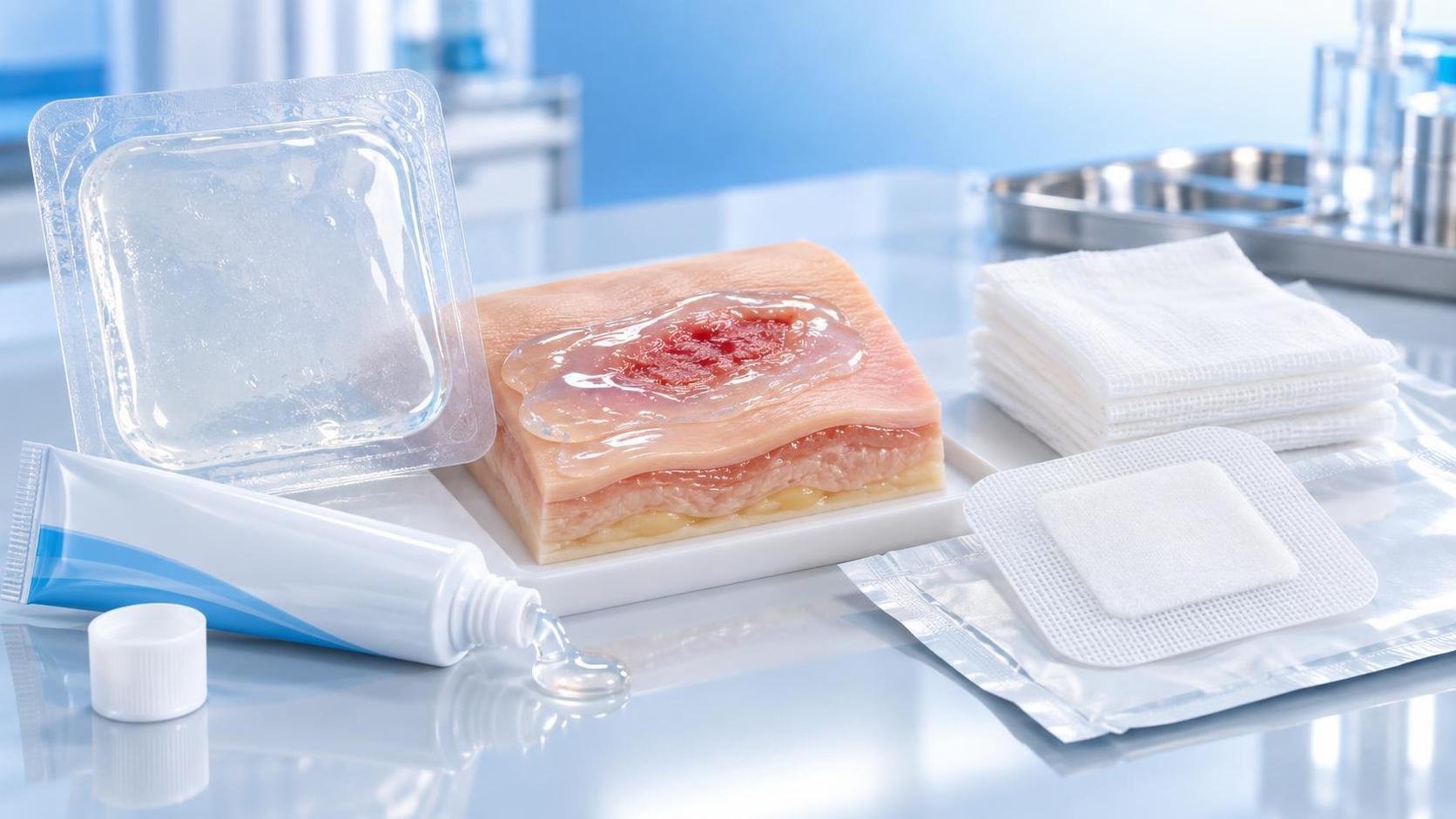
3. Advanced dressings that reduce change frequency
Wound care spend is often underestimated because it sits across departments, not only inside the OR.
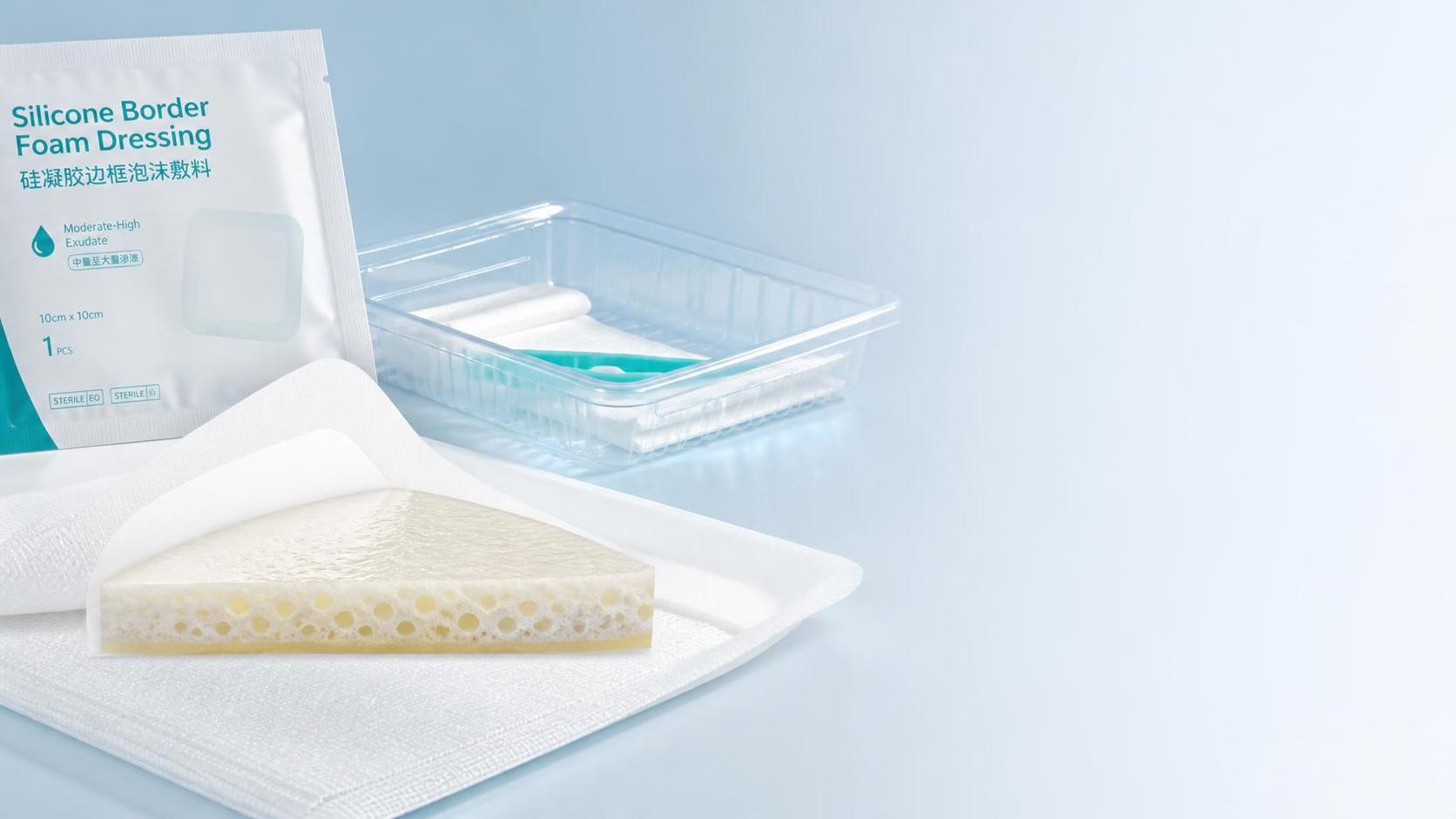
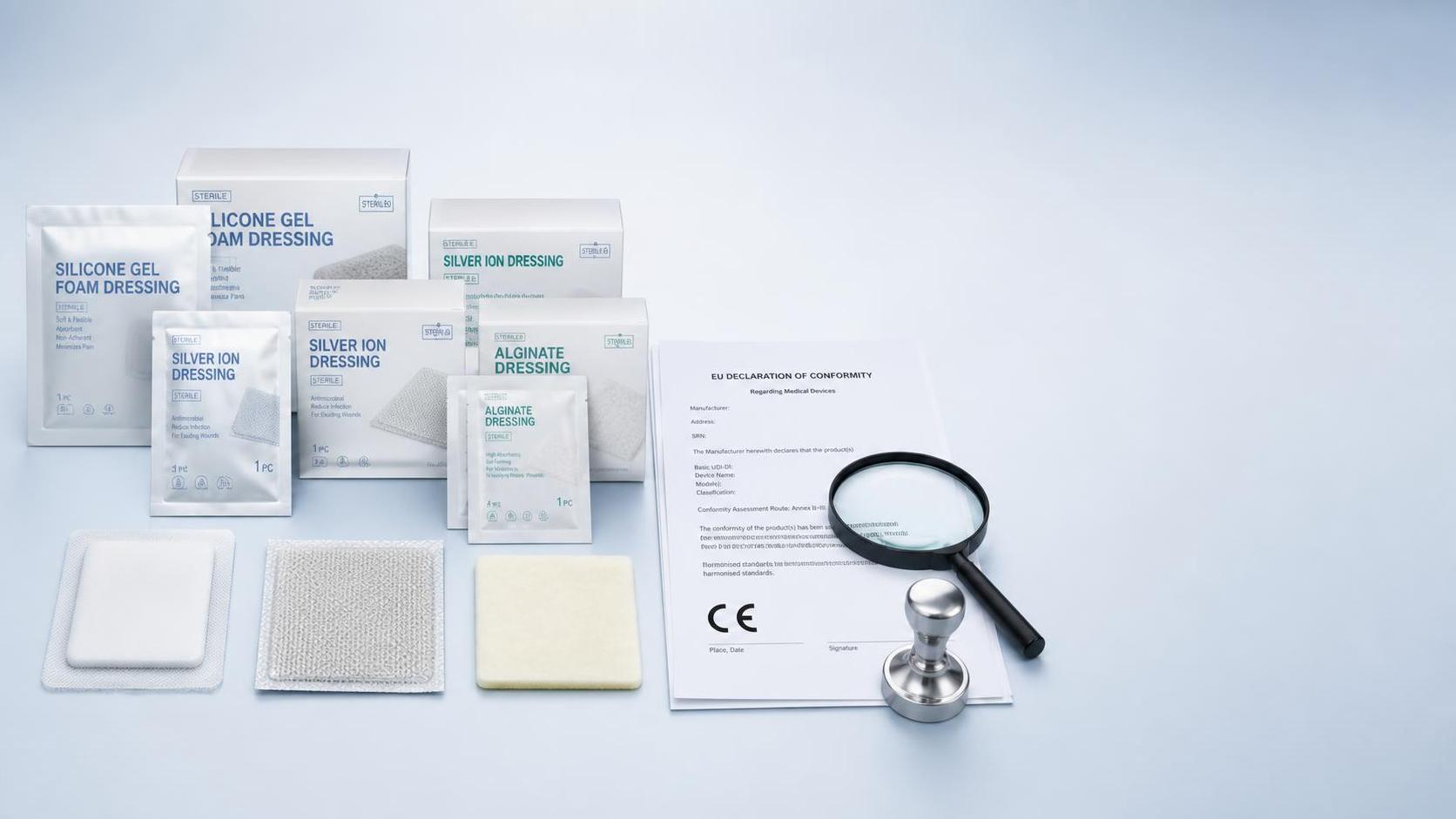
Foam dressings, silver-based layers, alginates, and NPWT-compatible materials can reduce dressing changes and nursing time.
That changes the economics. A higher unit price may still reduce total care cost through lower complication risk and less material use.
4. Packaging designed for sterility and stock efficiency
Sometimes the innovation is not inside the device. It is in the pack configuration, labeling, or storage footprint.
Clearer labeling reduces selection errors. Better pack sizing lowers accidental opening. Longer validated shelf life supports safer inventory planning.
This area of surgical consumables innovation is less visible, yet often easier to implement quickly.
How to Evaluate Cost Beyond Unit Price
A purchasing review should start with total procedure economics. That creates a more realistic comparison across competing products.
Use a practical scorecard built around five questions:
- Does it reduce opened but unused items?
- Does it improve procedural consistency?
- Does it lower exchange or failure rates?
- Does it simplify inventory and forecasting?
- Does it support compliance and traceability?
If a product scores well across these points, the premium may be justified.
This is especially true in categories influenced by Class III requirements, CE MDR evidence, and VBP-style price pressure.
In these settings, surgical consumables innovation must do two jobs at once: protect outcomes and defend margin.
A Practical Comparison Framework
A simple side-by-side table helps turn clinical claims into buying decisions.
This approach keeps innovation grounded in measurable value rather than marketing language.
Where Suppliers Make the Biggest Difference
Product quality matters, but supplier capability matters just as much. The wrong partner can erase the value of a strong device.
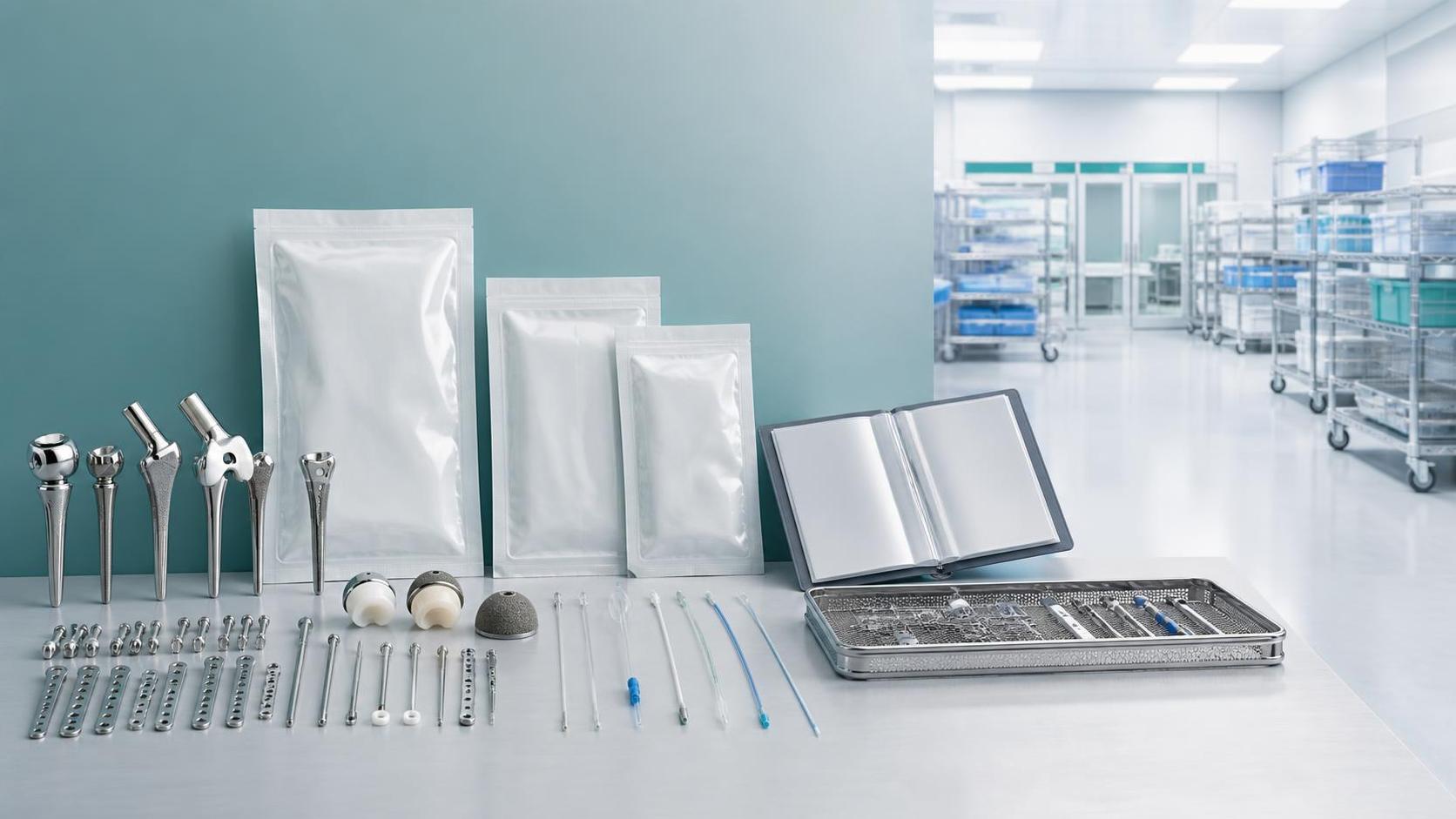
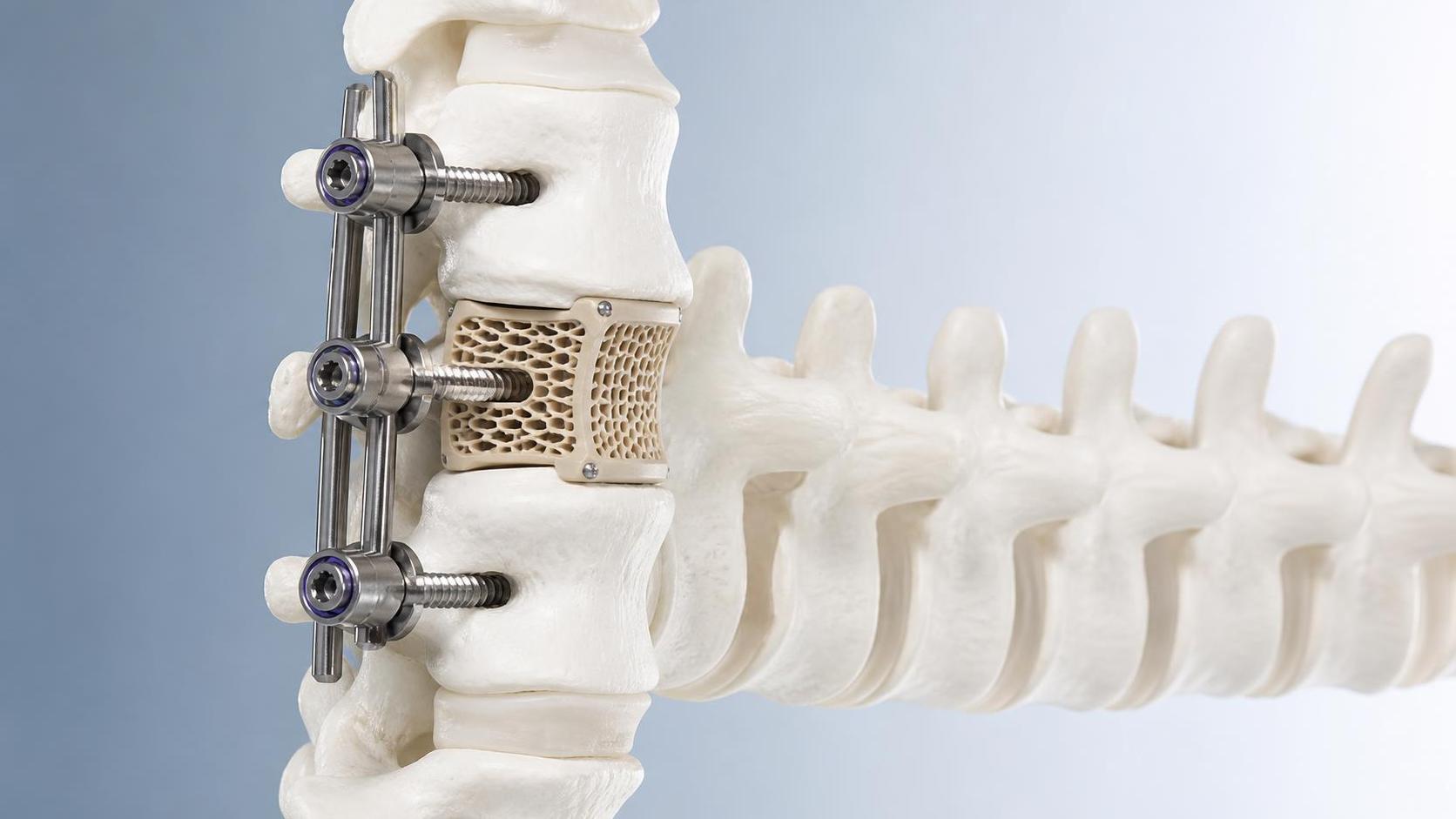
This is more obvious in advanced implants, MIS staplers, and interventional consumables, where tolerances are tight and documentation is extensive.
Strong suppliers usually provide:
- stable manufacturing consistency across lots
- clear biocompatibility and validation evidence
- responsive field support during conversion periods
- data on utilization, waste, and clinical performance
- flexibility under pricing pressure and contract changes
For organizations tracking VBP trends or equivalent cost-control models, this support becomes even more important.
Surgical consumables innovation succeeds faster when supplier intelligence, regulatory readiness, and operational discipline move together.
Common Buying Mistakes That Increase Waste
From recent market shifts, one clear signal stands out: waste often comes from decision gaps, not only product flaws.
Common mistakes include:
- choosing the cheapest SKU without case-level analysis
- adding new products without removing old overlaps
- ignoring packaging-related waste data
- underestimating training needs during product conversion
- treating all specialties as if they use consumables the same way
Avoiding these issues often delivers faster savings than broad contract renegotiation.
That is also where surgical consumables innovation becomes practical. It is not about buying the newest item. It is about buying smarter platforms.
What a Better Decision Process Looks Like
A strong process starts with baseline data. Track waste by procedure, not only by department.
Then review high-spend categories where surgical consumables innovation can change utilization patterns quickly.
- map the top five products with the highest discard rate
- compare cost per case before and after conversion trials
- ask surgeons where device variation causes inefficiency
- review shelf-life loss and storeroom duplication
- test supplier reporting quality before scaling contracts
This creates a cleaner path to standardization without forcing unrealistic one-size-fits-all choices.
In the current market, the best results come from balancing technical value, clinical confidence, and operational simplicity.
That balance is the real promise of surgical consumables innovation. It lowers waste, protects outcomes, and makes cost control more durable over time.
The next step is straightforward: review waste-heavy categories first, validate total cost per case, and prioritize suppliers whose innovation holds up in both the OR and the contract review.
Get weekly intelligence in your inbox.
No noise. No sponsored content. Pure intelligence.
News Recommendations
 Sep 13, 2026What a medical device market insights platform reveals about market accessWhat a medical device market insights platform reveals about market access
 Sep 12, 2026When are collagen-based tissue healing materials suitable for wound care?When are collagen-based tissue healing materials suitable for wound care?
 Sep 11, 2026How catheter material selection affects total cost of ownershipHow catheter material selection affects total cost of ownership
 Sep 10, 2026What FDA clearance means for medical grade PEEK implantsWhat FDA clearance means for medical grade PEEK implants
 Sep 09, 2026When do hydrogel wound healing technologies suit dry wounds?When do hydrogel wound healing technologies suit dry wounds?
 Sep 07, 2026How to assess medical consumables for surgical useHow to assess medical consumables for surgical use
 Sep 07, 2026How to verify CE MDR compliance for single-use medical consumablesHow to verify CE MDR compliance for single-use medical consumables
 Sep 05, 2026How to evaluate an antithrombotic catheter factory for qualityHow to evaluate an antithrombotic catheter factory for quality
 Sep 04, 2026When do minimally invasive surgical staplers improve GI access?When do minimally invasive surgical staplers improve GI access?
 Sep 03, 2026When are foam moist wound healing dressings appropriate for exuding wounds?When are foam moist wound healing dressings appropriate for exuding wounds?
 Sep 02, 2026How implant pricing affects access to advanced medical careHow implant pricing affects access to advanced medical care
 Sep 01, 2026What is driving price pressure in the North American medical consumables market?What is driving price pressure in the North American medical consumables market?
 Aug 31, 2026Comparing medical devices in Southeast Asia when market access differsComparing medical devices in Southeast Asia when market access differs
 Aug 30, 2026When are 3D printed PEEK implants suitable for spinal reconstruction?When are 3D printed PEEK implants suitable for spinal reconstruction?
 Aug 29, 2026How global medical device regulations shape clinical evidence requirementsHow global medical device regulations shape clinical evidence requirements
 Aug 28, 2026How to verify a burn care dressings exporter meets EU MDR requirementsHow to verify a burn care dressings exporter meets EU MDR requirements
 Aug 27, 2026How to verify a diabetic foot wound care supplier’s clinical evidenceHow to verify a diabetic foot wound care supplier’s clinical evidence
 Aug 26, 2026What drives spinal implants price differences across implant typesWhat drives spinal implants price differences across implant types
 Aug 25, 2026What matters most in a medical consumables platform comparisonWhat matters most in a medical consumables platform comparison
 Aug 24, 2026What a medical device intelligence guide should cover before market accessWhat a medical device intelligence guide should cover before market access
 Aug 23, 2026What drives catheter coating technology cost in early device designWhat drives catheter coating technology cost in early device design
 Aug 22, 2026How custom 3D printed medical implants meet biocompatibility requirementsHow custom 3D printed medical implants meet biocompatibility requirements
 Aug 21, 2026What makes an implant commercialization strategy in Europe fail at market accessWhat makes an implant commercialization strategy in Europe fail at market access
 Aug 20, 2026What drives catheter coating technology cost in product developmentWhat drives catheter coating technology cost in product development
 Aug 19, 2026What drives medical device compliance cost during market entryWhat drives medical device compliance cost during market entry
 Aug 18, 2026When does an antimicrobial central venous catheter lower infection risk?When does an antimicrobial central venous catheter lower infection risk?
 Aug 17, 2026What ISO 13485 means for medical precision machining suppliersWhat ISO 13485 means for medical precision machining suppliers