Surgical Consumables Innovation: 5 Shifts Reshaping Cost and Safety
Why surgical consumables innovation has moved into strategic planning

Surgical consumables innovation now sits closer to capital allocation than lab experimentation.
The reason is simple.
Cost pressure, patient safety expectations, and regulatory scrutiny are rising at the same time.
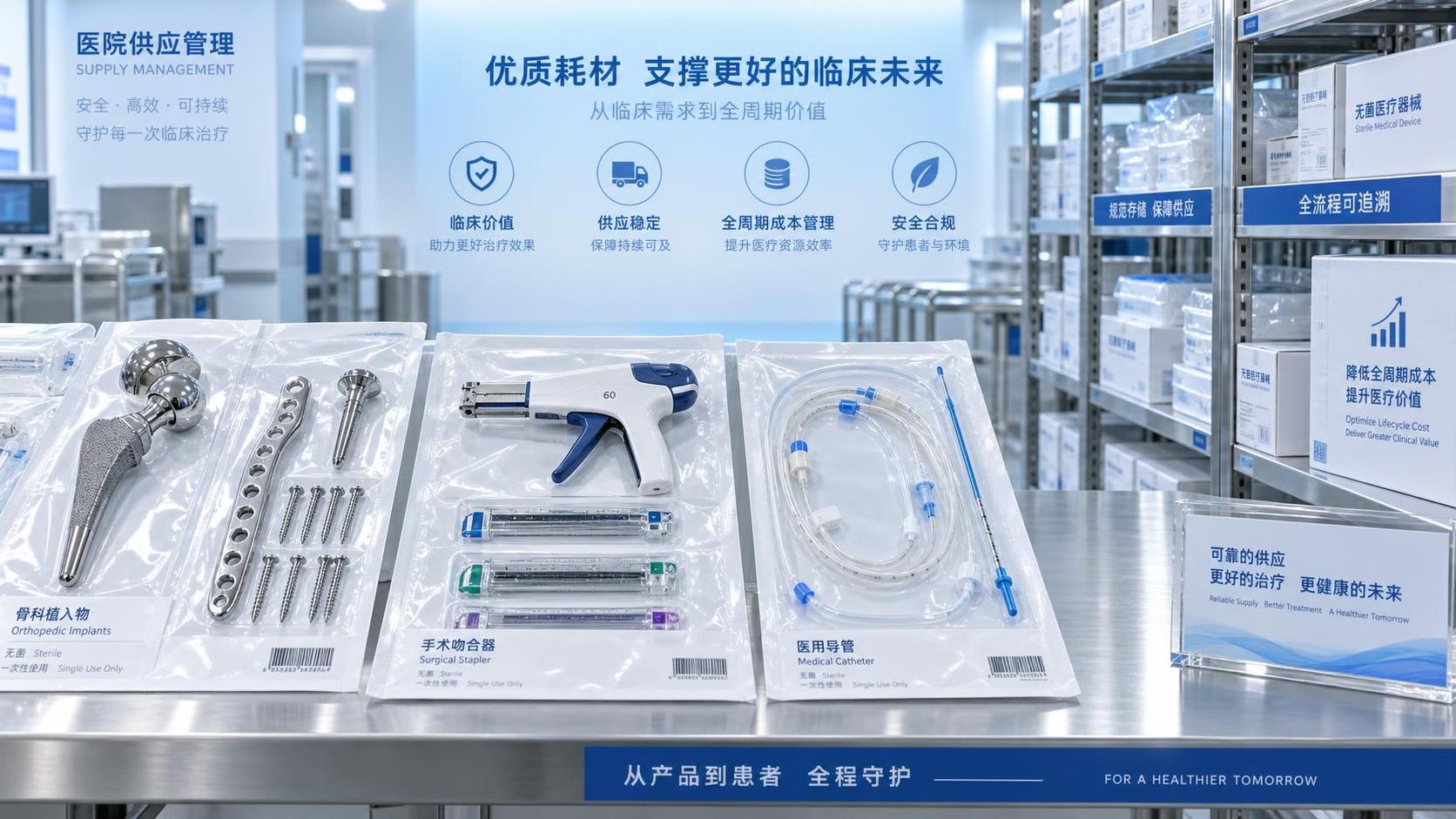
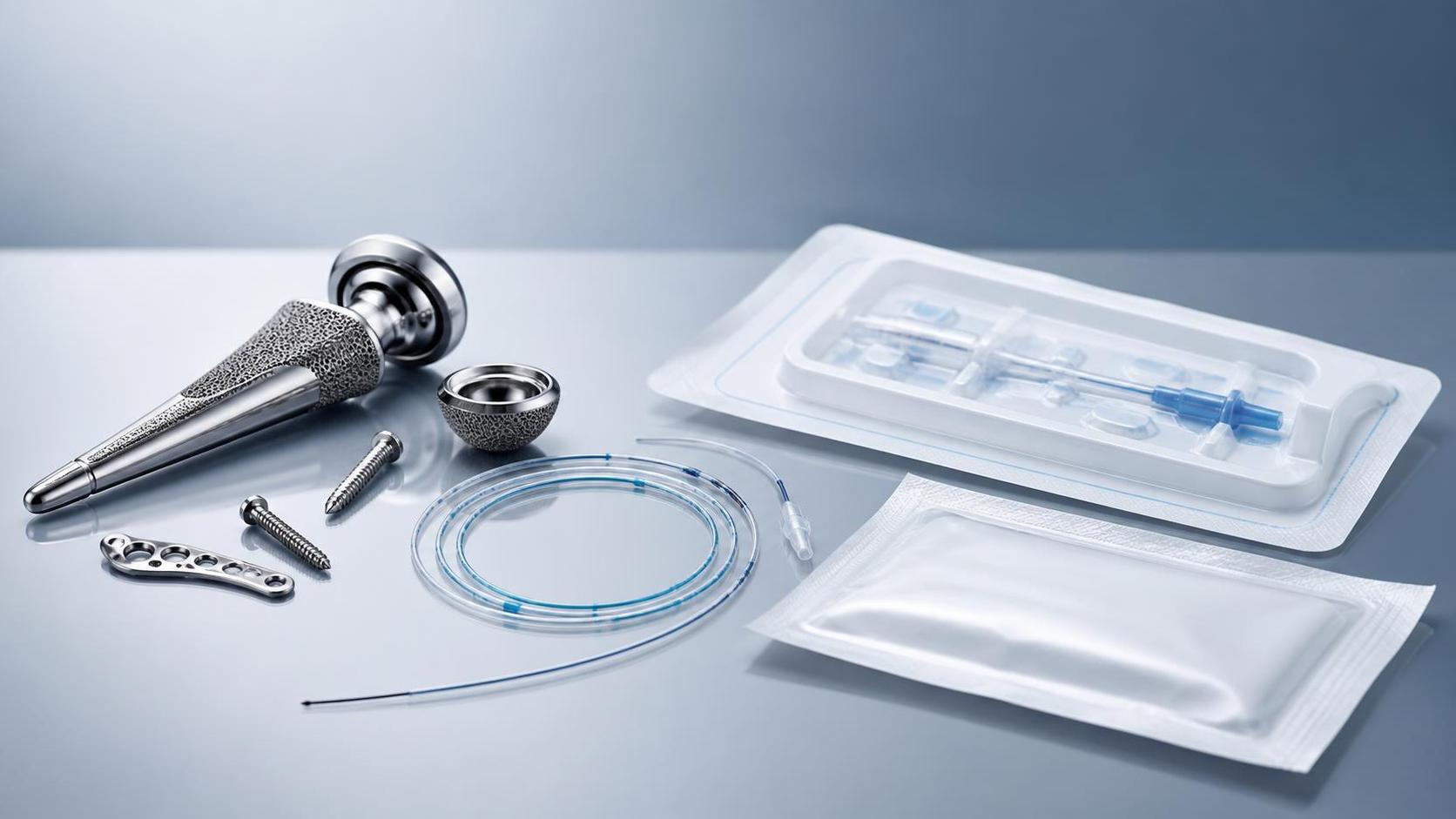
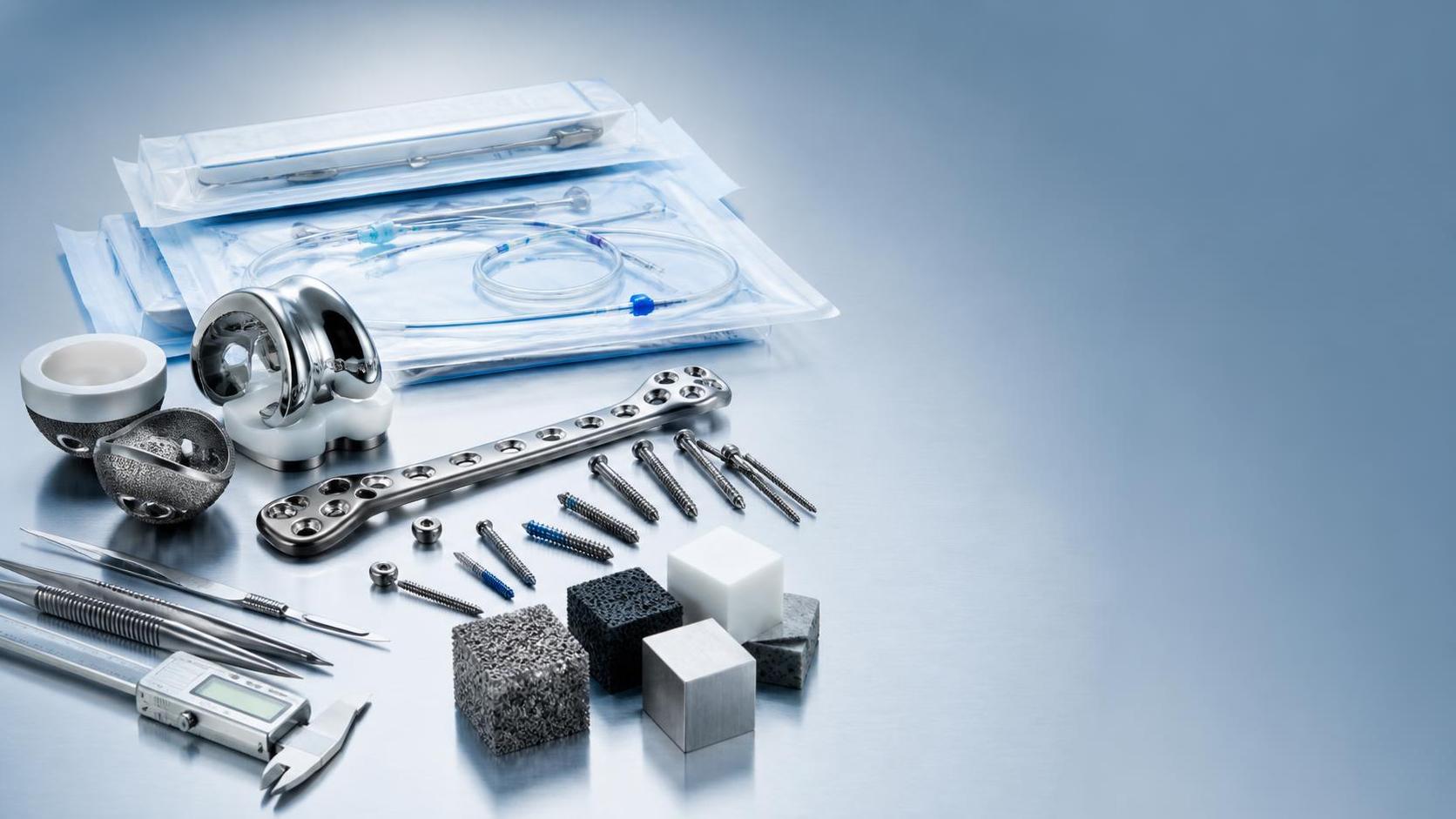
That combination is reshaping how surgical staplers, polymer catheters, advanced dressings, and implant-adjacent consumables are designed and sold.
From recent market signals, the strongest change is not just more innovation.
It is more selective innovation.
New materials and precision manufacturing must now prove clinical value, reimbursement logic, and supply resilience together.
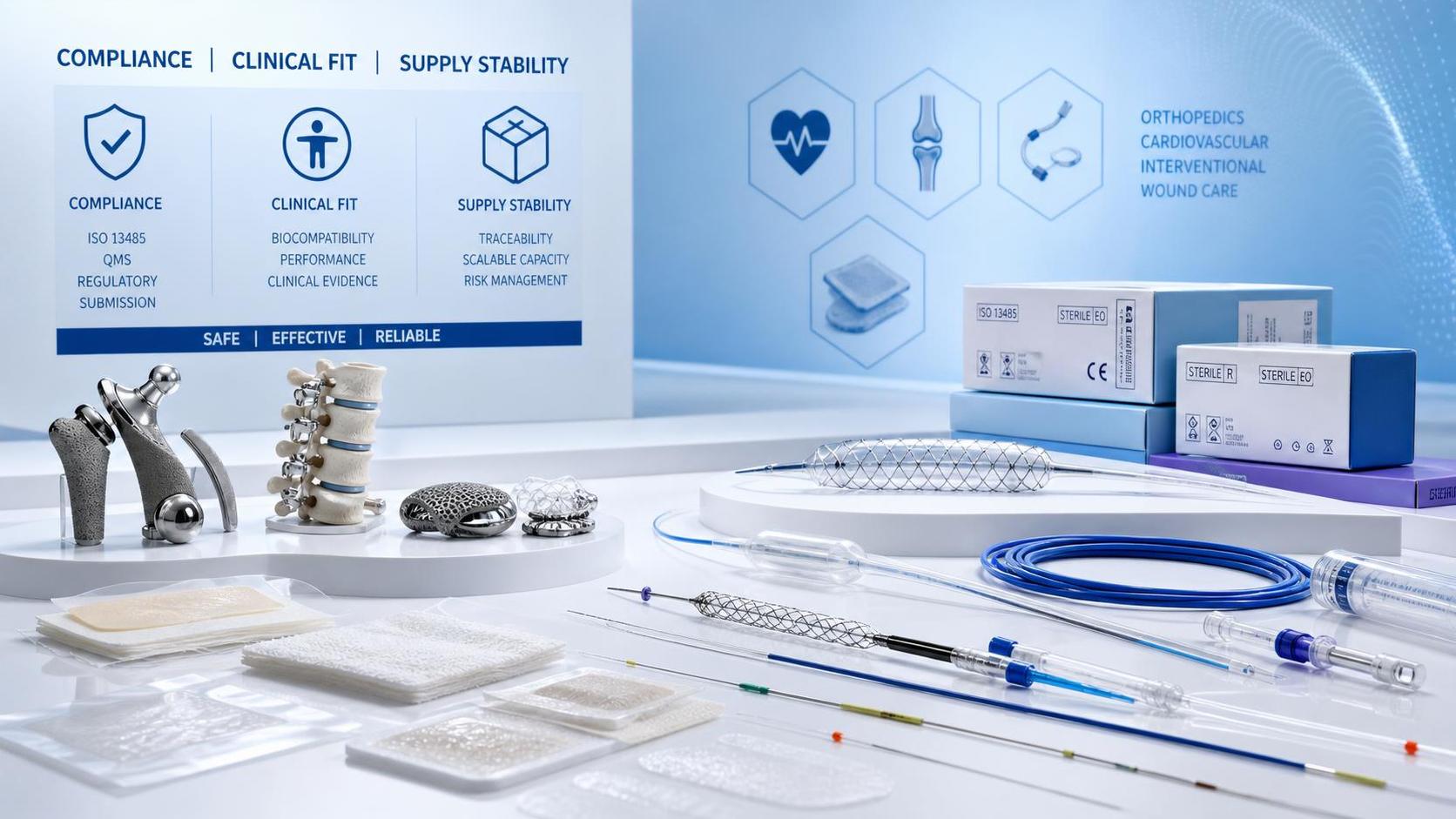
That is especially visible across the IMCS focus areas.
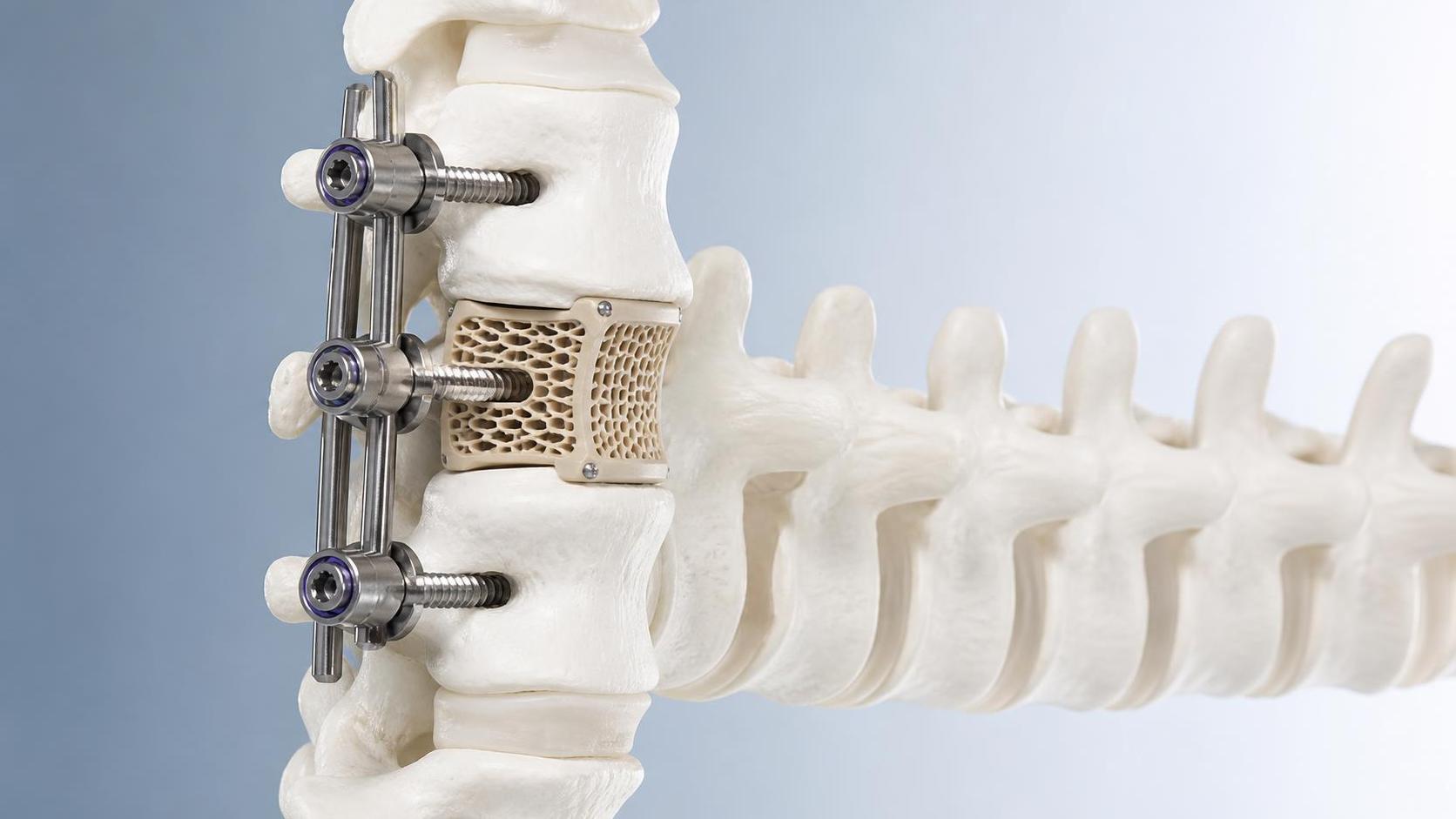
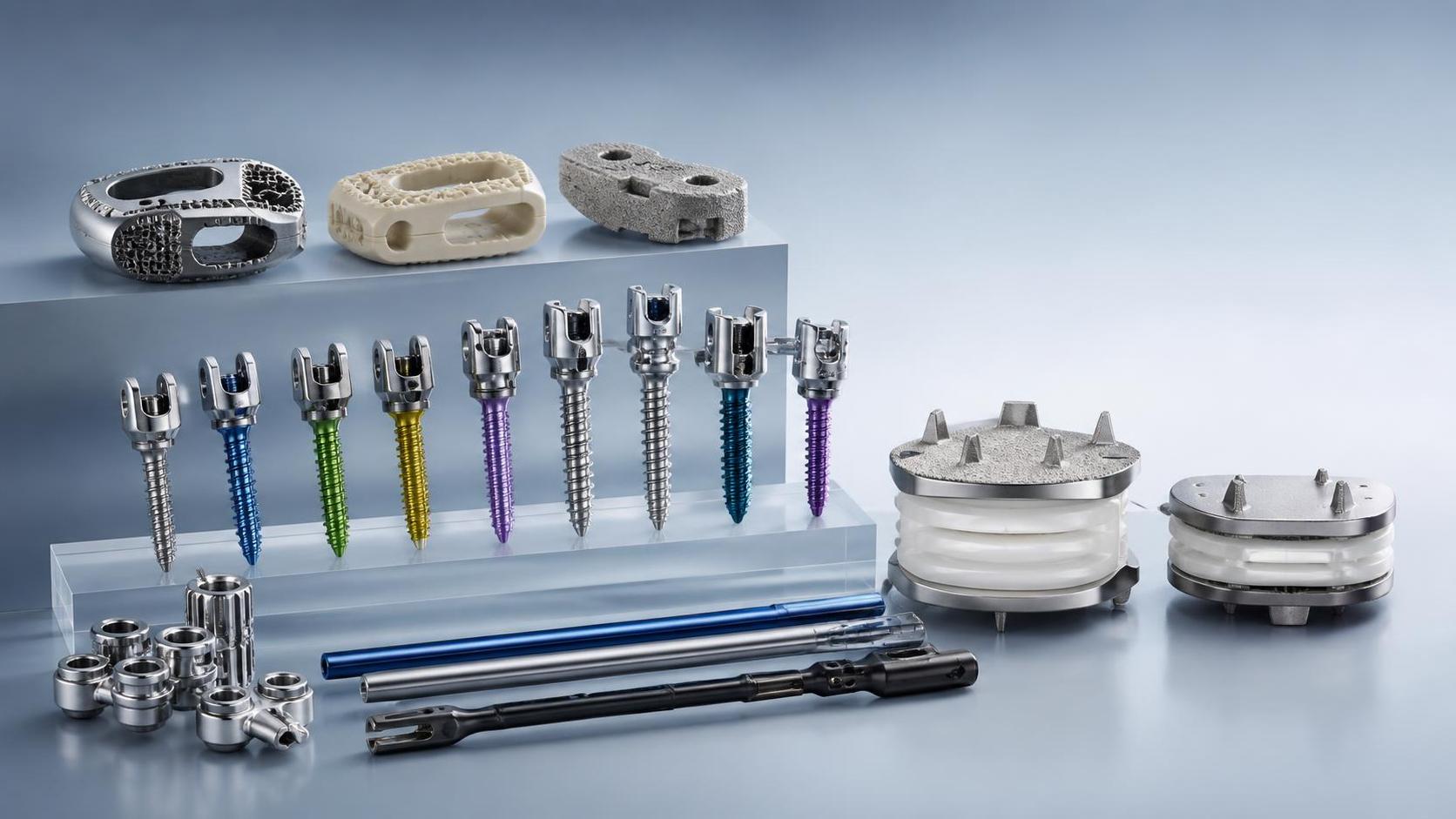
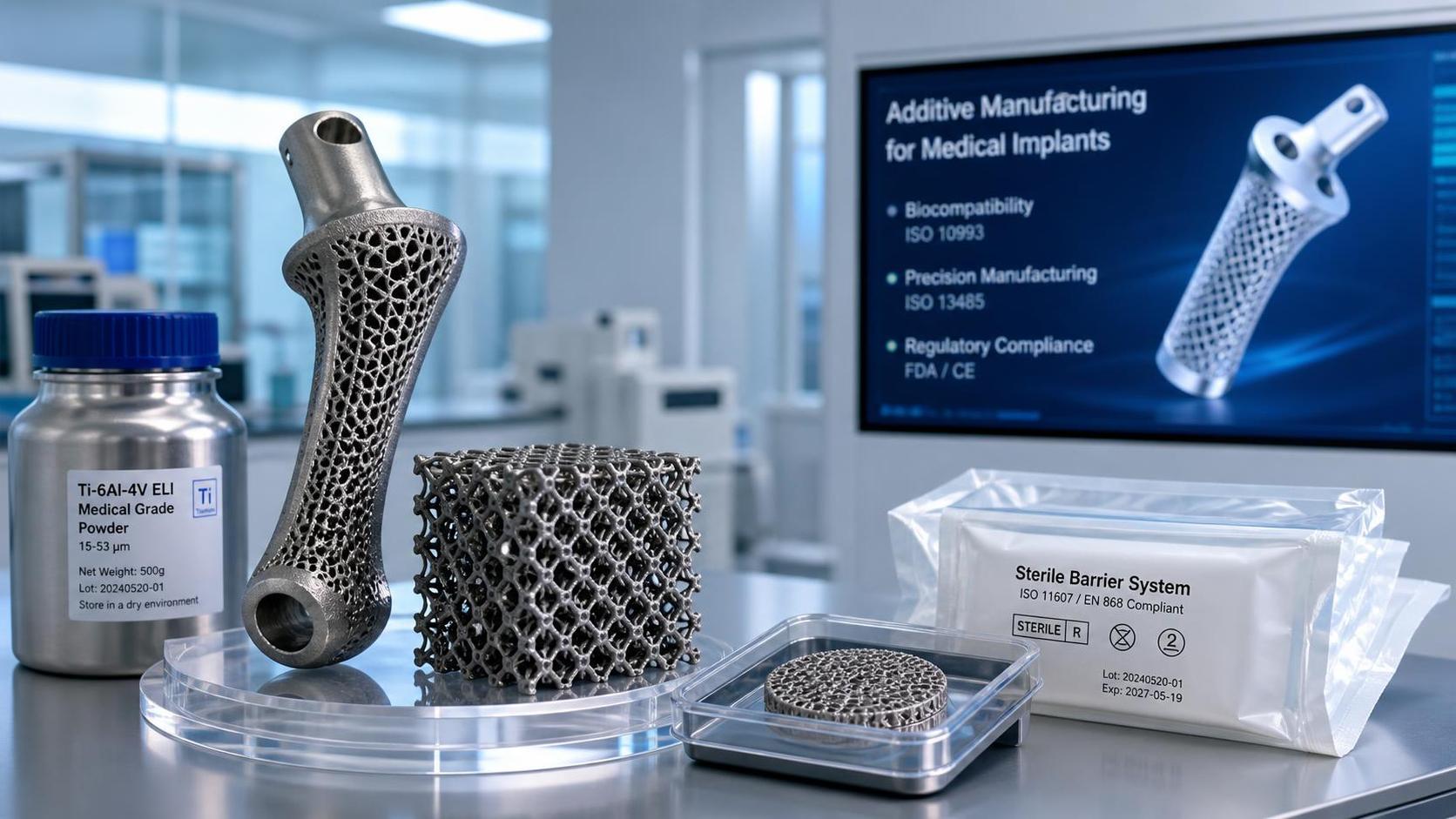
Orthopedic implants need better osseointegration without uncontrolled cost escalation.
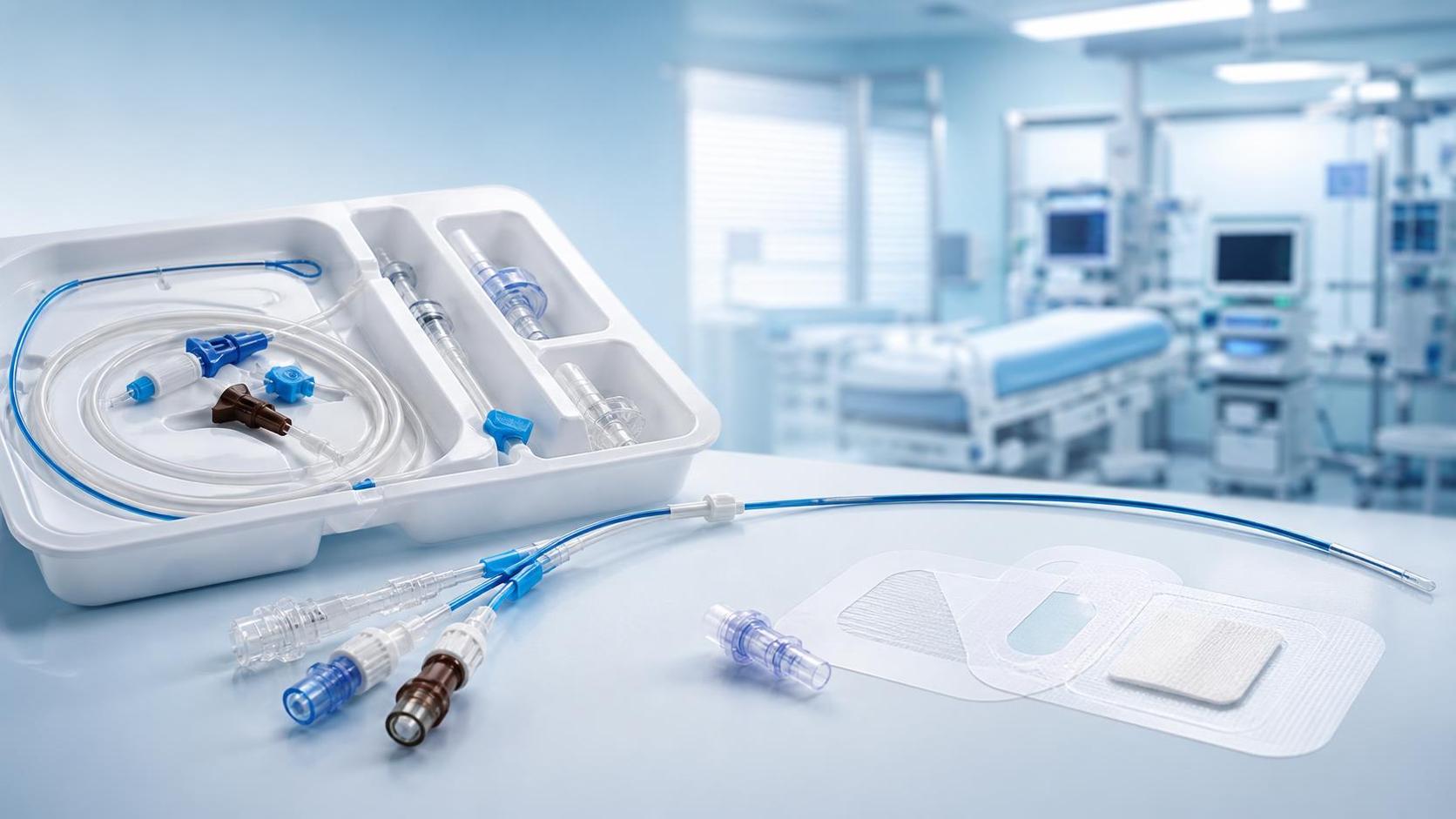
Cardiovascular consumables need thinner profiles with tighter safety evidence.
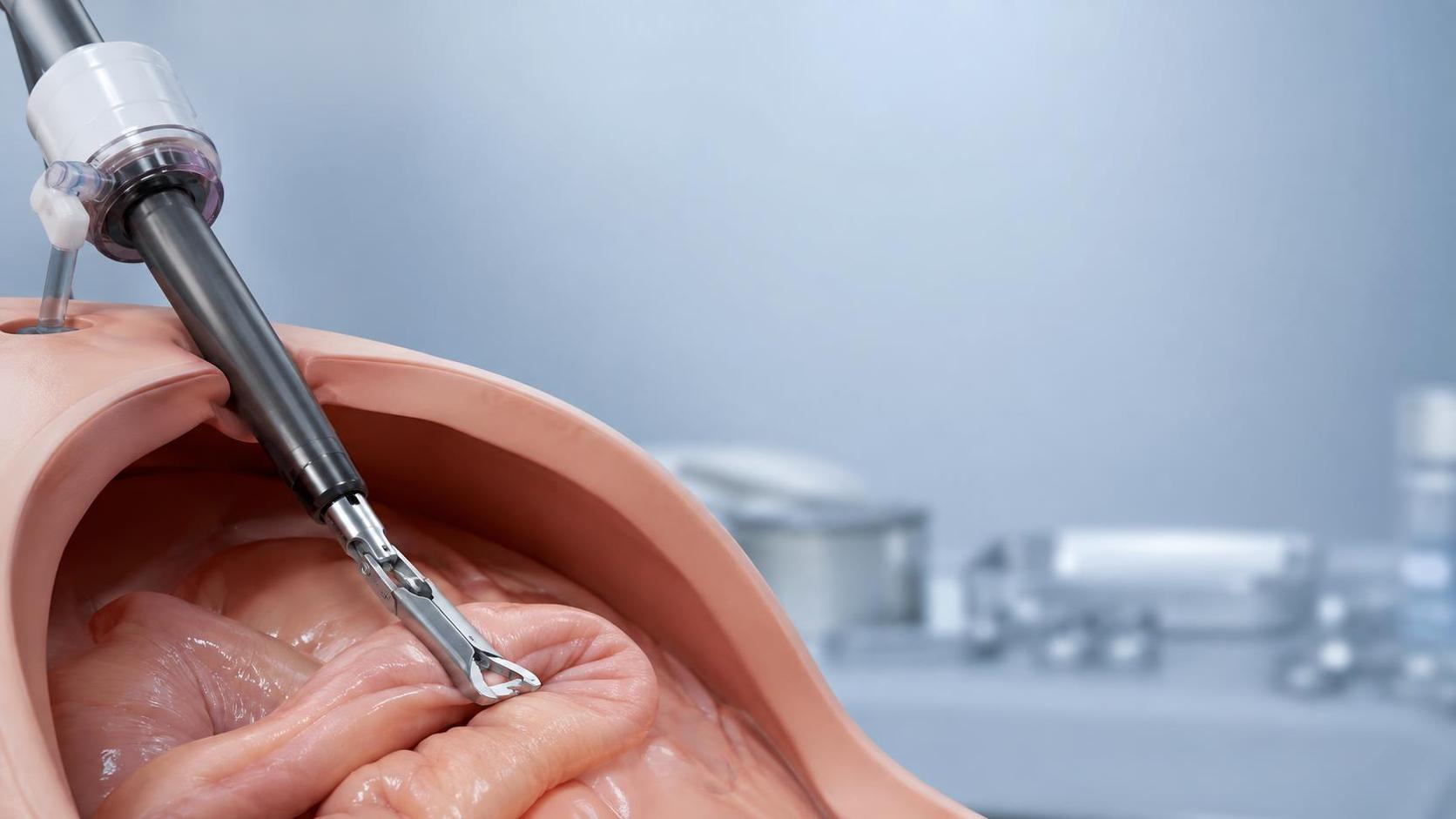
Minimally invasive surgical consumables must balance speed, consistency, and lower complication risk.
In this setting, surgical consumables innovation becomes a business filter for what deserves scale.
Five shifts are becoming too visible to ignore
The market is not moving in one direction only.
Several changes are reinforcing each other, and together they explain why surgical consumables innovation looks different today.
- Materials are shifting from passive compatibility to functional biocompatibility, including antimicrobial, anti-thrombotic, and tissue-guiding performance.
- Manufacturing is moving toward micron-level consistency, because small dimensional variation now creates outsized clinical and legal risk.
- Regulation increasingly rewards evidence generation early, not compliance repair after launch.
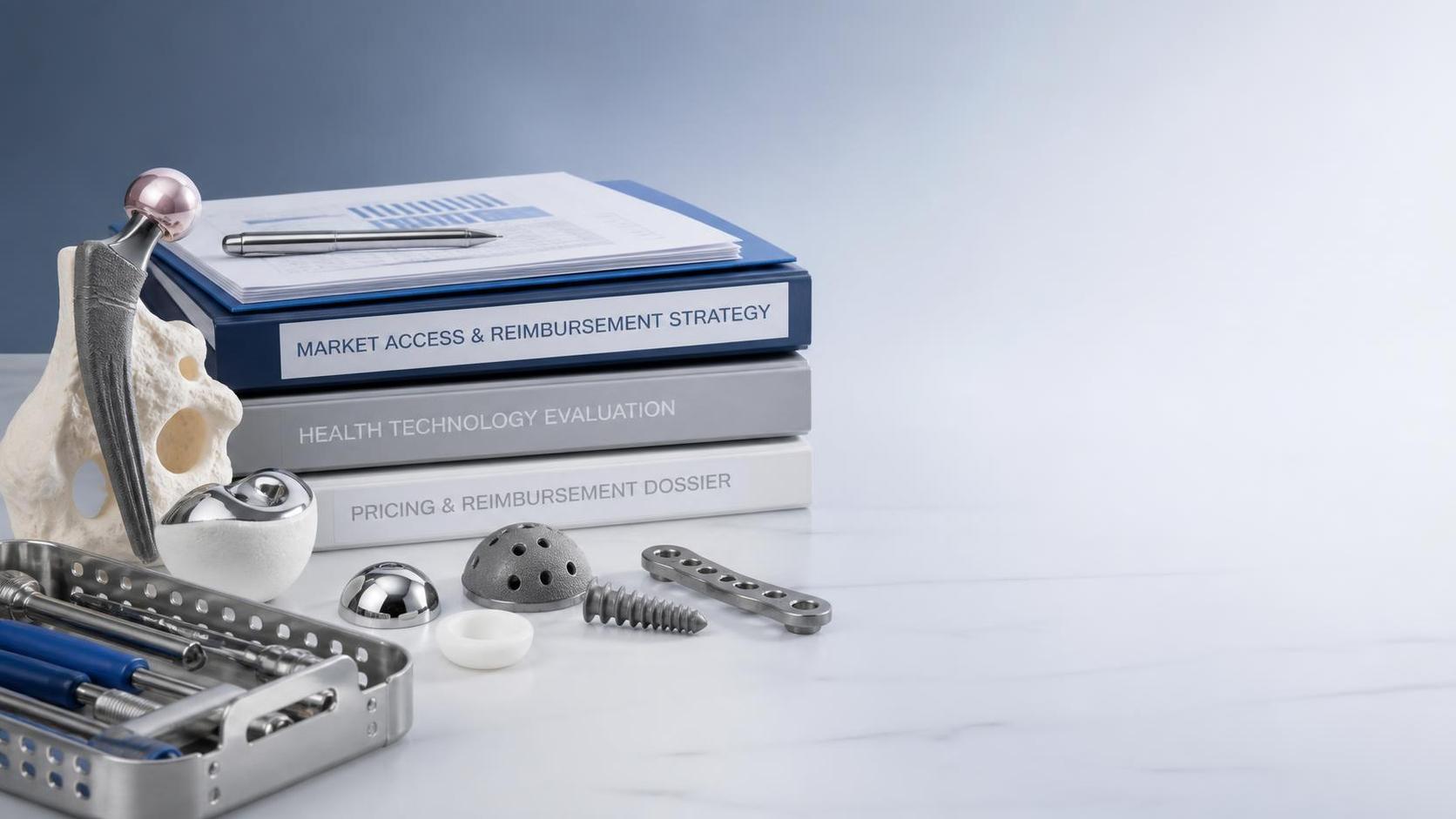
- Value-based procurement is forcing premium products to explain every cost layer in practical terms.
- Procurement decisions now consider supply continuity almost as seriously as unit pricing.
This is why market winners are not always those with the broadest catalog.
They are often the ones aligning engineering, toxicology validation, clinical logic, and pricing strategy from the start.
That integrated view is increasingly central to the IMCS intelligence model.
The pressure points behind the shift
What the five shifts look like in practice
The first shift is toward smarter materials with measurable function.
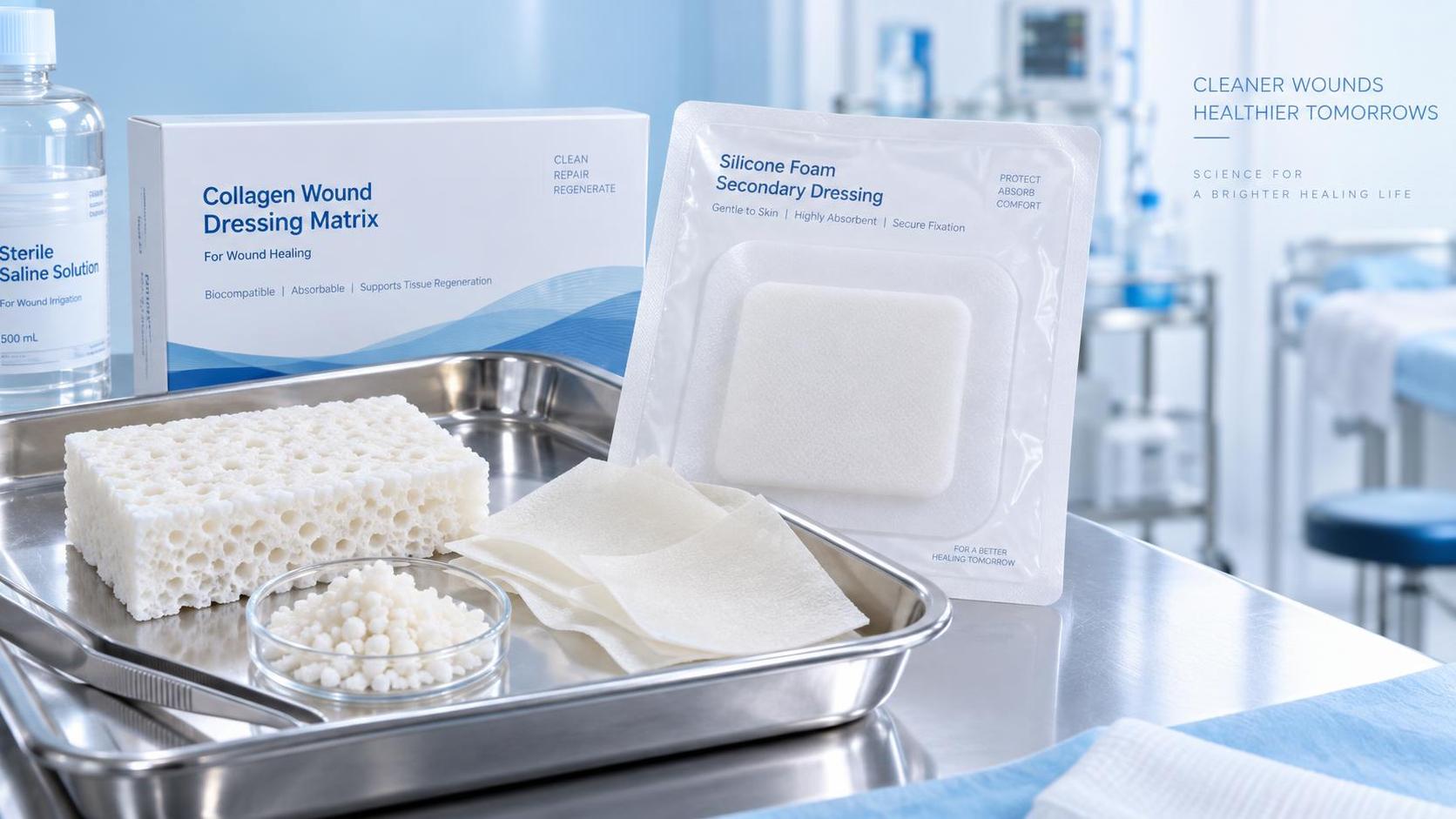
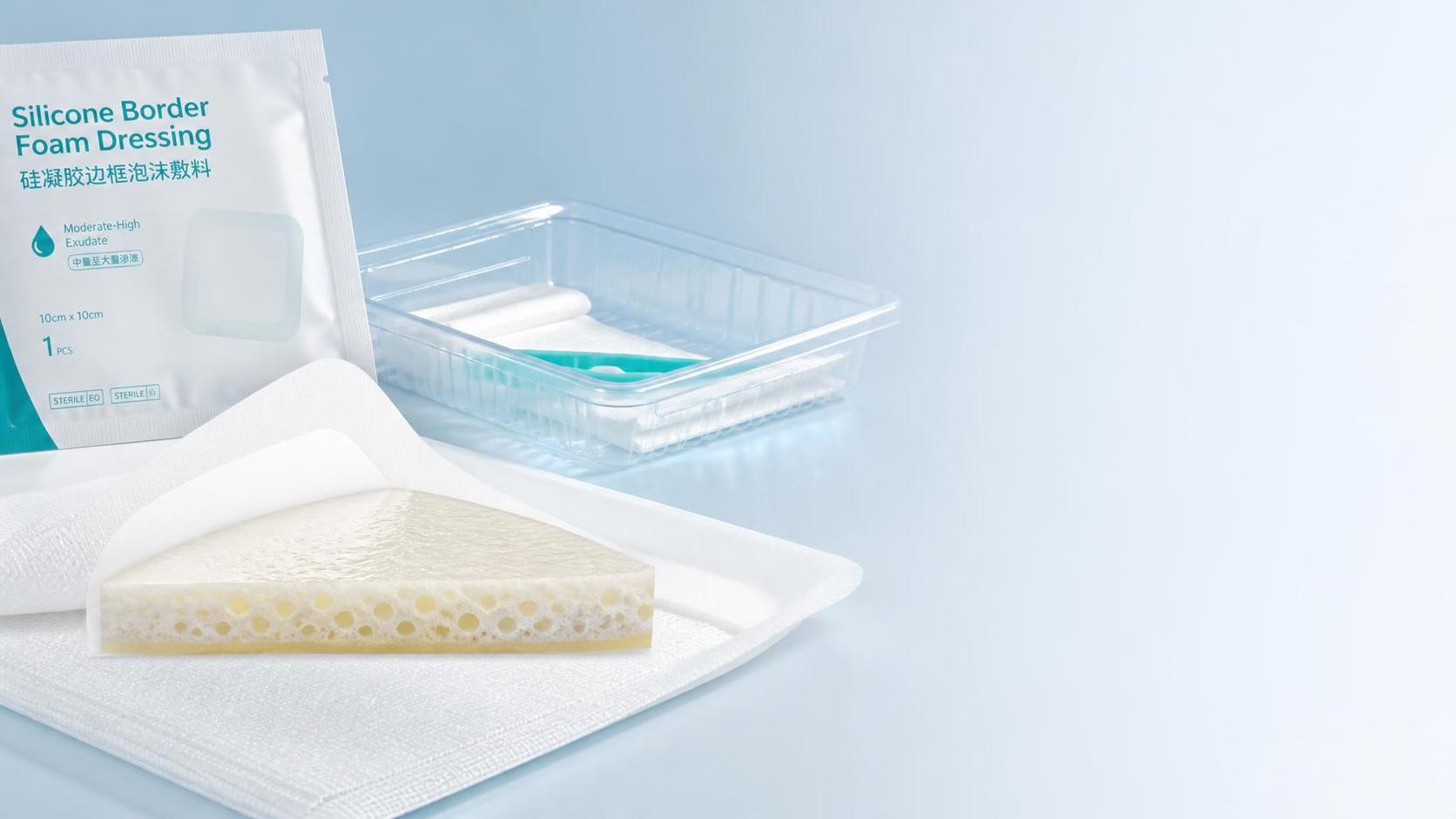
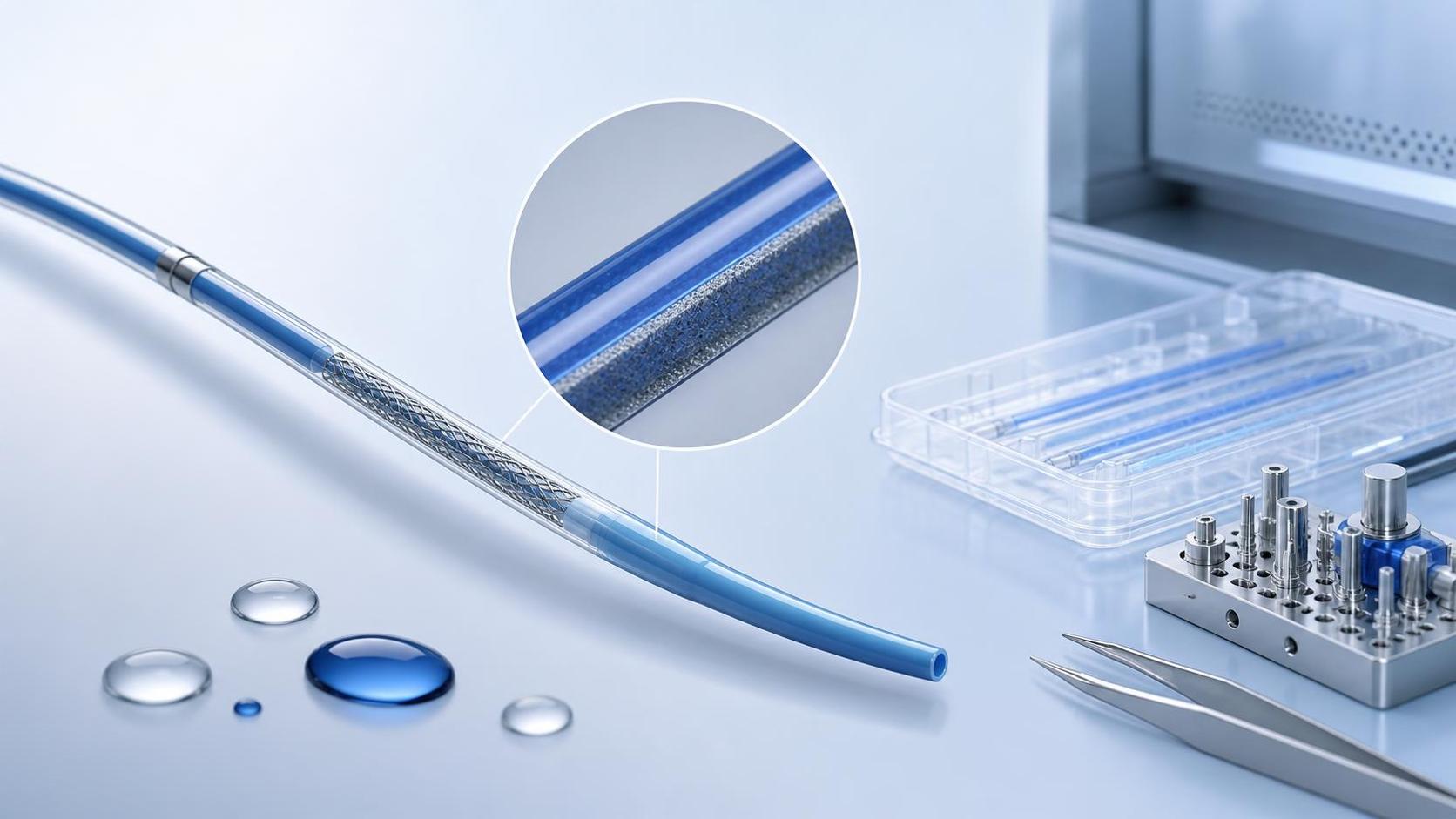
PEEK, porous structures, hydrophilic coatings, silicone foams, and advanced polymers are no longer premium by default.
They must demonstrate a specific outcome advantage.
The second shift is precision becoming commercial, not merely technical.
In staplers, valves, catheters, and tissue-contact components, micron-level tolerances directly influence leakage, placement accuracy, and failure rates.
The third shift is evidence moving upstream.
Toxicology, sensitization, usability, and real-world safety data are now shaping product architecture earlier.
The fourth shift is procurement changing the innovation threshold.
Under VBP logic, many products cannot rely on feature lists alone.
They need a defendable cost-per-outcome story.
The fifth shift is portfolio design becoming more scenario-specific.
Surgical consumables innovation increasingly targets procedure complexity, healing profile, and hospital pathway rather than broad category claims.
Why this matters across adjacent categories
These shifts do not stop at one product segment.
A titanium staple, a DES platform, and a silver-ion dressing face different clinical settings.
Yet they increasingly share the same market logic.
Can the material interface reduce biological risk?
Can the process hold repeatability at scale?
Can the evidence package withstand stricter review?
Can the price survive centralized negotiation?
The impact is spreading far beyond R&D
One common mistake is to view surgical consumables innovation as a technical department issue.
In reality, the consequences appear across the full operating chain.
- Design teams face tighter trade-offs between miniaturization, durability, and sterilization compatibility.
- Quality teams must convert process capability into audit-ready evidence, not internal confidence alone.
- Commercial planning needs segment-specific value messaging tied to complications, revisions, and pathway efficiency.
- Supply planning must prepare for margin compression without weakening critical component security.
More importantly, the impact now differs by application setting.
Orthopedic systems are judged over long-term integration and revision burden.
Cardiovascular consumables live under acute procedural risk and post-market scrutiny.
Minimally invasive surgical consumables are often measured by procedural consistency and postoperative recovery speed.
Advanced dressings increasingly compete on healing pathway efficiency, not dressing substitution alone.
This is why a single innovation narrative rarely works across the portfolio.
What deserves closer attention over the next planning cycle
The next stage of surgical consumables innovation will likely reward disciplined focus.
Three areas stand out.
Evidence quality will become a pricing tool
Robust safety and clinical evidence increasingly supports margin defense.
That includes toxicology validation, CER logic, usability records, and real-world follow-up.
Manufacturing detail will define competitive distance
Small gains in coating adhesion, staple formation consistency, catheter shaft response, or foam absorption profile can create large market separation.
Portfolio choices will matter more than broad expansion
Not every premium idea should scale globally.
Some innovations fit markets with strong reimbursement logic.
Others fit environments where VBP requires sharper cost engineering.
This is where intelligence-led judgment becomes more useful than headline enthusiasm.
IMCS has relevance here because its lens combines biocompatibility, precision machining, Class III regulation, and procurement dynamics rather than isolating them.
A practical response starts with sharper questions
The market does not need more generic innovation claims.
It needs clearer decision frameworks.
- Map where surgical consumables innovation changes clinical outcomes, not just product appearance.
- Check whether current materials still meet future regulatory and toxicology expectations.
- Review which components are exposed to pricing cliffs under VBP or similar cost-control models.
- Test whether manufacturing precision is stable enough for global scale and audit pressure.
- Separate high-value niches from features that are unlikely to retain premium positioning.
Surgical consumables innovation is still a growth story.
But it is now a disciplined growth story.
The next advantage will come from linking safety science, engineering precision, and market access earlier than before.
A sensible next step is to track material, evidence, and pricing signals together.
That often reveals which innovations are genuinely durable, and which are only briefly novel.
Get weekly intelligence in your inbox.
No noise. No sponsored content. Pure intelligence.
News Recommendations
 Sep 14, 2026High value consumables insights for evaluating total cost of careHigh value consumables insights for evaluating total cost of care
 Sep 13, 2026What a medical device market insights platform reveals about market accessWhat a medical device market insights platform reveals about market access
 Sep 12, 2026When are collagen-based tissue healing materials suitable for wound care?When are collagen-based tissue healing materials suitable for wound care?
 Sep 11, 2026How catheter material selection affects total cost of ownershipHow catheter material selection affects total cost of ownership
 Sep 10, 2026What FDA clearance means for medical grade PEEK implantsWhat FDA clearance means for medical grade PEEK implants
 Sep 09, 2026When do hydrogel wound healing technologies suit dry wounds?When do hydrogel wound healing technologies suit dry wounds?
 Sep 07, 2026How to assess medical consumables for surgical useHow to assess medical consumables for surgical use
 Sep 07, 2026How to verify CE MDR compliance for single-use medical consumablesHow to verify CE MDR compliance for single-use medical consumables
 Sep 05, 2026How to evaluate an antithrombotic catheter factory for qualityHow to evaluate an antithrombotic catheter factory for quality
 Sep 04, 2026When do minimally invasive surgical staplers improve GI access?When do minimally invasive surgical staplers improve GI access?
 Sep 03, 2026When are foam moist wound healing dressings appropriate for exuding wounds?When are foam moist wound healing dressings appropriate for exuding wounds?
 Sep 02, 2026How implant pricing affects access to advanced medical careHow implant pricing affects access to advanced medical care
 Sep 01, 2026What is driving price pressure in the North American medical consumables market?What is driving price pressure in the North American medical consumables market?
 Aug 31, 2026Comparing medical devices in Southeast Asia when market access differsComparing medical devices in Southeast Asia when market access differs
 Aug 30, 2026When are 3D printed PEEK implants suitable for spinal reconstruction?When are 3D printed PEEK implants suitable for spinal reconstruction?
 Aug 29, 2026How global medical device regulations shape clinical evidence requirementsHow global medical device regulations shape clinical evidence requirements
 Aug 28, 2026How to verify a burn care dressings exporter meets EU MDR requirementsHow to verify a burn care dressings exporter meets EU MDR requirements
 Aug 27, 2026How to verify a diabetic foot wound care supplier’s clinical evidenceHow to verify a diabetic foot wound care supplier’s clinical evidence
 Aug 26, 2026What drives spinal implants price differences across implant typesWhat drives spinal implants price differences across implant types
 Aug 25, 2026What matters most in a medical consumables platform comparisonWhat matters most in a medical consumables platform comparison
 Aug 24, 2026What a medical device intelligence guide should cover before market accessWhat a medical device intelligence guide should cover before market access
 Aug 23, 2026What drives catheter coating technology cost in early device designWhat drives catheter coating technology cost in early device design
 Aug 22, 2026How custom 3D printed medical implants meet biocompatibility requirementsHow custom 3D printed medical implants meet biocompatibility requirements
 Aug 21, 2026What makes an implant commercialization strategy in Europe fail at market accessWhat makes an implant commercialization strategy in Europe fail at market access
 Aug 20, 2026What drives catheter coating technology cost in product developmentWhat drives catheter coating technology cost in product development
 Aug 19, 2026What drives medical device compliance cost during market entryWhat drives medical device compliance cost during market entry
 Aug 18, 2026When does an antimicrobial central venous catheter lower infection risk?When does an antimicrobial central venous catheter lower infection risk?