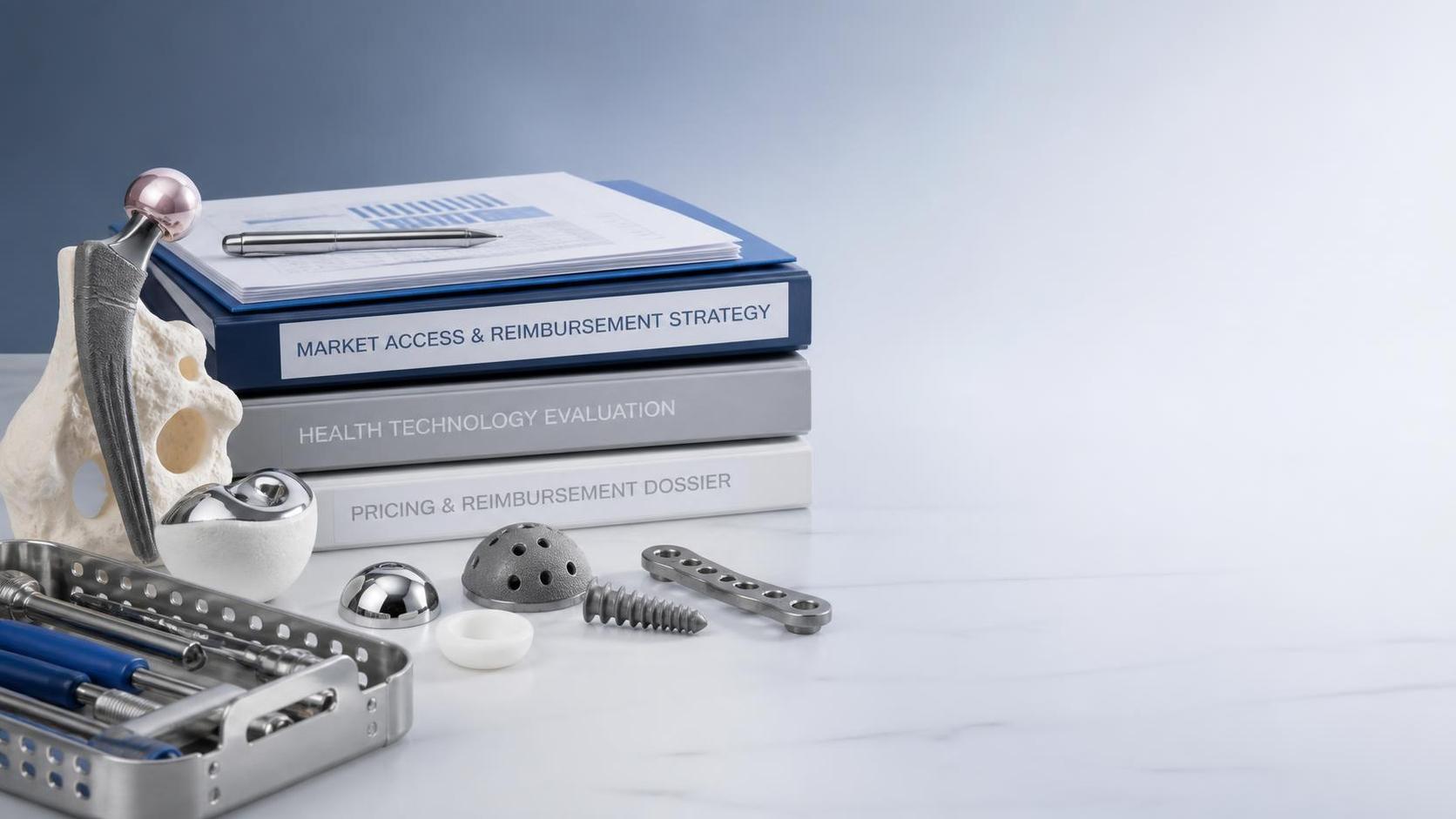
High-Value Medical Consumables: Cost Control Under VBP Pressure
High-Value Medical Consumables: Cost Control Under VBP Pressure

As Volume-Based Procurement reshapes pricing and margins, high-value medical consumables face a tougher cost equation than ever before.
The issue is no longer simple price reduction.
It is about protecting clinical value, compliance, and supply reliability while controlling spend.
That shift matters most in categories where one purchasing decision affects outcomes for years.
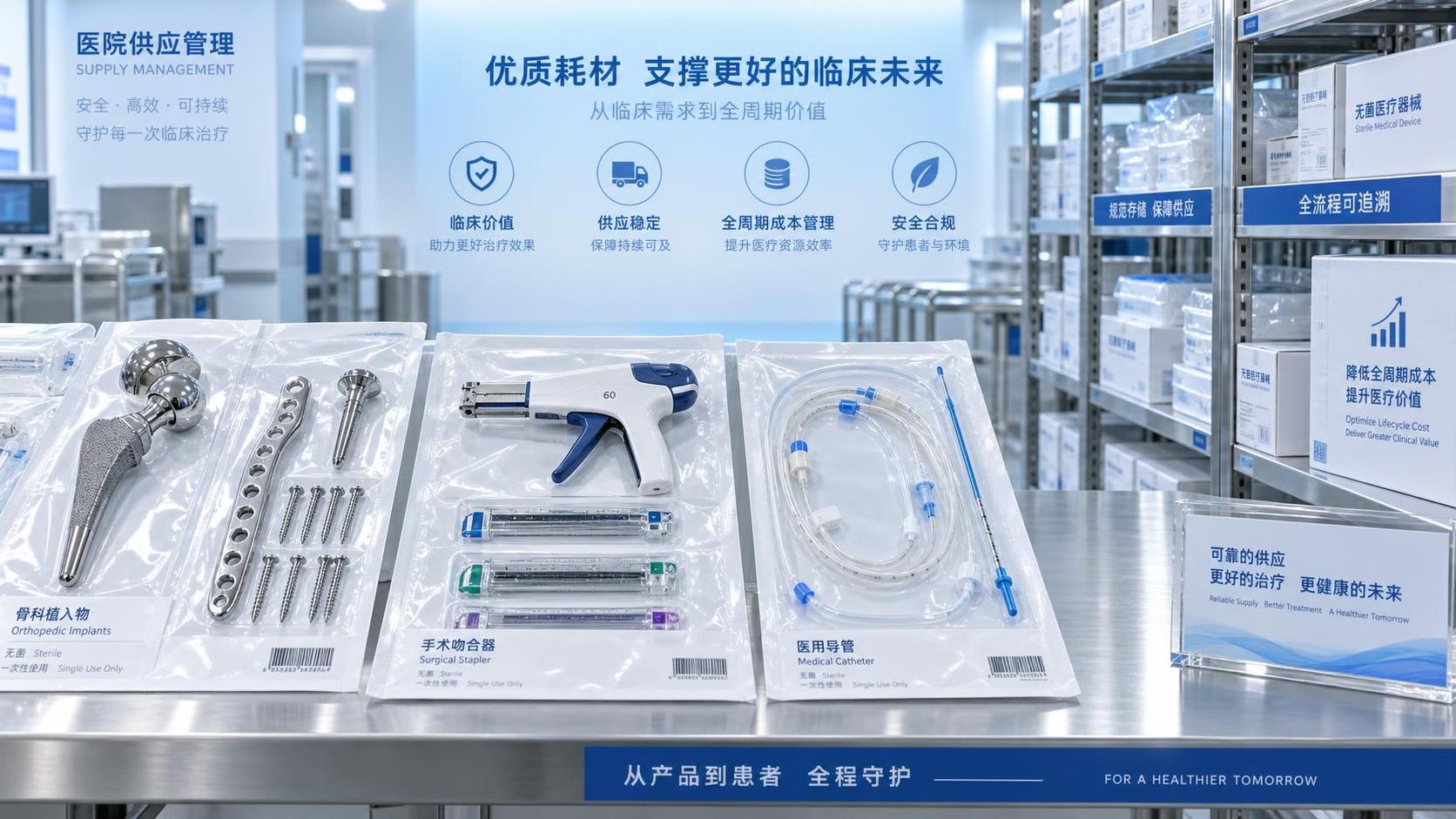
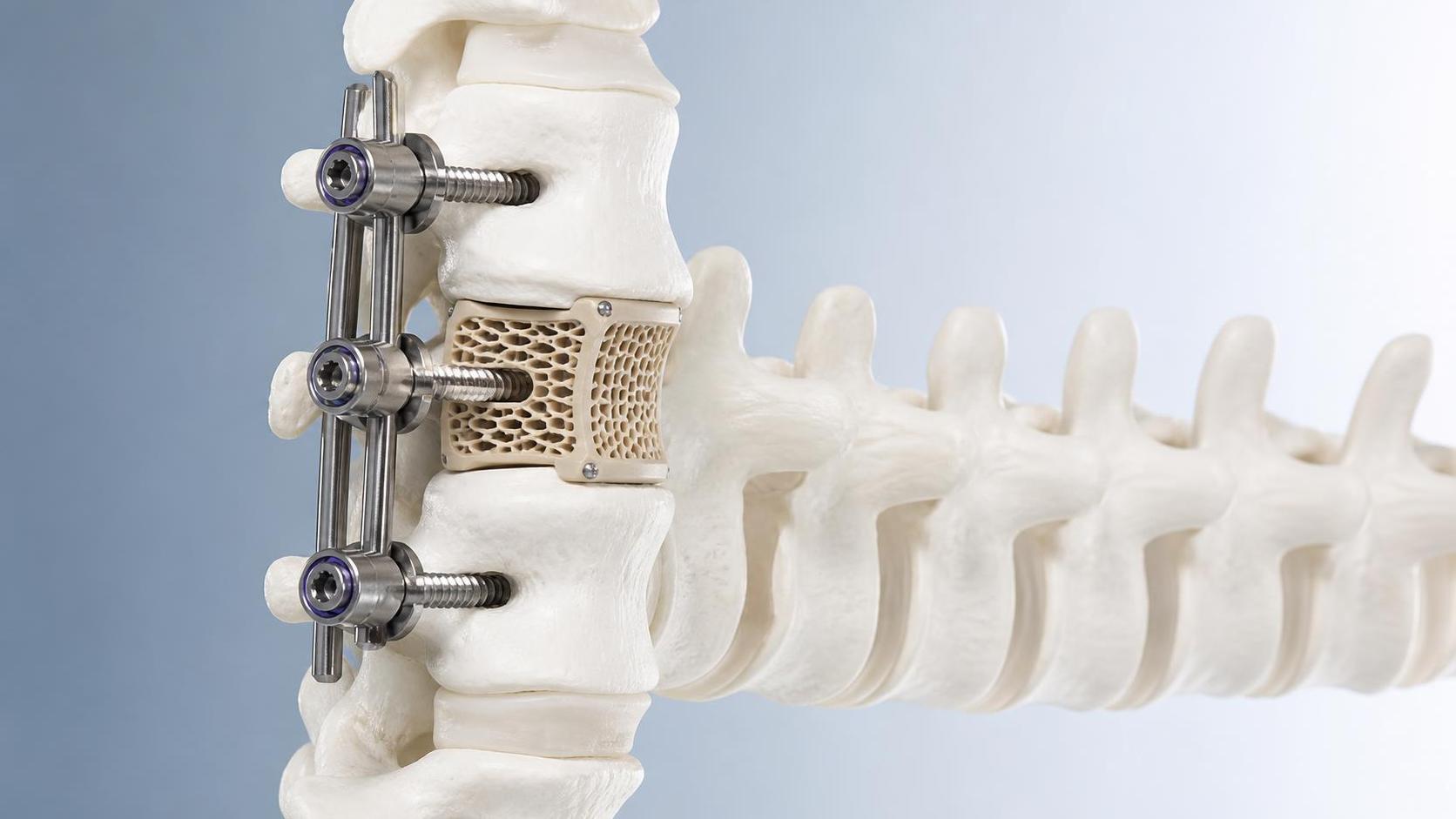
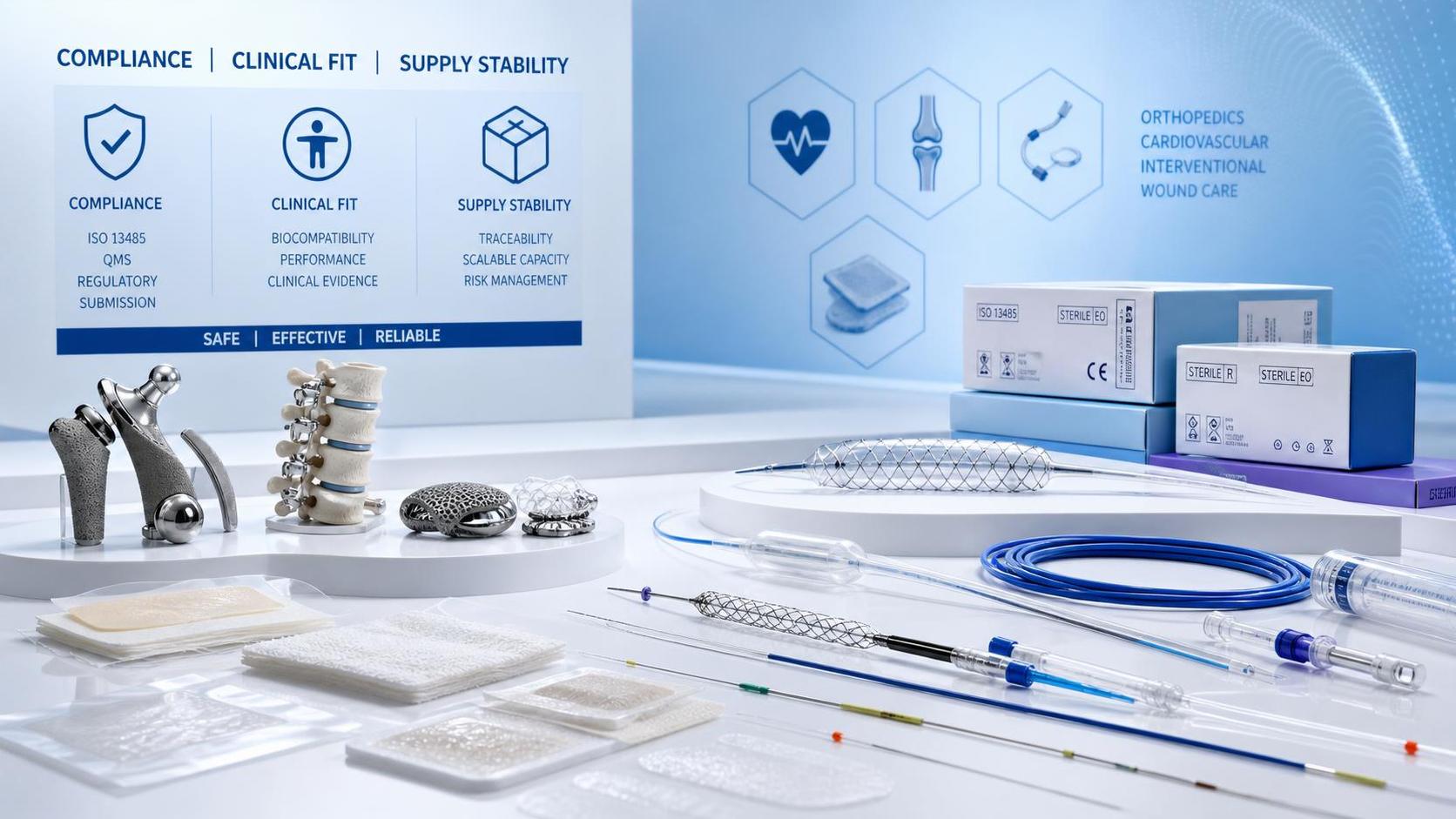
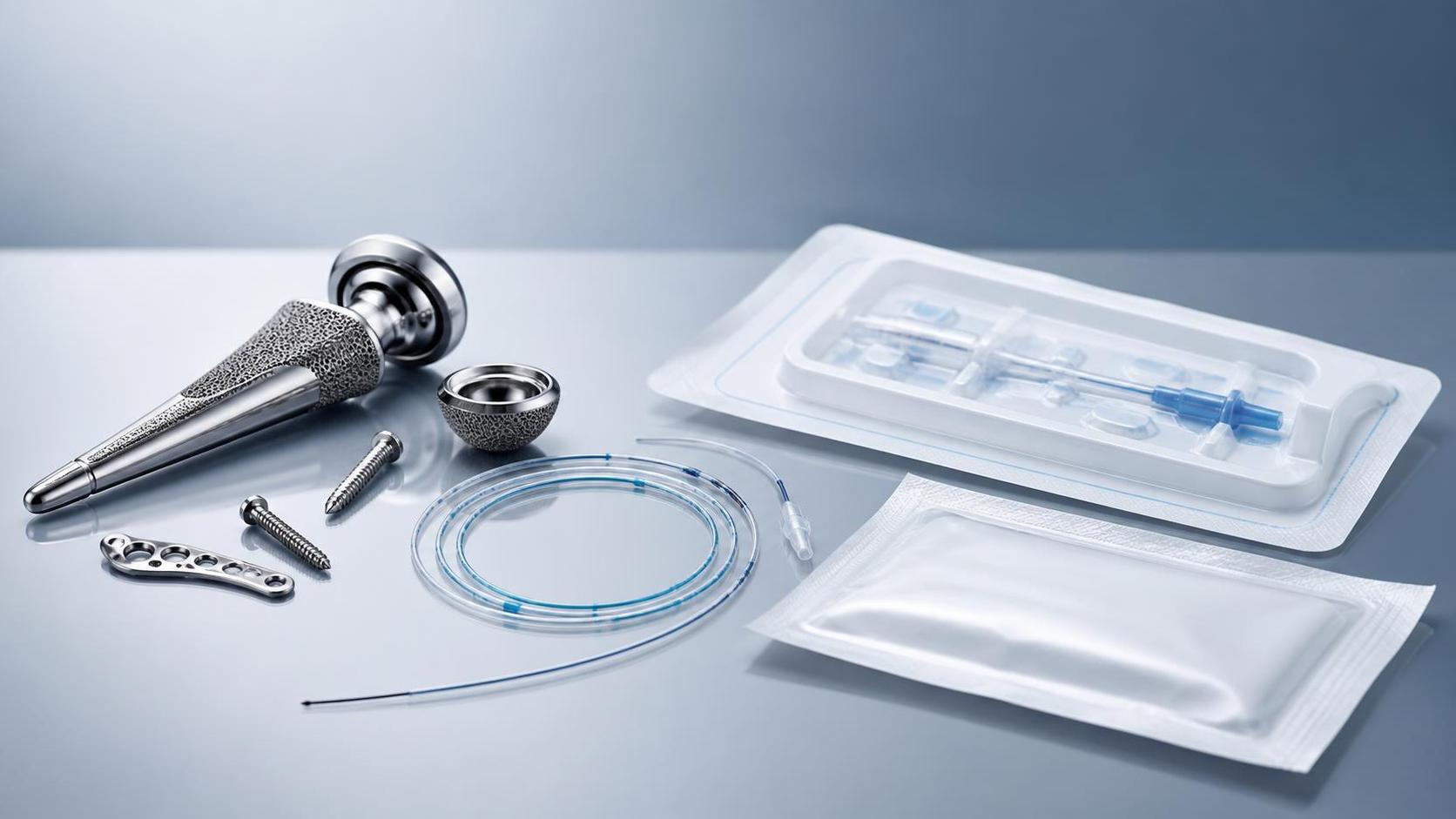
This includes orthopedic implants, cardiovascular devices, staplers, polymer catheters, and advanced wound care.
In these categories, cheaper is not always lower cost.
A lower unit price can still create higher downstream expense through revisions, complications, stockouts, or compliance exposure.
From recent market changes, the clearer signal is this: high-value medical consumables now require a more disciplined procurement model.
That model must connect pricing pressure with clinical evidence, manufacturing depth, and total lifecycle cost.
Why VBP Changes the Cost Logic
VBP pushes high-value medical consumables into a more transparent and competitive pricing environment.
That helps reduce waste, but it also compresses margins across the supply chain.
For buyers, the temptation is to focus on bid-winning prices alone.
In practice, that is where procurement risk starts.
High-value medical consumables are not commodity stationery.
They involve biocompatibility, precision machining, sterilization control, and strict Class III regulatory obligations.
A coronary stent, spinal implant, or advanced dressing carries very different risk if quality slips.
This also means finance teams need a wider definition of cost control.
- Unit price is only one layer of value.
- Procedure efficiency affects theatre time and staffing use.
- Clinical performance affects readmissions and revision rates.
- Supply stability affects continuity of care and emergency sourcing costs.
- Regulatory strength affects recall risk and legal exposure.
Once these elements are visible, the cheapest bid often stops looking like the smartest purchase.
Where High-Value Medical Consumables Create Hidden Costs
The most important procurement question is not, “What is the lowest price?”
It is, “Where will hidden costs appear after the contract is signed?”
In high-value medical consumables, those hidden costs usually show up in five areas.
1. Clinical failure and revision burden
Orthopedic replacement implants illustrate this clearly.
If osseointegration underperforms, the initial savings can be erased by revision surgery and longer recovery.
2. Procedure inefficiency
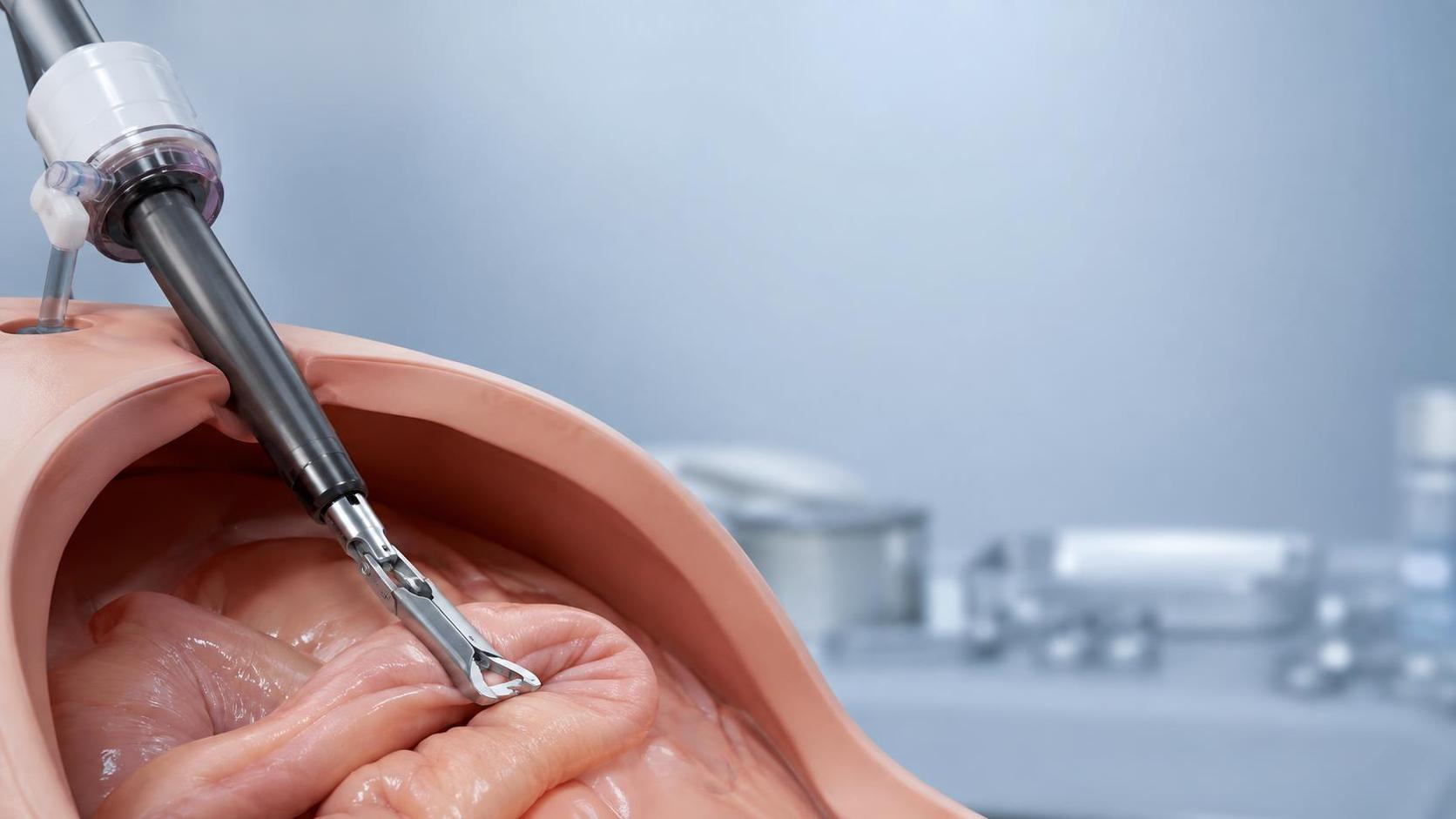
Minimally invasive staplers and interventional consumables influence procedure speed and precision.
A lower-cost device that adds minutes, errors, or handling complexity raises total procedural cost.
3. Inventory distortion
VBP often reduces supplier pools.
That can improve volume leverage, but it may increase back-order risk for specialty sizes or urgent cases.
4. Compliance and documentation risk
Class III products demand stronger traceability, clinical evidence, and post-market surveillance.
Weak supplier documentation creates risk that does not appear in the purchase price.
5. Innovation erosion
When pricing falls too sharply, investment in materials, coatings, and design optimization can slow down.
That matters for high-value medical consumables where product evolution directly improves outcomes.
A Better Cost Control Framework for Procurement Decisions
A stronger response to VBP starts with a broader procurement scorecard.
Instead of comparing high-value medical consumables on price only, compare them across value drivers that affect real expenditure.
This approach keeps cost discipline, but avoids false savings.
It also helps explain procurement decisions in a language aligned with risk and return.
Category-by-Category Priorities Under VBP
Not all high-value medical consumables behave the same under pricing pressure.
In actual procurement work, each category needs its own control points.
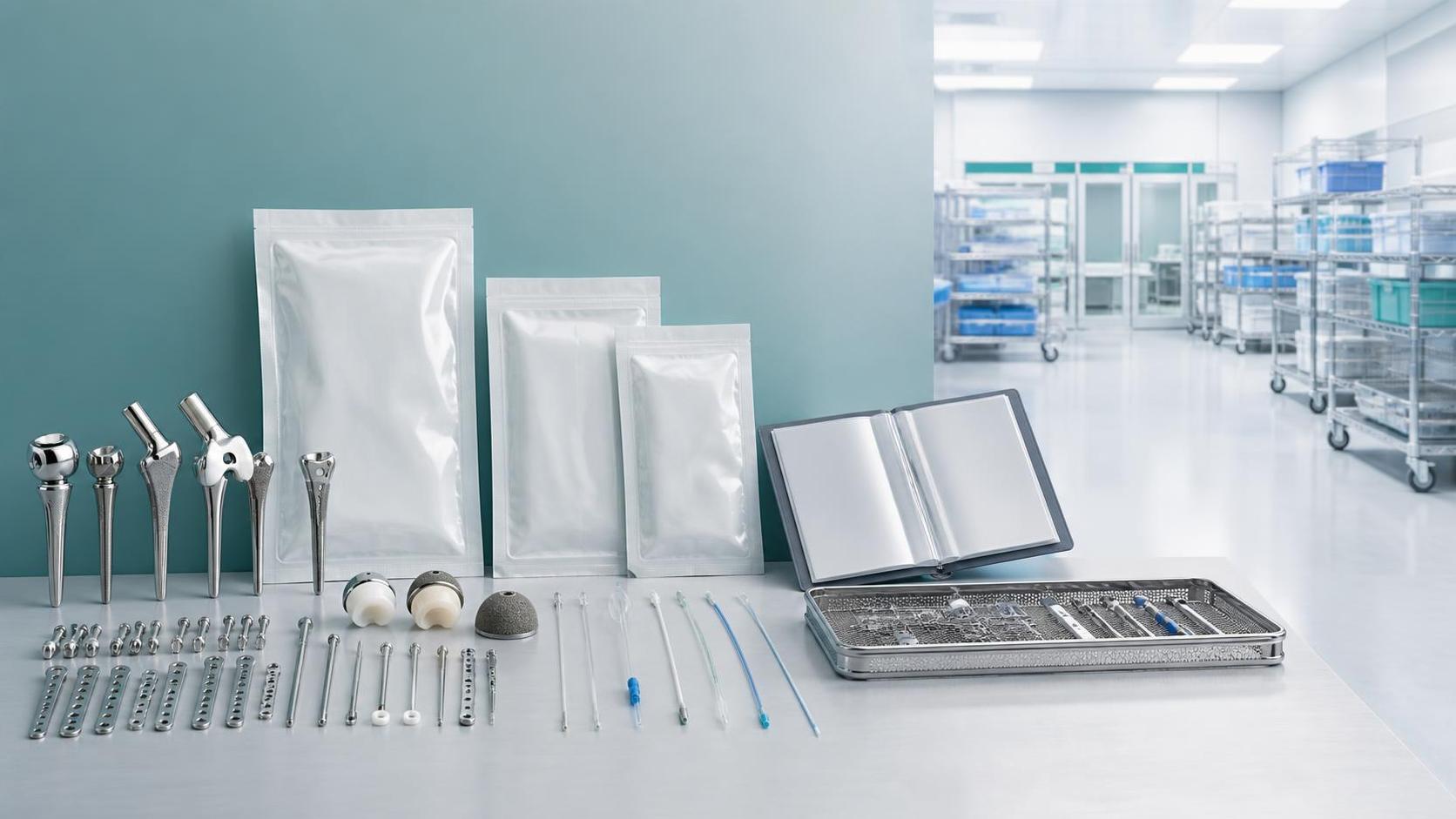
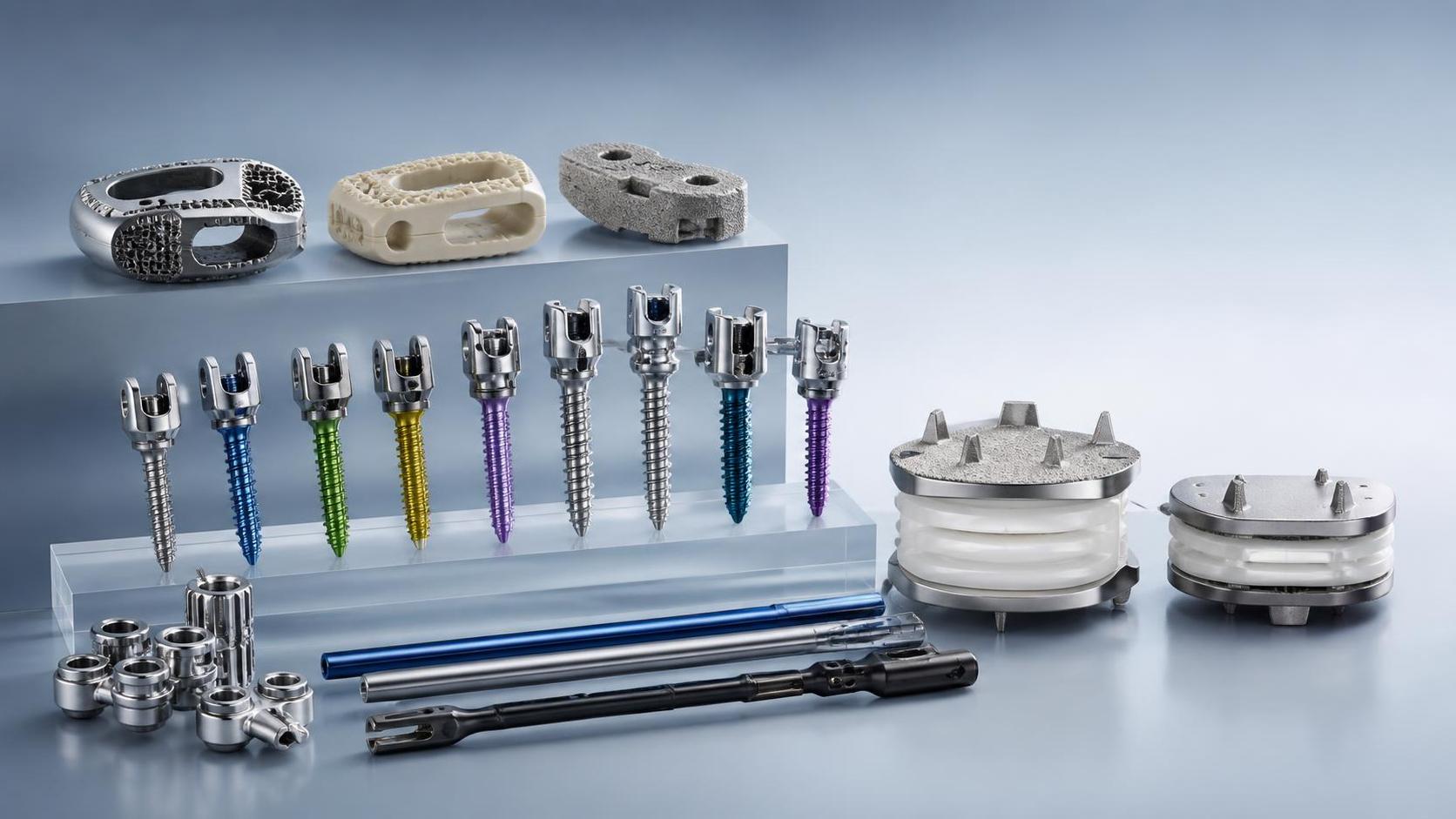
Orthopedic implants and instruments
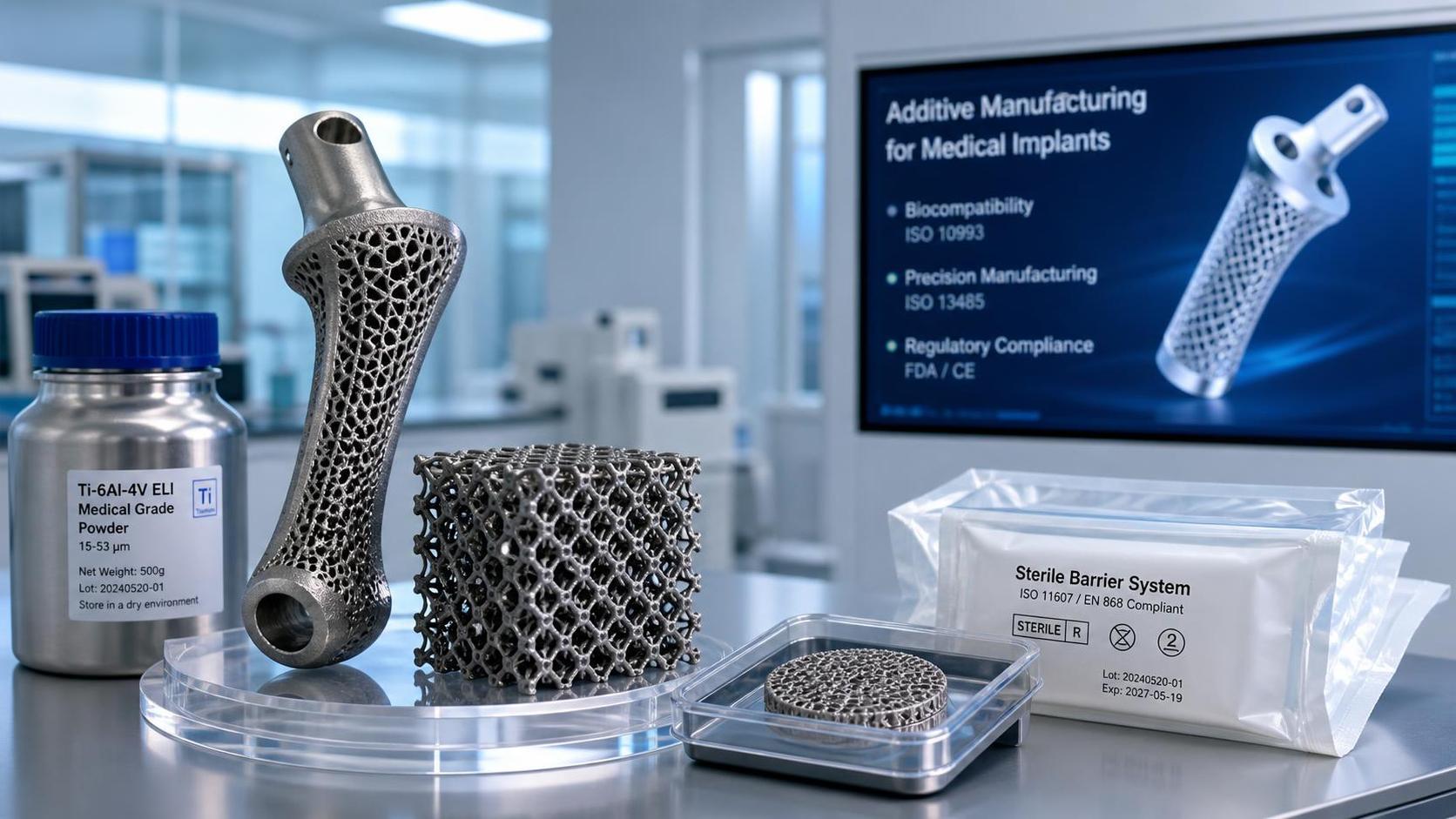
Focus on implant longevity, porous structure performance, and instrument compatibility.
A lower implant price means little if revision exposure rises.
Cardiovascular interventional consumables
Review delivery performance, coating reliability, and procedural success consistency.
In stents and valves, a tiny technical gap can create a major clinical and financial difference.
Minimally invasive staplers
Measure firing consistency, reload efficiency, and tissue handling precision.
These factors affect operating room flow more than many buyers first expect.
Medical polymer catheters
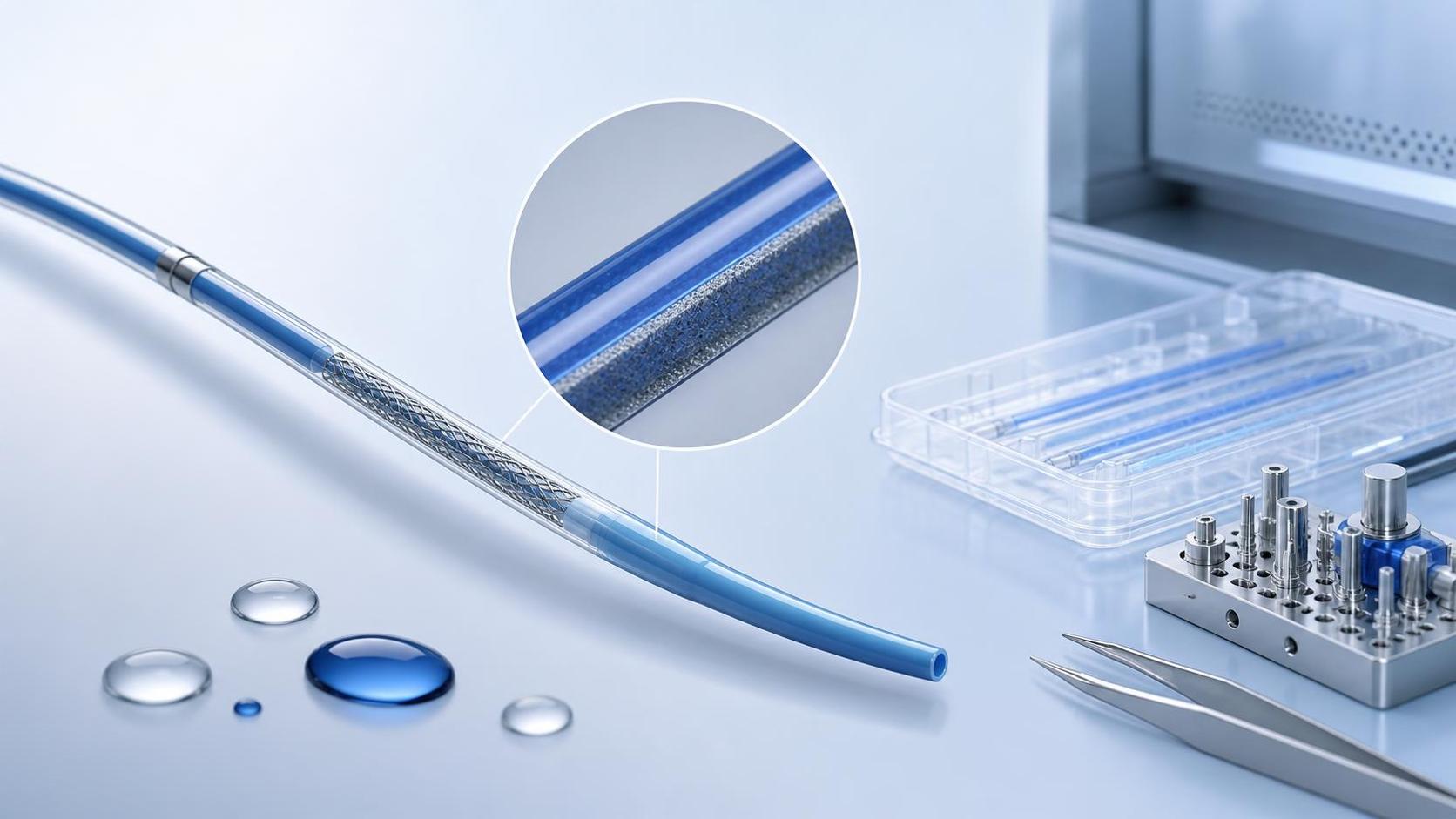
Check flexibility, kink resistance, coating durability, and thrombosis-related performance.
These high-value medical consumables often fail quietly, through complications rather than visible defects.
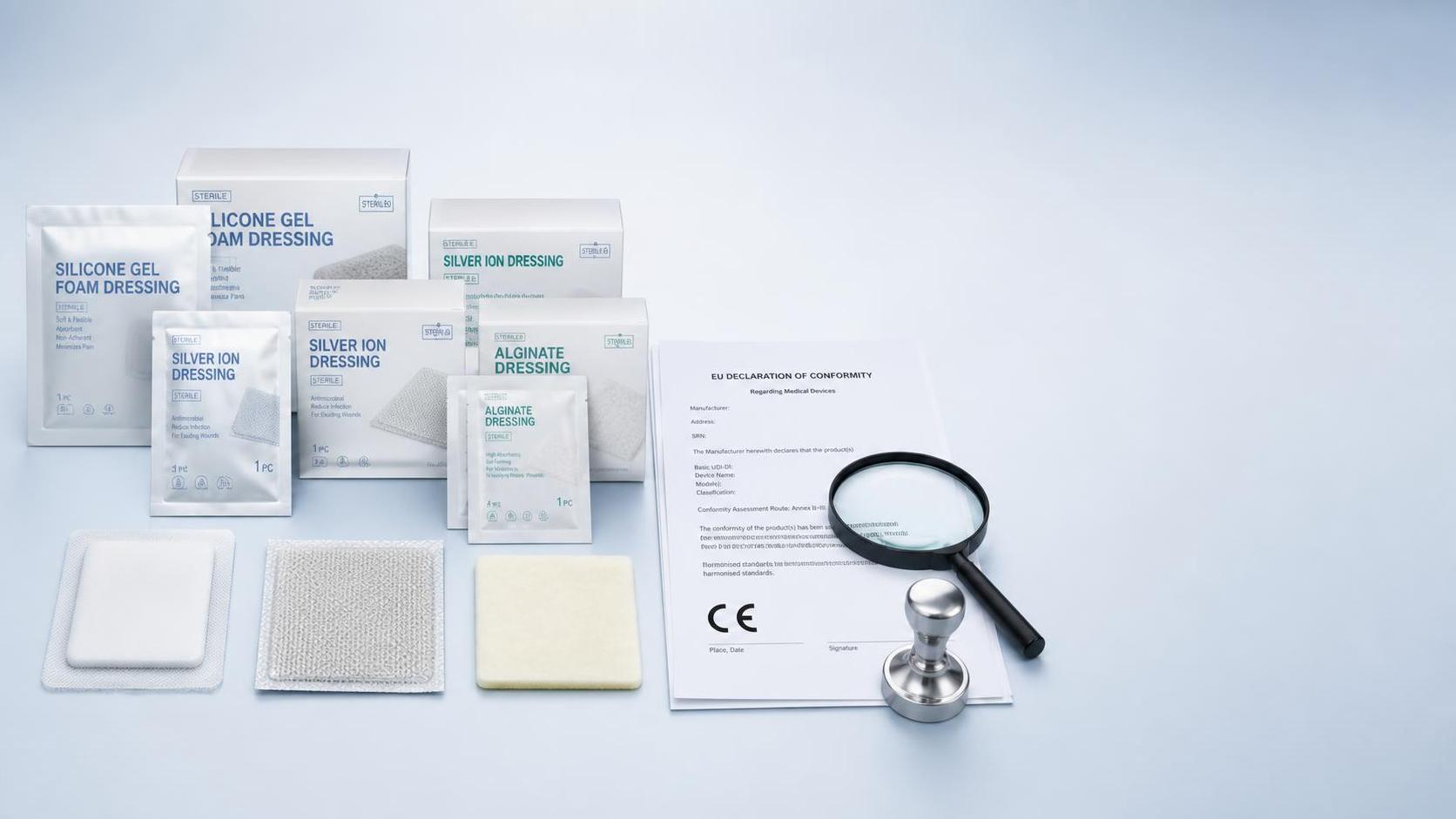
Advanced dressings and wound care
Compare healing support, dressing change frequency, and infection management value.
A slightly higher product cost can reduce nursing time and length of treatment.
How IMCS Supports Smarter Cost Control
The real challenge with high-value medical consumables is information fragmentation.
Price data, regulatory updates, clinical evidence, and supplier strategy often sit in separate places.
That is where IMCS adds practical value.
IMCS tracks orthopedic replacement implants, cardiovascular devices, minimally invasive consumables, and advanced tissue regeneration materials through one intelligence lens.
Its Strategic Intelligence Center connects material science, clinical logic, and VBP dynamics into actionable procurement insight.
That matters when evaluating high-value medical consumables with long clinical lifecycles and strict compliance requirements.
- Toxicology and ISO 10993 analysis helps screen biological safety risk early.
- Clinical evaluation insight helps judge whether evidence is deep or merely promotional.
- VBP simulation helps estimate pricing cliffs, capacity pressure, and supply responses.
- Cross-category tracking helps compare where technical value still supports a premium position.
In short, better intelligence creates better cost control.
It allows procurement decisions to stay lean without becoming blind.
Practical Actions for the Next Procurement Cycle
The most effective response to VBP is not panic buying or aggressive cutting.
It is disciplined preparation.
- Map high-value medical consumables by clinical criticality, not just annual spend.
- Build total-cost models that include revisions, complications, and stockout scenarios.
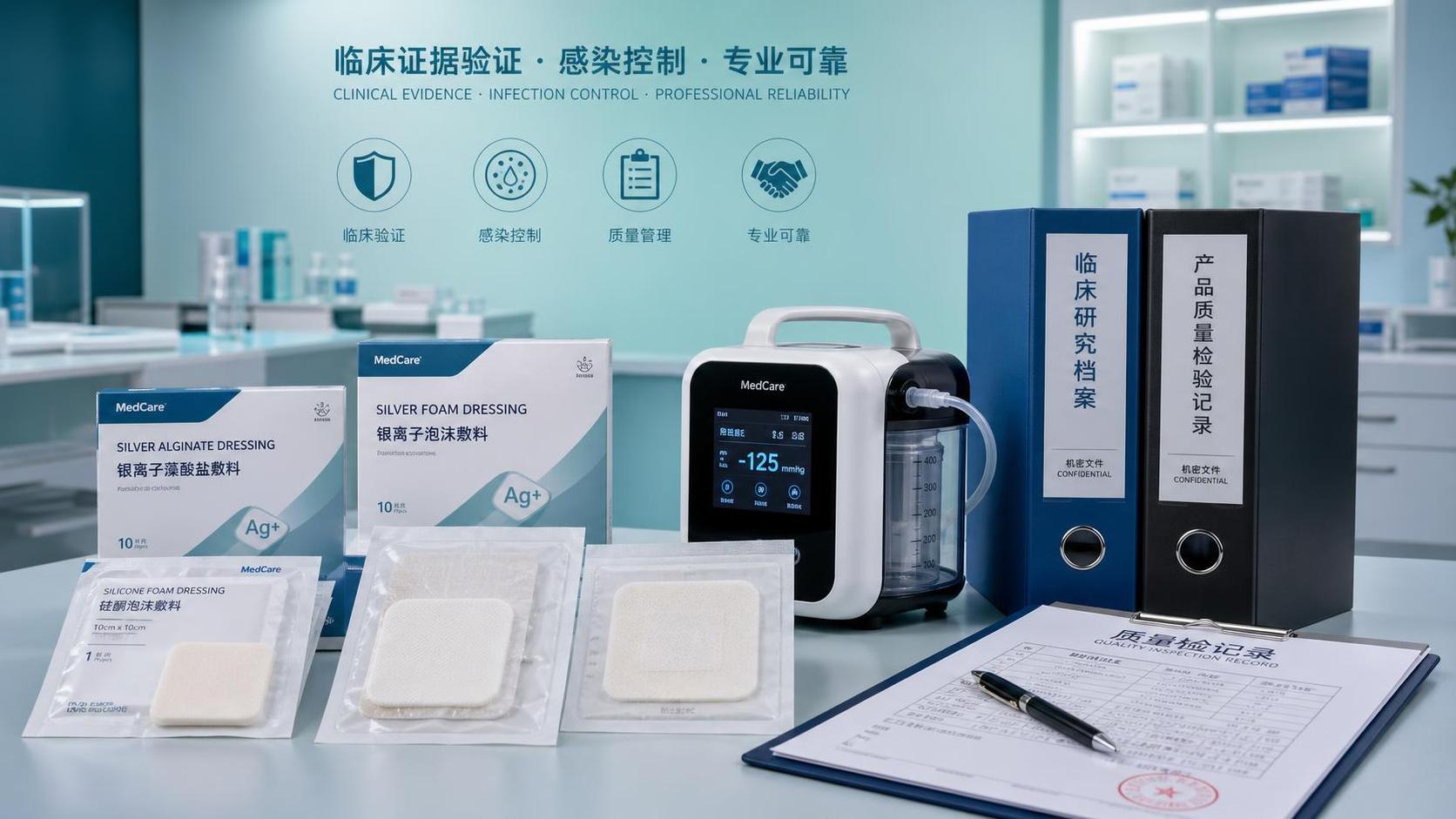
- Review supplier documentation for CE MDR, ISO 10993, and traceability readiness.
- Identify categories where dual sourcing is worth the resilience premium.
- Use utilization data to reduce SKU waste without limiting clinical flexibility.
- Track categories where innovation still changes outcomes enough to justify value-based purchasing.
High-value medical consumables will remain under price pressure.
That part is unlikely to reverse soon.
What can improve is the quality of decision-making around them.
The organizations that perform best will be the ones that treat cost control as a strategic capability.
They will cut waste, protect outcomes, and keep supply secure at the same time.
In a VBP market, that is how high-value medical consumables create sustainable value instead of temporary savings.
Get weekly intelligence in your inbox.
No noise. No sponsored content. Pure intelligence.
News Recommendations
 Sep 17, 2026How a medical device sourcing strategy can reduce total acquisition costHow a medical device sourcing strategy can reduce total acquisition cost
 Sep 16, 2026When are silver foam burn care dressings appropriate for exuding burns?When are silver foam burn care dressings appropriate for exuding burns?
 Sep 15, 2026What drives medical device category pricing in value-based purchasing?What drives medical device category pricing in value-based purchasing?
 Sep 14, 2026High value consumables insights for evaluating total cost of careHigh value consumables insights for evaluating total cost of care
 Sep 13, 2026What a medical device market insights platform reveals about market accessWhat a medical device market insights platform reveals about market access
 Sep 12, 2026When are collagen-based tissue healing materials suitable for wound care?When are collagen-based tissue healing materials suitable for wound care?
 Sep 11, 2026How catheter material selection affects total cost of ownershipHow catheter material selection affects total cost of ownership
 Sep 10, 2026What FDA clearance means for medical grade PEEK implantsWhat FDA clearance means for medical grade PEEK implants
 Sep 09, 2026When do hydrogel wound healing technologies suit dry wounds?When do hydrogel wound healing technologies suit dry wounds?
 Sep 07, 2026How to assess medical consumables for surgical useHow to assess medical consumables for surgical use
 Sep 07, 2026How to verify CE MDR compliance for single-use medical consumablesHow to verify CE MDR compliance for single-use medical consumables
 Sep 05, 2026How to evaluate an antithrombotic catheter factory for qualityHow to evaluate an antithrombotic catheter factory for quality
 Sep 04, 2026When do minimally invasive surgical staplers improve GI access?When do minimally invasive surgical staplers improve GI access?
 Sep 03, 2026When are foam moist wound healing dressings appropriate for exuding wounds?When are foam moist wound healing dressings appropriate for exuding wounds?
 Sep 02, 2026How implant pricing affects access to advanced medical careHow implant pricing affects access to advanced medical care
 Sep 01, 2026What is driving price pressure in the North American medical consumables market?What is driving price pressure in the North American medical consumables market?
 Aug 31, 2026Comparing medical devices in Southeast Asia when market access differsComparing medical devices in Southeast Asia when market access differs
 Aug 30, 2026When are 3D printed PEEK implants suitable for spinal reconstruction?When are 3D printed PEEK implants suitable for spinal reconstruction?
 Aug 29, 2026How global medical device regulations shape clinical evidence requirementsHow global medical device regulations shape clinical evidence requirements
 Aug 28, 2026How to verify a burn care dressings exporter meets EU MDR requirementsHow to verify a burn care dressings exporter meets EU MDR requirements
 Aug 27, 2026How to verify a diabetic foot wound care supplier’s clinical evidenceHow to verify a diabetic foot wound care supplier’s clinical evidence
 Aug 26, 2026What drives spinal implants price differences across implant typesWhat drives spinal implants price differences across implant types
 Aug 25, 2026What matters most in a medical consumables platform comparisonWhat matters most in a medical consumables platform comparison
 Aug 24, 2026What a medical device intelligence guide should cover before market accessWhat a medical device intelligence guide should cover before market access
 Aug 23, 2026What drives catheter coating technology cost in early device designWhat drives catheter coating technology cost in early device design
 Aug 22, 2026How custom 3D printed medical implants meet biocompatibility requirementsHow custom 3D printed medical implants meet biocompatibility requirements
 Aug 21, 2026What makes an implant commercialization strategy in Europe fail at market accessWhat makes an implant commercialization strategy in Europe fail at market access