Medical Polymer Catheters: When Hydrophilic Design Improves Delivery
Medical Polymer Catheters: When Hydrophilic Design Improves Delivery
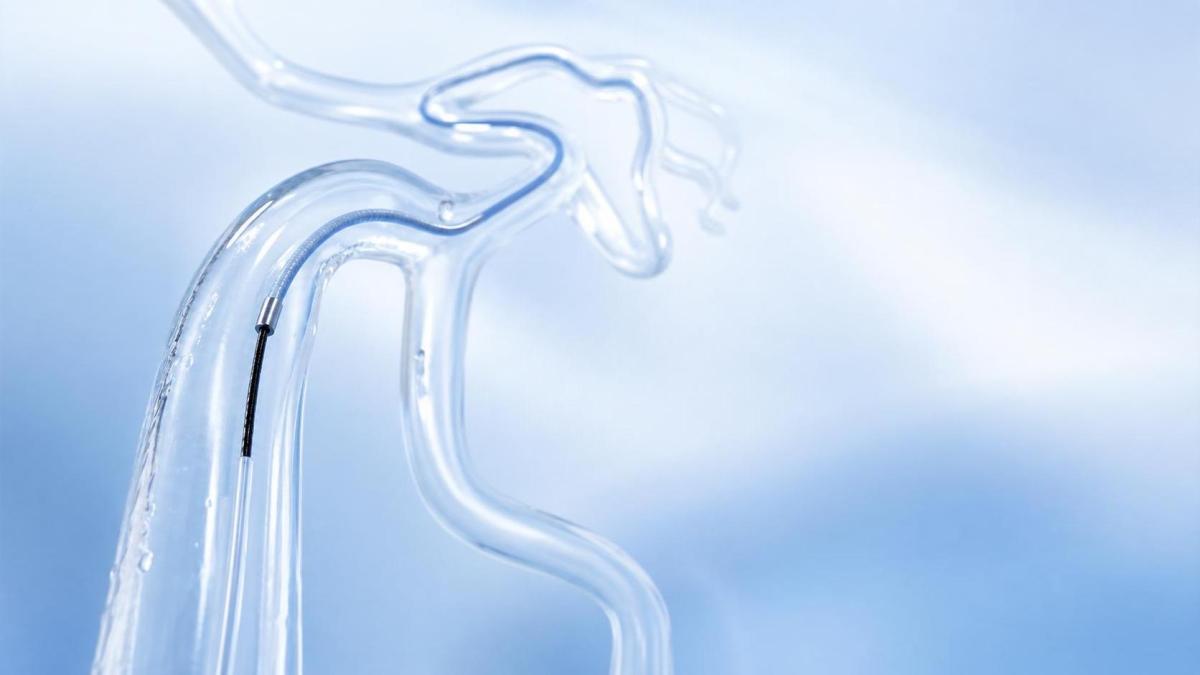
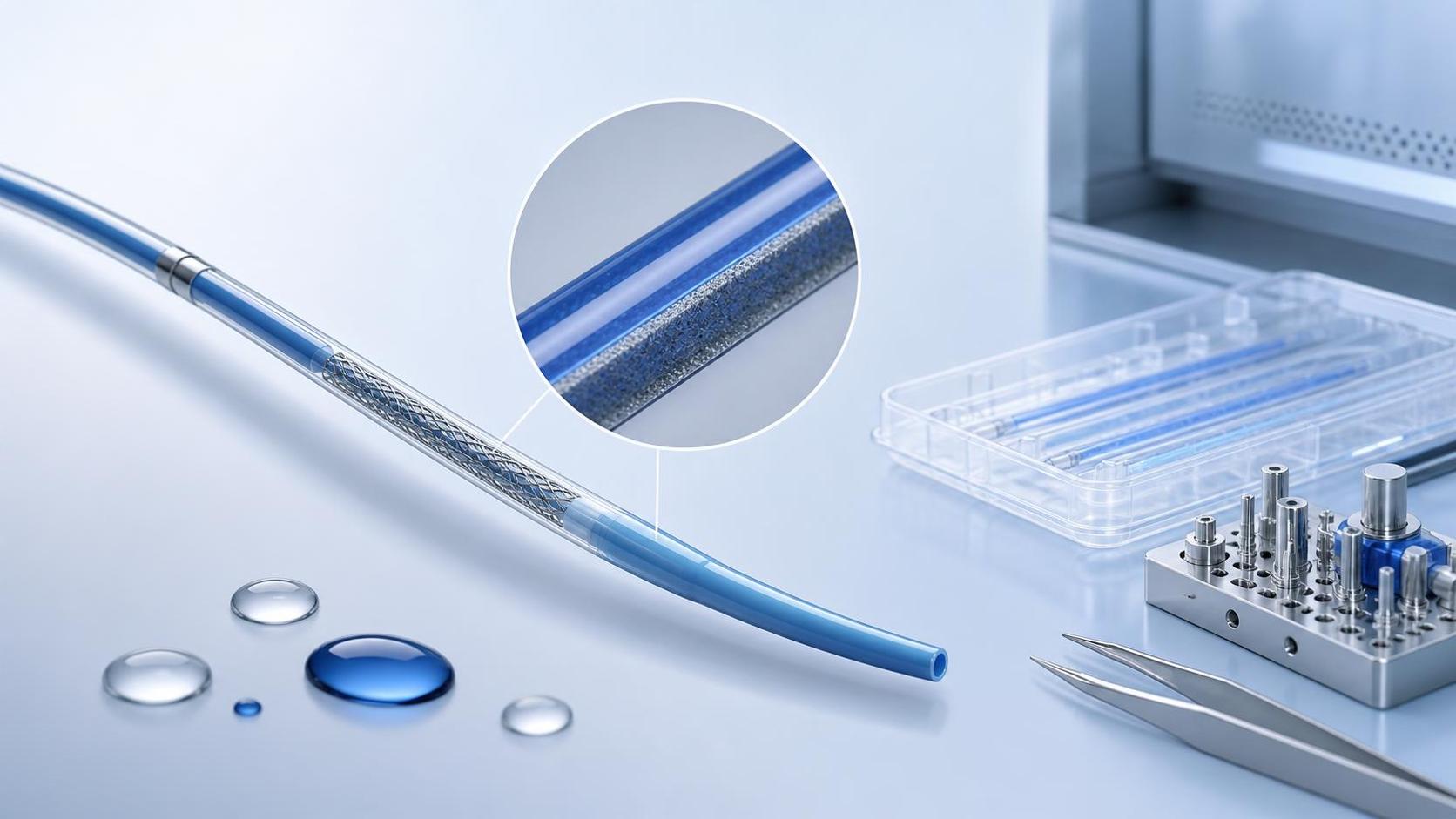
Medical polymer catheters are changing how complex devices reach difficult anatomy.
The biggest shift comes from hydrophilic design.
When the surface becomes slick after wetting, friction drops fast.
That sounds simple, but inside vessels, it changes control, speed, and safety.
For medical polymer catheters, delivery performance is never about coating alone.
Operators still need flexibility, pushability, torque response, and kink resistance.
The real value appears when these features work together.
That is especially true in neurovascular, cardiovascular, and minimally invasive access procedures.
A good catheter should move smoothly without giving up tactile feedback.
It should pass tortuous pathways while protecting tissue and supporting precise placement.
This is where hydrophilic medical polymer catheters stand out in real use.
Why hydrophilic design matters in medical polymer catheters
Hydrophilic surfaces attract and hold water at the interface.
That hydrated layer reduces drag during insertion and navigation.
In practice, less drag often means smoother advancement through bends and branching anatomy.
It also lowers the force needed to reposition the device.
That can help reduce vessel irritation during repeated adjustments.
More importantly, improved lubricity supports trackability over guidewires and through introducer pathways.
For medical polymer catheters, this improves delivery consistency, not just operator comfort.
A smoother surface can shorten hesitation at difficult turns.
It may also reduce the need for forceful correction.
That becomes valuable when delivering coils, balloons, stents, embolic agents, or drainage support.
From a practical view, hydrophilic performance helps when anatomy is narrow, long, or sharply angled.
What improves when friction drops
- Advancement becomes smoother in tortuous pathways.
- Crossing support improves in tight or calcified segments.
- Device exchanges feel more controlled and predictable.
- Repeated repositioning causes less resistance buildup.
- Tissue contact may become gentler during navigation.
Where medical polymer catheters deliver the most value
Not every procedure demands the same catheter behavior.
Still, several applications show clear benefits from hydrophilic medical polymer catheters.
Neurovascular navigation
Neuro anatomy leaves little room for excess force.
Hydrophilic microcatheters can improve glide through delicate, winding vessels.
That supports steadier access for embolization, stroke intervention, and aneurysm treatment.
Coronary and peripheral intervention
In long lesions or tortuous vessels, friction quickly becomes a problem.
Medical polymer catheters with hydrophilic surfaces can improve lesion crossing and support device delivery.
This matters when time, vessel trauma, and exchange efficiency all affect outcomes.
Access, drainage, and infusion pathways
Central venous and specialty access catheters need a different balance.
Here, the goal is smooth insertion plus blood compatibility and dwell stability.
The coating must work with the base polymer, not against it.
How to evaluate medical polymer catheters beyond surface slipperiness
A slick surface alone does not guarantee procedural success.
The full catheter design decides whether delivery stays stable under real conditions.
In actual selection work, several checks are worth prioritizing.
1. Base polymer behavior
PEBAX, polyurethane, nylon, PTFE liners, and blended constructions behave differently.
Some offer better flexibility, while others improve burst strength or shaft support.
Hydrophilic performance should match the mechanical profile you actually need.
2. Coating durability
Lubricity must remain stable during insertion, exchange, and dwell time.
If coating integrity drops too early, performance may become inconsistent.
That raises both handling risk and quality concerns.
3. Kink resistance and torque response
Low friction helps little if the shaft collapses under bending.
Medical polymer catheters need stable lumen patency and reliable steering response.
Braiding, coiling, wall thickness, and durometer transitions all matter here.
4. Biocompatibility and thrombogenic risk
For any blood-contacting device, biological safety is a bottom-line issue.
Materials and coatings must align with ISO 10993 expectations and intended use duration.
In longer-use settings, thrombus prevention becomes part of the performance discussion.
Quick evaluation checklist
Common delivery problems and how hydrophilic medical polymer catheters help
Many delivery failures start with a mismatch between anatomy and catheter behavior.
The issues are usually visible before full failure occurs.
Problem: resistance at vessel turns
This often shows up as stick-slip motion or sudden jumps.
Hydrophilic medical polymer catheters reduce contact friction and smooth these transitions.
Problem: poor device tracking over long distances
Long paths amplify drag and small alignment errors.
A low-friction interface helps maintain progress without excessive forward force.
Problem: catheter kinking during repositioning
This is not solved by coating alone.
The best medical polymer catheters combine hydrophilic surfaces with reinforced shaft architecture.
Problem: loss of confidence during fine positioning
Too much slipperiness can feel vague if the catheter lacks response.
The better solution balances lubricity with stable torque transmission and tip feedback.
A practical selection approach for everyday use
Choosing medical polymer catheters works best when the procedure leads the decision.
Start with the anatomy, then match the device behavior.
- Define pathway difficulty, bend severity, and access length.
- Confirm required inner diameter, device compatibility, and exchange plan.
- Prioritize the needed balance of lubricity, support, and tip softness.
- Review coating durability and wet-use consistency data.
- Check biological safety evidence for the intended contact profile.
- Compare handling performance in realistic procedural simulations.
This approach avoids choosing by coating claims alone.
It also helps separate headline performance from dependable use performance.
Why this matters now
Procedures are becoming more precise, less invasive, and more outcome-driven.
That raises the bar for every component in the delivery chain.
Medical polymer catheters now do more than create a pathway.
They shape procedural efficiency, device placement confidence, and tissue interaction quality.
For organizations tracking materials, regulation, and performance, this is a strategic design question.
IMCS continues to monitor how biocompatible polymers, micron-level processing, and Class III regulatory expectations reshape catheter development.
The clearest takeaway is straightforward.
When hydrophilic design is integrated with sound engineering, medical polymer catheters deliver better than surface claims suggest.
They help turn difficult access into controlled delivery.
That is the practical standard worth using when comparing the next catheter solution.
Get weekly intelligence in your inbox.
No noise. No sponsored content. Pure intelligence.
News Recommendations
 Sep 17, 2026How a medical device sourcing strategy can reduce total acquisition costHow a medical device sourcing strategy can reduce total acquisition cost
 Sep 16, 2026When are silver foam burn care dressings appropriate for exuding burns?When are silver foam burn care dressings appropriate for exuding burns?
 Sep 15, 2026What drives medical device category pricing in value-based purchasing?What drives medical device category pricing in value-based purchasing?
 Sep 14, 2026High value consumables insights for evaluating total cost of careHigh value consumables insights for evaluating total cost of care
 Sep 13, 2026What a medical device market insights platform reveals about market accessWhat a medical device market insights platform reveals about market access
 Sep 12, 2026When are collagen-based tissue healing materials suitable for wound care?When are collagen-based tissue healing materials suitable for wound care?
 Sep 11, 2026How catheter material selection affects total cost of ownershipHow catheter material selection affects total cost of ownership
 Sep 10, 2026What FDA clearance means for medical grade PEEK implantsWhat FDA clearance means for medical grade PEEK implants
 Sep 09, 2026When do hydrogel wound healing technologies suit dry wounds?When do hydrogel wound healing technologies suit dry wounds?
 Sep 07, 2026How to assess medical consumables for surgical useHow to assess medical consumables for surgical use
 Sep 07, 2026How to verify CE MDR compliance for single-use medical consumablesHow to verify CE MDR compliance for single-use medical consumables
 Sep 05, 2026How to evaluate an antithrombotic catheter factory for qualityHow to evaluate an antithrombotic catheter factory for quality
 Sep 04, 2026When do minimally invasive surgical staplers improve GI access?When do minimally invasive surgical staplers improve GI access?
 Sep 03, 2026When are foam moist wound healing dressings appropriate for exuding wounds?When are foam moist wound healing dressings appropriate for exuding wounds?
 Sep 02, 2026How implant pricing affects access to advanced medical careHow implant pricing affects access to advanced medical care
 Sep 01, 2026What is driving price pressure in the North American medical consumables market?What is driving price pressure in the North American medical consumables market?
 Aug 31, 2026Comparing medical devices in Southeast Asia when market access differsComparing medical devices in Southeast Asia when market access differs
 Aug 30, 2026When are 3D printed PEEK implants suitable for spinal reconstruction?When are 3D printed PEEK implants suitable for spinal reconstruction?
 Aug 29, 2026How global medical device regulations shape clinical evidence requirementsHow global medical device regulations shape clinical evidence requirements
 Aug 28, 2026How to verify a burn care dressings exporter meets EU MDR requirementsHow to verify a burn care dressings exporter meets EU MDR requirements
 Aug 27, 2026How to verify a diabetic foot wound care supplier’s clinical evidenceHow to verify a diabetic foot wound care supplier’s clinical evidence
 Aug 26, 2026What drives spinal implants price differences across implant typesWhat drives spinal implants price differences across implant types
 Aug 25, 2026What matters most in a medical consumables platform comparisonWhat matters most in a medical consumables platform comparison
 Aug 24, 2026What a medical device intelligence guide should cover before market accessWhat a medical device intelligence guide should cover before market access
 Aug 23, 2026What drives catheter coating technology cost in early device designWhat drives catheter coating technology cost in early device design
 Aug 22, 2026How custom 3D printed medical implants meet biocompatibility requirementsHow custom 3D printed medical implants meet biocompatibility requirements
 Aug 21, 2026What makes an implant commercialization strategy in Europe fail at market accessWhat makes an implant commercialization strategy in Europe fail at market access