Selecting Implantable Plastic Materials for Strength, Wear Resistance, and Biocompatibility
When a polymer becomes part of an implantable device, material selection stops being a simple datasheet comparison. A tensile-strength value may look reassuring, yet tell little about fatigue in a warm saline environment. A low-friction resin may perform beautifully in a laboratory pin-on-disc test but generate an unacceptable debris profile after years of articulation. Even a polymer with a long clinical history can become a new regulatory and biological-risk question if its pigment package, processing route, sterilization method, or surface treatment changes.
For technical evaluators, selecting implantable plastics materials means making a connected decision across mechanics, tribology, chemistry, manufacturing, clinical use, and evidence generation. The appropriate material is not necessarily the strongest or most familiar one. It is the one whose properties remain appropriate for the intended anatomical location, load case, implantation duration, and patient-contact pathway throughout the device’s useful life.
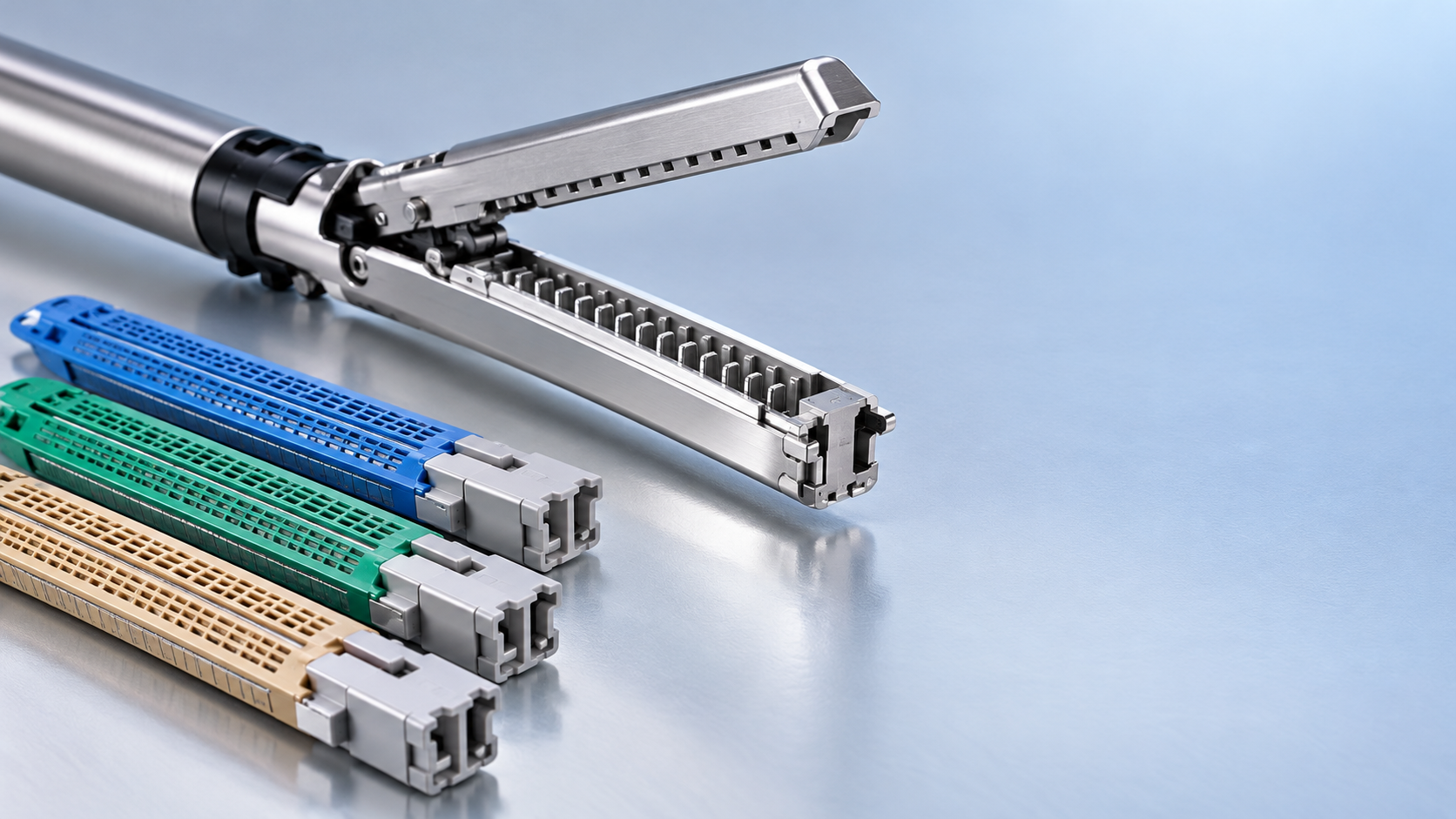
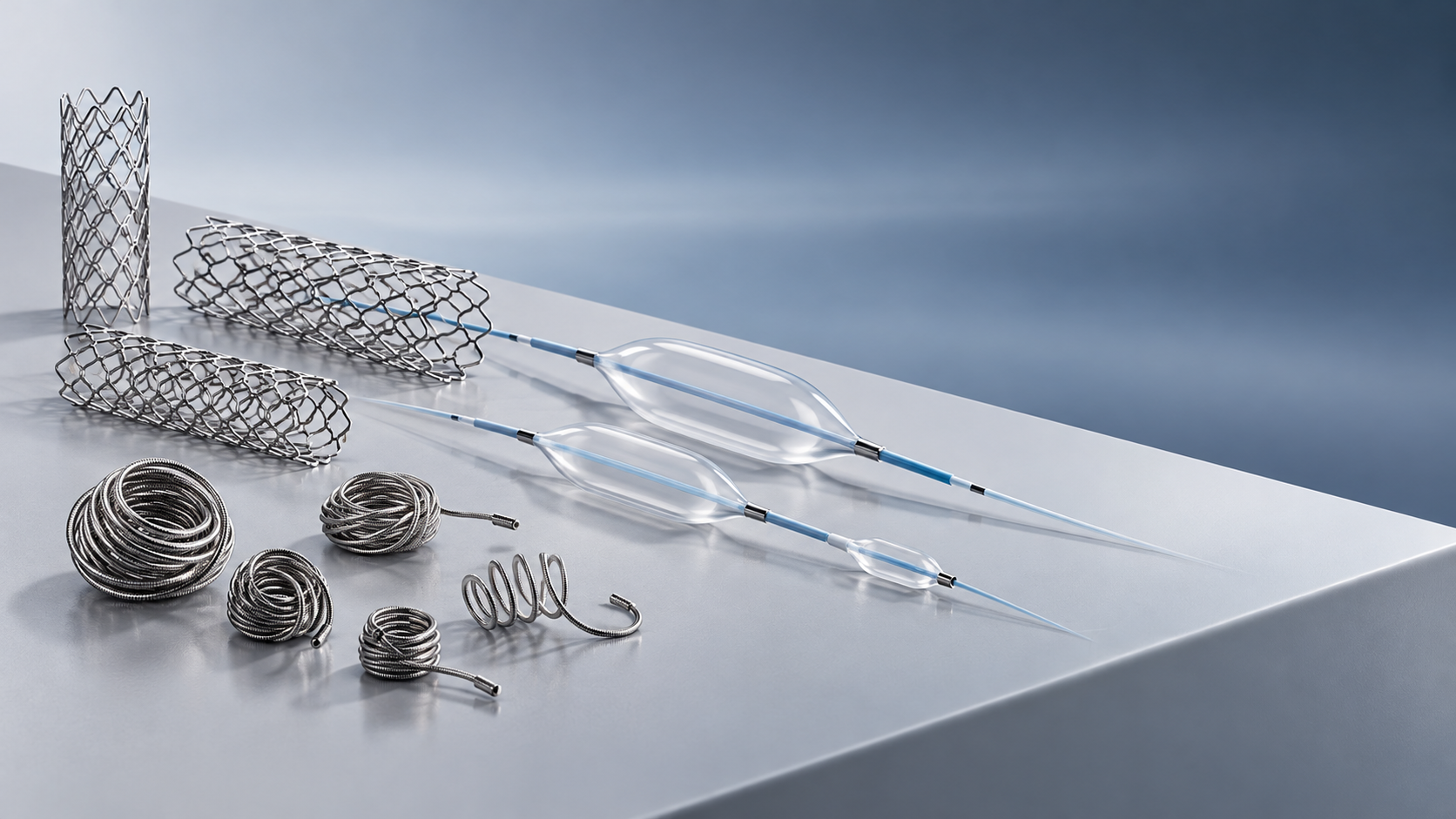
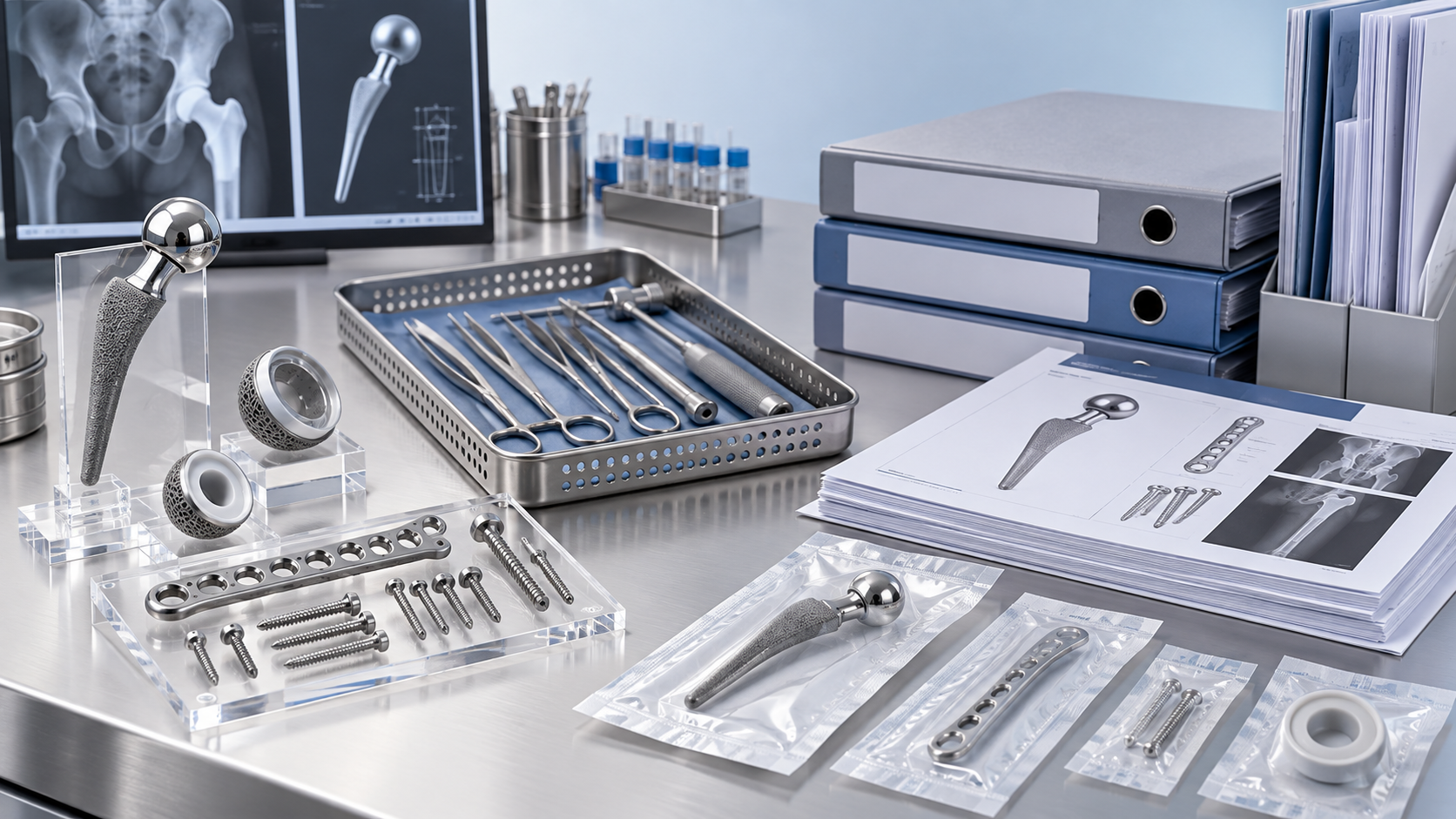
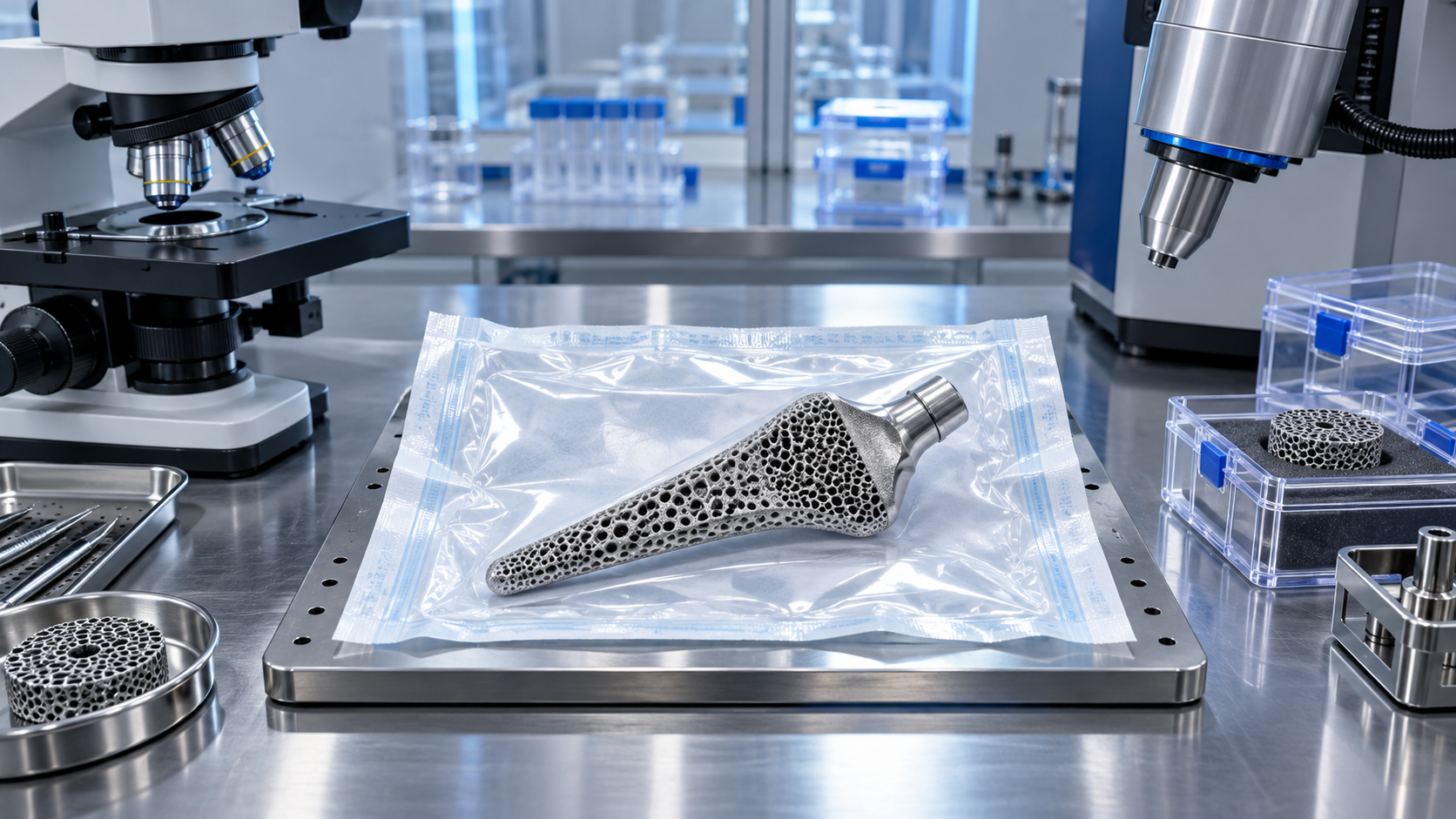
This is especially relevant as implantable and interventional devices become smaller, more customized, and more demanding. Orthopedic systems increasingly combine porous metal structures with radiolucent polymer components. Cardiovascular and neurovascular devices rely on finely tuned catheter polymers and coatings. Minimally invasive surgical platforms require materials that can withstand sterilization, repeated handling, and narrow geometries without compromising patient safety.
Start with the failure mode, not the polymer name
A common early-stage mistake is to begin with a shortlist—PEEK, UHMWPE, PTFE, polyurethane, silicone—and then search for reasons to choose among them. A more defensible approach begins with the device’s credible failure modes. What must the component survive? What would constitute unacceptable degradation? Which failure would have the greatest clinical consequence?
For a spinal cage, the priorities may include compressive strength, fatigue resistance, radiolucency, imaging compatibility, and stable bone-contact behavior. For a joint bearing, wear rate, oxidation resistance, debris biology, and contact mechanics move to the center of the discussion. For an indwelling vascular catheter, flexural endurance, kink resistance, lubricity, extractables, thrombogenicity, and chemical compatibility may outweigh bulk tensile strength.
The practical question is therefore not “Which plastic is best for implantation?” It is: Which material system has the most credible balance of properties for this specific use case, including the way it will be processed and verified?
- Structural loading: static compression, tensile loading, bending, torsion, creep, and long-term fatigue.
- Contact and wear: sliding, rolling, edge loading, abrasion, fretting, third-body wear, and debris generation.
- In vivo environment: temperature, moisture uptake, lipids, enzymes, blood exposure, cyclic motion, and local inflammation.
- Manufacturing realities: machining, molding, additive manufacturing, bonding, welding, cleaning, packaging, and sterilization.
- Regulatory evidence: material characterization, chemical assessment, biological evaluation, equivalence rationale, and post-market traceability.
Strength is necessary, but it is rarely the full answer
High-performance polymers are often discussed in terms of tensile strength or modulus. Those values matter, but implant design rarely fails in a clean uniaxial tension test. Notches, sharp transitions, porous interfaces, screw features, assembly stresses, and variable patient loading can shift the governing mechanism toward fatigue, creep, crack growth, or stress relaxation.
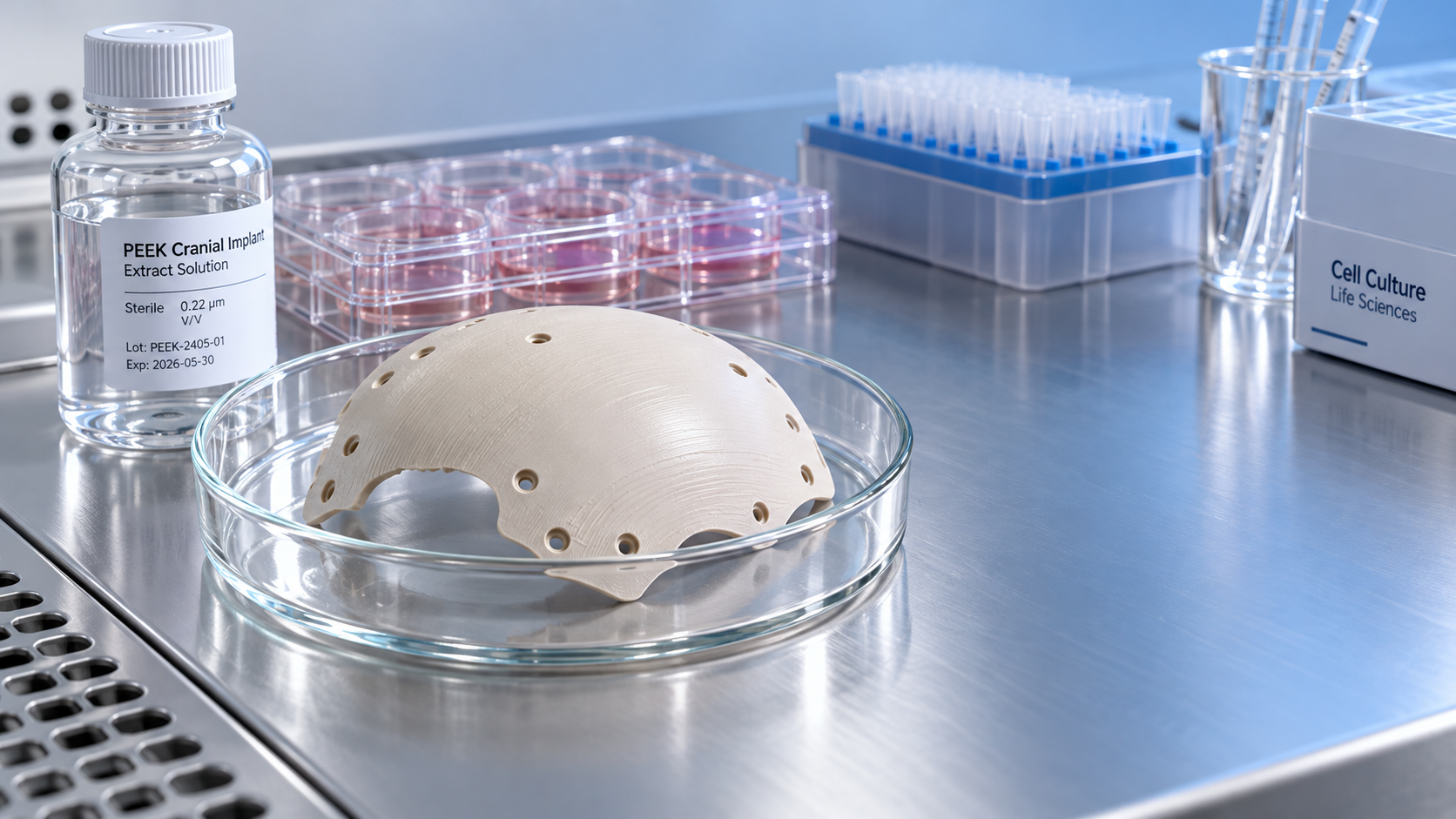
PEEK remains an important candidate for load-bearing implant components because it combines favorable strength-to-weight characteristics, chemical resistance, radiolucency, and a modulus closer to cortical bone than many metals. It is used in spinal, trauma, and other structural applications where imaging visibility and reduced artifact matter. Yet PEEK is not a universal replacement for metal. Its surface behavior, stiffness, interface design, and osseointegration strategy must be evaluated in the actual construct. In certain applications, coatings, texturing, porous architectures, or hybrid metal-polymer designs may be needed to support fixation objectives.
Reinforced grades can increase stiffness and strength, but reinforcement introduces additional questions. Fiber orientation may create anisotropic performance. Machining can expose fibers or alter surface quality. The biological and chemical profile of the final grade—not simply the base polymer family—must be understood. A “PEEK component” is not a sufficiently precise regulatory description if its fillers, colorants, processing aids, or surface modifications differ from the predicate or reference material.
For softer or more flexible implantables, silicone elastomers, polyurethanes, and certain thermoplastic elastomers can offer valuable compliance. Their selection demands careful attention to tear resistance, stress cracking, hydrolysis, environmental stress relaxation, and long-term chemical stability. A device that feels supple and performs well during insertion can still become problematic if prolonged strain causes lumen collapse, fracture, or migration.
Wear resistance is a system property
Wear evaluation becomes especially consequential in articulating orthopedic implants, moving implant assemblies, and components subjected to repetitive sliding or fretting. Ultra-high-molecular-weight polyethylene (UHMWPE) has a well-established role in joint replacement bearings because of its low friction and wear performance. However, “UHMWPE” is a broad material category rather than a complete technical conclusion.
Crosslinking, thermal treatment, consolidation conditions, sterilization route, packaging environment, and antioxidant stabilization can influence mechanical retention, oxidative stability, and wear behavior. Highly crosslinked UHMWPE may reduce wear in certain bearing conditions, but the evaluator must also consider fracture toughness, fatigue behavior, design geometry, and intended activity profile. The material should be assessed as part of a bearing couple, not in isolation.
Wear is influenced by counterface roughness, conformity, lubrication, contact pressure, alignment, third-body particles, and edge-loading events. A material with good nominal wear resistance may still perform poorly when paired with an unsuitable counterface or exposed to adverse implant positioning. The biological significance of generated particles also matters: particle size, morphology, quantity, and local tissue response can be as important as total mass loss.
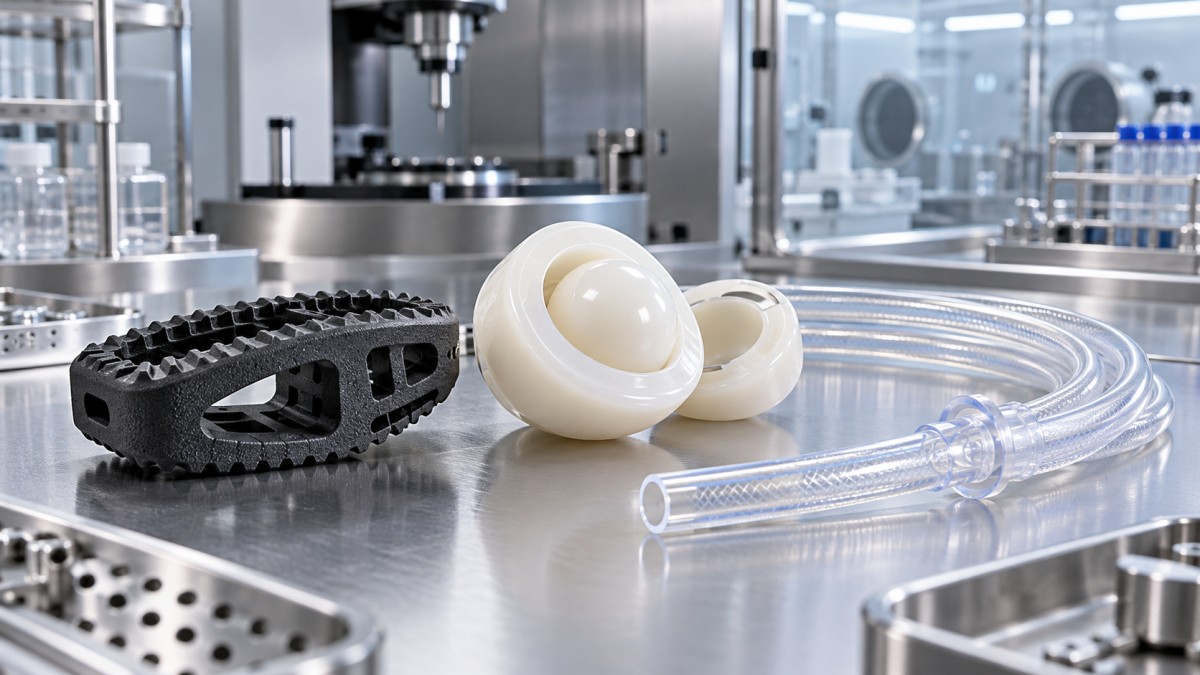
PTFE and related fluoropolymers can offer exceptional lubricity and chemical resistance, but low friction alone does not establish suitability for all implanted applications. Creep under sustained load, cold flow, particulate behavior, and fixation limitations may constrain their role. Similarly, hard engineering polymers can resist abrasion while still being poor choices for a dynamic bearing if they produce unfavorable debris or cannot tolerate cyclic contact stresses.
Questions that should accompany every wear claim
- Does the test replicate clinically meaningful load, motion, lubrication, alignment, and duration?
- Has the material been tested against the intended mating surface and surface finish?
- Are worst-case geometry, sterilization, aging, and shelf-life conditions represented?
- What is known about wear-particle characterization and the relevant biological response?
- Could manufacturing variation alter roughness, crystallinity, crosslink density, or oxidation susceptibility?
Biocompatibility is tied to the finished device
A resin supplier’s statement that a grade is “medical” or “biocompatible” can be useful input, but it is not a substitute for a finished-device biological evaluation. The relevant question is what the patient will encounter after manufacturing, cleaning, sterilization, aging, and clinical use.
ISO 10993-based evaluation should be driven by the nature and duration of body contact, while also considering device-specific risks. For long-term implantable plastics materials, toxicological assessment may need to address not only the base resin but also residual monomers, catalysts, processing lubricants, mold-release agents, adhesives, inks, radiopacifiers, degradation products, and extractables introduced by the production chain.
Cytotoxicity, sensitization, irritation or intracutaneous reactivity, systemic toxicity, implantation effects, genotoxicity, and chemical characterization may all be relevant depending on the device. For blood-contacting applications, hemocompatibility is central; a polymer that is otherwise acceptable may still create risk through platelet activation, complement activation, hemolysis, or thrombosis-related mechanisms. Surface coatings designed to improve hydrophilicity or reduce friction add another layer: durability and particulate shedding must be assessed alongside initial biological performance.
Technical teams should resist treating ISO 10993 as a final test checklist. A stronger strategy begins with a material inventory and chemical characterization plan early in development. This helps identify whether a change in supplier, pigment, solvent, or sterilization process could trigger a new evidence burden later—when redesign is more expensive and timelines are tighter.
A focused comparison of commonly considered polymer families
Do not separate the material from its manufacturing route
The same nominal polymer can behave differently after injection molding, compression molding, extrusion, machining, annealing, irradiation, plasma treatment, or additive manufacturing. Thermal history may change crystallinity. Machining may create residual stress or surface damage. Gamma or electron-beam sterilization can alter molecular structure in susceptible polymers. Ethylene oxide processing raises its own residue-control and aeration considerations. Steam sterilization may be incompatible with certain material-property targets.
This is why evaluation plans should include representative production conditions as early as possible. Testing an unsterilized prototype made from a convenient development grade can be useful for engineering learning, but it should not be mistaken for confirmatory evidence. The closer the test article is to the commercial device—including final packaging and aging—the more meaningful the result becomes.
Supplier control is equally important. A resin name alone does not guarantee consistent chemistry across regions, production sites, or formulation revisions. Define the approved grade, specification limits, change-notification expectations, incoming verification approach, and traceability requirements. For high-risk Class III devices, this discipline supports both safety and regulatory defensibility.
A practical selection sequence for technical evaluators
Begin by translating clinical requirements into measurable engineering criteria. Define implant duration, tissue and blood contact, expected loading spectrum, anatomical constraints, imaging needs, and failure consequences. Then identify a small group of realistic polymer candidates rather than comparing every available medical-grade resin.
Next, create a weighted decision matrix, but use it as a discussion tool rather than an automatic answer generator. Weight properties according to the actual clinical risk. In a bearing application, wear and debris biology may outweigh radiolucency. In a neurovascular catheter, pushability and kink resistance must be considered alongside coating durability and thrombogenicity. In a spinal implant, structural fatigue and interface behavior may be decisive.
After screening, plan verification around the most uncertain and most consequential risks. This often includes conditioned mechanical testing, accelerated aging with careful interpretation, fatigue testing, wear simulation, particulate assessment, chemical characterization, and biological evaluation. A risk-based plan should explain why each test is relevant to the intended use and why omitted tests are scientifically justified.
Finally, align engineering evidence with the regulatory narrative before design freeze. Under frameworks such as EU MDR, a material choice must fit the broader clinical evaluation and benefit-risk story. In markets shaped by cost controls and volume-based procurement, the chosen material must also be manufacturable with stable quality at scale. Cost pressure should not encourage unqualified substitutions in a component whose long-term behavior depends on tightly controlled chemistry and processing.
Choosing with the patient’s lifetime in mind
Implantable plastics are often hidden from view once surgery is complete, but their performance is felt in every painless step, restored blood flow, stable fixation, or complication avoided. That reality should shape the evaluator’s standard. The best material decision is not based on a single favorable property or a supplier brochure. It is built from a clear use case, realistic failure analysis, representative testing, controlled manufacturing, and biological evidence that reflects the final device.
For teams developing orthopedic implants, cardiovascular consumables, minimally invasive instruments, and advanced medical polymer systems, that discipline creates more than a compliant material file. It creates a credible foundation for durable clinical performance—where strength, wear resistance, and biocompatibility are considered together rather than traded blindly against one another.
Get weekly intelligence in your inbox.
No noise. No sponsored content. Pure intelligence.
News Recommendations
 Oct 26, 2026Can a single approval cover life science product sales worldwide?Can a single approval cover life science product sales worldwide?
 Oct 25, 2026When is sensitization testing needed for medical device biocompatibility?When is sensitization testing needed for medical device biocompatibility?
 Oct 24, 2026How is biocompatibility tested for implantable polymer biomaterials?How is biocompatibility tested for implantable polymer biomaterials?
 Oct 23, 2026How to build reimbursement into an implant commercialization strategyHow to build reimbursement into an implant commercialization strategy
 Oct 22, 2026What clinical evidence do implants need for CE marking under EU MDR?What clinical evidence do implants need for CE marking under EU MDR?
 Oct 21, 2026How to choose disposable laparoscopic stapler reloads for thick tissueHow to choose disposable laparoscopic stapler reloads for thick tissue
 Oct 20, 2026How to assess medical polymer biocompatibility under ISO 10993How to assess medical polymer biocompatibility under ISO 10993
 Oct 19, 2026How do interventional device categories differ in clinical use?How do interventional device categories differ in clinical use?
 Oct 18, 2026When to choose alginate dressings for heavily exuding chronic woundsWhen to choose alginate dressings for heavily exuding chronic wounds
 Oct 17, 2026How is biocompatibility tested for custom medical-grade PEEK implants?How is biocompatibility tested for custom medical-grade PEEK implants?
 Oct 16, 2026How to check a wound healing materials supplier’s biocompatibility dataHow to check a wound healing materials supplier’s biocompatibility data
 Oct 15, 2026How to verify the FDA clearance status of silver wound dressingsHow to verify the FDA clearance status of silver wound dressings
 Oct 14, 2026How to register orthopedic implants and instruments in Latin AmericaHow to register orthopedic implants and instruments in Latin America
 Oct 13, 2026How to use a device market intelligence database to benchmark VBP pricesHow to use a device market intelligence database to benchmark VBP prices
 Oct 12, 2026When should stainless steel orthopedic instruments be replaced?When should stainless steel orthopedic instruments be replaced?
 Oct 11, 2026When are alginate dressings rope the right choice for cavity wounds?When are alginate dressings rope the right choice for cavity wounds?
 Oct 10, 2026When smart minimally invasive technology improves catheter accessWhen smart minimally invasive technology improves catheter access
 Oct 08, 2026Clinical evaluation requirements for cardiovascular implant devices in EuropeClinical evaluation requirements for cardiovascular implant devices in Europe
 Oct 07, 2026What to verify before appointing an artificial joint implants distributorWhat to verify before appointing an artificial joint implants distributor
 Oct 06, 2026How ISO 10993 guides biocompatibility testing for medical materialsHow ISO 10993 guides biocompatibility testing for medical materials
 Oct 05, 2026How to verify an orthopedic implants and instruments exporterHow to verify an orthopedic implants and instruments exporter
 Oct 04, 2026What drives surgical stapling devices price differences in hospital tenders?What drives surgical stapling devices price differences in hospital tenders?
 Oct 03, 2026How to assess a central venous catheter manufacturer's infection-control evidenceHow to assess a central venous catheter manufacturer's infection-control evidence
 Oct 02, 2026How to assess an advanced wound care factory’s quality systemHow to assess an advanced wound care factory’s quality system
 Oct 01, 2026What is driving global medical consumables demand in emerging markets?What is driving global medical consumables demand in emerging markets?
 Sep 30, 2026Implant Material Compliance Testing: Evidence Needed for Regulatory SubmissionImplant Material Compliance Testing: Evidence Needed for Regulatory Submission
 Sep 30, 2026From Corrosion to Fatigue: What Implant Materials Testing Should MeasureFrom Corrosion to Fatigue: What Implant Materials Testing Should Measure