When Should Silver Wound Dressings Be Avoided?
Silver wound dressings should be avoided when there is no clear antimicrobial indication, when the wound is progressing normally toward closure, or when patient and wound factors make the dressing more likely to cause harm, delay, or unnecessary cost than clinical benefit. Silver is useful as a short-term tool for managing local bioburden in infected wounds or wounds at high risk of infection. It is not a default dressing for every open wound.
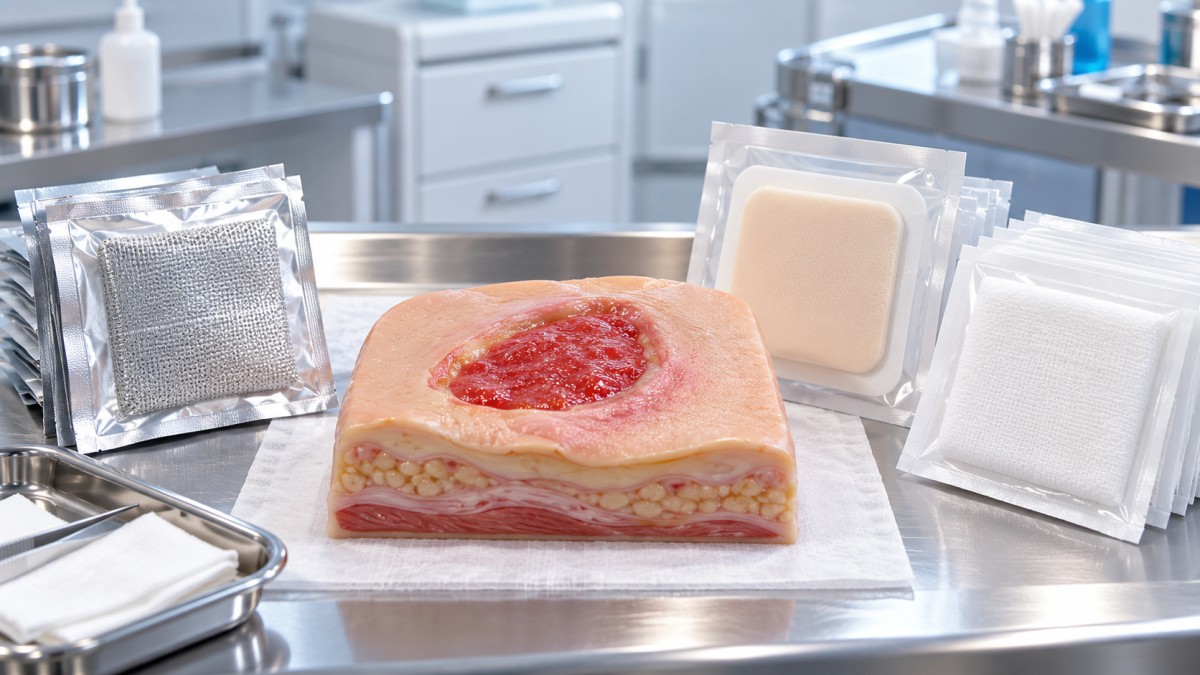
The practical decision is not whether silver is “good” or “bad.” It is whether an antimicrobial dressing is needed at this stage of this wound, and whether the selected silver format fits the wound bed, exudate level, surrounding skin, and treatment plan. A silver foam, silver alginate, silver hydrofiber, or silver-coated contact layer may all contain the same antimicrobial element, but they behave very differently in use.
Do not use silver as routine protection for a clean, healing wound
A clean wound with healthy granulation tissue, controlled moisture, and no clinical signs of infection does not automatically benefit from silver. This is often the clearest situation in which silver dressings should be avoided or discontinued.
Silver ions are intended to reduce microbial burden. When the burden is low and healing is progressing, continued exposure may offer little added value. In some wound environments, especially where epithelial cells and fibroblasts are actively rebuilding tissue, prolonged antimicrobial use can become difficult to justify. The concern is not that every silver dressing will stop healing; it is that antimicrobial activity is not biologically neutral, and treatment should have a defined clinical purpose.
For a postoperative incision that is dry, closed, and uncomplicated, the priority is usually protection, comfort, and observation for changes rather than sustained antimicrobial action. The same logic can apply to superficial abrasions, donor sites that are healing as expected, and wounds that have moved beyond the contaminated or inflammatory phase.
Signs that may support stepping down from silver include:
- Healthy, advancing granulation without deterioration in the wound bed.
- Decreasing exudate and no new malodor.
- No spreading redness, warmth, swelling, or increasing pain in the surrounding skin.
- No clinical concern for local infection or a stalled wound linked to high bioburden.
- A care goal that has shifted from antimicrobial control to epithelial protection or moisture balance.
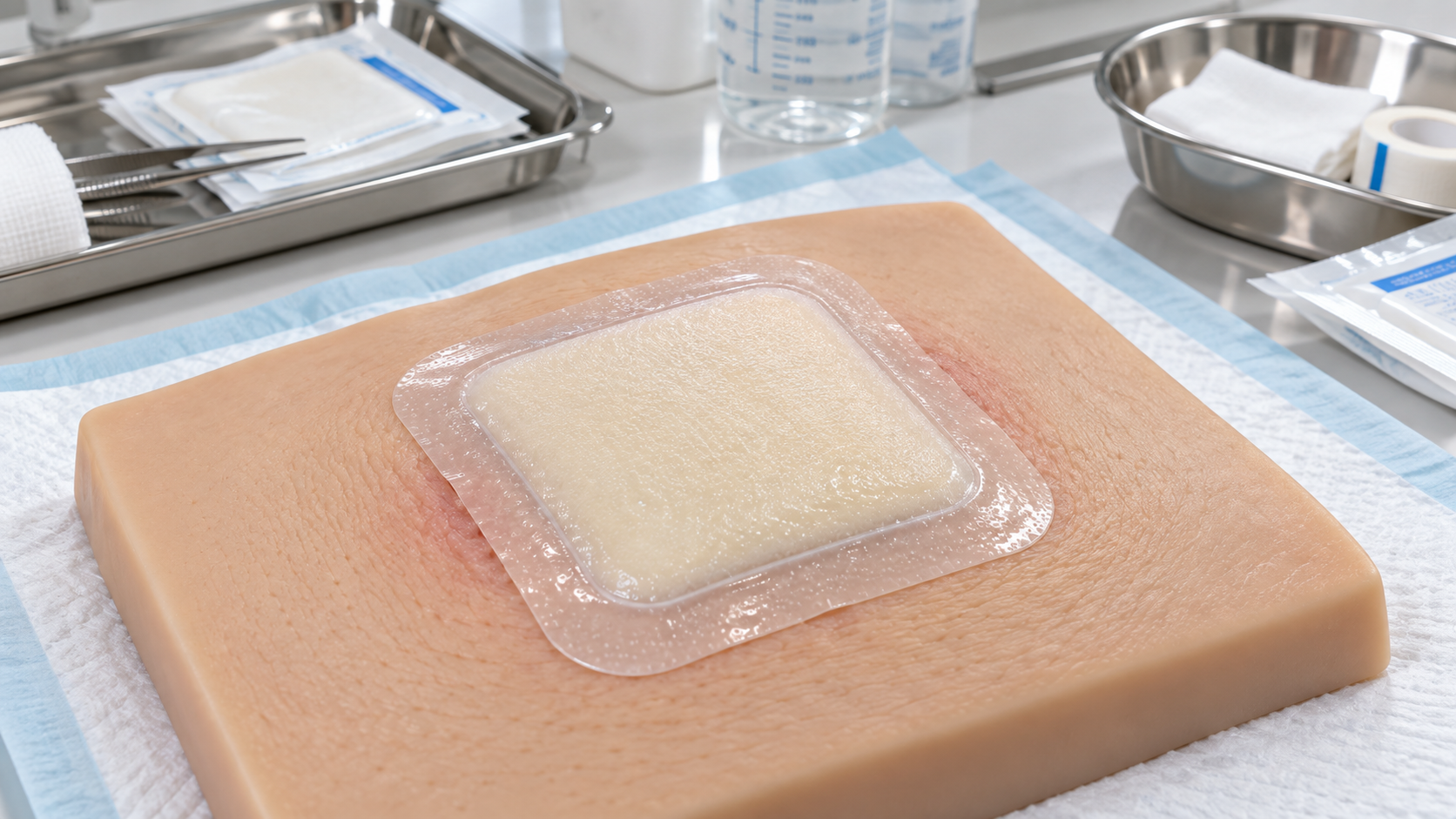
At that point, a non-antimicrobial silicone foam, hydrocolloid, contact layer, or other wound-appropriate dressing may be a more proportionate choice. The exact alternative depends on exudate, fragility, location, and clinician direction.
Be cautious when the patient has a known sensitivity to silver or dressing components
Silver sensitivity is uncommon, but it should not be dismissed. A known allergy or previous adverse skin reaction to silver-containing products is a strong reason to avoid silver wound dressings unless a clinician has assessed the situation and determined otherwise.
In practice, reactions may also come from components other than silver: silicone adhesives, acrylates, polyurethane films, preservatives, binders, or the absorbent matrix. A patient who develops increasing itching, burning, a sharply patterned rash, blistering, or new dermatitis under a dressing may be reacting to the product rather than experiencing a worsening infection.
This distinction matters because contact dermatitis and wound infection can both produce redness and discomfort. Repeatedly changing to another silver dressing without reviewing the full material system can prolong the problem. Documentation should identify the exact product used, including the primary dressing, secondary cover, adhesive border, skin-preparation product, and cleansing agent. That record helps clinicians and procurement teams avoid substituting one sensitizing construction for another under a different brand name.
For facilities standardizing wound-care formularies, material transparency is particularly important. “Silver dressing” is not a sufficient product description. The carrier material, adhesive chemistry, silver-release mechanism, wear time, and intended wound type all affect tolerability.
Do not let antimicrobial dressing choice replace assessment of a deteriorating wound
Silver dressings can be reasonable in wounds with signs of local infection or elevated risk, but they are not a substitute for diagnosis, debridement, drainage, vascular assessment, pressure relief, glycemic management, or systemic treatment when those are needed.
A worsening diabetic foot ulcer, for example, may have ischemia, neuropathic pressure, deep tissue involvement, osteomyelitis, or a combination of these problems. Applying a silver dressing without addressing perfusion or offloading may create the appearance of treatment while leaving the principal cause untouched. Likewise, a surgical wound with increasing pain, spreading erythema, purulent drainage, fever, wound separation, or signs of systemic illness requires prompt clinical evaluation. The question is larger than which dressing to apply.
Silver should also be reconsidered when a wound fails to improve after an appropriate trial. Persistent slough, heavy exudate, odor, or stalled granulation can reflect biofilm or local infection, but they can also reflect inadequate debridement, poor perfusion, excess pressure, edema, uncontrolled inflammation, malignancy, or an inappropriate moisture strategy. Extending use simply because the wound remains difficult does not establish that silver is helping.
Separate surface bioburden from deeper clinical risk
Many wounds are colonized by microorganisms. Colonization alone does not necessarily justify an antimicrobial dressing. Open wounds commonly contain bacteria, and a dressing decision should be based on the whole clinical picture rather than the presence of bacteria in isolation.
Features that raise concern include unexpected breakdown, increasing exudate, new or worsening odor, friable or discolored tissue, wound-edge deterioration, delayed healing without another explanation, and increasing pain. These signs need to be interpreted alongside the patient’s vascular status, immune status, diabetes control, location of the wound, and recent treatment history.
Where infection is suspected, silver may be one component of local management. Where a deeper infection or systemic involvement is possible, local dressing selection is secondary to escalation and comprehensive treatment.
Avoid prolonged, open-ended use without a review point
Silver dressings are commonly used for a defined treatment interval and then reassessed. Open-ended continuation is one of the most avoidable mistakes in wound-care practice, especially where a dressing protocol automatically renews the original product at each change.
Each review should answer a simple question: what is the silver dressing expected to achieve now? If the original indication was odor reduction, infection-risk management, or control of a heavily contaminated wound bed, the care team should be able to identify whether that goal is being met. If it is, a step-down decision may be appropriate. If it is not, the treatment plan needs reassessment rather than automatic renewal.
This is also a cost-control issue, but cost should not be the first lens. Silver dressings tend to be more resource-intensive than basic protective options. Using them after the antimicrobial objective has passed can divert budget without improving outcomes. Conversely, prematurely substituting a lower-cost dressing in a genuinely high-risk wound can create higher downstream costs through delayed healing, infection management, and additional clinical visits.
For purchasers and wound-care committees, the useful measure is appropriateness by indication, not volume of silver products purchased or avoided. A formulary should support a clear route for initiation, review, discontinuation, and escalation. It should also distinguish among silver foams, alginates, gelling fibers, and contact layers instead of treating them as interchangeable antimicrobial commodities.
Match the dressing format to moisture and tissue condition
Even when silver is clinically justified, the wrong dressing construction can impair wound management. Silver does not override the basic requirements of moisture balance, exudate handling, dead-space management, and atraumatic removal.
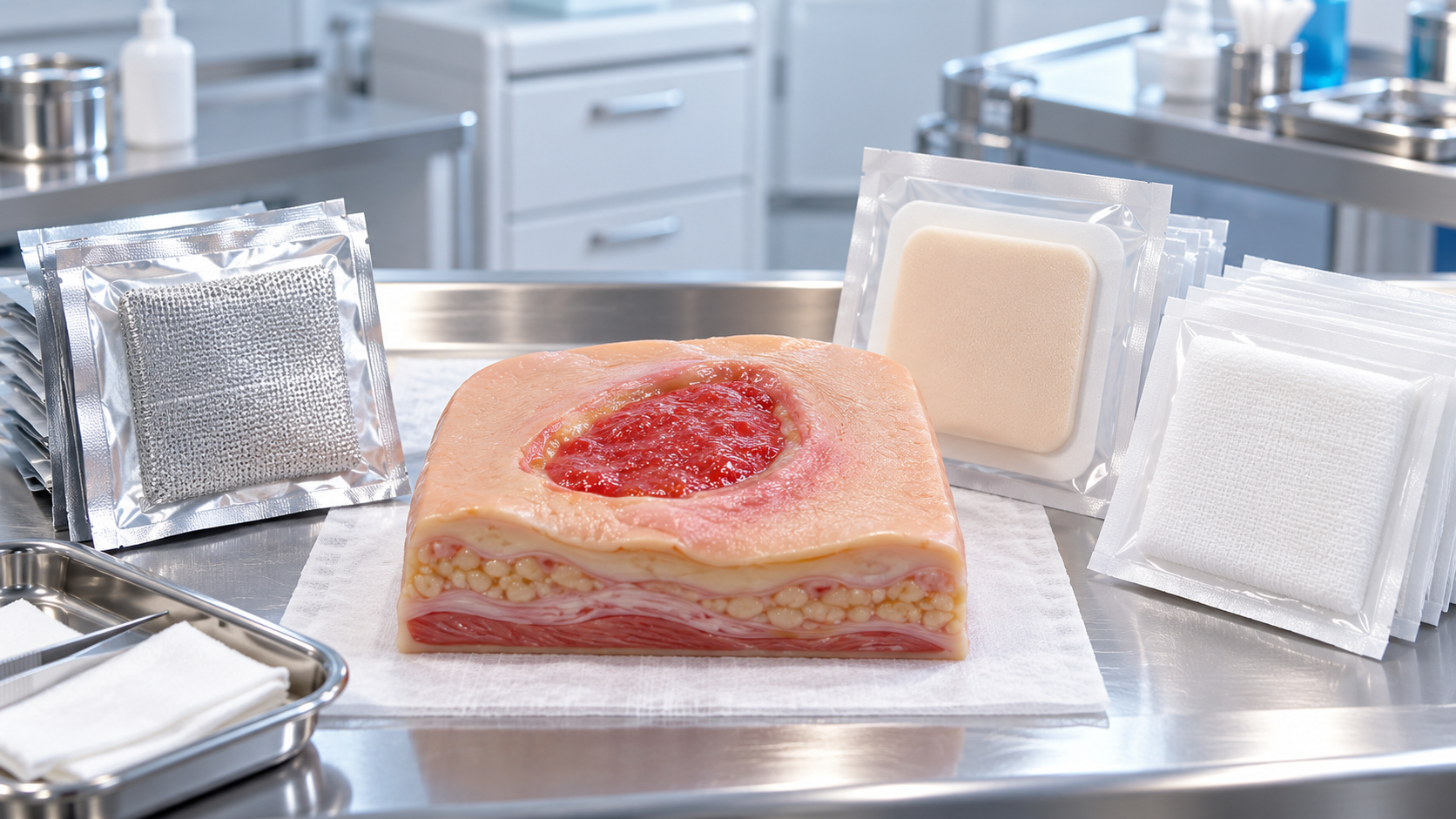
Silver alginates and silver gelling fibers generally depend on wound fluid to form a gel and manage exudate. They are therefore poorly matched to a dry wound. Silver foams can offer cushioning and absorption, but their use should still be guided by exudate level and the condition of surrounding skin. Contact layers may reduce trauma during removal, yet they do not solve a need for absorption if exudate is substantial.
The procurement implication is straightforward: clinical teams need access to more than one dressing category. Restricting selection to a single antimicrobial format can drive poor fit at the bedside, even if the selected item performs well in its intended application.
Special populations require product-specific review
Infants, very small children, patients with extensive burns, and patients with unusually large wounds warrant particular caution. In these situations, the surface area exposed, duration of use, skin barrier condition, and total burden of topical agents may all matter more than they do in a small, localized wound.
Product instructions and local clinical protocols should guide use in pediatric care, burns, pregnancy, and breastfeeding. A general statement that a dressing contains silver does not answer whether it is suitable for a particular age group, wound size, anatomical site, or duration of treatment. Formulation matters, as do the manufacturer’s intended-use limitations.
Clinicians should also review the wider treatment regimen. Topical agents, cleansing products, enzymatic debriders, negative-pressure wound therapy interfaces, and compression systems may affect dressing compatibility and performance. A silver dressing selected in isolation can interfere with the practical workflow of the entire wound plan.
A practical decision sequence before applying silver
Before selecting a silver dressing, establish the clinical objective. Is there a credible concern about local infection, high bioburden, or infection risk that justifies an antimicrobial intervention? If the answer is no, choose the dressing according to moisture management, protection, and patient comfort.
If the answer is yes, determine whether the wound requires assessment beyond local care. Check for red flags such as systemic symptoms, rapidly spreading inflammation, ischemic changes, deep or exposed structures, increasing pain, or a wound that is deteriorating despite treatment. Those findings should move the decision toward clinical escalation rather than a simple dressing substitution.
Then select the least complex silver format that matches exudate, depth, tissue fragility, and dressing-change frequency. Set a review point at the outset. At review, either continue because the antimicrobial objective remains present and progress is evident, change strategy because it is not working, or step down because the indication has resolved.
Silver wound dressings are best treated as targeted, time-limited tools. Avoid them when there is no antimicrobial problem to solve, when the wound is healing cleanly, when sensitivity is suspected, when the product does not fit the wound environment, or when the wound needs a broader clinical intervention. That discipline protects regenerating tissue, supports responsible spending, and keeps wound care focused on the cause of delayed healing rather than the dressing alone.
Get weekly intelligence in your inbox.
No noise. No sponsored content. Pure intelligence.
News Recommendations
 Oct 07, 2026What to verify before appointing an artificial joint implants distributorWhat to verify before appointing an artificial joint implants distributor
 Oct 06, 2026How ISO 10993 guides biocompatibility testing for medical materialsHow ISO 10993 guides biocompatibility testing for medical materials
 Oct 05, 2026How to verify an orthopedic implants and instruments exporterHow to verify an orthopedic implants and instruments exporter
 Oct 04, 2026What drives surgical stapling devices price differences in hospital tenders?What drives surgical stapling devices price differences in hospital tenders?
 Oct 03, 2026How to assess a central venous catheter manufacturer's infection-control evidenceHow to assess a central venous catheter manufacturer's infection-control evidence
 Oct 02, 2026How to assess an advanced wound care factory’s quality systemHow to assess an advanced wound care factory’s quality system
 Oct 01, 2026What is driving global medical consumables demand in emerging markets?What is driving global medical consumables demand in emerging markets?
 Sep 30, 2026When Should Silver Wound Dressings Be Avoided?When Should Silver Wound Dressings Be Avoided?
 Sep 30, 2026Is Silicone Foam Dressing Suitable for Heavily Exuding Wounds?Is Silicone Foam Dressing Suitable for Heavily Exuding Wounds?
 Sep 30, 2026How Should Manufacturers Respond to a Biocompatibility Test Failure?How Should Manufacturers Respond to a Biocompatibility Test Failure?
 Sep 30, 2026What Is the Typical CE MDR Review Timeline for High-Risk Devices?What Is the Typical CE MDR Review Timeline for High-Risk Devices?
 Sep 30, 2026How Do FDA and CE MDR Requirements Differ for Implantable Devices?How Do FDA and CE MDR Requirements Differ for Implantable Devices?
 Sep 30, 2026What Are the Main Compliance Risks for Central Venous Access Catheters?What Are the Main Compliance Risks for Central Venous Access Catheters?
 Sep 30, 2026How Should a Surgical Stapler Manufacturer Prepare for a Compliance Audit?How Should a Surgical Stapler Manufacturer Prepare for a Compliance Audit?
 Sep 30, 2026How to assess an orthopedic implant solutions distributor’s traceability systemHow to assess an orthopedic implant solutions distributor’s traceability system
 Sep 29, 2026How a medical device registration strategy can reduce approval delaysHow a medical device registration strategy can reduce approval delays
 Sep 28, 2026How to verify a medical device specification database before useHow to verify a medical device specification database before use
 Sep 27, 2026What to verify before selecting a microcatheters manufacturerWhat to verify before selecting a microcatheters manufacturer
 Sep 26, 2026How to verify FDA compliance for medical device materialsHow to verify FDA compliance for medical device materials
 Sep 25, 2026When does a porous 3D-printed cranial implant improve fixation?When does a porous 3D-printed cranial implant improve fixation?
 Sep 24, 2026When are bovine pericardial valves suitable for transcatheter aortic valve replacement?When are bovine pericardial valves suitable for transcatheter aortic valve replacement?
 Sep 23, 2026How to verify the sterility assurance of surgical devicesHow to verify the sterility assurance of surgical devices
 Sep 22, 2026How to assess a spinal implants manufacturer’s quality systemHow to assess a spinal implants manufacturer’s quality system
 Sep 21, 2026How to assess an osseointegration technology manufacturer’s quality systemHow to assess an osseointegration technology manufacturer’s quality system
 Sep 20, 2026Medical material science trends reshaping biocompatibility testingMedical material science trends reshaping biocompatibility testing
 Sep 19, 2026What North American regulators expect in implant clinical evaluationsWhat North American regulators expect in implant clinical evaluations
 Sep 18, 2026When should plate and screw systems be selected for fracture fixation?When should plate and screw systems be selected for fracture fixation?