How order volume affects medical consumables procurement costs
A larger order can reduce the quoted price of medical consumables, but the saving counts only if it exceeds the additional cost of holding, managing, and potentially discarding stock. The lowest medical consumables procurement cost therefore depends on the volume actually consumed within a usable period, the delivery schedule, and the contractual terms attached to the discount.
For frequently used, interchangeable items, consolidating orders often reduces transaction and freight costs. For implants with many sizes, sterile products with limited remaining shelf life, or consumables tied to a particular procedure, a large purchase can leave expensive inventory unused even when aggregate clinical demand appears stable.
Compare total cost over the same period
A meaningful volume comparison starts with a common planning period and an estimate of demand for each usable item. Include the purchase price for quantities expected to be consumed, then add ordering, delivery, storage, financing, handling, and expected expiry or obsolescence costs. Account separately for any residual stock at the end of the period: it has value only to the extent that it can still be used, returned, or otherwise recovered.
Total period cost = purchase and delivery costs + ordering and inventory costs + expected losses + shortage-related costs − recoverable value of remaining stock.
The calculation should use consistent assumptions across offers. A quote that includes delivery to the point of use is not directly comparable with one that excludes freight, internal distribution, or special storage. Similarly, a discount applied to every unit differs from a rebate paid only after a volume threshold is reached. Confirm whether the threshold applies to a single order, cumulative purchases, a product family, or individual stock-keeping units.
Shortage costs require particular care. An emergency order can create expedited freight and additional handling charges; a substitute may have a different price or require clinical review. Assign a monetary estimate only where the consequences and likelihood can be supported. A separate sensitivity scenario is more useful than an invented figure for a postponed procedure or an unavailable preferred size.

Where a volume discount loses value
The headline discount is calculated on the ordered quantity, while the carrying burden accumulates over the time stock remains on hand. A shipment that covers many months of demand occupies space and ties up funds for longer than a sequence of smaller deliveries. Sterile goods also require conditions that protect packaging integrity and preserve traceability; storage capacity is not simply the number of boxes that fit on a shelf.
Expiry exposure grows when consumption is uneven. Remaining shelf life on receipt matters more than the shelf life printed in a product specification. Two offers for the same quantity can produce different usable windows if one shipment arrives much later in its shelf life. Allow time for receiving, distribution to the relevant location, and use before the labeled expiry date.
A discount threshold can also encourage ordering above expected demand. Compare the incremental saving on all eligible units with the incremental cost of the extra units and their associated holding and loss exposure. If a supplier applies the lower price retroactively to the whole order, the threshold may be attractive; if the lower price applies only to units above it, the calculation changes. Any rebate contingent on later purchases should remain conditional in the comparison until its terms are satisfied.
Stock value is not the same as usable value
An unopened implant in an uncommon size is still recorded inventory, but it cannot necessarily substitute for a size needed in a scheduled procedure. The same issue arises with catheters of different lengths or diameters and with stapler reloads that match only certain instruments. Pooling these variants into one demand figure can make turnover look healthy while individual items approach expiry.
Estimate demand at the level that determines interchangeability: size, configuration, compatibility, and any other clinically relevant specification. Historical use is a starting point, not a guarantee. Adjust the forecast where scheduled activity, clinical preference, or an approved product change provides credible evidence of a different demand pattern. Avoid treating a temporary demand spike as a permanent increase without checking its cause.
Order quantity and delivery quantity are different decisions
A contract for a larger annual volume does not have to result in a single physical delivery. Scheduled releases can preserve a negotiated price while limiting stock on site. The agreement should define release quantities, notice periods, delivery frequency, and what happens when actual use differs from the forecast. A nominally flexible schedule is of limited value if every release carries a substantial fee or must be confirmed far in advance.
Supplier-held or consignment inventory offers another way to separate physical availability from the timing of purchase. Its economics depend on when ownership transfers, which party bears expiry and damage losses, and who pays for replenishment and stock counts. Consignment stock still occupies space and needs controlled handling. A lower recorded inventory balance alone does not establish a lower total cost.
Minimum order quantities deserve the same scrutiny. A minimum specified per variant can force overstock even when the total order is substantial. A mixed-size minimum, consolidated delivery, or agreed release schedule can reduce that exposure without changing the clinical specification. Any proposed substitution must preserve the required compatibility and be accepted through the relevant clinical and quality processes.
Use a break-even test before increasing volume
Suppose a larger order offers a lower unit price than the current ordering pattern. Calculate the expected saving on units that will actually be used during the comparison period. Then add the extra carrying and handling costs caused by earlier delivery, plus the expected loss from units likely to expire or become unusable. Include any change in freight, order processing charges, and payment terms.
For example, if a larger order saves S in purchase and delivery charges, adds H in carrying and handling costs, and creates L in expected expiry or obsolescence losses, the increase is economically favorable on those terms only when S > H + L. Add any incremental shortage cost or recoverable stock value to the comparison where relevant. This is a planning estimate, not a guarantee that the forecast will occur.
Test the result under lower consumption and shorter remaining shelf life. A discount that remains favorable only when every unit is used before expiry has little tolerance for a scheduling change. Conversely, stable demand and reliable rotation can support a larger order even when the discount is modest, particularly if multiple small shipments carry fixed charges.
Financing assumptions should reflect the interval between payment and consumption, not just the invoice date. Longer payment terms reduce the period during which cash is committed, but they do not eliminate storage or expiry exposure. For stock delivered in installments, calculate the holding period for each release rather than treating the full contracted quantity as inventory from the first day.
Different consumables produce different cost curves
High-volume wound care supplies with consistent specifications may be suitable for consolidated orders when storage conditions and expiry dates support steady rotation. A change in wound care protocol, however, can reduce use of a particular dressing even while total dressing consumption remains steady. Forecast the specific format and pack size, not just the broad category.
Orthopedic implants present a different pattern. Aggregate procedure volume can be predictable while demand for an individual size remains uncertain. A broad range held near the operating room improves availability but raises the value of slow-moving stock. A mixed-size arrangement, exchange rights, or consignment may be more economical than buying a large quantity of each size, provided the agreement makes replenishment and expiry responsibilities explicit.
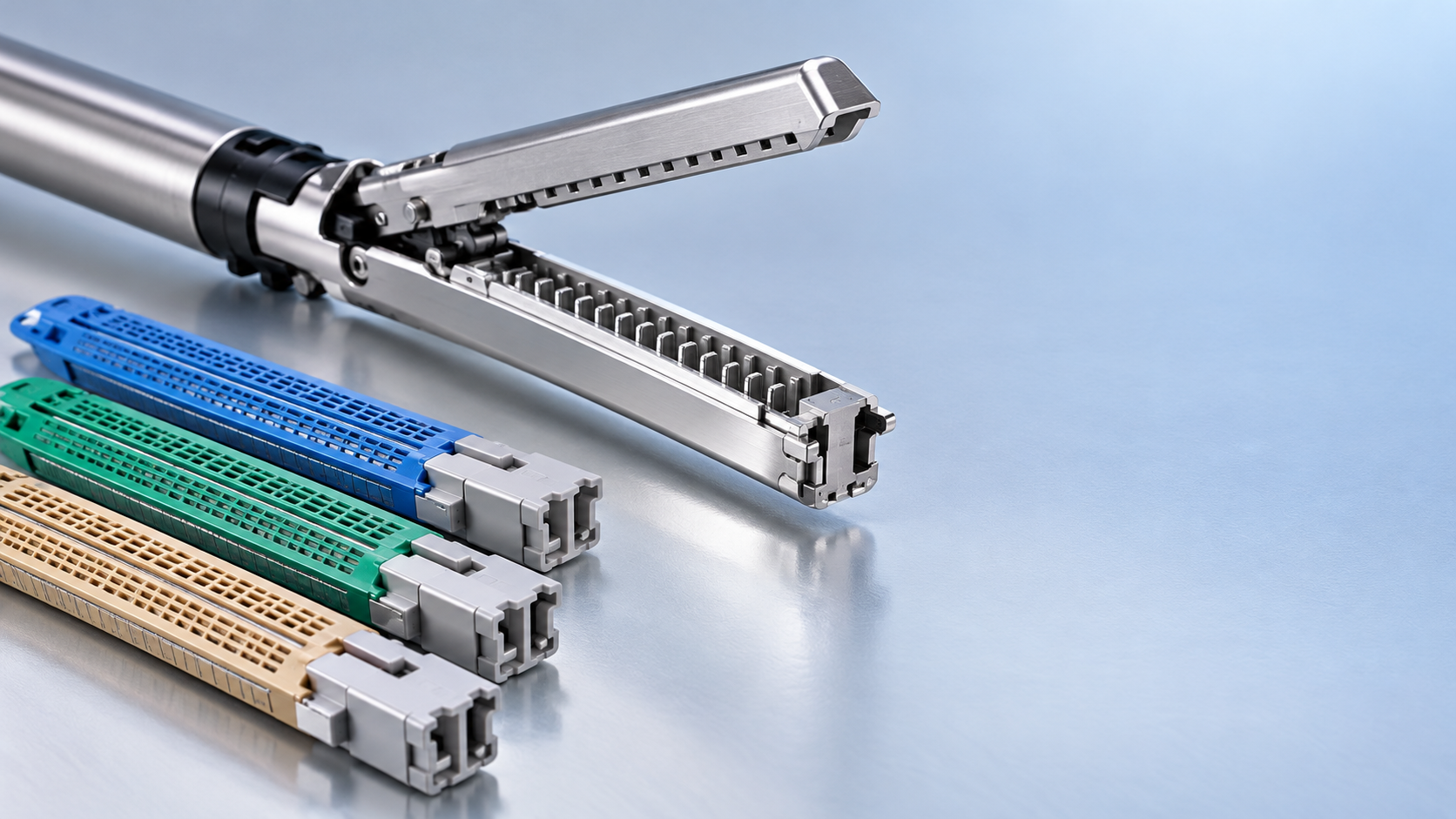
Surgical staplers and their reloads should be evaluated together where compatibility is restricted. A favorable reload price has limited value if a change in the instrument base leaves those reloads unusable. For catheters, separate demand by the dimensions and features that affect the intended procedure; an apparently minor specification difference can prevent stock from being substituted.
Product changes create similar exposure across categories. Packaging revisions, changes in clinical preference, or a replacement item can interrupt the expected consumption of existing stock. Return and exchange clauses matter most when they specify eligible condition, remaining shelf life, deadlines, freight charges, and whether credit is paid in cash or applied to future orders.
Volume commitments need a realistic downside
Contracts tied to committed volumes or volume-based procurement awards can lower prices, but the effective cost depends on the commitment as well as the unit rate. Establish whether the stated quantity is an estimate, a minimum purchase obligation, or a condition for a rebate. Review shortfall charges, price adjustments, allocation rules, and remedies for late or incomplete delivery alongside any discount.
A large commitment also concentrates exposure if one source cannot deliver the required configurations. Reserve inventory or an approved alternative has a cost, but it can reduce the need for emergency purchases. Where an alternative requires validation or clinical acceptance, its value as a contingency depends on completing that work before a shortage occurs.
Review order size as actual use and supplier performance become visible. Persistent slow-moving variants call for smaller releases or revised mix quantities; repeated urgent orders can indicate that the reorder point or delivery lead time is unrealistic. The useful comparison is the cost of sustaining availability across the full period, with inventory that remains clinically usable when it is needed.
Get weekly intelligence in your inbox.
No noise. No sponsored content. Pure intelligence.
News Recommendations
 Nov 03, 2026How order volume affects medical consumables procurement costsHow order volume affects medical consumables procurement costs
 Nov 02, 2026How to assess an OEM's endoscopic stapler manufacturing capacityHow to assess an OEM's endoscopic stapler manufacturing capacity
 Nov 01, 2026How to evaluate an OEM's biocompatibility evidence for cardiovascular interventional devicesHow to evaluate an OEM's biocompatibility evidence for cardiovascular interventional devices
 Oct 31, 2026How does the EU medical device regulatory framework classify devices?How does the EU medical device regulatory framework classify devices?
 Oct 30, 2026Can a cardiac implant intelligence platform support clinical evaluation?Can a cardiac implant intelligence platform support clinical evaluation?
 Oct 29, 2026How to investigate a positive medical device sensitization testHow to investigate a positive medical device sensitization test
 Oct 28, 2026Planning clinical trials for cardiovascular device development in North AmericaPlanning clinical trials for cardiovascular device development in North America
 Oct 27, 2026Do medical consumables platforms offer IV cannula batch traceability?Do medical consumables platforms offer IV cannula batch traceability?
 Oct 26, 2026Can a single approval cover life science product sales worldwide?Can a single approval cover life science product sales worldwide?
 Oct 25, 2026When is sensitization testing needed for medical device biocompatibility?When is sensitization testing needed for medical device biocompatibility?
 Oct 24, 2026How is biocompatibility tested for implantable polymer biomaterials?How is biocompatibility tested for implantable polymer biomaterials?
 Oct 23, 2026How to build reimbursement into an implant commercialization strategyHow to build reimbursement into an implant commercialization strategy
 Oct 22, 2026What clinical evidence do implants need for CE marking under EU MDR?What clinical evidence do implants need for CE marking under EU MDR?
 Oct 21, 2026How to choose disposable laparoscopic stapler reloads for thick tissueHow to choose disposable laparoscopic stapler reloads for thick tissue
 Oct 20, 2026How to assess medical polymer biocompatibility under ISO 10993How to assess medical polymer biocompatibility under ISO 10993
 Oct 19, 2026How do interventional device categories differ in clinical use?How do interventional device categories differ in clinical use?
 Oct 18, 2026When to choose alginate dressings for heavily exuding chronic woundsWhen to choose alginate dressings for heavily exuding chronic wounds
 Oct 17, 2026How is biocompatibility tested for custom medical-grade PEEK implants?How is biocompatibility tested for custom medical-grade PEEK implants?
 Oct 16, 2026How to check a wound healing materials supplier’s biocompatibility dataHow to check a wound healing materials supplier’s biocompatibility data
 Oct 15, 2026How to verify the FDA clearance status of silver wound dressingsHow to verify the FDA clearance status of silver wound dressings
 Oct 14, 2026How to register orthopedic implants and instruments in Latin AmericaHow to register orthopedic implants and instruments in Latin America
 Oct 13, 2026How to use a device market intelligence database to benchmark VBP pricesHow to use a device market intelligence database to benchmark VBP prices
 Oct 12, 2026When should stainless steel orthopedic instruments be replaced?When should stainless steel orthopedic instruments be replaced?
 Oct 11, 2026When are alginate dressings rope the right choice for cavity wounds?When are alginate dressings rope the right choice for cavity wounds?
 Oct 10, 2026When smart minimally invasive technology improves catheter accessWhen smart minimally invasive technology improves catheter access
 Oct 08, 2026Clinical evaluation requirements for cardiovascular implant devices in EuropeClinical evaluation requirements for cardiovascular implant devices in Europe
 Oct 07, 2026What to verify before appointing an artificial joint implants distributorWhat to verify before appointing an artificial joint implants distributor