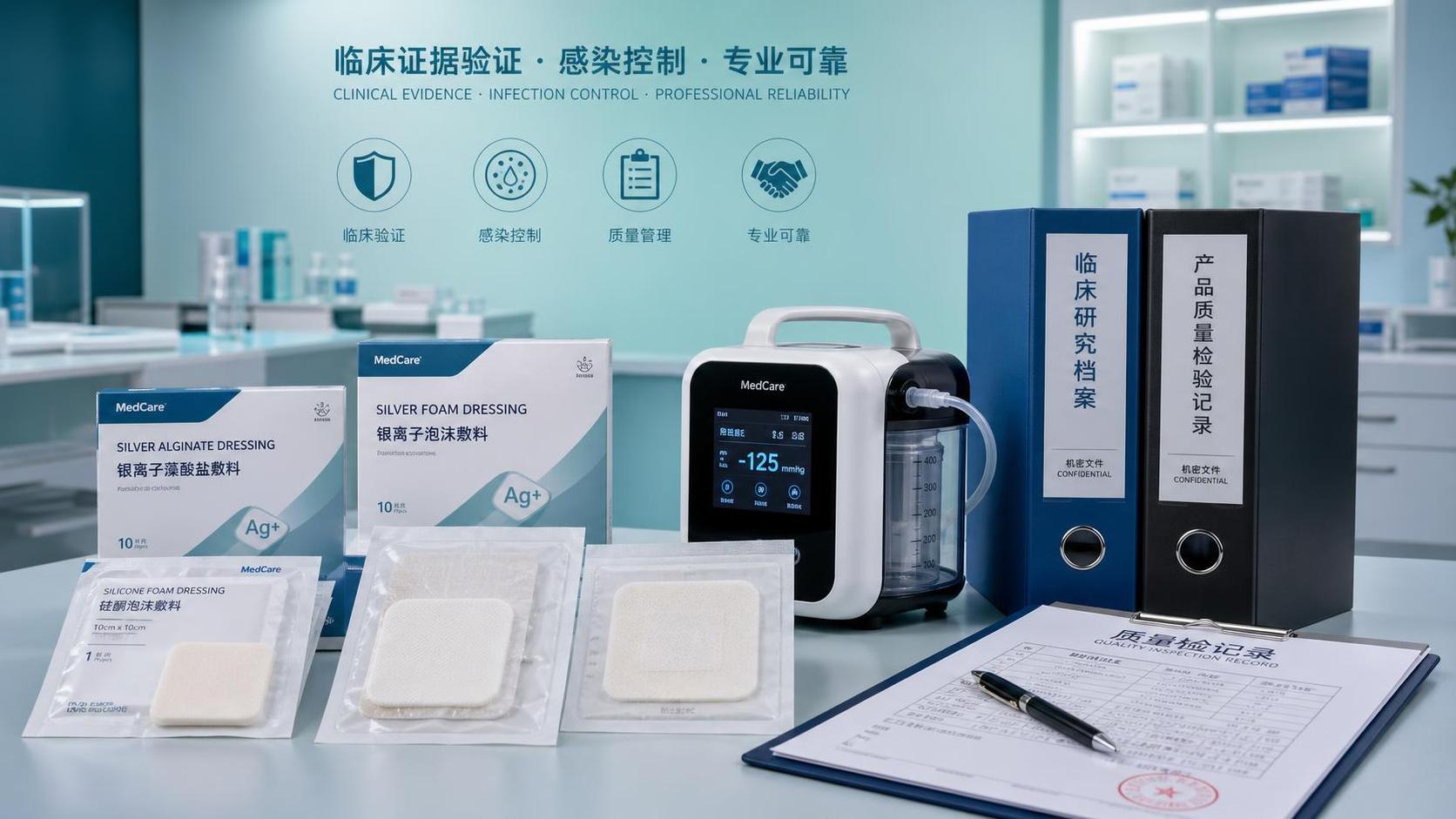
Medical Consumables Selection: Balancing Cost, Quality, and Supply
Medical consumables selection has become a strategic decision, not a simple unit-price exercise. In high-value categories, a lower quote can hide higher clinical, regulatory, and supply-chain costs later.
That is why many sourcing teams now compare total risk as carefully as total spend. The real question is how to protect outcomes while keeping budgets and delivery plans under control.
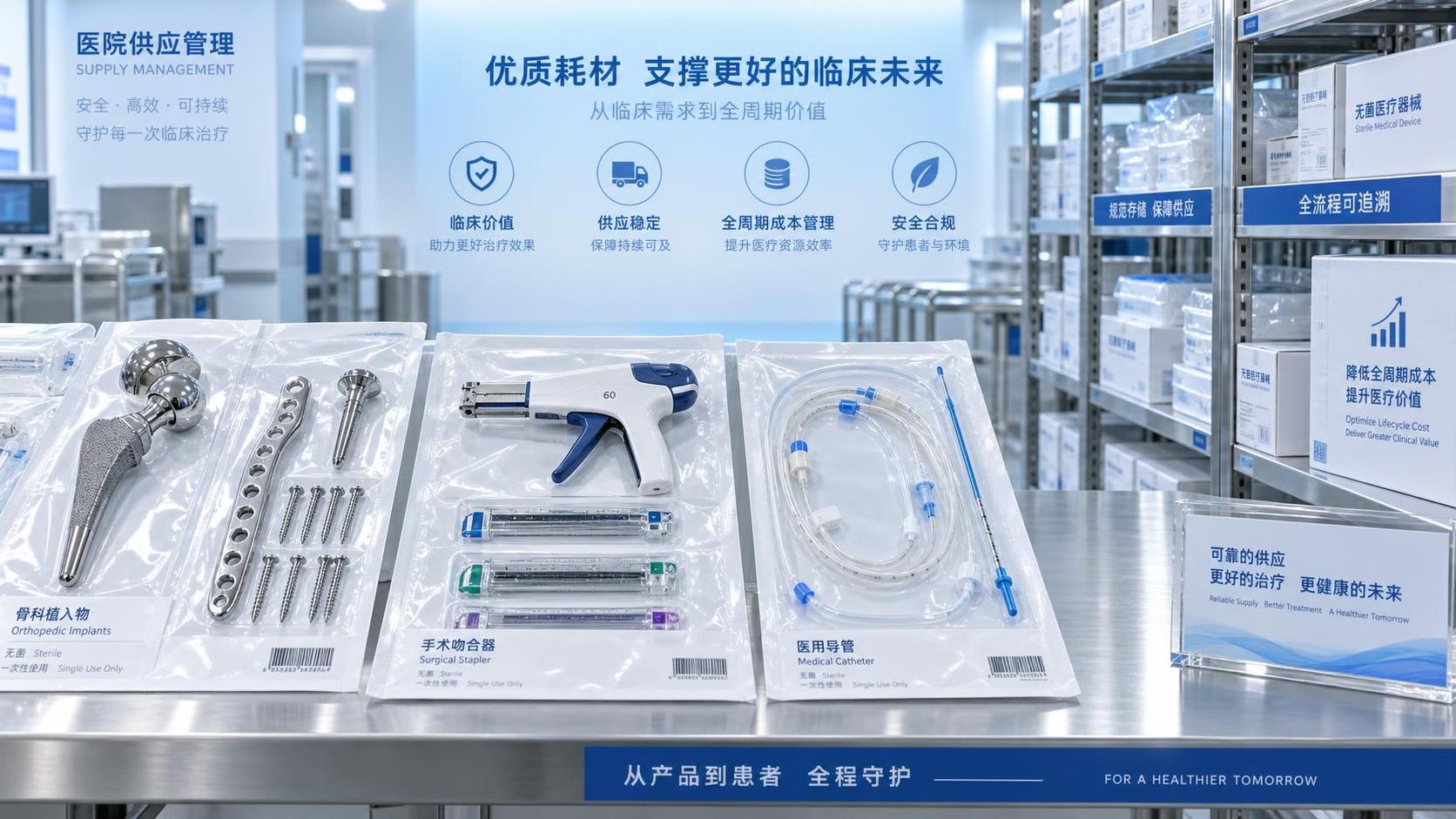
This matters even more in implants, cardiovascular devices, staplers, catheters, and advanced wound care. These products sit close to patient recovery, hospital reputation, and policy-driven price pressure.
A practical medical consumables selection process should connect technical evidence, regulatory status, supplier resilience, and long-term cost. That is also the logic behind IMCS, which tracks biomaterials, Class III compliance, and VBP-related market shifts together.
Why is medical consumables selection no longer just about the cheapest bid?
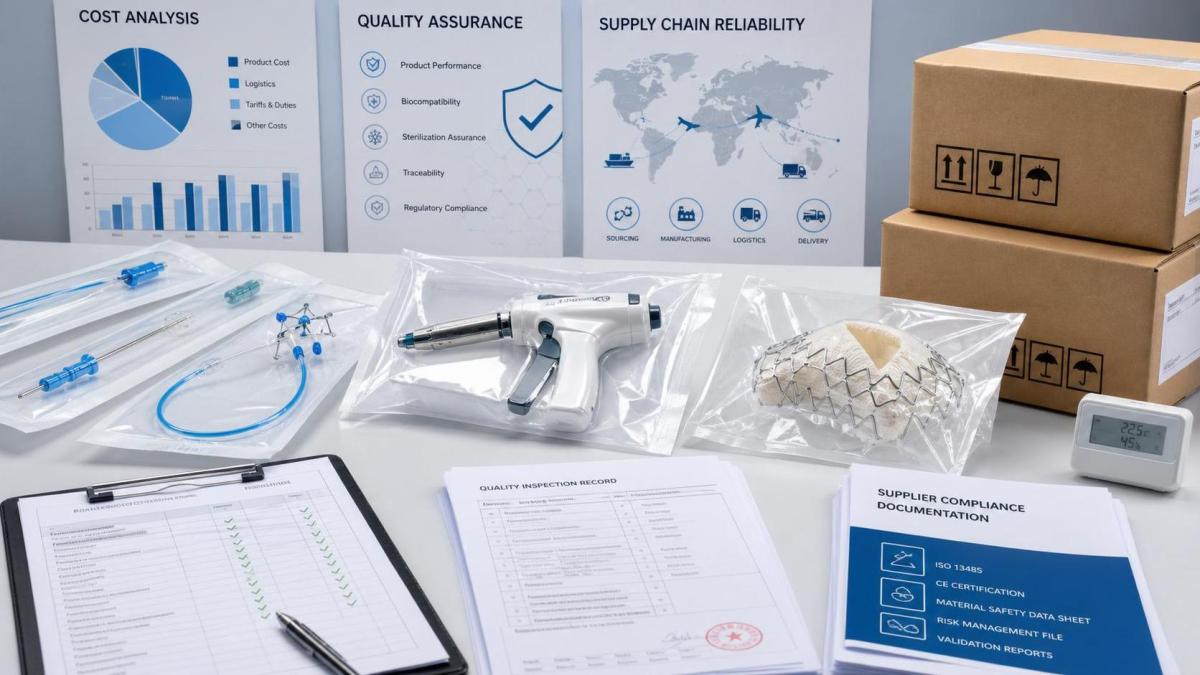
The short answer is simple: price is visible, but failure cost is often delayed. A low-priced product may still create expensive consequences through revision procedures, delays, shortages, or audit issues.
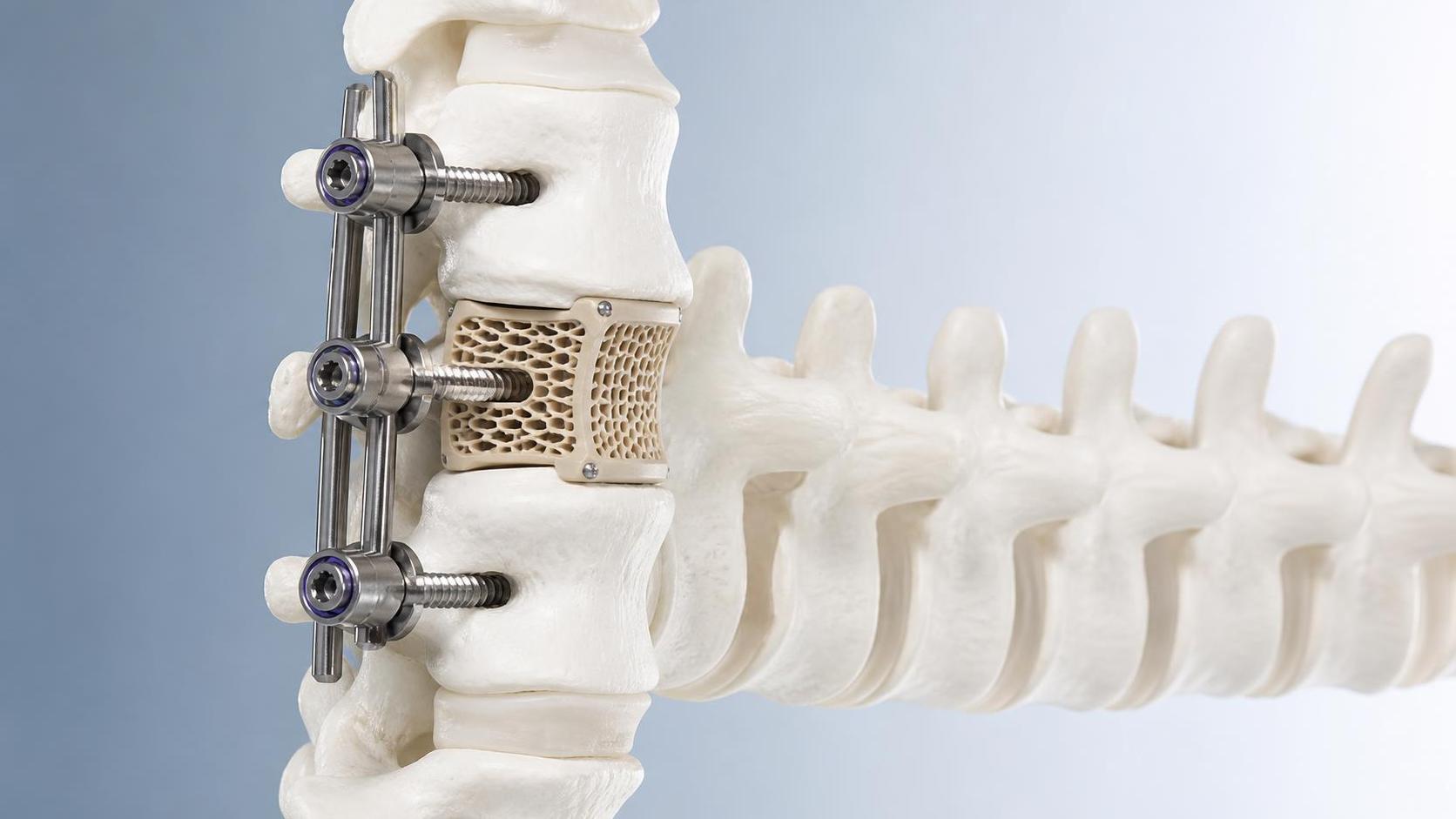
In orthopedic implants, material design affects osseointegration and long-term fixation. In cardiovascular consumables, micron-level precision can influence deployment accuracy and procedural safety.
For staplers and catheters, consistency matters as much as headline performance. Small variations in staple formation, coating durability, or kink resistance can change clinical workflow and waste rates.
More commonly, the procurement challenge is not choosing between good and bad products. It is choosing between acceptable options with different trade-offs in evidence depth, compliance burden, supply reliability, and future pricing.
That is where medical consumables selection becomes a balancing exercise. Instead of asking only, “Which offer is lower?” it is better to ask, “Which option holds value after six, twelve, and twenty-four months?”
What should be checked first when comparing suppliers across critical categories?
A useful first screen is to separate core qualification from commercial preference. If qualification is weak, price comparison becomes misleading from the beginning.
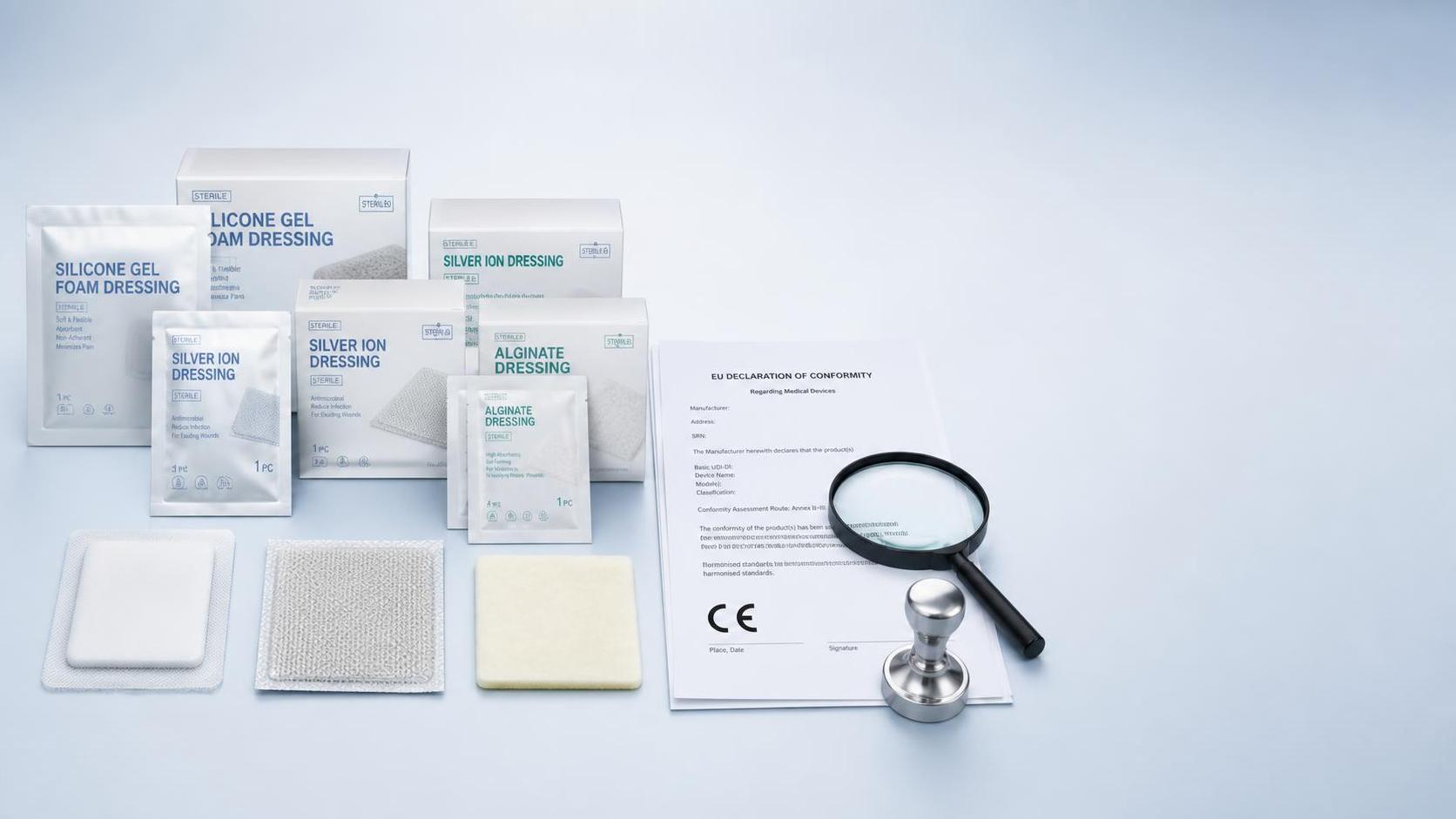
In practice, early review should cover product registration, manufacturing controls, sterilization validation, shelf-life evidence, and post-market surveillance capability. These are not formalities for high-risk consumables.
For implants and tissue-contact materials, biocompatibility evidence deserves special attention. ISO 10993 testing, sensitization data, and cytotoxicity thresholds can reveal whether a low bid carries hidden biological risk.
For CE MDR or similar regulated markets, clinical evaluation depth also matters. A supplier with a thin Clinical Evaluation Report may create future continuity problems even if current supply looks stable.
The table below helps frame medical consumables selection before commercial negotiation begins.
How do cost, quality, and compliance interact in real purchasing decisions?
They interact more tightly than many spreadsheets show. When one side is underestimated, another side usually becomes more expensive later.
Take cardiovascular interventional consumables as an example. A device with attractive pricing but limited delivery precision data may increase procedural complexity, training burden, or physician resistance.
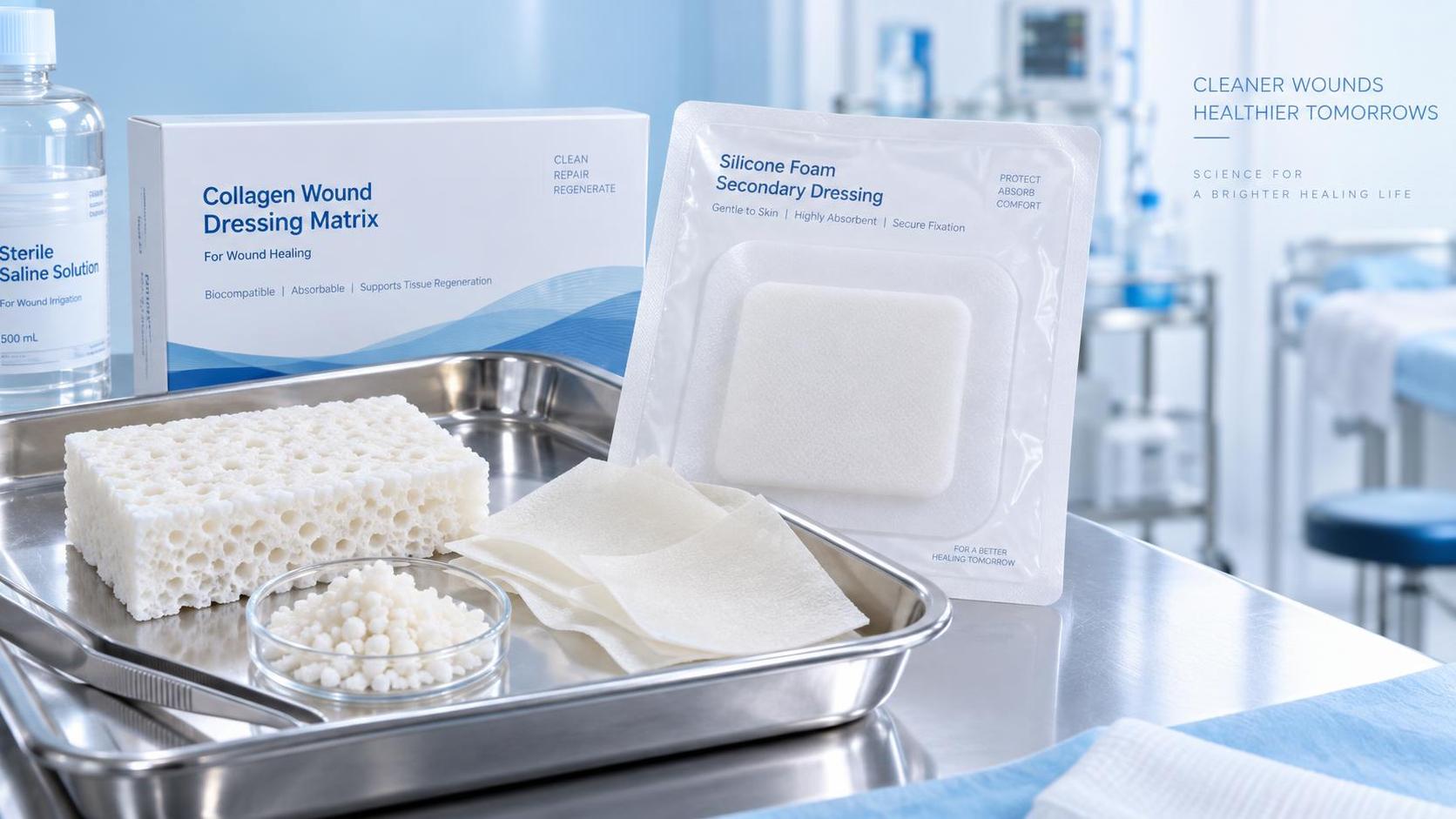
In wound care, the cheapest dressing may require more frequent changes, more nursing time, or slower healing support. The invoice looks leaner, but total care cost can rise.
Medical consumables selection works better when total cost includes five layers: unit price, usage efficiency, complication exposure, compliance continuity, and replenishment certainty.
- Unit price shows immediate budget impact, but not complete value.
- Usage efficiency reflects waste, learning curve, and procedure fit.
- Complication exposure covers returns, adverse events, and revision risk.
- Compliance continuity includes renewals, documentation, and audit readiness.
- Replenishment certainty measures whether the supplier can keep promises.
This is also why intelligence-led sourcing has gained attention. IMCS follows not only devices and materials, but also policy pressure and supply behavior, which often explain future cost movements better than current quotations do.
Which mistakes most often weaken medical consumables selection?
One common mistake is treating all consumables as if they carry the same risk. They do not. A silicone foam dressing, a DES, and a PEEK spinal implant require different evidence thresholds.
Another mistake is relying too heavily on pass-fail qualification. A supplier may pass minimum checks but still perform poorly in lot consistency, documentation speed, or demand-response capacity.
A third mistake appears during price-driven tenders. When VBP or similar pressure pushes bids downward, some offers become commercially fragile. The risk is not just low margin. The risk is future service erosion.
It is also risky to ignore upstream material and processing dependence. Titanium machining precision, polymer coating control, and sterile packaging quality all affect downstream reliability.
A more grounded medical consumables selection approach usually avoids these traps:
- Do not compare unlike risk classes with one scoring template.
- Do not separate technical review from supply review.
- Do not assume low tender pricing is sustainable pricing.
- Do not ignore clinician adoption barriers and use-pattern changes.
How can buyers judge whether a low-cost option is truly safe to scale?
The answer usually comes from staged validation, not from one meeting. Before expanding volume, it helps to test whether the low-cost option performs consistently across paperwork, delivery, and actual use.
For example, with minimally invasive staplers, scale decisions should review firing reliability, training needs, reload availability, and complaint response speed. For catheters, track flexibility, thrombus-related concerns, and coating integrity.
A practical judgment model is to ask whether savings survive three stress points: demand increase, regulatory change, and quality escalation. If the answer is unclear, the price advantage may be temporary.
Many organizations now use a small pilot, then a controlled expansion, then a category review. That rhythm is slower than direct switching, but it reduces expensive reversals.
Where IMCS adds value is in connecting product-level details with market signals. In categories shaped by biomaterial innovation and VBP pressure, that combined view often makes medical consumables selection more resilient.
What does a stronger medical consumables selection framework look like?
It starts with category logic instead of generic sourcing language. High-contact, implantable, and procedure-critical consumables should be reviewed through different evidence and continuity lenses.
It also uses decision rules that are easy to repeat. When evaluation depends only on individual preference, quality and supply decisions become hard to defend later.
A workable framework often includes these steps:
- Map the category by clinical criticality and replacement difficulty.
- Define must-have compliance and evidence thresholds first.
- Model total cost over usage, not purchase alone.
- Review supply resilience at plant and logistics level.
- Track policy signals that may shift future pricing.
Medical consumables selection works best when it is disciplined but flexible. The same framework should handle a TAVR valve, a neuro microcatheter, and an advanced dressing without pretending they behave the same way.
In the end, better decisions usually come from sharper questions. Clarify clinical dependence, verify compliance depth, compare real operating cost, and test supply stability before volume commitments increase.
That next step does not require a perfect model. It requires a clearer one. Start with the categories carrying the highest patient impact and the highest replacement risk, then refine the framework as new evidence and market signals emerge.
Get weekly intelligence in your inbox.
No noise. No sponsored content. Pure intelligence.
News Recommendations
 Sep 23, 2026How to verify the sterility assurance of surgical devicesHow to verify the sterility assurance of surgical devices
 Sep 22, 2026How to assess a spinal implants manufacturer’s quality systemHow to assess a spinal implants manufacturer’s quality system
 Sep 21, 2026How to assess an osseointegration technology manufacturer’s quality systemHow to assess an osseointegration technology manufacturer’s quality system
 Sep 20, 2026Medical material science trends reshaping biocompatibility testingMedical material science trends reshaping biocompatibility testing
 Sep 19, 2026What North American regulators expect in implant clinical evaluationsWhat North American regulators expect in implant clinical evaluations
 Sep 18, 2026When should plate and screw systems be selected for fracture fixation?When should plate and screw systems be selected for fracture fixation?
 Sep 17, 2026How a medical device sourcing strategy can reduce total acquisition costHow a medical device sourcing strategy can reduce total acquisition cost
 Sep 16, 2026When are silver foam burn care dressings appropriate for exuding burns?When are silver foam burn care dressings appropriate for exuding burns?
 Sep 15, 2026What drives medical device category pricing in value-based purchasing?What drives medical device category pricing in value-based purchasing?
 Sep 14, 2026High value consumables insights for evaluating total cost of careHigh value consumables insights for evaluating total cost of care
 Sep 13, 2026What a medical device market insights platform reveals about market accessWhat a medical device market insights platform reveals about market access
 Sep 12, 2026When are collagen-based tissue healing materials suitable for wound care?When are collagen-based tissue healing materials suitable for wound care?
 Sep 11, 2026How catheter material selection affects total cost of ownershipHow catheter material selection affects total cost of ownership
 Sep 10, 2026What FDA clearance means for medical grade PEEK implantsWhat FDA clearance means for medical grade PEEK implants
 Sep 09, 2026When do hydrogel wound healing technologies suit dry wounds?When do hydrogel wound healing technologies suit dry wounds?
 Sep 07, 2026How to assess medical consumables for surgical useHow to assess medical consumables for surgical use
 Sep 07, 2026How to verify CE MDR compliance for single-use medical consumablesHow to verify CE MDR compliance for single-use medical consumables
 Sep 05, 2026How to evaluate an antithrombotic catheter factory for qualityHow to evaluate an antithrombotic catheter factory for quality
 Sep 04, 2026When do minimally invasive surgical staplers improve GI access?When do minimally invasive surgical staplers improve GI access?
 Sep 03, 2026When are foam moist wound healing dressings appropriate for exuding wounds?When are foam moist wound healing dressings appropriate for exuding wounds?
 Sep 02, 2026How implant pricing affects access to advanced medical careHow implant pricing affects access to advanced medical care
 Sep 01, 2026What is driving price pressure in the North American medical consumables market?What is driving price pressure in the North American medical consumables market?
 Aug 31, 2026Comparing medical devices in Southeast Asia when market access differsComparing medical devices in Southeast Asia when market access differs
 Aug 30, 2026When are 3D printed PEEK implants suitable for spinal reconstruction?When are 3D printed PEEK implants suitable for spinal reconstruction?
 Aug 29, 2026How global medical device regulations shape clinical evidence requirementsHow global medical device regulations shape clinical evidence requirements
 Aug 28, 2026How to verify a burn care dressings exporter meets EU MDR requirementsHow to verify a burn care dressings exporter meets EU MDR requirements
 Aug 27, 2026How to verify a diabetic foot wound care supplier’s clinical evidenceHow to verify a diabetic foot wound care supplier’s clinical evidence