FDA Trends Shaping Surgical Consumables Innovation in 2026
In 2026, FDA oversight is shaping surgical consumables innovation FDA strategy far beyond registration timing. It now influences material science, evidence planning, supplier control, reimbursement logic, and how quickly new products can reach operating rooms.
That shift matters across implants, stapling systems, polymer catheters, wound care, and other high-value consumables. In a market balancing safety, precision, and price pressure, regulatory direction has become an early design input, not a late compliance checkpoint.
For platforms such as IMCS, which track biocompatibility, Class III regulation, and procurement dynamics together, the central question is practical: how should businesses read FDA signals before capital, tooling, and clinical budgets are locked in?
Why FDA Trends Matter More in 2026

The current FDA environment is not simply stricter. It is more integrated. Review teams increasingly connect chemistry, usability, manufacturing variation, and real-world performance into one regulatory narrative.
For surgical consumables innovation FDA expectations now begin at concept stage. A device using a new polymer, coating, staple geometry, or tissue-contact surface may face questions that affect testing scope months earlier than many teams expect.
This is especially relevant where performance margins are narrow. A stapler misfire, catheter kink, coating particle release, or dressing incompatibility is no longer viewed as an isolated engineering issue.
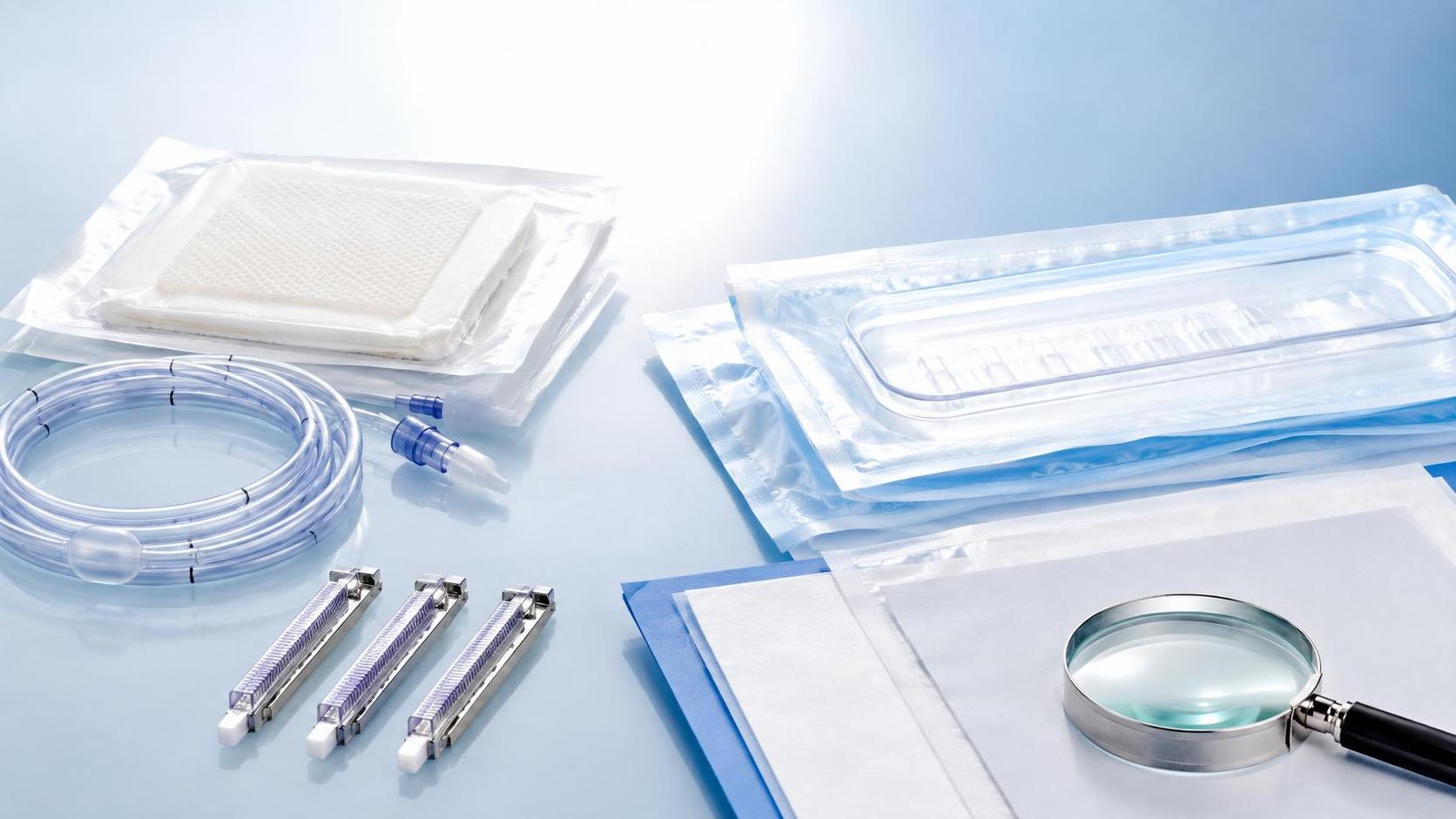
It is evaluated as a system risk involving design controls, human factors, sterility assurance, packaging integrity, and post-market monitoring. That broader lens is setting the pace for innovation decisions.
The Core FDA Signals Reshaping Product Development
Several patterns stand out in 2026. None are entirely new, but their combined effect is changing how development programs should be structured.
Biocompatibility Is Moving Upstream
FDA reviewers increasingly expect a stronger scientific rationale behind ISO 10993 plans. Material equivalence claims alone are less persuasive when additives, processing steps, sterilization, or contact duration differ.
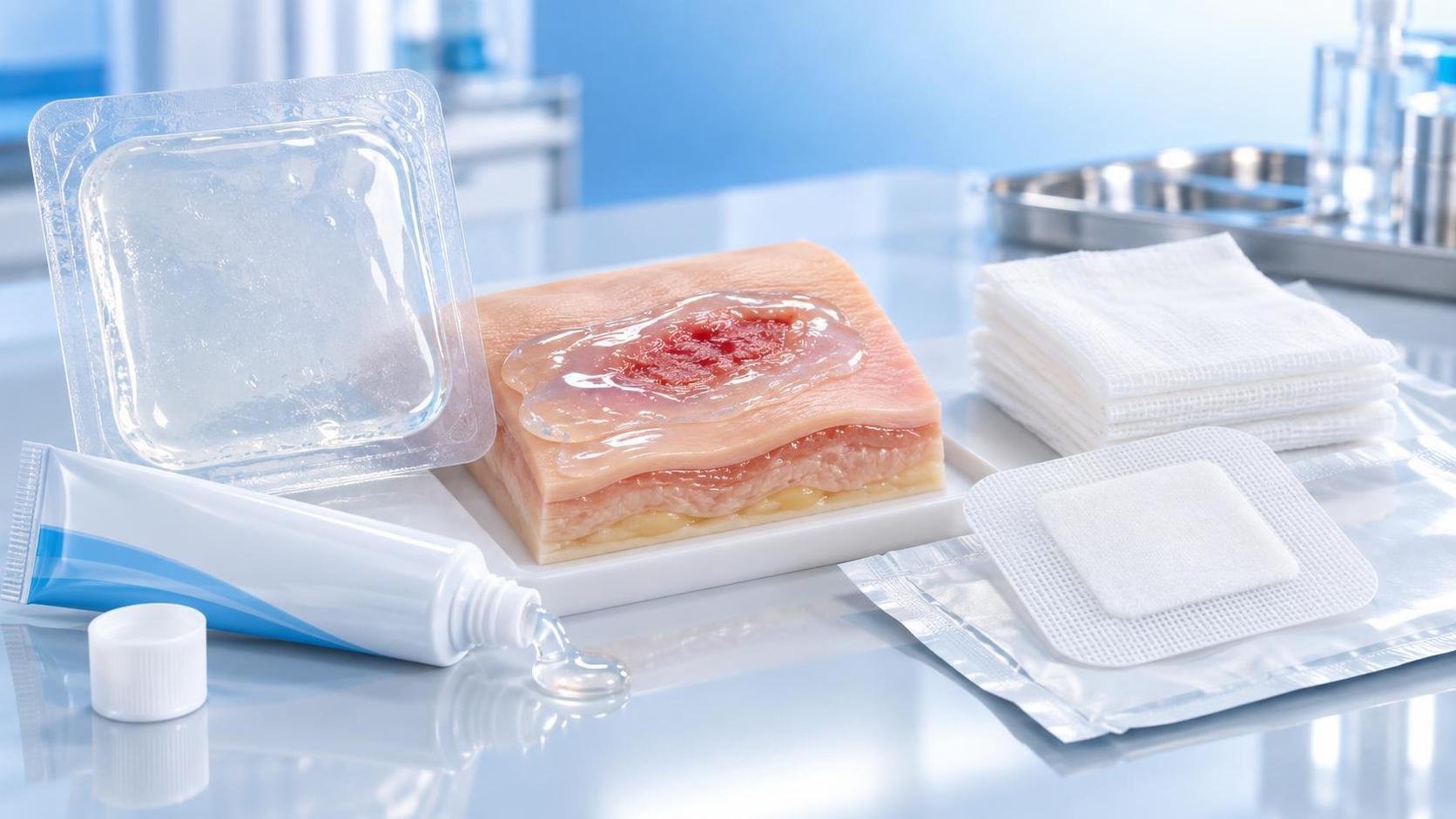
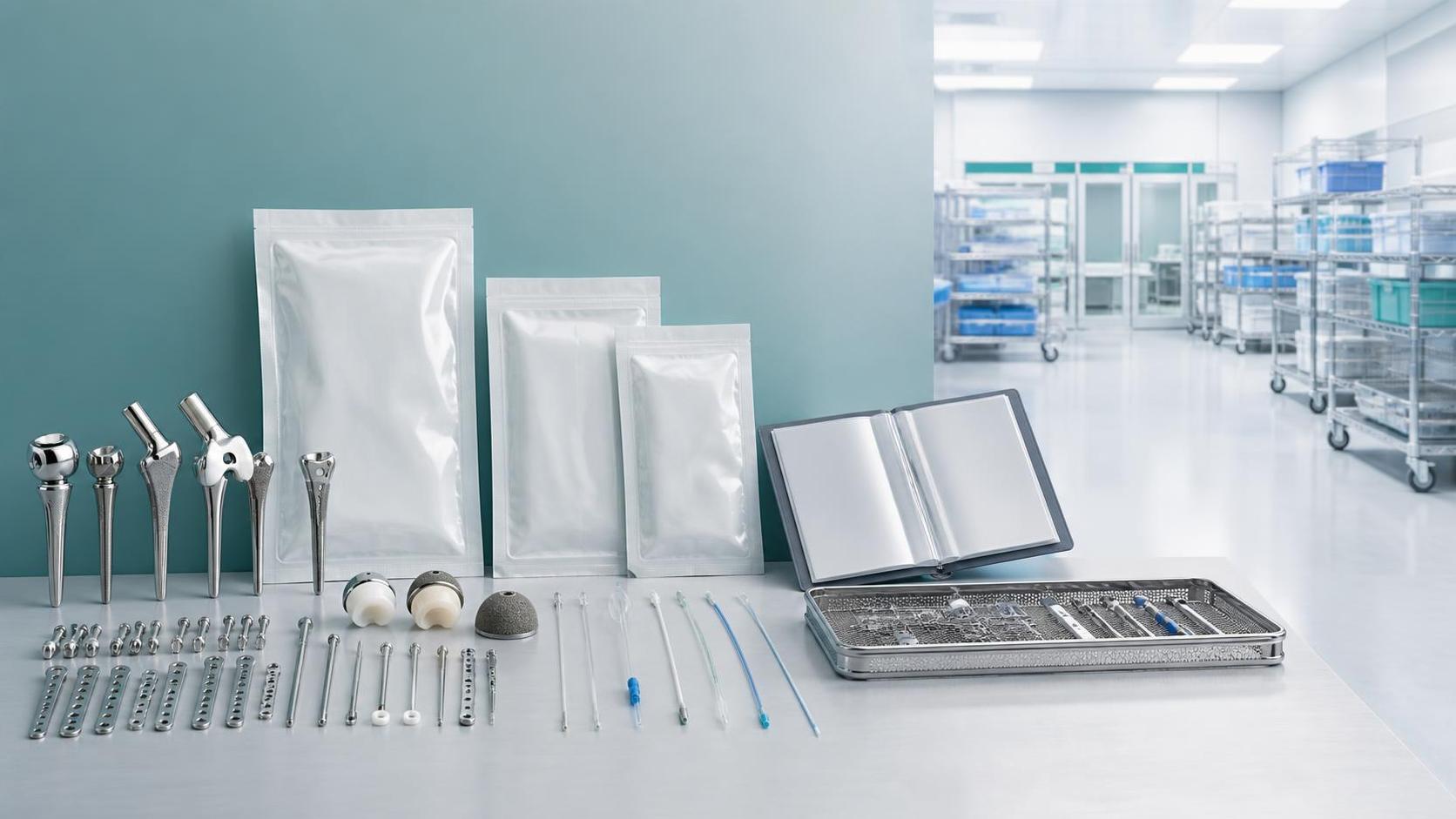
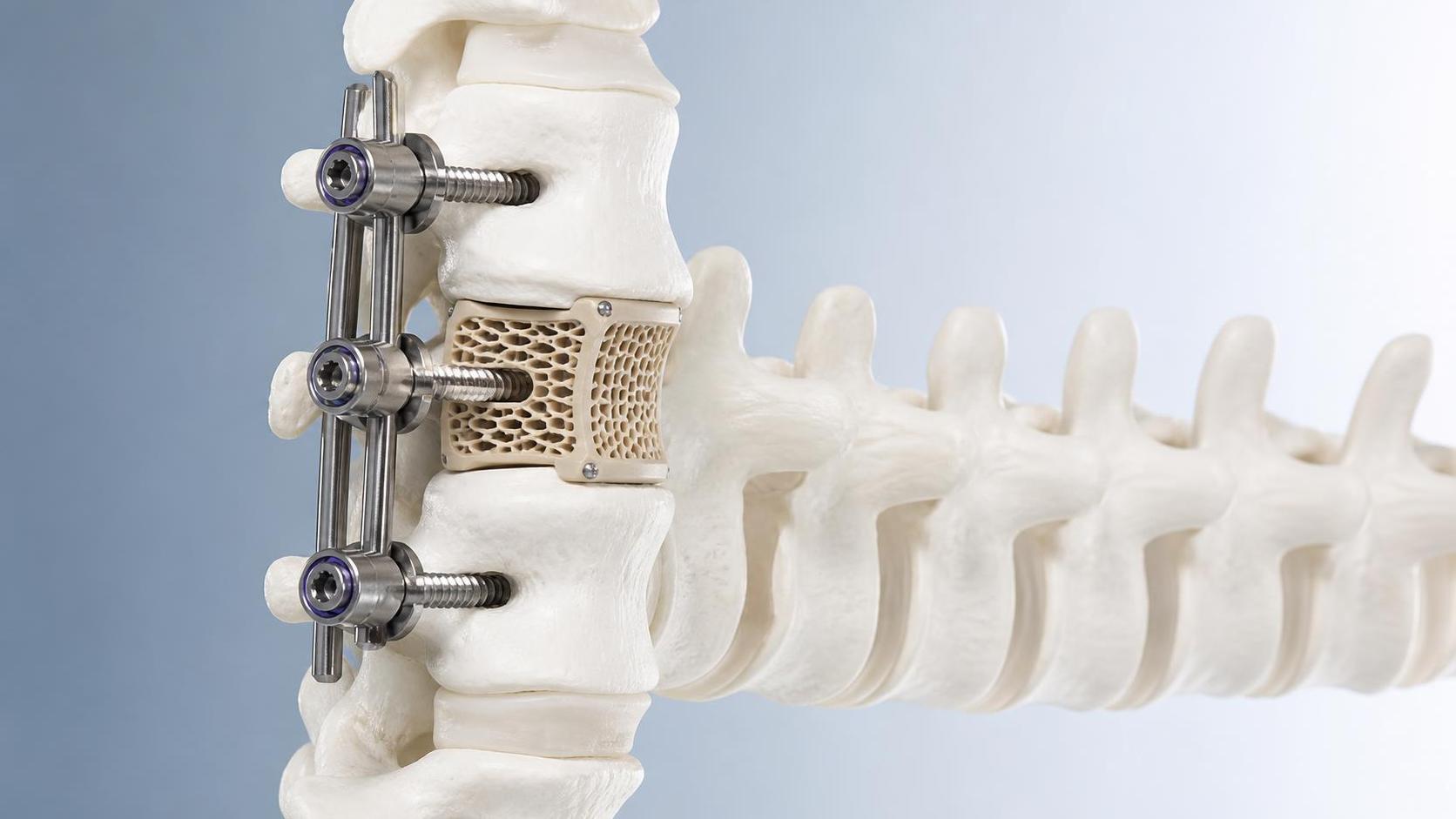
That matters for orthopedic implants, drug-contact catheters, tissue-contact stapling components, and advanced dressings. Small formulation changes can trigger broader toxicological review than teams initially budgeted for.
Manufacturing Consistency Is Under Closer Review
Micron-level precision is now tied more directly to regulatory confidence. For consumables with cutting, sealing, deployment, or flow-control functions, process capability and lot consistency increasingly shape clearance risk.
In practice, this affects laser-cut stents, porous implant structures, catheter extrusion, coating uniformity, and staple formation reliability. Innovation without stable transfer to production is losing credibility.
Clinical Evidence Is Becoming More Context-Specific
FDA is showing less tolerance for generic benefit claims. Reviewers want clearer links between device design, intended population, procedural context, and measurable outcomes.
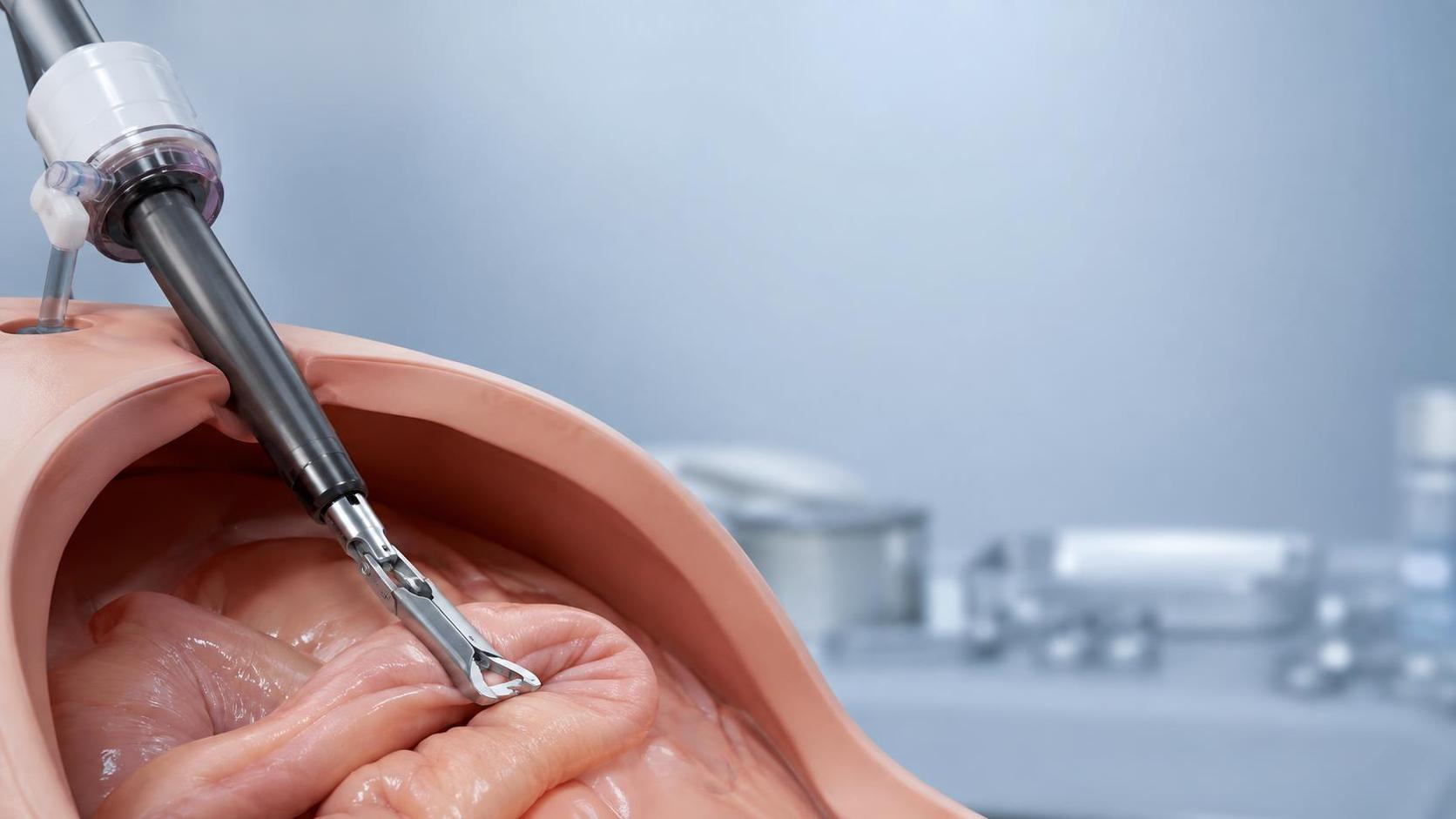
For minimally invasive consumables, that may include leak rate, hemostasis performance, navigation success, tissue trauma, healing quality, or reintervention frequency. Evidence strategy now needs sharper endpoint discipline.
Where Surgical Consumables Innovation FDA Pressure Is Most Visible
The pressure is not uniform across categories. Some segments face more immediate scrutiny because failure consequences are severe, design iterations are rapid, or cost controls are forcing aggressive product redesigns.
Seen together, these categories show why surgical consumables innovation FDA analysis should be handled as portfolio management, not only product-by-product documentation.
What This Means for Investment and Market Access
In many organizations, regulatory planning still follows commercial planning. That sequence is becoming expensive. By 2026, FDA trends are directly influencing which concepts deserve scale-up and which should be stopped early.
This is particularly important where VBP-style price pressure is compressing margins globally. If a new consumable requires extensive evidence, specialized materials, and difficult process validation, the business case must absorb that reality from the start.
A lower-cost redesign may appear attractive commercially, yet trigger new regulatory questions around equivalence, performance drift, or biocompatibility. In that setting, procurement pressure and FDA expectations can pull in opposite directions.
The stronger approach is to model both together. IMCS-style intelligence is useful here because regulatory pathways, material risk, and pricing environments rarely move independently.
How to Read FDA Trends in Real Operating Scenarios
The phrase surgical consumables innovation FDA can sound abstract until it is tied to actual decisions. In practice, the issue usually appears in a few repeatable scenarios.
When a Legacy Product Is Being Upgraded
A familiar platform may gain a new coating, smarter handle design, biodegradable element, or thinner wall profile. The assumption of low regulatory disruption is often wrong.
Even modest changes can alter contact chemistry, mechanical stress, shelf life, or use error patterns. FDA review increasingly looks at whether the change affects the full clinical experience.
When Supply Chains Are Being Localized or Diversified
A new resin supplier, contract sterilizer, or precision machining partner can change process residue, consistency, or documentation quality. Those shifts may create hidden regulatory exposure.
That is why supplier qualification now belongs in product strategy discussions, especially for catheters, implantable components, and high-tolerance MIS devices.
When Clinical Claims Need to Support Premium Positioning
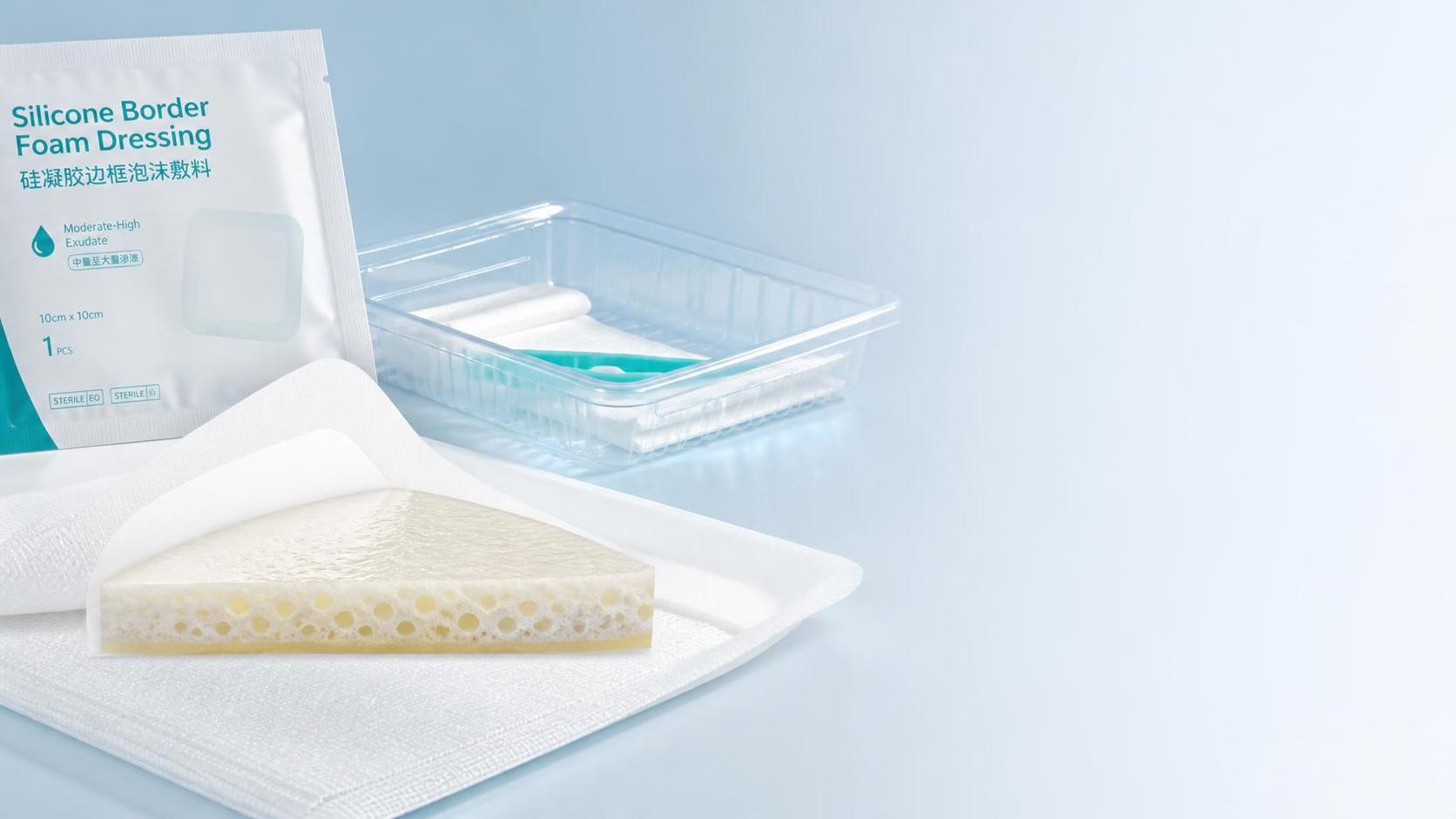
Premium pricing is harder to defend without claim discipline. If a dressing promises better healing or a stapler claims superior tissue security, FDA-facing evidence and market-facing value claims must stay aligned.
A Practical Screening Framework for 2026
A useful way to assess surgical consumables innovation FDA exposure is to screen each project through a small set of questions before major spending begins.
- Does the innovation change patient-contact chemistry, tissue response, or particulate profile?
- Does it depend on a process that is difficult to validate at scale?
- Will the intended claim require more than bench testing to be credible?
- Could supplier substitution alter the regulatory file later?
- Is the added evidence burden still compatible with projected reimbursement and procurement realities?
Projects that trigger multiple yes answers need more than routine regulatory support. They need integrated decisions across R&D, quality, clinical, operations, and market planning.
What to Watch Next
The next wave of attention will likely center on biodegradable constructs, personalized implant geometries, smarter minimally invasive tools, and more demanding post-market data expectations.
Each of these areas increases the need to connect engineering ambition with evidence realism. The winners will not simply be faster innovators. They will be better translators between design intent, regulatory logic, and economic viability.
That is the real lesson behind FDA Trends Shaping Surgical Consumables Innovation in 2026. Regulatory change is now a business signal. It helps determine where innovation is durable, where it is fragile, and where it deserves serious scale.
A sensible next step is to review current pipelines against likely FDA evidence demands, material risks, and manufacturing sensitivities, then compare those findings with pricing and access assumptions before the next investment cycle.
Get weekly intelligence in your inbox.
No noise. No sponsored content. Pure intelligence.
News Recommendations
 Sep 26, 2026How to verify FDA compliance for medical device materialsHow to verify FDA compliance for medical device materials
 Sep 25, 2026When does a porous 3D-printed cranial implant improve fixation?When does a porous 3D-printed cranial implant improve fixation?
 Sep 24, 2026When are bovine pericardial valves suitable for transcatheter aortic valve replacement?When are bovine pericardial valves suitable for transcatheter aortic valve replacement?
 Sep 23, 2026How to verify the sterility assurance of surgical devicesHow to verify the sterility assurance of surgical devices
 Sep 22, 2026How to assess a spinal implants manufacturer’s quality systemHow to assess a spinal implants manufacturer’s quality system
 Sep 21, 2026How to assess an osseointegration technology manufacturer’s quality systemHow to assess an osseointegration technology manufacturer’s quality system
 Sep 20, 2026Medical material science trends reshaping biocompatibility testingMedical material science trends reshaping biocompatibility testing
 Sep 19, 2026What North American regulators expect in implant clinical evaluationsWhat North American regulators expect in implant clinical evaluations
 Sep 18, 2026When should plate and screw systems be selected for fracture fixation?When should plate and screw systems be selected for fracture fixation?
 Sep 17, 2026How a medical device sourcing strategy can reduce total acquisition costHow a medical device sourcing strategy can reduce total acquisition cost
 Sep 16, 2026When are silver foam burn care dressings appropriate for exuding burns?When are silver foam burn care dressings appropriate for exuding burns?
 Sep 15, 2026What drives medical device category pricing in value-based purchasing?What drives medical device category pricing in value-based purchasing?
 Sep 14, 2026High value consumables insights for evaluating total cost of careHigh value consumables insights for evaluating total cost of care
 Sep 13, 2026What a medical device market insights platform reveals about market accessWhat a medical device market insights platform reveals about market access
 Sep 12, 2026When are collagen-based tissue healing materials suitable for wound care?When are collagen-based tissue healing materials suitable for wound care?
 Sep 11, 2026How catheter material selection affects total cost of ownershipHow catheter material selection affects total cost of ownership
 Sep 10, 2026What FDA clearance means for medical grade PEEK implantsWhat FDA clearance means for medical grade PEEK implants
 Sep 09, 2026When do hydrogel wound healing technologies suit dry wounds?When do hydrogel wound healing technologies suit dry wounds?
 Sep 07, 2026How to assess medical consumables for surgical useHow to assess medical consumables for surgical use
 Sep 07, 2026How to verify CE MDR compliance for single-use medical consumablesHow to verify CE MDR compliance for single-use medical consumables
 Sep 05, 2026How to evaluate an antithrombotic catheter factory for qualityHow to evaluate an antithrombotic catheter factory for quality
 Sep 04, 2026When do minimally invasive surgical staplers improve GI access?When do minimally invasive surgical staplers improve GI access?
 Sep 03, 2026When are foam moist wound healing dressings appropriate for exuding wounds?When are foam moist wound healing dressings appropriate for exuding wounds?
 Sep 02, 2026How implant pricing affects access to advanced medical careHow implant pricing affects access to advanced medical care
 Sep 01, 2026What is driving price pressure in the North American medical consumables market?What is driving price pressure in the North American medical consumables market?
 Aug 31, 2026Comparing medical devices in Southeast Asia when market access differsComparing medical devices in Southeast Asia when market access differs
 Aug 30, 2026When are 3D printed PEEK implants suitable for spinal reconstruction?When are 3D printed PEEK implants suitable for spinal reconstruction?